
Article
What should buyers know first?
Short answer: Use fashion sourcing trends as buyer decisions: organise product briefs, material evidence, samples, quantities, claims, quality, packing, and repeat records.
What fashion sourcing trends should modern brands plan for?
Fashion sourcing trends for modern brands are most useful when treated as buyer decisions rather than headlines. A new material, supplier platform, compliance conversation, sample method, product-data request, or delivery pressure becomes relevant only when a brand can connect it to a specific garment, channel, destination, quantity structure, owner, and next proof. The practical question is not “What is the latest sourcing trend?” It is “Which information, product decision, or factory control will make this collection easier to develop, quote, approve, make, pack, and repeat?”
Yinshan Fashion works on custom and private-label bulk programmes, not unrestricted ready-stock wholesale. A brand therefore needs a current product brief before it expects a useful manufacturing discussion. Include the target customer, category, silhouette, fit, material direction, colour, construction, components, artwork, labels, packing, destination, quantity matrix, sample purpose, target arrival context, approval owner, and open questions. The supplier can identify dependencies and options, but should not turn an unfinished concept into a fixed MOQ, price, lead time, availability, test, certification, or delivery promise.
This guide focuses on the sourcing patterns that make a buyer's decisions more visible: clearer product inputs, comparable factory requests, material and claim evidence, controlled samples, connected quality and packing records, and a repeat-ready change log. These are not universal rules or claims about every market. They are working methods that help a modern brand turn a changing supply conversation into a traceable product route.
How should brands separate a trend signal from a buying instruction?
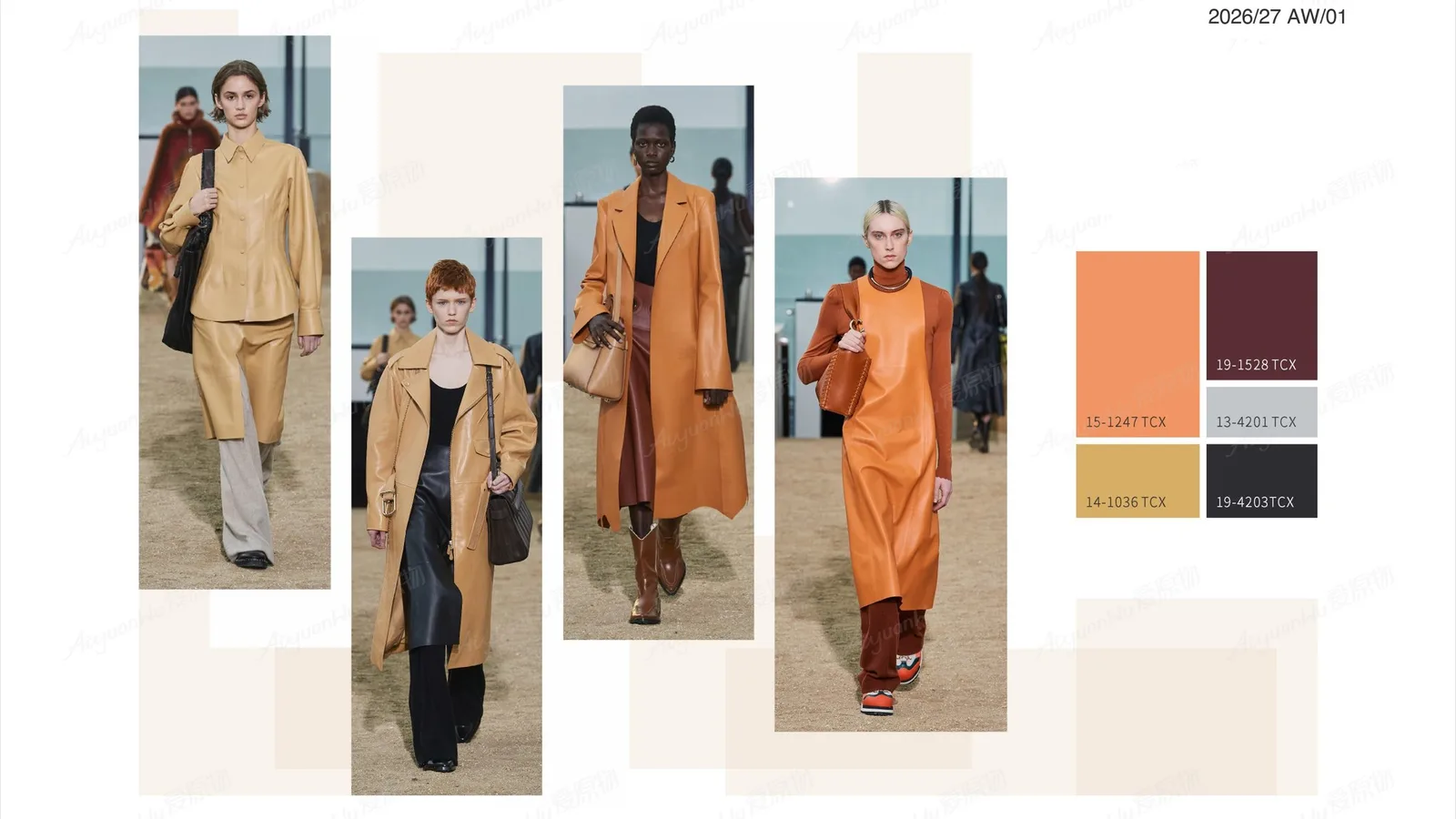
A trend signal might be a fabric direction, a social-media image, a retailer request, a competitor observation, a trade-show conversation, or a change in a destination's product-information expectations. None of these is complete enough to send to a factory as a bulk instruction. Convert the signal into a product question. Does the buyer need to compare drape, fit, material composition, colour, trim, print, label, pack, quantity, delivery route, claim wording, or retail presentation? State the question, the evidence held, the decision owner, and the proof needed next.
For example, a brand may see demand for a more traceable material story. The relevant sourcing work is not to add a broad claim to every item. It is to identify the actual fabric, component scope, source documents available, product or percentage basis where relevant, label wording, destination, and reviewer. A brand may want a faster drop. The relevant work is to define the style codes, material routes, components, quantities, sample purpose, approvals, and changes that would otherwise be discovered too late. The headline is only a starting point; the product record makes it useful.
Keep a decision log next to the mood board or trend reference. Record what is proposed, what is confirmed, what is approved for a particular sample only, what remains open, and what later change would reopen the decision. This stops a visual direction from becoming an untested material, construction, or packing instruction. It also lets a factory respond with precise questions instead of making assumptions about a buyer's commercial or product intent.
Why is a product brief the first sourcing control?
The same word can describe very different products. A “relaxed shirt” may mean a lightweight woven with a soft drape, a structured overshirt, a jersey layer, or a garment with retailer-specific labels and packing. A brief makes the difference visible. Start with a style code, category, intended wearer, product use, construction, fit direction, measurement basis where supplied, material behaviour, colour, components, decoration, label package, packing route, destination, quantity structure, and sample objective.
Mark every decision as fixed, proposed, acceptable alternative, or open. A buyer can be certain about the silhouette but still be comparing fabrics. It can approve a colour direction while waiting for a garment proof. It can know the target channel while a barcode or carton route is pending. Explicitly naming this status makes an incomplete brief usable without pretending it is final. It tells the factory which questions need a swatch, a sample, a document, an applied proof, a revised quantity matrix, or buyer approval.
The fashion product brief before sampling guide provides a practical handover structure. Use it to keep references, fabric direction, components, sizes, quantities, labels, packing, target market, sample purpose, and open points together. A controlled brief does not remove the need for a conversation. It lets that conversation focus on the product decision rather than on reconstructing the current information from messages.
How should a brand compare factories on the same basis?
Send one dated information pack to every prospective factory. Include the product references or tech pack, style-colour-size list, intended fit and construction, material and colour direction, components, decoration, labels, packing, destination, current quantity assumptions, sample purpose, target arrival context, source documents where available, fixed decisions, and open questions. A comparison is only meaningful if every party is responding to the same product version.
Ask each factory to separate confirmed inputs from assumptions, exclusions, dependencies, alternatives, and questions. A fast response can be helpful, but it is not automatically comparable if one factory assumed a different fabric base, quantity split, component, packing method, or sample route. When an alternative is proposed, record why it was suggested, which style it affects, the available proof, the commercial point that needs confirmation, and the buyer decision required. This creates a more useful comparison than a simple list of headline prices.
The fashion manufacturer versus wholesale supplier guide helps buyers distinguish a custom-production conversation from a ready-stock purchasing route. The selected route may differ by programme. The key is to state whether the buyer is evaluating product development, customisation, bulk production, retail packing, or an existing stock offer instead of assuming all suppliers are quoting the same service.
Why do material evidence and claim control belong in sourcing?
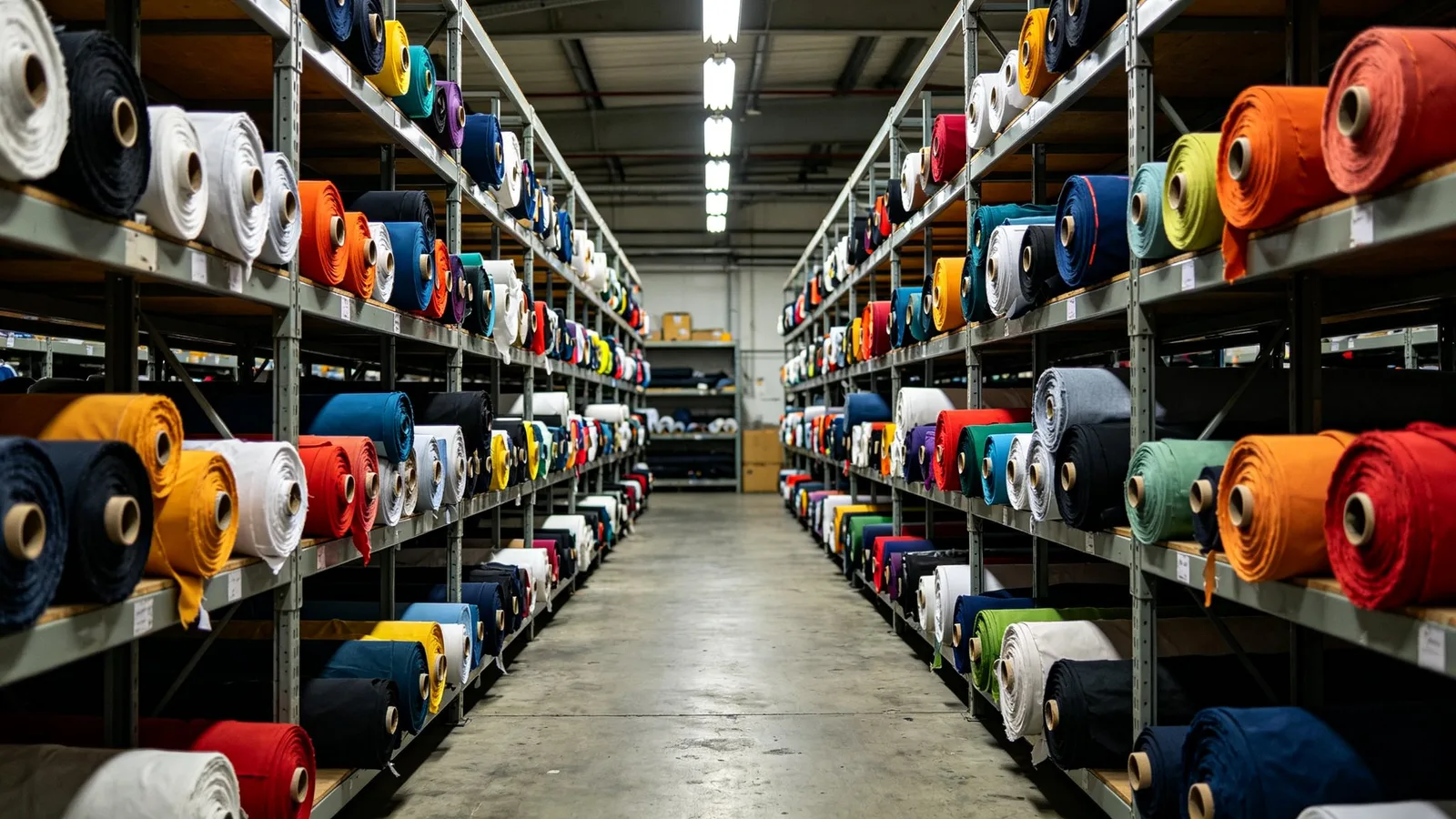
Material direction can affect product shape, handfeel, drape, opacity, stretch, recovery, colour, finish, construction, components, care, claim wording, labels, packing, and later repeat discussions. A fibre name by itself does not answer these questions. Record the actual fabric reference, composition information supplied, construction or weight if known, colour standard, finish, component relationship, source evidence available, and the exact sample question. Then identify what the brand wants to say to customers and who can approve that language.
Keep the physical material record, evidence record, and customer-facing claim record separate. A supplier statement may apply to a fibre, yarn, fabric, component, transaction, or previous lot. A customer claim may apply to a different product scope. A buyer should not expand a narrow document into a broad garment or brand statement. The factory can explain the material route and identify missing inputs; the buyer should use its own legal, retailer, and market review process for final labels, marketing, certification, and compliance conclusions.
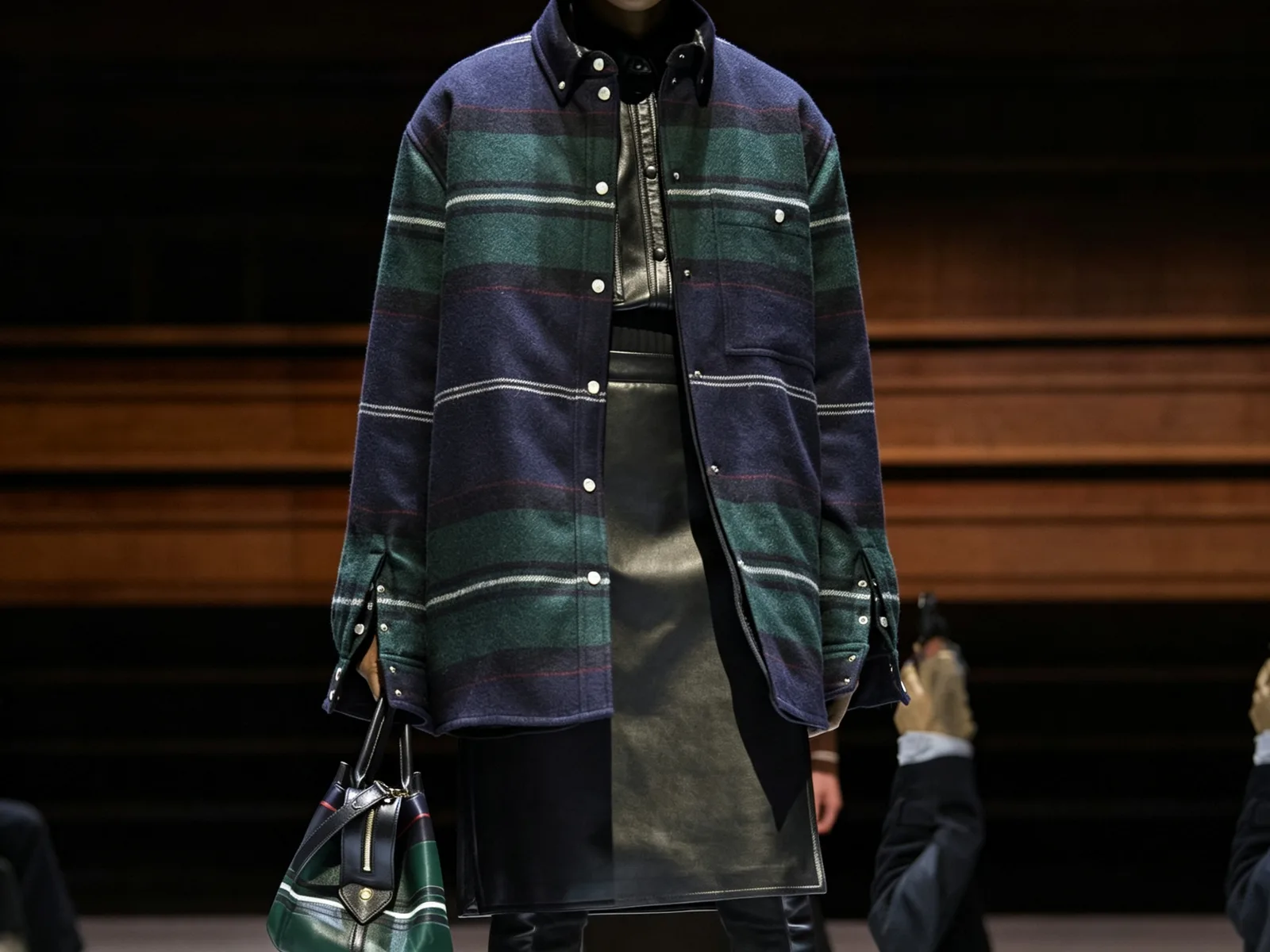
The eco friendly fabric options guide gives a detailed method for comparing fabric behaviour, source evidence, sample scope, components, claims, packing, and bulk handover. Use it to organise questions rather than to infer a particular material benefit, certification, availability, or commercial result for a current programme.
How should buyers use samples as decision gates?
Every sample should answer a named question. The first proof may compare handfeel, drape, weight, opacity, stretch, surface, or colour direction. A development sample may review silhouette, fit, construction, component integration, print placement, embroidery, or fabric behaviour on the intended garment. A later sample may confirm a final colour, label, packing element, or retail presentation. Give each one a version, material and component references, intended size, purpose, reviewer, decision deadline, and next gate.
An approved sample is never broader than its stated scope. A garment can be approved for silhouette while final material or colour remains open. A fabric swatch can be accepted for handfeel while construction, opacity, or care questions remain. A label proof can be correct for one channel but not another. Use precise language such as “accepted for direction,” “approved for fit only,” “pending final fabric,” or “not cleared for packing.” This protects a buyer from accidentally turning exploratory feedback into a bulk release.
Consolidate feedback against the correct sample version. The product, design, sourcing, retail, and quality teams may all have valid observations, but the buyer should resolve conflicts before sending one controlled instruction to the factory. A comment log should identify the observation, affected style or SKU, evidence, requested change, owner, decision status, and next action. This does not promise a shorter development cycle; it reduces avoidable rework from competing instructions.
How should quantity planning support a flexible sourcing route?
The total order number is only a beginning. List current quantities by style, colour, and size where relevant, together with fabric count, component packages, decoration variations, label and packing routes, destination, channel, and timing context. Mark estimates as estimates. A quantity split may change the sourcing discussion as much as the total, especially when one small run contains many unrelated fabrics, colours, trims, labels, or cartons.
Use the matrix to test deliberate simplification. A brand might share a compatible fabric across related styles, reduce colourways, align a trim package, defer an experimental component, or make one product the first sample priority. It might instead retain a variation because it is essential to the collection's customer proposition. The point is not to minimise every option. It is to see the product, sample, sourcing, SKU, packing, and approval work created by each option before a request for quotation becomes a misleading comparison.
The fashion clothing MOQ, sample cost, and bulk price guide explains why buyer inputs shape the commercial conversation. It does not establish a universal minimum, price, sample fee, stock position, or lead time. Current materials, construction, components, quantity structure, sample needs, and approvals must be confirmed for the specific programme.
Why are labels, product data, and packing now core sourcing inputs?
An otherwise correct garment can still fail its intended retail route if labels, fibre information, care information, size identifiers, hangtags, barcodes, inserts, folding, protective material, carton assortment, marks, destination, and retailer files are not connected to the correct order line. Modern sourcing work includes these product-identity inputs early enough for the factory to identify what is missing, what needs a proof, and what depends on a buyer decision.
Map every product-data element to the applicable style-colour-size, channel, destination, source file, version, owner, approval status, and packing stage. A label file can be valid for one product and incorrect for another. A barcode source can be pending even when the garment has been approved. A packaging statement can have a different evidence scope from a shell-fabric statement. Treat each as a connected record, not a general instruction at the end of production.
The custom labels, trims, and packaging guide helps brands structure the component and packing conversation. The buyer remains responsible for final consumer-facing content and market-specific review. The factory can flag an obvious mismatch between a file and the product route, but should not invent a barcode, fibre statement, care claim, country-of-origin conclusion, or retailer requirement from an incomplete brief.
How should responsible sourcing become an operational process?
Responsible sourcing is more useful when it is organised as an ongoing risk and evidence process rather than a badge or a one-time supplier question. A brand can map the product route, material and component sources, decision owners, evidence available, claims planned, production and packing records, findings, corrective actions, and change history. The point is to identify the next relevant question and who must answer it, not to claim that a supplier relationship or finished garment has no risk.
For a buyer, the process may start with a simple set of questions: what product or component decision has the greatest impact on the current order? What source information exists? Which person owns the final product, claim, or market decision? Which finding must be contained or corrected before the next gate? What evidence should be retained for a later review? Answering these questions creates an accountable route without promising outcomes that require programme-specific verification.
OECD due-diligence guidance is useful context because garment supply chains can be complex and multi-tiered. It supports a risk-based approach to identifying, addressing, and accounting for impacts; it does not certify an individual supplier, garment, or customer claim. Brands should use relevant professional, customer, legal, and market processes for their own responsibilities and should record the scope of any information received from a factory.
How should quality visibility be built before bulk production?
Quality visibility starts with the approved product standard. Name the correct style-colour-size identity, reference sample, fit and construction priorities, material and component route, measurement basis, decoration, labels, packing, quality points, evidence source, owner, and still-open conditions. Then ask which checks are practical during cutting, sewing, finishing, component application, packing, and pre-shipment review for that specific product.
Avoid a generic “quality assured” claim. A soft knit, a structured woven, a printed garment, and a multi-component accessory can need different product observations. A buyer should identify the actual risk: seam appearance, fit, measurement, colour, print placement, hardware, label position, fold, carton identity, or another approved criterion. The factory can explain a practical checkpoint and how a finding would be documented, corrected, rechecked, and connected to the affected scope.
The fashion clothing accessories quality control guide shows how materials, production, labels, packing, findings, corrections, and release evidence can be linked to the product record. If a fabric, colour, component, label, or packing route changes, reopen the connected check. Do not assume an earlier approval covers a different version.
How can technology support the sourcing record without replacing judgment?
Digital tools can make a current brief, sample folder, quantity matrix, specification sheet, material register, component map, approval log, and packing record easier to share. They do not solve a vague product instruction. A file repository is useful only when its style codes, versions, owners, dates, approved scope, and open questions are clear. A photograph without a sample version or material reference is still an ambiguous instruction.
Use tools to retain decisions, not to hide them. Keep the product reference, source material, sample photographs, comments, label files, packing proof, quality notes, and authorised changes connected to the same product version. Show who can approve a fit change, fabric substitute, colour adjustment, label statement, carton mark, or release exception. When a system records an update, state whether it changes the next factory action or merely adds supporting context.
Technology can also help a buyer prepare for product-information requests, but it cannot decide what data is truthful or complete. Product, sourcing, quality, commercial, legal, and retail teams still need a visible handover. An organised record helps those teams compare an option with the current product truth before they request a sample, alter a claim, or release a bulk instruction.
How should buyers prepare for product-information expectations?
Product information deserves attention early, especially when goods will move across channels or destinations. A buyer should know the composition information supplied, intended label elements, care route, country-of-origin or responsible-party fields where applicable, product or component claim scope, packaging information, customer data, and the owner for final approval. The required wording and documentation depend on the product and market, so a factory should not make a destination-specific compliance conclusion from a general brief.
For brands that sell into European markets, current policy direction makes product information, durability, repairability, recyclability, and lifecycle thinking relevant areas to monitor. The European Commission's textiles strategy gives that context and describes related Digital Product Passport direction. It does not mean that every current garment has the same requirements or that a general product record automatically meets a future regulation. The brand should obtain current market and legal review for its own products.
In the United States, FTC textile guidance shows why fibre, origin, responsible-business, care, and advertising statements should be accurate and appropriately scoped. This article uses such guidance as a planning prompt, not legal advice. The buyer must ensure that actual labels, marketing, and product statements are reviewed against the specific product, evidence, destination, and channel before use.
How should a brand make a sourcing handover repeatable?
Before cutting or another irreversible action, issue one dated handover that includes the current product reference, pattern or measurement basis, material and colour route, components, artwork, labels, packing, quantity matrix, quality priorities, evidence files, exceptions, approval owner, and change log. A new colleague should be able to identify which version is current, what it approves, which condition remains open, and what evidence supports the next stage without relying on a personal inbox.
Where the brand has several styles, create a matrix. Give every line the style, colour, size range or ratio, material, components, artwork, labels, packing, destination, quantity, sample status, quality priorities, owner, and unresolved decision. A change to one shared material or label can then be traced to all connected styles. This is especially useful when a collection needs controlled variation rather than a single repeated product.

The manufacturing overview shows how a product handover connects to materials, cutting, sewing, quality checks, finishing, packing, and delivery preparation. It is not a fixed timeline or result guarantee. Use it to identify the decisions that must be visible at the next stage of the current programme.
Which sourcing decisions should stay conditional?
Some decisions should remain open until the evidence is ready. A fabric route may be accepted for handfeel but not for final colour. A sample may confirm silhouette but not labels, packing, or bulk material. A proposed customer claim may have an evidence gap. A quantity matrix may still be directional. A commercial response may depend on the final component, material, or order split. Mark the status clearly instead of using an unqualified approval.
Useful status language includes proposed, under comparison, suitable for sample review, approved for a stated purpose, pending a document, pending buyer confirmation, not approved for bulk, or closed for the current version. Each phrase should name the affected product or component, the evidence considered, the owner, and the next decision. Conditional information is not a weakness when it is visible; it is a truthful way to move a complex programme forward.
When a supplier, brand, or retailer proposes a change, ask four questions. What product scope does it affect? What record or evidence must change? Which commercial, sample, quality, label, or packing point might move with it? Who can approve the resulting instruction? Those questions help teams preserve a workable trend direction without losing control of the actual product.
How should buyers use the first order to improve the next one?
The first production run can create a stronger repeat record when the buyer retains the approved product reference, material and colour identifiers, component list, sample comments, quantity structure, label and packing files, quality observations, exceptions, evidence records, and authorised changes. After delivery, discuss what should stay, what should change, what decision arrived too late, and which source or approval record should be clearer next time.
A repeat is never automatic. Materials, components, quantity, destination, customer claim, channel, and timing context may have changed. Begin with the last approved record plus a visible difference list. This lets the factory ask whether a fabric needs a new source review, a component needs a proof, a quantity split changes the route, a label needs an updated file, or a quality and packing priority must be reopened.
The quick repeat orders guide helps distinguish retained evidence from a fixed production promise. A good repeat record makes the next question easier to identify and compare; it does not assume that a previous product can be copied unchanged.
What should a modern brand send to start a sourcing conversation?
Send a dated product reference or tech pack, style list, category and construction, intended wearer and channel, fit direction, material and colour references, components, artwork, labels, packing, quantities by style-colour-size, destination, sample purpose, target arrival context, planned claims, evidence held, decision owner, fixed decisions, and open questions through the contact page. Yinshan Fashion can then discuss a custom or private-label production route through material review, samples, components, manufacturing, quality, packing, and export coordination.
The useful first response may identify a missing swatch, product measurement, artwork file, label source, quantity matrix, sample objective, market input, or approval owner. That is a constructive sourcing outcome because it makes the next evidence gate visible. It is not a promise that the product, claim, commercial basis, production route, stock, testing, certification, timing, or delivery result is already confirmed.
Modern sourcing kit
Three controls that turn a sourcing trend into a product decision
A sourcing direction becomes useful when it is attached to a specific product, evidence scope, and next approval. These controls help a brand connect trends with materials, samples, quantities, claims, packing, and bulk handover without treating a broad signal as a factory promise.
Control the product question
Translate a trend reference into the style, wearer, use, fit, material, colour, component, label, packing, quantity, channel, destination, owner, and decision it actually changes.
Control the evidence scope
Keep product references, material and component information, source evidence, sample comments, proposed claims, approvals, and open conditions in a dated record with a clear scope.
Control the next gate
State whether the next decision needs a swatch, header, material source, applied sample, revised quantity matrix, label file, packing proof, quality check, or buyer approval.
Buyer action and factory confirmation before a modern sourcing route moves forward
Use one dated checklist to connect a product trend with the current brief, material and claim evidence, samples, quantities, labels, packing, quality priorities, and repeat record. Exact commercial terms, availability, tests, certifications, approvals, and timing remain programme-specific.
| Decision area | What the buyer should prepare | What to ask the factory |
|---|---|---|
| Trend signal and product decision | Provide the style-colour-size route, target wearer, channel, product purpose, trend reference, desired change, fixed decisions, owner, and open questions. | Which material, fit, construction, component, sample, quantity, label, packing, or product record does the proposed direction actually affect? |
| Product brief and material route | Share the product reference, intended fit and construction, fabric behaviour, colour, composition information supplied, components, source evidence, acceptable alternatives, and current claim question. | What can be reviewed now, what needs a swatch, source, proof, sample, document, substitute decision, or buyer approval before the next stage? |
| Quantities and commercial assumptions | Give the current style-colour-size matrix, fabric and component count, packing variations, channel, destination, sample objective, target arrival context, and provisional assumptions. | What is confirmed, assumed, excluded, conditional, unavailable, or likely to require a revised discussion when the product variables change? |
| Sample and comment control | Name the sample version, material and component references, intended size, question to answer, reviewer, comments, approval scope, owner, and next decision. | What does the proof demonstrate, what remains open, and which connected product record must be updated after the review? |
| Product data labels and packing | Provide label and hangtag files, fibre and care information supplied, barcode source, product claim wording, individual presentation, cartons, destination, channel split, and approval owner. | Which product, label, claim, packing, market, retailer, or buyer record is pending before the selected route can be used? |
| Quality release and repeat record | Identify product-specific quality priorities, approved references, findings, authorised changes, packing proof, retained records, and the expected change list for a future repeat. | How will the current product be compared at production and packing, and what later change must reopen the evidence or approval route? |
Continue the production conversation
Fashion sourcing trends for modern brands: buyer inputs and factory confirmation
| Decision point | What the buyer should prepare | What the factory should confirm before the next gate |
|---|---|---|
| Trend signal and product purpose | Style-colour-size route, target customer, channel, garment use, trend reference, product decision, owner, and the evidence needed next. | Which proposed change affects material, fit, construction, components, samples, quantities, labels, packing, or the current product record? |
| Product brief and material evidence | References or tech pack, fit and construction priorities, fabric behaviour, colour, composition information supplied, components, source evidence, claims, and open questions. | What can be assessed now, what needs a swatch, header, proof, sample, document, substitute decision, or buyer approval before the next stage? |
| Quantity and commercial basis | Current style-colour-size matrix, fabric count, component and packing variations, destination, channel, sample purpose, timing context, and provisional assumptions. | What is confirmed, assumed, excluded, conditional, unavailable, or likely to need a revised commercial discussion when the product changes? |
| Sample and change control | Sample version, materials, components, intended size, question to answer, reviewer, feedback, approved scope, unresolved condition, and change owner. | What does the proof demonstrate, what remains open, and which connected record must be updated before a later production decision? |
| Product data labels and packing | Approved files, fibre and care information supplied, customer claim wording, size and barcode source, hangtags, individual presentation, cartons, destination, and channel split. | Which product, label, claim, packing, destination, retailer, or buyer approval is still needed before the proposed route is used? |
| Quality release and repeat record | Product-specific quality priorities, approved references, evidence, findings, authorised changes, packing proof, retained product record, and future change list. | How will the current product be compared during production and packing, and what later change must reopen the material, sample, claim, or approval route? |
Buyer FAQs
What are fashion sourcing trends for modern brands?
Fashion sourcing trends for modern brands are the evolving buyer priorities that affect how a collection is briefed, sampled, quoted, documented, produced, packed, and repeated. Useful trends become product-specific decisions about inputs, evidence, approvals, and next control points rather than general supplier claims.
How should a modern fashion brand compare manufacturers?
Send every manufacturer the same dated product pack: style, fit, construction, materials, colours, components, labels, packing, quantities, destination, sample purpose, timing context, evidence, fixed decisions, and open questions. Ask each party to separate confirmed inputs, assumptions, exclusions, alternatives, and dependencies.
Why are samples important in fashion sourcing?
Samples turn a proposed direction into a defined product question. A swatch can review handfeel or colour direction, while a garment sample can review fit, construction, material behaviour, components, labels, or packing. Record what each proof approves and what remains conditional before bulk.
What sourcing information should a fashion brand retain for repeat orders?
Retain the approved product reference, material and colour identifiers, component list, sample comments, quantities, label and packing files, quality observations, evidence records, exceptions, and authorised changes. Start a repeat conversation with that record plus a visible difference list, then reconfirm current conditions.
Do sourcing trends guarantee faster apparel production or lower costs?
No. A clearer brief, sample route, quantity matrix, material record, and approval log can make a factory conversation easier to control, but they do not guarantee availability, MOQ, price, lead time, test results, certification, production performance, or delivery outcomes. Those depend on the current programme.