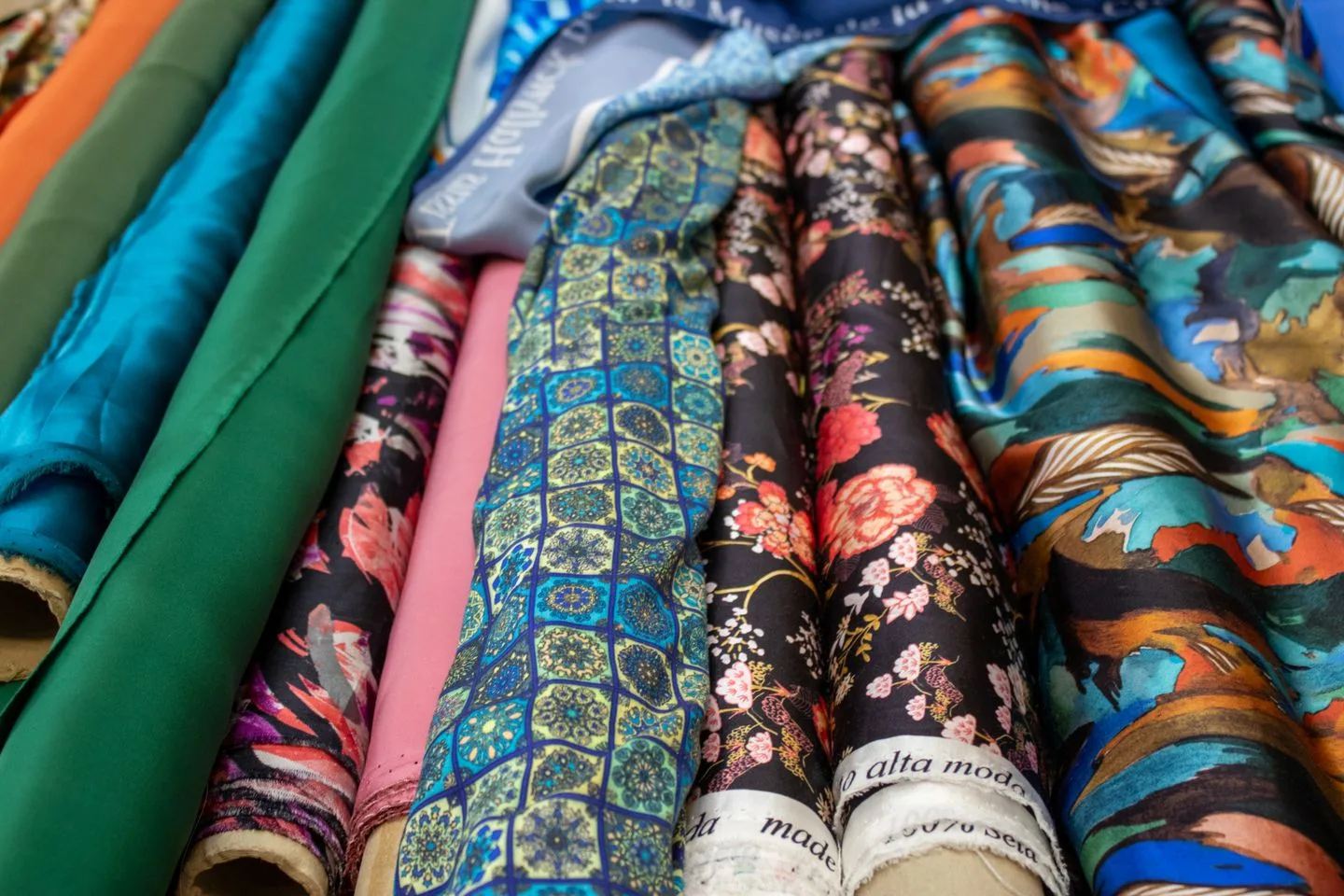

Article
What should buyers know first?
Short answer: Compare eco friendly fabric options for fashion apparel through garment performance, source evidence, samples, claims, components, packing, and bulk handover controls.
What should buyers expect from eco friendly fabric options for fashion apparel?
Eco friendly fabric options for fashion apparel are not a ready-made material list or a promise that one fibre makes an entire garment environmentally better. They are a set of sourcing decisions about the fibre, yarn, fabric construction, dye or finish route, components, garment use, claim evidence, packing, destination, and end-of-life questions. A buyer gets a more useful factory discussion when the team defines the desired product result first and then asks which material route can support it with evidence.
Yinshan Fashion supports custom and private-label bulk programmes rather than unrestricted ready-stock wholesale. That means a fabric conversation should connect to a real product brief: category, intended wearer, handfeel, drape, stretch, coverage, colour, trim package, label, packing, target channel, destination, quantity structure, sample purpose, and decision owner. A supplier can identify available options and dependencies, but should not turn an incomplete inspiration image into a fixed material, claim, price, quantity, timing, or certification promise.
The word “eco-friendly” is a useful search term, but it is too broad to act as a buying instruction. Start by replacing it with a specific question. Does the buyer need recycled content evidence, an organic-content route, a lower-impact material comparison, a durable fabric for a defined garment use, a verified chain-of-custody path, reduced packing, a different fibre blend, or a clearer customer-facing statement? Each answer needs a different product record and may lead to a different sample or documentation request.
How should a brand define the material decision before requesting options?
Create a material brief that separates the garment result from the environmental or commercial claim. The garment result can include weight, opacity, handfeel, drape, stretch, recovery, breathability expectation, surface, warmth, abrasion concern, colour route, care expectation, silhouette, construction, and intended use. The claim side can state the exact attribute under consideration, the evidence already held, the destination, the label or marketing location, and the person who can approve wording. This prevents a broad material label from hiding a poor fit for the product.
For each style, make one line that names the shell, lining, pocketing, rib, thread, elastic, labels, print base, hangtag, polybag, and carton elements that matter. The shell may have a documented attribute while a trim does not. A buyer should not imply that a whole garment shares an attribute when only one component has supporting evidence. The same discipline matters for a blend: identify the fibre composition, the weight or construction if supplied, and the portion of the product to which a claim applies.
Give the material brief a version and date. Attach the reference image, swatch, header, colour standard, supplier statement, composition data, transaction or scope documents where supplied, test request where relevant, and open questions. When a buyer changes the base fabric, dye route, component, colour, or percentage, record which style-colour-size routes are affected. This turns an early preference into a controlled product decision rather than an informal note that can be misunderstood during sampling.
How should garment performance guide the first material shortlist?
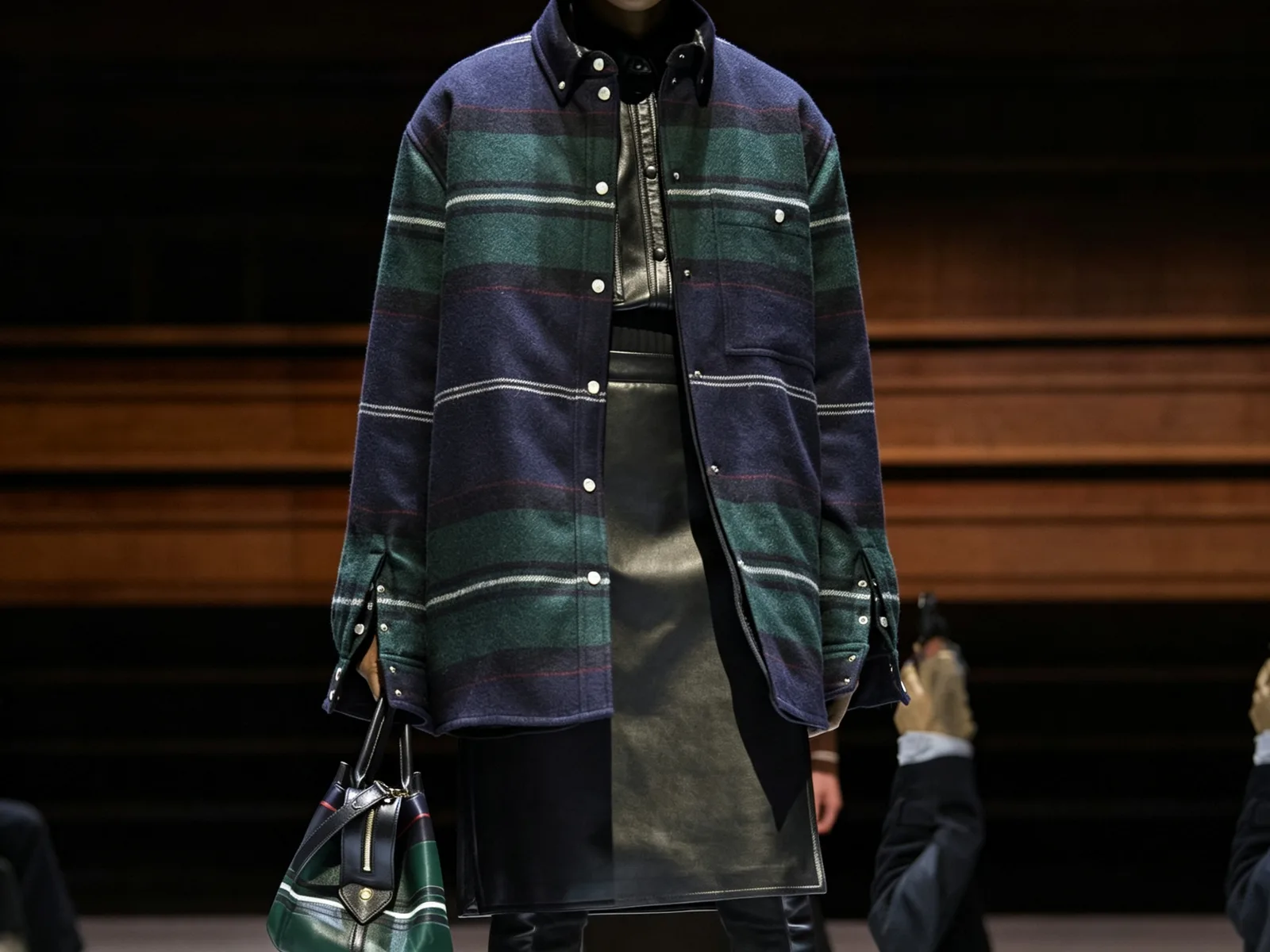
Start from what the garment must do. A draped blouse, structured overshirt, soft jersey tee, lined dress, brushed lounge set, lightweight woven, or technical-looking outer layer can require different fabric behaviour even when a buyer gives all of them the same environmental objective. A material route should be screened for the current product shape, construction, opacity, stretch, recovery, seam behaviour, shrinkage risk, surface appearance, finish, and care route before the team debates a customer-facing claim.
Ask for the evidence that answers the immediate product risk. A swatch may help with handfeel and colour direction. A header may help compare weight, texture, and construction. An applied sample may show drape, seam appearance, print, embroidery, or a wash effect. A final garment sample may be needed before approving fit, coverage, colour interaction, label placement, or retail presentation. A fibre name in an email does not replace those product checks.
Use the fabrics and trims resource to structure the discussion, then map the selected fabric to each product route. If one base fabric is proposed across multiple styles, confirm that it suits each style's construction instead of assuming a shared material is automatically a shared solution. A clear short list usually has a preferred route, one or more acceptable alternatives, the evidence available for each, and a named decision that the next sample must support.
How should buyers assess recycled-content fabric options?
Recycled-content fabric can be a relevant option when the proposed product, composition, material source, quality route, and claim evidence are visible. Ask whether the recycled-content statement refers to the fibre, yarn, fabric, component, or finished product; whether it is pre-consumer or post-consumer where that distinction is supplied; what percentage is being discussed; and which documents support the exact lot or product route. Do not convert a supplier's broad statement into a garment-wide claim without checking scope.
The garment still needs a performance review. Compare fabric weight, texture, colour response, stretch, recovery, opacity, seam behaviour, surface change, pilling concern where relevant, and care expectations with the approved product direction. A material that carries a recycled-content statement may be right for one shell fabric and wrong for a close-fitting rib, lining, printed panel, or high-stress component. If a substitute is proposed, add it to the same comparison record rather than treating it as the original material.
For a customer-facing claim, record the exact claim language, percentage basis where supported, evidence source, product or component scope, destination, reviewer, and date. The recycled polyester sourcing guide offers a related route for buyers comparing recycled polyester before sampling. It should be used to frame questions, not as proof that any current fabric has a particular percentage, certificate, performance result, availability, price, or lead time.
How should buyers evaluate organic-content routes without overstating them?
Organic-content sourcing requires the buyer to distinguish an agricultural or fibre-content statement from a finished-garment outcome. Where an organic claim is relevant, ask which fibre is described, how the content is measured, what chain-of-custody or certification documents are available for the actual route, whether the scope covers a fabric or only a component, and what final label or marketing wording will be reviewed. A material's name or a past certificate should not be treated as current evidence for every subsequent lot, product, or retailer programme.
The product brief should still cover fibre blend, fabric construction, dye or finish, colour, lining, labels, trims, packing, care, market, and intended product use. An organic-content path does not automatically answer questions about fit, durability, colour performance, chemistry, labour, recyclability, product safety, or a brand's overall environmental impact. Keep those questions separate so that a truthful material attribute is not stretched into an unsupported broader promise.
The organic cotton private-label guide can help a brand organise source records, sample reviews, labels, and programme-specific questions. Use a current document review and the buyer's legal, retailer, and market process for final claims. The factory can identify a missing document or a conflict between a proposed label and supplied material information; it should not certify the buyer's customer-facing statement or make a market-compliance conclusion from an incomplete file.
Where do man-made cellulosics and other plant-based options fit?
Man-made cellulosics, linen, hemp, cotton, and other plant-based routes can be discussed through the same product-and-evidence lens. The relevant question is not which material has the most attractive label in a presentation. It is whether the selected fabric supports the specific garment, colour, construction, handling, care, source evidence, customer claim, and commercial route. A fibre can behave very differently after spinning, knitting or weaving, dyeing, finishing, blending, or garment construction.
Ask the factory to identify the actual fabric reference, composition information supplied, weight or construction, surface, finish, colour route, available sample evidence, and unresolved production question. If a buyer wants to compare a plant-based option with an existing synthetic or blended material, write down the decision criteria: desired handfeel, drape, opacity, stretch, recovery, garment use, colour, care, durability expectation, claim scope, and price or quantity questions to be confirmed. This lets the team compare like for like rather than assuming fibre categories are interchangeable.
Avoid using terms such as natural, biodegradable, renewable, low impact, or sustainable as a substitute for a material specification. If a buyer expects to use a particular term on a hangtag, product page, or retailer file, assign a claim owner and a separate evidence check. The production team can make a material sample and identify the current inputs; the brand should decide what it is prepared to say to customers after appropriate review.
Why do blends, trims, and construction change the decision?
A garment is rarely only its shell fabric. Elastane, lining, reinforcement, thread, zipper tape, buttons, labels, heat transfers, embroidery backing, elastic, padding, hangtags, bags, and cartons may each change the way a buyer describes, uses, repairs, sorts, or disposes of the product. A blended fabric can be the right answer to a fit, stretch, recovery, durability, or cost question while creating a different end-of-life or claim discussion. The correct route is product-specific.
Build a component map before asking the factory to quote or sample. Mark each item as fixed, proposed, acceptable alternative, buyer-supplied, supplier-sourced, evidence pending, or approved for a named sample. When a buyer wants to reduce variation, it may be more useful to standardise a compatible label package, thread colour, zipper family, packing method, or fabric base than to force unrelated garments into one material. This is a sourcing choice, not a promise that fewer components automatically create a better outcome.
The custom labels, trims, and packaging guide can support a clear component record. Keep customer claims on labels and hangtags separate from internal material notes. Each statement should have a controlled file, product scope, version, evidence owner, and approval route before it appears on goods or packaging.
How should colour, dye, print, and finish be reviewed?
Colour and finish should be reviewed on the actual proposed base where possible. The same colour reference can look different on another fibre, construction, weight, surface, lining, thread, rib, print base, or finishing route. A screen image is direction, not proof of an approved fabric colour. State whether the next evidence is a swatch, lab dip, colour standard, strike-off, wash test where agreed, garment sample, component proof, or buyer review.
If a material change affects a print, wash, coating, softness, structure, or care expectation, attach the impact to the correct style and sample version. A buyer can say that a finish or effect is still being explored; it should not imply a particular durability, wash result, or material benefit until the product evidence and programme requirements are clear. The fabric-selection guide is useful for turning fabric, colour, construction, and use into sample questions before a bulk decision.
What should a material sample programme prove?
Every sample should answer a named question. The first fabric sample might compare handfeel, weight, opacity, drape, stretch, surface, or colour direction. A development garment can test silhouette, fit, construction, seam appearance, print position, component integration, and material behaviour together. A later garment or applied proof may need to confirm the actual colour, trim, label, and packing combination. Give every sample a version, material reference, size, purpose, reviewer, deadline, and decision that follows.
Do not approve an entire material route from one partial signal. A swatch can be approved for direction while a garment fit remains open. A sample can be accepted for silhouette while the final colour, print, trim, labels, packing, or composition record remains conditional. Use language that makes the scope visible: approved for handfeel only, approved subject to fabric confirmation, or not approved pending a named proof. This protects both buyer and factory from treating exploratory feedback as bulk release.
Keep a consolidated comment log. It should state the sample version, material and component references, observation, requested change, affected style or SKU, owner, evidence, due date, and next gate. Resolve conflicting design, product, sourcing, retail, and quality comments before sending the factory one current instruction. This does not make sampling faster by default; it makes the next decision clearer.
How should buyers control environmental claims and source evidence?
Separate three records: the physical material record, the evidence record, and the customer-facing claim record. The physical record identifies what is actually proposed for the garment. The evidence record contains the available supplier information, transaction or scope documents where supplied, composition information, test or sample evidence where relevant, and the dates or lot references that matter. The claim record states what the brand wants to say, where it will appear, which product or component it covers, who approves it, and what still requires review.
This separation matters because a supplier document, a material certificate, or a marketing phrase can each have a different scope. Broad, unqualified claims such as “eco-friendly” can create more meaning than the buyer can support. Instead, describe a particular documented attribute only when the evidence, product scope, percentage or component basis where relevant, audience, and qualification language have been reviewed. Any destination-specific label, advertising, retailer, or legal conclusion should remain with the buyer's appropriate advisers and approval process.
Use current external guidance as a prompt for evidence, not as a substitute for it. Textile Exchange materials can help a buyer understand organic-content and chain-of-custody concepts. FTC Green Guides are useful for recognising the risk of broad environmental-benefit statements. European textile policy context can show why product information, durability, repairability, recyclability, and lifecycle questions deserve early attention for EU routes. None of these sources certifies a current garment or authorises a specific claim without a programme-specific review.
How should a buyer compare factories or fabric proposals fairly?
Send the same dated material brief to every party. Include the product reference or tech pack, style code, garment use, desired handfeel and performance, composition direction, colour reference, construction or weight if known, trims and lining, print or finish, label and packing scope, quantities by style-colour-size, destination, sample purpose, target arrival context, claims under consideration, evidence available, fixed decisions, and unresolved questions. Without the same basis, two proposals can look comparable while describing different products.
Ask each supplier to distinguish what is confirmed, assumed, excluded, unavailable, suggested as an alternative, and dependent on another review. If a supplier proposes a substitute, request the reason, current product impact, evidence available, expected sample or proof, commercial impact to be confirmed, and buyer decision needed. This is better than asking for an unsupported universal recommendation because it produces a record that can be reviewed when the material or quantity changes.
Do not treat an early quotation or availability indication as a finished material commitment. Fabric route, colours, components, quantity structure, sampling, testing, packing, destination, and approvals can change the commercial discussion. The fabric sourcing before sampling guide helps buyers organise those inputs. It is a planning tool, not a guarantee of stock, cost, MOQ, delivery, testing, or certification.
How should material decisions connect with bulk production control?
Before cutting or another irreversible action, place the current material route in a single handover. It may include the approved fabric reference, composition details supplied, colour evidence, construction or weight, component map, approved sample, measurements, artwork, labels, packing, quantity matrix, quality priorities, exceptions, and change log. The goal is to make the current instruction usable by product, sourcing, production, quality, finishing, and packing colleagues without relying on an old email or image.
Identify the product-specific checks that matter. A lightweight woven may need coverage, seam appearance, colour, and label position review. A stretch jersey may need recovery, construction, print placement, and measurement attention. A coated or textured fabric may need its own surface and finishing questions. The factory can explain practical checkpoints and evidence; the buyer should set the product standard, decision owner, and release scope. This is a control route, not a zero-defect promise.

The fashion clothing accessories quality control guide shows how an approved product record can connect materials, construction, measurements, labels, packing, findings, corrections, and release evidence. When a fabric, colour, trim, or claim changes, reopen the related control point instead of assuming a previous approval still applies.
How should packing and retail presentation be included?
Packing may be a small percentage of an order's physical volume but a visible part of the product claim and receiving route. Record individual protection, labels, size stickers, hangtags, barcode source, inserts, folding, carton assortment, marks, destination, retailer instructions where supplied, and any proposed packaging statement. A recycled-content or recyclable packaging statement needs the same scope and evidence discipline as a garment statement. Do not transfer a packaging attribute to the garment or the garment attribute to the packaging.
Where a product ships to multiple destinations or channels, make each difference visible on the correct order line. A different label language, barcode, hangtag, carton mark, protection method, or retailer requirement can create a separate approval route. The manufacturing overview explains how product inputs connect to production, finishing, packing, and delivery preparation; it does not replace the buyer's current destination and customer-data checks.
How can a brand retain material decisions for the next order?
After a sample, production run, or delivery, retain the approved fabric or clear reference, composition information supplied, colour standard, component list, sample comments, quality observations, packing record, claim file, authorised changes, and exceptions. Give them a product code and date so that another colleague can identify what was actually used. The next order should begin with a comparison of the retained record and requested changes, not with an assumption that an old material name still identifies the same route.
This record is useful even when the buyer chooses another fabric next time. It shows which garment attributes were accepted, which source documents were available, which colour or construction points stayed open, and which input would have reduced uncertainty earlier. A repeat still needs confirmation of current materials, components, quantities, destination, programme requirements, and customer claims. Good records make that confirmation faster to understand, not automatic.
How should a brand prepare a material claim review packet?
Create a concise claim review packet before a phrase reaches a product page, hangtag, catalogue, retailer submission, packing insert, or sales conversation. The packet should name the product or component, proposed wording, intended audience, destination, exact material or percentage basis where relevant, physical sample or source reference, evidence holder, document date, open conditions, and person authorised to approve or change the phrase. Store a current version beside the product brief instead of relying on a marketing presentation that may describe a previous fabric option.
The review packet is also a useful way to uncover missing facts. A buyer may discover that a proposed phrase describes a fibre but not a lining, that the available evidence applies to a transaction rather than a finished product, that a label needs a different wording for a particular channel, or that the team has not determined whether a component falls inside the statement. These are ordinary sourcing questions. They should lead to an evidence request or a qualified decision, not an unverified claim.
Make changes visible. If the material percentage, blend, supplier reference, colour, finish, label, component, packing, destination, or sample changes, record whether the claim packet must be reopened. A clear change log lets a product manager, sourcing colleague, designer, retailer, and factory coordinator see the current boundary between a proposed phrase and approved customer communication. It also reduces the chance that a correct claim is repeated on the wrong product.
Which material decisions should remain open until evidence arrives?
Some decisions should deliberately remain conditional. Do not treat a preferred fabric name as final before the team has reviewed the sample question, material reference, composition details supplied, colour and finish, component relationship, quantity route, claim scope, and evidence available. The right status may be “under comparison,” “accepted for handfeel only,” “awaiting source document,” “approved subject to applied sample,” or “not cleared for customer wording.” These phrases give the factory a usable next action without pretending that a later gate is already passed.
The same approach applies to quality and production questions. A buyer can identify the garment's key visual, fit, construction, colour, component, label, and packing risks before all conditions are known. The factory can explain which observations are practical during sampling, cutting, sewing, finishing, and packing. A product-specific control plan is more useful than a broad performance statement because it attaches each priority to a current reference, owner, evidence source, and decision point.
How should the final fabric decision be handed over?
At the release point, issue one dated material handover rather than a collection of disconnected files. It should identify the current style-colour-size route, approved fabric reference, composition information supplied, colour and finish evidence, lining and trim map, sample version, measurements where relevant, construction priorities, label and packing files, quantity matrix, quality points, claim packet status, exceptions, decision owner, and next record to update if something changes. This does not make the route irreversible by itself; it makes the current scope understandable.
Ask a practical question before the factory moves forward: can a new colleague identify the correct fabric, colour, components, product sample, approved statement, packing route, and open condition without searching through messages? If not, the handover needs another edit. The point of the record is to make a change visible early enough for the buyer to choose whether to confirm it, request a substitute, order another proof, revise a claim, or pause the affected product route.
Keep the approved material reference and exception log for any later repeat. A future request may need a new source document, sample, quantity discussion, label review, or production comparison even when the style looks unchanged. The retained record gives the team a disciplined starting point for that conversation and helps prevent a former option from being mistaken for the current product truth.
What should a buyer send to start an eco-friendly fabric sourcing conversation?
Send a dated product reference or tech pack, style and SKU plan, target customer and channel, garment use, handfeel and performance priorities, material or composition direction, colour and finish references, trims, lining, decoration, labels, packing, quantities by style-colour-size, destination, sample objective, target arrival context, desired claim language, evidence held, owner, fixed decisions, and open questions through the contact page. Yinshan Fashion can then discuss a product-specific material and sample route for custom or private-label bulk production.
The useful first response may be a request for a swatch, a clearer composition target, a component decision, an applied sample, a document review, a revised quantity matrix, or a claim owner. That is progress: it makes the next evidence gate visible. It is not a promise that every material, claim, commercial term, sample result, availability, test, certification, or market outcome is already confirmed.
Material decision kit
Three controls that turn a broad fabric preference into a usable product decision
A material route becomes useful when the garment outcome, supporting evidence, and next approval are visible. These controls help a buyer compare fabric options, samples, components, claims, packing, and bulk handover without implying a universal environmental benefit.
Control the garment outcome
Name the style, wearer, use, handfeel, drape, coverage, stretch, recovery, surface, colour, construction, care expectation, components, and product question the material must support.
Control the evidence scope
Keep the physical material reference, source evidence, proposed claim wording, product or component scope, owner, destination, and open review points in separate but connected records.
Control the next proof
State whether the next decision needs a swatch, header, colour proof, garment sample, component review, document check, revised quantity matrix, packing proof, or buyer approval.
Buyer action and factory confirmation before an eco friendly fabric route moves forward
Use one dated checklist to connect the garment purpose with materials, samples, source evidence, claims, labels, packing, quality priorities, and the production handover. Exact availability, commercial terms, tests, certifications, approvals, and timing remain programme-specific.
| Decision area | What the buyer should prepare | What to ask the factory |
|---|---|---|
| Garment purpose and performance | Provide the style-colour-size route, target wearer, use, silhouette, handfeel, drape, coverage, stretch, recovery, surface, construction, care expectation, and current product risks. | Which material characteristics can be assessed now, which require a swatch or garment sample, and what product detail could change the route? |
| Material composition and evidence | Share the proposed fibre or blend, material reference, composition information supplied, source documents where available, evidence scope, current claim question, owner, and acceptable alternatives. | What does the available information apply to, what is missing or conditional, and which material or component needs another source, document, proof, or buyer decision? |
| Colour finish and components | Give the colour reference, construction or weight if known, finish, print, lining, thread, trims, labels, packing components, and the exact styles they affect. | Which colour, finish, component, applied sample, or substitute needs review before the product record can move forward? |
| Sample and approval scope | Name the sample version, material and component references, intended size, question to answer, reviewer, due date, approval wording, and still-open condition. | What does this proof confirm, what remains open, and which connected record must be updated before a later production gate? |
| Claims labels and packing | Provide proposed customer wording, product or component scope, percentage basis where supported, label and hangtag files, packing statement, destination, channel, and approval owner. | Which document, scope, label, packing, destination, retailer, or buyer approval is still required before the proposed wording can be used? |
| Quantities quality and repeat record | Share the style-colour-size quantity matrix, product-specific quality priorities, approved material reference, exceptions, packing record, and authorised change log. | How will the current material route be compared during production and packing, and what future change must reopen the evidence or approval discussion? |
Continue the production conversation
Eco friendly fabric options for fashion apparel: buyer inputs and factory confirmation
| Decision point | What the buyer should prepare | What the factory should confirm before the next gate |
|---|---|---|
| Garment purpose and material role | Style-colour-size code, intended wearer and use, silhouette, handfeel, drape, coverage, stretch, recovery, surface, care expectation, and product risks. | Which material characteristics can be reviewed now, which require a swatch or garment sample, and which garment details may change the route? |
| Composition and source evidence | Proposed fibre or blend, material reference, composition information supplied, source documents where available, evidence scope, claim owner, and current open questions. | What does the available evidence apply to, what is missing or conditional, and which current material or component needs another source, document, or buyer decision? |
| Colour finish and component route | Colour reference, construction or weight if known, finish, print, lining, thread, trims, labels, packing components, acceptable alternatives, and reviewer. | Which colour, finish, component, proof, applied sample, or substitute needs review before the product record can move forward? |
| Sample purpose and approvals | Sample version, material and component references, intended size, question to answer, reviewer, feedback date, approved scope, and unresolved condition. | What does the sample demonstrate, what remains open, and what record or proof must be updated before a later production decision? |
| Claim label and packing scope | Proposed customer-facing wording, product or component scope, percentage basis where supported, label and hangtag files, packing statement, destination, channel, and approver. | Which document, product scope, label, packing, destination, retailer, or buyer approval is still needed before the proposed wording can be used? |
| Quantity quality and repeat record | Style-colour-size quantity matrix, quality priorities, approved material reference, exceptions, packing record, retained evidence, and authorised changes. | How will the current material and product record be compared during production, packing, and a later repeat discussion if any input changes? |
Buyer FAQs
What are eco friendly fabric options for fashion apparel?
Eco friendly fabric options for fashion apparel are material routes assessed against a specific garment, supported attribute, source evidence, customer claim, production requirement, and end-of-life question. They may include recycled-content, organic-content, plant-based, man-made cellulosic, blended, or durability-led routes, but none is a universal answer for every product.
Is recycled fabric automatically suitable for a fashion collection?
No. A recycled-content route still needs a garment-specific review of handfeel, drape, colour, stretch, recovery, surface, construction, components, sampling, claim scope, and available documentation. Ask what the statement covers and what physical proof is needed before bulk or customer communication.
Can a brand call a garment eco-friendly if one fabric has a recycled-content statement?
A buyer should not assume so. A statement may apply to one fibre, component, or percentage rather than the whole garment. Keep the physical material record, evidence record, and customer-facing wording separate, then use specific reviewed language that matches the applicable scope.
What should a factory receive before sampling an alternative fabric?
Provide the style reference, intended garment use, fit and construction priorities, desired handfeel and performance, fabric or composition direction, colour, trims, lining, decoration, labels, packing, quantities, destination, sample purpose, claims under consideration, evidence available, and open questions. State what the sample should prove and who approves the next decision.
Does a certification document prove the whole finished garment has a sustainability claim?
Not necessarily. Documentation can have a defined material, transaction, certification, component, or supply-chain scope. Check what it covers, whether it relates to the current product route, how the finished garment is described, and what additional destination, retailer, or customer-claim review is required.