Article
What should buyers know first?
Short answer: Use fashion clothing accessories quality control to connect approved samples, materials, in-line checks, measurements, branding, packing, findings, and bulk release.
How should buyers use fashion clothing accessories quality control before bulk?
Fashion clothing accessories quality control is not one final check at the end of an order. It is the buyer-and-factory route that connects an approved product record with material review, cutting, sewing, decoration, labels, packing, findings, correction, and release. A reliable route does not promise that every order will be defect-free. It makes the product standard, inspection priorities, evidence, decision owner, and response to a finding visible before work begins.
For custom and private-label bulk programmes, Yinshan Fashion does not operate as an unrestricted ready-stock wholesale platform. Each quality route depends on the garment or accessory, fabric, trims, colour, construction, quantity, size range, decoration, labels, packaging, destination, buyer requirements, and timing. The practical starting question is not “Do you have QC?” It is “What does this product need the team to compare against, and what must be confirmed before the next production gate?”
Use one dated quality brief to identify the approved sample or reference, product code, version, measurement basis, material and component references, visual priorities, known risks, inspection method where relevant, packaging requirements, release owner, and open points. This separates a preference from an instruction and keeps a later inspector from having to reconstruct the current standard from messages, images, or memory.
How should buyers create an approved product standard?
Start with the identity of the product. A style name is rarely enough once an order contains colours, sizes, fabrics, trims, prints, labels, and delivery splits. Give each product a style code and record its category, target use, intended fit, construction details, size range, colourway, pattern or measurement reference, material route, components, branding, packing, destination, and current approval status. If a point is still open, label it as open rather than treating an inspiration image as bulk-ready.
The approved sample can be powerful evidence, but its scope needs to be stated. A sample may be approved for silhouette and fit while its final fabric, print, label, colour, packing, or test route remains unresolved. Write the scope beside the sample version: “Approved for fit; shell fabric and print proof pending” is more useful than “approved.” The factory can then link its checks to what the buyer has actually authorised.
Use visual callouts or a defect reference sheet for the details that matter most. These may include collar shape, pocket position, seam construction, panel balance, colour relationship, logo placement, hardware function, thread appearance, label identity, folding, or carton mark. A buyer does not need to predict every possible defect. It should identify the product details that would change sellability, fit, use, brand presentation, or receiving accuracy if they are wrong.
The fashion product brief before sampling gives a useful structure for the underlying product information. Keep the quality brief connected to the latest product brief. If a material, fit, decoration, label, or packing instruction changes, the quality record should show which style-colour-size route has changed and what evidence must be reviewed again.
How should buyers check materials and trims before cutting?
Material checks start with the desired garment outcome, not a generic fabric name. Record the proposed fabric reference, handfeel, weight or structure where known, drape, coverage, stretch, recovery, surface, colour direction, finish, care expectation, and use. Then name the evidence available now: swatch, header, supplier information, component proof, approved sample, test report where required, or buyer decision still pending. A material can be acceptable for one product and unsuitable for another construction or end use.
List every component that affects the finished product. That can include lining, interlining, zips, buttons, snaps, elastic, drawcords, hardware, patches, thread, labels, heat transfers, embroidery, hangtags, barcode stickers, individual protection, inserts, and cartons. Map each component to the specific style and colourway it serves. A component that looks correct on a desk can behave differently when it is attached to the chosen fabric, subjected to the construction process, or read together with the retail packing.
For fabrics with a visual direction, note whether shade grouping, directional nap, stripe, plaid, placement print, repeat, stretch direction, or panel relationship needs a defined decision before cutting. These are not automatic requirements. They are examples of the questions that can change a garment result across many pieces if left unaddressed. The fabrics and trims resource can help the buyer organise material and component inputs before the next gate.
How should buyers control the pre-production handover?
Before a bulk action, consolidate the current product information into one handover. It should include the approved reference, patterns or measurement basis where applicable, fabric and colour route, trim and component list, artwork, decoration instructions, labels, packing, quantity matrix, destination, quality priorities, open points, exception owner, and version date. The purpose is not to claim that the project is free of uncertainty. It is to show exactly which instruction is current and which condition stops a point from being released.
Use a short pre-production review to compare the handover with the actual product route. Ask whether the style-colour-size quantities match the material and component list, whether an approved sample represents the intended bulk construction, whether label and artwork files identify the same version, and whether packing instructions identify the destination or channel. If a buyer changes a colour, a logo, a zipper, a measurement, or a carton assortment, make the change visible to every affected record rather than sending a broad email.
The manufacturing process explains the connection between development, material handling, production, quality checks, finishing, packing, and delivery preparation. Exact checkpoints and timing remain programme-specific. A good handover gives the factory a basis to ask the next product-specific question; it does not replace the buyer's approval responsibility.
How should in-line checks prevent repeat defects?
In-line checks look for a repeated issue while the product can still be reviewed and corrected. The relevant details depend on the garment or accessory, but may include panel alignment, seam type, stitch appearance, skipped stitches, seam puckering, symmetry, loose threads, pocket placement, zipper function, component attachment, logo position, colour relationship, or pressing result. A check should compare the product against the approved record, not against a general idea of “good quality.”
Choose a small number of priorities that are meaningful for this product. A structured woven shirt may need a close look at collar, placket, seam balance, cuff, measurements, and label placement. An active garment may need the buyer to identify a fit point, stretch-sensitive seam, print placement, binding, or opacity concern. A bag or accessory may need a construction, hardware, strap, lining, surface, or dimensional priority. The factory can explain which control point is practical at each stage, but the buyer should name what the product must achieve.
When a finding appears, record the product version, affected style-colour-size scope, observation, evidence, severity agreed for the programme, owner, containment step, correction, recheck, and release decision. Do not use a photograph without a product code or date as the entire record. A clear finding log makes it possible to distinguish a one-piece issue from a line-wide condition and to confirm whether a correction applies to goods already made, work in progress, or later production.
How should measurements and appearance be reviewed together?
Measurement review needs an agreed basis. Give the factory the measurement chart, points of measure, grade or size logic where supplied, sample version, tolerance where agreed, method of measuring, and the points that would be commercially critical if they changed. Different product types need different points: shoulder, chest, waist, hip, body length, sleeve, cuff, inseam, rise, hem, neckline, strap length, bag width, handle drop, or another functional dimension. Do not invent a universal tolerance if the buyer has not supplied one.
Numbers alone are not the full product. A garment can meet selected measurements and still have an appearance or construction issue. Review measurements alongside balance, symmetry, drape, coverage, panel relationship, seam quality, decoration, component function, labels, pressing, and presentation. Likewise, a product that looks attractive from one angle can conceal a measurement or construction mismatch. Connecting both views keeps a quality check tied to the buyer's intended result.
For an order with several sizes or versions, state which sample, size, colour, fabric, or component represents the comparison point. If a fit approval is limited to one size or one material, record that condition. The casual fashion collection can help frame category and construction questions, but every order still needs its own measurement and approval evidence.
How should buyers control print, embroidery, and applied branding?
Decoration creates its own approval route because it can affect the look, touch, function, construction, care direction, and packaging of the finished product. A print, transfer, embroidery, applique, patch, wash effect, or logo hardware should have a current artwork source, dimensions, placement, colour or finish direction, product allocation, proof or sample, owner, and approval scope. A logo file alone is not enough to determine how it will look on a particular fabric or garment panel.
Check the applied result against the relevant reference. Depending on the product, that can mean placement relative to seams or pockets, scale, alignment, edges, stitch coverage, thread relationship, surface cleanliness, component security, or interaction with the garment's stretch and drape. Avoid treating a decoration proof as proof of the entire garment. It may answer a focused question while the garment still needs fit, material, label, or packing review.
The custom labels, trims, and packaging guide helps buyers separate artwork, components, and retail identity into traceable fields. It does not authorise a factory to create consumer-facing text, claim evidence, barcode data, or market conclusions when those inputs are incomplete.
How should labels packaging and cartons be checked?
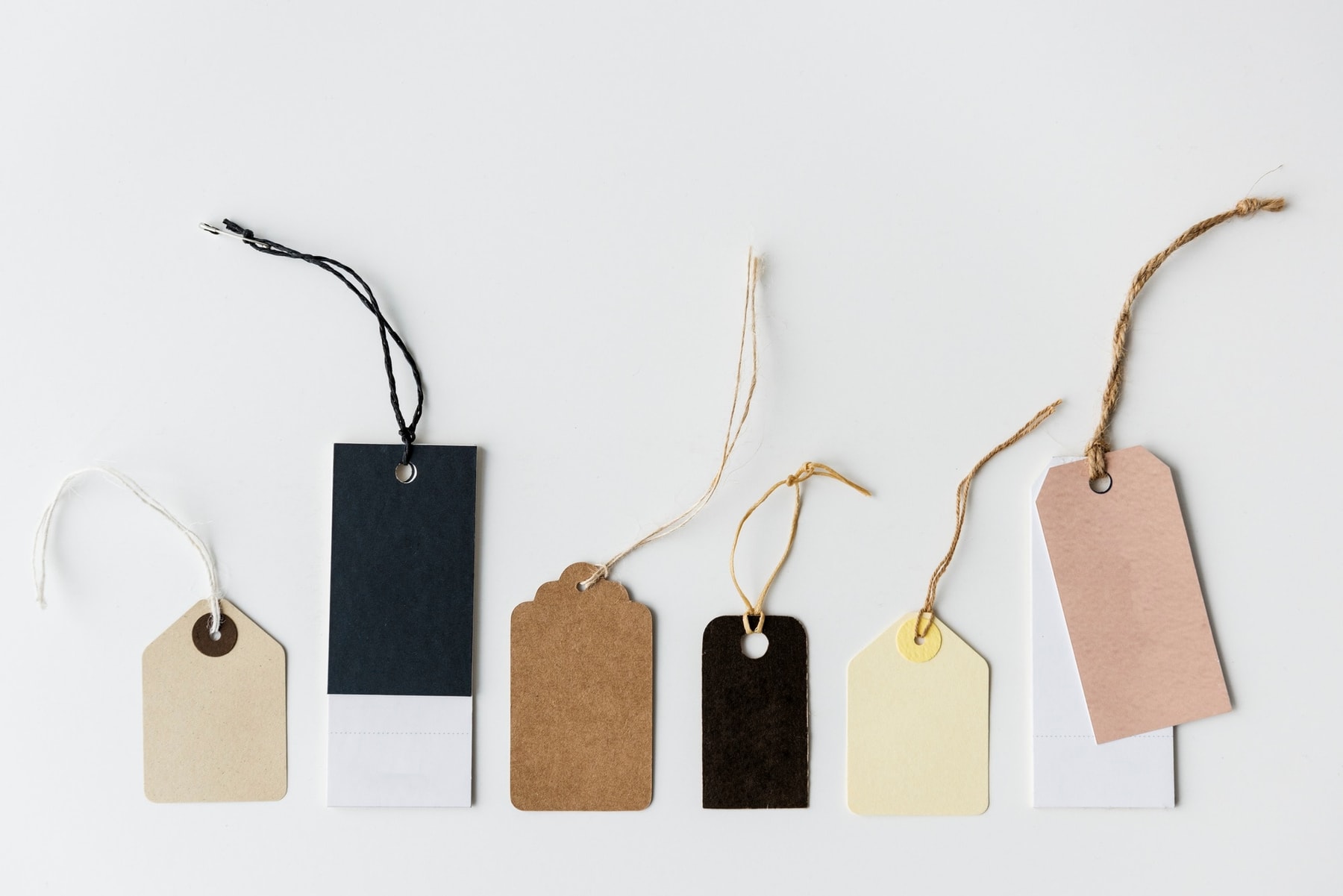
Quality control continues after the garment is sewn. The product may need a main label, size label, care information, fibre information, hangtag, barcode, polybag, sticker, fold, insert, individual protection, carton quantity, carton assortment, carton mark, and packing list. Map every item to the precise style-colour-size, destination, channel, and delivery split it serves. A garment can look right and still arrive with a receiving problem if it carries the wrong barcode, label version, size indication, pack ratio, or carton information.
The buyer should own final product data and arrange the relevant market or retailer review. For United States-bound garments, the FTC's Care Labeling Rule addresses care instructions and a reasonable basis for them, while the FTC textile-labeling guide is relevant to fibre, origin, and responsible-company information. These sources do not create a universal label answer for a live order. The product, destination, channel, buyer data, and applicable rules still need confirmation before labels are made or attached.
Use an approved packing reference where it matters. It may show fold, protection, label visibility, barcode placement, inserts, size stickers, carton assortment, or marks. Check it beside the current product version rather than as a separate warehouse task. The wholesale apparel packing requirements guide is useful for planning retail and warehouse inputs, even when the current programme is custom or private-label rather than ready stock.
How should buyers define a final inspection route?
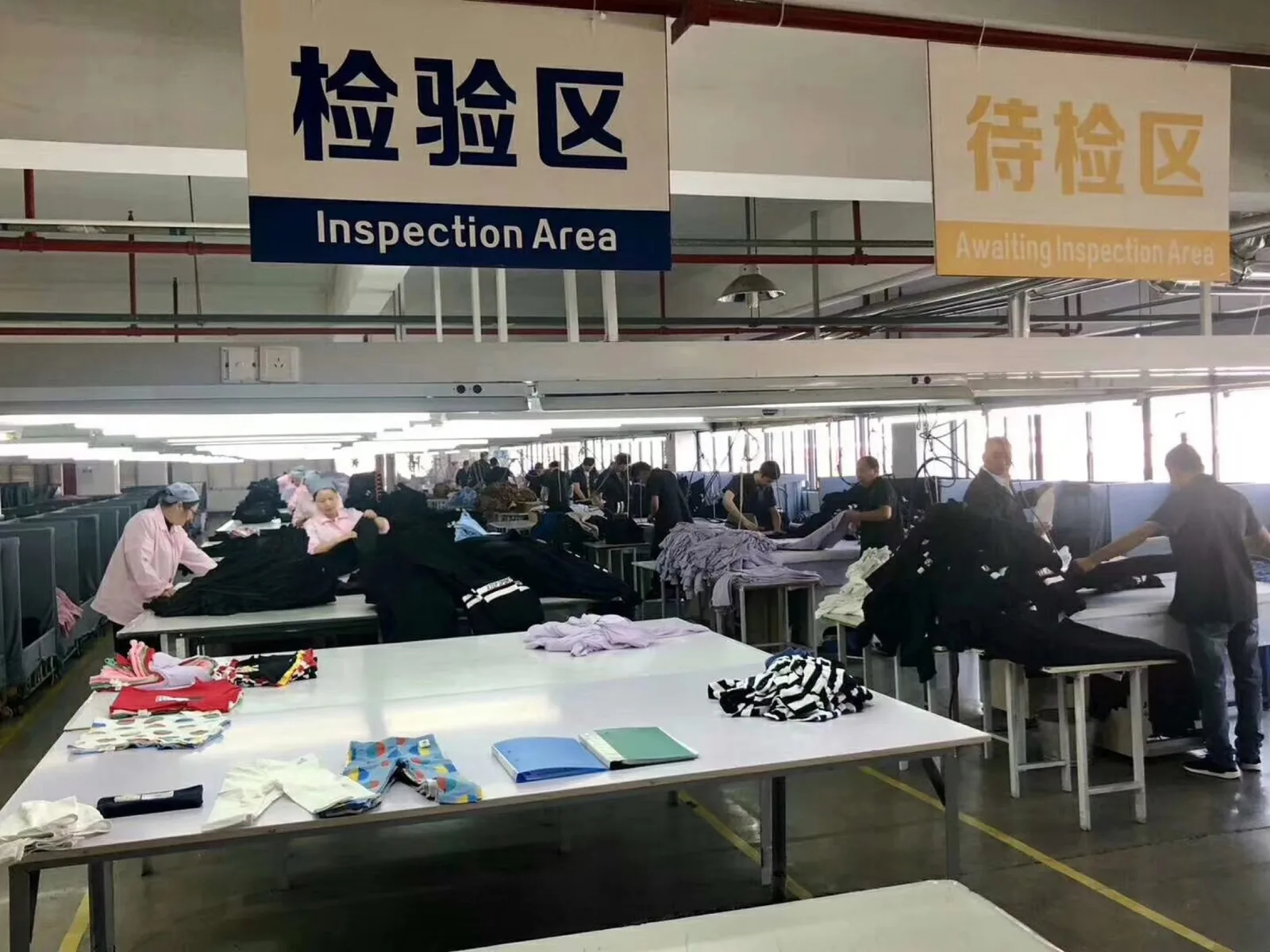
Final inspection is most useful when it has a visible purpose. The buyer may need a check of the approved product reference, size and colour matrix, materials, workmanship, measurements, decoration, labels, packing, cartons, quantity, and order identity. The sampling approach, acceptance criteria, defect classifications, inspection level, timing, and evidence needed should be agreed for the current programme. “AQL-style” language is not a substitute for defining which standard, level, lot, product risks, and release decision apply.
Classify findings in a way the project team can use. A point affecting safe use, product identity, fit, function, saleability, visual appearance, retail information, or warehouse receipt may warrant a different response from a small presentation variation. Rather than publishing a generic defect threshold, the buyer should state the product's priority and the factory should confirm how that issue will be assessed, contained, corrected, rechecked, documented, or escalated.
The fashion first bulk order production control provides a broader route from approved sample to shipment. For an individual order, retain the final inspection record beside the approved reference, exceptions, packing proof, and release evidence. This prevents an end-of-line observation from disappearing after the goods move to packing or delivery preparation.
How should buyers treat safety and market checks as separate decisions?
Workmanship inspection, product safety, laboratory testing, label content, and market compliance are related but not interchangeable. A factory inspection can compare a finished product with the agreed product record. It does not prove that every market rule or test requirement has been satisfied. The buyer should identify the destination, product type, target user, claim, retailer requirement, required method or standard where relevant, and evidence needed for the programme.
For example, the U.S. Consumer Product Safety Commission publishes clothing flammability guidance that distinguishes general wearing apparel, certain vinyl plastic film, and children's sleepwear requirements. That reference is useful for a buyer's early scope review, not a blanket statement that a particular product has been tested, certified, or approved. If a test, certificate, warning, label, or specialist review is needed, put it in the product record with an owner and decision gate before bulk release.
Keeping these questions separate protects the quality record. A sewing issue may be corrected through production control. A test requirement may need a specified sample, laboratory, method, acceptance criterion, and market review. A label question may need final buyer data. One word—“QC”—should not hide these different responsibilities.
How should a quality finding become a controlled correction?
An effective quality route does not end at detection. When a discrepancy is found, create a practical corrective record: what was observed, on which product version and order scope, what evidence supports it, whether work must pause or be separated, who owns the decision, what correction is proposed, what must be rechecked, and what evidence releases the affected goods. This turns feedback into an action rather than a vague request to “improve quality.”
Check whether a correction touches connected records. A changed material may reopen colour, care, decoration, fit, label, and packing questions. A changed stitch or reinforcement may affect a measurement, sample approval, or function. A revised barcode or carton mark may affect only a destination split, but it still needs to map to the correct style-colour-size. The buyer should authorise the scope of a change; the factory should identify the product and production implications before applying it.
Keep the final version controlled. A resolution should say whether it applies to one sample, goods in a defined production stage, the balance of an order, or a future repeat. This avoids a corrective action becoming an unrecorded product change. It also gives both teams a more useful starting point when the same style is discussed again.
How should buyers review finishing before packing?
Finishing is the bridge between a garment that has been made and a garment that is ready to present, pack, and receive. The relevant review depends on the product, but can include pressing or steaming result, loose-thread removal, visible marks, symmetry, shape recovery, component function, label position, garment fold, and protection. For an accessory, the equivalent may be surface cleanliness, hardware function, strap or handle presentation, lining, shape, and protective packing. The buyer should define which result matters to its customer and channel rather than assume one finishing standard fits every product.
Compare the finished product with the approved sample or reference under the conditions agreed for the programme. A garment may be correct before pressing but need a separate look at shine, creasing, shape, print appearance, component temperature sensitivity, or fold. A light-coloured product may need a focused cleanliness and protection review. A garment with delicate trims, a coated surface, or multiple components may need its own handling question. Keep these observations connected to the product and evidence; do not turn an inspection photo into a general promise about factory capability.
Packing should then use the same current product identity. Confirm that the correct style, colour, size, labels, barcode source, individual presentation, carton configuration, delivery split, and destination information move together. If an approved product changes during finishing, update the affected packing proof and order record before goods are released. This simple connection prevents a finishing correction from being lost between the production floor and the warehouse.
Where a buyer has several channels or destinations, make the differences explicit. A fold, label language, barcode, sticker, insert, carton mark, or assortment can be right for one route and wrong for another. The programme should show who provides the final data, which product version it applies to, and what proof or review closes the point. That is a controlled packing decision, not a claim that every destination follows one universal rule.
How should buyers retain quality records for a repeat order?
The first order can create a useful quality baseline if its records are retained. Store the approved sample or clear reference, measurement basis, material and component identifiers, colour route, artwork, labels, packing instructions, current quantity matrix, inspection priorities, findings, corrections, exceptions, and release evidence. Link the records to the exact style and version. A repeat order should begin with that known product plus a difference list, not with an assumption that a previous style can be copied unchanged.
Materials, components, labels, packaging, quantities, destinations, market needs, and timing can change. A past approval is evidence, not an automatic production instruction. Before a repeat discussion, ask which references remain current, which product differences are proposed, whether any quality finding needs a preventive step, and who can authorise the new route. The quick repeat orders guide can help buyers frame this handover.
To begin a quality-control discussion, send the product reference or tech pack, category and construction, approved sample or version, measurement chart, fabric and colour direction, components, artwork, quantities by style-colour-size, labels, packing, destination, sample or inspection purpose, quality priorities, required evidence, target arrival context, and open questions through the contact page. Yinshan Fashion can then discuss the next product-specific control point rather than making a generic quality promise.
Quality control kit
Three controls that connect an approved product with a reliable release discussion
A useful QC route starts with one product standard, makes the next evidence gate visible, and keeps every finding attached to the affected product version. These controls help buyers and factories move from approved samples to packing and release without a generic quality promise.
Control the product standard
Give every style-colour-size route an approved reference, measurement basis, material and component record, visual priorities, owner, version, and visible open point.
Control the next evidence gate
State whether the next decision needs a material review, component proof, sample, measurement check, in-line observation, packing check, test, or buyer approval.
Control the finding record
Connect an observation, containment, correction, recheck, exception, and release decision to the exact product version and affected order scope.
Buyer action and factory confirmation before quality-control release
Use one dated checklist to connect the product standard with materials, production, labels, packing, findings, and release. Exact methods, acceptance criteria, testing, commercial terms, and timing remain specific to the current programme.
| Decision area | What the buyer should prepare | What to ask the factory |
|---|---|---|
| Approved product and sample scope | Provide the style-colour-size identity, reference or approved sample, fit and construction priorities, measurement basis, version, owner, and still-open conditions. | What does the current product reference approve, which detail needs another proof or sample, and what record is the current comparison point? |
| Fabric colour and components | Share fabric behaviour, colour evidence, lining, trims, labels, decoration, packing components, source references, and acceptable alternatives. | Which material or component needs a swatch, source, proof, applied sample, document, substitute decision, or buyer approval before use? |
| Production and in-line priorities | Identify the product-specific fit, seam, appearance, function, decoration, measurement, label, or packing risks that matter most to the buyer. | At which practical control point can each priority be compared with the approved reference, and how will a repeated issue be contained? |
| Measurements and visual checks | Give the measurement chart, method, applicable size and sample, tolerance where agreed, visual priorities, evidence source, and exception owner. | How will the team document the comparison, identify an out-of-standard point, correct it, and recheck the affected scope? |
| Labels packing and delivery identity | Provide approved label data, artwork, barcode sources, hangtags, individual presentation, carton assortment, marks, destination, channel, and delivery split. | Which product, label, barcode, packing, carton, or market record is pending before goods can be packed and released? |
| Findings correction and repeat record | Name the inspection purpose, requirement where relevant, decision owner, scope, corrective priority, release evidence, and retained product references for repeat review. | How will the current finding, correction, recheck, exception, and final decision connect to the right goods and later order discussion? |
Continue the production conversation
Fashion clothing accessories quality control: buyer inputs and factory confirmation
| Control point | What the buyer should prepare | What the factory should confirm before the next gate |
|---|---|---|
| Approved product standard | Style-colour-size code, approved sample or reference, fit and construction priorities, measurement basis, version, owner, and open points. | What the reference currently approves, which product detail is conditional, and what evidence would authorise a later release? |
| Materials and components | Fabric behaviour, colour reference, lining, trims, decoration, labels, packaging, sources, acceptable alternatives, and evidence available. | Which material, colour, component, finish, proof, or sample requires review before cutting or application? |
| Production and in-line priorities | Critical fit, construction, appearance, decoration, function, and product-identity risks with a named evidence source and decision owner. | Which checks are practical at cutting, sewing, finishing, component application, and packing for this product route? |
| Measurements and visual result | Measurement chart, method, applicable size or sample, agreed tolerance where supplied, visual priorities, and exception owner. | How will the team compare the relevant points with the current record and document a mismatch, correction, and recheck? |
| Labels packing and cartons | Approved product data, labels, barcode source, hangtags, individual presentation, carton assortment, marks, destination, and channel split. | Which product, label, barcode, packing, or carton proof needs confirmation before goods are packed or released? |
| Inspection findings and release | Inspection purpose, agreed method or standard where relevant, scope, defect priorities, evidence, corrective route, and final release owner. | How will a finding be contained, corrected, rechecked, documented, and linked to the exact goods and approved product version? |
Buyer FAQs
What is fashion clothing accessories quality control?
Fashion clothing accessories quality control is the product-specific route that compares materials, construction, measurements, decoration, labels, packing, and release evidence with an agreed product record. It is not only a final inspection; it helps the buyer and factory identify which evidence and decisions are needed before bulk release.
What should a buyer provide for a clothing QC inspection?
Provide the approved sample or reference, style-colour-size matrix, measurement chart, fabric and component references, artwork, labels, packing instructions, destination, inspection purpose, quality priorities, owner, and open points. State which sample or evidence approves each product detail.
Is a final inspection enough for apparel quality control?
A final inspection can be an important gate, but it cannot replace clear material, component, pre-production, in-line, measurement, decoration, label, and packing controls. The appropriate route depends on the product, buyer standard, quantity structure, destination, and current programme.
Should clothing quality control include labels and packing?
Yes. Product identity can be affected by main labels, size labels, care information, hangtags, barcodes, individual presentation, cartons, and receiving marks. Map these items to the exact style-colour-size, channel, and destination so a correct garment is not packed or received under the wrong identity.
How should a factory handle a quality finding before shipment?
Record the product version and affected scope, observation, evidence, decision owner, containment step, correction, recheck, and release decision. The buyer should approve the scope of a product change; the factory should identify what must be corrected and how the goods will be compared with the current approved record.