Article
What should buyers know first?
Short answer: A practical guide to separating reusable order records from the material, product, packing, and approval changes that can reopen an apparel repeat-order route.
Quick repeat orders in an apparel factory can move efficiently when the buyer identifies the exact previous product, supplies a current quantity matrix, and separates every change from every approved point. Speed comes from traceable decisions, not from calling a purchase order a repeat. Fabric, colour, trims, fit, artwork, labels, packing, quality findings, and destination requirements still need a current check.
Yinshan Fashion supports custom and private-label bulk programmes rather than unrestricted ready-stock wholesale. A previous order may provide a valuable starting record, but it does not guarantee that materials, components, production conditions, commercial terms, or timing remain unchanged. The factory must review the current programme before confirming the route.
This guide is for fashion brands, retailers, wholesalers, and sourcing teams that want to place a repeat order without accidentally restarting development or overlooking a changed risk. It explains what can normally be referenced, what must be reconfirmed, and how to give a factory enough information to distinguish an accelerated repeat route from a new-development route.
Direct answer: A repeat order can move faster when product identity, approved references, current materials, quantities, labels, packing, and quality requirements all match a controlled previous version. Any material change should be declared early and assigned an approval route; otherwise the apparent shortcut simply moves uncertainty into cutting, sewing, packing, or delivery.
How should buyers define a true repeat order before promising speed?
A true repeat begins with the same controlled product, not merely a familiar style name. The factory should be able to identify the previous purchase order, style code, version, approved physical reference or approval record, fabric and colour, trim set, measurements, construction, decoration, labels, packing, and quality comments. The buyer should then state which of those points remain valid for the current order.
“Same T-shirt” is not a complete repeat definition. The new request may introduce another colour, extend the size range, alter the fit, change the neck rib, replace a print, add a market label, revise the barcode, or use a different carton assortment. Each change may be reasonable, but it has an operational consequence. It can affect sourcing, pattern or grading, consumption, decoration setup, testing or evidence, cost, approval, cutting, packing, and timing.
Start with an identity line that both sides can recognise: previous order number, style code, approved version and date, previous colour, and current requested colour. Add the intended destination and selling channel because product information or packing that worked for one route may not suit another. If no reliable previous reference can be located, describe the job as reconstruction or redevelopment rather than disguise the gap with the word “repeat.”
The buyer’s advantage is not only a shorter calendar. A controlled repeat reduces duplicated discussion, protects the approved product, and lets both teams direct attention toward the actual differences. The factory’s advantage is a cleaner handover from merchandising to sourcing, pattern, cutting, sewing, finishing, quality, and packing. That shared clarity is the foundation of a credible accelerated route.
How should buyers build quick repeat orders in an apparel factory from one previous-order identity?
Quick repeat orders in an apparel factory need one source of truth. Scattered messages, an old sample, a new spreadsheet, and several artwork files may all contain useful information, yet they can describe different versions. The buyer should issue one repeat-order brief that names the previous reference and attaches a dated delta list. The factory should answer against that same brief instead of silently filling gaps from memory.
The previous-order identity should connect the commercial record with the product record. Commercial identity includes buyer, purchase order, style, quantity, colours, sizes, delivery basis, destination, and packing scope. Product identity includes approved sample or review record, current tech pack, measurements, pattern or grading version where relevant, bill of materials, construction, artwork, labels, and quality points. Neither side needs to resend every historical message if the approved version is traceable.
For buyers who already keep a broader reorder file, the fashion wholesale reorder planning guide explains how to retain colour, label, barcode, packing, and quality records between orders. This article takes the next step: it shows how the factory uses that record to decide what can continue and what must reopen.
Ask the factory to return a short status line for each input: received, matched, changed, unavailable, ambiguous, or awaiting approval. That response is more useful than a general “noted.” It exposes whether the old fabric code refers to an available article, whether the retained artwork is the approved production file, and whether the current quantity matrix actually covers all requested style-colour-size combinations.
What should buyers check about separate unchanged, changed, and unknown inputs?
Create a delta matrix with three columns: unchanged, changed, and unknown. This simple classification prevents a common repeat-order failure—treating silence as confirmation. If the buyer has not decided whether a label or packing rule changes, mark it unknown. If the previous requirement remains valid, mark it unchanged and identify the evidence. If it changes, describe the new requirement and its approval owner.
Unchanged does not mean “we think it is probably the same.” It means the previous version has been located, reviewed, and intentionally carried forward. A physical retained sample can support that decision, but it should connect to a written identity. A photograph alone may not show measurements, fabric behaviour, internal construction, label text, or packing arrangement. A component code alone may not prove current availability or shade.
Changed inputs should include the effect, not just the request. “Add navy” raises questions about fabric route, shade approval, thread, rib or binding, decoration colour, label visibility, and quantity by size. “Use the new logo” raises questions about file version, dimensions, placement, method, colour, setup, and approval. This is how a small commercial change becomes an executable factory instruction.
Unknown items belong on the same sheet with an owner and a decision date. Do not bury them at the bottom of a message. An unresolved fabric source can block sample confirmation, consumption, costing, and cutting. An unresolved barcode may not block sewing, but it can block packing release. Mapping the consequence helps the team place each decision at the right gate instead of treating every open item as equally urgent.
What should buyers check about reconfirm fabric, colour, and trim availability?
Material records make a repeat easier, but they are not permanent availability guarantees. The previous fabric may be a continuing article, a seasonal quality, a custom-developed base, a buyer-nominated source, or material purchased specifically for the first order. The factory should reconfirm supplier, article, composition, construction, weight or other agreed parameters, finish, stretch or recovery where relevant, colour route, usable width, and current purchasing condition.
If remaining fabric or trims are proposed for use, ask the factory to identify the quantity, storage status, batch or lot reference where available, and intended allocation. Retained material should be checked against the current product and order rather than assumed usable because it carries an old label. Shade, handfeel, ageing, packaging, and actual usable quantity may need review. The appropriate check depends on the material and the programme.
A new colour can reopen more than colour approval. It may change dyeing or available-stock options, opacity, surface appearance, thread matching, rib or binding matching, print contrast, care considerations, and minimum purchasing conditions. Buyers can use the fashion fabric traceability checklist to connect the selected material and colour to the order, sample, cutting record, and quality review.
Treat trims in the same disciplined way. Zippers, buttons, elastic, drawcord, hardware, interlining, sewing thread, decorative components, labels, and packaging items can change supplier specifications or availability. If an exact item is unavailable, the factory should present the proposed replacement, the affected product points, and the approval evidence required. A substitute should never enter bulk simply because it appears visually close in a message photograph.
How should buyers review pattern, measurements, and fit when materials or sizes change?
A retained pattern can be a strong repeat-order asset only when it is tied to the approved product and current material behaviour. Confirm the pattern or grading version, measurement chart, sample identity, approved comments, and any production corrections from the previous order. If the original order revealed a measurement or construction issue that was corrected during bulk, the current production reference should include the resolved version rather than the earlier sample.
Material changes can alter fit even when the pattern stays nominally the same. Stretch, recovery, shrinkage, thickness, drape, surface friction, stability, and finishing response can affect the garment. A factory may need a material trial, measurement review, construction trial, or sample confirmation before treating the route as repeat production. The level of review should follow the change and risk; it should not be assumed identical for every style.
An extended size range is also development, not simple multiplication. New sizes can change grading, proportions, placement, pocket or trim positioning, seam behaviour, consumption, marker efficiency, and packing assortment. State which sizes were previously approved and which are new. Ask how the factory will review the added sizes and whether a size-set or targeted fit confirmation is appropriate for the project.
If nothing changes, write that conclusion explicitly: previous approved pattern version, current measurement chart, same fabric route, same construction, and no new size. This gives pattern, sample, and production teams a traceable reason to reuse the record. The factory should still confirm that the files are accessible and aligned before marker planning or cutting begins.
What should buyers check about reopen decoration, labels, barcodes, and packing only where needed?
Decoration and private-label components often contain version-sensitive information. A retained print or embroidery file may be useful, but the buyer should identify the approved artwork, dimensions, placement, colours, method, and sample or bulk reference. A new garment colour can change how the artwork appears even if the file stays the same. A changed logo or placement can require a fresh setup and approval.
For brand labels, care information, hangtags, size stickers, barcode labels, polybags, tissue, inserts, and carton marks, create one current approval pack. Mark each file unchanged or revised. Verify language, fibre information, care direction, country or market information, sizes, pricing where relevant, SKU mapping, barcode data, and destination-specific instructions with the responsible party. Yinshan Fashion can discuss private-label clothing development, but the buyer remains responsible for supplying or approving accurate brand and market information.
Packing deserves its own delta list because it connects product presentation with warehouse receiving. Confirm folding, individual protection, units per inner or master pack where applicable, assortment, carton quantities, marks, labels, packing list, destination, and routing information. The wholesale apparel packing requirements guide provides a practical structure for those decisions.
Do not reopen every component by default if a controlled approved version remains valid. That would erase the operational value of a repeat. Instead, reopen only the item affected by a change, unavailable supply, new market, new data, or previous finding. Record the decision and carry the rest forward deliberately.
What should buyers check about rebuild the style-colour-size matrix and cutting plan?
Even a perfect previous product record cannot replace the current order matrix. The buyer must provide quantities by style, colour, and size, including any destination or delivery split that affects labels, packing, or cartons. Totals should reconcile vertically and horizontally. The factory should return any conflict before material allocation, marker planning, or cutting.
The matrix matters because a repeat order rarely repeats the original mix exactly. A different colour share can alter material purchasing and allocation. A different size ratio can change consumption and marker efficiency. A new delivery split can create separate packing or label work. A lower or higher quantity can change the workable production route and commercial assumptions without changing the garment design.
Use the matrix to connect the bill of materials, fabric allocation, trim quantities, labels, barcodes, packing, and quality selection. If a component is common across colours or styles, state the allocation rule. If it is colour or size specific, map it to the correct SKUs. This prevents retained stock or newly purchased components from being assigned through informal familiarity.
The Casual Fashion T-shirt collection can help buyers discuss a relevant product direction, but it is not an unconditional ready-stock catalogue. Each repeat programme still needs a reviewed matrix, material route, product reference, and project-specific factory confirmation before cutting.
How should buyers use retained samples and records without treating them as permanent guarantees?
Retained samples, swatches, trims, approved files, measurement records, quality reports, packing references, and shipment documents can compress the information-gathering stage. Their value depends on identification and condition. Label each retained item with style, order, colour, version, date, and purpose where possible. A sample used for fit review should not silently become the colour or packing reference if it never represented those points.
Digital records need the same discipline. Keep approved files separate from superseded drafts. Include a revision date and approval source. If comments were closed in a message after the file was issued, update the controlled record or attach a clear change log. The next team member should not have to reconstruct the approved product from a long conversation.
Records also need a retention understanding. Ask which physical and digital references remain available and for how long they are useful, without assuming permanent storage. The factory should not promise that every material, component, pattern, sample, or file will remain indefinitely available or commercially valid. Buyers should retain their own approved information and send the current release pack with each order.
The best use of history is selective. Reuse verified decisions, carry forward previous quality lessons, and investigate only the changed or uncertain points. The worst use of history is to let an old style code stand in for a current specification. Repeat efficiency comes from controlled retrieval, not institutional memory.
How should buyers plan QC from previous findings and current risks?
A repeat order should not simply copy the last inspection checklist. Review what happened previously: measurement trends, workmanship findings, shade or material variation, decoration issues, pressing or appearance, label and barcode accuracy, packing errors, carton shortages, and receiving feedback. Decide which points need stronger prevention, in-process attention, or final verification this time.
Then add risks created by the current delta. A new fabric may require different incoming review or handling. A new colour may need shade alignment. Added sizes may need measurement attention. Revised artwork may need placement and appearance approval. New labels or warehouse rules may require stronger SKU-to-pack verification. This converts the change log into a quality plan.
The wholesale fashion quality-control guide explains how product version, SKU data, packing, and release evidence should remain connected before warehouse delivery. For a repeat, the essential principle is that “previously approved” and “currently verified” are different statements. Both matter.
Define the release decision as carefully as the checks. Name who can approve a change, accept a correction, grant a concession where appropriate, hold affected goods, request recheck, and release the order. Keep the product version and affected quantity visible in the record. A fast repeat should never mean that unresolved findings disappear into shipment preparation.
How should buyers set approval gates and owners for an accelerated route?
An accelerated route still needs gates; it simply avoids repeating gates that have no changed input. Establish a commercial confirmation gate for style, quantity, price basis, delivery objective, and scope. Establish a material gate for fabric, colour, trims, and any replacement. Establish a product gate for pattern, measurements, construction, decoration, and sample needs. Establish a packing gate for labels, barcode, folding, assortment, cartons, and destination instructions.
Each gate needs one buyer owner and one factory owner. The buyer owner supplies or approves the required information. The factory owner confirms feasibility, status, and downstream release. A message such as “please proceed quickly” should not override an identified missing approval. Conversely, the factory should not request broad reapproval of unchanged points without explaining why they have become uncertain.
Plan decisions backward from the receiving objective. Material confirmation may be needed before purchasing; artwork before decoration setup; labels before packing; and final shipping information before carton completion. The factory can then propose a project-specific route and timing based on actual dependencies rather than a generic repeat-order promise.
For context on how these gates connect across material review, sampling, cutting, sewing, finishing, quality, and packing, see Yinshan Fashion’s manufacturing process. The page describes production support, not a fixed lead-time commitment. Actual sequencing depends on the current product and confirmed inputs.
How should buyers compare a repeat-production route with a new-development route?
Use the decision table below to classify the order rather than force every request into one category. Some jobs are genuine repeats. Others are repeat products with controlled changes. A third group may reuse inspiration or a base pattern but require enough new work to follow a development route. Naming the route early creates more reliable expectations.
A same product with the same confirmed materials, colour, size range, artwork, labels, packing, and quality standard may reuse substantial records. A new colour with the same base fabric may need colour, matching component, appearance, and possibly sample approval. A new fabric can reopen fit, construction, consumption, sourcing, and commercial assumptions. A new market can reopen labels, packaging, evidence, and destination requirements even when the garment looks identical.
The factory should state which previous records it proposes to reuse and which steps remain conditional. The buyer should state which business change created the reorder: replenishment, another channel, another market, a revised size curve, an artwork update, or a product improvement. That context helps the team recognise hidden changes.
Do not equate a repeat route with a guaranteed lower price or fixed shorter lead time. Current quantities, material availability, component purchasing, process setup, packing, production planning, delivery scope, and market conditions still need review. A faster information route is valuable, but it does not remove real work or current commercial facts.
What should buyers check about send a factory-ready repeat order brief?
Finish with one release pack. Include the previous order identity, current style-colour-size matrix, unchanged/changed/unknown delta list, approved product reference, measurement and pattern version where relevant, material and colour status, trims, decoration, labels, barcodes, packing, prior quality lessons, current QC priorities, destination, delivery objective, approval owners, and open decisions.
Ask the factory to return a route confirmation rather than a vague acknowledgement. It should identify the reusable records, new sourcing, sample or approval needs, unavailable or substituted items, open assumptions, commercial basis, proposed gates, and information still required. If the factory cannot trace the previous product or an essential input has changed, allow it to recommend a reconstruction or development stage.
Keep the brief readable. A one-page control sheet can point to detailed attachments while showing the current status of every decision. Use consistent style codes and file names. Date the pack and replace it when approved changes occur. This is more useful than forwarding the entire first-order correspondence.
When the brief is ready, contact Yinshan Fashion with the previous order reference, current quantity matrix, delta list, material and component status, labels and packing scope, quality priorities, destination, and required receiving window. The team can review the project and discuss a suitable custom or private-label bulk route. Availability, MOQ, pricing, approvals, and timing remain subject to the actual programme rather than a universal repeat-order promise.
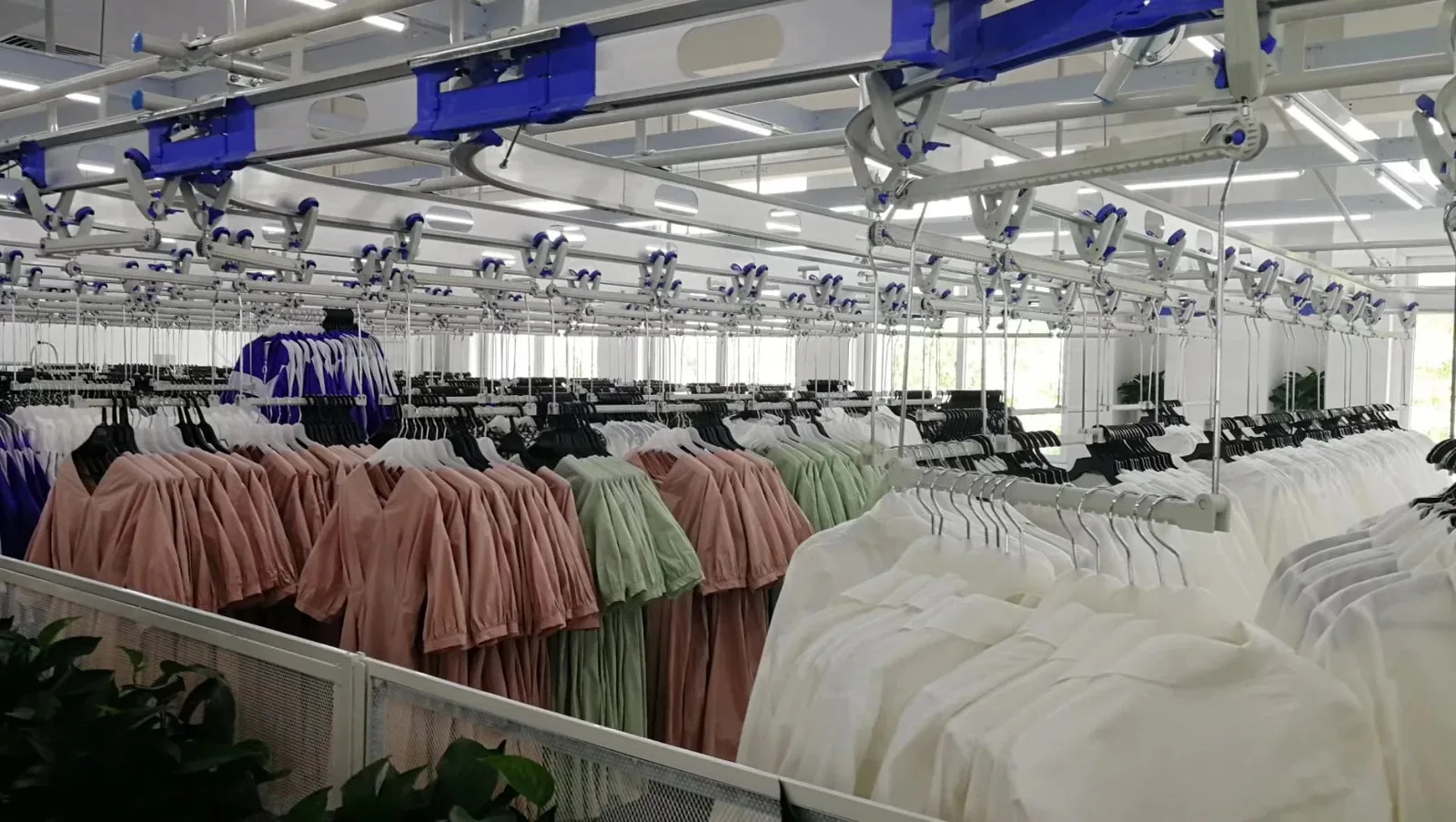
Repeat-order control kit
Three controls that turn a previous order into a usable factory route
A repeat becomes operational when the previous product is traceable, every delta has an owner, and release gates match the current order. Use these controls before assuming that history alone will create speed.
Identify the approved product
Connect the previous order, style, approved version, measurements, materials, construction, decoration, labels, packing, and quality record before reusing anything.
Control every delta
Mark each input unchanged, changed, or unknown. Give changed and unknown points an owner, approval evidence, and a date before they can affect production.
Release by current evidence
Use project-specific material, product, packing, quality, and commercial gates. A previous approval supports the route but does not replace current confirmation.
Buyer action and factory confirmation for a repeat-order release pack
Use one dated checklist to connect the retained reference with the current request. Exact sampling, testing, inspection, MOQ, commercial, and timing conditions remain programme specific.
| Decision area | What the buyer should prepare | What to ask the factory |
|---|---|---|
| Previous order identity | Provide the previous purchase order, style code, approved version, colour, sample or approval record, and relevant shipment reference. | Can every team locate the same approved product and distinguish it from drafts or earlier samples? |
| Current quantity matrix | Issue reconciled quantities by style, colour, size, destination, and delivery split where relevant. | Do material, cutting, labels, barcodes, packing, and cartons map to the same current SKU totals? |
| Delta and open-item list | Mark fabric, colour, sizes, fit, trims, artwork, labels, packing, quality, and destination as unchanged, changed, or unknown. | Which changes reopen sourcing, sample, costing, approval, production, or packing work, and who owns each decision? |
| Materials and components | Identify the proposed fabric, colour, trims, decoration, retained stock, supplier references, and approved alternatives. | What is currently available, what needs purchasing or replacement, and what evidence is needed before allocation? |
| Quality and packing controls | Carry forward relevant previous findings and confirm current labels, barcode, folding, assortment, carton, and warehouse requirements. | Which checkpoints address the previous findings and the new risks, and what record supports correction, hold, recheck, or release? |
| Approvals and delivery objective | Name decision owners, required approval evidence, destination, delivery basis, and receiving objective without presenting it as an automatic promise. | What route and dependencies can be confirmed now, what remains conditional, and which date is the next reliable decision gate? |
Continue the production conversation
Repeat-order route decision table
| Current request | What may be reused | What must be reconfirmed | Likely route |
|---|---|---|---|
| Same product, material, colour, sizes, artwork, labels, and packing | Approved product and controlled production records | Current availability, quantity matrix, commercial basis, quality and delivery scope | Repeat route after current confirmation |
| Same base product with a new colour | Pattern, construction, and unchanged component records | Fabric colour route, matching trims, artwork appearance, quantities, and approval | Controlled change within a repeat |
| Same appearance with a different fabric | Product intent and relevant construction history | Material behaviour, fit, construction, consumption, sourcing, sampling, and price basis | Material-led redevelopment |
| Existing product with new sizes | Approved sizes and base product record | Grading, proportions, placement, consumption, measurements, and size approval | Size-extension development |
| Same garment with revised artwork or labels | Unaffected product and material records | Current files, dimensions, placement, method, data, setup, and approval | Component-specific reopening |
| Same garment for a new market or warehouse | Product construction and other verified unchanged inputs | Labels, product information, packing, barcode, carton, evidence, and routing needs | Market and packing review |
| No traceable approved reference | Any verified historical evidence | Product identity, measurements, materials, construction, components, packing, and quality standard | Reconstruction or new development |
Buyer FAQs
Does a repeat order always have a shorter lead time?
No. A traceable previous order can reduce repeated development discussion, but current material and component availability, quantities, changes, approvals, production planning, packing, delivery scope, and open issues still determine the route. The factory should confirm timing for the actual programme rather than rely on a universal repeat-order promise.
Can an apparel factory reuse the previous sample and pattern?
They may be useful when they are identified, accessible, and connected to the approved version. The buyer and factory should confirm the pattern or grading version, measurements, material, construction, and any previous bulk corrections. A different fabric, added size, fit change, or unresolved historical issue may require a new review or sample.
Does adding a new colour still count as a repeat order?
It can be a controlled change within a repeat, but the new colour may reopen fabric sourcing or dyeing, shade approval, matching trims or thread, artwork appearance, quantity conditions, and commercial assumptions. Mark the colour as a delta and let the factory state the required confirmation route.
What information should a buyer send first for a quick repeat order?
Send the previous order and style identity, approved product reference, current style-colour-size matrix, a list of unchanged, changed, and unknown inputs, material and trim status, artwork, labels, packing, previous quality lessons, destination, receiving objective, and approval owners. The factory can then identify what is reusable and what remains open.
Can leftover fabric or labels be used for the new order?
Only after the factory identifies the material or components, checks actual usable quantity and condition, and matches them to the current approved product, colour, data, market, and packing requirements. Retained stock should be treated as a proposed input, not automatic proof of suitability.