Article
What should buyers know first?
Short answer: A sourcing-focused 2026 trend guide for fashion clothing and accessories buyers, connecting relaxed silhouettes, elevated basics, customization, materials, sustainability, AI-assisted planning, and production reality.
Fashion trends are useful only when they can be translated into manufacturable products. For B2B buyers, the important question is not simply what looks popular in 2026. The real question is which trend can become a profitable, well-made, repeatable clothing or accessories program.
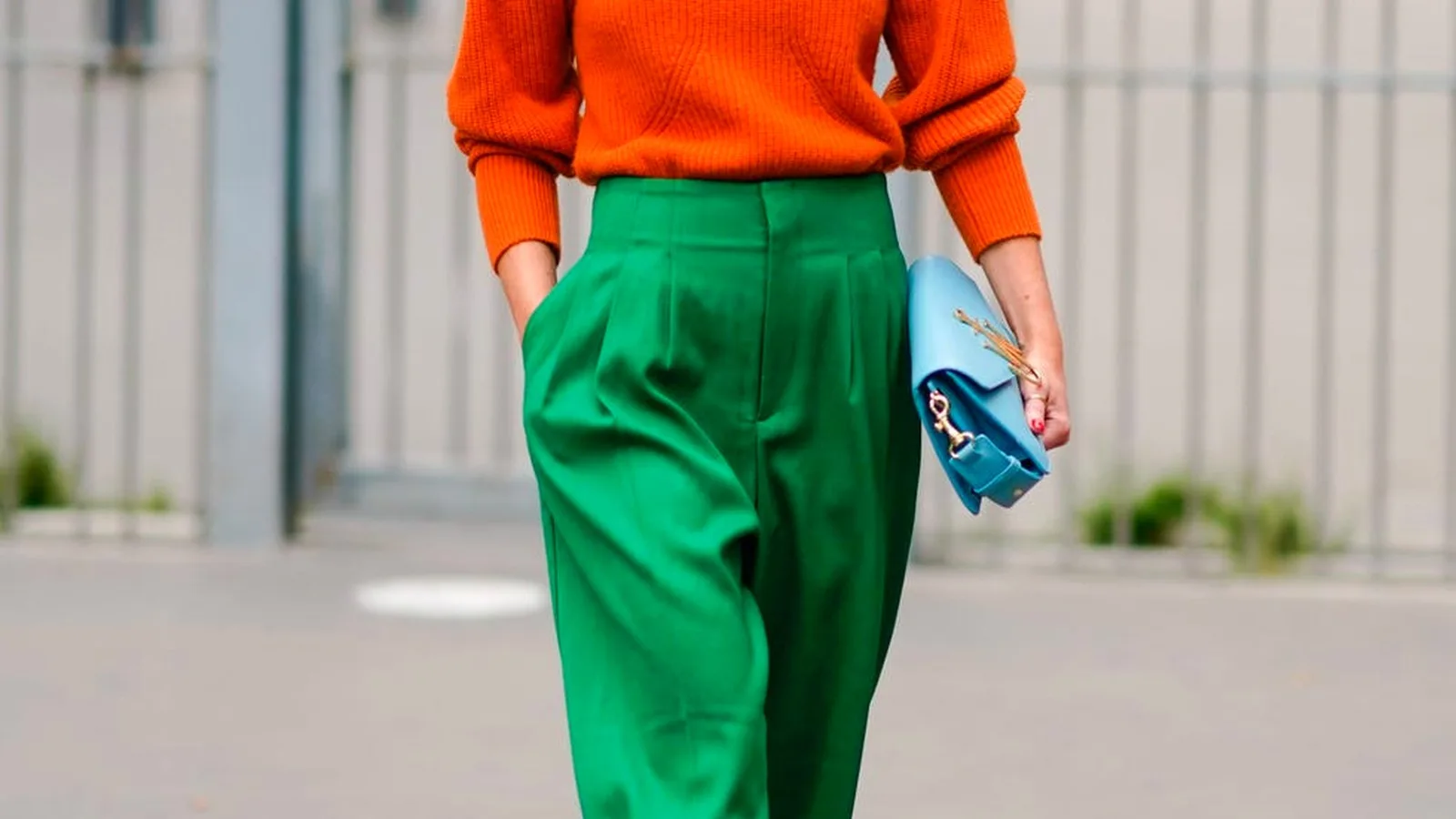
Trend 1: relaxed silhouettes remain commercially useful. Oversized shirts, boxy T-shirts, wide-leg bottoms, soft tailoring, easy dresses, loose pajamas, and relaxed streetwear continue to work because they are comfortable and easier to style. For sourcing teams, the key is fabric control. A relaxed silhouette still needs the right weight, drape, neckline, shoulder shape, and finishing so it looks intentional rather than oversized by accident.
Trend 2: elevated basics are stronger than plain basics. Buyers are asking for simple products with better handfeel, cleaner finishing, garment wash, richer colors, better rib, custom labels, embroidery, and thoughtful packaging. This is good for private label brands because the product remains wearable but gains a stronger brand point of view. A basic tee, pullover, blouse, or pajama set can feel premium when fabric and trims are upgraded.
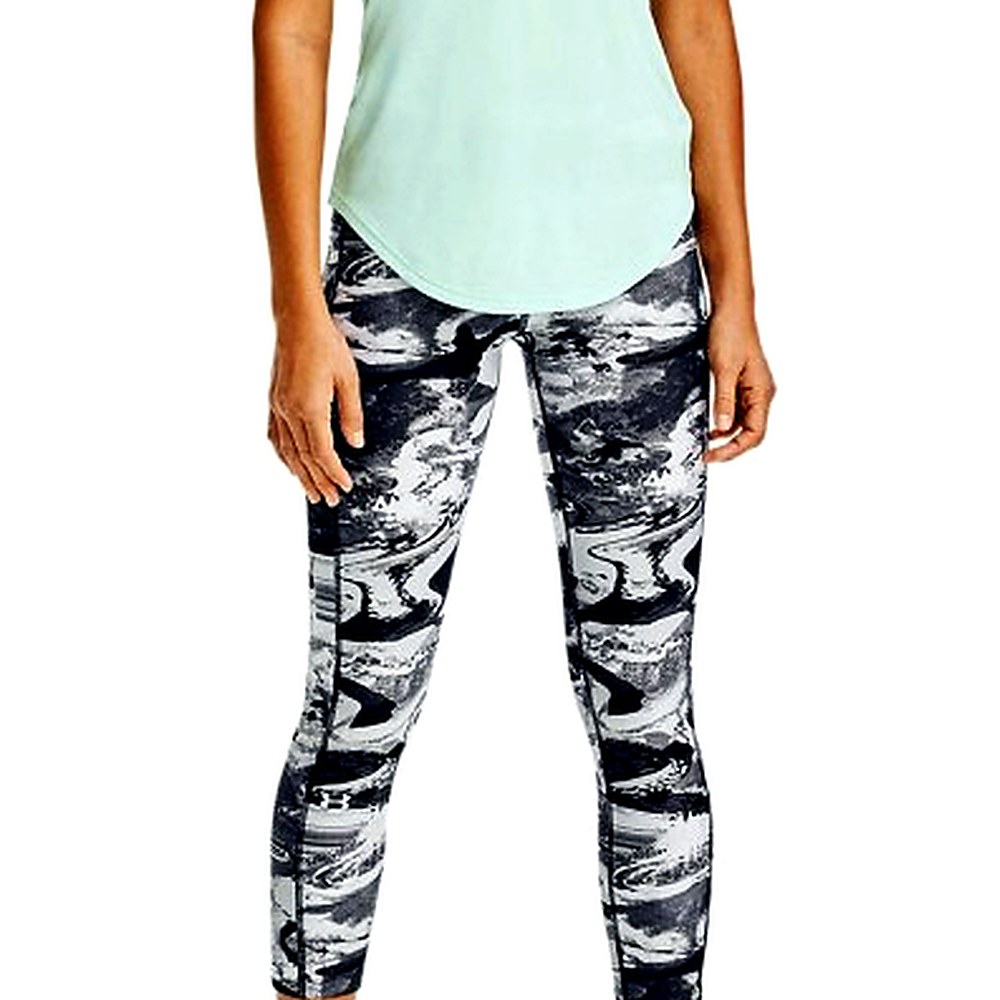
Trend 3: comfort and function continue to influence fashion categories. Stretch fabrics, breathable materials, easy-care finishes, soft waistbands, adjustable details, and flexible sizing are no longer limited to activewear. Casual fashion, loungewear, pajamas, and travel-friendly pieces all benefit from comfort-led construction. Buyers should ask the factory whether the style needs stretch recovery, washing review, or special seam handling.
Trend 4: accessories complete the collection. Scarves, fabric belts, headbands, soft bags, pouches, tote bags, caps, trims, and coordinated packaging can make a small clothing collection feel more complete. Accessories also allow brands to test colors, prints, and logos with lower style complexity. The sourcing team should still check hardware, lining, reinforcement, and packing requirements because accessories have their own production rules.
Trend 5: material storytelling is becoming more important. Buyers want fabrics that can support a clear product story: recycled blends, preferred cotton, soft modal-type handfeel, linen texture, heavyweight streetwear fleece, performance knits, or durable woven fabrics. The story should be supported by real product quality. A fabric that pills, shrinks, or loses shape will damage the brand even if the initial story sounds attractive.
Trend 6: sustainability must become more specific. General eco-friendly language is not enough. Buyers should ask what material is being used, what documentation exists, how packaging is handled, and whether the claim can be supported. A practical 2026 approach is to choose specific goals such as recycled fiber content, organic cotton where feasible, reduced plastic packaging, durable trims, or simpler mono-material design.
Trend 7: supply-chain flexibility matters. Fashion buyers are dealing with changing demand, inventory pressure, freight shifts, and compliance expectations. A useful factory partner should help buyers plan smaller launches, repeat orders, available fabric options, shared trims, and realistic timelines. Flexibility does not mean ignoring MOQ; it means designing the program so MOQ and production flow make commercial sense.
Trend 8: customization remains a strong B2B driver. Private label buyers want logo placement, labels, hangtags, custom colors, embroidery, print, patches, packaging, and collection-specific trims. The challenge is to customize in a way that does not create too many production risks. A factory should help the buyer decide which details are worth customizing for the first order and which can be added later.
Trend 9: digital planning can speed up decisions, but physical samples still matter. AI references, digital mood boards, and online trend research help buyers communicate direction faster. However, final fabric handfeel, fit, drape, color, wash, and decoration still need sample review. The best workflow combines digital planning with factory sampling and clear approval records.
Trend 10: compliance and product information are becoming part of the buying decision. Labels, packaging, care instructions, material records, and destination-market requirements should be discussed earlier. Buyers who organize this information before bulk production can reduce delays and improve confidence with retailers, importers, and wholesale partners.
How buyers can use trends: choose one hero direction, one fabric story, one color palette, one trim package, and one clear retail use scene. Then ask the factory to test whether the direction works for the target price, MOQ, and delivery date. Trend ideas become valuable only when they are converted into product standards.
What to send to the factory: mood board, target product list, fabric references, color palette, price level, quantity plan, logo and label needs, packaging direction, market destination, and launch date. A factory can help translate the trend board into a sample plan, but it needs enough commercial context to make practical recommendations.
Yinshan Fashion helps buyers turn 2026 fashion direction into realistic clothing and accessories programs. We support fabric review, silhouette development, custom labels, trims, samples, production planning, quality control, packing, and repeat-order records. The goal is to help brands move from trend inspiration to a manufacturable collection.
Buyer reference notes: Trend planning should still be grounded in material and packaging reality. Textile Exchange material reporting helps buyers think about fibre direction and sourcing context, while EU packaging rules show why brands should plan packaging reduction and recyclability earlier in the collection process.