Article
What should buyers know first?
Short answer: A buyer-focused guide to separating fashion clothing MOQ, sample cost, and bulk price, aligning quotation assumptions, and comparing custom-order scenarios without treating unlike scopes as equal.
Fashion clothing MOQ, sample cost, and bulk price answer three different questions. MOQ describes the smallest workable order structure for the proposed materials and processes. Sample cost covers development work before repeatable production exists. Bulk price estimates the cost of making an approved product at a stated quantity and scope. Buyers should compare the three together, but never substitute one for another.
Yinshan Fashion supports custom and private-label bulk programmes rather than unrestricted ready-stock wholesale. A quotation therefore depends on the product, fabric, colour route, style-colour-size quantities, construction, decoration, labels, packing, market, approvals, and delivery objective. No fixed MOQ, sample fee, unit price, or timing can responsibly describe every programme before those inputs are reviewed.
This guide is for founders, product developers, boutique buyers, retailers, and sourcing teams preparing a custom clothing order. It explains how to create comparable scenarios, identify the cost driver behind a minimum, understand what a sample fee includes, and prevent a promising early estimate from becoming an unreliable production assumption.
Direct answer: Ask the factory to state four things beside every number: the product version, the quantity structure, the inclusions and exclusions, and the conditions that would change it. A quote becomes useful when a buyer can trace each figure back to the same garment and approval stage.
What should buyers check about separate the three commercial questions before comparing numbers?
MOQ, sample cost, and bulk price are connected because they refer to the same product route, yet each describes a different stage of work. Combining them into one vague request such as “What is your lowest price and MOQ?” hides the information the factory needs. It can also produce a fast answer that looks precise while relying on assumptions the buyer never intended.
MOQ is a quantity condition. It may be influenced by the garment factory, but it can also come from fabric availability, dyeing, printing, embroidery, labels, packaging, or another component. A factory may be able to sew a small number of garments while the chosen material or custom colour requires a different purchasing route. The practical minimum is therefore better written as a constraint beside the item that creates it.
Sample cost is a development charge. A first piece may require reference review, a pattern, manual cutting, small-quantity material purchasing, trim sourcing, decoration setup, sewing, finishing, measurements, photographs, packing, and coordination. That work is concentrated into one or a few units. A sample fee should be reviewed against the stated sample purpose rather than divided by the number of garments and treated as a proposed bulk unit price.
Bulk price is a commercial estimate for repeat production. It normally becomes more meaningful after the product, material, construction, colour, trim, quantity, size ratio, labels, packing, and approval route are clearer. The price may still contain open assumptions. The buyer should ask which ones are provisional, which ones are confirmed, and what evidence is needed before an order is released.
The related guide to fashion apparel wholesale MOQ focuses on how style, colour, fabric, and size ratios shape an order. This article has a narrower commercial job: it shows how to keep the minimum, development charge, and bulk quotation on one comparable basis without confusing their roles.
How should buyers define the product route before any quotation means anything?
A quotation cannot be more accurate than the product description behind it. “Women's blouse” can refer to a simple unlined shape in an available woven, a fluid printed style with a lined body, a tailored shirt-blouse with interfacing and special buttons, or a decorated piece with a private-label retail pack. These products may share a category name while using different materials, operations, approvals, and supply constraints.
Begin with one stable style identity. Give the garment a working code, version, date, category, target wearer, selling context, and sample objective. Add front, back, and important detail references. Mark what is fixed, what is a preference, what is only visual inspiration, and what remains open for factory advice. This lets the factory distinguish a genuine design requirement from a feature that can be simplified or changed.
Describe product behaviour before requesting a specific fabric. State the desired silhouette, handfeel, drape, opacity, stretch or recovery, surface, season, care direction, and price position. If composition or weight is known, include it, but do not use one specification as a substitute for the finished result. Two fabrics with similar headline details can produce different fit, appearance, construction, and consumption.
The Casual Fashion product programme can help a buyer identify whether the project is a T-shirt, blouse, dress, shirt, trouser, sweatshirt, or related co-ordinate. It is a product-direction reference, not a guarantee of ready stock or a pre-priced item. The actual garment still needs a project-specific brief and quotation basis.
Add the commercial context that changes the route: destination market, sales channel, expected quantity by style and colour, size range, decoration, labels, packing, testing or evidence requests where relevant, delivery objective, and buyer-supplied components. A factory can then state which parts it can estimate, which require sourcing, and which remain open until a sample or material is approved.
How should buyers understand why sample cost is development work, not a small bulk price?
Sample making happens before the factory has a stable, repeatable production method. A pattern may need to be created or adjusted. Material may be purchased in a small quantity. One operator or sample-room technician may complete several operations that a bulk line would later divide across a planned workflow. The team may also need to source trims, prepare artwork, test a construction, measure the garment, photograph it, record comments, and coordinate a revision.
Ask what the quoted sample stage is supposed to prove. A shape sample may use temporary material to review proportion. A fit sample may focus on measurements, balance, and movement. A material trial may test drape, opacity, surface, wash, or decoration compatibility. A sales sample may need a more complete appearance. A pre-production reference should represent the approved product closely enough to guide bulk, subject to the agreed project route. These stages do not have identical scope.
The buyer should also ask whether the sample charge includes a pattern, one sample unit, basic trims, special fabric, custom colour, print or embroidery setup, branded components, shipping, and a stated number of revisions. The answer can be conditional. What matters is that inclusions and exclusions are visible. If a required material or component is not yet available, note the temporary substitute and the decision that remains open.
Do not assume that paying for a sample automatically transfers every development file or covers unlimited changes. Confirm what the project will use as the working record, which files the buyer supplies, what the factory creates for production, and how revisions are handled. Commercial ownership and file-sharing arrangements should be discussed directly rather than inferred from a sample invoice.
Use a fashion product brief before sampling to organise the product identity, fit, fabric, construction, branding, quantities, market, packing, sample purpose, approval owner, and open questions. A stronger brief reduces repeated clarification and gives the sample quotation a defined job.
What should buyers check about treat MOQ as a set of material and process constraints, not a factory slogan?
A responsible MOQ discussion identifies where the minimum comes from. The garment factory may have a workable production quantity for a style, while a fabric supplier has a different minimum for an available material, a made-to-order base, or a custom-dyed colour. A print house may have a setup condition. A label, button, zipper, elastic, packaging, or hardware supplier may require a purchasing quantity that does not match the garment count.
Write each possible constraint beside its owner and unit. Is the condition per style, per colour, per fabric base, per print, per artwork, per trim, per label design, per packaging component, or across the programme? Can the unused balance be retained, used across related styles, or purchased separately? Is the component available, made to order, or custom developed? These questions turn “the MOQ is high” into a decision the buyer can work with.
The lowest theoretical sewing quantity is not always the most practical order. A very small run can create a high concentration of setup, cutting, colour separation, label handling, packing, and control work. It can also leave material or components that the buyer must fund without using in the first shipment. The factory should explain the constraint, but the buyer must decide whether to consolidate, change the material route, simplify the product, or accept a different commercial basis.
Do not treat an early minimum as a permanent capability promise. Availability can change. A material offered for one season may not remain available for a repeat order. A new colour, altered artwork, different label, revised carton rule, or another destination can create a fresh constraint. Record the material and component status beside the quotation date and reconfirm it before release.
The fabric and trim support page helps buyers describe material behaviour, colour, finish, labels, and component needs before choosing a sourcing route. Use it to identify the decisions that could create separate minimums, not to assume that every listed option has the same availability or commercial condition.
How should buyers build a style-colour-size matrix before discussing unit price?
Factories need the allocation, not only the grand total. An order of 600 units could be one style in two colours or six styles in five colours. The first plan gives material purchasing, cutting, sewing, and packing a very different structure from the second. A unit price that ignores this difference is not a reliable comparison.
Create a matrix with one row per style and colour. Show the proposed units, size range or size ratio, material base, decoration, main trims, label route, and packing method. Add a total by style, colour, material, and shared component where useful. This reveals whether several products can genuinely share a fabric or whether they only look related on a mood board.
Size planning also matters. A broader size range may affect grading, markers, consumption, sample review, and the number of size-specific components. It does not automatically make a project unworkable, but it should be visible. If the size ratio is only a launch assumption, label it that way. The factory should not be expected to infer demand from a total quantity.
Prepare two or three scenarios that the brand could actually order. Scenario A might preserve the preferred assortment. Scenario B might consolidate colours or share one fabric. Scenario C might reduce custom components while keeping the product identity. Ask the factory which constraint each scenario changes and which product features remain the same. This produces a useful price ladder instead of a random request for several quantities.
Avoid scenarios created only to obtain a lower displayed unit price. If the brand cannot fund, sell, store, or reorder the proposed volume, the comparison does not support a real decision. Quantity planning should connect production efficiency with inventory risk, cash use, launch needs, and the quality of the product standard.
What should buyers check about read bulk price as a scope with inclusions and exclusions?
A bulk unit price is not only a number. It is a summary of assumptions about the product and commercial route. Ask the factory to name the style version, fabric, colour process, construction, decoration, trims, labels, individual packing, carton basis, quantity, size ratio, quality checks, delivery term, and any buyer-supplied item used in the estimate.
Separate included items from allowances and exclusions. An included woven label is different from an unconfirmed allowance for a custom component. A basic individual bag is different from a retailer-specific pack with barcode data, size stickers, inserts, folding, carton assortment, and warehouse marks. A garment-only quotation cannot be compared directly with a retail-ready quotation.
Clarify the commercial unit. Is the figure per finished packed garment, per set, per piece inside a set, or per assortment? Does the style include a top and bottom, a detachable component, a belt, a spare button, a hanger, or another item? Small naming differences can create large errors when quotations are transferred into purchase plans.
Ask what could change the price before order confirmation. Common triggers include the approved fabric route, consumption after pattern review, final colour count, print or embroidery size, trim source, label files, packing instructions, size allocation, quantity, sample changes, requested evidence, production schedule, and delivery terms. The list should be product-specific, not a generic disclaimer.
The private-label programme is useful when labels, hangtags, barcodes, folding, bags, boxes, inserts, and carton presentation are part of the selling unit. Define those elements early enough for the factory to source and price them. Leaving them until packing does not make the cost disappear; it only moves the decision later.
How should buyers test price-break scenarios without assuming every cost falls evenly?
Higher quantity can spread some work across more units. Pattern preparation, marker planning, cutting setup, decoration setup, line preparation, approval records, and packing instructions may have a lower unit effect in a larger run. Material purchasing can also become more efficient when the order aligns with a supplier's workable route. This is why price breaks can be commercially useful.
However, not every cost falls at the same rate. A costly fabric, imported trim, manual decoration, special wash, complex construction, retailer pack, or requested third-party service may remain a significant per-unit cost. A change from 200 to 400 units does not guarantee a particular percentage reduction. The factory should explain the main cost driver rather than promise a universal curve.
Compare scenarios with the product standard held constant. If the lower-quantity scenario uses available fabric and the higher-quantity scenario uses custom dyeing, the difference is not a pure quantity effect. If one price includes labels and packing while another excludes them, the price break is misleading. Use one comparison sheet and mark every intentional change.
Review the total cash requirement as well as the unit price. A lower unit figure can still require more cash, more storage, more inventory exposure, and more unsold colour or size risk. For a first order, a higher unit cost at a controlled quantity may be commercially safer if the product can be tested and reordered with good records. That decision belongs to the buyer's business model.
Ask whether the price scenario affects the sample or approval route. A change to fabric, colour, decoration, trim, or packing may require another material review, strike-off, sample, or written approval. The saving should be assessed against the work needed to keep the product standard clear.
What should buyers check about control fabric, colour, trim, decoration, and packing scope?
Fabric often carries the largest product decision because it affects appearance, fit, consumption, construction, care, colour, and repeatability. Ask whether the quotation assumes an available material, a made-to-order base, a custom colour, or a developed material. Record width, weight direction, relevant finish, colour status, known evidence, and anything that still requires a sample or bulk confirmation.
Colour creates work beyond the dye. Each colour can affect lab dips, approvals, shade control, cutting separation, thread, lining, elastic, zippers, labels, artwork, stickers, packing records, and carton assortment. A small order divided across many colours may carry more control work than the same total in a focused palette. The buyer should decide whether every colour has a commercial role.
Decoration needs an approved basis. State the method, artwork version, size, placement, colour count, surface, and any relevant review. A digital mock-up is useful for communication but may not show handfeel, edge quality, colour on the actual base, stitch density, distortion, wash response, or production setup. Mark whether the quotation includes a development test and what changes after approval.
Trims and private-label components should be linked to the style and colour matrix. Buttons, zippers, elastic, rib, drawcords, patches, labels, hangtags, barcodes, bags, tissue, boxes, and cartons can each create a separate quantity or version problem. Share components only when the product and approval files genuinely match.
Packing is part of the quotation scope. State fold, individual protection, size sticker, barcode, assortment, units per carton, carton marks, documentation, sales channel, and destination requirements. The buyer remains responsible for confirming final market, importer, retailer, and compliance obligations with the appropriate party. The factory needs the approved instruction to execute the pack.
How should buyers use sample revisions and a change log to prevent quote drift?
A quotation may be reasonable for version one and wrong for version three. If the buyer changes fabric, length, lining, pockets, closure, decoration, labels, size range, colour count, packing, or quantity after the estimate, the product basis has changed. The factory should identify the commercial effect, and the buyer should decide whether to accept, reverse, or redesign the change.
Maintain a short change log with the date, item, old basis, requested change, reason, owner, approval status, and possible effect on sample work, material, consumption, construction, components, MOQ, price, or timing. Not every comment changes cost, but every approved change should reach the current product record.
Consolidate buyer comments before sending them. A founder, designer, merchandiser, buyer, and operations contact may see different priorities. The factory should receive one current instruction set with one decision owner. Conflicting messages create hidden revisions and make it difficult to identify which quote or sample is still valid.
Ask the factory to return a revised assumption sheet when a material or construction change is material. A simple confirmation may be sufficient for a minor clarification. A different fabric route, added lining, larger decoration, complex packing, or changed quantity structure should be visible in the commercial record. Do not rely on silence as confirmation that the original number still applies.
The manufacturing workflow connects approved product inputs with material handling, cutting, sewing, in-line checks, finishing, packing, and release. A commercial change matters because it eventually changes something on that route. Linking the quotation version to production decisions helps prevent a late cost discussion from becoming a quality problem.
How should buyers compare suppliers on one quotation basis?
Send the same brief and scenario matrix to each prospective factory. Give them the same product version, material behaviour, colour plan, quantity, size allocation, decoration, labels, packing, market, sample objective, and delivery basis. Invite questions, then update the comparison sheet so the answers remain aligned.
Compare more than the visible unit price. Review the sample scope, number and purpose of development stages, material basis, minimum drivers, quotation inclusions, exclusions, packing, commercial terms, validity date, approval dependencies, change process, quality controls, and repeat-order record. A lower price may still be suitable, but the buyer should understand what it represents.
Read the questions a factory asks. A supplier that notices an unlined pale fabric, a missing size ratio, an undefined print size, an unsupported collar, or a retailer-specific barcode issue is identifying real work. A long capability list cannot replace product-specific reasoning. Questions are useful when they lead to clear assumptions and owners.
Use the fashion apparel RFQ guide to create one comparable request. It helps organise product information, quantities, labels, packing, sample needs, delivery assumptions, and quotation scope. Update the RFQ when the product changes rather than comparing a current quote with an outdated brief.
Do not ask one supplier to quote an ideal product and another to quote a simplified alternative without marking the difference. If a factory proposes a lower-cost route, record the changed fabric, construction, trim, colour, or packing decision beside the price. The buyer can then choose the trade-off rather than discover it in a sample.
How should buyers connect approvals to bulk release and final cost risk?
Before bulk release, identify the approved product reference and the commercial basis that belongs to it. Connect the current sample or tech pack with measurements, fabric, colour, construction, decoration, trims, labels, packing, quantity, size ratio, delivery term, quality priorities, and open exceptions. The factory floor should not need to reconstruct the order from several quotation versions.
Confirm material and component availability again where necessary. An early quotation may have used an available option that changed during sampling. A custom colour may still need an approved lab dip. A label file may have been revised. A carton assortment may depend on the final size ratio. Close or assign every open point before it becomes a production interruption.
Ask which figure is final for the purchase order and what it includes. Record any separate development, tooling, testing, freight, document, or buyer-supplied component charge where relevant. Do not hide separate commercial items inside an informal unit-price discussion. A clear order basis protects both sides when the product or delivery plan changes.
Keep the final sample and commercial record for reorders. A repeat order may use the previous product standard, but material availability, colours, quantities, labels, packing, market, and timing still require confirmation. A documented first order gives the factory a starting point and helps the buyer see whether a new request is a true repeat or a new development route.
The purpose of control is not to prevent every change. Fashion products develop. The purpose is to make each change visible, approved, and connected to the price and production standard it affects.
How should buyers build one fashion clothing MOQ, sample cost, and bulk price brief?
A useful pricing brief fits the commercial decision into one controlled package. Include the style code and version, product references or tech pack, target wearer and sales channel, sample purpose, silhouette and fit, material behaviour, colourways, construction, decoration, trims, labels, packing, market, quantities by style and colour, size range or ratio, delivery objective, and approval owner.
Add a scenario sheet. Show the preferred plan and one or two realistic alternatives. Mark which variables change in each scenario and which product requirements remain fixed. Ask the factory to identify the main minimum driver, sample scope, bulk-price basis, inclusions, exclusions, validity date, open questions, and triggers for revision.
Request a written assumption line beside every figure. The statement can be short: “Based on available fabric option A, two colours, the attached construction, standard private-label pack, and the stated size ratio.” That sentence is more valuable than false precision because it tells the buyer what to revisit when the product changes.
Finally, name the next approval. It may be selecting a material route, agreeing to a sample stage, confirming artwork, revising the quantity matrix, reviewing a packing reference, or releasing an approved product to bulk. A quotation should move the project toward a decision rather than end the conversation with a number.
Yinshan Fashion can review a custom or private-label fashion order when the buyer is ready to share a structured brief. Send product references or a tech pack, category, fit, fabric and colour direction, quantities by style and colour, size range or ratio, decoration, labels, packing, destination market, sample purpose, and target delivery window through the contact page. The team can then identify which inputs are firm, which require development, and what commercial basis should be compared next.
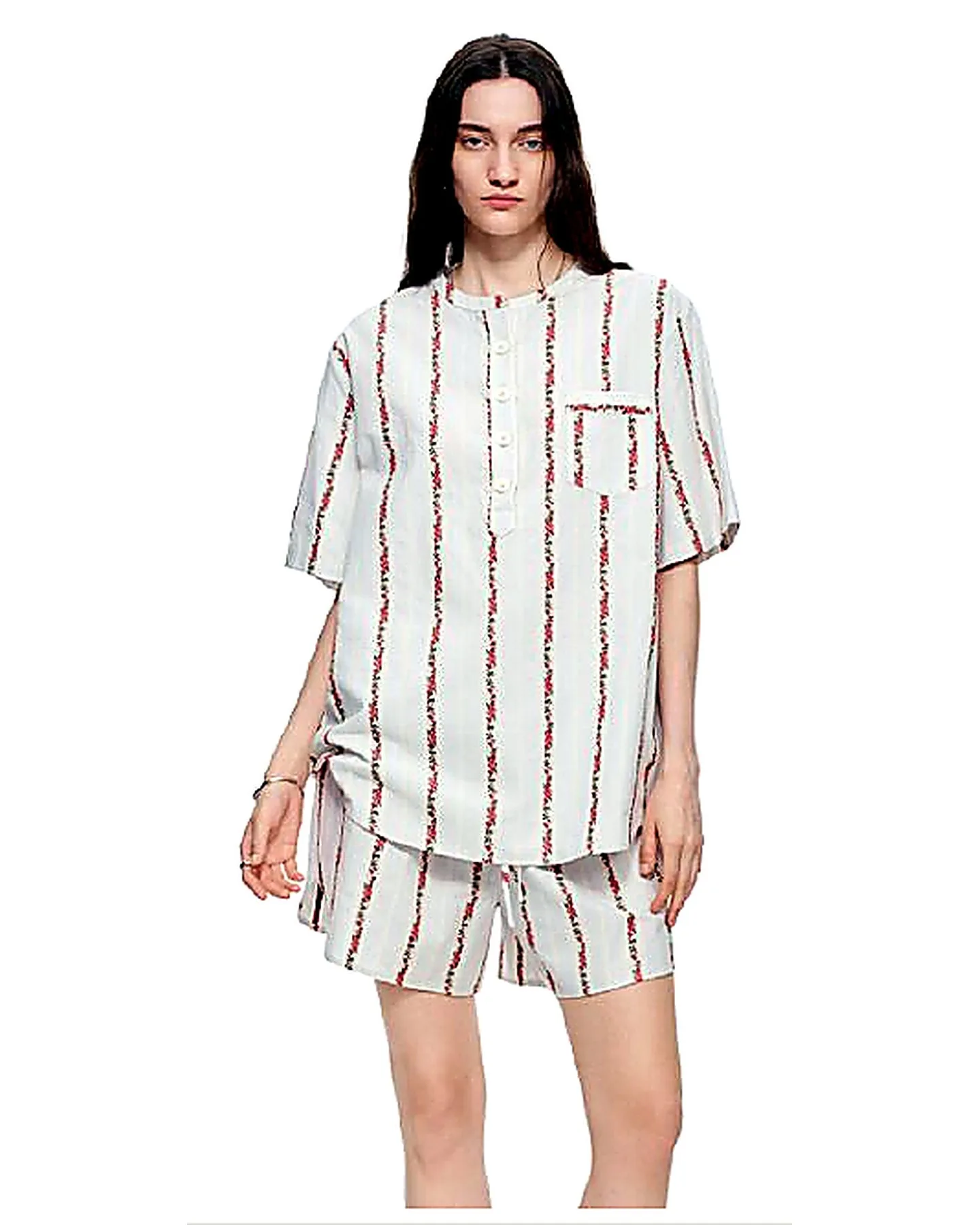
Custom-order commercial planning
Three records that make MOQ, sample cost, and bulk price comparable
A useful commercial discussion keeps the product version, quantity structure, and quotation scope visible. These records help a buyer compare scenarios without treating development work, supplier minimums, and repeat-production pricing as the same number.
One product basis
Give every figure a style code, version, material route, construction, decoration, label, packing, and approval stage so a later revision cannot silently inherit an old price.
One quantity matrix
Show units by style, colour, and size, then name shared materials or components. A grand total cannot reveal the fragmentation that creates a practical minimum.
One quotation scope
Separate inclusions, exclusions, allowances, buyer-supplied items, validity, change triggers, and the next approval required before bulk release.
Buyer action and factory confirmation for a custom-order quotation
Use this checklist before comparing sample charges, minimums, and bulk prices. Exact commercial terms remain project-specific and should be confirmed against the current brief.
| Decision area | What the buyer should prepare | What to ask the factory |
|---|---|---|
| Product and sample objective | Provide the style code, version, references or tech pack, target fit, construction, and the question the quoted sample must answer. | Which pattern, sourcing, sample-room, finishing, documentation, revision, and shipping work is included in the sample charge? |
| Fabric, colour, and finish | Describe material behaviour, colourways, print or wash, finish, intended care, and what can use an available or proposed option. | Which route is available, made to order, or custom; what creates a material or colour minimum; and what remains to be approved? |
| Style-colour-size matrix | Share units by style and colour, the size range or ratio, and realistic alternative scenarios rather than only one grand total. | Which minimum applies by style, colour, material, process, component, or programme, and which allocation change would affect it? |
| Decoration and private label | Provide artwork, method, size, placement, trims, labels, hangtags, barcode direction, and any custom component information. | Which setup, supplier quantity, test, sample, component balance, or approval is included, excluded, or still provisional? |
| Packing and delivery basis | State folding, individual protection, stickers, carton assortment, carton marks, sales channel, destination, and requested delivery term. | Does the unit price cover a garment, set, or packed selling unit, and which packing, carton, document, freight, or buyer-supplied item is outside it? |
| Change and bulk release | Keep one change log, consolidate approvals, identify the purchase-order version, and name the buyer who can release the order. | Which changes require a revised sample, minimum, price, or timing basis, and what final record will reach cutting, sewing, QC, and packing? |
Continue the production conversation
Fashion clothing MOQ, sample cost, and bulk price comparison table
| Decision area | Buyer should provide | Factory should confirm | What can change the number |
|---|---|---|---|
| Product basis | Style code, version, category, references, fit, construction, and sample purpose. | The exact garment and approval stage used for the estimate. | Pattern, construction, length, lining, pockets, closures, or a new version. |
| Material and colour | Required behaviour, fabric direction, colourways, finish, and known evidence needs. | Available, made-to-order, or custom route; colour status; open material checks. | Consumption, width, dyeing, print, finish, colour count, or availability. |
| MOQ structure | Units by style and colour, size plan, shared materials, and realistic scenarios. | Each constraint by style, colour, fabric, process, component, or programme. | Fragmentation, supplier minimums, setup, custom components, or allocation. |
| Sample cost | Sample objective, target size, actual or temporary inputs, and required revisions. | Pattern, material, trims, decoration, sewing, finishing, revision, and shipping scope. | Special sourcing, setup, additional versions, changed fabric, or new artwork. |
| Bulk price scope | Approved product, quantity, sizes, decoration, labels, packing, market, and delivery basis. | Inclusions, exclusions, allowances, commercial unit, validity, and open assumptions. | Final consumption, component source, packing, requested evidence, terms, or schedule. |
| Change control | One consolidated comment set with version, owner, decision, and requested action. | Whether the change affects sample work, MOQ, material, operations, price, or timing. | Late approvals, silent substitutions, changed scope, or conflicting instructions. |
| Bulk and reorder handover | Final order matrix, approved reference, quality priorities, packing, and retained records. | The production standard, purchase-order basis, exceptions, and repeat-order identity. | Availability, a new colour, altered labels, different market, packing, or quantity. |
Buyer FAQs
What is the difference between fashion clothing MOQ, sample cost, and bulk price?
MOQ describes the smallest workable order structure for the proposed fabric, colours, processes, components, and production route. Sample cost covers development work such as pattern preparation, small-quantity sourcing, sewing, review, and agreed revisions. Bulk price estimates repeat production at a stated product version, quantity, size allocation, packing scope, and commercial basis. Compare them together, but do not use one as a substitute for another.
Why can one fashion sample cost more than one bulk garment?
A sample concentrates development work into one or a few pieces. The factory may need to review references, prepare or adjust a pattern, source a small material quantity, test trims or decoration, cut manually, sew, finish, measure, document, and coordinate comments. Bulk production spreads some setup and planning across repeat units, provided the product and approvals are stable.
Does a higher order quantity always reduce bulk unit price?
Not automatically or by a fixed percentage. Higher quantity can spread some setup, cutting, planning, and control work, but fabric, special trims, manual decoration, complex construction, retailer packing, or requested services may remain important per-unit costs. Compare quantity scenarios with the same product scope and ask which cost driver actually changes.
How should a buyer compare two custom clothing quotations?
Send both suppliers the same product version and style-colour-size matrix. Align fabric status, construction, decoration, trims, labels, packing, sample scope, quality expectations, delivery basis, exclusions, validity, and open assumptions. Mark every proposed simplification beside the price. The figures are comparable only when they describe the same garment and commercial scope.
What should I send Yinshan Fashion for an MOQ and price review?
Send product references or a tech pack, style and fit direction, fabric behaviour, colours, construction, decoration, labels, packing, destination market, quantities by style and colour, size range or ratio, sample purpose, target delivery window, and any target price direction. Yinshan Fashion will review the custom or private-label programme rather than assume ready stock, a universal MOQ, or a fixed price.