Article
What should buyers know first?
Short answer: A buyer-focused guide to building a fashion product brief before sampling, covering style identity, annotated references, fit, fabric, construction, branding, quantity, approvals, packing, and version control.
A fashion product brief before sampling turns references into decisions a factory can price, question, pattern, and test. It should identify the product, customer, silhouette, fit, materials, colours, construction, branding, quantities, market, packing, timing, approvals, and open questions. A reference image can start the discussion, but it cannot show which details are intentional or which alternatives the buyer will accept.
Yinshan Fashion supports custom and private-label bulk programmes developed from a buyer's brief; it is not an unconditional ready-stock wholesale platform. The actual route depends on category, design maturity, fabric, colour, quantity, size range, decoration, labels, packing, destination market, and approval needs. The brief should therefore make uncertainty visible rather than hide it behind an attractive mood board.
This guide is for founders, designers, product developers, retailers, and sourcing teams preparing a blouse, dress, shirt, T-shirt, trouser, streetwear layer, or loungewear style for a first sample. It does not require every buyer to arrive with a finished tech pack. It explains how to organise the information you have, separate fixed requirements from factory questions, and create a controlled record that can become more precise through development.
How should buyers define what the first sample must prove?
Before collecting files, decide why the first sample is being made. One project may need to prove silhouette and proportion. Another may need to test an unfamiliar material, a difficult neckline, a wash treatment, decoration placement, a lining route, or the relationship between a top and bottom. If everything is treated as equally important, sample comments become a long list without a clear development decision.
Write one sentence that defines the sample objective. For example: “Confirm the relaxed shoulder, cropped body, collar balance, and drape in the proposed woven base before colour development.” That sentence tells the buyer what to review and tells the factory what cannot be substituted casually. It also makes a useful distinction between a concept sample, fit sample, sales sample, size-set sample, pre-production sample, or another project-specific approval stage.
List the decisions that are already fixed and those that remain open. The category and general silhouette may be fixed while fabric composition, pocket construction, button source, or exact body length remains open. The buyer can ask for factory recommendations without giving away control. A useful question is specific: “Which available material gives this shape an opaque, fluid result and supports the intended care route?” A vague request to “choose something premium” does not establish a review standard.
Name one decision owner on each side. The buyer consolidates design, merchandising, and commercial feedback; the factory coordinates pattern, material, sample-room, and costing questions. Record who can decide and which point must return to the buyer.
How should buyers build the fashion product brief before sampling around one style identity?
Give every style a stable identifier before sending images. A working style code can be simple, but it should remain consistent across the brief, quotation, pattern, fabric record, sample label, comment sheet, and later purchase order. Add the product name, category, version, date, and brief owner. If a style has several colourways, size ranges, or related pieces, show that relationship without creating several conflicting names.
Define the garment's job in the assortment. Is it a hero dress used to establish the collection, an easy blouse expected to repeat in several colours, a margin-supporting T-shirt, a tailored trouser, a graphic streetwear layer, or a soft lounge essential? This role influences where development effort belongs. A repeatable core style may prioritise material continuity, fit stability, packing efficiency, and reorder records. A campaign piece may place more weight on silhouette, surface, finishing, or decoration.
Describe the end customer and selling context in practical terms. Include intended gender or wearer where relevant, age or lifestyle direction, climate or season, use occasion, retail channel, fit expectation, care expectation, and price positioning. Avoid treating these labels as decoration. “Premium” should translate into observable choices such as fabric handfeel, construction cleanliness, trim finish, opacity, press quality, or presentation.
For casual categories, the Casual Fashion product programme can help a buyer frame whether the style belongs to a T-shirt, blouse, dress, trouser, sweatshirt, or related capsule. The link is not a catalogue of guaranteed ready stock. Use it to discuss product direction, then confirm the actual fabric, construction, quantities, branding, and development route for the project.
What should buyers check about translate reference images into product decisions?
Reference images work best when each image has a job. Label them A, B, C, and so on. Mark the feature to consider with an arrow, crop, or note, then state whether it is required, preferred, inspiration only, or specifically excluded. A buyer might request the neckline proportion from A, the sleeve volume from B, the length from C, and the fabric mood from D. The factory can then build one product instead of averaging several unrelated garments.
Explain what the reference cannot communicate. A front image may not show the back, inside construction, pocket bag, lining, seam finish, closure, or fabric weight. A social image may be styled, pinned, stretched, filtered, or photographed in motion. A shop sample can demonstrate proportion and sewing, but its material or fit may not suit the new market. State what can be measured, what is a visual direction, and what needs a new proposal.
Do not ask a factory to reproduce another brand's protected artwork, logo, or distinctive identity. Use references to explain proportion, function, construction logic, surface mood, or a problem you want to solve. Provide your own branding and artwork files. If a photograph contains a visible third-party mark, annotate the feature you mean and state that the mark is not part of the brief.
Add front, back, side, and close-up evidence where available. Show collar, placket, pocket, cuff, waistband, hem, seam, lining, closure, trim, decoration, and label details that affect the result. If only one angle exists, write the missing decisions as questions. The factory should not silently invent the unseen side of the garment.
In a development discussion, references, fabric, garment examples, and written decisions need to meet in one working conversation. No single format suits every buyer, but the factory should be able to trace each visual source to a product decision or an open question.
How should buyers specify silhouette, fit, and measurements as connected evidence?
Fit needs both outcome language and measurable points. Describe where the garment should sit close, where it should release, how it should move, and which proportion creates the visual identity. A blouse can be fitted at the shoulder but relaxed through the body. A dress can skim the torso and swing at the hem. Trousers can sit high at the waist while retaining ease at the hip and a clean leg line.
Name the sample size and the body or form used for review. If a physical reference garment fits correctly, record its relevant measurements and how it was measured. If the buyer has a brand block, provide that relationship. If the size range is not final, identify the commercial range under consideration and ask the factory what grading inputs are still needed. Do not approve a sample in one size and assume the remaining range will automatically carry the same balance.
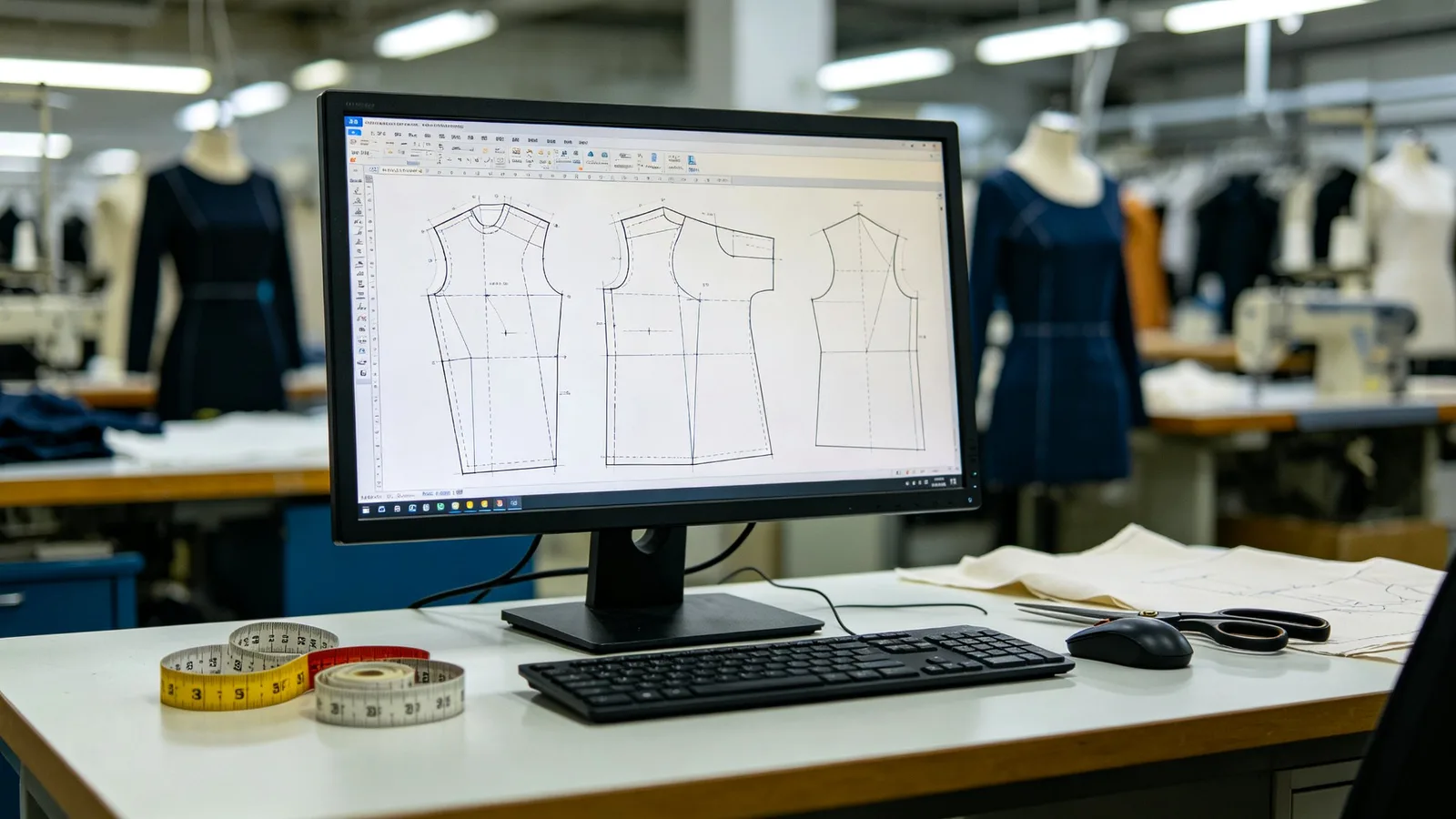
Define points of measure with diagrams or annotated photographs. Body length can be measured from different locations. Shoulder, front rise, back rise, sleeve opening, hem sweep, and pocket position need consistent methods. Mark any dimension that is critical to the look, function, or customer promise. An oversized style still needs control; “oversized” is an intended fit result, not permission for random variation.
Use tolerances only after the measurement method, material behaviour, construction, and importance of the point are understood. A generic tolerance chart copied from another product can create false confidence. A structured woven shirt, soft jersey top, elasticated lounge pant, and washed hoodie behave differently. Ask the factory to explain where pattern, shrinkage, pressing, or stretch affects the finished measurement.
When commenting on the sample, separate measurement change from visual change. “Reduce chest by 2 cm” is measurable. “The upper body feels too boxy” describes an outcome that may involve chest, shoulder, armhole, sleeve, fabric, or construction. Put both statements together and ask the pattern team to confirm the intended adjustment and any downstream effect.
What should buyers check about describe fabric behaviour, colour, and care before requesting a material?
A material brief should begin with what the garment needs to do. Describe structure, drape, weight, opacity, stretch, recovery, texture, surface, warmth, breathability, skin feel, crease response, and intended care where relevant. Composition matters, but a fibre percentage alone does not define the finished behaviour. Different yarns, constructions, weights, and finishes can produce very different garments.
Use a small group of priorities rather than a dictionary of adjectives. “Fluid, opaque in pale colours, matte, and suitable for an easy-care blouse” is more useful than “luxurious, sustainable, soft, premium, and perfect.” If a claim or documentation requirement matters, state the market and evidence needed. Do not assume a material name automatically proves environmental, recycled, organic, safety, or performance claims.
Colour should be reviewed on the intended material base. Screens are useful for direction, not final colour approval. A shade can change with texture, lustre, opacity, dye route, wash, print base, lining, or lighting. Name the available colour evidence: reference garment, physical standard, swatch, lab dip, print strike-off, sample panel, or other agreed reference. Record which item the buyer approves.
The fashion fabric sourcing before sampling guide explains how to compare drape, opacity, weight, colour, care, construction, and future availability in the garment context. Use the fabric and trim development route to connect the material choice with lining, thread, buttons, zips, elastic, labels, and packing components that may depend on it.
Ask the factory to return a material comparison, not an unsupported promise. For each proposed route, request the relevant description, handfeel or header evidence, known approval steps, availability assumptions, colour route, construction implications, and open risks. Exact minimums, price, testing, and timing should be confirmed for the actual fabric and order rather than copied from another project.
How should buyers map construction, trims, decoration, and labels?
Create a front, back, and inside construction map. Mark seams, darts, gathers, pleats, plackets, facings, lining, pockets, collars, cuffs, waistbands, hems, reinforcement, closures, and visible topstitching. Use close-ups when the finished appearance matters. The buyer should describe the result; the factory can recommend the practical sewing route and identify where a decision affects sample cost, bulk work, comfort, or durability.
Trims need identity as well as appearance. Record button size and finish, zip type and length, elastic width and handfeel, drawcord and end, snap or hook, thread relationship, lining, rib, tape, interlining, or hardware where relevant. If the exact source remains open, state the required outcome and acceptable alternative boundaries. A substitute should be reviewed for function, appearance, colour, care, availability, and product information before it becomes current.
Decoration needs artwork, scale, placement, colour, and substrate context. Identify whether the direction involves print, embroidery, patch, applique, transfer, wash, coating, or another treatment. Explain the desired handfeel and finished appearance. Mark whether placement is measured from a seam, garment edge, centre line, or another stable reference. A screenshot floating on a blank page is not enough to control size or location.
Bring private-label inputs into the same brief. Main label, size label, care information, hangtag, barcode, sticker, and packing presentation all connect to the product identity. The private-label development page shows the areas a buyer should prepare. Exact fibre content, care wording, origin marking, language, market requirements, and barcode data remain the buyer's responsibility to confirm with appropriate professional guidance for the actual product and destination.
Reduce unnecessary variation across the first collection. Shared label dimensions, a consistent trim finish, a focused colour palette, or a common packing logic can simplify development without making every style look the same. The brief should show which common elements support the brand system and which product details must remain unique.
What should buyers check about state quantity, size, market, and commercial assumptions?
A factory cannot evaluate feasibility from a design image alone. Provide the planned quantity by style and colour, the intended size range, an initial size ratio if known, destination market, sales channel, target launch or receiving window, and price direction. If the numbers are estimates, label them as estimates and give the date they are expected to become firm.
Quantity interacts with fabric, colour, trims, labels, decoration, packing, and production planning. A first collection with many styles, colours, custom materials, unique trims, and special packs may create several separate minimum or approval discussions. There is no useful universal MOQ for every programme. Ask which component creates each constraint and whether a different assortment structure could achieve the product goal more efficiently.
Price direction should be connected to scope. State the expected product positioning and ask the quotation to identify important assumptions: material route, colour count, sample scope, decoration, labels, packing, delivery basis, and buyer-supplied files. A low number based on undefined fabric and no branding is not comparable with a quote that includes a specified material, labels, individual packing, and development work.
If a target is not yet supported by the design, invite alternatives. The factory might suggest sharing a fabric across a blouse and dress, using one common button family, focusing the first palette, or validating a simpler construction before a special finish. Record the change in the brief. An alternative is valuable only when the buyer can see what product, appearance, price assumption, or timing assumption changed.
The custom fashion clothing manufacturer guide provides a wider framework for comparing a factory's questions, sampling approach, material logic, quotation scope, private-label support, bulk controls, and repeat-order records. Use the same product brief with each serious supplier so that comparisons begin from the same product.
How should buyers plan sample stages, comments, and approval owners?
Write the expected development sequence before the first parcel arrives. A project might include an early concept or fit sample, a revised sample, material or colour approval, size-set review, sales sample, or pre-production stage. Not every style needs every label, and terminology varies between organisations. What matters is the purpose, input, output, approval owner, and next decision for each stage.
Create a sample identity label. Include style code, colour, size, sample type, version, date, and any substitute material or trim. Photograph the sample front, back, side, inside, and at important details before comments begin. Keep the physical reference where the buyer and factory can later identify it. “The second sample” becomes ambiguous when revised colours or duplicate parcels exist.
Comment by location and decision. Show the current result, requested result, measurement or visual evidence, reason, and priority. Mark accepted items as well as changes so that a later sample does not accidentally reopen them. Avoid distributing decisions across messaging apps, email, a call, and marked photographs without one consolidated sheet.
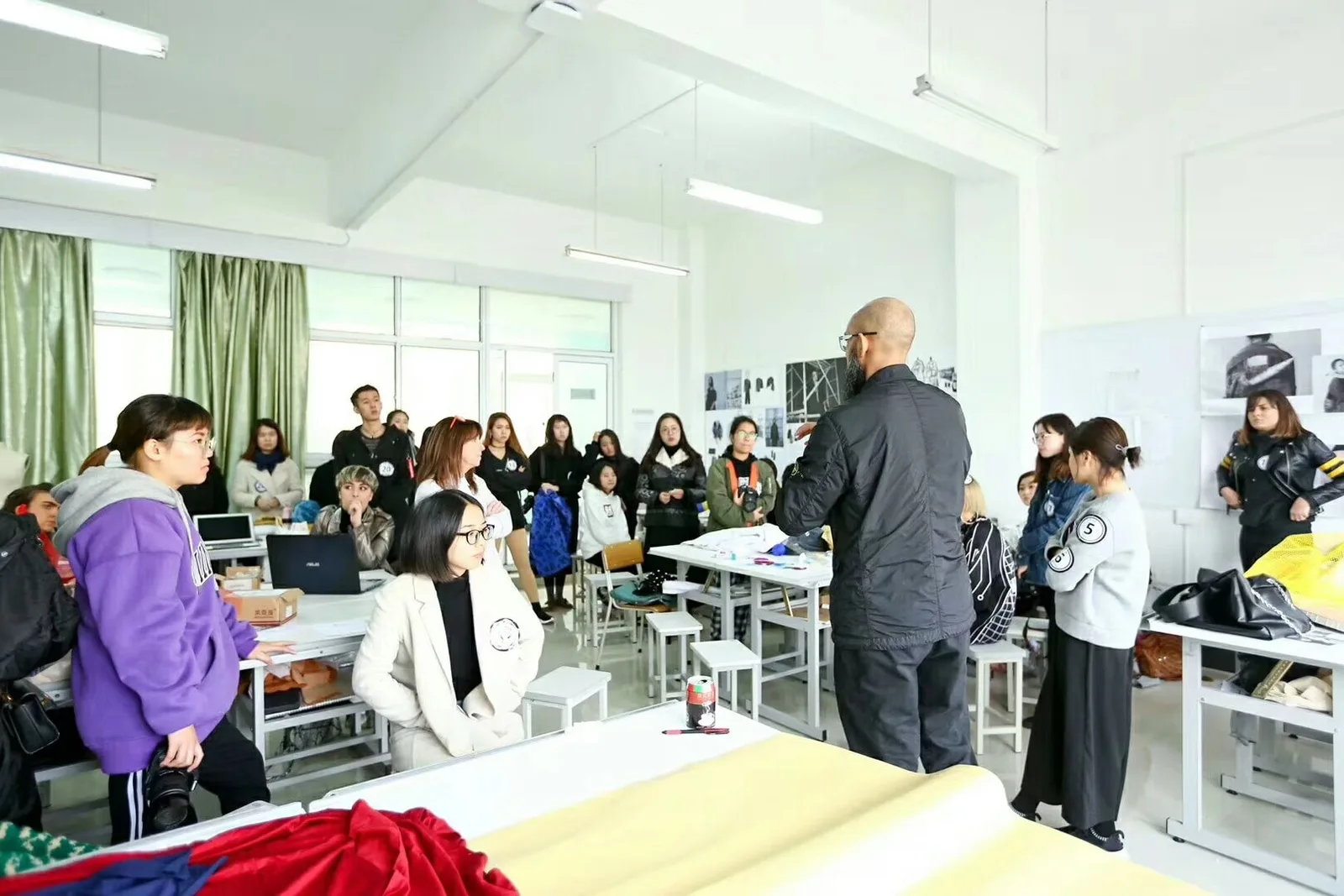
This real inspection-area image provides factory context for structured review. The sample-stage checks for a specific project still depend on the garment, approved brief, material, intended market, and the buyer's written decision process.
Ask the factory to respond to every comment with an action, question, or reason for no change. The response should name the new pattern, material, trim, artwork, or instruction version where relevant. If one requested change affects another dimension or component, record the relationship. A shorter sleeve may affect cuff position; a different fabric may change drape, ease, seam behaviour, or measurement after care.
Approval should identify scope. “Approved” may mean silhouette only, fit in one size, fabric handfeel, colour, construction, or the whole product for the next stage. Write what the approval releases and what remains open. This discipline becomes especially important before bulk material booking, label production, cutting, or a pre-production handover.
How should buyers connect packing and retail information before it becomes urgent?
Packing is not only a shipment task. Fold method, individual bag or box, tissue, inserts, hangers, stickers, barcode position, size marking, carton assortment, carton marks, and protection can affect garment presentation, measurement recovery, material consumption, cost assumptions, and final checking. Add the intended packing direction to the early brief even if detailed artwork will arrive later.
Show the product-data relationship. The style code, colour, size, main and size labels, care information, hangtag, barcode, outer sticker, carton mark, and packing list should identify the same physical item. A barcode can scan successfully and still point to the wrong product. A size sticker can be readable but inconsistent with the sewn label. Establish the master data owner and version before files multiply.
State the retail or warehouse context when it changes the pack. A direct-to-consumer parcel, boutique delivery, hanging garment, folded wholesale carton, or marketplace fulfilment route may have different presentation and receiving needs. Do not copy another customer's pack without checking product protection, information, quantities, destination, and buyer instructions.
If the exact pack is open, define the outcome: protect the garment, control moisture or dust as appropriate, preserve shape, support receiving, present the brand consistently, and meet the buyer's confirmed market needs. The factory can then propose options and explain which components need artwork, physical approval, quantities, or extra time.
Keep packing approvals connected to sample and bulk records. A packing trial can reveal excessive creasing, transfer risk, decoration pressure, hanger marks, or a mismatch between folded size and the proposed bag or carton. Solving those points before final production is more useful than treating packing as a last-minute purchase.
What should buyers check about separate fixed requirements, preferences, and open questions?
A brief becomes easier to use when every line has a status. Use categories such as fixed requirement, approved reference, preferred direction, factory proposal requested, buyer confirmation pending, changed, rejected, or not applicable. Add the owner and decision date. This status system prevents a mood-board note from being mistaken for a production requirement.
Separate product facts from commercial assumptions. A measured body length may be a fact in the current brief. The preferred receiving date is a planning requirement subject to the actual development route. A named material may still need current availability and colour confirmation. A target cost is a buyer objective, not proof that the defined product can be supplied at that level.
Create an open-question log rather than burying questions inside image annotations. Number each question, name the affected style and decision area, show who must answer, and record whether the answer changes sampling, costing, material booking, artwork, or timing. Close the question only when the current brief or file is updated.
The buyer should also define acceptable alternatives. If a specific trim is unavailable, can the finish, dimension, or function vary? If the preferred fabric does not fit the order route, which quality must remain—drape, opacity, texture, composition direction, care, or colour? An alternative boundary lets the factory solve the real problem without silently changing the product.
Do not use an unverified statement as a selling claim. Certifications, testing, recycled or organic content, performance, country-of-origin information, care, and regulatory statements need appropriate evidence and market review. The brief should mark evidence required, evidence received, evidence reviewed, and any claim still excluded from product copy.
How should buyers use a version-controlled comment loop?
Name files so that a person can identify the style, content, version, and date without opening them. Keep one current folder and one archive for superseded material. Avoid filenames such as final, final-new, or latest-2. A change log should state what changed, why, who approved it, and which downstream files or sample stages are affected.
Do not edit a measurement chart, artwork, label file, and comment sheet independently without linking the versions. A neckline adjustment may alter the pattern, measurement, facing, label placement, and artwork position. A fabric substitution may affect colour, shrinkage, construction, care information, price assumptions, and sample approval. The change log makes these dependencies visible.
At each handover, issue a cover index. It can be one page listing product brief, reference set, sketch or diagram, measurement chart, material direction, construction details, trims, artwork, labels, packing, quotation assumptions, open questions, and approval record. The factory confirms receipt of the current versions and identifies anything missing before work begins.
Use meeting notes as input, not as the final product record. After a call, update the relevant brief section and send the revised version for confirmation. If a decision is conditional, record the condition. If a person has not approved the actual file, do not treat their attendance at a call as approval.
What should buyers check about send a factory-ready first-sample input pack?
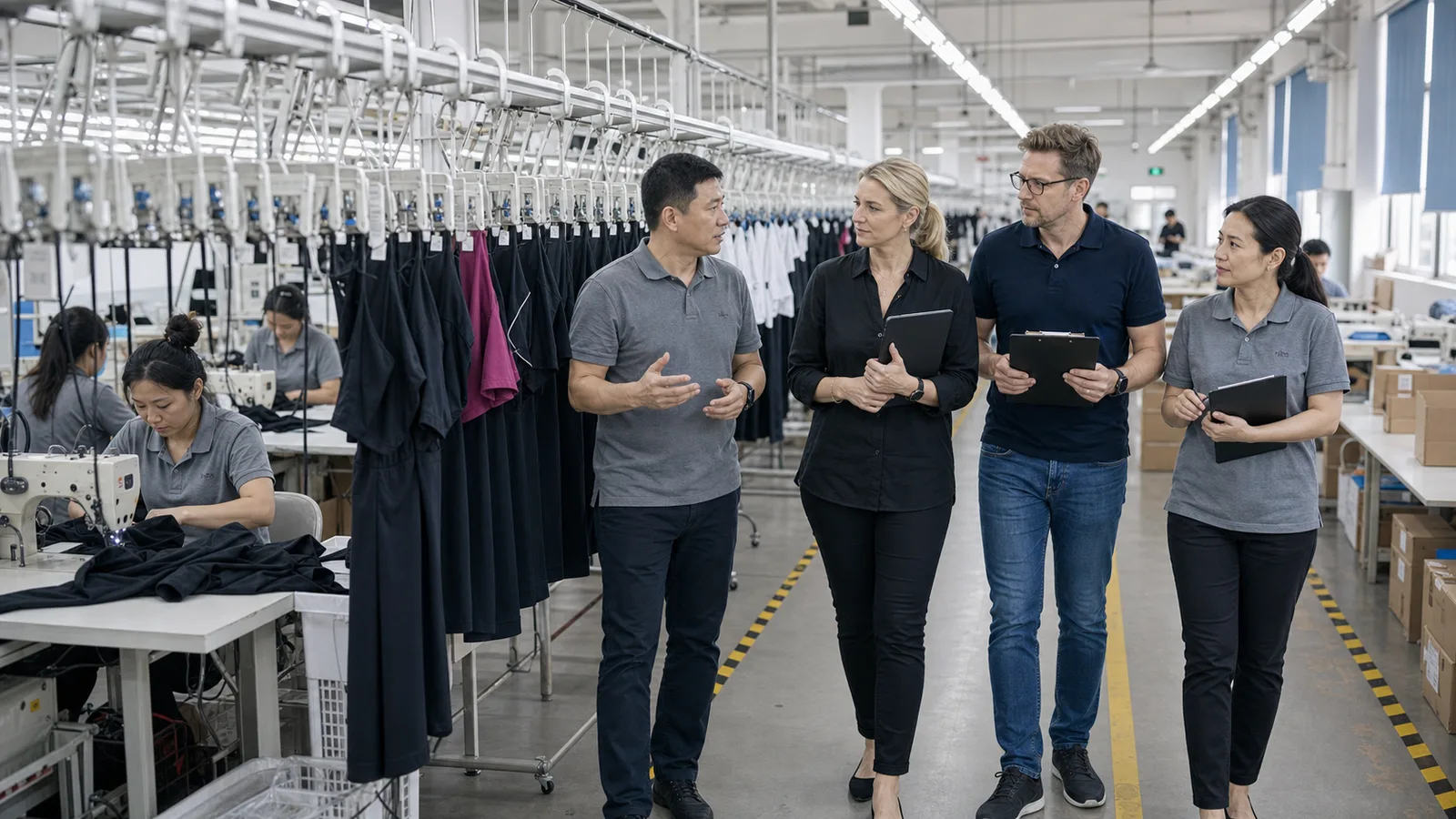
The final handover should let the factory begin the agreed first stage. Start with a cover page naming the product, style code, version, sample objective, decision owners, and requested next decision. The how-it-works page shows how this input moves through feasibility, material review, sampling, approval, production, quality, packing, and delivery preparation.
- Style and customer: product role, end use, selling context, market, season, price direction, and the qualities the customer should notice.
- Annotated references: front, back, side, inside, and detail images marked required, preferred, inspiration, excluded, or open.
- Silhouette and fit: sample size, fit outcome, body or reference garment, key measurements, points of measure, size-range direction, and unresolved grading inputs.
- Materials and colour: behaviour priorities, composition direction where relevant, opacity, surface, stretch, care, colour evidence, lining, and any documentation or claim boundary.
- Construction and components: sketches or diagrams, seams, pockets, closures, trims, decoration, artwork, placement, labels, and acceptable alternative limits.
- Commercial plan: quantity by style and colour, estimated size ratio, destination, launch or receiving objective, target positioning, and assumptions that need a factory response.
- Packing and data: fold, individual pack, sticker, barcode, hangtag, carton, warehouse or retail context, and the owner of current product data.
- Process and approvals: requested sample stage, comment format, version method, decision owners, open questions, quotation scope, and date for the next review.
Once the style is approved, the brief should feed the production release rather than be abandoned. The fashion first bulk order production control guide explains how approved sample identity, materials, measurements, construction, labels, packing, and quality priorities become one production standard.
For a Yinshan Fashion project, share your style references or tech pack, sample objective, category, fabric and colour direction, fit and size range, trims, artwork, labels, quantity by style and colour, destination market, packing, target timing, and open questions through the contact page. The team can review which inputs are ready, which need a factory proposal, and what should be confirmed before the first sample. Exact MOQ, quotation, sampling sequence, and timing remain subject to the actual product and programme.

Factory-ready brief
Build one usable fashion product brief before sampling
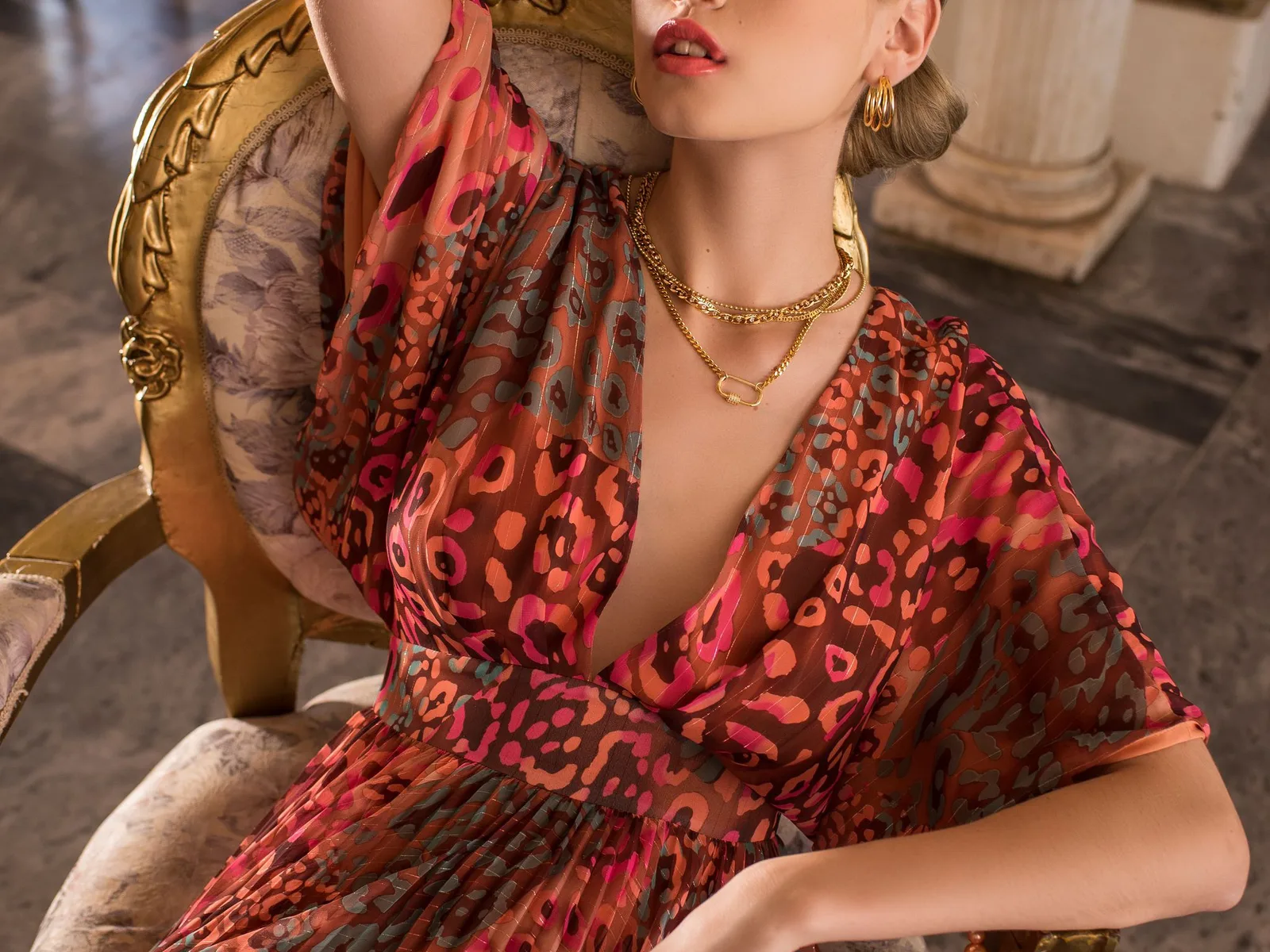
Reference images are a useful beginning. Before sampling, the factory also needs visible decisions on product identity, fit, fabric, construction, trims, branding, quantity, packing, approvals, and open questions.
Design intent
Name the silhouette, fit, garment length, movement, target customer, and the details that make the style recognizably yours.
Material intent
Describe drape, weight, opacity, texture, wash behavior, color direction, and what the garment should feel like in the customer's hand.
Commercial intent
Share the target quantity, price direction, market, label package, delivery objective, and repeat-order potential so the factory can propose a viable route.
Fashion product brief handover checklist
This working list turns a mood board, sample, or set of product images into a useful conversation with a fashion manufacturer. It is fine for a few points to remain open, as long as they are visible.
| Decision area | What the buyer should prepare | What to ask the factory |
|---|---|---|
| Style identity and end customer | Share the product role: blouse, dress, shirt, trouser, T-shirt, streetwear layer, lounge set, or seasonal capsule; attach front, back, and detail references. | Which visual details change pattern work, fabric consumption, construction, or the sample route? |
| Fit, measurements, and size range | Mark key points such as body length, shoulder, bust, waist, hip, sleeve, inseam, hem, and the intended fit: relaxed, tailored, oversized, draped, or body-skimming. | What tolerance and grading route is practical for this silhouette and fabric? |
| Fabric, color, and finish direction | Describe handfeel, weight, drape, opacity, stretch, surface, color palette, print, wash, or finish expectations. | Which available materials suit the brief, and which choices need fabric headers, lab dips, or a first sample? |
| Construction, trims, and branding | Show seam details, lining, pockets, plackets, buttons, zippers, elastic, embroidery, print, labels, hangtags, and packaging requirements. | Which trim or construction choice affects appearance, comfort, MOQ, cost, or lead time? |
| First-order plan | Provide quantity by style and color, destination market, target price direction, delivery window, and intended repeat-order plan. | Can fabrics, colors, labels, or trims be shared across the collection to make the first production run more efficient? |
| Packing, approvals, and versions | Describe fold, individual pack, hangtag, barcode, carton, sample purpose, comment owner, current file versions, and any point still waiting for a decision. | Which packing files, sample approvals, product data, and open decisions are needed before this project can move to the next stage? |
Continue the production conversation
Fashion product brief decision table before sampling
| Decision area | Buyer input | Factory confirmation | Risk if left open |
|---|---|---|---|
| Style identity | Style code, product role, customer, market, selling context, and sample objective. | Current version, product category, required references, and next development decision. | Files, samples, quotations, and later approvals may refer to different products. |
| Fit and measurements | Sample size, desired fit, body or reference garment, key measurements, points of measure, and size-range direction. | Pattern assumptions, missing measurements, grading inputs, and any material or construction effect. | A visually attractive sample may not match the intended fit or scale reliably. |
| Fabric and colour | Behaviour, composition direction, drape, opacity, surface, care, colour evidence, and claim or documentation needs. | Proposed base, approval route, known availability assumptions, construction implications, and open risks. | The garment may lose its silhouette, handfeel, colour direction, care story, or commercial route. |
| Construction and branding | Front, back, and inside details; trims; decoration; artwork; labels; placement; and acceptable alternatives. | Sample method, component questions, artwork inputs, product-data needs, and affected approval steps. | The factory must invent unseen details or uses components that change appearance, function, or identity. |
| Quantity and quotation | Units by style and colour, size direction, destination, timing objective, target positioning, and requested scope. | Material, sampling, colour, trim, label, packing, production, and delivery assumptions behind the offer. | Supplier prices appear comparable even though they describe different products or services. |
| Approvals and versions | Buyer owner, comment format, file names, open-question log, approval scope, and current folder. | Factory owner, receipt of current files, response to comments, change dependencies, and next gate. | Superseded instructions remain active and a vague approval releases work the buyer did not intend. |
| Packing and product data | Fold, individual pack, sticker, barcode, hangtag, carton, retail or warehouse context, and data owner. | Required artwork, physical trial, pack dimensions, assortment logic, checks, and missing product information. | Correct garments reach packing with wrong identity, poor presentation, or unusable receiving data. |
Buyer FAQs
What is a fashion product brief before sampling?
It is the controlled set of product and commercial inputs used to start sample development. It identifies the style, customer, annotated references, fit, measurements, fabric behaviour, colour, construction, trims, decoration, labels, quantity, size direction, destination, packing, sample objective, approvals, and open questions. It can begin before a full tech pack exists, but it should make missing decisions visible.
Can a clothing factory make a sample from reference images only?
Reference images can start a feasibility discussion, but they rarely show every product decision. The buyer should mark which features matter, what must not be copied, the intended fit and material behaviour, unseen construction, branding, quantity, market, and acceptable alternatives. The factory should return questions and assumptions before treating unseen details as approved.
Does a startup need a complete tech pack before contacting Yinshan Fashion?
Not necessarily. Yinshan Fashion can discuss a custom or private-label programme from organised references, a sample garment, mood board, sketches, measurements, or a fuller tech pack. The information available determines the next development step. The buyer should still identify product direction, quantities, market, timing, branding, packing, and open decisions so the team can review feasibility.
Which measurements belong in a first fashion product brief?
Include the sample size, intended fit, reference body or garment, and the measurements that control the silhouette or function. Depending on the style, these may include length, shoulder, chest or bust, waist, hip, rise, sleeve, cuff, inseam, leg opening, hem sweep, pocket position, or placement dimensions. Define how each critical point is measured rather than copying a generic chart.
Should MOQ, price, and lead time be fixed in the first brief?
The buyer should provide quantity, price direction, destination, and timing objective, but exact MOQ, quotation, and lead time should be confirmed for the actual product route. Fabric, colours, trims, decoration, labels, packing, sample scope, size range, availability, approvals, and delivery assumptions can all change the result. Ask the factory to state those assumptions beside its proposal.