
Article
What should buyers know first?
Short answer: A practical framework for comparing China and Southeast Asia apparel manufacturing by product route, material access, sample control, quotation basis, private-label scope, and repeat-order risk rather than by a headline price.
China vs Southeast Asia apparel manufacturing is not a choice that a buyer can make responsibly from a country list or a single unit-price comparison. The better route depends on the garment, the material and component plan, the sample purpose, the order matrix, the private-label scope, the destination market, the decision owners, and the evidence needed before bulk. A buyer should compare a complete product route, not two regional labels.
Yinshan Fashion supports custom and private-label bulk programmes rather than unrestricted ready-stock wholesale. For that kind of work, feasibility is confirmed against the specific product, fabric, colour, quantities by style-colour-size, branding, packing, market, approvals, and delivery objective. No region should be presented as having a universal MOQ, price, lead time, capacity, compliance outcome, or material availability.
This guide is for fashion brands, retailers, buying offices, and sourcing teams considering China vs Southeast Asia apparel manufacturing for a current collection or a future sourcing plan. It does not prescribe one region. Instead, it shows how to set up a comparable decision, what to ask each potential route, and when the buyer needs further product, material, or commercial confirmation before selecting a factory.
Direct answer: Choose the route that can explain how your approved garment, material and component choices, sample evidence, quotation assumptions, branding, packing, quality priorities, and repeat-order records will stay connected. A low opening price or a broad regional claim is not a substitute for a product-specific production plan.
How should buyers start with the garment, not the regional headline?
The first question is not whether China or Southeast Asia is “better.” It is what the buyer is actually trying to make. A jersey T-shirt, a lined woven dress, a washed streetwear overshirt, a compression-style activewear set, and a robe with retail packing may each require different material, pattern, construction, decoration, component, inspection, and packing conversations. A regional comparison becomes useful only once the product is precise enough to expose those differences.
Build one source-of-truth brief before contacting either route. It should identify the garment category, target customer, reference images or sample, key fit points, construction, intended fabric result, colour direction, size range, logos or artwork, labels, hangtags, individual packing, carton needs, destination market, quantities by style-colour-size, target arrival objective, and open decisions. The casual fashion programme is a useful way to frame everyday silhouettes, while the Active Fashion programme can help a buyer identify fit, stretch, lining, seam, and trim questions that need a more category-specific discussion.
Do not make a supplier prove a vague idea. If the buyer has only a mood board, say so and separate aspiration from confirmed specification. If a reference garment is available, note which characteristics are important: drape, body, opacity, stretch, recovery, surface, wash appearance, pocket shape, hardware, neckline, or hem. This turns an abstract region comparison into a test of whether a supplier can translate the same product intent into a viable development route.
The same discipline helps the buyer avoid accidental keyword or category confusion. A route suitable for a basic re-order may not suit a product that still needs pattern work, new fabric direction, size development, special wash, or complicated packaging. The right comparison begins with the highest-risk product decisions, not with the lowest-level commercial promise.
What should buyers check about separate route-critical decisions from ordinary preferences?
Every brief contains decisions that are fixed, flexible, unknown, or market-dependent. Marking those states is more helpful than compiling a long list of preferences. A fixed fabric handfeel, a buyer-supplied trim, a required label language, a retailer carton rule, or a critical fit point can determine which supplier questions must be answered first. A colour family, a non-critical pocket detail, or an alternative packing material may be open to a practical option.
Ask each potential route to classify the work in the same way. Which elements can be assessed from the current brief? Which need a physical swatch, pattern review, component sample, lab dip, finished sample, retailer input, or another verification step? Which decisions affect the product itself, and which affect the commercial comparison? Clear answers help the buyer see whether two quotations really describe the same programme.
This is especially important when a sourcing team is comparing a known supplier with a new regional option. A new route may appear simple because only a headline category has been shared. Once the buyer adds the real colour matrix, trims, printed artwork, labels, packing, and approval path, the unknowns become visible. That is not a reason to reject a route; it is a reason to give both routes the same technical basis before choosing.
A useful decision sheet can list each requirement, its current status, the evidence available, the person who can approve it, and the next date on which it must be resolved. That document is often more reliable than a generic supplier score because it makes the comparison auditable by product.
What should buyers check about treat fabric and components as the first routing test?
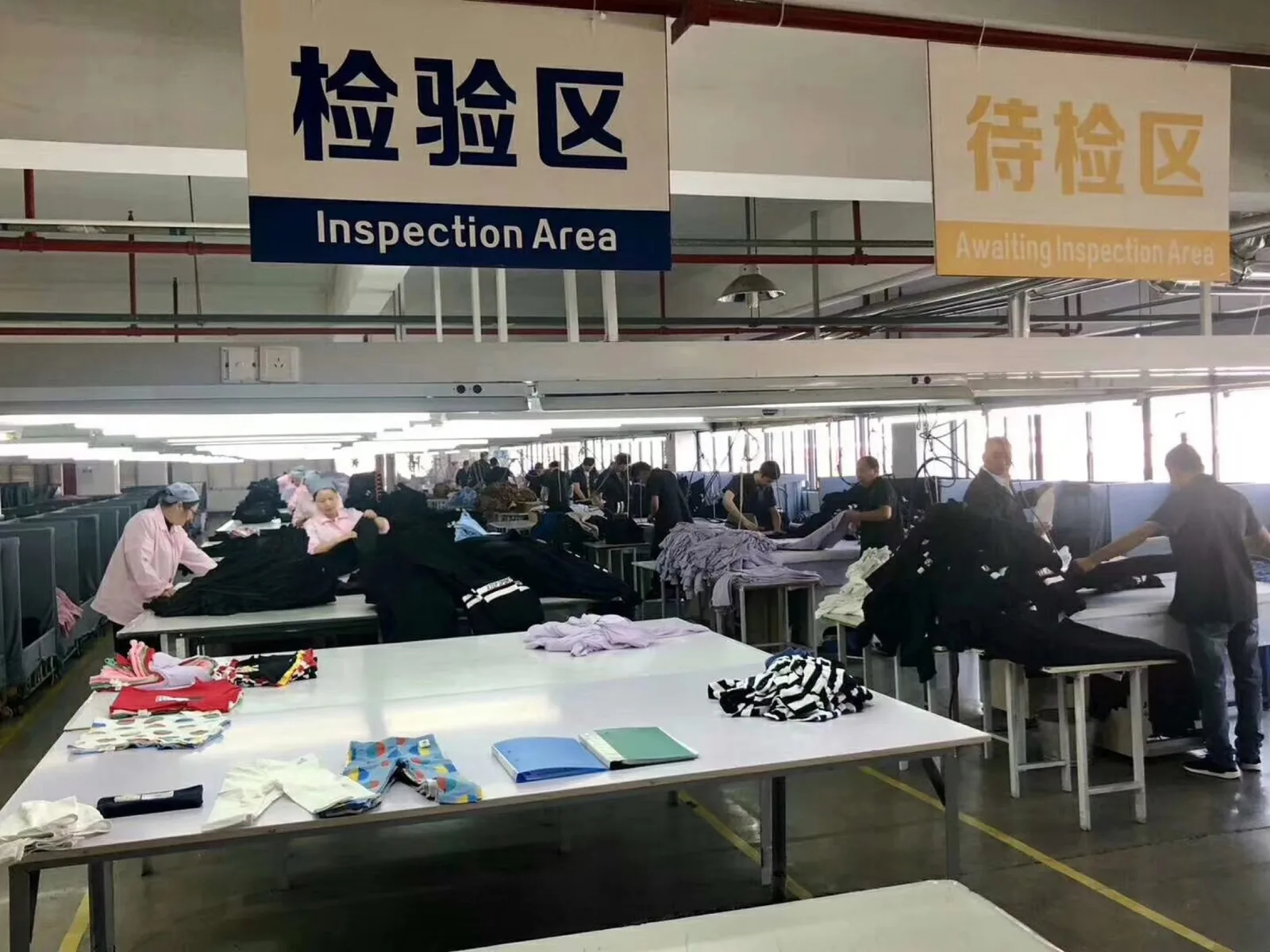
Fabric and components often reveal whether a comparison is mature enough to support a decision. The buyer should describe the garment outcome before asking for a material name: weight or structure where known, handfeel, drape, coverage, stretch, recovery, surface, colour, finish, wash expectation, care direction, and intended use. A material name without the desired garment behaviour leaves too much room for an apparently comparable route to become a different product.
The fabrics and trims resource can help organise those questions. It is also important to distinguish what is a buyer preference from what must be verified. A buyer may prefer a recycled, organic, performance, or other market-facing material direction, but no environmental, performance, certification, or composition claim should be printed or used in marketing until the relevant evidence, supply route, product result, and market review are confirmed. A responsible supplier should identify that distinction rather than treating a preliminary fabric name as proof.
For China vs Southeast Asia apparel manufacturing, ask each route the same practical questions: Can the proposed material and components be reviewed against this garment? What supplier, mill, or purchasing information would be needed? Does the colour plan change the conversation? Which trims, decorations, linings, elastics, labels, or packaging items need separate confirmation? If a substitute becomes necessary, who can approve it and what must be reviewed again? These questions do not assume that one place has a better answer. They test whether the answer is connected to the product.
In the first supplier discussion, do not force a material route to sound final. Record what is proposed, what is available for review, what is conditional, and what must be approved before bulk. This protects both the buyer and the factory from treating an early conversation as a production instruction.
How should buyers compare development ownership before comparing sewing capacity?
Buyers often receive claims about capacity, machinery, or broad product categories. Those may be relevant, but the more useful early test is development ownership. Who receives the brief? Who turns a reference or tech pack into questions? Who coordinates pattern, fabric, construction, decoration, labels, and sample feedback? How does the team distinguish an exploratory sample from a sample intended to authorise bulk work?
For a custom programme, the product passes through several translations. The buyer’s visual direction becomes a product brief. The brief becomes pattern, material, component, and construction decisions. Those decisions become a sample. Sample comments become a revised version and, if the buyer chooses to proceed, a production reference. The fashion product brief before sampling guide explains the records that help retain that identity across the handover.
Ask each route for an explanation of its decision handoffs rather than a tour of generic capabilities. If a fit point is unclear, who flags it? If a proposed fabric changes the drape, how does that affect the sample conversation? If branding is incomplete, is it left open, or does someone incorrectly assume a production-ready version? The goal is not to require identical internal job titles from different suppliers. The goal is to understand whether critical product questions have an owner and an approval route.
A factory-led route can be valuable when direct product development and production records are central to the decision. An intermediary can be valuable when a buyer needs coordination across multiple unrelated product families. Neither model should be rewarded simply for the label. Compare the actual connection between the people interpreting the product and the people who will source, make, check, and pack it.
What should buyers check about turn the sample into comparable evidence?
Sampling is the safest place to test a route that looks credible on paper. A sample should answer a defined question. It might test silhouette, fit, measurement, fabric behaviour, colour, construction, print or embroidery method, trim placement, label application, packing appearance, or a combination of these. If the purpose is not named, the buyer can receive a visually attractive sample without knowing whether it is a reliable reference for the next stage.
Give both routes the same sample brief and use the same comment structure. Identify the sample version, the materials and components used, the differences from the intended bulk product, the measurement points, the visual and construction observations, the unresolved questions, the buyer approver, and the next decision. Avoid approving a sample with vague remarks such as “looks good” when the project still has open material, fit, or branding decisions.
The physical work behind a sample matters because it exposes dependencies that a quotation cannot. Pattern work, cut pieces, construction order, fabric handling, seams, labels, and finishing can all change the result. A photograph of the product is not enough evidence by itself. The buyer should retain the sample or clear reference material, the dated comment record, and the agreed changes so that a later bulk conversation refers to the same version.
When a route cannot yet make a confirmed sample, that can be an honest and useful answer. It may mean the material, pattern, artwork, or quantity structure is still unknown. Record the missing input, not just the delay. The next meaningful comparison should happen after that input is supplied rather than after a supplier has been pressured into an ungrounded promise.
How should buyers use a quotation basis that exposes assumptions?
Two prices are comparable only when they describe the same work. A buyer should not ask whether one region is cheaper until the product, material, colour, quantities, size range, construction, trims, decoration, labels, packing, market context, sample route, delivery basis, and exclusions are visible. If any of those points differ, a lower number may simply be a narrower or more provisional scope.
Use the fashion apparel RFQ template to issue the same information to each route. Ask suppliers to state what has been assumed, which inputs have not been confirmed, which elements are included, which are excluded, and which change would require a revised conversation. Request an explanation of the next commercial decision gate, not an artificial guarantee about final price or timing.
Quantity should be mapped by style, colour, and size where possible. A total order quantity may hide a colour split, a size imbalance, or a component requirement that changes the route. Equally, do not assume that a previous order, a familiar fabric name, or a broad “small batch” request establishes a universal commercial condition. The buyer needs a project-specific response tied to the current product and quantities.
Compare quotation quality as well as quotation level. A transparent answer that identifies missing data can be more useful than a fast answer that assumes away the hard parts. The buyer can then decide whether to simplify a first collection, obtain another material option, change the colour plan, defer a component, or fund a sample route before making a bulk decision.
How should buyers check private-label and market inputs early?
Private-label decisions can change the production route even when the garment pattern is already understood. Main labels, size labels, care information, fibre content, hangtags, barcode data, logo files, decoration, individual packing, carton marks, and retailer or warehouse instructions all need a current owner and version. The private-label programme is a useful starting point for organising those components, but the final content and market requirements remain the buyer’s responsibility to confirm with appropriate advisers or official sources.
For a regional comparison, ask when each component is needed and whether it has been included in the supplier’s current assumptions. A factory should be able to say that a file, label specification, barcode source, packing sample, or market instruction is pending. It should not manufacture legal wording, product composition, country-of-origin language, or claim evidence from an incomplete brief.
Packing needs the same treatment. A fashion item can be visually correct yet arrive with the wrong identity or receiving logic if style, colour, size, labels, barcodes, individual protection, carton assortment, or shipping marks are not mapped to the same current order record. Ask each route what it needs to review the plan and what evidence will be used before packing begins.
Early private-label control keeps a regional comparison honest. It prevents the team from choosing a route based on a garment-only quote and discovering later that the retail-ready product is a different project. It also helps buyers decide whether a split route would create an additional version-control burden that is not justified by the collection.
How should buyers ask how quality decisions move through production and packing?
Quality is not a final-inspection event. It starts with an approved product reference and continues through material review, cutting preparation, production checks, measurement or appearance checks where relevant, labels, packing, findings, corrections, rechecks, and release. The exact checkpoints depend on the garment, risk, buyer standard, and agreed programme. A supplier should explain the connection between the approved record and the checkpoints, not promise a generic quality outcome.
The manufacturing process page gives a high-level view of the custom apparel route. In a live comparison, ask a more specific question: What product record will the team use to confirm fabric, colour, construction, measurements, decoration, labels, packing, and exceptions? If something does not match, who can hold, correct, review, or release it? How will the buyer know which version and which goods the decision covers?
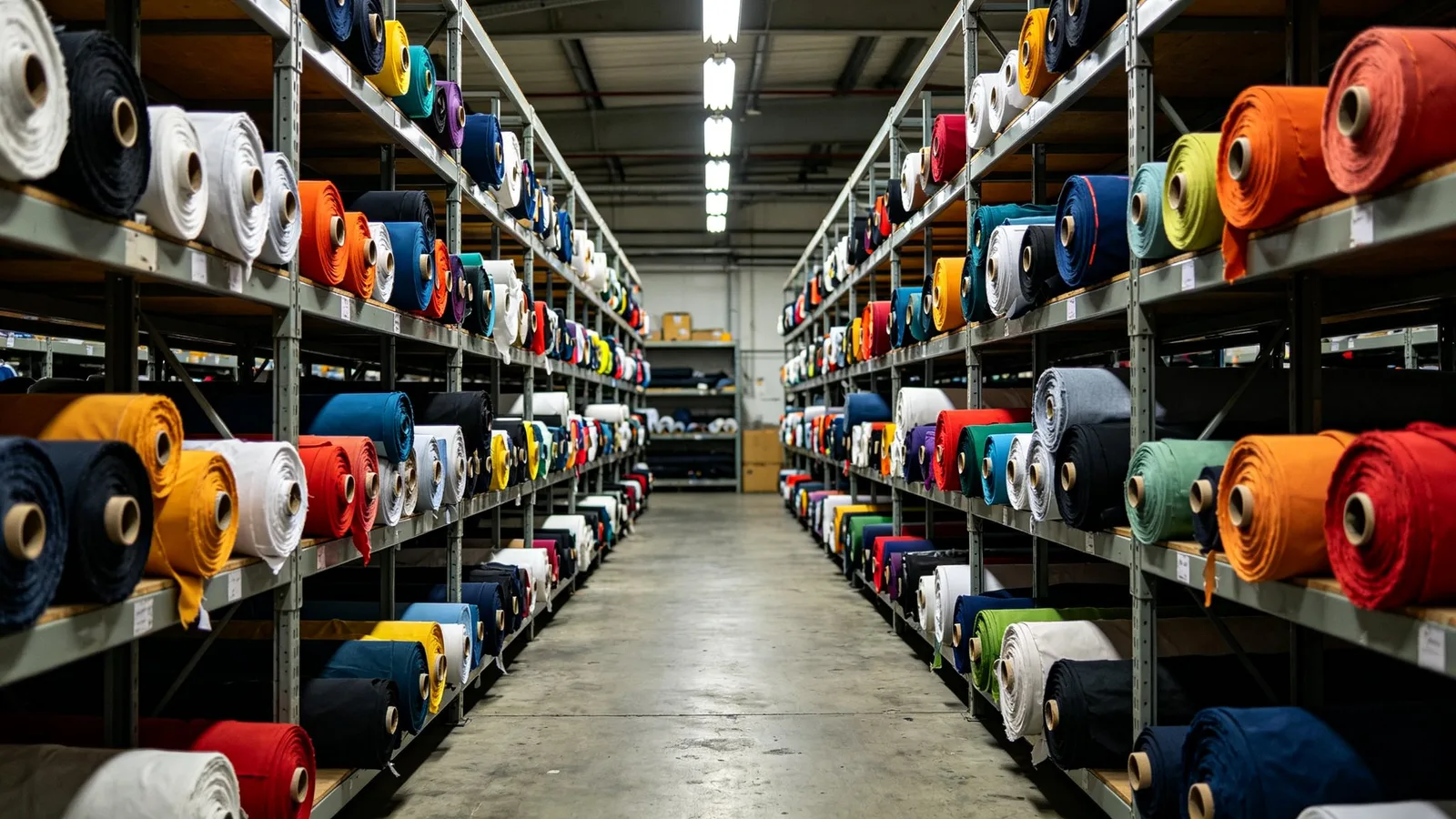
This is also where an image, audit, or virtual factory discussion should be used carefully. Visual material can help a buyer understand workflow, but it is not proof of a particular order’s result. Ask for product-specific records and agreed checkpoints once the programme advances. Do not infer certification, compliance, testing, capacity, client relationships, or a final commercial commitment from a production-floor image or a generic process description.
For a new route, select a small set of quality priorities that relate directly to the product: a fit point, seam or construction detail, material behaviour, colour reference, graphic placement, label identity, packing requirement, or receiving data. Give each priority an evidence source, decision owner, and escalation path. This is more actionable than a universal factory-quality checklist.
How should buyers decide whether one route or a split route is actually simpler?
It can be tempting to assign development to one region, bulk production to another, or different styles to separate suppliers. A split route may be sensible when it follows a clear product and business rationale. It can also create extra transfers of pattern, sample, material, component, approval, and packing information. The buyer should compare that coordination work explicitly instead of treating diversification as automatically safer.
Start by grouping styles that share materials, construction, colour, components, sample dependencies, private-label needs, and market requirements. If a group can be developed and produced through one coherent set of records, a single route may reduce version risk. If product families are genuinely different, separate routes may make sense, provided the buyer can maintain distinct approvals, order matrices, and release records.
The same applies to contingency planning. A second option is useful only when the buyer knows what it would need to receive, which materials or components could be assessed, what sample evidence would transfer, and which decisions would have to be reopened. A contingency route should not be presented as an automatic replacement for an approved product or a confirmed production programme.
Use a simple decision record: chosen route, product family, reason for the decision, dependencies, open items, evidence owner, next gate, and contingency action. This lets the buyer change direction with fewer assumptions if the product or commercial context changes later.
What should buyers check about preserve the record for a repeat order?
The long-term value of a regional decision is revealed after the first shipment, not at the first quote. A useful order record connects the approved sample, pattern direction, material and colour reference, trims, artwork, labels, packing, quality findings, carton data, and authorised changes. Without that record, a repeat order can become a new sourcing exercise even if the buyer uses the same supplier and the same region.
The wholesale fashion reorder planning guide explains how to structure that handover. A repeat can move more efficiently only when the current product is identified and every difference is declared. Materials, components, quantities, colour, labels, packing, market needs, commercial conditions, and timing all require a current review. Previous approval is evidence; it is not a blanket promise that every condition still applies.
This principle also improves the first regional decision. A route that can retain a clear product and decision record may be more valuable than one that makes an attractive initial offer without showing how the next order will be controlled. The buyer should ask what references will be retained, how current changes will be distinguished from old versions, and who can confirm that the next programme uses the right record.
How should buyers use a China vs Southeast Asia apparel manufacturing comparison pack?
Before choosing China vs Southeast Asia apparel manufacturing for a current programme, create one comparison pack. Include the product brief or tech pack available now, reference images or sample, material and component direction, quantities by style-colour-size, brand files, packing needs, market, sample purpose, target arrival objective, fixed decisions, and open questions. Send the same pack to each route and ask for product-specific questions, assumptions, risks, samples, evidence, and next decision gates.
Yinshan Fashion can review a custom or private-label fashion programme from the China route: product direction, material and trim questions, pattern and sample route, quotations based on visible assumptions, branding, packing, production control, and repeat-order records. The appropriate route remains dependent on the actual programme. To begin, share the clearest available brief through the contact page, including what is already confirmed and what still needs development.
The best decision is not the most confident regional slogan. It is the route that gives the buyer a credible, reviewable path from product intent to approved sample, bulk handover, packing, and future order control.
Route-comparison controls
Three controls that make a regional sourcing comparison useful
A regional comparison is reliable only when every route receives the same product record, the same unresolved decisions, and the same release standard. These controls help a buyer compare work that can actually be delivered, reviewed, packed, and repeated.
Issue one comparison pack
Give every route the same product reference, fit direction, material questions, quantities, branding, packing, market, sample purpose, fixed decisions, and open items.
Approve evidence, not assumptions
Attach material, pattern, construction, fit, component, label, and packing decisions to a dated sample or record with a named next action.
Retain the product route
Connect the approved product, order matrix, quality priorities, packing plan, changes, and release evidence so a future order starts from a known version.
Buyer action and factory confirmation for a regional sourcing comparison
Use this checklist for the same current garment across every potential route. Commercial terms, material availability, sampling, testing, market requirements, and timing remain project dependent until the relevant evidence is confirmed.
| Decision area | What the buyer should prepare | What to ask the factory |
|---|---|---|
| Product identity and fit | Share the garment category, reference or tech pack, intended customer, fit points, construction, size range, fixed decisions, and open questions. | Which product details can be assessed now, and which require pattern work, material review, or a sample before they can be confirmed? |
| Fabric, colour, and components | Describe garment behaviour, material and colour direction, linings, trims, decoration, labels, packaging, and any claim that needs evidence. | Which material or component needs a sourcing route, swatch, sample, document, substitute decision, or buyer approval before use? |
| Sample purpose and comments | Name the sample version, purpose, review criteria, measurement points, comments, approver, unresolved items, and next decision. | How will the current sample be linked to pattern, fabric, construction, labels, packing, and a possible bulk handover? |
| Quantity and quotation basis | Provide the current style-colour-size matrix, branding, packing, market, arrival objective, included work, and every unknown that could affect scope. | What assumptions, exclusions, dependencies, and product changes need a revised commercial discussion rather than an automatic promise? |
| Quality, packing, and release | Identify approved references, quality priorities, labels, barcode or receiving data where relevant, packing rules, exception owner, and release evidence. | What current record will production, checks, packing, correction or hold actions, and release use for this product and order? |
| Repeat or contingency route | Retain previous-order identity, changed or unknown inputs, current owners, transfer requirements, and the condition that would trigger an alternate route. | What can be reused, what must be reconfirmed, and which transfer would reopen development, material, approval, packing, or quality work? |
Continue the production conversation
China vs Southeast Asia apparel manufacturing: compare the route, not a headline
| Decision area | Buyer evidence to provide | What each route should confirm |
|---|---|---|
| Product identity | Category, reference, fit points, construction, use case, and fixed versus open decisions. | What can be assessed now, what needs pattern or sample work, and which decisions remain conditional. |
| Fabric and components | Desired garment behaviour, material direction, colour plan, trims, decoration, labels, and evidence needs. | What can be reviewed, what must be sourced or sampled, and how substitutions need approval. |
| Sample route | Sample purpose, version, comments, approver, measurement points, and criteria for the next decision. | How the sample connects to material, pattern, construction, branding, and a potential bulk reference. |
| Quotation basis | Style-colour-size quantities, packing, market, delivery objective, included work, and known unknowns. | Assumptions, exclusions, dependencies, and the change that would require a revised commercial discussion. |
| Private-label and packing | Current artwork, product data, labels, barcodes, individual packing, cartons, destination, and receiving rules. | Which files or samples are pending and what evidence is required before components or packing are used. |
| Quality and release | Product priorities, approved references, exception owner, and required quality or receiving evidence. | How the current record reaches production, checks, correction or hold decisions, packing, and release. |
| Repeat or contingency | Previous order identity, current changes, retained references, ownership, and alternate-route trigger. | What can be reused, what must be reconfirmed, and which transfer would reopen the product route. |
Buyer FAQs
Is China or Southeast Asia better for apparel manufacturing?
Neither region is universally better. The practical choice depends on the specific garment, material and component route, sample needs, order matrix, private-label scope, market, approvals, and record control. Compare the same product brief and ask each route to make its assumptions and next decision gates visible.
Can a buyer compare regional quotes before the sample is approved?
A buyer can begin a provisional comparison, but it should be labelled as such. Give each route the same available brief, material direction, quantities, branding, packing, market, and sample purpose. Ask which assumptions remain open and which sample, material, component, or approval decision would change the basis.
What should be in a China vs Southeast Asia apparel manufacturing brief?
Include the garment category, reference or tech pack, fit and construction priorities, material and colour direction, trims, decoration, size range, style-colour-size quantities, labels, packing, market, sample objective, target arrival objective, fixed decisions, and open questions. The brief should distinguish preferences from facts that need verification.
Should a brand split development and bulk production across regions?
Only when the buyer has a clear product and business reason and can control the handover. A split route can add transfers of pattern, sample, material, component, approval, quality, and packing information. Map what must move, which decisions reopen, who owns the record, and what evidence the receiving route needs before assuming the split will reduce risk.
How should private-label and market requirements affect the comparison?
Treat labels, product information, barcodes, artwork, packing, cartons, destination, and receiving requirements as part of the product route, not late-stage add-ons. The buyer should provide or approve accurate data with appropriate advisers or official sources. The supplier should confirm fit, file status, production use, and missing inputs without inventing legal wording or claim evidence.