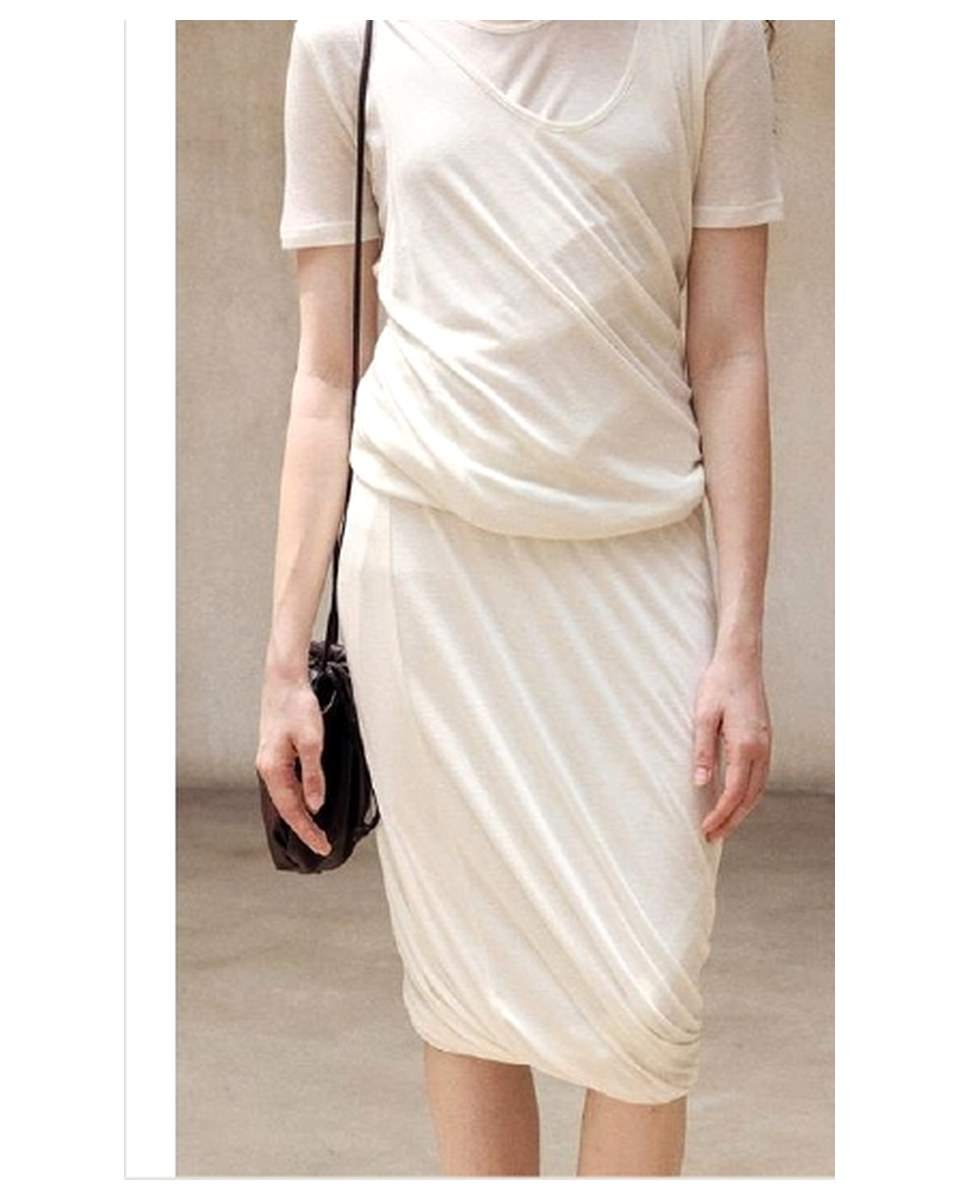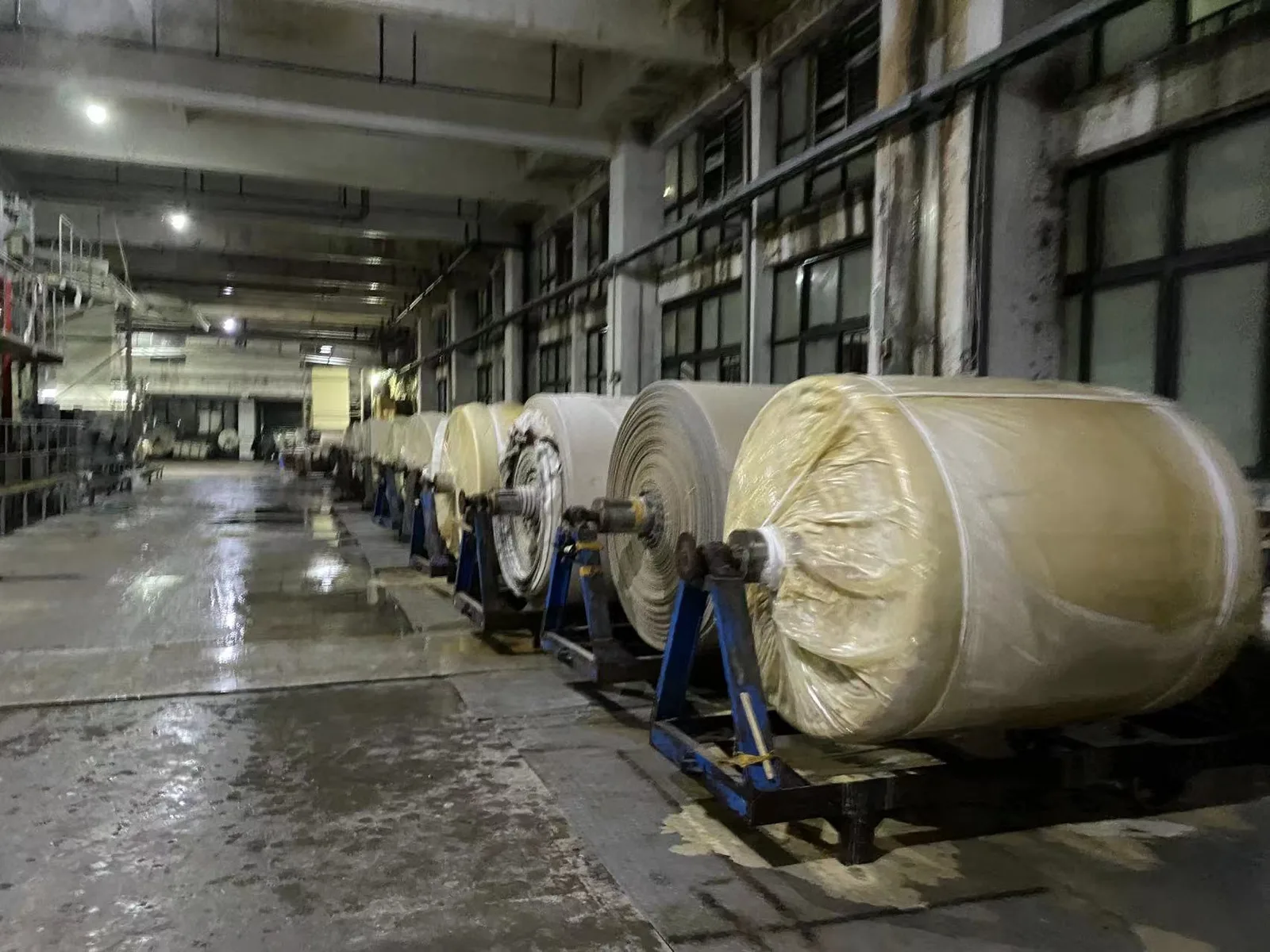
Article
What should buyers know first?
Short answer: Compare silk vs satin for dresses and nightwear by separating fibre, construction and finish, then reviewing the actual garment and care evidence.
Silk vs satin for dresses and nightwear is often framed as a choice between two competing materials. That wording mixes two kinds of information. Silk identifies a fibre; satin describes a fabric structure or a surface description used in trade. A fabric can be silk and satin at the same time. A buyer should therefore ask what the cloth is made from and how it is constructed before comparing product suitability, cost or care.
For a custom or private-label programme with Yinshan Fashion, provide the garment reference, intended wearer, material requirements and sample objective. Ask the team to confirm the proposed fabric specification and development scope for that enquiry. A photograph, category name or glossy surface does not establish composition, availability or performance. This guide does not certify a particular fabric or claim that every material discussed is currently offered by Yinshan Fashion.
The practical decision is about an identified cloth in an identified garment. A dress and a nightwear set can present different questions even when their fabrics look similar. The buyer needs a comparison that connects fibre information, structure, weight, finish, construction, wearing conditions and the evidence required for the final product description.
Silk vs satin for dresses and nightwear: separate the terms
Start by separating fibre, fabric construction and finish into different fields. A fibre description answers what the material is made from. A construction description helps explain how the yarns form the cloth. A finish describes processing or a surface treatment that can affect the final material. A supplier's short commercial name may combine these fields without giving a complete specification.
Cotton Incorporated's woven-fabric design overview describes satin structures through their floats and smooth surface character. That structural explanation is useful background. It does not identify the fibre content of an unknown glossy fabric, nor does it establish the result of a finished garment made from that fabric.
Ask the supplier to write the proposed fibre composition and construction explicitly. If the description includes silk satin, the two words can describe different attributes of the same cloth. If it says only satin, request the missing composition information. Do not infer silk from shine, softness, price or the appearance of a product photograph.
Keep the language consistent across the enquiry, sample record and final product information. A buyer may use a broad mood-board term during concept work, but the production brief needs an identified material. The customer-facing description should then reflect the confirmed product and the evidence held, rather than the wording that happened to appear on the first inspiration image.
Compare named fabrics instead of broad material stereotypes
A comparison sheet should give each candidate a supplier reference and the specification information currently available. Record composition, construction, weight basis, usable width, colour, finish and sample source where relevant. Mark missing information as open. Two swatches labelled satin may not be comparable simply because they have a similar sheen.
Define the garment task before scoring the options. The brand may need a dress with a particular fall, a blouse with a stable collar appearance or a nightwear set with a specified wearing feel. These are product requirements to assess against the actual cloth. Avoid ranking all silk fabrics above or below all other satin-described fabrics on an undefined quality scale.
If one candidate is a finished stock lot and another requires custom processing, separate that supply difference from the material comparison. Availability, colour development and minimum commitments can affect the commercial decision, but they do not establish intrinsic garment quality. Keep those questions visible so the buyer understands why one route may suit the programme better.
The stock fabric versus custom fabric guide explains that sourcing distinction. For the present comparison, the useful outcome is a short list of identified materials, a reason each remains under consideration and the evidence needed to make the next decision. A vague preference for luxury fabric is not yet a workable specification.
Begin a dress brief with silhouette and construction
Explain where the dress should hold shape and where it should fall freely. Identify the neckline, waist treatment, skirt volume, openings and intended lining arrangement. A smooth surface may be part of the design, but it is only one requirement. The selected fabric must be reviewed in relation to the pattern and construction that create the intended garment.
Use the dress collection as a category reference when discussing silhouettes and details. Identify the brand's own style and avoid treating a collection photograph as a verified fabric specification. A reference can communicate a desired appearance while leaving composition, construction and supply route open for investigation.
Ask which features require a garment sample. The fall of a long panel, the appearance of a shaped seam and the relationship between shell and lining cannot all be established from a small swatch. A preliminary material review can narrow options, but the approval record should state what it has and has not demonstrated.
If a candidate requires a change to the design, make that tradeoff explicit. The brand may accept a different lining, seam position or silhouette after reviewing the sample. It should not discover later that the fabric selection depended on an unapproved product change. The comparison should describe the proposed garment as a whole.
Give nightwear its own wearing and construction brief
A nightwear enquiry should identify the actual product and intended user. A loose set, a slip-style garment and a robe have different shapes, closures and component requirements. State the wearing context, fit preference and any specific coverage or movement questions. The word nightwear does not supply those details for the factory.
Review the material together with the seams, labels, elastic, ties and other parts that contact the wearer. A pleasant swatch does not establish comfort in the constructed garment. Ask for a representative sample and collect specific observations about the design under the agreed review conditions. Avoid turning one person's initial impression into a universal comfort or skin-related claim.
The loungewear category provides product context for discussing tops, bottoms and coordinated sets. Confirm the scope of the proposed programme with Yinshan Fashion. A category reference does not establish that a particular fibre, finish, test result or specialist nightwear requirement has already been verified for a new order.
Where the intended product, wearer or destination creates specific safety or market requirements, identify the responsible review and evidence before release. This guide does not determine those obligations for an unidentified garment. Keep the product definition precise enough for the appropriate technical or market specialist to assess the actual programme.
Review weight, opacity and layering together
Ask for the material's stated weight and the basis on which it is supplied or measured. Use that information to identify the cloth, not as a universal predictor of quality or coverage. A weight figure does not describe every aspect of construction, colour, finish or the way a garment is worn. The relevant question is whether the identified material supports the product requirement.
Review coverage in the intended garment and under agreed conditions. State the sample colour, lining, underlayers and lighting relevant to the observation. A photograph taken under one set of conditions should not become an unrestricted promise that the fabric is opaque in every use. If coverage is a critical requirement, define how the buyer will assess it.
Consider the interaction between shell and lining. The combination may change the visible fall, surface or wearing feel. Review the assembly instead of approving the two fabrics only in isolation. If an unlined option is being considered, treat it as a separate product proposal with its own appearance and use questions.
Record the accepted result in language that matches the evidence. For example, a buyer can approve the sample's coverage under specified review conditions without claiming a laboratory result that was never obtained. Precise wording protects the usefulness of the approval and helps the next reviewer understand what the sample actually demonstrated.
Treat drape and shine as observations with context
Drape describes how the material behaves in the proposed form, while shine concerns its surface appearance under light. Both can matter to the design, but neither establishes fibre content. Compare candidates in a way that keeps the sample size, support and viewing conditions visible. A material can look different when it is folded, hung or assembled into a garment.
Use garment observations to evaluate the intended effect. Note where the fabric falls as desired, where a seam interrupts the surface and where the design creates an unwanted reflection or fold. These are useful findings when tied to a specific sample. Broad comments such as more premium or more elegant give the technical team little direction for the next proof.
Ask whether the final finish is represented by the sample. A preliminary or substitute material may be useful for a limited design decision, but it should be labelled accordingly. If later processing is expected to change the surface, identify the submission that will demonstrate the finished result before customer-facing imagery or bulk approval relies on it.
For coordinated tops, the blouse collection can help the buyer discuss collar, placket and sleeve details separately from a dress or nightwear brief. Shared material direction may create a coherent collection, but each garment still needs its own construction and appearance review.
Compare matte and glossy satin in the same colour story
Start with the visual job the surface must do. A quiet satin robe, a luminous evening dress and a printed pajama set do not need to reflect light in the same way. Write down where the buyer wants a highlight and where a softer surface would let the silhouette or print remain the focus. “Premium shine” is too broad to guide a material search; a photograph with annotated areas of reflection gives the developer something specific to discuss.
Compare the actual colour candidates on a generous fold, a hanging panel and the proposed garment detail. Keep the lighting, camera exposure and viewing distance consistent. Review a front view and an angled view before deciding that one option is darker or more lustrous. If the available swatches are different colours, record that limitation instead of treating the photographs as a controlled comparison of finishes. The preferred result is a design observation, not proof of composition or superior performance.
For a dress, a continuous highlight may be part of the intended long line. On a robe, the buyer may prefer a quieter body with contrast concentrated at the collar and belt. On pajamas, a strong reflection could compete with a fine print or make the piping look different from the surrounding cloth. These are proposed design choices to sample, not universal rules about which surface belongs in each category.
Match the satin surface to a robe or pajama set
Use the robe collection to discuss wrap shape, collar, belt and sleeve proportions. The material decision should include the overlap when the robe is tied and the appearance of the belt against the body. A flat swatch cannot show whether a wide collar interrupts the desired line or whether the pocket and belt loops dominate an otherwise simple silhouette. Treat the collection as a style reference; confirm the selected fabric separately.
The pajama collection provides a different starting point: the relationship between the top and bottom. Compare the shirt front, seated trouser shape, waistband and hem together. If the top is intended to be worn separately, review its coverage and length as an independent garment as well. Sharing one shell fabric can create a coherent set, but it does not remove the need to approve both pieces.
Piping, lining and embroidery should be reviewed on the selected surface. Ask for the proposed piping colour and width on a collar or pocket corner, where a small contrast becomes easy to see. For an embroidered mark, compare its scale and position on the actual fabric with the proposed backing. Check whether it distracts from the sheen or changes the local fall. Agree the branding method after that trial rather than assuming a logo approved on cotton will look the same on a smooth satin candidate.
How Yinshan Fashion can develop a coherent satin capsule
A buyer may have a clear mood board but no common specification for a dress, robe and pajama set. Yinshan Fashion's fabric and trim discussion can connect the desired surface to material, piping, lining and label options. Its development workflow connects those choices with style and sample review. The practical value is a brief that records which features should match across the range and which need separate garment decisions.
For an illustrative three-style capsule, fix the colour family and intended level of shine first. Then identify the dress's lining requirement, the robe's collar treatment and the pajama set's piping placement. Ask which material candidates can be sampled for each role and what supply questions remain. A coordinated collection can use related materials; forcing every piece into one cloth may compromise the intended product. Keep composition requirements separate from visual matching.
Send Yinshan Fashion the capsule brief with the target dress, robe or pajama styles, desired sheen, composition preferences, colours, piping and branding references, quantities and care expectations. Identify the first decision you need help making: selecting two surfaces to compare, resolving a lining question or defining the sample scope. Availability, commercial terms and the final material specification remain project-specific.
Examine seams and components in the proposed fabric
Review the seam appearance on the constructed sample, including areas that carry the design's main visual lines. Identify unwanted pulling, puckering, opening or distortion without assuming a single cause. The technical team should examine the material, pattern, sewing and handling together. An attractive fabric swatch cannot establish that every proposed seam will work as intended.
Ask for an applied trial when the decision can be resolved through a focused construction comparison. Label the methods and state the criterion used to choose between them. Where the question depends on the complete garment, request that evidence instead. A short seam sample can answer a narrow question while leaving fit, drape and wearing behaviour open.
Check closures, straps, elastics, labels and decorative components in context. A component may affect the visible surface or the wearing experience even when it is small. Keep its reference in the material list and record substitutions. A late change should be assessed for its impact rather than treated as automatically equivalent because it serves the same general function.
The selected construction should remain connected to the final fabric reference. If the cloth changes during sourcing, ask whether the seam or component decision needs another review. This is especially useful when an early sample used a substitute. The buyer should release the combination it has actually evaluated, with any remaining conditions stated.
Set care questions before writing the care claim
Do not assign a care instruction from the words silk or satin alone. The finished garment includes its actual fibre composition, structure, finish, colour, lining and components. The responsible parties need a suitable evidence basis for the care information attached to that product. A generic internet recommendation is not a product-specific approval.
If the brand has an intended care route, state it early as a requirement to evaluate. Ask whether the proposed material and assembly can be assessed against that requirement and what evidence is needed. The answer may affect sourcing or construction before the sample is final. Leaving the question until label artwork is ready can force a late product decision.
ISO 6330:2021 describes domestic washing and drying procedures for textile testing. Naming that standard does not specify the complete evaluation or prove a garment's result. The relevant procedure, specimen, related assessment and acceptance criteria must be chosen for the actual product by the responsible parties.
Keep the test or review record linked to the material and garment version it covers. If the composition, finish, lining or component changes, assess whether the evidence still applies. Do not carry an earlier care approval across a changed product merely because the marketing description remains the same.
Compare commercial offers on a common product basis
Give suppliers the same style, material requirements, size range, quantity context and packing expectation before comparing offers. A quotation based on one fabric and construction cannot be evaluated fairly against another that leaves key inputs unresolved. Ask each response to separate confirmed items, assumptions, exclusions and decisions that could change the commercial basis.
Material price is only one part of the garment discussion. Usable width, pattern consumption, lining, components, sample work, processing and packing can affect the proposed route. Request a programme-specific breakdown where it helps the decision. Do not apply a universal price hierarchy based only on fibre name or a surface description.
Ask what a repeat would involve. The supplier may be offering a particular finished lot, a continuing reference that requires new production or an alternative subject to review. Those are different propositions. Keep replenishment expectations separate from the initial sample's appearance so that a successful first order does not imply an unsupported future supply promise.
If the brand is flexible, identify acceptable alternatives before the supplier searches. A clear distinction between fixed composition, preferred appearance and open construction options makes the discussion more efficient. If a fibre requirement is central to the brand's product promise, state that explicitly and ask for the evidence needed to support it.
Keep fibre descriptions and customer claims evidence-based
The final material description should reflect the confirmed product and applicable market review. Do not call a fabric silk merely because it looks smooth or because a supplier used satin in a short message. Ask for the composition information and the documents or testing appropriate to the claim and transaction. The exact evidence requirement depends on the product and destination.
Avoid adding unrelated claims about health, sustainability, biodegradability or superior performance without a relevant basis. A fibre name does not prove those outcomes for the finished garment. If such a claim is commercially important, identify the wording, evidence scope and responsible reviewer before it appears on a label, product page or sales presentation.
Separate factual composition from sensory description. A buyer may describe an observed smooth surface or fluid appearance while still needing to confirm the material specification. The wording should make that distinction clear. Do not use a sensory adjective as a substitute for required product information or as a way to imply an unverified fibre content.
Maintain one approved product-information record linked to the garment version. Labels, packing, photography notes and online copy should draw from that record. A fabric change during development can otherwise leave several inconsistent descriptions in circulation, each looking plausible but referring to a different stage of the project.
Use a two-candidate sample comparison to make the choice
Consider an illustrative brand comparing two identified fabrics for a slip-style dress. It prefers the surface of one swatch and the initial handfeel of another. Instead of choosing from those impressions alone, it defines the garment's drape, coverage, seam and care questions, then agrees the proof needed for each candidate. The comparison becomes a product decision rather than a contest between material names.
The first sample may reveal that the preferred surface needs a different lining arrangement to achieve the intended appearance. The buyer can evaluate that complete proposal, including the resulting construction and commercial implications. The alternative may remain useful for another style. A material does not need to be universally best to be suitable for a particular programme.
For a nightwear set, the same two fabrics would need a separate review of the top, bottom, seams, closures and wearing conditions. The dress result would inform the discussion but would not approve the set automatically. Keep each garment's purpose and evidence visible so that the collection does not inherit conclusions from an unrelated sample.
Record why the selected route was chosen and what remains conditional. The decision memo should name the fabric, garment version, reviewed evidence and next action. That short explanation is more valuable for a future repeat than a spreadsheet that gives every candidate a quality score without stating what the score means.
Review the material description before photography and launch
A photography sample can arrive before every product-information question is closed. Give the image team a clear status note identifying the garment version and any temporary material or component. If the photographed item differs from the final product, the brand needs to decide whether the images remain representative. An attractive image should not silently become evidence of an unconfirmed fibre content or surface finish.
Provide approved descriptive language separately from provisional internal notes. A working phrase such as silk look may have helped the design team communicate an appearance, but it should not automatically migrate into a final product title. The responsible reviewer should assess the actual wording against the confirmed material and the destination's requirements. Keep that decision with the product record so that wholesale presentations and online listings use the same basis.
Check details that can create an unintended impression. A close-up may emphasise shine, while a caption may imply a particular composition or care benefit. The image itself cannot establish those facts. Ask whether the text describes an observed appearance, a verified specification or a supported performance result, then make the wording match the evidence held.
For a reorder, compare the proposed new material with the garment used in the existing imagery. A changed finish or colour may need a new visual review even when the fibre description remains correct. The brand should know which current images still represent the product and which need replacement. This keeps material approval connected to the customer experience without claiming that every new lot will look identical to the first sample.
A useful launch handover can list the style, final material reference, approved composition wording, care-information status, image version and outstanding review owner. This is a proposed brand control sheet, not a mandatory legal template. Keep it short enough for the product and marketing teams to use. If a field remains unresolved, the team can see which claim or asset still needs attention before release, rather than discovering the uncertainty after the garment has been presented to customers.
Prepare a material enquiry that Yinshan Fashion can evaluate
Send the garment reference, intended wearer and channel, composition requirements, preferred appearance, size range, quantity context and sample objective. Include any existing material reference and explain whether it is inspiration, a proposed supply option or an approved standard. State which decisions are fixed and which alternatives are worth discussing.
Use the fabrics and trims page to organise the material questions, then contact Yinshan Fashion with the current brief. Ask for a product-specific comparison and the evidence needed before sample or bulk release. Minimum quantities, availability, commercial terms and timing should be confirmed against the actual programme.
The useful answer to silk versus satin is therefore a complete specification and a reviewed garment route. Once fibre, construction and finish are separated, the buyer can ask better questions about the cloth that will actually be used. The final choice should be supported by that material's evidence and the intended product, not by an ambiguous name.
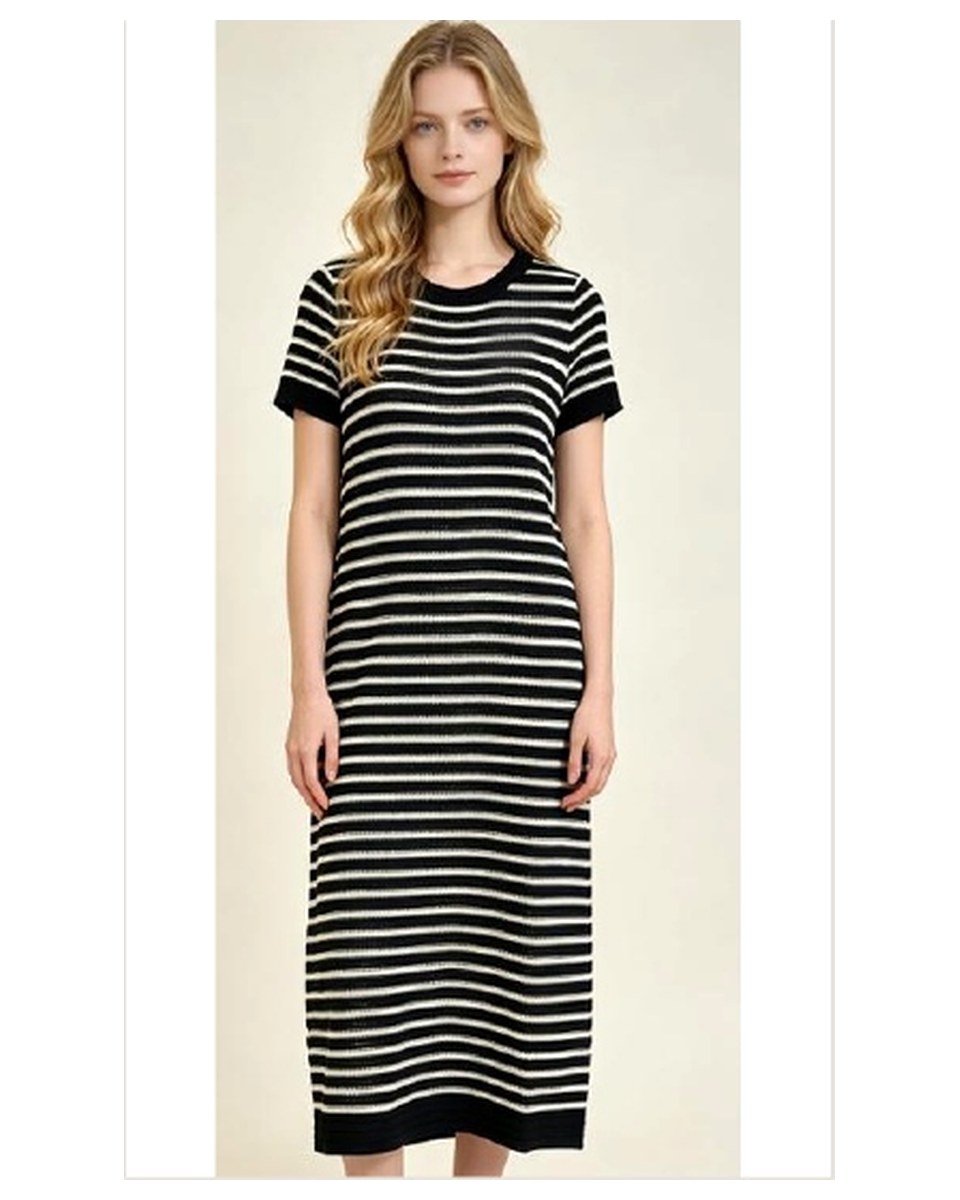
Silk vs Satin for Dresses and Nightwear worksheet
Three actions before the next sample
Compare silk vs satin for dresses and nightwear by separating fibre, construction and finish, then reviewing the actual garment and care evidence.
Separate the terms
Record fibre, construction and finish in different fields.
Compare garments
Assess drape, coverage, seams and components on an identified product basis.
Check the evidence
Tie care, composition and customer descriptions to the final material and garment.
Buyer inputs and factory questions
Use the current garment and material references. Confirm the actual development scope and evidence required for this programme.
| Decision area | What the buyer should prepare | What to ask the factory |
|---|---|---|
| Material identity | Request composition, construction, finish and supplier reference. | Which fields remain unconfirmed? |
| Product task | Provide dress or nightwear silhouette and intended use. | Which candidate cloths should be sampled for this garment? |
| Assembly | Identify lining, closures and components. | Which combined appearance or function questions need proof? |
| Care | State the intended care requirement and review owner. | What evidence is appropriate to the actual product? |
| Customer wording | Separate sensory descriptions from factual or performance claims. | Does the final product record support the proposed text? |
Continue the production conversation
Silk vs Satin for Dresses and Nightwear: decision worksheet
| Review point | Buyer input | Evidence to review | Decision before progression |
|---|---|---|---|
| Fibre | Confirmed composition information | Relevant material specification and evidence | What is the cloth made from? |
| Construction | Supplier’s identified structure | Material reference and physical submission | What does the commercial name describe? |
| Dress suitability | Silhouette, lining and seam priorities | Constructed dress sample | Does the complete proposal meet the design? |
| Nightwear suitability | Product, wearer and use requirements | Complete assembly and relevant review | Which comfort, coverage and market questions remain? |
| Care and claims | Intended wording and care route | Product-specific review or testing basis | Does the evidence support the final information? |
| Surface and product role | Dress, robe or pajama shape; intended sheen | Same-colour cloth and detail comparison | Approve appearance separately from composition |
Buyer FAQs
Silk vs satin for dresses and nightwear: are they competing fibres?
No. Silk identifies a fibre, while satin describes a fabric structure or surface term used in trade. A fabric can be silk satin. Request the actual composition and construction.
Can a buyer identify silk from shine?
No. Appearance does not establish fibre content. Ask for the material specification and evidence appropriate to the product claim and transaction.
How should buyers compare matte and glossy satin for robes and pajamas?
Compare identified candidates in the intended colour and lighting, then review the robe collar and belt or both pieces of the pajama set. Include piping, lining and any embroidery in the sample decision; shine does not identify fibre content.
Can a care label be chosen from the material name alone?
No. The complete garment and supporting evidence matter. Agree an appropriate evaluation route for the actual fabric, finish, lining and components.
What should Yinshan Fashion receive for a material comparison?
Send the garment reference, composition requirements, preferred appearance, size range, quantities and sample objective. Identify fixed requirements and acceptable alternatives.