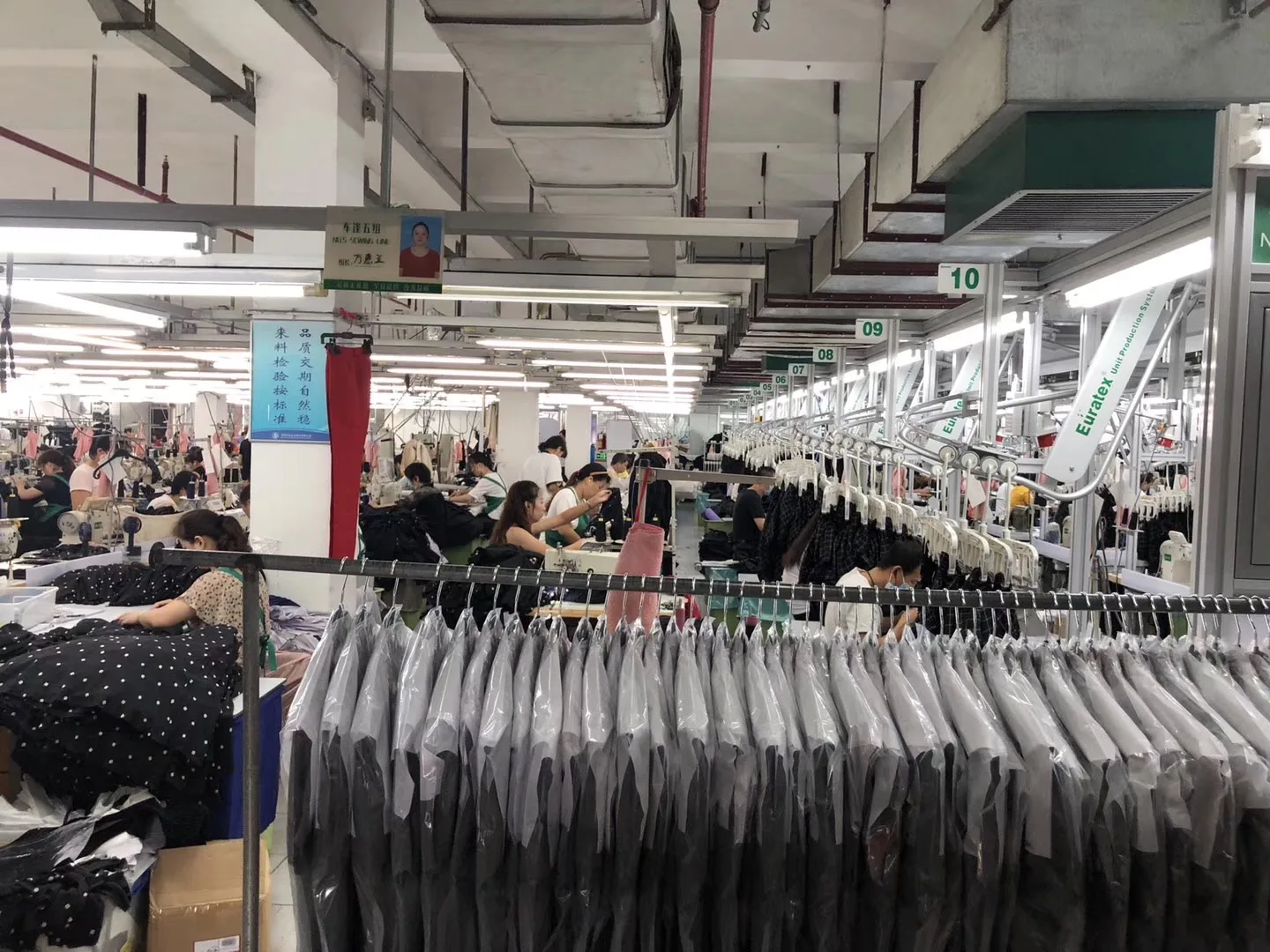

Article
What should buyers know first?
Short answer: Plan small-batch fashion production with a factory: define the range, fabrics, quantities, samples, labels, packing, quality priorities, and repeat record.
How should buyers prepare small-batch fashion production?
Small-batch fashion production is a product-development and purchasing route for a market test, first collection, limited drop, boutique edit, or controlled repeat discussion. It is not a promise of unrestricted low quantities, fixed pricing, instant availability, or a shortcut around product decisions. The route depends on the garment, fabric, colours, sizes, trims, labels, packing, destination, sample purpose, and current programme.
For a custom or private-label buyer, the useful question is not simply “What is your minimum?” It is “What product variation am I asking the factory to develop, sample, quote, make, pack, and support?” Yinshan Fashion works on custom and private-label bulk programmes rather than an unrestricted ready-stock wholesale model. A focused small batch can help a buyer learn from a real product, but it still needs a controlled brief, sample route, quantity matrix, approval record, and change log.
Start with one practical decision: what must this first run prove? It may test a silhouette, fit, fabric direction, colour story, retail channel, label package, packing route, or a small range's customer response. State that objective alongside the target customer, category, destination, intended arrival context, owner, and open questions. This gives the factory a basis to identify the next evidence gate rather than treating a mood board as a production instruction.
How should buyers narrow a first small-batch range?
A small order becomes complicated when each style has a different fabric, colour, trim, decoration, label, packing method, and size route. Begin with the product role. A hero piece might establish the collection's proposition, a supporting piece might build outfits, and an entry item might give the buyer a lower-complexity way to test a direction. Every additional option should earn the sourcing, sample, component, SKU, photography, packing, and approval work it creates.
Build a product matrix before asking for a final commercial answer. Give each style a code and record the category, intended wearer, fit, construction, fabric behaviour, colour role, components, decoration, label package, size range, quantity assumption, sales channel, destination, sample status, owner, and unresolved decision. The matrix makes it possible to see whether three styles rely on unrelated materials or whether a shared fabric or trim can reduce avoidable variation.
Do not simplify only by deleting products. Simplify by making shared decisions visible. Two garments may use one compatible fabric but require different construction. A single accent colour may work on a trim rather than create an entirely new garment colourway. A branded accessory may need no size range but still create separate packing and barcode work. The casual fashion collection can help frame category and construction questions; the actual product record should always describe the current programme.
How should fabric choices shape a small-batch plan?
Fabric is often the first routing test. Describe the garment outcome: handfeel, drape, coverage, stretch, recovery, structure, surface, finish, care expectation, and use. Then state the evidence available: swatch, header, source reference, composition information if supplied, colour reference, sample, or question still open. A fabric that looks suitable in a picture may not behave as needed once it becomes a garment.
Map fabric to each style rather than writing one broad material note for a whole range. A woven may work for a shirt and dress but not an elasticated accessory. A jersey may support a tee and short while requiring another review for a structured panel. If a colour is expected to appear across shell, lining, rib, thread, label, and packing, identify which relationship needs close matching and which can be tonal. A screen reference is a direction, not proof of an approved material result.
The fabrics and trims resource provides a useful way to organise the discussion. Material availability, performance, documentation, testing, cost, and timing remain product-specific. Record what is proposed, what is available for review, what is acceptable as an alternative, and who can approve a substitution before the range moves forward.
How should buyers plan quantities by style colour and size?
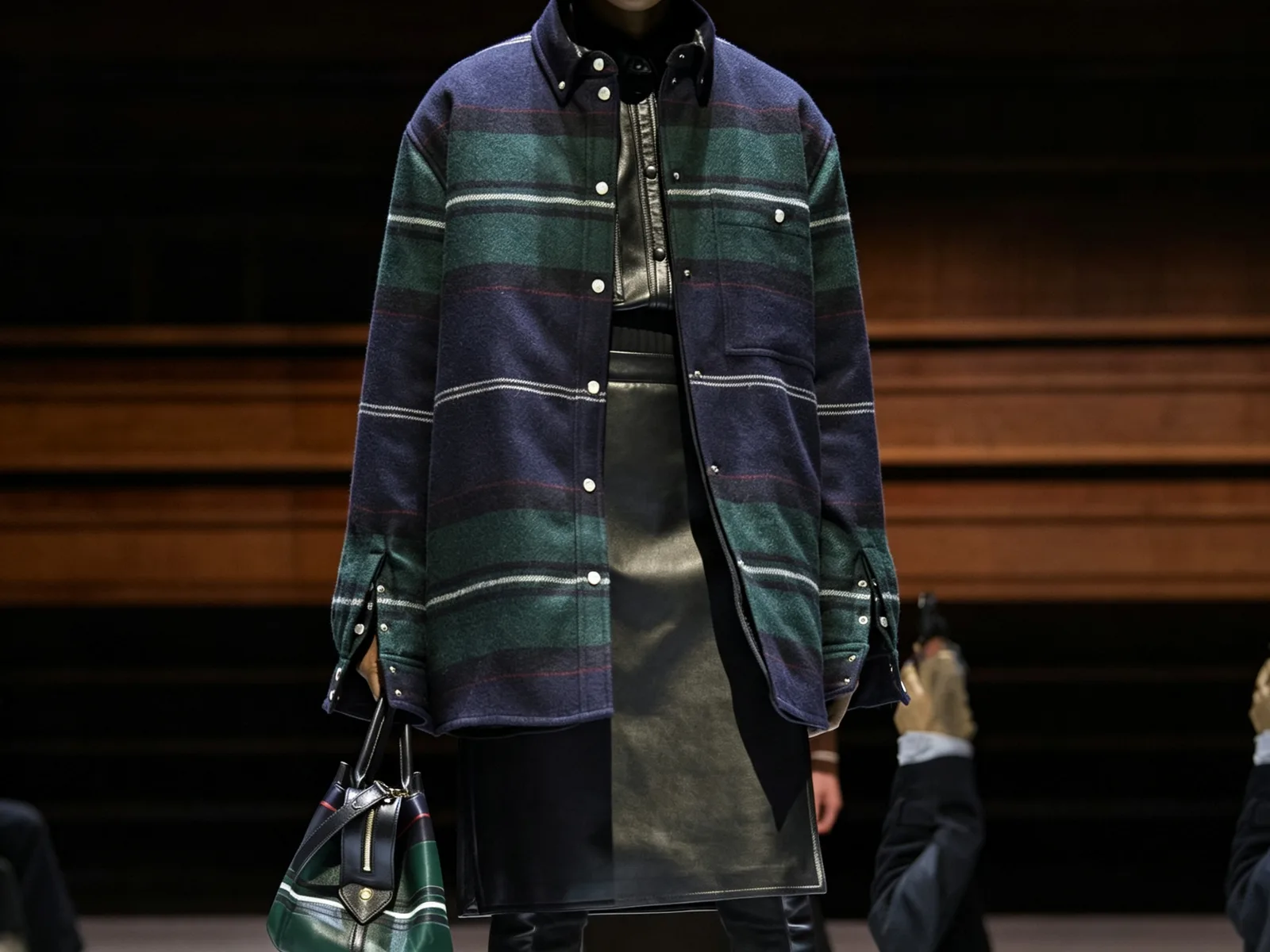
The total order quantity is only a starting point. For a useful small-batch discussion, list current quantities by style, colour, and size where relevant, together with fabric count, component packages, decoration, label variations, packing variations, destination, and channel. Mark estimates as estimates and give the next decision date. This does not lock the buyer into an order; it gives both sides a truthful basis for reviewing the current route.
Quantity splits may change the conversation as much as the total. A small run with many fabrics, colours, labels, and packed variants may require more separate decisions than a larger, more focused one. A buyer can use the matrix to decide whether to share a fabric across compatible styles, reduce colourways, align a trim package, defer an experimental component, or test one product before developing an entire range. The point is not to remove creativity. It is to see the trade-off before sampling or comparing quotations.
Ask a factory to distinguish assumptions, included work, exclusions, dependencies, and questions. The fashion clothing MOQ, sample cost, and bulk price guide explains why a comparable discussion needs the same product basis. It is not a universal price or MOQ promise. Current material route, construction, components, quantity structure, and approval needs all matter.
How should small-batch samples be sequenced?
Do not sample every variation without a question. Start with the product or shared input that answers the largest current risk. It may be a hero garment's fit, a shared fabric's drape, a colour on the final base, an applied print, a special closure, a label, or a packing format. State the sample version, material and component references, intended size, what the sample is meant to answer, reviewer, feedback date, and the decision that follows.
One sample can be approved for silhouette while another confirms colour, fabric, decoration, component appearance, or packing. A garment that looks right without final labels or packing is not automatically ready for bulk. Consolidate comments against the actual sample version and resolve conflicting feedback before the factory receives a new instruction. A short comment log should state what changes, what remains open, who approves the next step, and which connected record must be updated.
The fashion product brief before sampling gives a practical structure for the handover. Keep it current as fabrics, colours, components, quantities, labels, or packing change. When one shared input moves, check its impact on every connected style deliberately instead of assuming an old comment applies across the collection.
How should a buyer request a small-batch quote?
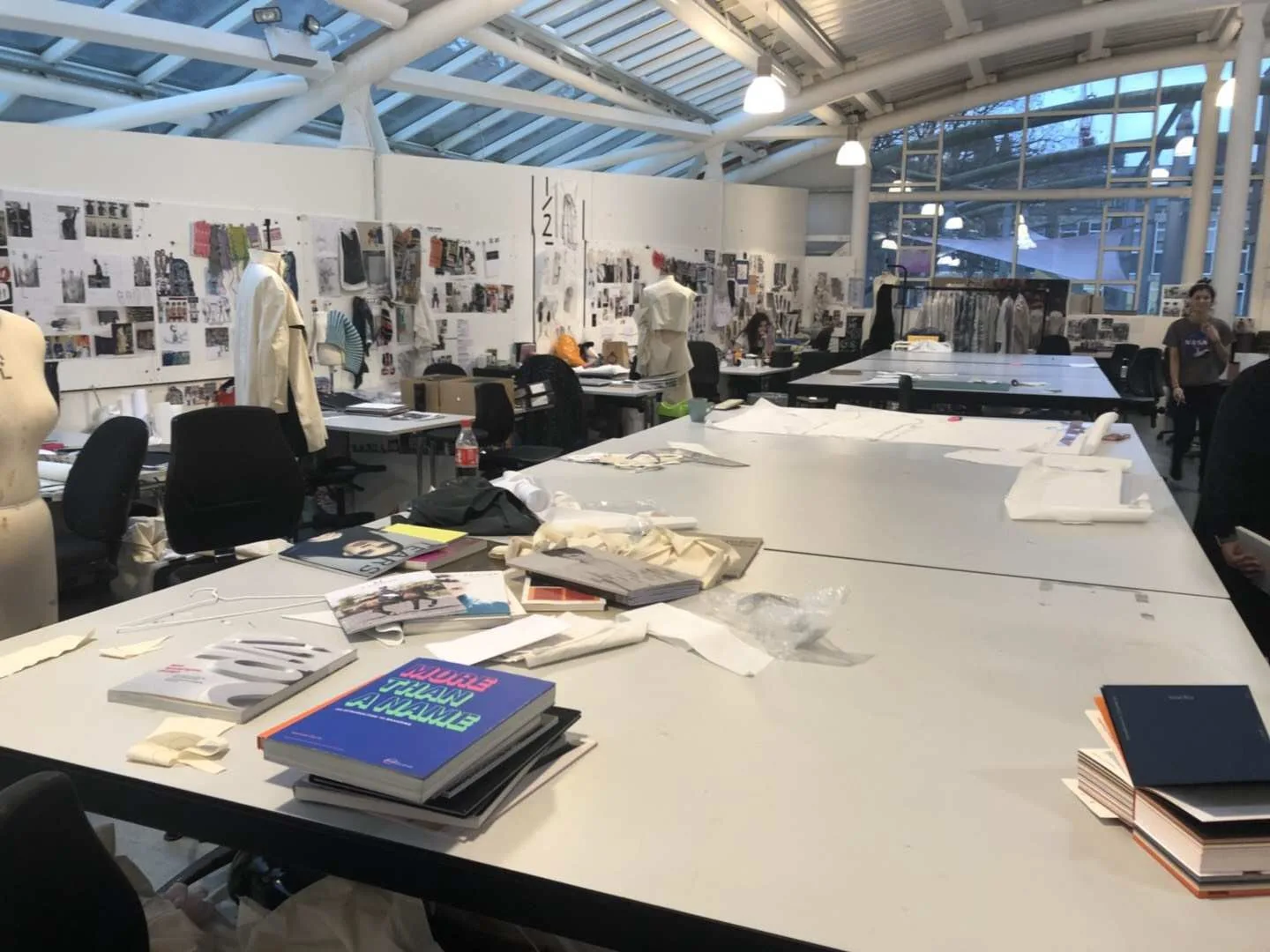
Send one dated set of inputs to every factory being considered. It should include product references or tech packs, category and construction, fit direction, fabric and colour references, component and decoration notes, quantities by style-colour-size, labels, packing, destination, sample purpose, target arrival context, fixed decisions, and open questions. Ask the factory to name the assumptions used and identify which missing input could change the route.
Separate early feasibility from a final commercial agreement. A factory can often identify questions from a partial brief, but it should not be pressed to turn unknown materials, artwork, measurements, components, or quantities into a fixed promise. A transparent response that distinguishes confirmed scope from conditions is more useful than a fast number that hides the unfinished product decisions.
Use one version date on the product matrix, image folder, fabric list, sample comments, quantity sheet, artwork, labels, and quotation request. When the buyer changes a colour, trim, measurement, or packing instruction, record the style codes affected, the owner, evidence, and next approval. This keeps two suppliers from quoting different product versions without anyone noticing.
How should labels trims and packing stay manageable?
Private-label elements should be planned with the garment, not added after the sample is assumed to be ready. Main labels, size labels, care information, hangtags, barcode sources, zips, buttons, patches, print files, individual protection, size stickers, inserts, and carton marks each need a source, style allocation, version, owner, approval status, and destination or channel use. A small run may have fewer units, but it can still have complex product identity.
The custom labels, trims, and packaging guide can help structure a component record. The buyer remains responsible for final consumer-facing content and appropriate market or retailer review. A factory can identify an obvious mismatch between a current file and product route; it should not invent product data, label text, barcode information, or destination-specific conclusions from an incomplete brief.
Plan packing before the end. State how each product should be folded or presented, protected, labelled, barcoded, grouped, and assigned to cartons. If a range has more than one channel or destination, map the difference to the exact order line. A general email may be missed at packing; a dated product record can be compared with the goods and the packing proof.
How should quality priorities be chosen for a small batch?
Quality is most useful when it is connected to the product's actual risks. Select the fit, construction, material, colour, decoration, component, label, packing, or receiving details that would matter most to the buyer. Give each priority an evidence source, owner, and next review point. This does not create a generic quality guarantee. It tells the factory what should be compared with the current approved record.
For example, a soft knit may need a review of neckline recovery, stitch appearance, print placement, and measurement after the agreed care route. A woven shirt may need collar, placket, seam balance, cuff, and label position priorities. An accessory may need strap, hardware, surface, lining, dimension, and carton identity priorities. The fashion clothing accessories quality control guide explains how an approved product record can connect material review, production checks, finishing, packing, findings, correction, and release.
Avoid treating a factory image or generic inspection list as proof of a future order result. Exact checks, acceptance criteria, testing, timing, and release evidence depend on the selected product and programme. When a finding is raised, record the affected style and version, observation, containment, correction, recheck, and decision owner so that a small issue does not become an untracked product change.
How should a small batch become a repeatable product record?
The first small batch can become the start of a better repeat discussion. Retain approved samples or clear references, measurement basis, material and colour identifiers, component list, artwork, labels, packing record, quantity structure, quality observations, exceptions, and authorised changes. Link every record to the correct style and version. A future team member should be able to identify the current truth without rebuilding it from email threads.
This does not make a repeat automatic. Materials, components, quantities, market needs, and timing can change. The retained record lets the buyer begin with an identified product and a visible difference list instead of an old photo and a vague request to “make the same again.” The quick repeat orders guide helps distinguish reusable references from the points that require a fresh review.
Use a simple decision log throughout development and production. For every product, fabric, colour, fit, component, artwork, packing, quantity, or quality change, record date, affected scope, reason, current status, evidence, owner, and next action. This creates a clear boundary between a proposed option and an approved instruction.
How should buyers decide whether a small batch is ready to release?
Before a bulk step or another irreversible action, review one current handover: approved product reference, pattern or measurement basis, material and colour route, components, artwork, labels, packing, quantity matrix, quality priorities, exceptions, owner, and change log. “Approved for fit subject to final fabric review” is more useful than an unqualified “approved” because it shows what has not yet been released.
The handover should make a new factory colleague able to answer practical questions: Which product version is current? Which colour applies to which fabric? Which label and barcode belong to which channel? Which sample approved the construction? Which issue remains open? What evidence allows the next step? Clear answers reduce the chance that a small test order becomes a confused production route.
How should buyers align small batches with retail and delivery decisions?
The buyer should connect product development with the way goods will be sold, received, and evaluated after delivery. A direct-to-consumer launch may need clear size communication, individual presentation, product imagery, and a simple SKU record. A boutique order may need a defined assortment, hangtags, barcodes, folding, cartons, and delivery identity. A sample-led market test may need fewer final retail elements but should still state which product reference, colour, size, and component record the test represents.
Write down the destination, channel, customer-facing product name where known, required product data, individual presentation, carton requirements, receiving contact or retailer inputs where supplied, and target arrival context. These are not generic market rules. They are questions the buyer should answer or assign to an owner so that a factory can distinguish a development sample, a buyer review set, and a retail-ready shipment.
Where the same style will go to more than one route, use a separate line in the matrix. A different barcode, label language, fold, sticker, carton mark, or assortment can change only one part of an order, but the change still needs to be attached to the correct style-colour-size and packing instruction. This prevents a small first run from creating an avoidable warehouse problem after the garment itself has been approved.
How should buyers compare a focused route with too much variation?
Small-batch fashion production is often more reliable when a buyer identifies the product variables that can be shared and the ones that cannot. A range can retain character while limiting the number of unrelated fabric bases, colours, components, labels, and packing formats. One neutral fabric used across compatible garments, a defined accent colour, and a shared label package may create a clearer development route than many individual exceptions. The right choice depends on the desired product result, not on a generic simplification formula.
Before removing or adding an option, ask four questions. What customer or product purpose does it serve? Which material, component, sample, and packing decisions does it introduce? Does it create a new colour, size, SKU, or approval route? What evidence would show whether it belongs in the first run? These questions let a buyer keep a distinctive product decision while postponing a low-priority variation that would make the first programme harder to control.
This comparison also helps when reviewing supplier feedback. A factory may flag that a proposed material, print, component, or packing variation needs another review. That is not automatically a rejection of the concept. It is a prompt to decide whether the buyer should supply more evidence, choose an acceptable alternative, sequence another sample, or retain the variation for a later programme. Record the decision rather than leaving it in a conversation thread.
How should buyers use the first batch as evidence rather than a one-off order?
After delivery, review the first batch against the original product and business decision. Which style, fabric, colour, fit, component, label, packing, or channel detail should remain unchanged? Which one should be refined? Which input took too long to decide, and which record made the work easier? A short post-order review does not create a performance claim or guarantee a repeat. It gives the buyer a more useful starting record for the next product conversation.
Retain both positive and corrective evidence. The approved sample, material and colour references, component sources, sample comments, quotation assumptions, production changes, packing proof, quantity matrix, quality observations, and buyer feedback are useful only when they can be connected to an identified product version. Note any condition that must be reconfirmed, such as a material route, component availability, label content, destination, or quantity structure.
When a product proves suitable for another order, the team can begin by comparing the retained reference with the requested change list. When it does not, the same records show what should not be repeated. This makes a small run valuable beyond its immediate quantity: it becomes controlled evidence for product, sourcing, quality, and retail decisions instead of a disconnected experiment.
How should buyers assign decisions before a small-batch release?
Even a focused order usually has several decision owners. A designer may own silhouette and artwork. A product developer may own fit and construction. A sourcing colleague may own material options. A retail colleague may own labels, barcodes, packing, and channel data. The factory receives the combined instruction, but it should not have to infer who can authorise a change. Add an owner and status beside critical decisions so that comments move through one controlled route.
For every open point, state what evidence is needed and what decision follows. “Fabric under review” should say whether the next evidence is a header, colour proof, sample, test record where relevant, or buyer selection. “Packing pending” should identify whether the missing input is a barcode, fold, polybag, carton mark, destination, or approval. This makes an incomplete early brief usable without pretending it is a bulk release.
At the final handover, distinguish fixed decisions from proposals and unresolved questions. The buyer can authorise a route; the factory can identify practical dependencies and request clarification. Both sides benefit when a choice is dated, scoped to the correct style-colour-size route, and linked to the product record that will be used at the next production gate.
This record is also useful if a colleague changes during the project. It lets the incoming buyer, developer, factory coordinator, or retailer see the current product truth, the pending evidence, and the next decision without assuming that a prior informal conversation remains an instruction.
To begin, send product references or a tech pack, category and construction, target customer and channel, fabric and colour direction, quantities by style-colour-size, Logo and label files, packing needs, destination, sample objective, target arrival context, decision owner, and unresolved questions through the contact page. Yinshan Fashion can then discuss a product-specific small-batch route through materials, sampling, private-label components, production, quality, packing, and a possible repeat record.

Focused first-order kit
Three controls that make a small fashion batch easier to develop and review
A focused first order stays useful when the range has a clear purpose, shared inputs are visible, and each sample or approval answers a named question. These controls connect product direction with the record needed for production and a later repeat discussion.
Control the range
Give every product a style code, role, fabric route, component plan, quantity assumption, owner, and open decision rather than treating a mood board as a bulk instruction.
Control shared inputs
Map fabrics, colours, trims, labels, packing, and approvals to the exact styles they serve so a general direction does not become an untested instruction.
Control the next proof
State whether the next decision needs a swatch, sample, component proof, quote revision, packing check, quality review, or buyer approval.
Buyer action and factory confirmation before a focused small-batch release
Use one dated checklist to connect product decisions with samples, quantities, branding, packing, quality priorities, and repeat records. Exact MOQ, commercial terms, availability, testing, approvals, and timing remain programme-specific.
| Decision area | What the buyer should prepare | What to ask the factory |
|---|---|---|
| Range purpose and product roles | Provide the target customer, channel, destination, range objective, product roles, categories, and fixed versus open decisions. | Does the current list show the product route and the question each style or variation must answer before development? |
| Style fit and construction | Share style codes, references, intended fit, key measurements, construction priorities, size range, sample purpose, and unresolved points. | Which details can be assessed now and which need pattern work, material review, an applied component, or a sample? |
| Fabric colour and components | Give garment behaviour, swatches or codes, colour references, trims, decoration, labels, packing items, and acceptable alternatives. | Which shared item needs a source, proof, sample, document, substitute decision, or buyer approval before use? |
| Quantity and quote basis | Issue the current style-colour-size matrix, components, packing, destination, channel, target arrival context, and provisional assumptions. | What is included, excluded, conditional, or likely to require a revised commercial discussion when the product changes? |
| Sample and comment control | Name the priority risk, sample version, materials, components, reviewer, comments, approver, and next decision gate. | What does the sample answer, what remains open, and which connected record needs updating after review? |
| Packing quality and repeat | Provide product data, labels, barcodes, presentation, cartons, quality priorities, approval evidence, authorised changes, and retained records. | Which product, packing, market, quality, and release records are current, and what future change must reopen the route? |
Continue the production conversation
Small-batch fashion production: buyer inputs and factory confirmation
| Decision | What the buyer should prepare | What the factory should confirm before the next gate |
|---|---|---|
| Range and product role | Target customer, channel, category, product roles, fixed decisions, and open questions. | Which style, fabric, component, sample, and approval route the first range actually creates. |
| Fabric colour and components | Garment behaviour, material and colour references, trims, labels, packing items, evidence, and acceptable alternatives. | Which input needs a source, header, proof, sample, document, substitute decision, or buyer approval before use. |
| Quantity and quotation basis | Style-colour-size quantities, fabric count, components, packing variations, destination, and current assumptions. | What is included, excluded, conditional, or likely to need a revised project discussion when a variable changes. |
| Sample and approval route | Sample purpose, version, material and component references, reviewer, feedback, owner, and next decision. | What question the sample answers, what remains open, and which connected record changes after the review. |
| Retail packing and quality | Labels, barcode source, individual presentation, cartons, quality priorities, channel, destination, and release evidence. | Which product, packing, market, and quality record is still pending before goods can be packed or released. |
| Repeat record | Approved references, authorised changes, product feedback, retained material and component records, and proposed differences. | What can be reused, what needs reconfirmation, and what condition reopens the route for review. |
Buyer FAQs
What is small-batch fashion production?
Small-batch fashion production is a product-specific route for a focused launch, limited drop, market test, boutique edit, or repeat discussion. The practical route depends on the garment, fabrics, colours, sizes, components, quantities, labels, packing, destination, sample needs, and approvals rather than a universal order formula.
How should a buyer prepare a small fashion production order?
Send product references or a tech pack, category and construction, target customer and channel, fabric and colour direction, quantities by style-colour-size, components, labels, packing, destination, sample purpose, timing context, decision owner, and open questions. Ask the factory to make assumptions and next evidence gates visible.
Can a small batch use several fabrics and colours?
It can, but each added fabric, colour, trim, label, packing format, and size route can add sourcing, sampling, SKU, approval, and commercial complexity. Map the product matrix first, then decide which shared inputs and variations support the first range's actual purpose.
When should samples be made for a small-batch collection?
Start with the garment or shared input that answers the largest current product risk, such as fit, fabric behaviour, colour, decoration, a component, or packing. Record what each sample approves and what it does not yet release for bulk.
Does a small first order make a repeat automatic?
No. Retained records can make the next discussion clearer, but materials, components, quantities, labels, packing, market needs, and timing still need a current review. Begin with the approved product plus a visible difference list.