Article
What should buyers know first?
Short answer: A practical B2B guide to fashion apparel wholesale MOQ planning, explaining how style count, colourways, fabric route, size ratios, labels, packing, and sample approvals shape a workable custom order.
Fashion apparel wholesale MOQ is not a single number that applies to every buyer, every style, or every factory. In a custom or private-label programme, the workable minimum depends on how the order is built: number of styles, fabric route, colourways, size split, trims, labels, packing, and the approvals needed before bulk production. A smaller total can still be practical when the product plan is focused. A larger total can become difficult when it is divided across too many fabrics, colours, sizes, and custom components.
For Yinshan Fashion, wholesale refers to a custom or private-label bulk programme for boutiques, retailers, and brands. It is not an unrestricted ready-stock promise, a fixed MOQ, or a fixed delivery date. The right MOQ discussion begins with the product and sales plan. Buyers who show the factory their style matrix, colour plan, size ratios, material direction, and retail requirements receive a more useful answer than buyers who ask only, “What is your minimum?”
Why fashion apparel wholesale MOQ is a planning question?
MOQ is often treated as a supplier rule printed on a catalogue. For a fashion order, it is better understood as the point where materials, components, cutting, sewing, packing, and quality work can be organised into a viable programme. The same factory may need a different order route for a single-colour jersey top, a printed blouse in several sizes, a dress with a custom lining, or a T-shirt capsule with multiple neck labels and retailer-specific packing.
The buyer's first job is to separate the total quantity from the actual production split. A request for 600 units sounds clear until it becomes six styles, five colours, four size groups, several fabrics, and separate label or carton requirements. Each split can introduce a different material booking, cutting marker, trim minimum, packing instruction, or inspection point. The total remains 600, but the factory is not producing one simple order.
That does not mean small or varied orders are impossible. It means the route should be designed intentionally. A factory may be able to discuss an available fabric rather than a custom material, a concentrated palette rather than many small colour runs, shared trims across a capsule, or a simplified packing route for the first order. The buyer should decide whether each simplification protects the product's commercial purpose. MOQ is useful only when it is tied to the product the customer will actually receive.
How should buyers start with a style, colour, and size matrix?
Before asking for a MOQ, build a simple order matrix. List every style, colour, proposed size range or size ratio, material, decoration, label package, packing route, and planned units. A spreadsheet is fine. The purpose is not to produce a perfect forecast. It is to reveal where the assortment is concentrated and where it is fragmented.
For example, a boutique may plan two core T-shirts in three colours, one overshirt in two colours, and a small dress programme. The buyer needs to show which styles share a fabric, which colours are repeated, which garments need separate labels or hangtags, and whether the units are spread evenly across sizes. That gives the factory a real basis for discussing cutting, materials, trim components, sample needs, and bulk planning.
The T-Shirt Collection 2026 can help a buyer turn a broad knit-top idea into a more specific programme: preferred neckline, sleeve, fabric handfeel, rib treatment, colour direction, label package, and retail presentation. It is a product-development reference, not a ready-stock allocation. The useful question is which T-shirt directions can share the same material, trims, or colour logic while still serving the intended customer.
Keep open points visible. If the buyer is deciding between two fabrics, show both. If the size ratio has not been set, mark it as preliminary. If a retailer may need individual barcodes but the format is not final, state that it is pending. A factory can explain what may be quoted from the current information and what must remain provisional. Silence creates a false certainty that usually appears later as a change to cost, timing, or order structure.
What should buyers check about count styles as separate production decisions?
Style count matters because each garment has its own development and production logic. A basic short-sleeve T-shirt, a polo with a placket, a blouse with gathered sleeves, and a lined dress may all be part of one wholesale range, but they do not share the same pattern, operations, material use, pressing route, or quality risks. Adding a style is not simply adding another colour to the same line.
Buyers should identify the role of each style. Is it a high-volume core item, a test piece, a seasonal statement, a coordinated add-on, or a product that exists mainly to complete a retail story? Core items often deserve the clearer order concentration because they have the strongest reorder potential. A test style may need a more cautious quantity and a simple material or trim route. The factory can then assess the collection as a programme rather than as a list of unrelated garments.
Complexity also sits inside a style. Pockets, lining, special seams, garment wash, print placement, embroidery, multiple panels, decorative hardware, or a difficult fabric can all affect how a small order is planned. The answer is not to remove every distinctive detail. It is to decide which detail earns its complexity and which can be shared, simplified, or moved into a later release after the product has proved its demand.
When a supplier gives one MOQ answer for a multi-style range without asking what the styles are, the buyer should ask for the underlying assumptions. A useful response distinguishes a focused core style from an experimental piece, and identifies what changes if the buyer adds another fabric, colour, or custom component.
What should buyers check about let the fabric route guide the quantity discussion?
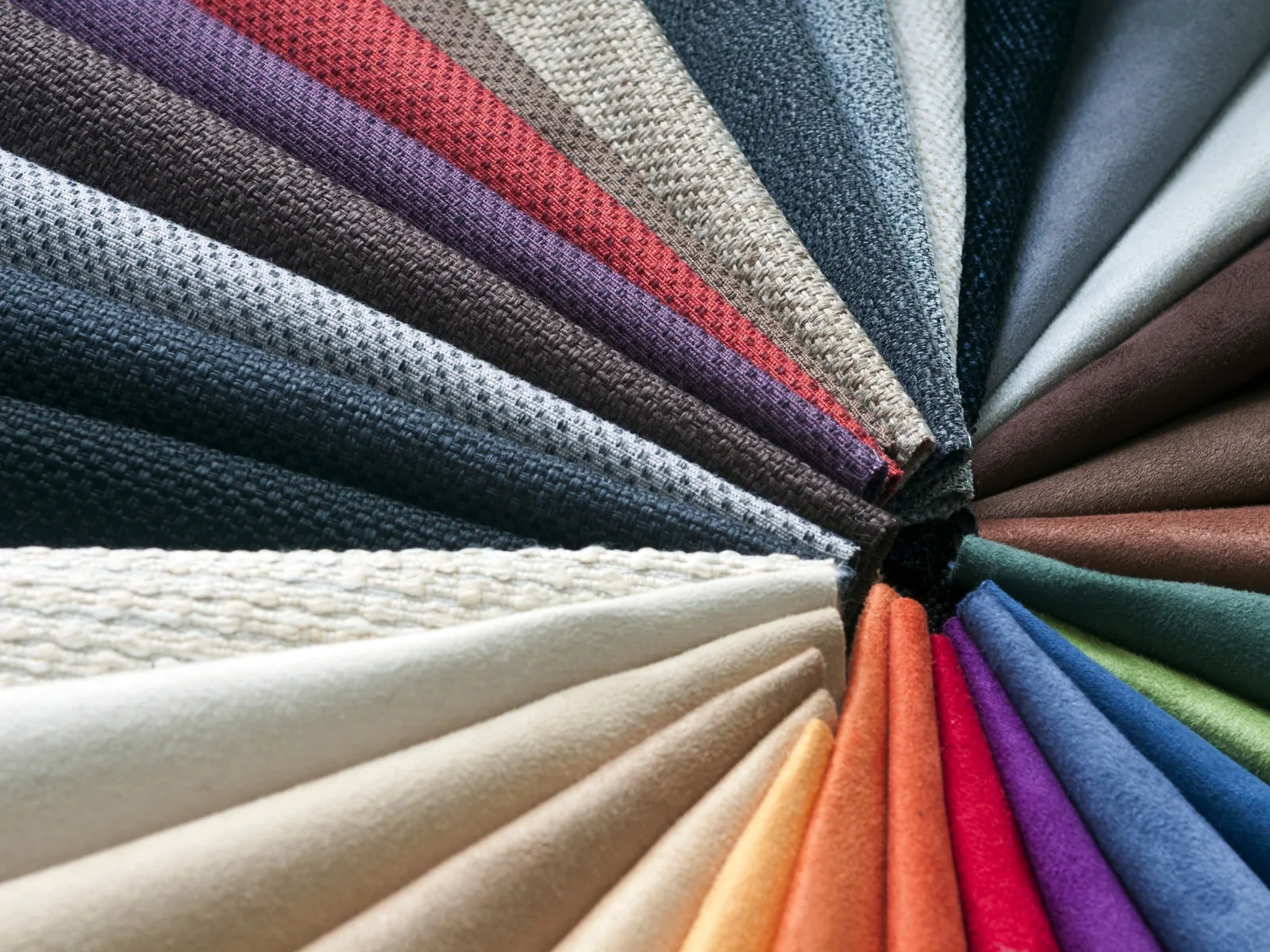
Fabric is frequently the first constraint behind a fashion apparel wholesale MOQ. A material that is currently available may have a different route from a custom knit, a dye-to-match woven, a printed base, a special wash, or a fabric that needs separate development. Weight, width, yield, colour method, surface finish, shrinkage, and availability can all affect what is practical for a given style and quantity.
The right way to brief fabric is to describe the garment result first. Does the T-shirt need a compact, substantial handfeel or a lighter drape? Does a blouse need opacity and a soft surface? Does a dress need movement, lining compatibility, or a particular colour depth? Then explain which points are fixed and whether the buyer is open to suitable alternatives. A factory can compare material routes much better when it knows the product use and retail expectation.
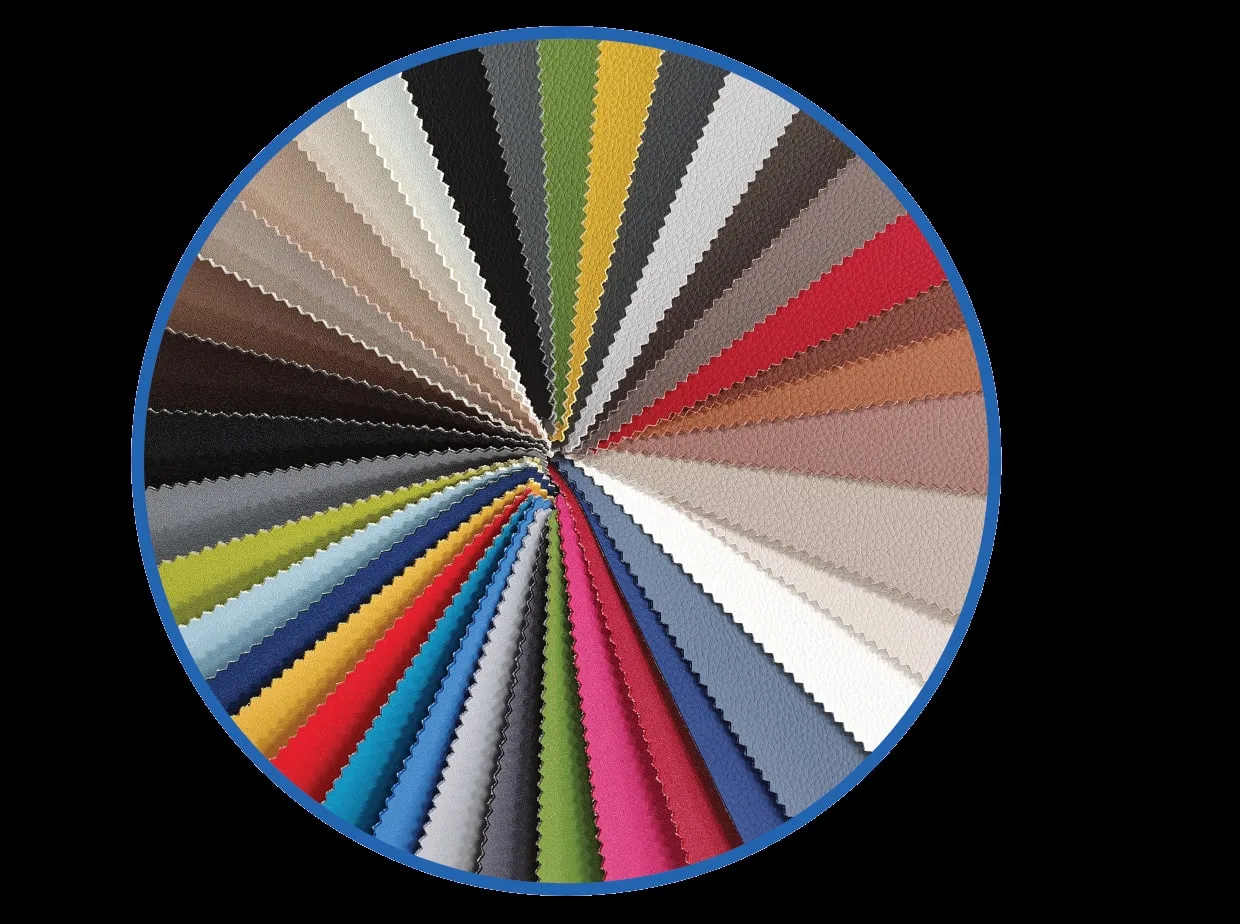
An available fabric does not automatically mean the product is right, and a custom fabric does not automatically mean the order is too small. The trade-off must be visible. Buyers may review headers, lab dips, sample panels, or an actual garment sample before deciding. The fabric manufacture and sourcing support page is useful when material handfeel, weight, opacity, stretch, colour, trims, and care need to be settled alongside the quantity plan.
For a first order, shared material families can reduce unnecessary fragmentation. One jersey route may work across several knit tops. One woven base may support a blouse and an easy dress. That decision can simplify colour matching, trim selection, sample review, and future reorders. It should never be used to force a fabric onto a style that needs different behaviour.
What should buyers check about treat colourways as order splits, not decoration?
Colour makes a collection sellable, but every colourway changes the production picture. A core black, cream, and navy group may be practical because it supports the customer story and can repeat across styles. Six additional shades in small allocations may create a different dyeing, printing, cutting, packing, and inspection discussion. The buyer needs to balance range breadth with the quantity needed for each colour to be meaningful.
Start with the colour roles. Which colours are evergreen, which are seasonal, which are retailer-exclusive, and which must match across more than one style? Then match them to the fabric route. The same colour reference can read differently on jersey, rib, twill, poplin, satin, or textured woven fabric. A colour plan should not assume a paper chip will look identical on every garment base.
It is also useful to identify which colours can share the same material and which require a separate route. A print, garment wash, mélange effect, contrast panel, or special finish may be a distinct production decision even when the buyer calls it a colour option. Ask the factory where the colour plan changes material availability, lab-dip work, print preparation, shade control, cutting efficiency, or the number of packing variants.
Buyers sometimes try to solve MOQ by making every colour available in every size and every style. That can be right for a proven retailer with a clear demand model, but it may not be right for a first boutique order. A more focused first palette can show which colours deserve depth on a repeat. The important point is to choose that focus from the sales plan, not simply to accept a random colour restriction without understanding what it changes.
How should buyers build size ratios from demand, then test the production effect?
Size ratios are where retail demand and production planning meet. A fashion brand may know that medium and large sell fastest, that a particular dress needs a broader fit range, or that a fashion tee will be sold in a relaxed unisex fit. A factory needs this information before it can understand the actual size split, cutting plan, labels, size stickers, cartons, and stock allocation.
Do not provide only “S to XL” when a wholesale order is being discussed. Give the intended units or ratio by size for each relevant style and colour. The ratio can be a forecast, but it should be explicit. If the buyer is unsure, show two possible scenarios: a balanced pack and a demand-led pack. The factory can then identify which parts of the order change and which parts stay stable.
Size ratios also affect the retail handover. A boutique may receive mixed cartons, a retailer may require a specific assortment, and an e-commerce operation may prefer separate size inventory. The carton plan should not be invented after the garments are packed. It should follow the approved size and sales-channel plan. Where a product needs grading, fit review, or a size set, those decisions belong in the sample route before the buyer assumes the bulk size mix is final.
There is no universally ideal ratio. A best-selling core T-shirt and a fitted evening dress can have different demand patterns. A buyer should use actual sales data where available, then state the commercial assumption when data is limited. That is more honest and useful than asking a factory to guess the brand's customer mix.
What should buyers check about include labels, trims, and packing in the MOQ scope?
A garment order is not complete when the sewing is complete. Woven labels, size labels, care information, hangtags, logo methods, barcode stickers, individual bags, tissue, folding, carton marks, and retailer instructions can all have their own material, artwork, handling, or packing implications. A buyer who leaves them out of the MOQ conversation may receive an answer that applies only to the garment itself.
This is especially important for private-label wholesale clothing. One common label and hangtag system across a capsule can be easier to manage than a different package for every style. A retailer-specific barcode or carton requirement may still be necessary, but it should be visible early. Supply the latest artwork and product-information direction when possible. If those files are not final, identify what is known and what will need confirmation before bulk release.
Packing can also change the practical order route. A simple fold in a standard individual bag is different from tissue, a custom box, an insert card, a branded seal, size stickers, and mixed-carton instructions. The buyer does not need to select every detail before an initial conversation, but should describe the expected retail presentation and channel. The factory can then flag which components may affect cost, handling, minimums, or timing.
How should buyers use the sample to prove the high-risk assumptions?
MOQ planning and sample planning should inform each other. A sample shows whether the fabric behaves as expected, whether the fit works across the intended size range, whether a print or logo method suits the garment, and whether labels or packing components look right in the real product. If the first sample reveals a material, fit, or construction change, the quantity plan may need a second look too.
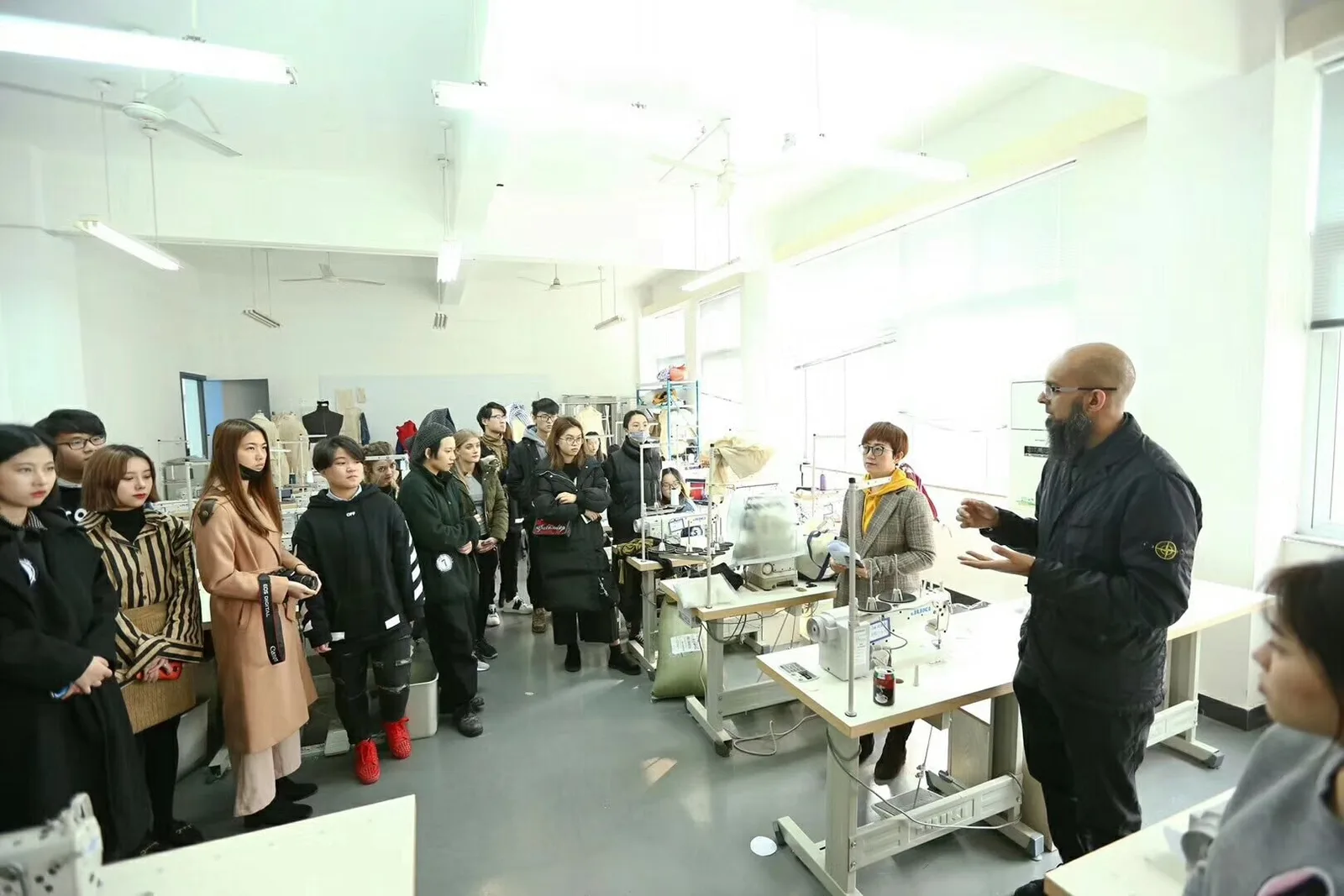
The buyer should use a sample review to close the decisions that drive the bulk route. Record the approved material or header, colour direction, measurements, construction notes, labels, decoration, folding, and any risk that still needs attention. A vague approval such as “looks good” does not tell a factory which version should guide the order. Specific comments keep a small issue from becoming a large bulk adjustment.
For buyers comparing several routes, a small sample discussion can reveal whether a seemingly low MOQ plan is realistic. A supplier may be able to support the quantity if the fabric, print, label, or colour direction follows a particular route. That is valuable information. The buyer can decide whether it preserves the product intention before committing to bulk.
How should buyers compare three order scenarios instead of chasing one number?
When an assortment is still being planned, ask the factory to review two or three honest scenarios. For example: a focused core programme with shared fabric and three colours; a broader programme with additional colourways; and a later scenario that adds a new material or custom branding detail. The exact scenarios should come from the brand's sales plan, not from arbitrary quantity targets.
This format helps the buyer see what actually changes. The factory can explain whether a scenario affects fabric availability, colour work, trim components, sample need, cutting efficiency, packing, quote assumptions, or calendar. The buyer can then decide whether the broader assortment earns its added complexity or whether the first run should focus on the styles most likely to sell and repeat.
Avoid comparing a fully specified route with a vague one. If scenario A uses an available cotton jersey, three colours, a shared neck label, and standard folding, write that down. If scenario B adds a custom wash, two extra colours, special hangtags, and retailer cartons, write that down too. A price difference becomes useful only when the product difference is visible.
The fashion apparel RFQ template gives a practical structure for putting these scenarios into a factory enquiry. It helps the buyer organise style details, materials, quantities, labels, packing, target market, sample needs, and the questions that a quote must answer.
What should buyers check about watch for MOQ answers that hide assumptions?
The least helpful MOQ answer is a number without a product basis. It may sound attractive, but the buyer cannot tell whether it assumes ready material, a single colour, a narrow size range, plain labels, standard packing, or no sample revision. The problem is not that a supplier needs assumptions. Every quote does. The problem is when the assumptions are invisible.
Ask for the supplier to state the style, fabric, colour count, size range, quantity split, decoration, label package, packing method, and open points that sit behind the proposed order route. Ask what changes if the buyer adds a colour, uses a different fabric, widens the size range, changes the label package, or needs retailer cartons. The answers will tell the buyer whether the MOQ fits the intended programme or only a simplified version of it.
Another warning sign is treating all products as identical. A low-complexity knit top, a woven shirt, a printed streetwear item, and a lined dress have different material, operation, and quality needs. A factory should be able to explain the relevant difference without inventing a fixed number before it understands the product.
How should buyers keep the approved order plan for the repeat?
The first order should leave a record that makes the next MOQ conversation faster and more accurate. Keep the approved style reference, measurements, material details, colour standards, trim codes, artwork, label package, packing instructions, size ratio, carton plan, quality notes, and final order split. These records help a factory distinguish a true restock from a new development request.
When a brand reorders, compare the new request against that file. A change in colour, fabric, print, size allocation, label, packing, destination market, or carton route may require new confirmation. A repeat of the same approved programme may be more straightforward. The key is to make the change visible rather than assume the name of the style tells the whole story.
Buyers who want to see how material, production controls, quality checks, and packing connect after approval can review Yinshan's fashion manufacturing capability. The final MOQ route is strongest when the quantity plan remains connected to the actual approved product from sample review through bulk release and retail delivery.
What to send before asking about wholesale apparel MOQ?
- A product list showing every style, intended role, reference image or tech pack, and the decisions that are fixed or still open.
- Units by style and colour, plus size range or size ratio for each relevant product and a clear indication of any working assumptions.
- Fabric direction, handfeel, weight, stretch, opacity, colour route, print, wash, lining, trim, or decoration requirements that affect the garment.
- Label, hangtag, barcode, folding, individual packing, carton, retailer, warehouse, and destination-market requirements that are known at this stage.
- The sample route, approval deadline, target delivery window, expected sales channel, and any repeat-order plan.
- Two or three product scenarios if the team is still comparing a focused launch with a broader range.
Yinshan Fashion can review this information for a custom or private-label bulk programme. Share the style matrix, material direction, colour and size plan, branding, packing needs, target market, and timeline through the contact page. The team can identify the next practical decision for sampling, MOQ planning, quotation comparison, and a more controlled first order.
Quantity planning before bulk
Five variables behind a workable custom wholesale order
MOQ becomes a useful conversation only when the buyer shows the product split behind it: styles, materials, colours, sizes, brand components, packing route, and the approvals still needed before bulk production.
Order matrix
Break the total into units by style, colour, and size so the factory can see where the product plan is concentrated and where it becomes fragmented.
Material route
Connect fabric availability, colour, print, finish, and construction to the garment result before treating a quantity as commercially or technically settled.
Retail handover
Include labels, barcodes, packing, carton assortment, and the repeat-order record in the same plan as the garment quantity.
Wholesale apparel MOQ planning checklist
Use this before asking a factory for a custom or private-label quantity route. It makes the product, material, retail, and approval assumptions visible; it does not replace a purchase agreement or the buyer's own market-compliance review.
| Decision area | What the buyer should prepare | What to ask the factory |
|---|---|---|
| Style and commercial role | List each style, product role, reference, intended customer, sales channel, core versus test status, and the construction features that must stay in the product. | Which styles share a practical route, which need their own material or production review, and which details make a small quantity more complex? |
| Fabric, colour, and finish | State desired handfeel, weight, drape, opacity, stretch, colourways, print, wash, lining, trim, and which choices are confirmed or open for advice. | Which available or custom material route, colour approval, finish, sample check, or component minimum should be considered before an MOQ scenario is confirmed? |
| Quantity and size split | Provide units by style and colour, size range or ratio, alternate order scenarios, first-order objective, and possible repeat demand. | How do the proposed splits affect material, cutting, labels, size stickers, packing variants, carton assortment, production planning, and quote assumptions? |
| Brand and packing scope | Share labels, care and size information, hangtags, barcode, fold, individual packing, cartons, warehouse rules, and retailer requirements that are known. | Which components, artwork, packing files, approvals, and final checks need to be part of the quantity and production discussion? |
| Sample and repeat record | Identify what the sample must prove, who approves it, and the material, colour, trim, size, QC, and packing decisions to retain after the first run. | Does the sample close the assumptions behind the MOQ route, and which future change would require a new material, product, or packing review? |
Continue the production conversation
Fashion apparel wholesale MOQ: variables behind a workable order
| Order variable | Buyer should show | What the factory needs to assess |
|---|---|---|
| Style matrix | Every style, product role, construction difference, and whether it is a core item, test piece, or coordinated add-on. | Pattern, material use, operations, sample needs, cutting route, quality risks, and which styles can share a practical production plan. |
| Fabric route | Desired handfeel, weight, drape, opacity, stretch, colour route, print, wash, lining, and what the garment must achieve. | Available versus custom material options, colour approvals, yield, related minimums, and which fabric choice changes the bulk route. |
| Colours and sizes | Units by style and colour, plus a size range or ratio based on actual or planned customer demand. | How colour and size splits affect material, cutting, labels, packing variants, carton assortment, and the order plan. |
| Brand and packing | Labels, artwork, hangtags, barcode, fold, individual pack, carton marks, retailer instructions, and known market requirements. | Which components, approvals, work instructions, inspection points, and packing assumptions must be included with the garment scope. |
| Sample and approval path | Sample purpose, high-risk decisions, comment deadline, and the product or material points that need approval before bulk. | Whether the sample closes the assumptions behind the proposed MOQ and what must be recorded for a stable bulk release. |
| Repeat-order plan | Expected restock opportunity and the product details the buyer intends to keep consistent after the first run. | Which fabric, trim, colour, size, quality, and packing records establish a repeatable baseline, and which change needs a new review. |
Buyer FAQs
What is a typical fashion apparel wholesale MOQ for a custom order?
There is no responsible universal figure. The workable MOQ depends on the style, fabric route, colour count, size split, print or decoration, labels, packing, sample requirements, and order schedule. A buyer will receive a more useful answer by sharing a style, colour, and size matrix instead of asking only for a total minimum. The factory can then identify the assumptions behind each possible order route.
Why does a larger total order not always create a simple wholesale MOQ?
A total quantity can still be divided across many styles, colours, sizes, fabrics, labels, and packing variants. Each division may create a separate material, trim, cutting, packing, or inspection requirement. The factory therefore needs to see the allocation by style, colour, and size before judging how the total quantity works in practice. A focused order can sometimes be easier to plan than a larger but fragmented one.
How do colourways affect MOQ for private-label clothing?
Every colourway can affect material availability, dye or print preparation, lab-dip or sample review, cutting, packing, and the amount assigned to each size. A buyer should identify core, seasonal, retailer-specific, and repeat colours, then show how they split across styles. The right colour plan is driven by the sales strategy and fabric route, not by a generic colour limit copied from another project.
Do size ratios affect a wholesale apparel order?
Yes. Size ratios influence the actual quantity of each SKU, cutting allocation, labels, size stickers, individual packing, carton assortment, and retail receiving plan. A buyer should give units or a working ratio by size for relevant styles and colours. If demand is uncertain, two clear size scenarios are more useful than leaving the factory to infer the brand's customer profile.
Can a buyer reduce MOQ by using available fabric or shared components?
It may be possible in some projects, but the buyer should first confirm that the alternative still meets the product brief. Available material, a focused palette, shared labels, shared trims, or a simpler packing route can reduce unnecessary complexity. They should not become undocumented substitutions that change fit, handfeel, colour, retail presentation, or the intended customer experience. The final route needs confirmation against the actual order plan.