Article
What should buyers know first?
Short answer: Plan recycled fabric composition with a clear product brief, sample evidence, approved materials, buyer and factory responsibilities, and controlled production records.
Recycled fabric composition identifies the material content being discussed; it does not, by itself, establish garment suitability or every environmental claim. Yinshan Fashion supports custom and private-label bulk programmes where the buyer needs to connect the exact component, supporting evidence, sample result, and approved product information.
Recycled fabric is not one material with one predictable result. It is a group of textile routes that use recovered inputs and then turn them into fibres, yarns, fabrics or blended constructions. For a fashion buyer, the practical question is not simply whether a fabric is called recycled. The question is whether the specific composition, construction, handfeel, drape, stretch, colour, care, traceability documents and sample result suit the intended garment.
This recycled fabric guide compares common routes—recycled polyester, recycled nylon, recycled cotton and blends—with conventional material options. It is written for B2B brands developing dresses, tops, blouses, loungewear, active fashion and private-label collections. Yinshan Fashion can help connect a material direction with fabric behaviour, pattern, fit, sample review and production coordination. Final materials, documents, quantities, testing and claims always depend on the confirmed programme and supplied evidence.
What does recycled fabric mean in product development?
In product development, recycled fabric generally means that some or all of the fibre input has come from a recovered source rather than entirely new raw material. The route can be mechanical, chemical or another processing approach depending on the fibre and supplier. The resulting textile is still defined by more than its feedstock: yarn, weave or knit, weight, finish, dye, print, elasticity and garment construction all influence the final performance.
This is why a buyer should avoid treating “recycled” as a complete specification. A supplier needs the fabric composition, percentage where relevant, construction, weight or handfeel direction, stretch, recovery, colour, surface, care context, target garment and any required documentation or claim wording. The brand should approve the actual material and sample before making customer-facing statements.
Recycled polyester: where it fits and what to review
Recycled polyester is commonly considered for fashion fabrics that need a stable synthetic route, colour, surface or performance-oriented behaviour. It may appear in woven shells, linings, knits, fleece, jerseys, blends and active-fashion constructions. Its exact behaviour depends on the yarn and fabric construction, not on the recycled designation alone.
For a buyer, review drape, weight, stretch, recovery, opacity, surface, pilling tendency observed in the sample, colour, print behaviour, seam appearance and care route. A lightweight woven recycled polyester may suit a printed dress or blouse, while a knit route may suit an active or casual top. Neither is automatically right for every silhouette.
Compare the header or swatch with the intended garment. Check whether the material supports the neckline, sleeve, hem, lining, gathered seam, print scale or label placement. The recycled polyester sourcing guide offers a related buyer route for connecting a recycled polyester request to product and sample decisions.
Recycled nylon: why construction matters
Recycled nylon is often discussed for lightweight, durable-feeling, stretch or performance-oriented fashion directions. It may be used in active fashion, outer layers, fashion bottoms, bags or blended constructions. The specific fabric can be soft and fluid, firm and compact, stretch-oriented or more technical-looking depending on construction and finish.
Ask what the garment needs to do. Does it need recovery at a fitted area, a smooth surface, a structured shape, a light outer layer or a particular print or coating route? Review the sample for comfort, opacity, seam behaviour, stretch direction, recovery, surface marks and the effect of heat or pressing where relevant. Do not transfer a result from one nylon construction to another simply because both have a recycled input.
For active fashion, pair the material discussion with movement and fit. The active fashion collection can help buyers define the garment category before a fabric is selected. The fabric should be reviewed on the actual pattern rather than only as a stretch swatch.
Recycled cotton: a different material conversation
Recycled cotton can be part of jersey, fleece, woven, denim-like or blended fabric routes. The properties depend on fibre length, blend, yarn, construction and finish. It should not be assumed to behave like every conventional cotton fabric or every other recycled cotton blend.
Review surface, softness, weight, body, stability, recovery, colour, shrinkage or care behaviour shown in the sample and the effect on the intended silhouette. A relaxed tee, fleece layer, sleepwear style or casual top may ask different questions from a crisp shirt or structured dress. A blend may be selected to reach a particular handfeel, stability or stretch direction, but the buyer should ask for the exact composition and sample evidence.
The organic cotton and cotton types guide is related but distinct: organic describes a fibre-production route, while recycled describes recovered input. A material can only be described according to the documentation available for that material; do not merge claims casually.
Blends: understand the entire composition
Many fashion fabrics are blends. A recycled fibre may be combined with a conventional fibre, an elastane component, another synthetic fibre or a natural fibre. The blend can affect handfeel, drape, stretch, recovery, coverage, processing, care and the garment’s end-of-life considerations. It also changes how a buyer should describe the product.
Ask for the complete composition, not only the recycled portion. Ask whether the recycled content applies to one fibre in the blend and what percentage is documented for the actual material. Review whether a component such as elastane is necessary for fit and movement, or whether a different pattern could reduce the need for stretch. The right answer is product-specific.
For a fitted fashion top, a blend may help the garment move and recover. For a fluid dress, a different blend may change drape or lining needs. For a lounge style, the buyer may prioritise softness and comfort. The fabric sourcing before sampling guide can help put those decisions beside the garment, not only in a material spreadsheet.
Compare recycled and conventional fabrics by evidence
The useful comparison is not “recycled good, conventional bad.” Compare the actual materials against the product need. Conventional fabric may be the reference a brand already knows. A recycled option may offer a suitable direction for the style, but it should be assessed for material behaviour, availability, documentation, colour, fit and commercial assumptions on the actual programme.
Use the same questions for both: what is the composition, construction, weight, handfeel, stretch, recovery, opacity, surface, care direction, colour or print result, required documentation and fit effect? What does the garment sample show? What changes in pattern, seam, lining, trim or packing are required? What remains unverified?
The comparison becomes useful when it informs a decision rather than a marketing slogan. A brand may choose one material for a core dress, another for an active top and a third for a casual lounge set. The record should state the reason, sample result and any limitations.
Traceability and claim control
Buyers may need material declarations, transaction records, certifications or retailer-specific documentation. Requirements differ by market, channel, material and claim. Ask early what document is required, who can provide it, what material it applies to and whether it covers the finished product or only a fibre or yarn input.
Do not place a sustainability or recycled-content claim on a label, hangtag or website simply because a fabric name implies it. The final composition, available documents, approved wording, target market and brand review determine what can be said. Keep documentation linked to the style, material, colour and production version.
Yinshan Fashion can coordinate the material discussion with fabric, sample and private-label planning, but the brand should approve final consumer-facing claims and legal or retailer review. This protects both the buyer and the supplier from a claim being copied from one fabric route to another without evidence.
Design with material behaviour in mind
Material choice changes design. A fabric with body can support a shaped sleeve, ruffle or structured waist. A fluid fabric may suit a soft dress, bias panel or relaxed blouse. Stretch changes how close a silhouette can sit to the body. Surface affects print, embellishment, pressing and customer perception.
Start with the intended wearer experience. Is the product meant to feel relaxed, structured, soft, light, supportive, smooth or textured? Does the customer need movement, coverage, breathability perception, low bulk or easy layering? Then review which fabric route can support the design rather than adding a material requirement after the pattern is finished.
For dresses, the fabric and fit guide explains why a material change can alter drape, lining, balance and movement. The same principle applies to tops, skirts, loungewear and active styles: a fabric is part of the pattern decision.
Sample before making a collection-wide commitment
A swatch can start a discussion, but a garment sample answers different questions. It shows drape on a real pattern, seam appearance, stretch and recovery on the body, colour or print on a full panel, lining behaviour, trim contact and presentation. When a recycled material is new to the programme, define the sample purpose clearly.
A first sample may compare material behaviour. A second may confirm fit and construction. A pre-production sample may confirm the released material, components and packing. Not every style needs the same path, but a brand should not treat an exploratory sample as bulk approval.
The fashion factory sampling guide can help buyers turn material and fit comments into a controlled production record. Record the material version, pattern version, observations, requested action, evidence and final approver.
Review colour, print and finish in the actual garment
Colour and surface are material-specific. A recycled material may take colour or print differently from the buyer’s familiar conventional reference. That does not mean it is unsuitable; it means the finished result must be approved on the actual material. Check shade, coverage, strike-off where relevant, print scale, placement, continuity at seams and the effect of the garment’s shape.
If the product uses several panels, compare them together. If it uses lining, check the outer and lining combination. If it uses a label, check the contact point and material surface. If it uses a coated or special finish, identify how it affects the garment’s handfeel and construction. Keep the approved colour, print and finish linked to the exact material reference.
Make fit and construction decisions early
Changing a material after fit approval can change ease, length, shoulder balance, armhole movement, waist behaviour, hem, closure or seam appearance. A fabric with different stretch needs a different fit review. A fabric with different drape may need a different lining or hem. A fabric with a delicate surface may need a different needle or pressing approach.
Tell the manufacturer what the material must do, then ask which pattern and construction questions must be reviewed. Avoid vague comments such as “make it more sustainable” after the sample is approved. A useful comment names the proposed material and the product evidence needed to approve it.
Consider the commercial comparison honestly
Material cost, availability, colour, development effort, documentation, quantity and order timing can vary by programme. A buyer should compare quotations using one visible product definition and ask what is included or conditional. A recycled option may require a different material discussion or sample evidence; a conventional option may have its own limits. Do not promise a universal price, MOQ, lead time or availability without the current product and supplier information.
The manufacturing handover process shows how material, development, production, inspection, finishing and packing connect. Use that map to ask better questions about the actual range, not to assume a result before the material is confirmed.
Keep the approved material in the repeat-order record
Save the approved fabric header, supplier reference, composition, construction, colour, sample photographs, pattern, fit comments, trims, labels, packing and quality priorities. At repeat, state whether the material is unchanged, reconfirmed or replaced. A new colour, finish, blend or supplier can reopen the material and fit review.
The repeat-order control guide explains how a product record protects consistency when styles, colours, quantities or markets change. For material claims, retain the relevant documentation with the style record rather than relying on a generic statement from an earlier collection.
Keep the sourcing brief specific enough to compare options
A useful material request does not need to begin with a finished technical pack, but it should describe the intended garment clearly. Include the category, target wearer, reference image, silhouette, fit direction, handfeel, drape, stretch, coverage, colour or print direction, lining, trims, sample objective, quantity context, market and any document request. A supplier can then return an option with its assumptions visible.
If the buyer is comparing recycled and conventional routes, use the same brief for both. This prevents one option being judged as a fluid printed dress fabric while another is only a generic swatch. It also makes a quote more meaningful because the material, sample, construction, labels and packing are linked to the same product definition.
Keep the final choice with the approved sample and current documentation. That gives design, sourcing, factory and private-label teams one shared reference as the programme moves to bulk.
It also makes later colour, size or repeat-order decisions easier to compare against the original approved material route.
When the first material result is not suitable, record why. Was the fabric too heavy, too transparent, too firm, too fluid, too rough, too stretchy, too unstable, unsuitable for the print or unsupported by the available documentation? This information gives the next sourcing step direction instead of restarting the discussion from a broad claim.
Read recycled fabric composition at component level
Begin with the exact component the claim describes. A garment may contain a shell, lining, pocketing, interlining, elastic, thread, decoration, and closures with different material identities. The buyer should identify which component is being discussed and what the supplied document covers. A fabric description should not silently become a statement about every part of the finished garment.
For a dress collection programme, list the shell and lining separately and connect them to the actual sample. If a material offer uses a percentage, confirm the basis and scope through the relevant supplier evidence and buyer review. Do not calculate a garment-level statement from incomplete component information or assume that a shared colour indicates shared content.
Keep proposed claims visibly provisional until the product and evidence are reviewed. The buyer may request a particular recycled-content direction as a development requirement, but the initial request is not proof that the eventual material meets it. Record what has been supplied, what remains open, and who is responsible for approving the final product wording.
Compare fabric candidates without confusing content and construction
Choose actual candidate materials and record all relevant differences. Two fabrics can carry similar recycled-content descriptions while differing in yarn, structure, weight, finish, stretch, surface, and colour. The sample comparison should identify those variables so the team can interpret the result. It should not present one swatch as evidence for every material within a broad fibre category.
A leggings programme may require a review of the actual stretch, recovery, coverage, seams, and waistband construction under an agreed product-specific plan. The material content statement does not establish those properties. Identify which evidence is required for the intended garment and any customer-facing performance language, and retain the actual result with the sample reference.
For a blouse programme, the questions may instead concern drape, opacity, placket support, sleeve volume, and care-related appearance. The buyer can compare materials using the same defined silhouette where practical, while documenting any construction changes needed for each option. This makes the comparison useful without pretending the fabrics are identical apart from their sourcing description.
Follow the claim through a material substitution
Suppose the preferred material is unavailable when the buyer is ready to place an order. The replacement needs two separate reviews: whether it serves the garment and whether it supports the intended material statement. One review cannot stand in for the other. A visually suitable fabric may require different wording, while similar documentation may accompany a material that changes the garment's behaviour.
Record the original and proposed material references, the reason for substitution, the affected styles and colours, and the evidence still needed. Ask the responsible technical reviewer which sample checks must be repeated. Ask the buyer's designated information reviewer which labels, hangtags, listings, or sales materials would need revision. Keep both decisions tied to the same product version.
Do not authorize the substitution merely by approving a new swatch photograph. The image may show colour and surface direction while leaving important questions unresolved. State what the approval covers and what it does not cover. The supplier can then proceed with a defined next step rather than interpreting a brief positive response as approval of every product and claim consequence.
Make the comparison useful to the commercial decision
Ask for quotations against the selected material and garment specification, with quantity and colour assumptions visible. If an alternative changes the order conditions or development route, identify that effect separately from the sample result. The buyer should understand whether a decision is driven by customer usefulness, evidence availability, commercial feasibility, or a combination of those factors.
Keep the conventional comparison where it helps the decision, but describe the actual materials being compared. Avoid presenting a generic price or quality ranking for recycled versus conventional fibres. The quotation and sample evidence apply to specific offers at a particular time. The record should preserve that context so a later buyer does not reuse the conclusion as a universal rule.
If the project cannot satisfy all priorities at once, identify which requirements are essential and which can change. The buyer may choose another construction, narrow a colour plan, postpone the claim, or revisit the garment design. Each option needs an explicit decision. The purpose of the comparison is to make those trade-offs reviewable rather than hide them behind a broad preferred-material label.
Keep the documentation intelligible after handover
Store source documents with a short scope note identifying the material, component, supplier reference, relevant order, and review status. A document folder can look complete while still leaving the next person unsure what each item establishes. The note should distinguish confirmed information from a question awaiting supplier or specialist clarification, without inventing a conclusion the document does not support.
Preserve the final approved product wording separately from the evidence, with a version link between them. This lets the team update a customer-facing statement deliberately when a material or sourcing route changes. It also helps prevent marketing, packaging, and production teams from using different historical descriptions of the same garment.
For a repeat order, compare the current material offer with the retained baseline and refresh the evidence required for the actual request. The previous approval provides context, not a permanent guarantee about future materials or claims. A clear record allows the buyer to ask a precise question and the supplier to respond with the relevant current information.
Review the finished product description before release
Read the proposed listing or line sheet alongside the approved garment record. Confirm that composition, component scope, colour, fit, care, and included pieces are represented consistently. Look for wording that expands a specific material fact into a broader benefit without support. The buyer's responsible reviewer should resolve those statements before they enter labels or public presentation.
Then test whether another team member can identify the exact product and claim scope from the record alone. If they need an explanation from the original sourcing conversation, add that clarification to the controlled file. The final result should help the factory execute the approved product and help the buyer communicate it accurately, while leaving any unverified outcome clearly outside the approved claim.
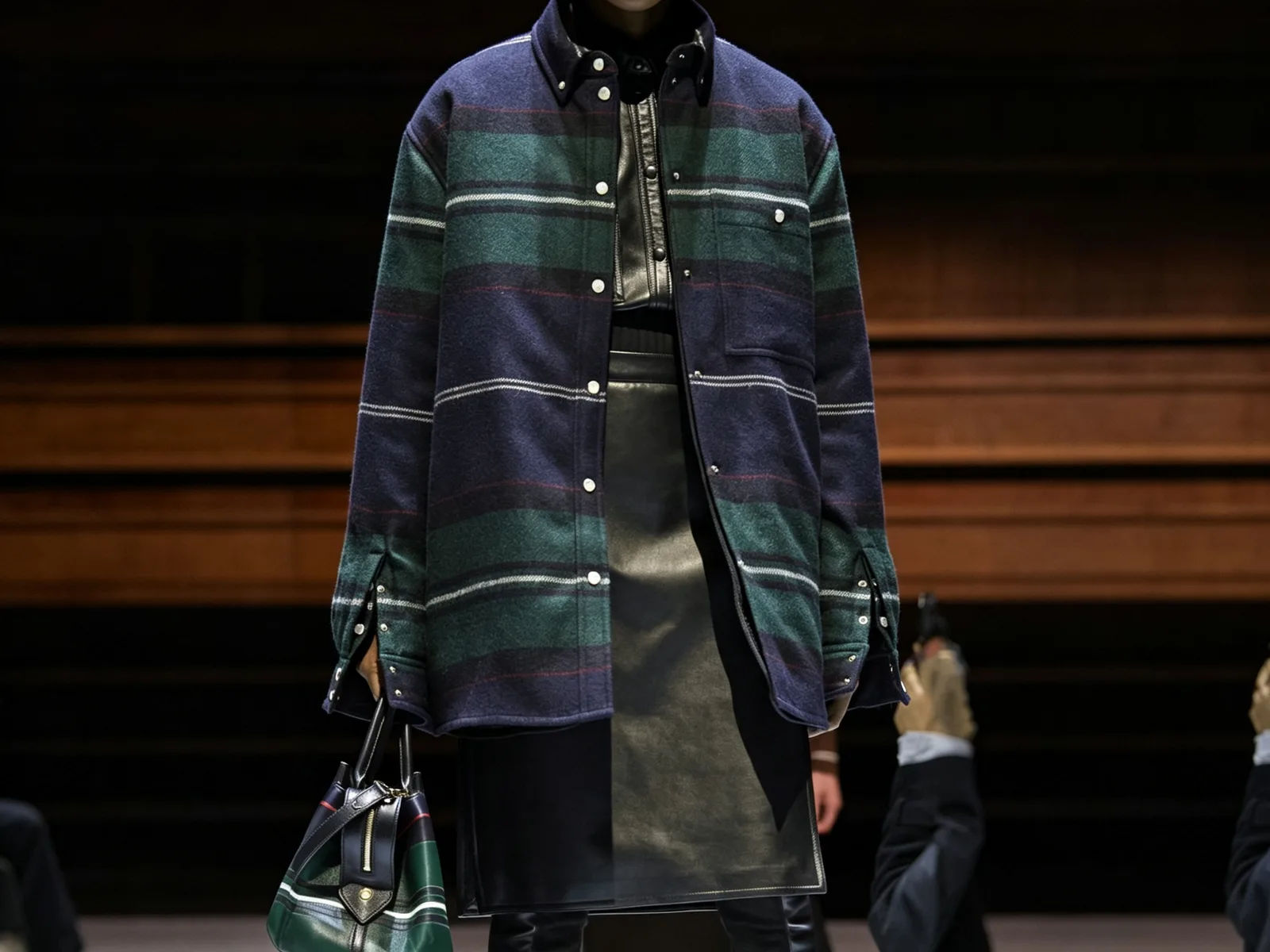
Recycled fabric development
Compare recycled material routes in the garment, not only in a fibre claim
Recycled polyester, nylon, cotton and blends need product-specific review for composition, handfeel, drape, fit, construction, documentation and repeat control.
Identify the full material
Record composition, recycled portion where documented, construction, weight, finish, stretch, recovery, colour and intended garment use.
Sample the actual product
Review drape, fit, seams, lining, colour, print, comfort and construction on the current pattern—not on a swatch alone.
Control claims and repeats
Keep material documentation and approved wording linked to the style, then reconfirm material and product changes before the next order.
Buyer and factory checklist for recycled material release
Use this checklist to connect a recycled material direction with the product evidence and documentation required by the current programme.
| Decision area | What the buyer should prepare | What to ask the factory |
|---|---|---|
| Composition | Request complete composition and the material reference relevant to the proposed style. | Which material information and documentation are current for this fabric? |
| Garment behaviour | State handfeel, drape, stretch, coverage, surface, colour, print and fit direction. | Which material and construction points must the first sample prove? |
| Claims | Identify required retailer, market or consumer-facing wording before artwork is released. | What evidence and approval must support the current material claim? |
| Production | Provide pattern, lining, trims, labels, packing, quantity and quality priorities. | Does the selected fabric change sewing, pressing, fit, colour or inspection control? |
| Repeat order | Save material, colour, sample and claim records with the approved style. | What is unchanged and which material change needs new evidence? |
Continue the production conversation
Recycled fabric buyer comparison
| Route | Key question | Evidence |
|---|---|---|
| Recycled polyester | Does the construction support drape, colour and the style? | Header and garment sample |
| Recycled nylon | Does it support movement, recovery and construction? | Movement and seam review |
| Recycled cotton | Does the blend and surface suit the garment? | Handfeel and fit sample |
| Recycled blend | What is the full composition and product effect? | Composition record and sample |
| Conventional comparison | What differs for the intended product? | Side-by-side material review |
Buyer FAQs
What are the main types of recycled fabric for fashion?
Common routes include recycled polyester, recycled nylon, recycled cotton and blended fabrics containing a recycled fibre component. Evaluate full composition, construction, behaviour and documentation for the specific fabric.
Is recycled fabric always better than conventional fabric?
There is no universal answer. Compare actual materials against the product’s fit, drape, handfeel, colour, construction, care, documentation and commercial requirements.
Can recycled polyester be used for dresses and tops?
It can be considered when the selected construction supports the intended drape, surface, weight, opacity, colour or print, fit and construction. Review a garment sample rather than fibre name alone.
What should a buyer ask for before making a recycled-content claim?
Ask what current material documentation is available, what fabric and composition it applies to, what the market requires and which wording has been approved.
Can Yinshan Fashion help source recycled fabric for custom clothing?
Yinshan Fashion can discuss recycled material options alongside custom product design, fabric behaviour, fit, sampling, private-label components and production coordination. Final scope depends on the confirmed programme.
What should buyers define when planning recycled fabric composition?
Recycled fabric composition identifies the material content being discussed; it does not, by itself, establish garment suitability or every environmental claim. Yinshan Fashion supports custom and private-label bulk programmes where the buyer needs to connect the exact component, supporting evidence, sample result, and approved product information.