Article
What should buyers know first?
Short answer: A practical guide for brands that need sample comments to become a controlled production standard across pattern, fabric, fit, trims, quality and repeat orders.
For a B2B fashion brand, a sample is not only a visual preview. It is a working test of whether a reference, fabric direction, pattern, construction method, size plan and brand requirement can become a repeatable garment. A useful fashion factory sampling process turns buyer comments into clear production decisions rather than leaving them inside an email thread.
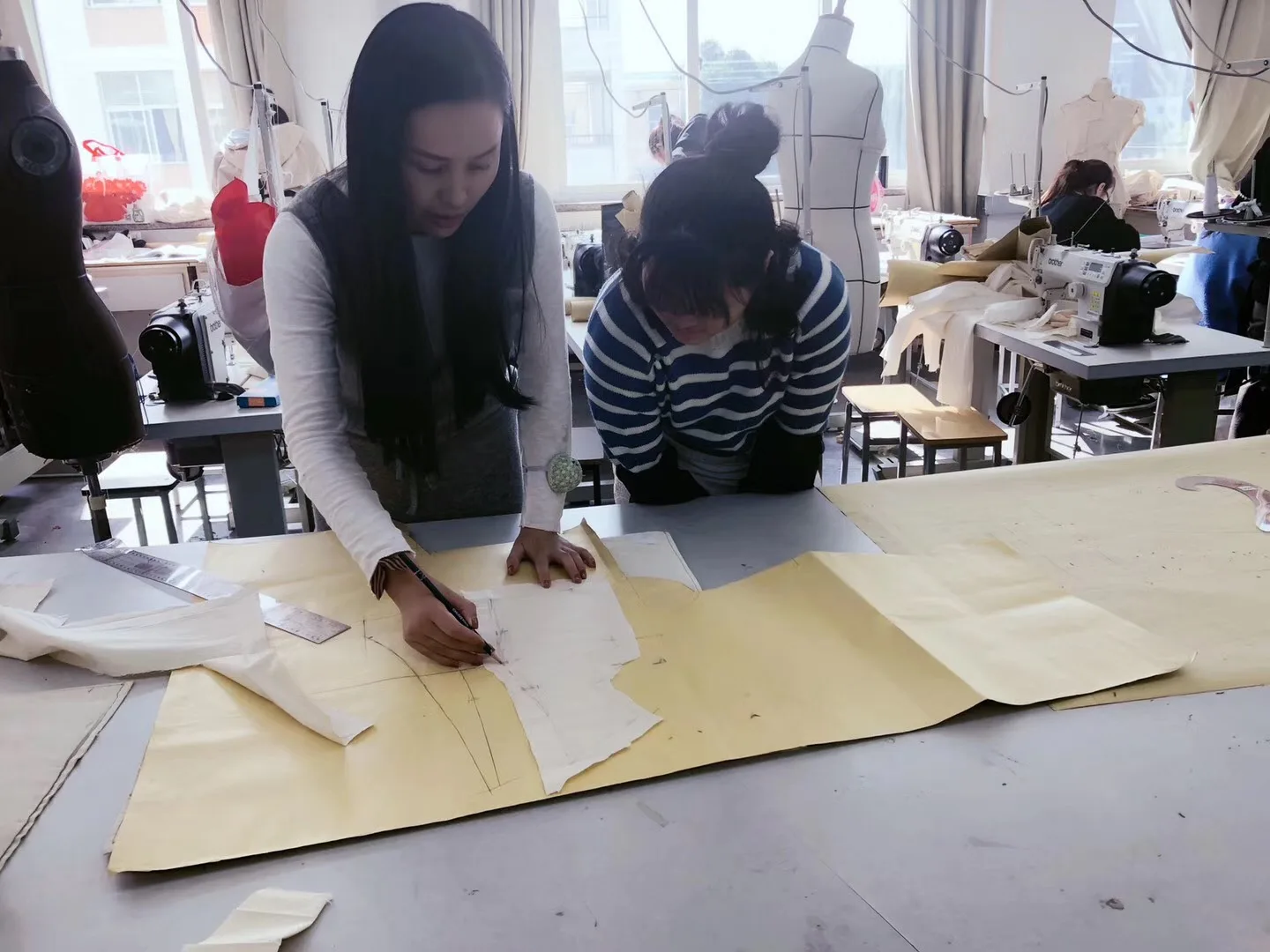
Fashion factory sampling coordinates your team with the pattern maker, material team, sample room and production team before a style is released for bulk. Yinshan Fashion supports custom and private-label programmes where the sample must prove more than appearance: it must establish the fit, fabric behaviour, construction, components, measurement points and approval record that a factory can actually follow.
This guide is for brand owners, apparel buyers and small-batch teams developing tops, dresses, skirts, blouses, active fashion, nightwear or coordinated collections. It explains how to write useful comments, when a change requires another sample, how to protect the approved version, and how to carry the result into repeat production.
What does fashion factory sampling actually control?
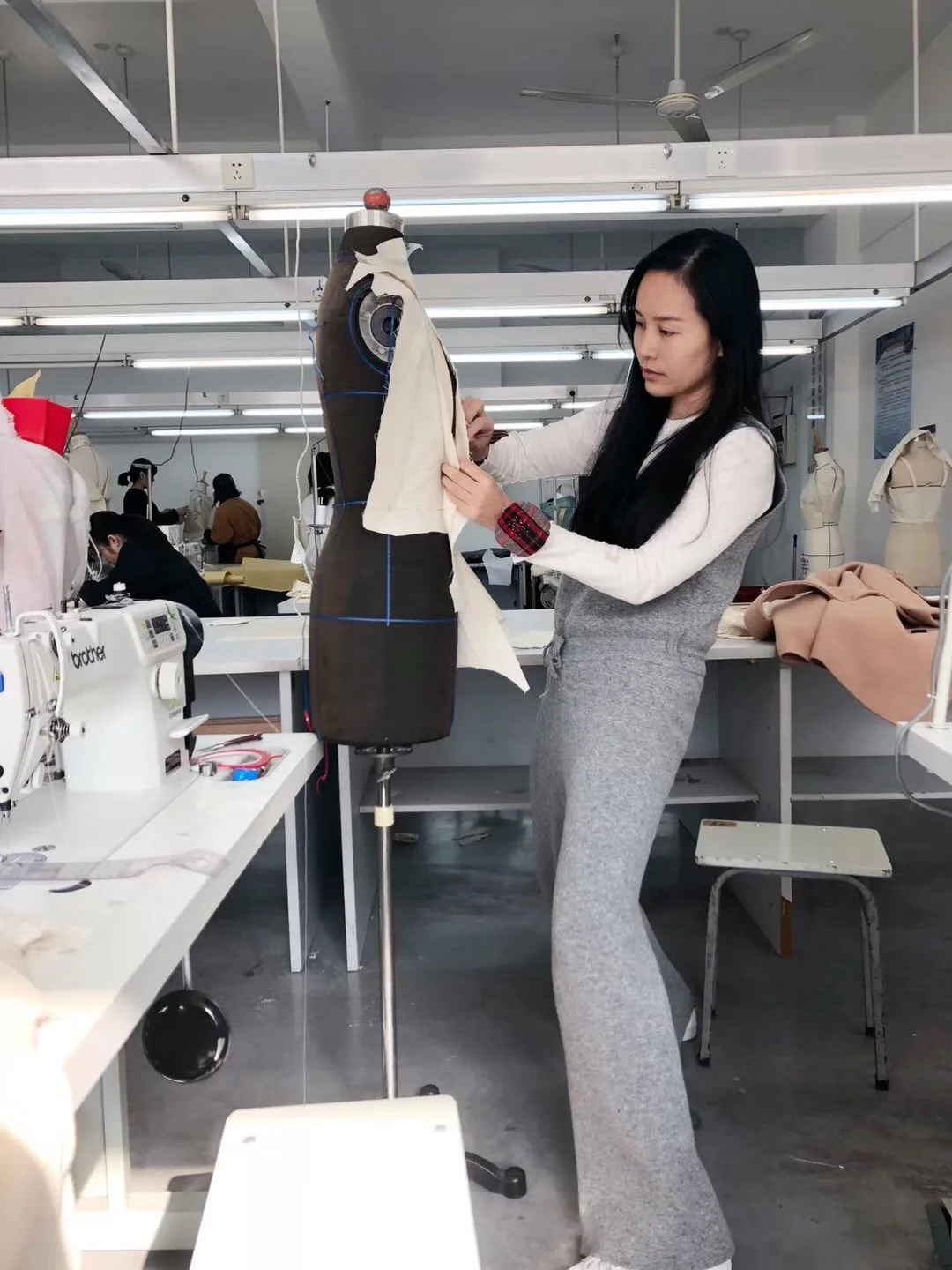
Fashion factory sampling controls the gap between an idea and a released product. A reference photograph can show proportion, mood and styling, but it rarely defines the complete garment. The sample process makes the hidden decisions visible: where a shoulder sits, how much ease is needed, whether a fabric collapses or stands away from the body, how a zipper is inserted, how a hem turns, how a lining behaves, and how a label or trim touches the wearer.
The process is not a promise that every first sample is final. It is a sequence of evidence. Each round should have a purpose, an owner and an approval gate. A development sample may test the silhouette. A fabric sample may compare handfeel and drape. A fit sample may confirm measurements and movement. A pre-production sample may prove the released materials and construction. Calling each sample by its purpose prevents an exploratory garment from being treated as a bulk instruction.
For a small brand, this discipline is valuable because the same people may be making design, buying and approval decisions. A clear sample record lets Yinshan Fashion coordinate its design, fabric, pattern and production partners without losing the buyer’s creative intent.
How should buyers start with a sample purpose, not a vague request?
Before sending comments, write one sentence explaining what the current sample must prove. “Check the overall look” is too broad to guide a pattern maker. “Confirm the relaxed shoulder, armhole movement and length on the approved jersey before reviewing trim placement” is actionable. “Compare two waistband constructions for comfort while sitting” tells the sample room what evidence matters.
The purpose may be visual direction, material behaviour, fit, construction, print placement, colour, comfort, private-label presentation or pre-production confirmation. More than one purpose can be included, but identify the priority. If a fabric is still changing, do not close a final fit decision as though the garment were stable. If the silhouette is still changing, do not spend time polishing packing artwork that will be mapped to a different style.
The buyer should also name the reviewer and the next decision. A comment without an owner can be interpreted in several ways. A comment with an owner and a due decision becomes part of the handover. This simple habit makes sampling less about “one more revision” and more about closing the right question at the right time.
How should buyers build a factory-ready reference pack?
A factory does not need a perfect technical pack on day one, but it does need a coherent starting record. Include reference images, front and back views when available, close-ups of important details, intended use, target wearer, fit direction, fabric preference, colour story, decoration, labels, packaging, size range, quantity context and the sample purpose. Mark fixed requirements, preferences and open questions separately.
Use a style code and a dated version. If a buyer replaces the reference image, changes the neckline and adds a new trim in three different messages, the team may not know which combination is current. A single versioned brief protects both sides. It also creates a useful baseline for comparing a factory response: the supplier can explain what is confirmed, what is assumed and what needs a sample or material check.
For a dress, the pack may need a waist position, skirt volume, lining intent and closure reference. For a blouse, it may need collar, cuff, placket and transparency direction. For active fashion, movement, recovery and seam placement matter. For sleepwear, softness, ease, label comfort and finishing deserve early attention. The more specific the product risk, the more specific the initial reference pack should be.
What should buyers check about pattern comments must describe the wearer’s experience?
Pattern comments are strongest when they connect a measurement to a visible or physical result. “Increase bust by 2 cm” is useful, but “the front pulls across the bust when the wearer reaches forward; add the approved ease and rebalance the side seam” tells the team why the change matters. “Shorten the dress” should identify whether the hem is too long when standing, walking or sitting and whether the balance changes with it.
Review the key points for the category: shoulder, chest, bust, waist, hip, armhole, sleeve, rise, thigh, hem, neckline, waistband, pocket opening and closure position. Not every point needs a change, but each point should have a clear status. A measurement table should show the sample measurement, requested measurement, tolerance or open review, and the reason for the change.
Yinshan Fashion can help buyers translate visual references into pattern and fit questions. The buyer still owns the intended customer and final approval. The manufacturer’s responsibility is to make the implications visible and to state when a requested change affects another part of the garment.
What should buyers check about fabric comments must travel with the pattern?
Fabric and pattern decisions cannot be separated. A woven fabric with limited give may require more ease than a stretch knit. A fluid satin may need a different seam finish and a different hem treatment from a stable cotton poplin. A brushed sleepwear fabric may need a comfort review at labels and cuffs. A structured active fabric may need movement testing at the armhole and side seam.
Record the fabric reference, composition information supplied for the programme, construction, weight or handfeel target, colour, print, stretch direction, recovery expectation, opacity, surface and care context. These are working inputs, not generic marketing claims. If the fabric is replaced, mark the fit and construction decisions that must be reopened.
The fabric and trims service gives buyers a place to discuss material behaviour alongside garment purpose. A sample can look correct in a photograph and still fail when the fabric changes. Keep the material header, swatch or approved reference connected to the pattern version and sample photographs.
What should buyers check about turn fit comments into a decision log?
A decision log should show the original comment, the action, the responsible team, the evidence required, the current status and the approval owner. Avoid writing only “fixed” or “noted.” A useful line says: “Sleeve feels tight at forward reach; revise armhole and sleeve cap, return with movement photo and measurement comparison; pattern team; open.”
Group comments by pattern, fabric, construction, trims, labels, packing and quality. This helps the factory route each issue to the right specialist. It also prevents a construction problem from being hidden under a general fit note. Use one status vocabulary such as open, in review, revised, approved, rejected or deferred. If a point is deferred, state why and when it returns.
The log becomes part of the production standard only when the buyer approves the result. Until then, it is a development record. This distinction is important when more than one sample is circulating or when a buyer asks for a quote before all details are closed.
What should buyers check about know when a comment requires another sample?
Not every comment requires a complete new garment, but any change that affects fit, comfort, material, construction, trim position, closure, label contact or visual balance deserves evidence. A small artwork change may be checked on a strike-off or digital proof. A hem change may need a partial sample or a full garment depending on balance. A fabric change usually deserves another fit and construction review.
Ask three questions: does the change affect the wearer, does it affect another component, and can a photograph or measurement prove it? If the answer is yes to any of these, define the smallest reliable evidence instead of relying on an assumption. This may be a revised pattern, a component proof, a partial construction test or a complete sample.
The buyer should avoid approving several unrelated changes in one uncontrolled revision. Combining fabric, size, neckline, sleeve and trim changes makes it difficult to know what improved or what caused a new problem. A focused round creates a better production reference and reduces the risk of carrying an accidental change into bulk.
How should buyers use a comparison table for sample release?
| Decision area | Buyer evidence | Factory release record | |---|---|---| | Style identity | Current reference, style code, category and intended use | Dated brief and approved sample version | | Pattern and fit | Measurements, tolerance, movement, balance and wearer comments | Pattern version, graded points and approved changes | | Fabric | Header or swatch, colour, handfeel, construction and open risks | Material reference linked to style and supplier record | | Construction | Seams, hems, closures, pockets, linings and reinforcement | Construction notes, approved method and quality priorities | | Components | Labels, trims, artwork, buttons, zips, elastic and packing | Component list, placement, artwork version and proofs | | Bulk gate | Approver, open points, quantity context and destination | Released file set, inspection focus and change-control owner |
The table is not a substitute for the actual files. It is a map that lets a buyer and factory see whether the product is ready for the next gate. A quotation should state which items are confirmed and which remain programme-dependent. A production release should never depend on a table cell that points to an unapproved email attachment.
How should buyers check construction before the garment looks perfect?
Construction decisions can hide behind styling. Turn the garment inside out and inspect seam allowance, overlock, topstitching, joining points, hem turn, lining attachment, pocket bag, zipper or button operation, elastic insertion, belt loops, reinforcement and thread appearance. Check whether the method suits the fabric and whether a repeated operator can follow it consistently.
For a blouse, a collar that photographs well may still roll after pressing. For a dress, a lining may pull the outer fabric at the armhole. For a skirt, a waistband may twist after movement. For a nightwear set, a decorative binding may become uncomfortable at the neck. These are production questions, not merely styling preferences.
Record the construction priority and the acceptable alternative. The factory may recommend a different method for a fabric, but the buyer should understand what changes in appearance, comfort, durability or cost assumptions. Yinshan Fashion’s role is to coordinate the discussion so the final decision is visible before bulk rather than discovered during inspection.
How should buyers connect trims, labels and packing to the style?
Private-label apparel is a complete product. Brand labels, size labels, care labels, hangtags, barcodes, buttons, zips, elastic, bags and carton marks must map to the current style, colour, size, market and channel. A label file approved for one composition or market should not automatically be reused for another style.
Review label position on the actual garment. The right artwork can still be uncomfortable if the edge, stitch or backing touches the skin. Check a hangtag’s attachment, a barcode’s readability and the folding method against the garment’s shape. If the brand wants a premium presentation, state what “premium” means in the packing decision rather than leaving it as a vague expectation.
The private-label route helps buyers bring these decisions into the sample and production conversation. A coordinated factory record should show artwork versions, applied proofs, open approvals and the person who can release them. This is particularly useful for small brands where one delayed component can hold an otherwise ready garment.
What should buyers check about convert the approved sample into a production standard?
The approved sample is the centre of the release file, not the entire file. Add the final pattern reference, measurement chart, grading direction, material reference, colour standard, trim list, label and packing files, construction notes, quality priorities, approved photographs and authorised comments. Identify which details are fixed and which remain programme-dependent.
The release file should have one current version and an owner. Older files may stay in the archive, but they should not look current. If a buyer changes the label, fabric or measurement after approval, record whether the change requires a new sample or a documented confirmation. The aim is not bureaucracy; it is to make the factory’s next action unambiguous.
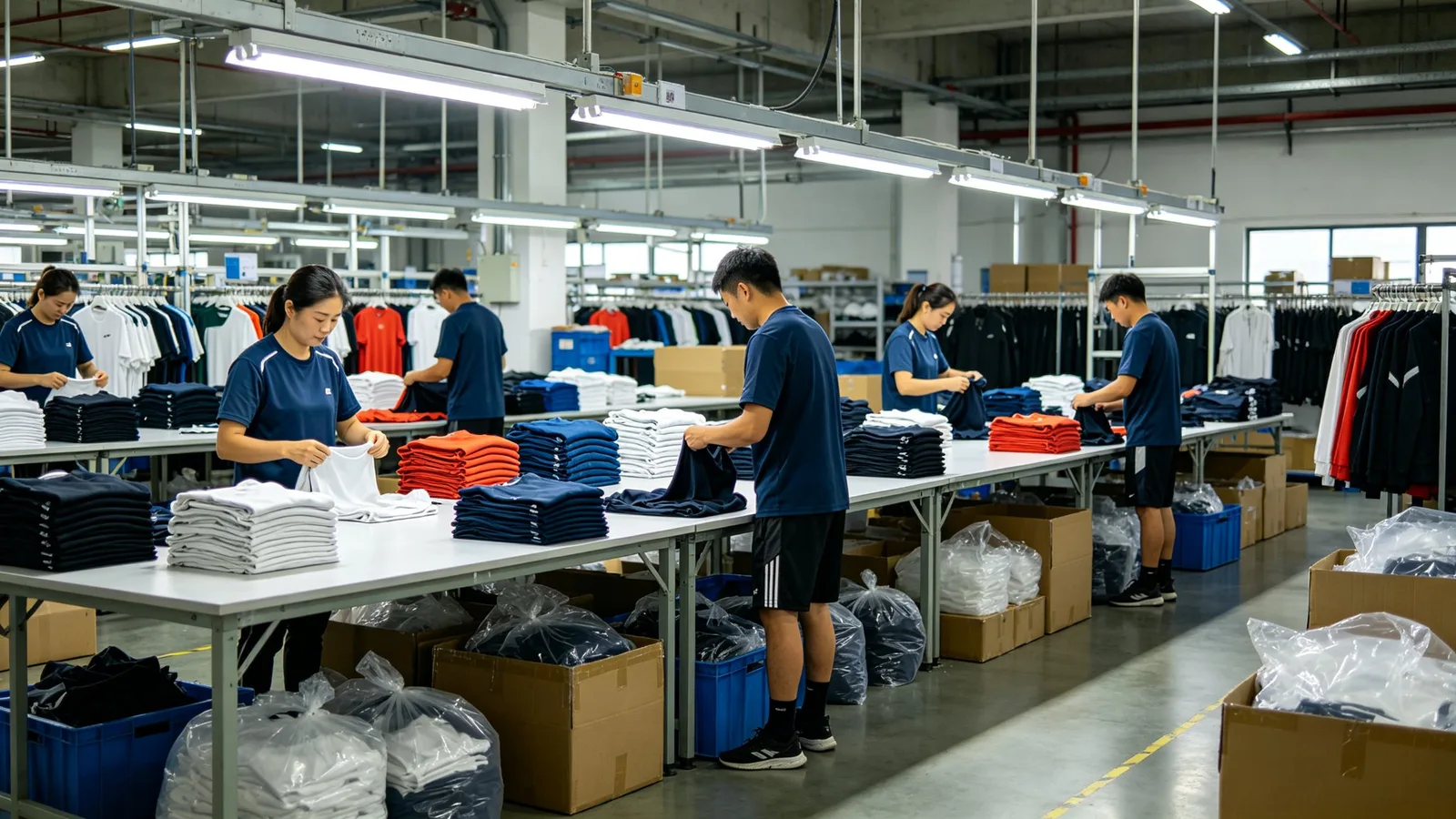
This is where a manufacturer differs from an informal sample maker. A manufacturer must help connect the development record to production reality. The manufacturing overview explains how development, production, inspection, finishing and packing connect. The actual scope, timing and commercial terms still depend on the style and order plan.
How should buyers use quality priorities rather than a generic inspection list?
Quality priorities should reflect the product. For a fitted dress, focus on balance, measurement, zipper operation, lining and seam appearance. For a printed blouse, review placement, shade, collar, cuff and print hand. For active fashion, review movement, recovery, seam stress and opacity. For nightwear, review softness, labels, elastic comfort and construction against the body.
Write the priority in a way an inspector can see. “Good quality” is not a test. “Check the waist seam remains level after the garment is worn and that the zipper lies flat without pulling” is testable. “Check the print placement against the approved panel map and report any shade difference between body panels” is more useful than “print must be correct.”
The buyer should state which defects are critical to the brand and which are acceptable within the agreed programme. Do not invent a universal tolerance or certification claim. Use the applicable project standard, market requirement and approved reference. A clear priority list helps a factory focus attention where the customer will notice the difference.
How should buyers plan sampling for small-batch programmes?
Small-batch does not mean small risk. A limited first order still needs a clear product identity, material decision, fit approval, label route and repeat record. The cost of an unclear sample can be proportionally high when a brand has fewer units over which to spread development effort.
Plan which styles prove the range. A core blouse may prove the fit family, a dress may prove the drape, and a lounge set may prove the fabric and private-label presentation. Not every style needs the same sample path, but every style needs a stated purpose. Shared fabric, colour and trim decisions can simplify a range only when the garments remain technically compatible.
Yinshan Fashion can discuss a staged route for small brands: first align the product brief, then compare material and pattern options, then sample the styles that answer the largest commercial questions. Quantities, sample fees, bulk pricing and any programme credit remain specific to the confirmed order and should be agreed separately.
How should buyers protect the record for repeat orders?
Repeat production should begin from the approved record, not from memory. Save the approved sample photographs, pattern version, fabric header, colour standard, trim and label list, packing instruction, quality priorities, quantity structure and change log. At reorder, identify what is unchanged and what has changed.
A new colour may require colour approval. A new fabric may reopen fit, shrinkage, print or care review. A new size may require grading confirmation. A new market may affect labels and packing. A new factory line may need a method or quality handover. The record lets the buyer ask the right question before the new order moves too far.
For a brand building a collection, repeat-order control is also a design tool. The team can see which silhouettes are proven, which fabrics are reliable, and which components can be reused. This creates space for new design without losing commercial discipline.
What should buyers check about buyer checklist before sending sample comments?
Prepare the current style code, dated reference, sample purpose, intended wearer, fit direction, measurement chart, material reference, colour or print, construction priorities, trims, labels, packing, quantity context, destination market, approval owner and open questions. Separate must-have changes from recommendations. Attach the same sample photographs and measurement basis to the comment log.
For every comment, write the location, observed result, requested action, reason, evidence needed and decision owner. Avoid combining “too tight,” “change the fabric” and “move the label” into one sentence. These may belong to different teams and different sample proofs. The clearer the comment, the fewer assumptions a factory must make.
What should buyers check about factory checklist before releasing bulk?
Confirm that the product brief, current sample, pattern, measurement chart, fabric reference, colour, components, labels, packing, quality priorities and authorised changes are aligned. Check that the latest files are identifiable and that older versions are archived. Confirm which open decisions remain programme-dependent and who can release them.
Review the sample in the intended use context. Check movement, sitting, reaching, closure, inside comfort, print or trim placement and presentation. If the material or component has changed since fit approval, reopen the relevant test. A production standard is reliable only when the team has evidence that the released combination works together.
How Yinshan Fashion coordinates the handover?
Yinshan Fashion works with buyers who need more than a catalogue response. The company can discuss a product brief, fabric direction, pattern and fit comments, sample purpose, private-label components and the route from approved sample to production. Its supplier and factory relationships can be coordinated around garment category, construction, material and capacity needs while the buyer keeps one clear approval conversation.
That coordination does not remove the buyer’s responsibility for the brand, target customer or final commercial choice. It does make the questions visible earlier. A practical discussion should identify what is known, what is assumed, what needs a sample, what needs a material check and what must be recorded before bulk. For small brands, this clarity can be more valuable than an impressive but non-specific promise.
How should buyers review customer and channel changes?
A repeat order can change even when the garment does not. A new retail channel may require a different fold, barcode, carton mark or product information. A new market may require different language, care information or label review. A new customer response may lead the brand to change the size ratio, length, colour balance or product role. These are commercial changes that can create production consequences.
Record the reason for the change and identify the affected file. If the product is unchanged but the packing changes, keep the garment approval separate from the packing approval. If the size ratio changes but the pattern does not, record the quantity change and check whether the factory’s cutting or packing plan is affected. If a new market changes a label, review the actual applied label rather than approving artwork alone.
This separation helps a supplier give a clear answer: the product is unchanged, the order variable changed, and the evidence needed is specific. It also gives the buyer a reliable story when a customer, retailer or internal team asks why the second order looks or packs differently.
How should buyers review customer and channel changes before release?
A repeat order can change even when the garment does not. A new retail channel may require a different fold, barcode, carton mark or product information. A new market may require different language, care information or label review. A new customer response may lead the brand to change the size ratio, length, colour balance or product role. These are commercial changes that can create production consequences.
Record the reason for the change and identify the affected file. If the product is unchanged but the packing changes, keep the garment approval separate from the packing approval. If the size ratio changes but the pattern does not, record the quantity change and check whether the factory’s cutting or packing plan is affected. If a new market changes a label, review the actual applied label rather than approving artwork alone.
This separation helps a supplier give a clear answer: the product is unchanged, the order variable changed, and the evidence needed is specific. It also gives the buyer a reliable story when a customer, retailer or internal team asks why the second order looks or packs differently.
What questions do buyers ask most often?
What is the goal of fashion factory sampling?
The goal is to turn a design direction into evidence for fit, fabric, construction, components, presentation and production release. Each sample should have a purpose and approval gate; the first sample does not automatically define the bulk garment.
How many sample rounds are needed?
There is no universal number. The required rounds depend on the product risk, fabric stability, fit complexity, component changes and quality priorities. A focused change with a clear proof can close faster than several unrelated changes bundled together.
Can pattern comments be approved before fabric is final?
Only for the decisions that remain valid across the material change. If the new fabric changes stretch, drape, thickness, recovery or shrinkage, reopen the affected fit and construction review before treating the pattern as a bulk standard.
What should be included in a production standard?
Include the approved sample, pattern and measurement references, material and colour, construction notes, trims, labels, packing, quality priorities, authorised comments, version date and approval owner. Keep programme-specific commercial and timing decisions alongside the release record.
Does Yinshan Fashion support custom and private-label sampling?
Yinshan Fashion supports custom and private-label development discussions for fashion brands, including product briefs, fabric and fit advice, samples, labels, packing and production coordination. Final scope, quantities, timing and commercial terms depend on the confirmed programme.
What should buyers check about next step: send a sample record that can be acted on?
Send the current reference, product category, sample purpose, fit and fabric direction, measurements, construction priorities, labels, packing, quantities and open questions. The more clearly the buyer separates fixed requirements from recommendations, the more useful the first factory response will be.
If you are comparing a new style, the casual fashion collection route can help place tops, dresses, skirts and blouses in a broader product discussion. For a project that needs custom development, use the custom womenswear manufacturing solution to connect the reference, material, pattern, sample and production conversation. Then share the current brief through contact so Yinshan Fashion can discuss the next evidence needed for your programme.
Sample-to-production control
Turn pattern, fabric and fit comments into one production standard
A sample is useful when it proves a decision. Use this toolkit to connect the buyer brief, pattern version, material reference, component proof, quality priorities and bulk handover.
Give every sample a purpose
Separate visual direction, fabric, fit, construction, comfort and pre-production checks so an exploratory garment is not mistaken for a bulk instruction.
Route comments to evidence
Connect a measurement, wearer result or material behaviour to the revised pattern, component proof or sample that must confirm the change.
Release one current version
Keep the approved sample, pattern, fabric, trims, labels, packing, quality priorities and authorised changes in one production record.
Buyer and factory checklist before bulk release
Use this checklist to make sample decisions traceable. Programme-specific materials, quantities, timing and commercial terms remain subject to the confirmed project.
| Decision area | What the buyer should prepare | What to ask the factory |
|---|---|---|
| Sample purpose | Name what the current sample must prove and who owns the next approval. | What evidence will close this purpose and what remains open? |
| Pattern and fit | Provide measurements, movement comments, balance observations and requested actions. | Which pattern points change and what secondary points must be checked? |
| Fabric and components | Identify material, colour, trims, labels, packing and acceptable alternatives. | Which material or component change reopens fit, comfort or construction review? |
| Release record | Confirm sample version, files, quality priorities, approver and open decisions. | Which file is the current production basis and who can authorise a change? |
| Repeat order | Save the approved product and change history for the next colour, size or order. | What is unchanged, what needs reconfirmation and what needs a new sample? |
Continue the production conversation
From sample comment to production standard
| Comment type | Evidence to request | Release record |
|---|---|---|
| Pattern and fit | Measurements, movement, balance and wearer result | Pattern version, grading points and approval |
| Fabric and colour | Header, swatch, handfeel, stretch, recovery and shade | Material reference linked to style |
| Construction | Inside finish, closure, seam, hem and component test | Method note and quality priority |
| Private label | Applied label, hangtag, barcode and packing proof | Artwork version and style mapping |
| Bulk handover | Approved sample, open points and authorised changes | One current release file and owner |
Buyer FAQs
What is the goal of fashion factory sampling?
The goal is to turn a design direction into evidence for fit, fabric, construction, components, presentation and production release. Each sample should have a purpose and approval gate; the first sample does not automatically define the bulk garment.
How many sample rounds are needed?
There is no universal number. The required rounds depend on the product risk, fabric stability, fit complexity, component changes and quality priorities. A focused change with a clear proof can close faster than several unrelated changes bundled together.
Can pattern comments be approved before fabric is final?
Only for decisions that remain valid across the material change. If the new fabric changes stretch, drape, thickness, recovery or shrinkage, reopen the affected fit and construction review before treating the pattern as a bulk standard.
What should be included in a production standard?
Include the approved sample, pattern and measurement references, material and colour, construction notes, trims, labels, packing, quality priorities, authorised comments, version date and approval owner.
Does Yinshan Fashion support custom and private-label sampling?
Yinshan Fashion supports custom and private-label development discussions for fashion brands, including product briefs, fabric and fit advice, samples, labels, packing and production coordination. Final scope and terms depend on the confirmed programme.