Article
What should buyers know first?
Short answer: A buyer-focused guide to choosing dress fabric and fit together, from drape and lining to sample review, size logic, production risk and repeat orders.
A commercial dress collection succeeds when the garment behaves as the customer expects, not only when a mood board looks attractive. Fabric and fit shape that result together. The wrong material can make a good pattern collapse, cling, twist, shine or feel heavy. The wrong fit can make a beautiful fabric look unbalanced, restrict movement or create returns. For a B2B buyer, dress fabric sourcing is therefore a product-development decision, not a late purchasing task.
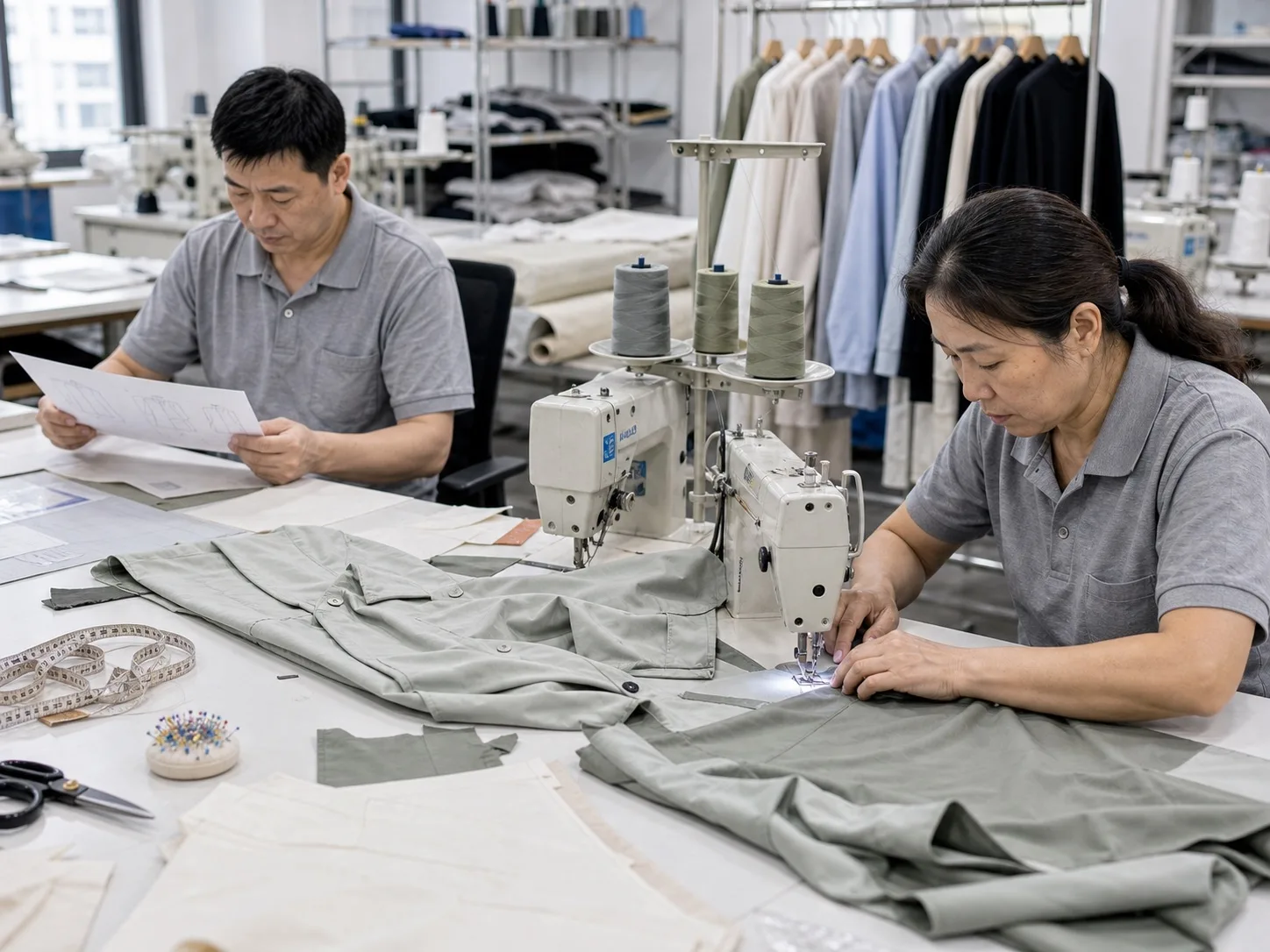
Yinshan Fashion supports custom and private-label womenswear programmes in which fabric advice and fit advice are reviewed together before bulk production. A buyer may begin with a reference image, a target customer, a colour direction or a collection idea. The useful work is to translate that direction into fabric behaviour, pattern intent, sample evidence, measurements, trims, lining, quality priorities and a repeatable production record.
This guide is for brands developing day dresses, occasion dresses, relaxed shirt dresses, skirts, blouses or coordinated womenswear. It explains what to define before sourcing, how to compare fabrics without relying on generic adjectives, how to test fit in the actual material, and how to keep the commercial collection consistent as styles and colours grow.
Why fabric and fit must be decided together?
Fabric creates the physical conditions in which a pattern has to work. Drape affects where a skirt falls and whether a waist seam stays level. Stretch changes ease, recovery and movement. Weight changes the balance of a sleeve, the behaviour of a hem and the need for lining or support. Surface and opacity affect the customer’s perception of quality and the construction choices available to the factory.
Fit creates the intended relationship between the body and the garment. It includes measurements, ease, balance, length, shoulder, armhole, bust, waist, hip, sleeve, neckline, closure and movement. A relaxed fit is not simply a larger size; it is a deliberate pattern and styling decision. A close fit is not only a smaller measurement; it needs the material and construction to support the intended movement and comfort.
When the two decisions are made separately, the collection may need repeated revisions. A buyer approves a pattern in a stable woven, then changes to a fluid fabric. The silhouette changes. A buyer approves a drape in a lightweight sample, then adds a lining for coverage. The length and weight change. A buyer approves a fit in one size, then finds that grading creates a different proportion. A connected review makes these risks visible earlier.
How should buyers start with the commercial role of each dress?
Before selecting a fabric, define what the dress must do in the collection. A core everyday dress may need easy care, comfortable movement, repeatable colour and a silhouette that works across a size range. An occasion style may prioritise drape, surface, lining, closure and presentation. A vacation dress may need lightness, coverage and a relaxed fit. A work-to-evening style may need a balance between polish and movement.
The commercial role determines which material behaviours matter. “Soft” could mean a brushed surface, a fluid hand, a low-friction lining or a flexible construction. “Premium” could mean a stable shape, clean finishing, a particular sheen, a controlled print, a better handfeel or a branded presentation. Ask what the customer notices and what the factory must prove.
Yinshan Fashion can help a buyer turn the collection role into a development brief. State the intended wearer, use context, price positioning without inventing a fixed price, silhouette, season, colour direction, size range, quantity context, target market and sample purpose. Then discuss which fabric route can support that product role.
How should buyers compare fabric by behaviour, not only fibre name?
Fibre names are useful starting points, but they do not fully predict a finished garment. Construction, weight, finish, yarn, knit or weave, print, dye, recovery and care context all affect behaviour. Two materials with similar fibre content can drape differently, feel different, crease differently and require different sewing or pressing methods.
Build a material comparison around observable questions. Does the fabric fall close to the body or stand away? Does it recover after movement? Is it transparent under the intended light? Does it support a seam, pleat, ruffle or gathered waist? Does the colour appear even across panels? Does a print distort when the garment is worn? Does the surface attract lint or show pressing marks? Does the handfeel suit the target customer?
The fabrics and trims service gives buyers a route to discuss these questions with a garment purpose in view. Request a header, swatch or approved reference when available, and record what the sample actually shows. Avoid treating a catalogue description as final evidence.
What should buyers check about match drape to silhouette?
Drape is one of the first fabric decisions a customer sees. A fluid fabric may create movement in a bias skirt, soft sleeve or gathered body. A stable fabric may hold a shirt dress, structured waist or shaped panel. A fabric with too much body can make a relaxed silhouette look stiff. A fabric with too little support can make a structured design look tired or unbalanced.
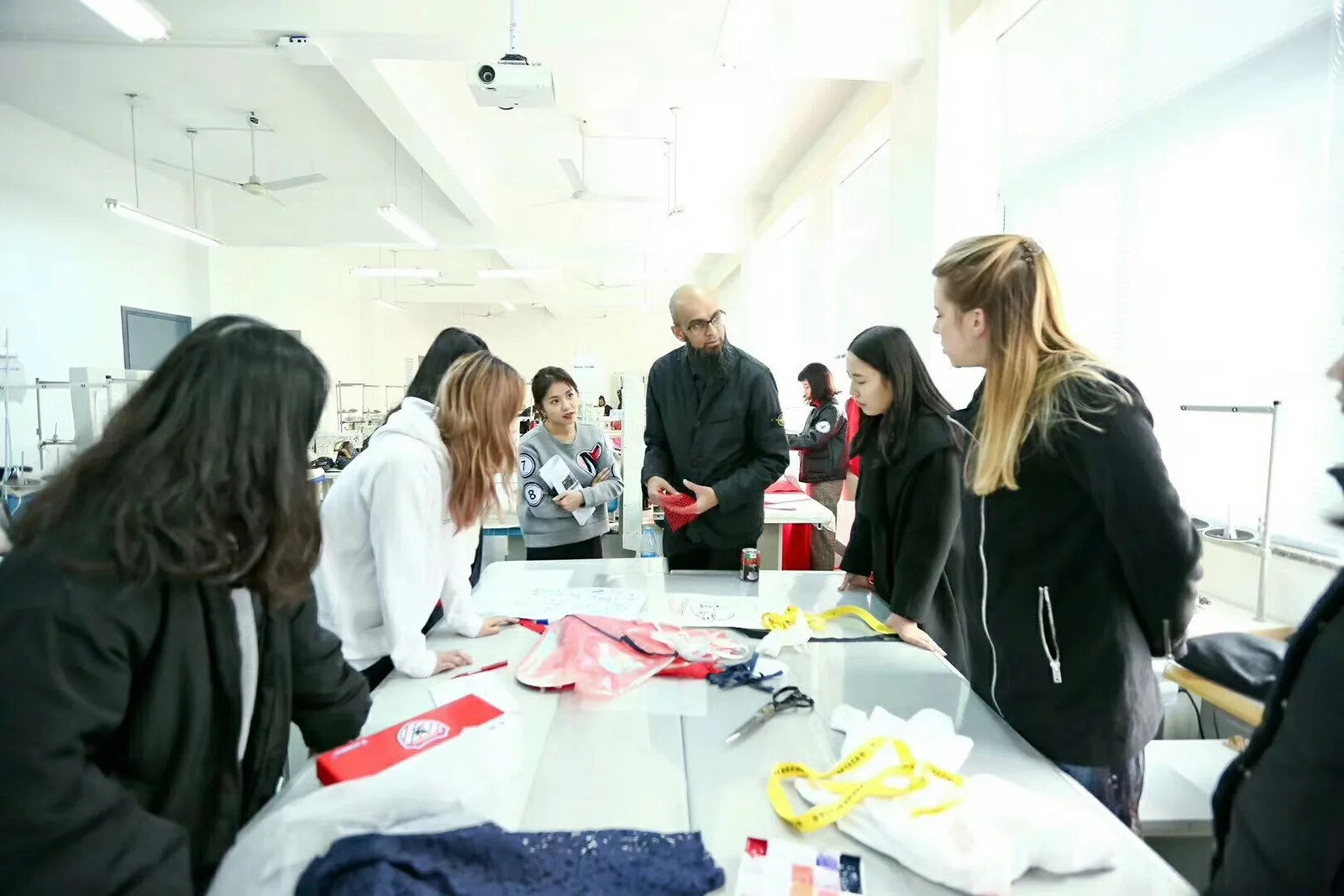
Review drape on the actual pattern shape rather than holding a swatch in isolation. A small swatch cannot show how a full skirt, long sleeve or gathered seam will behave. Create a focused test where the fabric is cut and joined in the relevant direction. Check the garment standing, walking and sitting. Photograph the result from front, side and back so the decision is not based on one flattering angle.
If the buyer changes the length, fullness or seam position, review drape again. A fabric that works for a short straight dress may not work for a long gathered dress. A fabric that works in the body may not work in a sleeve where the grain, weight and movement differ.
What should buyers check about treat lining as a fit decision?
Lining affects comfort, weight, opacity, movement, static, seam appearance and the way the outer fabric hangs. It can improve coverage, but it can also pull at armholes, restrict movement or create a second set of shrinkage and care questions. A lining should be evaluated with the outer fabric and the finished pattern, not added after the fit is considered complete.
Record the lining purpose. Is it for coverage, comfort, structure, warmth, reduced cling or presentation? Identify where it starts and ends, how it is attached, whether it moves with the outer layer and how it behaves at the neckline, armhole, waist and hem. For a dress with a fluid outer fabric, a rigid lining can change the intended drape. For a structured dress, too-soft lining may not support the silhouette.
The buyer should approve the actual combination. The factory should flag when a lining change affects measurements, balance, hem turn, closure or movement. A commercial collection is more reliable when the lining route is part of the sample record from the beginning.
How should buyers define fit with measurements and wearer movement?
A dress fit chart should show more than a bust, waist and hip number. Depending on the style, review shoulder, chest, bust, waist, hip, armhole, sleeve, bicep, length, neckline, hem, rise or opening, and the points that control the intended silhouette. Mark the measurement method and whether the point is measured flat, along a seam or from a body reference.
Movement matters. Ask the wearer to reach, sit, walk, turn, lift the arms and use the closure. A dress that looks balanced standing may pull when the wearer reaches. A fitted waist may feel comfortable until sitting. A long skirt may need a walking allowance. A sleeve may need a different cap or armhole relationship than the photograph suggests.
Write fit comments as observations and actions. “The armhole is tight during forward reach; revise the pattern and show a movement check” is more useful than “make it looser.” The dress sample fit checklist helps buyers organise these points before a bulk decision.
How should buyers use size and grading to protect the collection?
One approved sample does not prove every size. Grading changes proportion, ease, balance, length, neckline and placement of design details. A print, pocket, waist seam or pleat may look correct in the base size and become visually misplaced in another size. The buyer should identify which points must remain consistent and which may change with grading.
Review a size range with the target customer in mind. Do not assume that adding the same amount to every measurement creates a commercial fit. Ask how the collection should feel across sizes, where ease is important, whether the shoulder and armhole remain balanced, and whether the length should follow a rule or a proportion.
The factory should record the base sample, grading direction, measurement chart, tolerance and approval owner. If the fabric changes after grading, review the affected sizes again. A new stretch or drape can produce a different result even when the numbers remain unchanged.
How should buyers choose construction with the material?
Construction controls how the fabric survives cutting, sewing, pressing and wear. A fluid material may need a different seam finish, needle, handling method or hem. A stable woven may support topstitching, a sharper collar or a shaped panel. A stretch fabric may require a seam and thread route that allows movement. A delicate surface may show needle marks or pressing shine.
Review seam allowance, overlock, topstitch, hem, neckline, sleeve, zipper, button, hook, pocket, waist seam, lining and reinforcement. Turn the sample inside out. Ask whether an operator can repeat the method and whether the inspection team can see the priority. If a factory recommends an alternative, ask what changes in appearance, comfort, durability or cost assumptions.
Yinshan Fashion can coordinate construction questions with pattern and production partners. The buyer’s final approval should refer to the approved material and sample combination. A construction method that works in one fabric should not be copied automatically into another.
How should buyers build a dress fabric sourcing matrix?
| Decision area | Buyer input | Sample evidence | Production record | |---|---|---|---| | Collection role | Customer, use context, silhouette and product priority | Worn sample and commercial review | Style brief and priority | | Fabric behaviour | Drape, body, stretch, coverage, surface and care direction | Swatch plus garment or focused test | Material reference linked to style | | Fit | Measurements, ease, balance, length and movement | Measurement comparison and movement check | Pattern and grading version | | Lining | Coverage, comfort, support and movement purpose | Outer/lining combination in the actual style | Lining reference and attachment note | | Repeat order | Colour, material, size, labels, packing and changes | Reconfirmation or new sample decision | Approved record and change log |
The matrix makes missing decisions visible. It does not replace a header, pattern, measurement chart or approval. A buyer should ask the supplier to identify what is confirmed, what is recommended and what needs another piece of evidence before the quotation or bulk release is treated as final.
How should buyers review colour, print and surface in the finished shape?
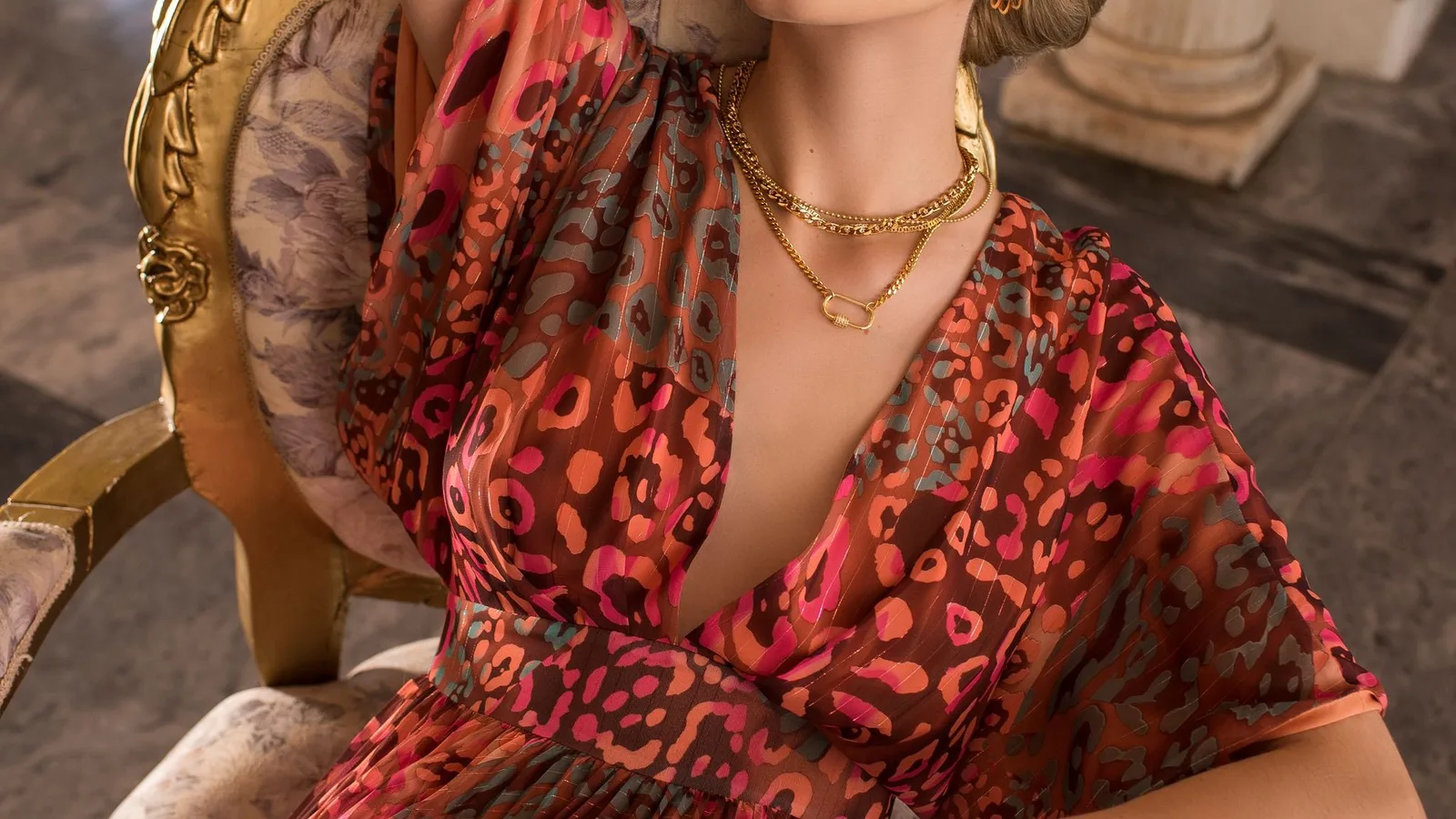
Colour is affected by material, construction, lighting and the size of the garment panel. A small swatch may look correct while a large skirt or sleeve appears different. A print can distort at a bust, waist, side seam or gathered area. A stripe can misalign at a closure. A textured surface can look attractive in a photograph and feel too rough at a high-contact area.
Use a colour or print reference and record the approval conditions. Review the garment in the intended orientation and light where possible. Check continuity across seams, placement at key points and the effect of the pattern. If the collection uses several fabrics in one colour story, compare them together rather than approving each in isolation.
How should buyers plan a staged sample route?
Not every dress needs the same number of samples. A simple silhouette in a proven fabric may need a focused fit and material confirmation. A lined, printed or structured dress may need separate fabric, fit, construction and pre-production evidence. The buyer should state which question each sample answers.
One useful sequence is: material direction, first silhouette, fit and movement, revised construction, size or grading confirmation, then pre-production reference. The sequence may change by style. The important part is that an approval at one stage does not silently cover a change introduced later.
For a small private-label brand, choose the styles that prove the largest commercial questions first. A core dress can establish the fit family. A second style can test a different fabric or sleeve. A statement style can test print, trim or presentation. The custom womenswear manufacturer solution can help connect the brief to a staged development discussion.
How should buyers compare supplier quotes on the same dress definition?
A dress quotation is only comparable when the product definition is comparable. Give each supplier the reference, fabric direction, lining, measurements, size range, colour or print, trims, labels, packing, quantity by style and colour, sample purpose and target market. Ask which assumptions are included and which remain open.
One supplier may price a stable available fabric while another is discussing a custom print. One may include a basic lining while another has assumed a different coverage or finishing route. One may be quoting a sample that proves appearance while another has included a more complete fit review. These are not simply different prices for the same dress.
The manufacturing overview helps buyers understand how development, production, inspection, finishing and packing connect, but each quotation still needs a style-specific basis. Final price, quantity, timing and production scope remain programme-dependent.
How should buyers keep the approved collection consistent?
Save the approved fabric reference, colour standard, lining, pattern, grading, construction, trims, labels, packing, sample photographs, measurement comments and quality priorities. Give each style a current version and an owner. At repeat, identify what is unchanged and what needs review.
A new fabric can change fit, drape, shrinkage or care. A new colour can change shade or print behaviour. A new size can change grading. A new lining can change weight and movement. A new factory can require a handover sample. Record the trigger rather than assuming that a previous approval covers every change.
What should buyers check about buyer checklist before requesting dress samples?
Prepare the collection role, target wearer, reference images, silhouette, fit direction, measurements, material behaviour, colour, print, lining, construction, closures, trims, labels, packing, size range, quantity context, market, sample purpose and approval owner. Mark fixed requirements, preferences and open questions.
For each fabric, state the intended handfeel, drape, body, stretch, coverage, surface and care direction. If a material document or retailer requirement matters, state it before the supplier recommends a route. Do not wait for a perfect technical pack if the concept is early, but make the product outcome clear enough for a useful response.
What should buyers check about factory checklist before bulk release?
Confirm that the approved garment, material, colour or print, lining, pattern, measurements, grading, construction, trims, labels, packing, quantity and quality priorities refer to one current version. Review the sample worn and inside out. Check movement, closure, hem, lining, print placement, label contact and packaging.
If a material or component changed after fit approval, reopen the relevant decision. If the buyer has approved a recommendation, record the reason and evidence. Bulk release should identify the current sample, pattern, material and approval owner rather than relying on a message that says “same as before.”
How should buyers plan the collection across colours and materials?
A commercial collection often uses one silhouette in more than one colour or more than one material. That choice should be deliberate. A pale colour can reveal opacity that a dark colour hides. A print can change the visual weight of a full skirt. A brushed or coated finish can change handfeel and pressing behaviour even when the base construction looks similar. Compare the proposed colour and material combinations on the garment, not only on a flat swatch.
Decide whether the collection needs one shared fabric family, a controlled group of related materials or intentionally different routes. Shared materials can simplify sampling and repeat-order records, but they should not be forced onto a style whose drape, coverage or comfort needs are different. Keep the reason for each exception in the style file so the buyer can explain the collection logic to the supplier, factory and retail team.
How Yinshan Fashion supports dress development?
Yinshan Fashion helps B2B buyers connect dress fabric sourcing with custom design, pattern and fit advice, sample development, private-label components and production coordination. The company can discuss a reference image, target customer, fabric direction, silhouette, size plan and quantity context, then identify which material and fit questions should be answered first.
The goal is not to push one universal fabric or one fixed silhouette. It is to make the trade-offs visible. A buyer may choose a more fluid material for movement, a more stable route for structure, a lining for coverage, a different closure for ease of use or a shared fabric family for collection coherence. Final choices remain with the brand and depend on the confirmed programme.
What questions do buyers ask most often?
Why are dress fabric sourcing and fit connected?
Fabric affects drape, stretch, weight, coverage, recovery, comfort and construction. Those behaviours change how a pattern sits and moves, so a fit approved in one material may need review when the material, lining or finish changes.
What should a buyer compare when choosing a dress fabric?
Compare handfeel, drape, body, stretch, recovery, opacity, surface, colour or print behaviour, care context and compatibility with the silhouette and construction. Use a swatch and a focused garment test rather than fibre name alone.
Does every dress need a lining?
No. Lining depends on coverage, comfort, support, surface, movement, season and product role. If a lining is added or changed, review its effect on weight, fit, hem, armhole, closure and care.
How many samples should a commercial dress collection develop?
There is no universal number. The route depends on material stability, silhouette risk, fit complexity, print or trim, lining, size range and quality priorities. Each sample should have a stated purpose and approval gate.
Can Yinshan Fashion help with custom dress fabric and fit decisions?
Yinshan Fashion can discuss custom and private-label dress development, including material direction, pattern and fit advice, samples, labels, packing and production coordination. Final material availability, quantities, timing and commercial terms depend on the confirmed project.
What should buyers check about next step: define the two decisions together?
Send the dress reference, collection role, target wearer, fabric behaviour, colour or print direction, lining intent, fit points, size range, quantity context and sample purpose. Ask which material and pattern questions should be tested first and what evidence will support bulk approval.
For a wider womenswear programme, review the casual fashion product collection and identify which dresses, skirts, blouses or tops should share a fit or fabric family. Then use contact to discuss a project-specific route with Yinshan Fashion.
Dress fabric and fit decisions
Build a commercial collection around material behaviour and wearer fit
Drape, lining, ease, grading and construction should be reviewed as one product decision. Use this toolkit to connect dress fabric sourcing with the sample and production record.
Define the collection role
State whether a dress is core, occasion, vacation, work-to-evening or a statement style before selecting the material route.
Test the actual combination
Review fabric, lining, pattern, movement, construction and surface in the garment rather than approving a swatch or fit in isolation.
Save a repeatable record
Keep the approved fabric, colour, pattern, grading, construction, components, quality priorities and change history together.
Buyer and factory checklist before dress bulk release
Use this checklist to connect dress fabric, fit and construction decisions. Exact materials, quantities, timing and commercial terms remain programme-dependent.
| Decision area | What the buyer should prepare | What to ask the factory |
|---|---|---|
| Collection role | Describe customer, use context, silhouette, season and product priority. | Which material behaviours and fit points must the first sample prove? |
| Fabric and lining | State drape, body, stretch, coverage, surface, colour and lining purpose. | What changes when the material, lining or finish changes? |
| Fit and grading | Provide measurements, ease, movement, size range and balance priorities. | Which points transfer across sizes and which need a grading review? |
| Construction and components | Identify closures, seams, hems, trims, labels and packing. | Which methods and proofs are needed for the approved material? |
| Repeat order | Save approved style, material, colour, pattern, quality and authorised changes. | What is unchanged and what must be reconfirmed at reorder? |
Continue the production conversation
Dress fabric and fit decision matrix
| Decision | Buyer input | Evidence before bulk |
|---|---|---|
| Collection role | Customer, use context, silhouette and product priority | Worn sample and commercial review |
| Fabric behaviour | Drape, body, stretch, coverage, surface and care | Header plus garment or focused test |
| Fit | Measurements, ease, balance, length and movement | Measurement comparison and movement check |
| Lining and construction | Coverage, comfort, support, closures and finishing | Actual combination reviewed inside and out |
| Repeat order | Colour, material, size, labels, packing and changes | Approved file and reconfirmation record |
Buyer FAQs
Why are dress fabric sourcing and fit connected?
Fabric affects drape, stretch, weight, coverage, recovery, comfort and construction. Those behaviours change how a pattern sits and moves, so a fit approved in one material may need review when the material, lining or finish changes.
What should a buyer compare when choosing a dress fabric?
Compare handfeel, drape, body, stretch, recovery, opacity, surface, colour or print behaviour, care context and compatibility with the silhouette and construction. Use a swatch and a focused garment test rather than fibre name alone.
Does every dress need a lining?
No. Lining depends on coverage, comfort, support, surface, movement, season and product role. If a lining is added or changed, review its effect on weight, fit, hem, armhole, closure and care.
How many samples should a commercial dress collection develop?
There is no universal number. The route depends on material stability, silhouette risk, fit complexity, print or trim, lining, size range and quality priorities. Each sample should have a stated purpose and approval gate.
Can Yinshan Fashion help with custom dress fabric and fit decisions?
Yinshan Fashion can discuss custom and private-label dress development, including material direction, pattern and fit advice, samples, labels, packing and production coordination. Final scope depends on the confirmed project.