Article
What should buyers know first?
Short answer: A practical guide for fashion buyers comparing organic cotton, conventional cotton, recycled cotton and cotton blends—then turning fibre direction into fabric, fit, sampling, private-label and bulk-production decisions.
Organic cotton versus conventional cotton is not a decision that can be made from a hangtag phrase alone. For a fashion buyer, the useful question is: which cotton route, yarn, construction and finish will create the required garment while supporting the material information the brand needs to communicate? A soft women’s top, a structured shirt, a close-fitting rib tank, a sleepwear set and a printed casual dress can all contain cotton, yet they ask very different things of the fabric.
Yinshan Fashion supports custom and private-label bulk production rather than unrestricted ready-stock wholesale. That means a cotton conversation can begin with a reference image or preferred fibre direction, then move through fabric options, pattern and fit advice, sampling, labels, packing and production coordination. The final route remains subject to available material records, the approved sample and the order plan. This guide helps buyers compare common cotton categories without turning a fibre choice into an unsupported performance or sustainability promise.
How should buyers start with cotton composition, then specify the garment result?
Cotton is a natural cellulosic fibre. “100% cotton” describes fibre composition, but it does not tell a buyer whether a fabric is a dense jersey, open single jersey, rib, interlock, fleece, poplin, twill, voile, sateen or a textured woven. Nor does it confirm fabric weight, yarn quality, stretch, recovery, shrinkage, colour behaviour, finish or the source records attached to the order. Those details determine whether the material is right for the product.
Begin with the garment’s job. A fashion T-shirt may need opacity, a clean neckline and a surface that accepts a graphic. A fitted girls’ top may require controlled stretch, skin comfort and a recovery plan at the neckline and hem. A nightwear set may prioritise low seam bulk, a softer hand and an easy drape. A tailored cotton shirt needs enough body for a collar, placket and cuffs. A dress may need a woven that supports volume, or a knit that follows the body. The fibre route is one design input; construction and product engineering make it wearable.
In a buyer brief, separate what is fixed from what needs advice. For example, “organic-cotton route required; soft, opaque jersey; sage colour; relaxed women’s top; private label; label wording to be approved” is actionable. “Use sustainable cotton like this photo” is not. It leaves the supplier to guess the product category, fabric behaviour, claim scope, colour route and sample objective.
What organic cotton means—and what it does not mean?
Organic cotton refers to cotton produced under an organic agricultural standard. Where a buyer needs an organic-content claim, the order needs a material and documentation route that supports the precise wording being considered. This often includes a supplier’s material reference and, where relevant to the programme, appropriate chain-of-custody or transaction documentation. The buyer, brand or retailer should define the document requirement and approve the consumer-facing claim for the destination market.
Organic cotton is not a universal quality grade. It does not automatically make a jersey heavier, a woven crisper, a garment more durable, a dye route lower impact, or a finished product certified for every purpose. It also does not settle other commercial decisions such as available colour, fabric width, lead time, minimums, printing, trims, care labels or packing. Those questions still need to be resolved through the actual fabric header and garment sample.
The useful benefit of an organic-cotton route is clarity when it is built into the product file: the buyer can connect a stated fibre direction to a real material reference, the sample, labels and the released bulk order. That is more credible than a general phrase used after fabric selection. Yinshan Fashion can help organise the fabric and sample records, but it does not replace the brand’s own legal, retailer or certification review for claims.
How should buyers compare organic, conventional and recycled cotton by the decisions they change?
Conventional cotton is the broad term commonly used for cotton that is not sold through an organic route. It can be used in an enormous range of yarns, constructions and finishes. It may be the most practical option when the buyer’s priority is a particular available fabric, colour, performance target, price direction or replenishment plan. It should not be described as inferior simply because a separate organic route is being considered; the right question is whether the supplied fabric meets the approved product and information requirements.
Recycled cotton is made from recovered cotton-containing material. The exact composition, fibre length behaviour, blend, colour route and documentation available can vary by supply programme. It is often used in blends because spinning and garment performance need to be assessed in the actual construction. A buyer should ask what percentage and component the stated composition covers, whether the product needs a particular appearance or strength, and how the proposed fabric performs in the sample. Recycled cotton is a separate material story from organic cotton; the words should not be treated as interchangeable.
Cotton blends are another design tool, not a compromise by default. Cotton with elastane can bring stretch to a fitted top, but the buyer should test recovery at high-stress points. Cotton with polyester can change drying, surface, strength or cost direction depending on the construction, but it also changes fibre composition and the product’s material communication. Cotton with modal, lyocell or other cellulosics can shift softness and drape. The finished sample—not a generic fibre assumption—should show whether the blend supports the intended silhouette, comfort, care and decoration.
What should buyers check about classify cotton fabric by construction before choosing a silhouette?
Buyers often ask for “organic cotton fabric” when they are really choosing between a knit and a woven. This is one of the most useful early classifications. Knits are formed as interlocking loops and commonly provide natural give or stretch depending on the structure. They can suit T-shirts, tanks, relaxed tops, fitted jerseys, casual dresses, loungewear and nightwear. Wovens are made from intersecting warp and weft yarns; they can offer cleaner structure, varying degrees of drape, and a different response at collars, sleeves, plackets, waist seams and gathered panels.
Within knits, single jersey is a familiar option for light-to-medium casual tops and dresses. Rib can offer visible texture and stretch for neckbands, close-fitting tops or cuff areas, but it needs a recovery review. Interlock can provide a more substantial, two-sided surface for selected styles. Fleece and brushed constructions create a different warmth and surface route. Within wovens, poplin can read crisp and clean, twill often has a diagonal texture and more body, and voile or lighter plain weaves can feel airy but may raise coverage questions. These labels are starting points, not promises: weight, yarn, finishing and colour change the final result.
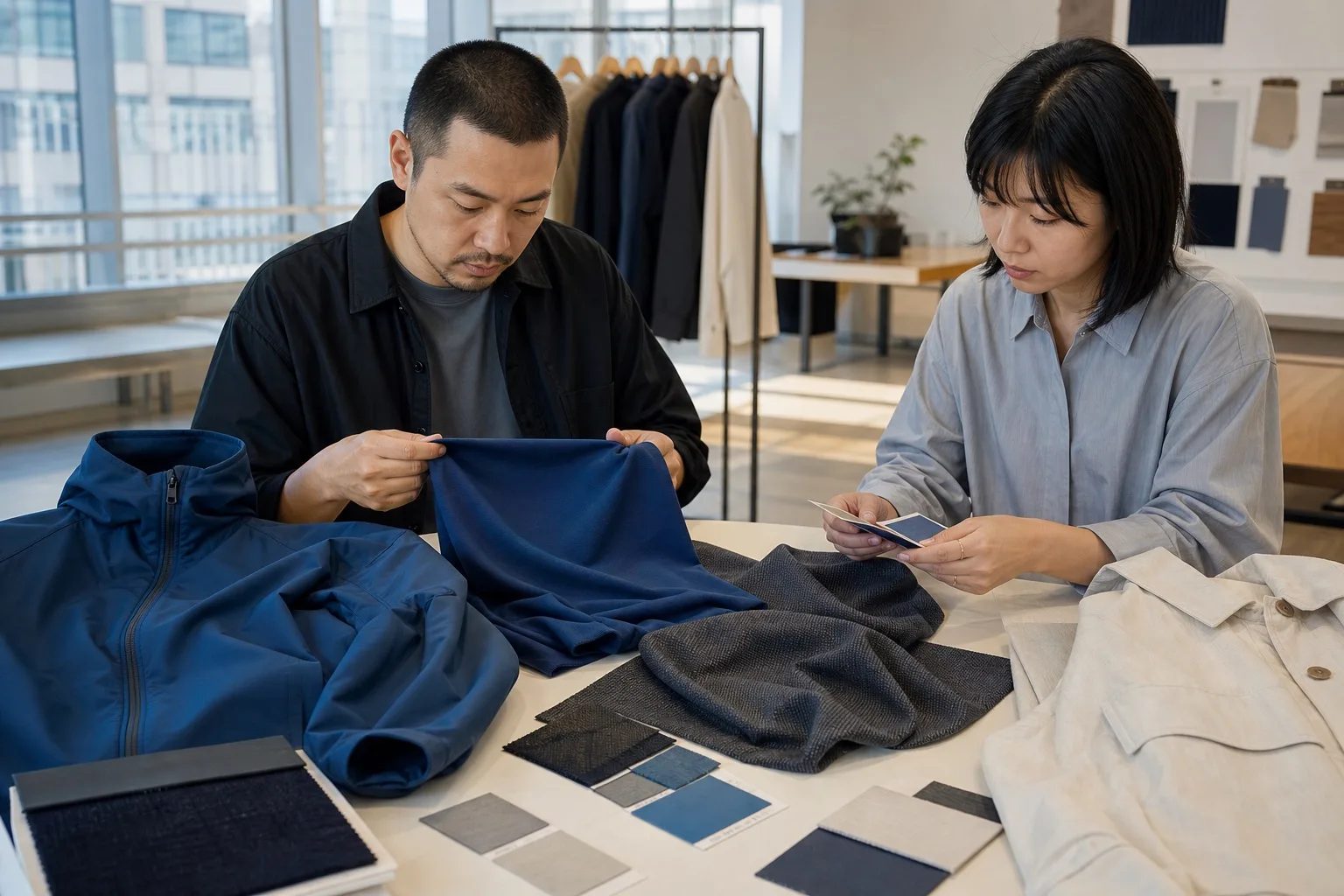
Ask the manufacturer to show comparable fabric headers and explain the trade-off in garment language. Rather than asking only for a GSM number, say what must happen on the body: hold a boxy shoulder, cover the torso in a pale colour, fall softly from an empire seam, return after stretch at the neck, stay comfortable at bedtime, or take embroidery without distortion. Yinshan Fashion’s development team can use that outcome to suggest practical fabric and pattern routes before a sample is approved.
What should buyers check about let fabric behaviour guide design and fit?
The same cotton composition can create a very different customer experience when pattern, construction and fabric interact. A fabric with soft drape may suit a gathered dress but need stabilisation at a neckline or placket. A compact jersey can make a top feel more premium and opaque, yet it may require a different pattern allowance or neck rib choice. A light woven can look refined in a loose blouse but may need an opacity, lining or pocket-placement decision. A stretch rib can sharpen a body-conscious silhouette but should be evaluated after wear and care, not only flat on a cutting table.
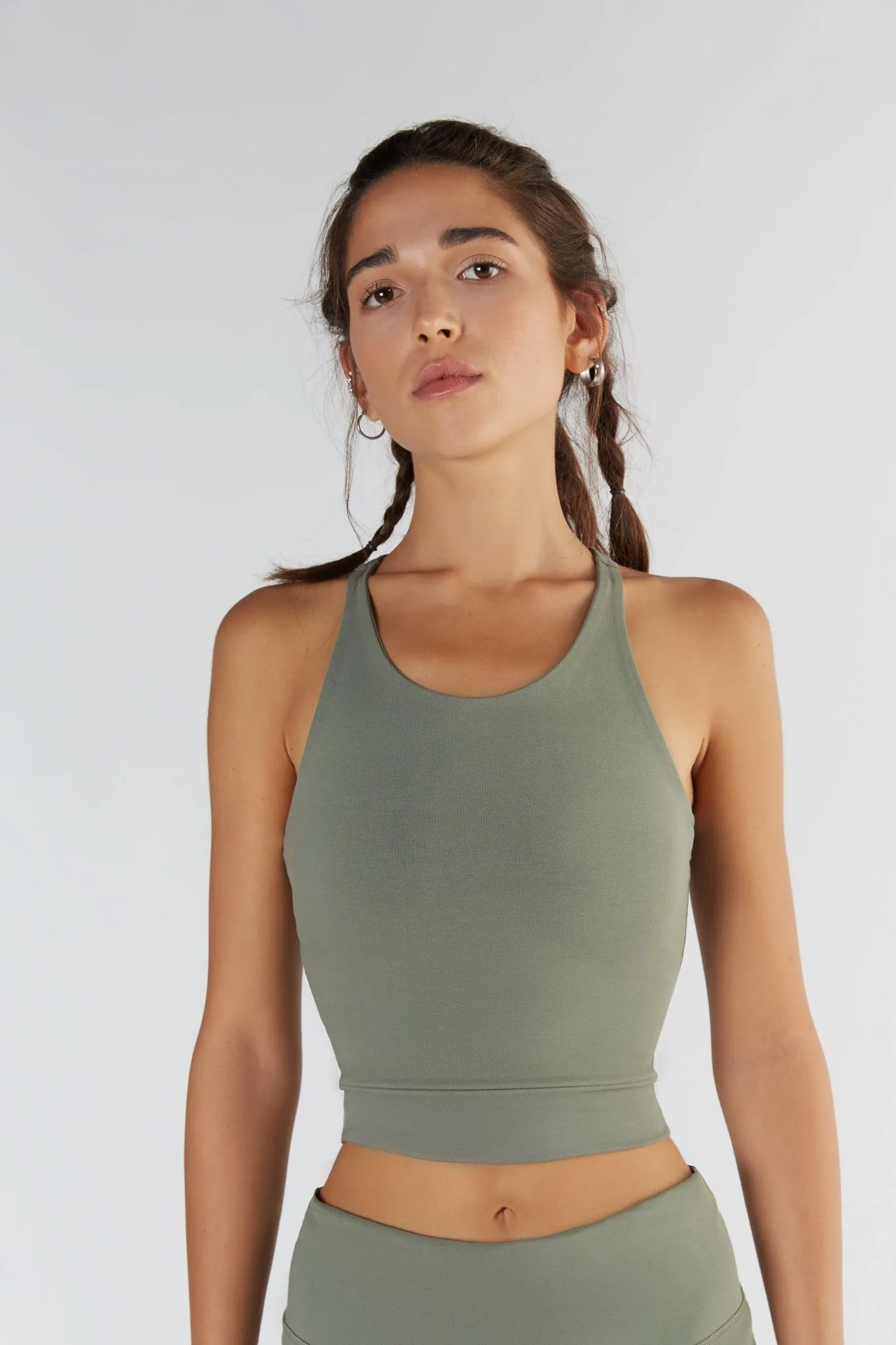
Design reviews should name the exposed areas: shoulder line, armhole, neck opening, bust, waist, hip, pocket, placket, cuff, hem and seam. Then decide which behaviour matters at each point. For an organic-cotton tank, the neckline return, armhole binding and body coverage may matter more than a very soft hand. For a cotton poplin dress, the waist seam, skirt volume, sleeve shape and wrinkle appearance may drive the choice. For sleepwear, a buyer may favour low-bulk seams, a gentle surface and comfortable ease over a sharply structured look.
This is where sampling becomes valuable. A reference image can suggest a colour or mood; it cannot confirm how a chosen cotton will sit after sewing, decoration and care. The first sample should have a stated objective: prove the silhouette, compare two fabric options, evaluate coverage, review a print hand, or check a proposed fit. When a point is still open, record it as open rather than calling the garment bulk-ready.
What should buyers check about treat colour, print and finish as part of the material decision?
Natural white, dark seasonal shades, garment washes, pigment-style effects, screen prints and embroidery can change how cotton feels and performs. A colour that looks correct on screen may need evaluation on the proposed base fabric. A dense print can stiffen a lightweight jersey; embroidery can influence drape and may require backing or stabilisation; a wash or softening process can change surface and dimensions. The relevant material and decoration should therefore appear together in the sample review.
For a buyer, the practical method is to specify the colour role and the acceptable trade-off. Is colour accuracy the highest priority? Is the desired effect washed, matte, vivid, dry or soft? Does the decoration sit on a fitted panel, over a seam, or across a large body area? Is the customer likely to notice a print hand or seam ridge? These questions let the factory and material supplier propose a route that is more useful than promising a visual effect from a small swatch.
Avoid assuming that “organic” means undyed, unprocessed or chemical-free. Those are separate and potentially regulated claims. If a brand needs to make a specific statement about a dye, finish or programme, it should identify the evidence required before material booking and seek the appropriate approval. The factory can keep the product records aligned; it should not be asked to infer a marketing conclusion from an incomplete file.
How should buyers build a buyer brief that a supplier, manufacturer and factory can use?
A strong cotton brief connects design language to bulk controls. Include the product category, reference images, intended wearer, target fit, material preference, construction preference if known, handfeel, weight or coverage expectation, stretch requirement, colour direction, decoration, care expectation, labels, packing, target market, estimated quantity by style and colour, and the decision owner. If organic content is required, state the exact material-document or retailer requirement early.
The role of a fashion supplier is often to help assemble suitable material options and coordinate the sourcing discussion. A manufacturer must translate the selected route into patterns, samples, construction, labels, packing and a production file. A factory produces the garments against the released instructions. Yinshan Fashion can coordinate these steps across appropriate production partners, with pattern and fit advice, material recommendations, sample reviews and quality-focused handover. Its networked production experience is useful when a collection needs different specialisms; the buyer still benefits from one coherent approval file rather than separate, conflicting versions.
This distinction matters when comparing quotations. One quote may include a basic fabric assumption while another incorporates a particular construction, lining, print, label, packing or sample route. Compare the product definition, not only the unit price. Ask what material reference is being quoted, which trims and packing assumptions are included, what must be approved before release, and which changes could affect cost direction or production planning. The fashion manufacturer quote guide offers a helpful framework for that conversation.
How should buyers use an approval gate before bulk production?
Before fabric is booked or bulk cutting begins, review three connected layers. First, the garment layer: fit, measurements, coverage, handfeel, construction, decoration, colour, care behaviour and comfort in the actual sample. Second, the material layer: supplied reference, composition, construction, available documentation route, colour approval and any agreed quality requirements. Third, the commercial layer: labels, packing, size ratios, quantities, destination, timeline and decision ownership.
If the buyer changes a fabric after fit approval, the sample may need another review because the change can affect drape, stretch, shrinkage, seams and labels. If the product switches from 100% cotton to a blend, the composition and market information may need an update. If a new colourway is added, colour and decoration should be reviewed on the chosen base—not borrowed from an unrelated sample. The production file should identify the approved sample version, fabric header, artwork and packing version so that a later reorder does not rely on memory.
For private-label production, check the neck label, size label, care label, hangtag, barcode, folding method, individual protection and carton mark alongside the garment. These are not final-stage decorations. They are part of the product information and delivery route. Yinshan Fashion can flag conflicts between the released fabric, sample and artwork before production; final customer-facing wording remains the buyer’s responsibility.
What should buyers check about make cotton choices useful for a fashion collection, not just a single style?
Material planning can make a small range more coherent. A women’s casual collection might use one cotton jersey family for a tank, tee and relaxed dress, with a compatible rib for necklines. A nightwear capsule may share one softer base across a shirt and shorts while varying colour or print. A woven shirt and dress may share a colour palette but require different weights or finishes to perform correctly. The goal is not to force every style into one fabric; it is to identify where shared materials, colours, labels and packing make sampling and repeat orders easier without compromising the product.
Ask whether a proposed organic-cotton route supports the intended collection architecture. Can samples compare two headers before the brand commits? Can a common label and care approach be used across styles? Is a fitted style better as a blend while a loose top stays 100% cotton? Which design elements need the premium material budget, and which can be simplified without losing the collection’s point of view? These are commercial design decisions, and a useful manufacturer should discuss them openly rather than agreeing blindly to every reference.
The broader fashion-industry effect is therefore practical: material choices encourage brands to develop more explicit product records, clearer claims and more deliberate sample approvals. That can improve communication between buyer, mill, supplier, manufacturer and factory. It does not mean one fibre route removes the need for quality control, fit development or market review. Better process is the lasting benefit.
How should buyers ask better questions when reviewing fabric options?
A productive supplier meeting starts with questions that expose a decision, not with a request for an unqualified “best” fabric. Ask to see the composition, construction, approximate weight and intended use of each proposed header. Ask whether it is knitted or woven, what gives it its surface, whether it contains stretch fibre, and which garment areas could be sensitive to its behaviour. Ask what has been observed on comparable samples, then confirm that your own product still needs an actual sample review. These questions do not ask the factory to promise an outcome it cannot verify; they create a useful short list.
For pale colours, ask the team to inspect coverage in the proposed body panels and around pocket bags or contrast seams. For close-fitting styles, ask how the fabric and binding behave at the neck, armhole, waist and hem after the agreed care route. For printed casual tops, ask to review the print hand on the chosen base instead of approving artwork only on screen. For a woven dress, ask whether the skirt, sleeve, collar and placket have the intended structure or need a lining, facing or construction adjustment. For nightwear, put skin feel, ease, seam bulk and wash comfort ahead of a generic softness claim.
This same review protects quotations and repeat orders. A buyer can see whether two suppliers are actually pricing the same composition, construction, colour, decoration, labels and packing route. A manufacturer can identify which material feature is non-negotiable and where a practical alternative is acceptable. On a repeat order, the team can compare the latest header with the stored approved reference and decide whether a new sample, colour review or label check is needed. This is how a material preference becomes dependable product development rather than a one-time marketing phrase.
How should buyers keep a repeat-order record?
For an approved cotton style, retain the material header, supplier reference, fibre composition, construction, colour standard, sample version, pattern and measurement approval, trim list, label files, packing instruction, quality comments and buyer decisions. At the next order, verify material availability and reconfirm anything that has changed: colour, fabric, fit, artwork, label wording, market, packing or quantity. This provides a controlled handover for a restock or new colourway rather than an imprecise instruction to remake “the same cotton top.”
The organic-cotton private-label guide goes deeper into the records and claims pathway, while the sustainable material options guide places cotton alongside other fabric conversations. For a custom collection, Yinshan Fashion can start with your reference style and turn the relevant fabric, fit, sampling and private-label questions into a practical production brief.
What should buyers check about buyer checklist: what to send before sampling?
Send the reference style or technical pack; product category and intended wearer; desired silhouette and key measurements; preferred cotton route; handfeel, weight, coverage and stretch expectations; colour and decoration direction; care expectation; labels and packing requirements; target market; quantities by style and colour; preferred launch window; and any organic-content or document requirement. Mark what is mandatory, what is preferred and what needs the factory’s recommendation.
Yinshan Fashion will use this information to discuss available material routes, fabric construction, pattern and fit, sample purpose, private-label components and practical production handover. The most effective first step is not a broad request for “better cotton”; it is a clear garment outcome and a documentable product brief.
Cotton material and fit planning
Turn a cotton preference into a bulk-ready garment brief
The most useful cotton decision joins fibre direction to a real fabric construction, the garment’s fit and comfort, the sample objective, labels, packing, and a record that can be repeated. It is not a generic claim added after development.
Describe the garment result
Name the category, silhouette, handfeel, coverage, stretch, colour, decoration and care outcome—not only a fibre preference.
Compare real fabric routes
Review organic, conventional, recycled or blended cotton through actual headers, construction, sample behaviour and available order records.
Release one controlled file
Link the approved fabric, sample, measurements, labels, packing and bulk instructions so future teams do not have to reconstruct the decision.
Cotton development handover checklist
Use this buyer-and-factory checklist before sampling or booking material. It does not replace a brand’s own legal, retailer, certification or market-compliance review.
| Decision area | What the buyer should prepare | What to ask the factory |
|---|---|---|
| Product outcome | Share the style, intended wearer, fit, key measurements, handfeel, coverage, stretch, colour, decoration and care route. | Which knit or woven construction best delivers that result in the actual garment? |
| Material direction | State whether organic cotton, conventional cotton, recycled cotton or a blend is required, preferred or open for advice. | Which fabric headers and available material records should be compared for this order? |
| Sample objective | Define what the sample must prove: silhouette, coverage, drape, recovery, print hand, wash behaviour, fit or construction. | What remains open before bulk fabric can be booked with confidence? |
| Private-label file | Provide the approved label, care, hangtag, barcode, packing and target-market requirements. | Do the released materials, sample, labels and packing instructions agree with each other? |
| Repeat-order control | Confirm quantities, colours, expected restock needs and the changes from the last approved version. | Which fabric, fit, colour, trim or packing details must be reconfirmed before a repeat? |
Continue the production conversation
Cotton routes: the buyer decision matrix
| Material route | What it describes | Questions to resolve before bulk |
|---|---|---|
| Organic cotton | A cotton route produced under an organic agricultural standard; claim use depends on the actual material and documentation route. | Which material reference, document route, product component and final claim wording are required for this order? |
| Conventional cotton | Cotton not presented through an organic route; suitable fabric options vary widely by yarn, construction and finish. | Does the actual fabric provide the required handfeel, coverage, colour, fit behaviour and commercial route? |
| Recycled cotton | Recovered cotton-containing material, often used in a specified composition or blend. | What composition, source record, surface, strength and garment result does this exact construction deliver? |
| Cotton blend | Cotton combined with another fibre to change stretch, drape, surface, recovery or other product behaviour. | How does the blend affect sample fit, care, decoration, labels and the product’s stated composition? |
Buyer FAQs
Is organic cotton better than conventional cotton for fashion clothing?
Neither route is automatically better for every garment. Organic cotton may suit a brand’s material direction and documentation needs, while conventional cotton may offer a practical available route. Choose from the actual fabric construction, garment behaviour, records and product brief—not from a broad label alone.
What is the difference between organic cotton and recycled cotton?
Organic cotton refers to a cotton agricultural and material route. Recycled cotton refers to recovered cotton-containing material. They have different composition, documentation and sampling questions, so a brand should not use the terms as if they mean the same thing.
Can organic cotton be used for dresses, tops and nightwear?
Yes, but construction drives the result. A jersey, rib, interlock, poplin or other fabric can behave very differently. Review the chosen fabric in the actual style for fit, coverage, drape, recovery, seams, decoration and care before bulk production.
Does organic cotton automatically make a garment certified or sustainable?
No. A finished-garment claim depends on the exact material, available documentation, product components and programme requirements. Organic content also does not automatically prove broad environmental, chemical, quality or social claims.
What should a buyer send to an organic cotton clothing manufacturer?
Send the style or technical pack, intended wearer, fit, fabric behaviour, colour, decoration, care, quantities, target market, labels, packing and any required material-document route. This allows the manufacturer to suggest a sample and production plan rather than guess from a generic material request.