Article
What should buyers know first?
Short answer: Separate cotton variety, origin, farming method and yarn processing, then build a fabric brief that a garment supplier can actually evaluate.
Cotton types for clothing describe different things: the fibre, its origin, how it was grown, or how it was processed. Pima, Supima, Egyptian, organic and combed cotton therefore cannot be placed on one simple quality ladder. Buyers should identify what each name establishes, check the supporting information, and compare the finished fabric against the garment’s required handfeel, coverage, care and appearance before approving production.
This guide is for fashion brands and buying teams developing custom collections. Yinshan Fashion works around custom and private-label bulk programmes, rather than an unrestricted ready-stock catalogue. A cotton name is a useful starting point for that discussion, but it is not a complete fabric specification or confirmation that a particular branded or certified material is available for an order.
How should buyers separate identity from performance in cotton types for clothing?
Start by reading a fabric description in layers. The first layer is composition: what fibres are present, and in what proportions? The next is any more specific identity or origin claim. Another layer concerns the yarn and how the cloth is made. Finally, there is the condition in which the fabric will be supplied, including colour and finishing. Each layer answers a different question.
An offer described as organic combed cotton jersey is not a list of competing cotton types. Organic concerns the material’s farming-related status, combed describes a preparation step, and jersey identifies a knitted construction. A buyer can require all three. None of those words, alone or together, gives the finished weight, usable width, shade, stretch behaviour or approved care outcome.
Build the description in that order when reviewing fabric and trim development options. It becomes easier to recognise an incomplete quotation. If the supplier answers a question about growing origin with a statement about softness, the original question remains open. Equally, a document supporting organic content does not tell the pattern team whether the fabric will hold the intended sleeve shape.
For a collection, make two separate decisions. Decide which material attributes are essential to the product story, then decide which physical results are essential to the garment. A brand may need a documented organic route and a compact jersey with good coverage. Another may prioritise a particular cotton origin, but still need to compare several woven constructions before selecting a blouse fabric.
Keep those priorities visible in the brief. Do not let an attractive trade name quietly replace a functional requirement. If a proposed alternative changes the declared identity, ask the brand to approve that change separately from the sample’s appearance. This keeps a sourcing substitution from becoming an unexpected change to the retail product description.
What distinguishes Pima and Supima beyond a “premium cotton” description?
Pima is closely associated with extra-long-staple cotton, but a supplier’s use of the word is not enough to establish the contents of a particular fabric. Supima® is more specific: the organisation identifies it as a trademark for American-grown extra-long-staple cotton and requires products bearing the mark to come through a licensed supply chain. That distinction is set out in Supima’s official FAQ.
The useful buying question is therefore not simply whether Pima or Supima is better. Ask what the actual offer contains and what evidence supports its description. Keep the growing-origin question separate from where the yarn was spun, the fabric was knitted or woven, and the garment was assembled. Those stages need not take place in the same country.
A branded-material requirement should be disclosed before sample sourcing. If the brand intends to use Supima wording or a logo, tell the supplier at the beginning, rather than adding it to the hangtag after a fabric has been selected. Request the applicable sourcing and permission checks for that exact route. Do not assume that a material described only as Pima automatically supports the same branding.
Then return to the garment. A smooth sample may still be too light for a pale fitted top. A fabric selected for softness may not provide the body expected in a structured sleeve. Compare the candidate against the design brief, not against a general expectation that a premium cotton name will solve every development issue.
For a buying team reviewing several offers, add separate columns for the cotton description, verified information and unresolved questions. Keep a quotation under review when the identity is unclear, even if its handle is attractive. Conversely, a well-documented fibre route should still pass the normal fabric and garment checks. Material evidence and sample suitability are two different approvals, and neither replaces the other.
What do Egyptian cotton, Giza and “Nile cotton” mean in an offer?
Egyptian cotton identifies a growing origin, while a Giza designation identifies a particular variety. The Egyptian Cotton Association’s published industry data distinguishes multiple varieties and material categories. It does not present every Egyptian cotton as one interchangeable specification. Its cotton industry figures are a useful reference for understanding why buyers should request more than a country name.
When a supplier proposes Egyptian cotton, ask whether the term refers to the cotton fibre in the offered cloth or merely to a commercial fabric description. Request the complete composition and the available support for the origin statement. If a Giza number is part of the offer, retain the exact designation rather than shortening it to “Giza cotton” in the purchasing record.
Treat Nile cotton as wording that needs clarification. The name alone is insufficient to establish a specific variety or quality grade. Ask the supplier what it means in that quotation: a geographic description, a brand name, a fabric collection name or an identified cotton variety. There is no need to accuse the supplier of using the term incorrectly; ask for a definition that can be carried into the order.
This matters when two offers appear similar. One supplier might provide a named variety with supporting information, while another provides only a descriptive name. They are not yet comparable offers, even if both sample cards look convincing. Resolve the information gap before presenting them internally as equivalent options or making a cost comparison based on the cotton name.
Keep the garment application in view as well. A fabric proposed for a blouse collection needs review for coverage, gathering, seam appearance and the intended collar or neckline. Do not import a bedding sales argument about thread count into a blouse specification. The buying team needs evidence that the selected cloth supports this silhouette, colour and care route, not a universal claim about luxury.
What does organic cotton tell buyers about the material?
Organic cotton concerns how the crop was produced and how the relevant material claim is verified through the supply route. It is not a synonym for long-staple cotton. Origin and organic status can describe the same material at the same time, but each statement needs its own support. An organic description does not establish a Pima identity, and an Egyptian origin does not establish organic status.
The Organic Content Standard addresses verification of organic material and chain of custody. GOTS also covers textile processing requirements, including environmental and social criteria. Buyers should identify the scheme and scope required for their order instead of treating every certificate as evidence for the same claims.
Make the requirement specific before comparing materials. Is organic cotton a preferred sourcing direction, or must the finished product follow a particular documented route? Which component is covered: the main fabric, a lining, or the entire product? Who will review the proposed wording and the documents? These questions affect the sourcing task and should not be left for the label designer to resolve.
Physical approval remains necessary. A buyer developing a softly gathered blouse still needs to check how the material gathers, whether seams become bulky and how pale shades cover the body. A lounge top needs review at its neckband, cuffs and other recovery points. There is no basis for accepting an unsuitable sample just because its organic documentation meets the project requirement.
The detailed organic cotton versus conventional cotton guide addresses that development comparison. For this broader cotton overview, the main decision is to keep the farming-related claim separate from garment performance. Write both into the brief, and evaluate each on its own evidence. That is more useful than asking a supplier for the “most sustainable and softest cotton” without defining either part of the request.
Why is fibre length only one part of the quality specification?
Long-staple and extra-long-staple descriptions concern fibre length. Length can affect yarn strength, evenness and spinning performance, but cotton evaluation includes other properties. USDA cotton classing also measures length uniformity, strength and micronaire, among other factors. Micronaire reflects a combination of fineness and maturity; it should not be treated as a simple scale on which lower always means better.
A garment buyer does not necessarily need a raw-cotton laboratory report for every sourcing discussion. The practical question is whether the supplier can connect the requested material description with the yarn and fabric being proposed. Where a specific fibre specification is commercially important, ask the relevant mill what records are available and how they relate to the material reference under review.
Do not confuse fibre length with yarn count, or yarn count with fabric weight. They describe different parts of the product. A quotation that supplies only a fine yarn count has not answered every question about the cotton fibre. A heavy fabric is not automatically made from longer fibres. A lighter cloth is not automatically less suitable for the intended style.
When comparing an upgrade, agree on what should improve. The brand may want a cleaner surface, a different handle or a more refined appearance in a lightweight garment. Request comparable candidates and inspect the relevant result. If the samples also differ in construction, colour or finish, identify those differences before attributing everything to the cotton type.
Avoid purchasing rules such as “extra-long-staple means no pilling” or “long-staple cotton will not shrink.” Those claims skip the yarn, fabric and finishing decisions that follow fibre selection. CottonWorks’ fibre-quality guidance explains the importance of multiple fibre properties. A sensible development programme combines appropriate material information with a finished-fabric and garment evaluation agreed for the actual order.
Can cotton yarn be both combed and ring-spun?
Combed cotton and ring-spun cotton are not competing plant varieties. Combing is a fibre-preparation process, while ring spinning is a method of producing yarn. A yarn can be both combed and ring-spun. CottonWorks’ Textile Yarns technical guide describes combed ring-spun production and explains that combed yarn qualities can differ depending on the incoming fibre and the combing carried out.
For a buyer, this means “combed ring-spun cotton” is useful information but still only part of a fabric offer. Ask for the rest of the specification, including composition, yarn details where relevant, knit or weave construction, finished weight and intended finish. Do not accept a quotation as complete because it contains several technical-sounding terms.
The distinction helps when sample feedback is vague. If one jersey looks less clean than another, ask the supplier which material and process variables differ. A request to change to “better cotton” may lead to a different fibre route without addressing the surface result that prompted the comment. Share clear photographs and retain physical references, then identify the change being proposed.
The same principle applies to terms describing finishing. Mercerised, brushed, washed and softened are not substitutes for the cotton’s origin or farming-related identity. If a finish is central to the look, record it alongside the cotton and yarn description. Review the fabric in the state in which the garment will actually be made and used, rather than approving an unfinished reference and assuming the result will be identical.
A practical purchase description therefore contains both material identity and processing information. Keep them in separate fields so a revised offer reveals what has changed. This is particularly helpful when the development team approves the look but the sourcing team later needs an alternative mill or a new colour. An organised specification gives them something concrete to match.
How should the garment’s shape and use guide fabric selection?
Start a material comparison with a sketch or reference garment. A fitted cotton top, a gathered summer dress and a crisp shirt do not ask the same thing of a fabric. Define the desired result before deciding whether the cotton name is an essential requirement, a preference or simply one option worth investigating.
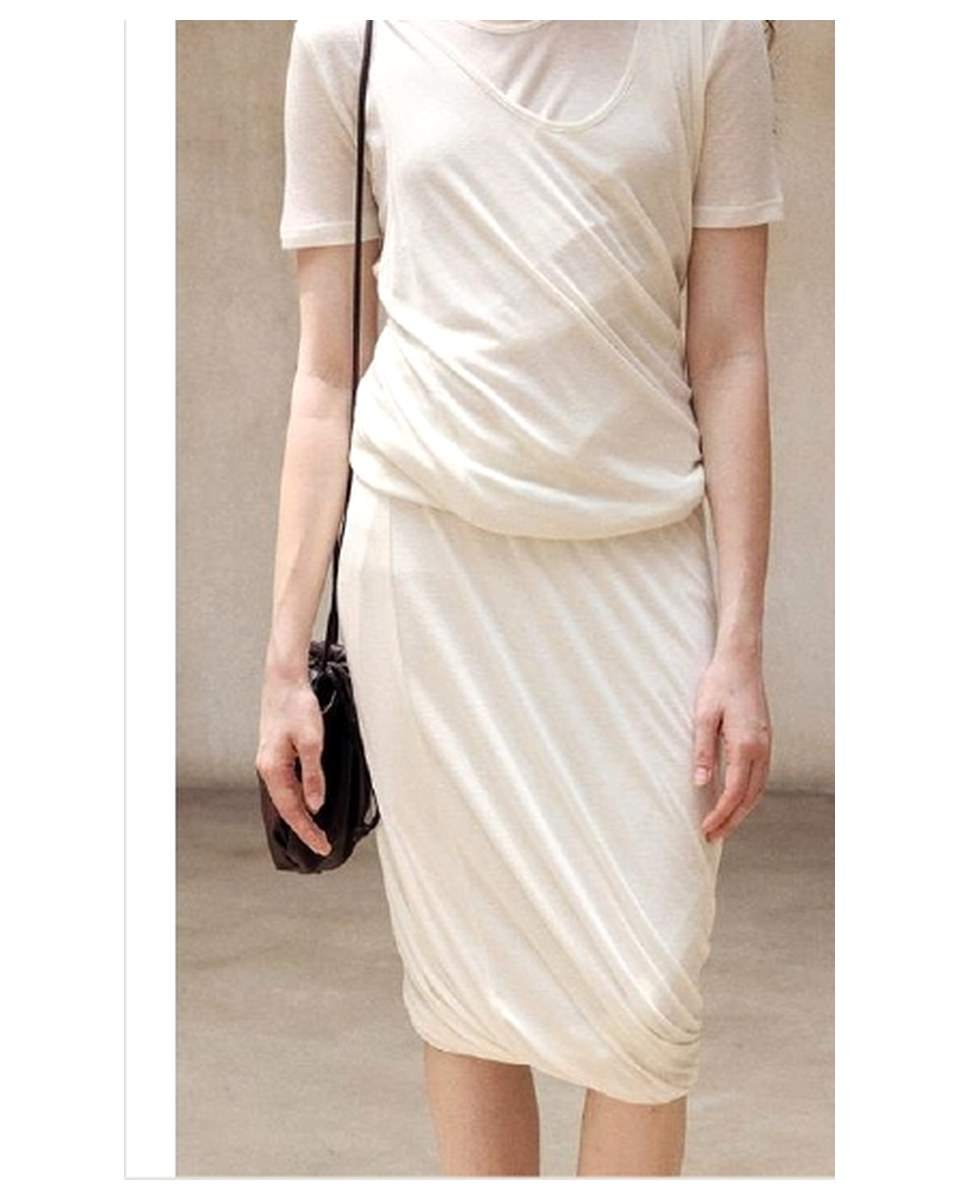
For a blouse, review the parts that make its character visible. Does a puff sleeve retain the intended volume? Do gathers look delicate or bulky? Does the front opening lie as expected? Is a light colour sufficiently opaque when the wearer moves? A small flat swatch cannot answer all of those questions, so carry shortlisted fabrics into the relevant sample construction.
For dress development, compare the fabric at a useful scale. Hold or drape a larger piece to assess how it falls, then consider where layers, pockets, facings and seams will sit. If a lining is required, evaluate the combination rather than treating the outer fabric’s feel as the final wearer experience. Ask whether the chosen material supports the intended silhouette after the planned care route.
In loungewear development, the buying conversation may put more emphasis on skin feel, seam comfort, surface change and shape at frequently stretched areas. Identify these priorities rather than using “soft cotton” as the only instruction. A fabric that feels appealing on the first inspection may still need a different construction or trim combination to work in a waistband, cuff or neckline.
Across a collection, do not force every style into the same fabric merely to repeat a cotton claim. Equally, do not create unnecessary material variation when related styles can use a shared base successfully. Compare the design benefit of each choice with the extra sampling, colour approval and material management it creates. The decision belongs to the collection brief, not to a generic ranking of cotton names.
How can buyers make sample-fabric comparisons useful?
A useful comparison begins with a record of what is different. Give each candidate a reference code and note the composition, cotton description, construction, colour and finished state. Keep the supplier’s original sample header. If one option has a different weight or finish, make that visible before colleagues compare the samples and choose a favourite.
Avoid explaining every difference as a fibre effect. If one sample is a dark, compact knit and another is a pale, lightweight woven, their appearance does not establish which cotton identity is superior. Ask for closer comparisons where available, or record the limitations of the comparison. This avoids turning an initial impression into an unsupported claim for the finished product.
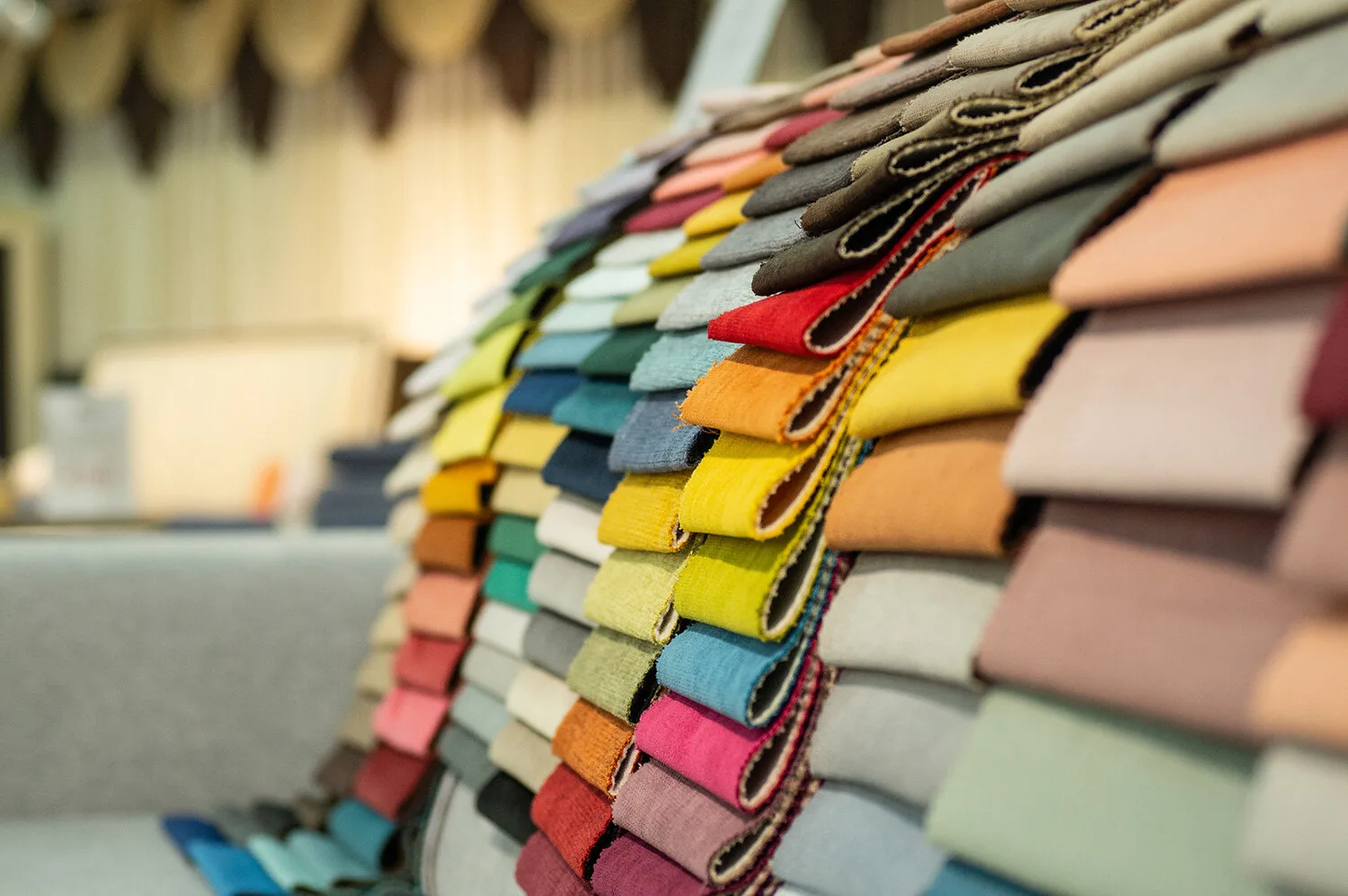
Assess the material in the intended garment context. Place a pale blouse fabric over a representative background to review coverage, inspect a sewn seam where puckering would be noticeable, and examine a decorated sample if print or embroidery is part of the design. Use these as development observations, not as substitutes for a specified laboratory test or an origin-verification document.
If wash evaluation is required, agree on the method, preparation, measurement points and assessment criteria before making comparisons. Keep an unwashed reference and identify each evaluated sample. Record what was done and what changed. A note reading “washed well” is much harder to act on than a record linked to a sample version, a care procedure and the particular dimensions or appearance points reviewed.
Separate preferences from acceptance requirements in the sample comments. “Prefer a drier handle” invites another material comparison. “Body fabric must meet the agreed dimensional-change requirement” describes an acceptance condition that needs an agreed evaluation route. The distinction helps the supplier respond appropriately and prevents a preference discussion from being mistaken for a completed quality approval.
How should buyers compare commercial offers beyond the cotton name?
Two cotton quotations can differ for reasons beyond fibre identity. The order may involve a different fabric construction, colour route, usable width, finish, documentation requirement or quantity arrangement. Ask suppliers to identify the quoted basis so the buying team can compare equivalent programmes rather than only the price attached to a familiar material name.
Keep the quotation tied to the material reference used for development. A lower-priced option may be useful, but if it changes the agreed composition, branded claim or garment result, it is a new proposal requiring review. Mark which changes are acceptable and which are not. This allows a supplier to suggest realistic alternatives without guessing what the brand considers essential.
Think about colour and style allocation before committing to a fabric story. Several related garments may share a base material while using different trims or silhouettes. Conversely, a single collection may genuinely need different cloths for a structured shirt and a fluid dress. Ask how the proposed assortment affects material sourcing and sampling, rather than assuming one premium cotton label creates a simple production plan.
Include the repeat-order question early. If the brand expects to repeat a style, ask how the selected material reference and supporting documents can be retained and rechecked. Do not treat a first-order sample as a guarantee of future availability. Record any proposed substitution as a change requiring material and garment approval, especially when an origin or certification claim is part of the retail description.
There is no universal cotton-type surcharge, minimum quantity or lead time that can be responsibly applied to every programme. Request an order-specific quotation after the material, colour, quantity and documentation requirements are clear. A sourcing conversation becomes more productive when the factory can see both the desired garment result and the requirements that the buyer is not willing to change.
How should a cotton claim be matched to the material and order?
Treat a cotton claim as a question with a defined scope. Does it concern the main body fabric, a stated fibre percentage or every textile component? A garment may include a different neck rib, pocket bag, lining or trim. Review those components before turning a statement about one fabric into wording that appears to describe the whole product.
Keep a small evidence register with the style file. Record the claim being considered, the material reference, the document requested, the document received and the person responsible for approving the wording. Include dates and any unresolved questions. A document stored somewhere in an inbox is less useful than a record that shows which fabric and order it supports.
Read documents for what they actually establish. A company-level certificate, a product specification and shipment-related documentation serve different purposes. Ask the relevant supplier or scheme to clarify a mismatch. Do not infer that every material offered by a business has the same status, or that a document for an earlier order automatically covers a changed fabric or supply route.
The same care applies to photographs and samples. A picture can show a fabric’s visible surface or the construction of a garment; it cannot by itself establish organic status, growing origin or branded-fibre eligibility. Use images to document the development discussion, and use the appropriate records to support the identity claim. Keep captions modest enough that they do not promise more than the image demonstrates.
The existing organic cotton private-label guide develops the documentation and label workflow in more detail. Across cotton types, the working rule is straightforward: approve consumer-facing wording only after its factual basis has been checked for the product and order concerned. Destination-market and retailer requirements should be reviewed by the buyer’s responsible team, with specialist advice where needed.
How can a cotton preference become a usable development brief?
A strong brief starts with the product, not with a string of material adjectives. Describe the garment category, silhouette, wearer experience and selling context. Add reference images or a tech pack, indicate the important construction details, and explain what the fabric needs to do. This gives a supplier a reason for the cotton preference and a basis for proposing suitable options.
Next, distinguish fixed requirements from points open to discussion. A specific cotton identity, organic-content route or branded claim may be mandatory. Alternatively, the brand may be open to different materials if the desired appearance and performance can be achieved. State that difference explicitly. It prevents the sourcing team from spending time on attractive options that cannot meet the actual brief.
Include measurable or reviewable fabric information wherever it is available. Record composition, knitted or woven construction, preferred weight and usable width, colour direction, handfeel reference, coverage expectations and care requirements. If a number has not been decided, label it as open for development rather than inventing a target. The first sampling conversation can then resolve the missing specification deliberately.
Bring the commercial and presentation inputs into the same discussion. Quantity by style and colour, size range, target market, planned arrival window, decoration, labels and packaging all help define the programme. Identify the approvals that must happen before material booking and cutting. Leave room for another sample when a material change affects the garment result.
For manufacturing preparation, hand over one approved material reference alongside the sample version, the relevant evidence and the final instructions. Yinshan Fashion can review a specific garment brief through its fabric, sampling and production discussion. Availability of a named cotton, any certification route, commercial terms and final performance remain subject to the actual supplier information and project approval. The purpose of understanding cotton names is to make those decisions clearer before bulk work begins.
What should buyers send for a cotton garment development discussion?
Send a tech pack or reference style, product category, preferred cotton identity and composition, knit or weave direction, handfeel and weight reference, colours, care expectations, quantity by style and colour, size range, target market and arrival window. Include print or embroidery, labels, hangtags, barcodes and packaging requirements. List any required source or certification documents, explain which claims are mandatory, and identify the points open to material advice. Yinshan Fashion can use that information to discuss the available development route; a named cotton or certification requirement remains subject to verification for the actual project.
Cotton sourcing checklist
Three practical actions before choosing a cotton fabric
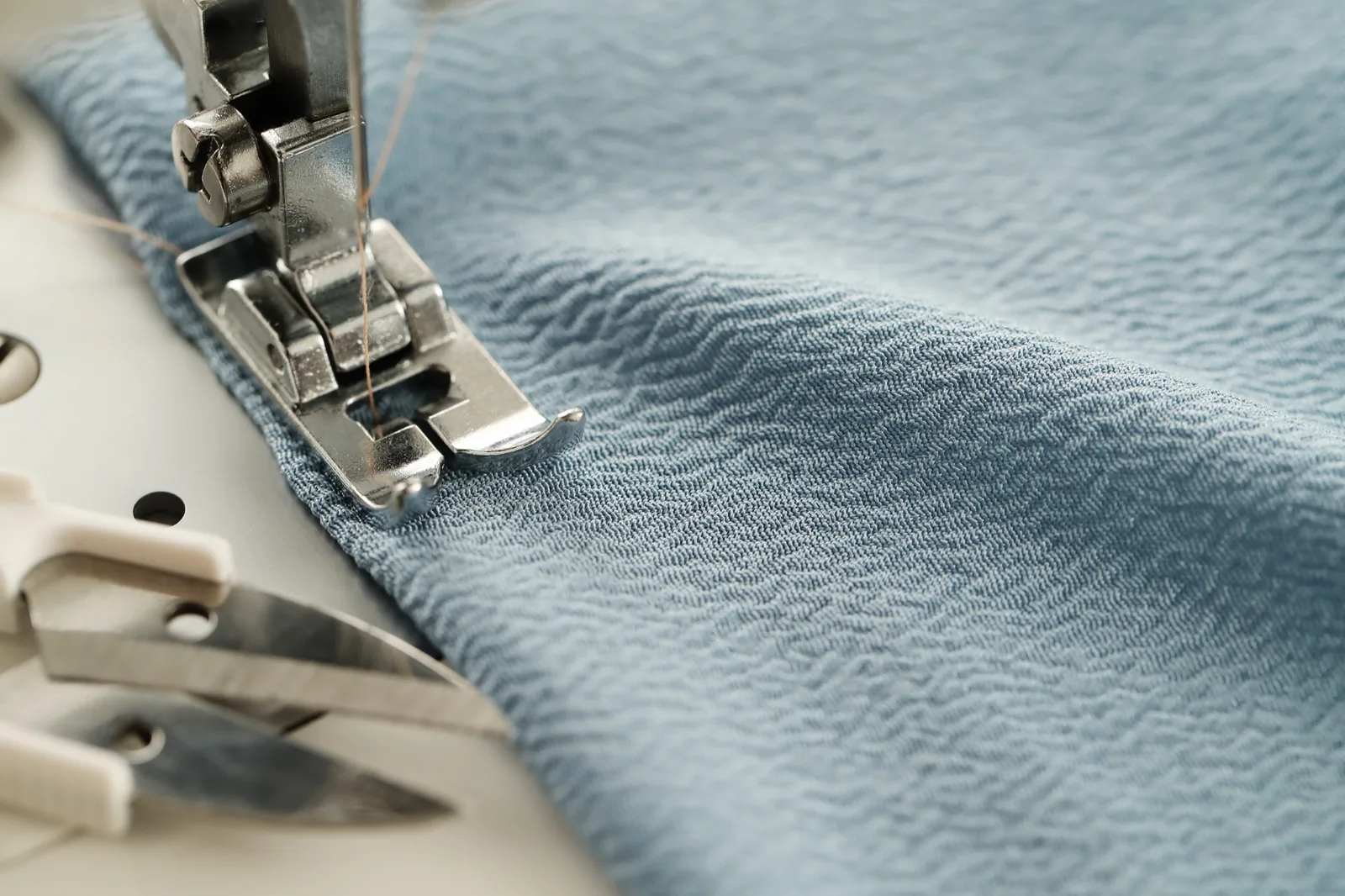
Use these actions to connect the material description with the actual offer, sample and order. Photographs illustrate material review and garment development only; they do not identify a named cotton, document certification or establish a Supima-authorised programme.
Identify the claim
Write the exact requirement: fibre identity, growing origin, organic content, licensed brand, or a combination. Keep unverified descriptions out of approved product copy.
Compare the garment result
Choose comparable fabric candidates, record the variables that differ, and evaluate them in the intended colour, construction and care route.
Release one consistent material file
Connect the approved reference, sample, documents, label wording and order instructions. Reopen the review when a proposed change affects any of them.
Buyer and factory confirmation checklist
Confirm the requirements against the specific material, component scope and order before releasing the garment.
| Decision area | What the buyer should prepare | What to ask the factory |
|---|---|---|
| Product use | Category, silhouette, reference style and expected wearer experience | Which material candidates can be reviewed for that garment |
| Cotton identity | Exact cotton, origin or branded-material requirement | Available identity information and any unresolved sourcing questions |
| Organic route | Required scheme, component scope and intended wording | The available documentation route for the specified material and order |
| Fabric specification | Composition, construction, colour, handle and weight direction | Actual candidate references, specifications and finishing state |
| Sample evaluation | Required fit, coverage, care and performance checks | Sample version, agreed evaluation method and remaining issues |
| Label and trim scope | Approved wording and complete component list | Consistency between materials, trims, labels and production instructions |
| Order and repeat | Quantities, sizes, market, arrival window and repeat expectations | Order-specific feasibility, quotation basis and change-control requirements |
Continue the production conversation
Cotton descriptions: what buyers should verify
| Description on a fabric offer | What it primarily describes | What still needs checking |
|---|---|---|
| Pima cotton | A cotton description associated with extra-long-staple material | Actual fibre identity, growing origin, composition and supporting records |
| Supima® cotton | A trademark for American-grown extra-long-staple cotton | Licensed sourcing route and permission for the intended branded claim |
| Egyptian cotton | Growing origin | Variety, fibre specifications, content and evidence supporting the origin claim |
| Giza followed by a number | A named Egyptian cotton variety | Exact designation, current material reference and relevant specifications |
| Nile cotton | Wording requiring clarification in the supplier’s offer | Whether it identifies an origin, variety, brand or commercial fabric name |
| Organic cotton | A farming-related material claim | Applicable certification, organic content and the documented supply route |
| Long-staple or extra-long-staple | Fibre length classification | Actual measurements, other fibre properties, yarn and finished-fabric performance |
| Combed or ring-spun | Fibre preparation or yarn production | Complete yarn specification, fabric construction and finishing |
Buyer FAQs
How should buyers compare cotton types for clothing?
Separate fibre identity, growing origin, farming-related status and processing. Then compare suitable fabric candidates against the same garment brief. Confirm the material claim and the garment result independently before approving bulk production.
Is Pima cotton the same as Supima cotton?
No. Supima® is a trademark for American-grown extra-long-staple cotton with a licensed sourcing requirement. A Pima description alone does not establish eligibility to use that trademark. Check the actual material and proposed claim with the supplier and the relevant brand programme.
Is Nile cotton automatically the same as Egyptian or Giza cotton?
Do not assume that from the name alone. Ask what Nile cotton means in the particular offer and request the exact origin, variety where claimed, composition and supporting records. A commercial name is not a complete material specification.
Can cotton be both Egyptian and organic?
Yes, origin and organic status describe different attributes. A specific offer needs evidence for both statements. An Egyptian-origin description is not proof of organic status, and organic documentation does not by itself establish the claimed growing country.
Does extra-long-staple cotton guarantee that a garment will not pill or shrink?
No. Fibre selection is only one part of the product. Yarn, fabric construction, finishing, garment design and care also need review. Agree on the required evaluation for the finished material and garment instead of treating the fibre name as a performance guarantee.
Are combed cotton and ring-spun cotton alternatives?
Not necessarily. They refer to different stages, and a yarn can be both combed and ring-spun. Request the complete fabric specification and evaluate the finished sample rather than choosing between those words as if they described mutually exclusive cotton species.