Article
What should buyers know first?
Short answer: A practical buyer brief for brands developing girls’ tops, covering age and size scope, comfort, fabric, fit, decoration, safety review, private label, sampling and repeat production.
When a brand searches for a girls tops manufacturer, the first request is often simple: “Please make this top and send a sample.” The better starting point is a short, complete product brief. Girls’ tops are worn by active customers, bought by adults, and reviewed against age, comfort, movement, appearance, care, market and price expectations. A sample that looks attractive on a hanger can still be wrong if the armhole restricts movement, the fabric feels harsh, the neckline shifts, the decoration is poorly positioned, or the size logic does not match the target customer.
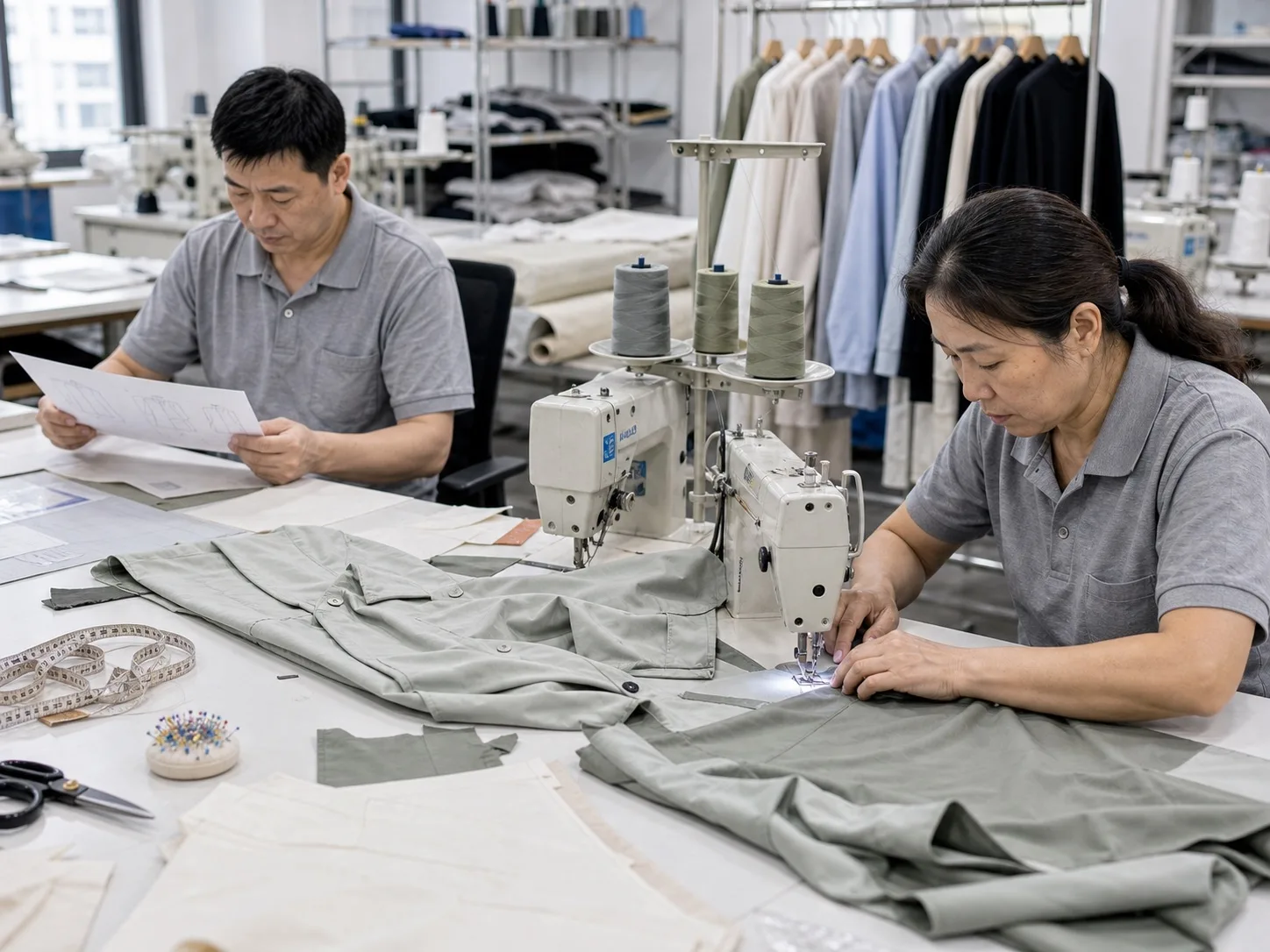
Yinshan Fashion works with brands and small-batch private-label programmes on ladies’ and girls’ tops, dresses, skirts, shirts and blouses, sleepwear, clubwear and active fashion. Our role can include custom design discussion, fabric and fit recommendations, pattern and sample coordination, private-label details, and production routing through experienced partner factories. We do not treat a sample as an isolated sewing exercise. We use it to answer the product questions that matter before a buyer commits to bulk.
This guide explains what to define before contacting a girls’ top manufacturer. It is written for brand owners, buyers, designers, sourcing teams and retailers who need a practical route from an image or idea to a sample that can be evaluated and, if approved, translated into a controlled production record.
How should buyers start with the customer, age band and sales context?
“Girls’ top” is a category label, not a complete specification. A top for a younger child has different proportion, opening, comfort and styling questions from a top for an older girl who wears the same size range as a junior customer. Define the intended age or customer band, but also define the actual size system and target market. A brand may sell by age, height, numeric size, alpha size, or a regional chart. The manufacturer needs to know which chart controls the sample and which measurements are important for grading.
Describe the product’s role in the collection. Is it an everyday knit tee, a woven blouse, a school-inspired shirt, a holiday top, a layered fashion piece, a party style, a pajama top, or an active top? Is it intended for a core range, a seasonal drop, a small capsule, or a test launch? A simple cotton jersey top may need reliable comfort and wash behaviour. A woven girls’ blouse may be defined by collar shape, sleeve volume, gathering, embroidery or a special print. A top for movement may need stretch direction and recovery to be considered with the pattern rather than after it.
State the selling channel and use environment. A boutique collection, online private label, department-store programme and social-commerce test can have different image, packing and replenishment needs. This does not fix every design decision, but it lets a girls’ top manufacturer understand which risks are commercial and which are primarily technical.
What should buyers check about turn the reference image into an actionable brief?
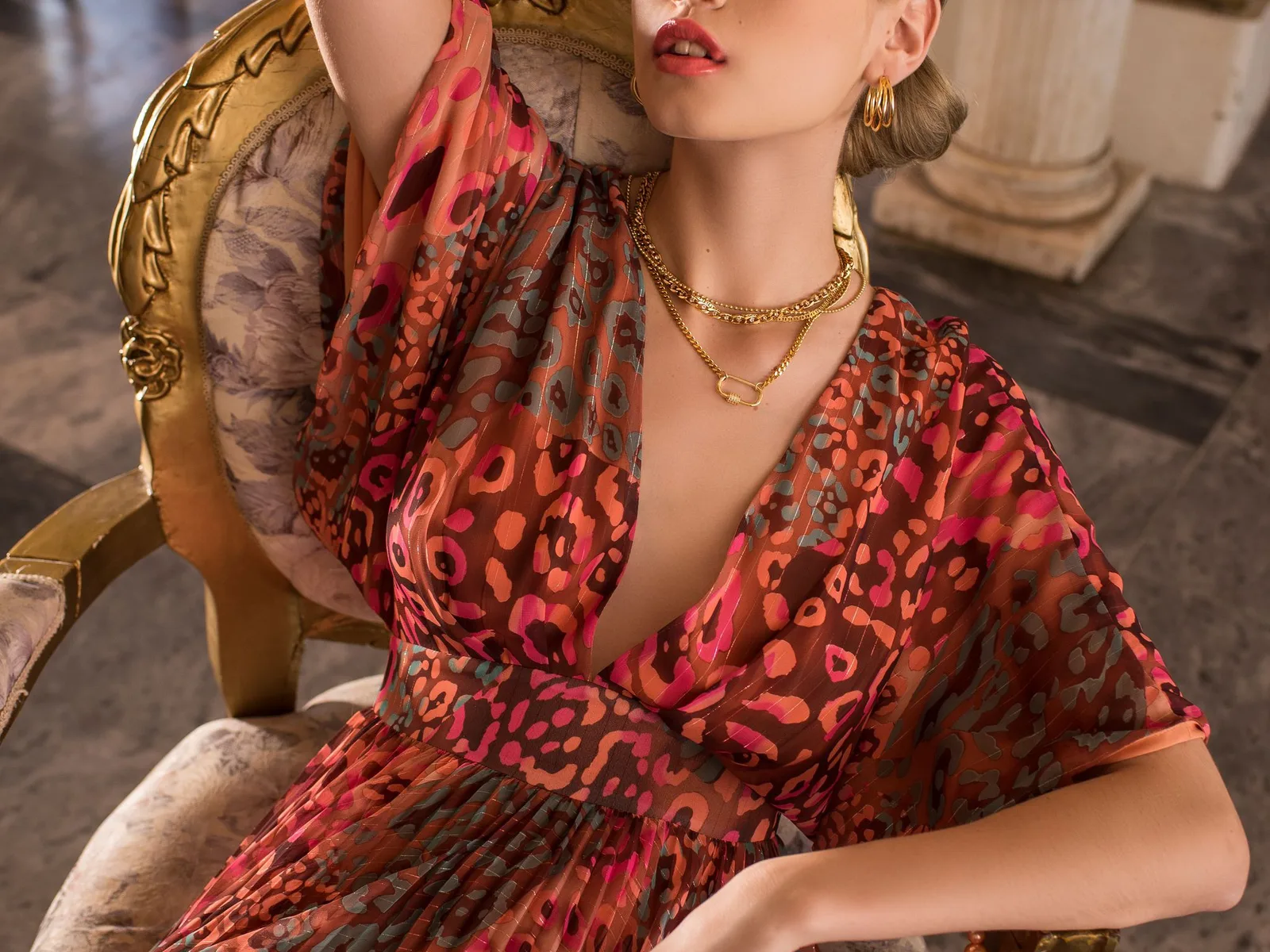
A reference image communicates mood, proportion, colour and styling. It rarely communicates the fibre composition, fabric weight, stretch, opacity, seam construction, finishing, label route or tolerance. Send the image, but annotate what it is meant to show. Mark the neckline, shoulder line, sleeve length, body width, hem shape, opening, pocket, panel, ruffle, gathering, print scale, embroidery position or decoration that should influence the first sample.
Separate “must keep” from “open for advice.” A brand may require the same puff sleeve and neckline but be open to a different fabric construction. Another brand may be fixed on a soft handfeel and target retail price but open to pattern changes that preserve the look. This distinction helps the manufacturer propose a sample that tests the right variable instead of silently changing the style.
If you have a sketch, tech pack, retained garment, measurement chart or previous sample, identify its status and date. A retained garment can show proportion, but it is not automatically the production specification. Record which measurements are reference points, which are new, and which require confirmation on the target wearer or mannequin. Link the reference to a style code so later comments do not get mixed with another colour or size.
How should buyers define fabric by behaviour, not only by fibre name?
Fibre labels are useful but incomplete. “Cotton,” “polyester,” “viscose,” “recycled fibre,” or “blend” does not tell the factory whether a girls’ top will be crisp, fluid, stretchy, opaque, warm, lightweight, brushed, textured or easy to care for. Give the intended handfeel, drape, weight direction, stretch and recovery expectation, surface, opacity, colour, print route and care context. If the programme has a preferred composition, state it as a direction to verify against the sample and available fabric evidence.
Comfort should be considered at the garment level. A soft fabric can still feel uncomfortable if the neckline is tight, the seam is bulky, the label is abrasive, or the armhole binds during movement. A lightweight fabric can need lining or a different construction to manage coverage. A structured fabric can make a ruffle stand correctly but may need more ease. Ask for a swatch or header and then review the fabric on the actual pattern, not only in a small square.
Yinshan Fashion can discuss fabric options and practical fit implications with the buyer before sampling. For example, a stretch jersey, a cotton poplin, a viscose-blend woven, a brushed knit and a lightweight performance material will each change the pattern and finishing conversation. Our fabrics and trims service helps connect material, colour, trims, labels and packing to the style rather than treating fabric as an afterthought.
How should buyers build the fit block before discussing decoration?
Decoration cannot rescue an unsuitable fit. Define the base measurements and fit priorities first: chest and body ease, shoulder width, across-back movement, armhole depth, sleeve opening, body length, hem width, neckline depth, opening length and the position of any waist or seam. Explain whether the top should be fitted, regular, relaxed, boxy, cropped, longline or layered over another garment.
For girls’ products, movement deserves a direct question. Can the wearer raise both arms, sit, reach, turn and play without the garment pulling across the chest or back? Does the sleeve twist? Does the neckline remain where it should? Does a cropped hem stay balanced? The right answer depends on the intended style and age band, but it should be discussed before approval.
Use a measurement chart that names the sample size, body reference, finished-garment measurements, tolerances, grading direction and measurement method. If a buyer uses age labels, also show the height or body reference behind them. A manufacturer can advise on pattern and ease, but the buyer should confirm which chart represents the brand’s customer and market.
The fashion product brief before sampling guide can help organise the reference, measurement, material and sample-purpose information before the first request is sent.
How should buyers plan openings, trims and decoration with the wearer in mind?
Buttons, snaps, zips, ties, cords, badges, sequins, embroidery, appliqué and printed labels all influence comfort, durability, appearance and production handling. List every component shown in the reference and identify whether it is fixed, preferred or open. Note where the component sits, what size or finish is expected, whether it touches the skin, and whether a supplier sample or applied proof is needed.
Decorative placement should be mapped to the pattern. A chest print can move relative to the neckline and armhole as sizes grade. A pocket graphic can change with pocket width. Embroidery near a seam can affect sewing and puckering. A ruffle may require a different gathering ratio in each size. Ask the girls’ top manufacturer to show how artwork, embroidery, trim and pattern pieces relate before approving the sample.
Safety and market review must be handled responsibly. Requirements differ by destination, customer age, retailer and product type. Do not assume that one generic statement covers every programme. Share the target market and retailer requirements, ask what information or testing is needed, and record the documents or approvals that actually apply. Yinshan Fashion can coordinate the product conversation, but final compliance scope must be confirmed against the buyer’s destination and supplied evidence.
How should buyers decide what the first sample is meant to prove?
“Sample approved” is too vague to control development. Define the job of each sample. The first sample may be for silhouette and proportion. A second may prove fabric behaviour, fit, opening, decoration and construction. A later pre-production sample may confirm the full combination of approved fabric, colour, labels, trims and packing. A buyer may combine some gates, but the purpose should still be written down.
Record the sample size, fabric or substitute used, colour, trims, artwork version, label status, pattern version, date and reviewer. Mark comments by priority: must change, preferred change, check on next sample, or accepted as is. Include photographs or measurement notes where they make the decision clearer. The factory should not have to infer whether a comment is a request or an observation.
For a small brand, this record is especially valuable. It keeps a founder’s styling preference, a designer’s pattern comment and a buyer’s commercial decision in one route. It also protects the repeat order from becoming a memory exercise. The fashion factory sampling guide explains how pattern, fabric, fit comments and production records can become one standard.
How should buyers ask for a quotation that matches the product definition?
A quotation is only comparable when the product basis is visible. Send the style, fabric direction, colour, size range, quantities by style and colour, trims, labels, packing, destination, sample purpose and open questions. Ask what is included and which inputs remain provisional. If a price assumes an existing fabric, a substitute trim, a different label route or a specific quantity split, record that assumption.
Avoid comparing one quote built on a basic knit with another built on a custom woven, lined blouse, special decoration or separate private-label packing. Ask each girls’ top supplier or manufacturer to identify the product and component assumptions. This is not about demanding a long document for every enquiry. It is about preventing a low-looking number from hiding a different garment.
Yinshan Fashion can help brands separate product, fabric, fit, private-label and production questions before a quotation is treated as final. Our custom womenswear manufacturing solution is relevant when the girls’ top is part of a wider custom collection requiring coordinated design and factory input.
How should buyers define private-label details early?
Labels and packing should not be added at the last minute. List the main label, size label, care or product information, hangtag, barcode or retail data, placement, colour, artwork owner, approval route and individual packing preference. Show whether the same component serves every style or whether each colour, size or collection has a different version.
Map private-label details to the product. A label can change neckline comfort and seam construction. A hangtag can affect folding or protection. A barcode must match the correct style, colour and size. A printed care instruction must match the actual confirmed material and destination requirements. The private-label fashion service can be used to structure this discussion before a sample or packing proof is approved.
Factory, supplier or manufacturer: which role should a brand choose?
A factory makes the garment. A manufacturer may own the development path from brief, material, pattern and sample through production release. A supplier may coordinate products, materials, private-label inputs and communication across one or more factories. These roles can overlap, so title alone is not enough. Ask who will answer a fit question, who will source or confirm the fabric, who will control the pattern, who will approve a component change, and who will send the final production information to the sewing line.
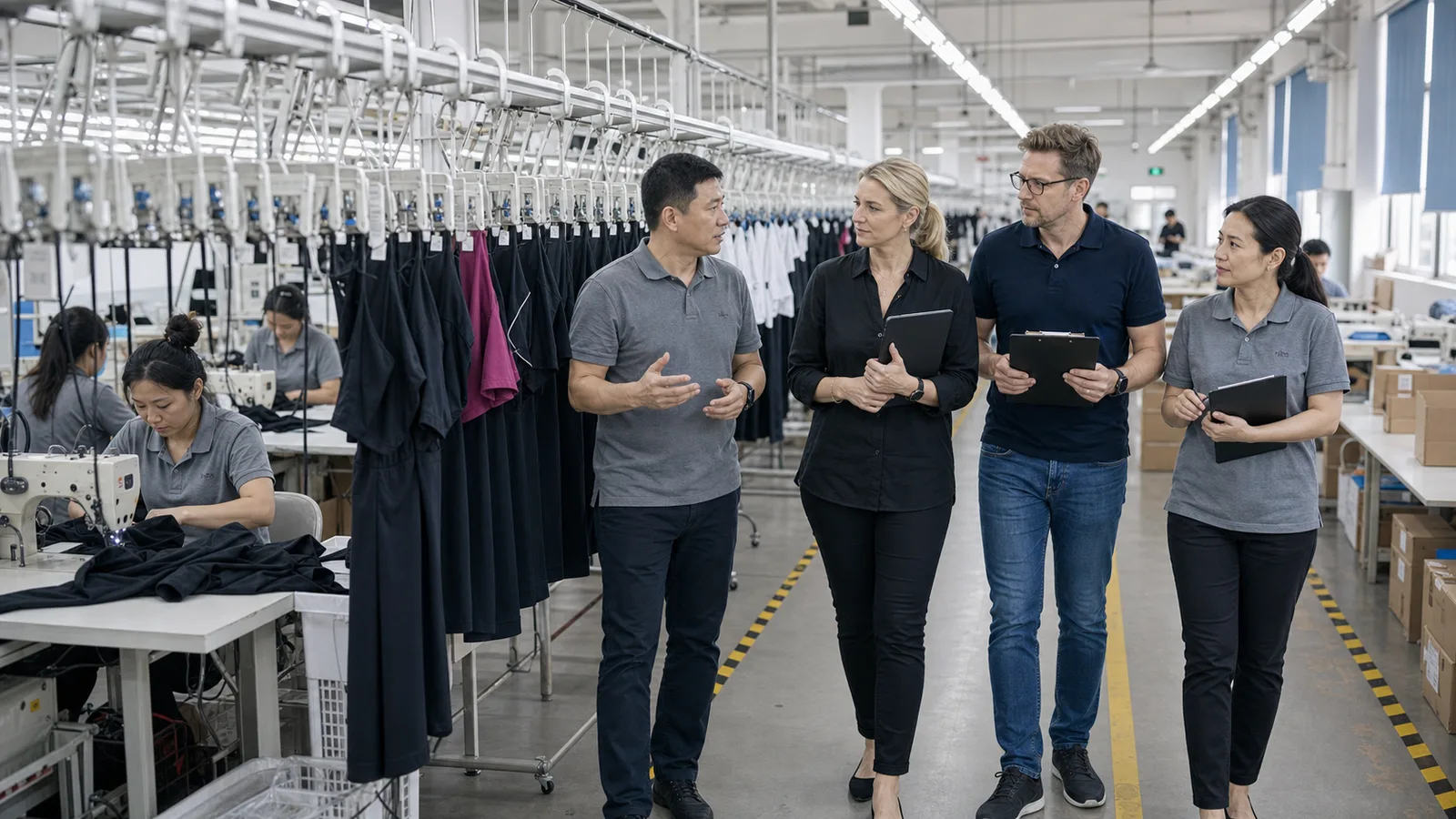
For one stable top with a complete tech pack, direct factory communication may be enough. For a new girls’ top, a small private-label range, or a collection with several fabrics and silhouettes, a manufacturer or coordinated supplier route can reduce gaps between design intent and production reality. Yinshan Fashion works as a buyer-facing development and manufacturing partner and can coordinate with experienced partner factories according to product, process and capacity requirements.
How should buyers plan grading, inspection and repeat-order evidence?
The first approved size is not the whole range. Before a girls’ top moves toward bulk, discuss how the pattern will grade across the confirmed sizes and which points should stay visually consistent. Shoulder balance, neckline shape, sleeve volume, armhole comfort, print placement, ruffle proportion and hem width may not change in the same way as chest or body measurements. A brand should identify the points that define the style and ask how they will be checked across sizes.
Create a simple measurement and inspection map. It can include finished measurements, tolerance direction, seam appearance, neckline stability, sleeve attachment, hem balance, print or embroidery placement, label position, trim security, thread trimming and packing presentation. The purpose is not to turn every small brand into a quality laboratory. The purpose is to make the approved garment observable, so the next sample and the bulk team are looking at the same priorities.
Ask how comments will travel from the sample reviewer to the production file. A useful route names the style code, sample date, material reference, pattern version, component version, comment owner and approval status. If a fabric is changed after fit approval, the record should show whether the change reopens drape, opacity, shrinkage or comfort review. If artwork moves, show the new placement and the sizes affected. If a label changes, confirm the neckline construction and packing instruction rather than treating the update as a separate administrative task.
Repeat orders deserve the same discipline. A new colour, fabric lot, size split, trim, label, packing route or destination can affect the product. Store the approved sample images, measurement chart, fabric and component references, quality priorities, exceptions and authorised changes. Then the next request can be compared with evidence instead of memory. The repeat-order production guide explains why colour, fit, trims, quality control, packing and change records should be considered together.
For brands working with more than one factory, keep one buyer-facing product record. Factory allocation can change by category, fabric, technique or capacity, but the customer-facing style definition should not fragment. Yinshan Fashion can coordinate with partner factories while keeping the brief, sample comments, private-label inputs and production questions visible to the buyer. This is especially useful when a girls’ top is part of a larger collection that also includes dresses, skirts, blouses or sleepwear.
What should buyers check about buyer checklist before requesting girls’ top samples?
Use this checklist in the enquiry and keep the answers with the style record.
- Customer and size scope: age or customer band, market, size system, body reference, sample size and grading direction.
- Product role: everyday, occasion, school-inspired, holiday, sleepwear, active or layered fashion use.
- Reference status: image, sketch, retained garment, tech pack, previous sample, must-keep details and open design points.
- Fit priorities: ease, shoulder, armhole, sleeve, neckline, body length, hem, movement and coverage.
- Fabric behaviour: handfeel, drape, weight, stretch, recovery, opacity, surface, colour, print and care context.
- Components: buttons, snaps, zips, cords, labels, trims, embroidery, appliqué, artwork and placement.
- Sample purpose: silhouette, material, fit, construction, decoration, private label, packing or pre-production confirmation.
- Commercial basis: quantities by style, colour and size, target channel, destination and quotation assumptions.
- Brand route: labels, hangtags, barcodes, care information, folding, protection and carton direction.
- Approval record: owner, version, comments, accepted points, open risks, next action and date.
What should buyers check about a practical comparison table for your enquiry?
| Decision area | What the brand should define | What to ask the girls’ top manufacturer | |---|---|---| | Customer | Age or customer band, market and size chart | Which size and body reference will control the sample? | | Silhouette | Fitted, regular, relaxed, cropped, longline or layered | Which measurements and ease points need pattern confirmation? | | Fabric | Handfeel, stretch, recovery, opacity, colour and care context | Which swatch, header or garment test proves the behaviour? | | Decoration | Artwork, embroidery, trims, placement and components | How will grading, seam placement and comfort be checked? | | Sample | Purpose, size, version and approval owner | What decision will this sample prove and what remains open? | | Bulk | Quantities, labels, packing and quality priorities | Which record controls production and future repeats? |
What should buyers check about five questions brands should ask before they approve?
Can you develop a girls’ top from a reference image?
Yes, when the image is treated as a starting brief. The buyer should identify the intended customer, silhouette, must-keep details, fabric direction, size range, sample purpose and open decisions. Yinshan Fashion can discuss how reference, fabric, pattern, fit, private-label and factory inputs should connect.
Which fabric is best for girls’ tops?
There is no universal best fabric. The choice depends on style, comfort, movement, season, opacity, care, decoration, price direction and market. Review the actual swatch and garment sample, not only the fibre name.
Should decoration be approved before the fit?
Decoration should be planned with the fit, but the base silhouette and comfort should be proven before a complex decoration route is treated as final. Artwork and trims can then be checked on the correct pattern and graded sizes.
What should a small brand send in its first email?
Send the product category, references, customer and size scope, fabric direction, colour, fit priorities, quantities, labels, packing, target market, sample purpose and the questions you need the manufacturer to answer. A complete short brief is more useful than a large folder with no priorities.
Can Yinshan Fashion support a small private-label girlswear range?
Yinshan Fashion can discuss small-batch custom and private-label programmes for girls’ tops and related fashion categories, including fabric and fit advice, sample coordination, labels, packing and factory routing. Final scope, commercial terms and production details depend on the confirmed project.
What should buyers check about from first brief to repeatable girlswear production?
The best girls’ top manufacturer is not simply the one that accepts a picture. It is the partner that helps a brand turn the picture into a defined customer, size, fabric, fit, component, sample, approval and production record. That record protects the garment’s comfort and appearance while making later colourways, sizes and repeat orders easier to compare.
Before you request samples, prepare the reference, customer and size scope, fabric direction, fit priorities, decoration, labels, packing, quantities and sample purpose. Yinshan Fashion can then help identify which decisions are already fixed, which need a practical recommendation, and which should be proven in a sample before bulk. For a project discussion, visit contact Yinshan Fashion and share the style direction, target market and open questions.
Girls’ top sample brief: buyer inputs and manufacturer checks
| Decision | Buyer input | Manufacturer check |
|---|---|---|
| Customer and size | Age band, market, size chart and sample size | Confirm body reference, grading and fit priorities |
| Fabric | Handfeel, drape, stretch, opacity, colour and care context | Provide swatch or garment-level evidence |
| Decoration | Artwork, trims, placement and comfort priorities | Check grading, seam position and applied proof |
| Sample | Purpose, version, owner and open points | State what the sample proves and what remains open |
| Bulk record | Quantities, labels, packing and quality priorities | Confirm the current production basis and change owner |
Buyer FAQs
Can you develop a girls’ top from a reference image?
Yes, when the image is treated as a starting brief and the buyer adds customer, size, silhouette, fabric direction, must-keep details and sample purpose. Yinshan Fashion can discuss how reference, fabric, pattern, fit and factory inputs connect.
Which fabric is best for girls’ tops?
There is no universal best fabric. Review style, comfort, movement, season, opacity, care, decoration, price direction and market, then approve the actual swatch and garment sample.
Should decoration be approved before fit?
Decoration should be planned with fit, but the base silhouette and comfort should be proven before complex decoration is final. Artwork and trims should then be checked on the correct graded pattern.
What should a small brand send in its first email?
Send category, references, customer and size scope, fabric direction, colour, fit priorities, quantities, labels, packing, target market, sample purpose and the questions you need answered.
Can Yinshan Fashion support a small private-label girlswear range?
Yinshan Fashion can discuss small-batch custom and private-label programmes for girls’ tops and related categories, including fabric and fit advice, sample coordination, labels, packing and factory routing. Final scope depends on the confirmed project.