Article
What should buyers know first?
Short answer: A B2B decision guide for brands choosing between a fashion supplier, manufacturer and factory for custom and private-label apparel programmes.
Fashion buyers often use “supplier,” “manufacturer” and “factory” as if they mean the same thing. In a simple purchase, that language may be harmless. In a custom or private-label programme, the distinction changes who can help with design, fabric, pattern, samples, quality, labels, packing, bulk production and repeat orders. A brand that needs a product developed from a reference image requires a different relationship from a buyer ordering an established ready-stock item.
This guide compares a fashion supplier vs manufacturer vs factory from the buyer’s point of view. It does not claim that every business uses the labels in exactly the same way. Instead, it explains the practical responsibilities a buyer should confirm before sharing a brief or comparing a quotation.
Yinshan Fashion supports B2B custom and private-label programmes for brands and small-batch buyers. Its value is in connecting product development, fabric and fit advice, sampling, factory coordination, private-label components and production control. The brand keeps creative and commercial approval; the production partner makes the path from that approval to bulk more visible and manageable.
How should buyers start with the product route, not the partner label?
Ask what the brand needs to happen next. If the product already exists, the material, size, colour, labels, packing and quantity are known, a straightforward factory or ready-stock supplier route may be enough. If the brand has a mood board, a reference garment, a target fit and an idea for a label, it needs development before it can be produced reliably. If it has a collection across dresses, blouses, sleepwear and active fashion, it may need a coordinated supplier and manufacturer route.
The key is not to choose a label that sounds impressive. It is to identify the decisions that remain open. Does the material need selecting? Does the pattern need developing? Does the fit need testing? Are labels, trim or packing files incomplete? Does the brand need one factory or product-specific partners? Does the order need a controlled repeat record? The answers determine the partner capabilities that matter.
What a fashion supplier usually does?
A fashion supplier is often the buyer-facing partner that sources, coordinates and communicates across product and production needs. The supplier may help gather the brief, recommend material routes, connect relevant factories, manage sample status, coordinate labels and packing, consolidate questions and provide one commercial discussion. The exact scope varies, so a buyer should ask what work is included rather than assuming it.
A strong supplier is especially useful when the brand has more than one product category or is still resolving product decisions. For example, a supplier can help distinguish whether a dress needs a woven specialist, a pajama set needs a soft-hand fabric route or an active style needs a stretch and recovery review. The supplier should turn those questions into a clear action plan rather than merely forward emails.
The fashion supplier factory network guide explains when a supplier should coordinate more than one factory. The buyer should expect transparency: why a particular partner is recommended, what is confirmed, what needs a sample and which decisions remain programme-dependent.
What a fashion manufacturer usually does?
A fashion manufacturer converts a defined product into a production-ready programme. It may coordinate pattern, fabric, cutting, sewing, finishing, quality checks, labels, packing and bulk release. The manufacturer must understand not only how a garment looks but how it can be repeated at the required standard.
For a custom dress, manufacturer support can include translating a reference image into pattern and fit questions, testing drape and lining, confirming construction, preparing a sample and recording the approved production reference. For private-label sleepwear, it can include material handfeel, ease, labels, packing and comfort review. For a blouse, it can include collar, cuff, placket, opacity and pressing decisions.
Do not assume a manufacturer will make every decision for the brand. The buyer owns the customer, brand direction, commercial choice and final approval. The manufacturer’s job is to identify the production consequences and ask the questions that make the product executable.
What a factory usually does?
A factory is the place where a specific garment is made through processes such as cutting, sewing, finishing, pressing, packing and inspection. A factory may be excellent at a category, material or construction and may provide direct development support. It may also work through a supplier or manufacturer that manages the buyer brief and wider coordination.
When speaking directly with a factory, a buyer should confirm its relevant capability. A well-made sweatshirt does not prove experience with a lined dress. A successful knit partner may not be the right choice for a structured woven blouse. A factory should be able to discuss the pattern, material, construction, equipment, sample purpose, quality priorities and production assumptions for the actual style.
The factory is not automatically a cheaper or simpler option. Direct contact can work well when the product is defined and the buyer can manage the development and production inputs. It can create risk when the buyer expects the factory to interpret an incomplete brief without a clear approval route.
How should buyers compare responsibilities in a buyer decision matrix?
| Buyer need | Supplier role | Manufacturer role | Factory role | |---|---|---|---| | Product concept | Organise questions and suitable route | Translate concept into product requirements | Review feasibility for its capability | | Fabric and fit | Coordinate options and evidence | Connect material behaviour to pattern and sample | Test handling and construction in the style | | Sampling | Track purpose, versions and approvals | Develop controlled sample route | Make sample and provide technical feedback | | Bulk production | Coordinate partner, information and communication | Release product record and production plan | Cut, sew, finish, inspect and pack the style | | Private label | Consolidate artwork and component inputs | Map components to product and release | Apply approved labels and packing instructions | | Repeat order | Maintain buyer-facing change discussion | Control product version and reconfirmation | Follow the released record and report changes |
This table is not a legal definition. A business may perform more than one role. The useful question is which party owns each action on the current programme, and how the buyer will receive evidence before approving the next gate.
How should buyers choose a factory when the brief is stable?
Direct factory work can be appropriate when the buyer has a complete product record: style code, reference, pattern or measurement chart, material, colour, trims, labels, packing, size range, quantity, market and approval route. The product should be sufficiently stable that the factory can quote and sample against a visible basis.
The buyer still needs to ask for a sample plan, material confirmation, production method, quality priorities and version control. A stable brief reduces interpretation risk, but it does not remove the need for communication. If a factory proposes a material or construction substitute, the buyer must know what changed and whether it needs new evidence.
For a brand that already has proven styles and experienced product staff, a direct factory relationship can be efficient. For a new brand or new category, it may be more useful to work with a manufacturer or supplier that can connect development and production.
How should buyers choose a manufacturer when product development is the main risk?
A manufacturer route is valuable when the buyer needs the idea made production-ready. That may include a pattern from reference images, fit and size work, fabric behaviour review, lining, closure, construction, sample comments, label placement, packing and a bulk release record. The manufacturer should not treat sampling as a decorative stage; the sample should prove the decisions that matter to bulk.
The fashion factory sampling guide shows how pattern, fabric and fit comments become a production standard. Use a manufacturer when those records need to be created or controlled. Ask what the first sample will prove, which decisions need a subsequent sample, who approves them and how the final version is released.
This route can be particularly useful for small brands. A small batch still needs material, fit and product control. The quantity does not make an unclear pattern, label or construction less risky.
How should buyers choose a supplier when coordination is the main risk?
A supplier may be the right partner when the brand has multiple categories, factories or component needs and wants one buyer-facing coordination route. It can help a buyer move from collection plan to individual product briefs, then coordinate relevant manufacturer and factory questions. The supplier should be able to explain why a product is assigned to a particular partner and how common brand requirements remain aligned.
For example, a seasonal range may include a woven dress, a blouse, a lounge set and an active top. The materials, fit blocks, construction methods and quality priorities may differ. The brand benefits when its design language, labels, packing, approval process and repeat records remain visible while technical work is routed by capability.
The private-label clothing route is useful when the supplier needs to coordinate labels, hangtags, barcodes, care information, presentation and packing with the product route. A label file is not finished merely because artwork exists; it must map to the actual style, colour, size, material and market.
What should buyers check about do not mistake ready-stock wholesale for custom manufacturing?
Ready-stock wholesale is designed around existing products. The buyer may choose from available designs, colours and sizes, often with limited change. Custom manufacturing begins with a product decision: the brand defines or develops a fabric, silhouette, fit, components, labels, packing or presentation that must be translated into a controlled production record.
Neither model is universally better. Ready-stock can be suitable when speed and an existing product are more important than brand-specific development. Custom production can be suitable when the brand needs a distinct fit, material, detail, private-label presentation or repeatable collection system. The custom production versus wholesale guide helps buyers compare those routes before asking for a quote.
Yinshan Fashion is focused on custom and private-label bulk programmes rather than unrestricted ready-stock wholesale. A buyer should share its product direction and order context so the right route can be discussed early.
How should buyers use one brief no matter who receives it?
The buyer’s brief should identify the brand, target customer, category, reference images, fit direction, material behaviour, colour, print, construction priorities, size range, labels, packing, quantity context, target market, sample purpose, approval owner and open questions. Mark fixed requirements separately from preferences and areas where a partner should recommend options.
One consistent brief makes supplier, manufacturer and factory responses comparable. It prevents one party from quoting a basic available fabric while another is discussing a custom print. It prevents a fit comment from being confused with a visual preference. It gives the buyer a record of what information was supplied and which questions still need an answer.
The custom womenswear manufacturing solution can provide a starting point for buyers who need to connect reference images, pattern, materials, samples and production. The actual material, quantity, price and timing still depend on the programme.
How should buyers ask questions that reveal the operating model?
Ask who reviews the product brief, who develops the pattern, who sources or confirms the fabric, who makes the sample, who records comments, who owns the production release, who checks quality, who coordinates labels and packing, and who receives a repeat-order change. Ask what evidence is returned at each gate.
Listen for specific answers. “We can make anything” is not a production plan. A useful answer identifies the sample purpose, material route, pattern question, component proof or quality review required for the actual product. It should also identify programme-dependent assumptions rather than inventing fixed MOQ, price, capacity or timing before the brief is reviewed.
How should buyers keep commercial comparison separate from product control?
Price matters, but a quotation is only useful when it represents the same product. Compare fabric, lining, print, fit, sample scope, labels, packing, quality priorities, quantity by style and colour, market and open assumptions. One response may be less expensive because it assumes a different material, sample purpose or brand component route.
Ask the partner to identify what is included, excluded, conditional or pending approval. A buyer can then decide whether a lower number is genuinely a lower route cost or a different product definition. This protects both sides from changing the programme after a quotation has been treated as final.
The manufacturing overview gives a useful picture of how development, production, inspection, finishing and packing connect. Apply that context to the actual brief rather than treating it as a generic guarantee.
How should buyers plan quality around the customer-visible result?
Quality must be product-specific. A fitted dress may need balance, zipper, lining and hem checks. A printed blouse may need collar, cuff, placket and placement review. A sleepwear set may need softness, label comfort and elastic review. An active garment may need movement, recovery and seam security review.
Record the priorities in a way a factory can inspect. “High quality” is not a test. “Confirm the waist seam remains level during wear and compare the zipper appearance with the approved sample” is a visible instruction. When a supplier coordinates more than one factory, it should keep common brand priorities and style-specific technical checks distinct.
How should buyers protect the partnership at repeat order?
A good partner relationship becomes stronger when the next order is controlled. Save the approved sample, pattern, grading, material, colour, construction, trims, labels, packing, quality notes and change log. At repeat, state what is unchanged, what needs reconfirmation and what is new.
The repeat-order control guide explains why a new colour, material, size, label, market or factory can need a proof or new sample. A supplier, manufacturer or factory can only repeat a product reliably when the buyer and production team share the same current record.
What should buyers check about buyer checklist before choosing a partner?
What should buyers check about consider the information flow as carefully as the production flow?
The most expensive misunderstanding in custom apparel is often informational. A buyer approves a sample but the production team receives an older pattern. A brand supplies new label artwork but the factory maps it to every colour without checking. A supplier receives a fabric substitute suggestion but does not connect it to the fit and construction review. These failures occur when the route for information is weaker than the route for garments.
Before appointing a partner, ask how it identifies the current file, how it records a comment, how it escalates a proposed substitute, how it confirms an approval and how it communicates an exception. A strong partner may use different internal tools, but the buyer-facing result should be simple: one current brief, one version status, one approval owner and a visible next action.
This is particularly important when a brand works with a designer, a buyer, a product developer and a founder who all contribute to decisions. The partner should not require the factory to guess which person has final approval. It should help make that owner visible before a sample or production release is treated as current.
What should buyers check about consider the commercial route without losing product control?
Commercial discussions should follow the product definition. Ask what material, pattern, sample, labels, packing, quantity and quality assumptions sit behind a quotation. Ask whether a proposed price includes an existing available material, a new sourced material, a single sample or a wider development route. Ask which point would require the scope to be revisited.
This does not mean every buyer needs a long technical document before the first conversation. It means that an early quote should be honest about what is known and what is provisional. A supplier, manufacturer or factory that explains its assumptions gives the brand better control than one that gives a fixed-looking number detached from product evidence.
What should buyers check about buyer checklist before choosing a partner?
Prepare the product categories, current references, desired fabric and fit, required development support, private-label needs, quantity context, quality priorities, target market, expected repeat plan and internal approval owner. Then ask each prospective partner to explain its role in the specific programme.
Choose a factory for a stable, well-defined style when the buyer can manage the direct inputs. Choose a manufacturer when pattern, fit, material, sample or production release needs development control. Choose a supplier when several categories, factories or components need one coordinated buyer-facing route. Some partners perform more than one role; verify the work, not only the title.
What questions do buyers ask most often?
What is the difference between a fashion supplier, manufacturer and factory?
A supplier commonly coordinates buyer-facing sourcing and communication, a manufacturer turns a defined product into a controlled production programme, and a factory makes the garment. Real businesses may perform more than one role, so buyers should confirm specific responsibilities.
Does a small brand need a supplier or a factory?
It depends on the product and the brand’s internal capability. A small brand with an incomplete brief, new fit or several categories may benefit from supplier or manufacturer coordination. A stable proven style may suit direct factory work.
Can a supplier manage custom fashion development?
It can when it has a clear operating route for product briefs, materials, patterns, samples, factory coordination, labels, packing and production release. Ask who owns each action and what evidence the buyer receives.
What should a buyer send before asking for a quotation?
Send category, references, fit, material direction, colour, size range, trims, labels, packing, quantities by style and colour, market, sample purpose and open questions. This makes supplier, manufacturer and factory responses comparable.
Can Yinshan Fashion support a custom or private-label programme?
Yinshan Fashion can discuss custom and private-label fashion programmes with fabric and fit advice, sample development, private-label components and supplier/factory coordination. Final scope and terms depend on the confirmed project.
What should buyers check about next step: choose the route around the real work?
Send your product categories, references or tech pack, fabric and fit direction, labels, packing, quantities, target market and the decisions you still need to make. Yinshan Fashion can help clarify whether a direct factory, manufacturer-led development route or coordinated supplier model best fits the programme. Start the discussion through contact.
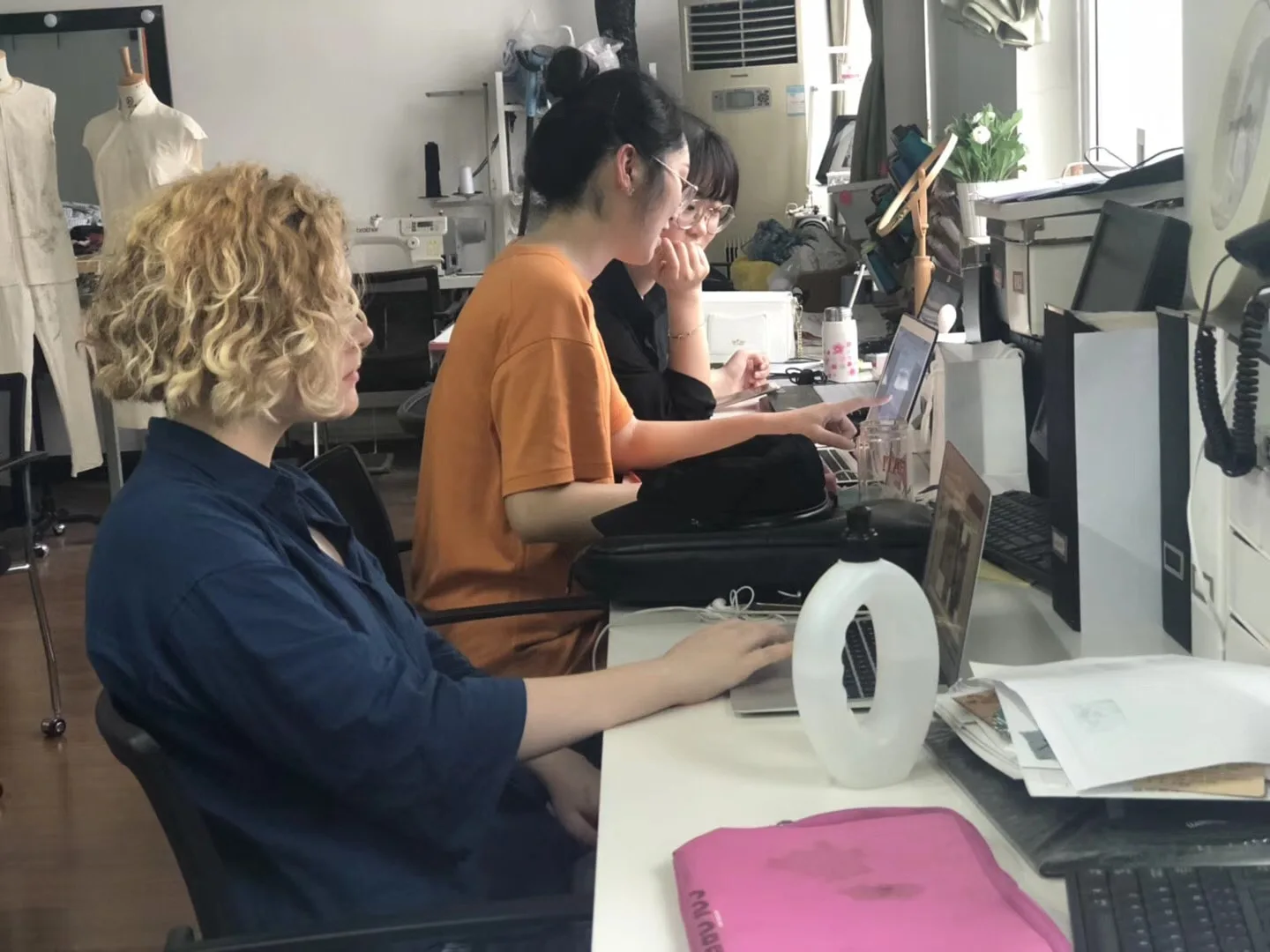
Custom fashion sourcing model
Choose the partner by the work your product still needs
A factory, manufacturer and supplier may overlap, but each role should be evaluated against the current product brief, sample route, factory capability, private-label needs and repeat plan.
Start with the product route
Identify whether the brand needs a stable product made, a new style developed or several categories coordinated before choosing a partner title.
Ask for ownership and evidence
Confirm who owns material, pattern, sample, release, quality, labels, packing and repeat-order changes—and what the buyer receives at each gate.
Keep one current brief
Use a versioned product record so supplier, manufacturer and factory decisions point to the same reference and approval owner.
Buyer checklist for choosing a custom fashion partner
Use this checklist to compare operating responsibilities rather than relying on a business label or a headline quotation.
| Decision area | What the buyer should prepare | What to ask the factory |
|---|---|---|
| Product state | Show whether the style, fit, fabric, components and packing are fixed or still developing. | Which product decisions can be assessed now and which need a sample, material check or proof? |
| Partner ownership | Ask who coordinates the brief, materials, pattern, sample, production release and change log. | Who owns each action and how does the buyer receive evidence? |
| Capability | State product category, construction, material behaviour and quality priorities. | What relevant evidence supports the factory or manufacturer recommendation? |
| Private label | Provide labels, artwork, packing, market, channel and approval owner. | How are components mapped to style, colour, size and current product version? |
| Repeat plan | Identify expected reorders, new colours, sizes, styles or markets. | What stays unchanged and which change needs new evidence before bulk? |
Continue the production conversation
Supplier, manufacturer and factory buyer comparison
| Need | Best lead role | Evidence to request |
|---|---|---|
| Stable proven product | Factory | Capability, material confirmation, sample and production basis |
| New custom style | Manufacturer | Pattern, material, fit, sample and bulk-release route |
| Multi-category collection | Supplier | Capability allocation, common brief and coordination plan |
| Private-label launch | Supplier or manufacturer | Style-component mapping, proofs and packing route |
| Repeat programme | All roles with clear ownership | Approved record, reconfirmation and change log |
Buyer FAQs
What is the difference between a fashion supplier, manufacturer and factory?
A supplier commonly coordinates buyer-facing sourcing and communication, a manufacturer turns a defined product into a controlled production programme, and a factory makes the garment. Businesses may perform more than one role, so buyers should confirm responsibilities.
Does a small brand need a supplier or a factory?
It depends on the product and internal capability. A brand with an incomplete brief, new fit or several categories may benefit from supplier or manufacturer coordination. A stable proven style may suit direct factory work.
Can a supplier manage custom fashion development?
It can when it has a clear operating route for product briefs, materials, patterns, samples, factory coordination, labels, packing and production release. Ask who owns each action and what evidence the buyer receives.
What should a buyer send before asking for a quotation?
Send category, references, fit, material direction, colour, size range, trims, labels, packing, quantities, market, sample purpose and open questions so responses are comparable.
Can Yinshan Fashion support a custom or private-label programme?
Yinshan Fashion can discuss custom and private-label fashion programmes with fabric and fit advice, sample development, private-label components and supplier/factory coordination. Final scope depends on the confirmed project.