Article
What should buyers know first?
Short answer: A buyer-focused comparison of custom clothing production and ready-stock wholesale, covering product control, sampling, fabrics, fit, private label, packing, category choices, and repeat-order records for fashion brands.
What is the practical choice between custom production and ready-stock wholesale?
Custom clothing production vs wholesale is not a choice between a good and a bad sourcing route. It is a choice between two different starting points. Ready-stock wholesale starts with a garment that already exists: the buyer selects an available style, colour, size allocation, and permitted finishing. Custom production starts with the product the buyer wants to create or control: a reference image, a sketch, an existing garment to improve, a tech pack, a fabric direction, or a collection problem that needs solving.
Choose ready-stock wholesale when speed of selection and low development involvement matter more than changing the product itself. Choose custom production when the brand needs its own fit, fabric behaviour, colourway, construction, labels, packing, or a record that can support a repeat order. A young brand may use both routes at different times. The useful decision is to be clear about which one is being quoted for each style.
Yinshan Fashion focuses on custom and private-label bulk programmes rather than unrestricted ready-stock wholesale. Buyers can come with a complete technical package, or with a useful visual reference and a description of the intended customer, channel, product role, and open decisions. The team then helps make the development route visible: fabric and fit questions, sample purpose, private-label details, factory coordination, and the evidence needed before bulk release.
This guide is for fashion founders, buyers, retailers, e-commerce teams, importers, and wholesalers. It compares the two product and order models. For the different question of whether a partner operates mainly as a manufacturer or as a supplier, read the fashion manufacturer versus wholesale supplier guide.
What does custom fashion production actually mean?
Custom production means the garment is developed or configured around the buyer’s brief. The brief can be highly technical, or it can start as a set of references. In either case, the work is to turn an intention into a version that can be sampled, approved, quoted, produced, checked, packed, and identified again later.
The scope may include a new pattern, a changed fit block, fabric sourcing or material advice, a custom colour, print or embroidery, lining, trims, garment construction, labels, care information, hangtags, barcode data, individual packing, cartons, and final production records. Not every custom project needs every element. The important point is that the buyer can decide what must be controlled and what remains open for practical factory advice.
Custom does not mean a supplier will guess every detail from one image. A reference can establish the desired neckline, volume, waist position, surface mood, sleeve shape, or price direction. It cannot prove the fabric weight, stretch, opacity, hidden construction, measurement points, seam allowances, grading, closure route, or packing standard. Those need to become questions in a buyer-controlled brief.
Yinshan Fashion can coordinate these conversations across its design and development support, fabric and fit suggestions, and cooperative factory network. Its more than 30 years of garment production experience is most useful when it turns a subjective product request into sample comments and a record that production teams can use. Commercial terms, material availability, quantities, and timing remain specific to the individual programme.
What does ready-stock wholesale mean?
Ready-stock wholesale begins with an existing supplier product. A buyer usually chooses from an assortment, then confirms the style reference, current colour options, sizes, quantities, branding permissions, packing, sales channel, and delivery basis. The supplier’s existing fit block, fabric route, construction, and core product specification are normally already set.
This can be a sensible route for a boutique edit, a short-term assortment gap, a product test, or a channel where the buyer accepts the existing garment as it is. Development work may be limited because the product has already been made or is based on a known supplier style. The buyer’s work shifts towards selection and logistics: whether the exact item is available, what may be changed, how it will be labelled or packed, and whether it suits the target customer and market.
Ready-stock should not be confused with a vague promise that any shown image can be supplied immediately. Ask whether the quotation is for goods physically available, an established supplier style that will be repeated, or an item that still needs a production run. Ask which colours, sizes, product information, private-label options, and packing choices are actually included. A wholesale price becomes meaningful only when the exact product and order assumption are stated.
How do the two routes compare for a fashion buyer?
The comparison below helps buyers avoid asking a wholesaler for a factory-development route, or asking a manufacturer for an assumed stock item. It also prevents two suppliers from returning numbers for different garments.
When is ready-stock wholesale the right commercial route?
Ready-stock wholesale can suit a buyer who wants to move quickly with an existing product proposition. A small retailer may need a seasonal filler. An online seller may want to test a category before investing in its own fit block. A buyer may be satisfied with the supplier’s existing material, construction, size offer, and product presentation. In those situations, accepting more of the existing specification is part of the commercial tradeoff.
The buyer should still protect the selling plan. Confirm the exact style reference, colour and size availability, units by size, any permitted label or packing changes, product information, destination requirements, and delivery terms. A stock route can create avoidable friction if the e-commerce listing, warehouse, retailer, or end customer expects a label, barcode, fabric description, or carton arrangement that the existing product does not support.
Wholesale may also be useful alongside a custom programme. For example, a store could use selected existing items to fill a short-term assortment need while developing a distinctive core dress, blouse, lounge set, or activewear story through sampling. The mistake is not using both. The mistake is treating the two order models as though they carry the same product control and approval needs.
When should a fashion brand choose custom production instead?
Custom production is usually the stronger route when the garment itself is part of the brand’s point of view. The buyer may need a recognisable silhouette, a specific fabric handfeel or drape, a revised proportion, a controlled colour direction, particular construction details, own labels, a retail packing system, or a product record for later replenishment.
It is also appropriate when a product reference needs interpretation rather than simple selection. A photo of a dress may inspire the neckline and volume while leaving the fabric and waist construction open. A retained sample may show the desired shape but need a different material or better movement. A mood board may identify a market and palette but not yet a factory-ready garment. Custom development makes space for those questions before the buyer commits to bulk production.
The tradeoff is not hidden: the buyer needs to participate. Share fixed requirements, priorities, reference material, quantity direction, size range, branding, packing, target market, and decision owner. Then agree what the first sample needs to prove. That preparation is not administrative overhead. It reduces the risk of approving an attractive sample that has no clear path into repeatable production.
How should buyers choose the route for dresses and skirts?
Dresses and skirts make the difference between the models easy to see because fit and fabric interact so visibly. An existing wholesale dress can work when the buyer accepts the supplier’s bodice, waist position, skirt volume, length, fabric, and size block. The buyer can concentrate on selecting a style and making sure its label, care information, and packing work for the route to market.
A custom dress gives the buyer more control over the product decisions that make a collection distinctive. Those may include neckline depth, shoulder line, bust ease, waist placement, skirt fullness, lining, closure, print placement, hem balance, and the relationship between a fabric and the desired movement. A custom skirt can similarly require deliberate choices about rise, waistband, panel shape, fullness, lining, pocket position, closure, and size grading. The Custom Womenswear Manufacturer solution and Casual Fashion programme can help frame these choices before a sample is requested.
For either category, do not approve only from a front-facing pose. Review standing, walking, sitting where relevant, arm movement for dresses, and the product’s intended styling. Record which sample version, fabric route, measurements, and construction details are being accepted. The custom dress manufacturer guide explains how a reference-led dress becomes a bulk-ready fit.
How should buyers choose the route for fashion activewear?
For fashion activewear, an available wholesale style may be useful if the buyer accepts the supplier’s existing block, material, construction, colour offer, and decoration limits. The priority is to confirm the garment is appropriate for the intended customer, activity context, product information, size offer, branding option, and sales channel. Buyers should not assume a visual description proves performance or testing; programme-specific requirements need to be discussed separately.
Custom activewear is more suitable when the brand needs control over fit, coverage, neckline, waistband, compression feel, seam placement, fabric surface, colour blocking, print, labels, or packing. The Active Fashion programme and Active Fashion Manufacturer solution provide a category starting point, but the buyer’s brief still needs to define the actual garment and the evidence it requires before bulk.
The early sample should answer a defined question. Is it testing a fit block, a neckline, a fabric handfeel, a waistband construction, a print placement, or a material-and-construction combination? Naming that question helps the buyer avoid approving a sample that answers only part of the product brief.
How should buyers choose the route for nightwear and loungewear?
Nightwear and loungewear often look simple while carrying important commercial decisions. A wholesale route can work when the buyer accepts the existing silhouette, comfort level, fabric route, size range, and packaging. It may be efficient for an assortment test or a short-term sleepwear edit.
Custom development is stronger when a brand needs to define handfeel, drape, ease, elastic handling, seams, neckline finish, sleeve or leg proportion, fabric opacity, label placement, set configuration, and private-label presentation. A lounge set may need consistency between the top and bottom across colours and sizes. A nightwear product may need a practical decision about soft label placement, care information, folding, individual protection, and how the garment arrives in the buyer’s channel.
Use the Loungewear programme, the Loungewear Manufacturer solution, and the loungewear fabric guide to shape a product-specific conversation. They are starting points for a brief, not promises of a ready-stock catalogue.
How should buyers approach girls’ tops?
For girls’ tops, the buyer should identify age range, size approach, intended use, neck and sleeve construction, decoration, fabric direction, labels, packing, and the specific market requirements the brand must meet. A wholesaler’s existing top can be appropriate when those decisions align with the buyer’s needs and the supplier can confirm the actual product basis.
Custom production is relevant when the brand needs a distinctive fit, print, fabric, trim, set relationship, or retail presentation. The factory conversation should stay concrete: which measurements are controlling, whether any decoration changes the garment’s construction, which components or product information need approval, and what buyer-market checks apply. Yinshan Fashion can coordinate product-development questions with the relevant manufacturing route, while the buyer remains responsible for confirming their destination-market requirements.
What should the custom production process look like?
The most reliable process is a sequence of decisions rather than a single handoff. The depth changes by product, but the route should make the owner and output of each stage clear.
- Define the commercial role. State the target customer, channel, category, price direction, market, quantity structure, and what makes the product worth developing.
- Prepare the starting brief. Share tech packs, sketches, marked reference images, retained garments, measurements, fabric direction, colours, labels, packing needs, and the items that are open for advice.
- Review feasibility and material direction. Discuss what the reference communicates, which fabric or trim route is appropriate, and which decision needs a swatch, applied proof, or garment sample.
- Set the pattern and sample objective. Define the desired fit, sample size, key measurement points, construction priorities, and the question the first sample must answer.
- Make and review the sample. Assess the current version against the brief, including fit, movement, material behavior, components, construction, labels, and open questions.
- Record concise revision comments. Mark the location, action, owner, version, and evidence behind every requested change. Avoid broad instructions such as “make it better.”
- Confirm bulk inputs. Align the approved product reference, materials, colour direction, trims, labels, barcode data, packing, quantity matrix, quality priorities, and authorised exceptions.
- Coordinate factory production. Translate the release record into the route for materials, cutting, sewing, finishing, checks, and packing across the appropriate manufacturing partners.
- Retain the repeat-order record. Keep the approved sample, pattern and measurement version, material and trim references, labels, packing file, quality notes, and any change made after the first run.
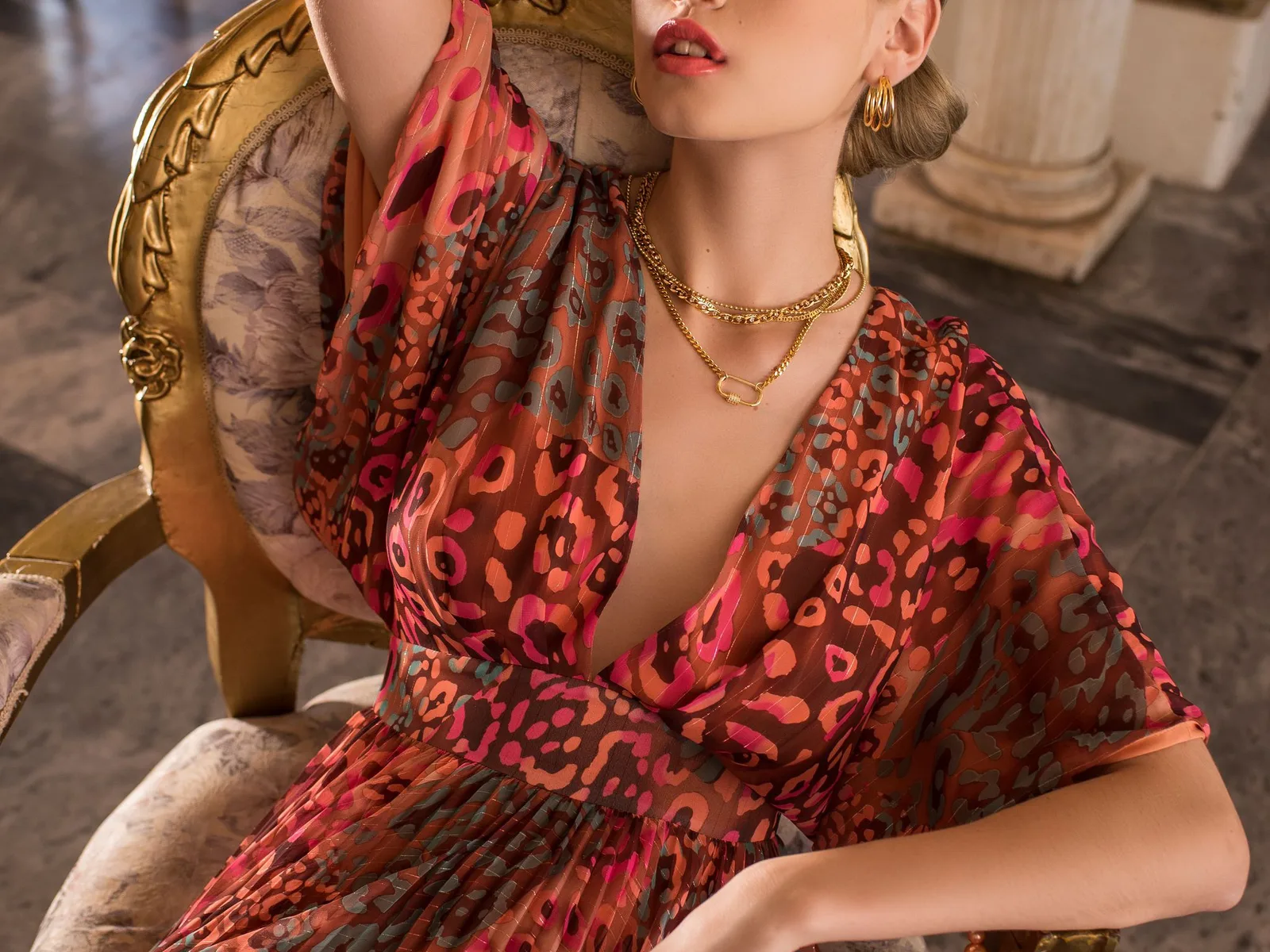
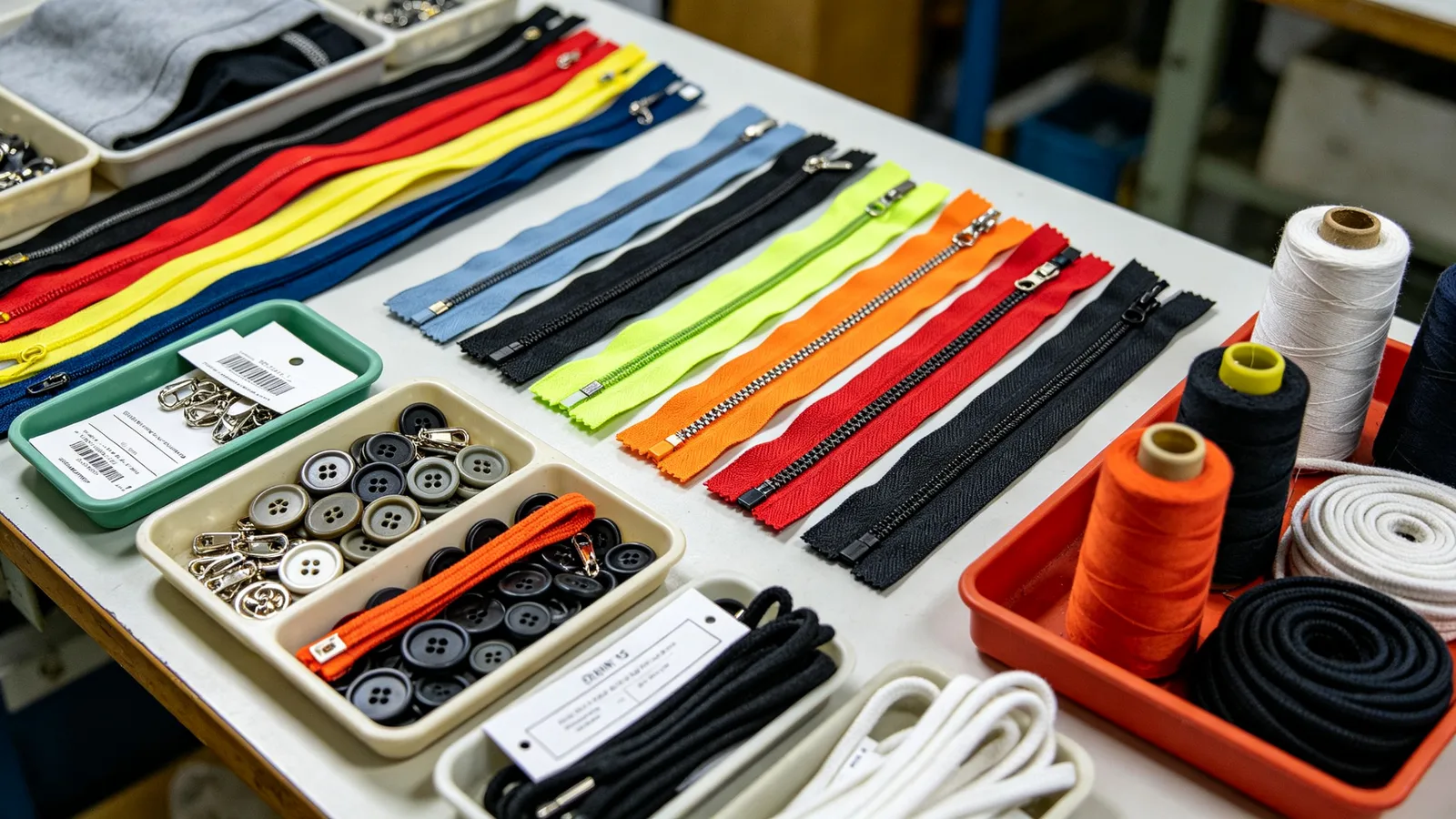
*Figure: A supplied product-development reference image used to illustrate how a garment concept must become a documented pattern and sample route before bulk release.*
The sequence does not promise a universal lead time or minimum. It gives a buyer a way to identify what has to be decided before one can be confirmed. A clear process also makes a multi-factory model easier to manage: the buyer deals with one coordinated programme, while materials, sampling, production, quality control, and packing decisions remain traceable.
What should buyers ask before accepting a wholesale offer or a custom quote?
Ask questions that expose the actual product, not just its headline price. For a ready-stock route, confirm the exact style reference, availability assumption, colour, size allocation, permitted changes, labels, product information, packing, destination, and delivery basis. If the quote assumes existing stock, ask which product reference proves that assumption. If it assumes a repeat production route, ask which parts remain fixed and which might require a new commercial discussion.
For custom production, ask what product version the quote describes. Which fabric and trim route is assumed? What sample work is included? What will determine the practical quantity structure? Which labels, artwork, packing, quality, documentation, or delivery elements are included, excluded, or still open? What must be approved before the quotation or bulk plan becomes firm? The activewear supplier guide gives a useful example of matching technical questions to a specific category.
Three buyer actions are especially valuable. First, send every potential partner a comparable brief; do not ask one for a new design and another for an existing item under the same product name. Second, keep a versioned decision record so changes to fabric, fit, components, labels, or packing are visible. Third, decide who can approve the product before comments begin. These habits make quotes more comparable and bulk handover more reliable.
How can a buyer choose the route across a small fashion range?
Many fashion brands do not make the decision one garment at a time. They plan a small range: perhaps a dress as a visual lead, a skirt or girls’ top as a supporting item, a soft nightwear set, and a fashion-active layer. In that case, choose the sourcing model against the role of each product rather than forcing the entire range into one route.
An existing wholesale item can be useful for a low-risk add-on when the supplied fit, fabric, colours, labels, and presentation are acceptable. A custom route can be reserved for the product that establishes the brand’s recognisable silhouette or material story. When items share a fabric, colour, trim, label, or packing system, identify that relationship in the brief. It helps the buyer see where a decision is truly shared and where a seemingly similar item needs its own sample or approval.
Build a simple category map before asking for commercial answers. For every style, record the category, starting point, target customer, fixed visual elements, fabric behaviour, fit priority, size approach, quantity direction, branding, packing, and evidence needed before bulk. Mark each item as existing-product selection, private-label adaptation, or custom development. The map turns a mood board into a buying plan and stops a team from accidentally treating a custom core product as a catalogue item.
The map can also guide factory coordination. Yinshan Fashion can help a buyer connect product categories to the specialist route that best suits their materials, construction, and production needs, while keeping the buyer’s approvals in one programme record. This is more useful than claiming every factory should make every category in the same way. The goal is one coherent range and a clear owner for each development decision.
Why should wholesale and custom records stay separate?
The two models can coexist, but their evidence should not be mixed. An existing wholesale order should retain the supplier style reference, availability or repeat-production assumption, permitted alterations, confirmed colour and size allocation, product information, packing, and delivery basis. A custom programme should retain the current brief, sample version, pattern and measurement details, material and trim references, comments, approvals, labels, packing, quality priorities, and authorised changes.
Keeping these files separate gives a merchandising team a more honest picture of what can be repeated. It also makes a later change visible. Replacing a ready-stock label may be a permitted packing change, or it may require a new route. Changing a custom fabric, print, size range, or carton pack may require another sample, quote, or approval. The buyer does not need a complicated system; a dated file that names the product version and decision owner is usually a better starting point than memory or scattered emails.
How should a buyer make the final decision?
Use ready-stock wholesale when it gives the business a sellable existing product with acceptable control, speed, assortment, and channel preparation. Use custom production when the brand needs to own the product standard and is prepared to make decisions about fabric, fit, construction, private label, packing, and repeatability. Neither route should be selected solely because one headline price arrives first.
Yinshan Fashion is designed for buyers who need a custom or private-label fashion route. The company can help convert a product concept into a development brief, material and fit discussion, sample plan, factory handover, and repeat-order record across dresses, skirts, fashion activewear, nightwear, loungewear, girls’ tops, or a coordinated range. The best next step is to bring the actual product decision into the conversation.
What should buyers prepare for a custom production conversation?
Discuss Your Custom Fashion Production Programme
Share the product category, reference images or tech pack, target market, expected quantity, development stage, fabric direction, size plan, label and packing needs, and target delivery window. Yinshan Fashion can then review what is fixed, what needs sample evidence, and which custom production route is practical for the programme. Discuss a custom fashion production programme.
Custom-production decision kit
Three controls that make the sourcing route commercially clear
A useful choice between ready-stock wholesale and custom production makes the product basis, the buyer’s control points, and the next approval visible before an order is treated as comparable.
Name the starting product
State whether the decision concerns an existing supplier style or a garment to be developed from a brief, reference, retained sample, or technical pack.
Match control to the brand plan
Decide which fit, fabric, colour, construction, labels, packing, and product-data decisions are fixed, permitted, or still open for advice.
Release one traceable version
Keep the selected product or approved sample, materials, components, quantities, packing, comments, and authorised changes together for bulk and repeat orders.
Buyer checklist before choosing custom production or ready-stock wholesale
Use one comparison record for every candidate route. Exact availability, quantities, pricing, materials, approvals, and timing remain specific to the current product and supplier response.
| Decision area | What the buyer should prepare | What to ask the factory |
|---|---|---|
| Commercial objective | State whether the purchase fills an immediate assortment gap, tests an existing category, creates a branded core style, or establishes a repeatable collection programme. | Is the proposed route based on an existing item or a custom product brief, and which decision would change that basis? |
| Product reference | Share the exact supplier style, or provide references, sketches, retained samples, measurements, and notes that show what the custom garment should become. | Which visible and hidden product details are confirmed, assumed, or still need a sample or physical material review? |
| Fit and fabric | Name the fit priorities, intended wearer, material behaviour, colour direction, size plan, opacity, drape, stretch, and construction points that cannot drift. | Does the existing product meet those requirements, or which custom pattern, material, construction, or sample decision is needed? |
| Private label and packing | Provide label artwork, care or product information, hangtags, barcode direction, folding, individual protection, carton needs, market, and channel requirements. | Which branding and packing elements are permitted on an existing product, and which need to be developed, proven, or approved for a custom route? |
| Quote and quantity basis | Share units by style, colour, and size plus the intended product version, materials, components, destination, and delivery objective. | What is included, excluded, conditional, or likely to change when the product, quantity split, material, label, or packing route changes? |
| Bulk and reorder record | Retain the selected wholesale reference or approved sample, materials, trims, labels, packing, quality priorities, and all authorised revisions. | Which record will control the bulk order, and what needs reconfirmation before a future repeat is treated as the same product? |
Continue the production conversation
Custom production vs ready-stock wholesale: buyer comparison
| Decision area | Ready-stock wholesale | Custom production |
|---|---|---|
| Starting point | An existing supplier style, available assortment, or established product reference. | A buyer brief, reference image, retained garment, sketch, tech pack, or defined product problem. |
| Product control | The supplier’s core fit, fabric, construction, and size offer are normally set before selection. | The buyer can define or approve the fit, fabric direction, colour, construction, components, and production record. |
| Development work | Usually limited when the existing garment is accepted as it stands. | Brief review, material and pattern decisions, sample work, comments, and approval records are part of the route. |
| Fabric and fit | The buyer evaluates the supplier’s existing material and fit block. | Fabric behaviour and fit priorities can be reviewed against the buyer’s intended garment and market. |
| Branding | Label and packing options may be limited to what the supplier permits on the existing route. | Labels, care information, hangtags, barcode data, folding, individual packing, and cartons can be planned with the product. |
| Quantity discussion | Confirm units by available style, colour, and size, plus any stock or repeat-production assumption. | Confirm quantities against the actual style-colour-size matrix, material, components, sample scope, and production route. |
| Quote basis | Exact style, availability, colour, sizes, permitted changes, packing, and delivery terms should be stated. | Product version, material, trims, sample work, quantity split, private label, packing, quality scope, and open assumptions should be stated. |
| Timing logic | Usually depends on the availability and release conditions of an existing product. | Depends on decisions and approvals for the brief, materials, sample, bulk release, packing, and delivery route. |
| Best use | A fast assortment need, product test, or buyer who accepts the existing product standard. | A distinct core product, own fit or material direction, private-label range, or repeatable bulk programme. |
| Repeat order | Repeatability depends on the supplier’s continuing product offer and the confirmed order basis. | The approved sample and production record provide a defined basis for reorders and deliberate changes. |
| Buyer role | Select, verify, and prepare an existing garment for the intended channel. | Set priorities, approve development decisions, and release a documented product standard for bulk. |
Buyer FAQs
Is custom clothing production better than ready-stock wholesale?
Neither route is automatically better. Ready-stock wholesale can fit a buyer who accepts an existing product and needs a faster assortment decision. Custom production is usually more suitable when the brand needs control over fit, fabric, construction, private-label details, packing, or a repeatable production record.
What is the difference between private label and ready-stock wholesale?
Ready-stock wholesale starts with an existing supplier garment. Private label can add a buyer’s labels, care information, hangtags, barcodes, and packing, but the permitted scope varies. A private-label programme may use an existing platform or a custom-developed garment, so confirm exactly what the product and quote include.
Can a startup fashion brand use custom production?
Yes. A startup can begin custom development with a clear reference, target customer, product category, quantity direction, size plan, fabric and fit priorities, branding needs, and sample objective. The practical route depends on the actual brief, materials, product complexity, and approvals rather than a generic rule.
Which product categories can Yinshan Fashion custom manufacture?
Yinshan Fashion can review custom and private-label programmes for categories such as dresses, skirts, fashion activewear, nightwear, loungewear, girls’ tops, and coordinated fashion ranges. Each programme is reviewed against its product brief, fabric and fit needs, branding, packing, quantities, and target market.
How are MOQ and production lead time confirmed?
MOQ and timing are programme-specific. They depend on the product version, material and colour route, construction, sample status, style-colour-size allocation, trims, labels, packing, approvals, and production plan. Share those inputs so the factory can explain the relevant assumptions rather than relying on a generic number.
What information should a buyer prepare before requesting a sample?
Prepare reference images or a tech pack, product category, intended wearer and market, fit priorities, material and colour direction, measurements or size plan where available, construction details, labels, packing, quantity direction, sample purpose, and the questions that still need factory advice.