Article
What should buyers know first?
Short answer: A B2B guide for brands preparing Japan-facing custom fashion with product-scoped care inputs, fit tolerances, finishing, samples, labels and controlled production handovers.
Custom fashion production for Japan is easier to control when care-information inputs, fit decisions, finishing details and packing instructions stay tied to the same garment version. A dress can look ready at a fitting while the lining has changed since the last care review. A blouse can have an accepted measurement sheet while its applied label uses an earlier artwork file. A lounge set can be approved for handfeel while its fold and size-identification route remains open. The task is not to make a factory guess which attachment is current. It is to create a product record that makes the next decision visible.
Yinshan Fashion supports custom and private-label manufacturing programmes rather than unrestricted ready-stock wholesale. A buyer can bring a tech pack, physical reference, early collection outline or existing sample. Yinshan Fashion can help convert that direction into fabric, pattern, fit, sample, label, finishing, packing and production-handover questions. The brand, importer, retailer and appropriate advisers still own final product, consumer-information, commercial and market decisions for the confirmed programme.
Japan is not a single garment brief. A casual woven dress, a tailored skirt, a jersey top, a nightwear set and a performance-inspired layer have different material, fit, care, finishing and presentation questions. The market should not be used as a shortcut for a fixed silhouette or a generic claim about quality. It is a reason to define the garment, intended sales route and buyer-owned information carefully before bulk preparation.
How should buyers start with a product identity that survives every handover?
A seasonal nickname such as “soft launch dress” or “Tokyo capsule top” can be useful creative language. It does not tell a sample room which lining, label, size chart, fold or carton instruction belongs to the garment. Give every working route a stable identity: style code or buyer reference, colourway, size context, current revision, intended channel, material and component route, sample reference, decision owner and open conditions.
This does not require a large system. A small brand can maintain a dated brief, sample sheet and change log. A larger company may use a product-information platform alongside its artwork and purchase-order controls. What matters is that a buyer and factory can answer four simple questions without rebuilding the history from messages: what is the current garment; which sample represents it; which files may be applied; and which decision remains open?
Use a separate line for a meaningful variation. A dress with a new lining, a shirt with a changed collar construction, a garment offered through a different retail account, or an updated size-label route may share a visual concept while needing a different controlled record. This does not create unnecessary paperwork. It prevents an old approval from being carried into a different product scope by assumption.
The casual-fashion product range can help a buyer name the category it is developing, such as a dress, blouse, shirt or fashion top. It is a category reference, not a ready-made specification. The buyer still needs to identify its own silhouette, fabric direction, fit basis, components and approval route.
What should care-information planning include for Japan-facing apparel?
Care information should develop with the actual garment, not after the pattern, fabric, lining, trim and finishing choices have already been treated as final. Japan’s Consumer Affairs Agency publishes a textile-product labeling guide and current textile-labeling rules. Those official materials identify the JIS L 0001:2024 care-symbol framework and explain that the treatment information is selected from suitable testing, equivalent testing or accumulated technical information. They are valuable planning references, but a general web page cannot approve the label for a specific garment, channel or importer.
For every style, record the care-information source, the product it covers, material and component scope, date, version, owner, review status and remaining condition. Separate a development note from an applied care-label artwork. Separate a web-product description from a file released for a neck label or side seam. When fabric, lining, coating, print, trim, closure or construction changes, ask whether the earlier source still applies before copying it forward.
The Consumer Affairs Agency’s textile FAQ also notes that imported apparel sold to consumers in Japan can be inappropriately labeled if the required composition and care information are not prepared for that market. A buyer should treat this as a prompt to assign a local review owner, not as a reason for a factory to make a legal conclusion. The buyer, seller or importer and relevant advisers should confirm the current obligations for the exact product.
For a useful factory handover, the label file should identify its style-colour-size scope and release status. “Use the Japan label” is not enough. A better instruction says: “Style DR-118, navy, sizes S–XL, sample 2 material route; care artwork revision C is awaiting brand sign-off; do not apply to bulk.” A factory can then prepare the appropriate proof or ask for the missing release rather than assuming that an old file is approved.
How should buyers keep fibre and component inputs scoped to the garment?
The same fibre name can describe many different fabrics, constructions, weights and finishes. A printed viscose-like woven, a structured cotton blend, a stretch jersey and a satin-finish fabric may all lead to different questions once they become a garment. Lining, thread, elastic, buttons, zips, embroidery, print, coated components and applied decoration can also affect the consumer-information and sample questions that a brand needs to own.
Create a material-and-component record beside the product identity. Include the supplier or internal reference where available, composition information supplied, construction, colour route, finish, lining, component list, intended garment, evidence held, care-information source, open question, owner and next proof. Mark a material as “under comparison” until the relevant sample and approval evidence exist. A material mood board should not become a production instruction just because it has been shared with the factory.
The fabrics and trims resource helps buyers organise fabric, lining, component and colour questions before a sample route is set. It should not be treated as evidence of universal availability, a fixed composition, performance, certification, test result, price, MOQ or lead time. Those details remain specific to the confirmed programme.
For example, a relaxed dress may need a sample to compare coverage, drape, lining interaction and seam appearance. A blouse could need a review of collar shape, placket behaviour and the effect of a light base fabric on the chosen colour. A soft loungewear item may need the buyer to examine handfeel, cuff recovery, label comfort and the source used to decide care information. The purpose is not to claim that any material will achieve a fixed outcome. It is to make the product-specific question observable.
How should buyers build fit tolerances from an agreed measurement basis?
Fit tolerance is meaningful only when the team knows what it measures against. Begin with the current pattern or measurement basis, base size, grading approach where supplied, intended wearer, fit objective, construction, fabric route, stretch direction and sample purpose. A tolerance note copied from a different category can create false confidence. A jersey top, lined woven dress, skirt with an elasticated waist and structured blouse may use very different measurement and fitting questions.
The buyer should identify the critical measurement points and the purpose of each review. Does the sample need to establish shoulder position, bust ease, waist behaviour, skirt length, sleeve opening, neckline comfort, arm movement, hem balance, closure function or another specific result? Does the review refer to a garment laid flat, a model, a fit form or a buyer-controlled fitting process? Keep the answer in the sample record.
Avoid treating a numerical tolerance range as a universal product promise. It should sit beside the correct style, size, construction, fabric and measurement method. If a fabric changes from a stable woven to a stretch route, if lining is added, or if a seam construction changes, reopen the affected fit question. An earlier sample can remain useful evidence for what it reviewed, but it should not be applied automatically to a different garment route.
The custom womenswear manufacturer solution provides a helpful way to frame pattern, fabric, fit and sample discussions for a buyer-defined womenswear programme. Use it to prepare a brief. Final fit acceptance remains a buyer-owned decision based on the actual reference and approval process.
What should buyers check about treat finishing as part of the product, not a last-minute cosmetic step?
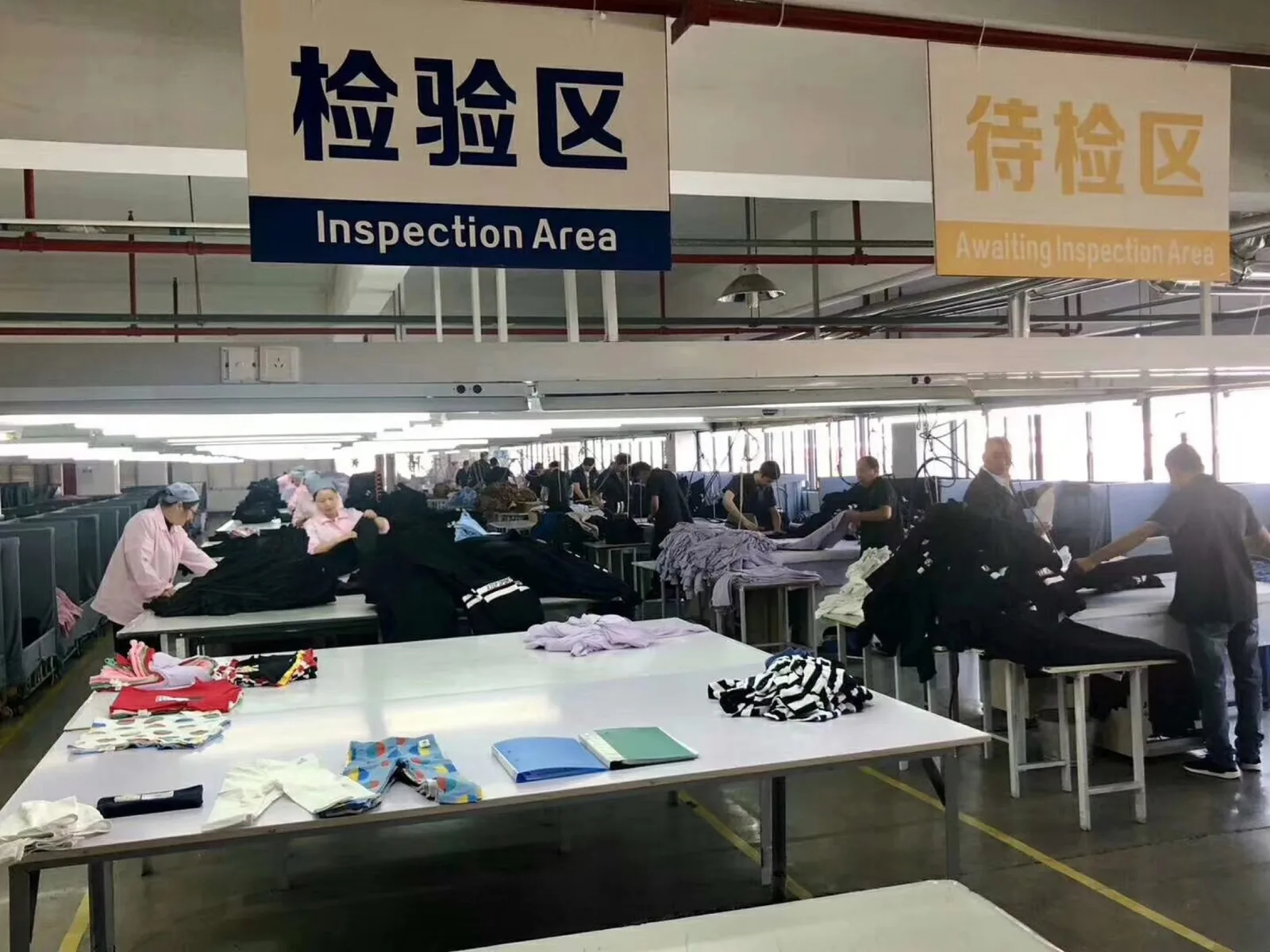
Finishing affects what the buyer sees, feels, tries on and receives. It can include pressing, seam appearance, thread handling, loose-thread attention, label comfort, component presentation, fold method, protective material and the relationship between the garment and its retail identity. A strong finish discussion begins with the named product reference and the buyer’s priority, not with a generic assurance that every item will look perfect.
For each style, note the relevant visual and handling questions. A satin-look dress might need a defined discussion about surface marking, seam appearance, lining and fold. A blouse may need clarity around collar and cuff presentation. A skirt may need an agreed view of waist construction, hem appearance and how it is folded or hung. A knit lounge item may need its own question about label comfort, cuff handling and pack compression. The correct checks depend on the current garment and sales route.
Yinshan Fashion can help connect buyer-approved finishing priorities to the sample, inspection and packing conversation. It should not convert a visual reference into a promised test result, zero-defect statement or retailer acceptance guarantee. The buyer should state which reference controls the discussion, what evidence is required, who can approve it and what change would reopen the decision.
How should buyers use samples as evidence gates, not as vague approval events?
Every sample should answer a named question. A first development sample might focus on silhouette, pattern balance and construction. A material proof could compare coverage, drape, colour or surface on a selected base. A fit sample might address a base size and the buyer’s measurement priorities. A later sample can bring current fabric, components, applied label placement and finishing together. Give each proof a stated purpose so its result is not stretched beyond what it actually established.
Before the factory starts a sample, record the product identity, material and component route, intended size, revision, question, supplied file list, reviewer, planned evidence, approval condition and next decision. After review, state what was accepted, what remains open and what file or product change follows. “Fit accepted on sample 2; final care artwork remains open” gives the team a clear route. “Looks good” does not.
Consolidate buyer feedback. Design, product, sourcing, quality, retail and compliance colleagues may each notice something useful, but separate email instructions can conflict. The buyer should issue one controlled change list that names the sample version and affected point. The factory can then identify whether the next action is a pattern revision, fabric comparison, component proof, updated artwork, finishing review or packing mock-up.
The fashion product brief before sampling guide helps turn an idea into a dated product record. The export-ready production records guide explains how an approved sample and buyer-owned market inputs can become a more controlled production handover.
What should buyers check about separate label approval from packing and retail presentation approval?
A care-label artwork, size label, hangtag, barcode, fold, bag, insert and carton mark can be related, yet they do not prove the same thing. A sample can show that a label sits in a comfortable location. It does not establish that the label wording is final for every channel. A packing proof can show the intended fold and protection. It does not decide whether the care information is current for a changed fabric.
Create a retail-presentation record that identifies style, colourway, size scope, recipient or channel, label version, size identification, barcode owner where applicable, fold or hanger route, protective material, insert, carton instruction, version, owner and status. If a file belongs to another account or market, keep it visibly separate. One physical garment can have more than one valid presentation route; a generic “bag and carton” note is not enough to direct production.
The private-label service can help a buyer structure brand components, applied artwork, labels and packing inputs. It does not determine what a customer-facing label should say or guarantee a product’s market outcome. The buyer supplies and approves the information that defines the brand and sales route.
What should buyers check about make change control a normal manufacturing discipline?
Changes are not a problem when they are visible. Trouble begins when a revised fabric reference, colour name, pattern, label, pack instruction or sales channel is treated as a minor message rather than a product-level decision. Keep a change log with the date, reason, affected style-colour-size, source file, current status, owner, condition and next action. The log can be concise. Its job is to stop a proposed option from being mistaken for a released instruction.
Ask a direct question whenever a change occurs: which prior approval still applies, and which evidence gate must reopen? A new lining may reopen coverage and care-information questions. A changed collar might reopen fit and label-comfort review. A different fold may reopen the packing proof. A revised destination could require the buyer to revisit its information and presentation files. This discipline is helpful for small batches because it keeps a lean team from relying on memory.
The fashion wholesale reorder planning guide is useful for turning a previous order into a difference list. A repeat should begin with the last approved record and then make the changes explicit. It should not assume that the old material, component, label, packing or market decision is still current.
What should buyers check about give each owner a defined decision boundary?
Small product teams often move quickly because one person carries several responsibilities. That can work well if the brief makes the decision boundary clear. Name who owns fit approval, who owns the supplier-material conversation, who supplies or approves customer-facing label artwork, who confirms retail presentation, and who may release a change to production. A factory does not need to judge the buyer’s internal organisation. It needs to know whose written decision turns an open point into a usable instruction.
The same clarity helps when an external party is involved. A retailer may own a barcode format, an importer may coordinate a local market review, a designer may approve the visual direction, and a product developer may consolidate the sample comments. Keep their inputs connected to the style-colour-size scope and decision date. If the responsible party is still unknown, show the item as open rather than letting a factory infer an answer from an old file.
This practice protects the buyer as well as the manufacturing team. It reduces contradictory messages, avoids unnecessary repeat samples and gives a new colleague a short, reliable way to understand the project. It also respects the difference between a factory’s operational support and a brand’s commercial or consumer-facing responsibility. Clear ownership does not slow the programme. It creates a useful question for the next handover.
How should buyers plan quality review around the buyer’s named references?
Quality review is strongest when the team agrees what it is comparing. Name the product reference, current sample or approved condition, material route, construction priorities, measurement basis, component details, label placement, finishing requirements and packing identity. The buyer can identify the issues that matter most to its product. The factory can then describe practical review points at the appropriate stages without claiming that every possible outcome is already guaranteed.
For a Japan-facing garment, a useful quality conversation might include fabric appearance, seam finish, measurements, colour and print placement, component attachment, label position, pressing, fold, size identification and the current record that controls each point. The exact checkpoints will vary. A label or pack file should be checked against the correct style-colour-size scope rather than against a broad collection name.
The fashion clothing accessories quality-control guide provides a framework for connecting materials, construction, components, labels, packing, findings and corrections. It is not a blanket guarantee. It helps a buyer define what it needs to see and retain for the particular garment.
What should a Japan-facing factory handover contain before bulk discussion?
The first bulk discussion does not require every uncertainty to be closed. It does require the buyer and factory to distinguish confirmed inputs from proposed options and missing decisions. A practical handover may include:
- Product identity by style, colourway, size context, channel and current revision.
- Current tech pack, measurement basis or reference garment marked as instruction, visual reference or open development input.
- Fabric, lining, trim, component, colour and finish route, together with evidence held and alternatives still under review.
- Sample record identifying purpose, material route, reviewer, comments, accepted scope, open conditions and next evidence gate.
- Care-information source, owner, product scope, version and release status, including any buyer-owned local review still open.
- Applied-brand, label and packaging files with explicit style-colour-size and recipient scope.
- Quantity assumptions by style, colour and size, marked as estimates where they remain provisional.
- Finishing, quality and retail-presentation priorities tied to the current product record.
- A named buyer owner for fit, customer information, label artwork, packaging, exceptions and final release.
This record gives Yinshan Fashion enough context to discuss fabric, fit, sampling, private-label components, finishing, quality checks, packing and production coordination. It does not establish a fixed MOQ, quotation, lead time, test result, certification, delivery date, customs outcome or legal conclusion. Those details depend on the confirmed product and programme.
How Yinshan Fashion supports Japan-facing custom programmes?
Yinshan Fashion helps brands translate a garment direction into a controlled custom or private-label manufacturing conversation. That can include material and component review, pattern and fit questions, sample development, label-placement proofs, finishing priorities, packing inputs and the records needed for a production handover. The practical outcome is not a generic claim that a product is “Japan ready.” It is a current product route in which the buyer can see what is decided, what evidence supports it and who owns the remaining market review.
To start, send Yinshan Fashion the current style references, product category, intended wearer and channel, fit and size inputs, material and colour direction, known care-information sources, label and packing files, quantity structure, sample objective and approval owner through the contact page. The next useful step may be a fabric comparison, a pattern question, a fit sample, an applied-label proof, a finishing review, a packing mock-up or an updated buyer file. That creates a specific production discussion without turning an early input into a final market promise.
Japan-market production-control kit
Three records that keep care information, fit decisions and finishing details connected
Use one product identity, one product-scoped care-information source and one released finishing-and-packing version before a Japan-facing style moves from sample discussion toward bulk.
Name the product version
Tie the style, colourway, size context, pattern or measurement basis, material route, sample revision and intended channel to one current reference.
Scope care information
Keep the source, owner, exact garment scope, status and approval route visible. Reopen the question when fabric, lining, trim, finish or construction changes.
Release the finishing route
Match pressing, appearance priorities, applied labels, size identifiers, fold, protective materials and carton instructions to the current style-colour-size record.
Buyer actions and factory questions before a Japan-facing fashion style moves toward bulk
Use this as a production-control tool. The brand, importer, retailer and appropriate advisers remain responsible for final market, consumer-information and product decisions.
| Decision area | What the buyer should prepare | What to ask the factory |
|---|---|---|
| Product identity | Provide the style, colourway, size context, target channel, revision and current sample reference | Which brief controls the sample, care file, finishing and packing instructions? |
| Care-information source | State the source, product scope, owner, version and review status of each care-information input | Does the proposed label apply to this garment route, or does a material or component change reopen it? |
| Fit and measurement | Supply the base size, measurement points, tolerances where defined, fitting purpose and approval owner | Which pattern, measurement or sample proof answers the current fit question? |
| Finishing and appearance | Describe the intended surface, pressing, seam appearance, component handling and retail presentation priorities | Which detail needs an applied sample, inspection reference or packing proof before release? |
| Change control | Record changed fabric, trim, colour, construction, artwork, label or pack inputs with owner and date | Which prior approval remains valid and which gate needs a new review? |
Continue the production conversation
Japan-facing fashion production: buyer decisions and factory inputs
| Record | Buyer decision | Factory execution input | Control question |
|---|---|---|---|
| Product identity | Style, colourway, size context, channel and revision | Current brief, sample and order record | Which exact garment is being reviewed? |
| Material and components | Fabric, lining, trim, finish and evidence held | Swatches, component callouts and sample route | Does the current sample use the intended material route? |
| Care-information input | Source, owner, product scope, version and review state | Buyer-supplied approved artwork or controlled instructions | Is this a development note or a released applied file? |
| Fit and measurement | Base size, measurement points, tolerances where defined and approval purpose | Pattern, sample and measurement review | Which reference proves the current fit decision? |
| Finishing and presentation | Appearance priorities, labels, size ID, fold, protection and recipient | Finishing, packing and proof route | Which version belongs to this style-colour-size and channel? |
| Change and release | Date, owner, conditions and next action | Controlled production handover | What change reopens a previous approval? |
Buyer FAQs
What should custom fashion production for Japan include before a label is applied?
Keep the style-colour-size identity, current material and component route, sample version, care-information source, owner, product scope, artwork version, approval status, label placement, packing route and next decision together. The brand, importer, retailer and appropriate advisers remain responsible for final market review.
Can a factory decide the final Japan care symbols for a garment?
A factory can help identify the product, material, component and sample inputs that need review, but it should not infer a final consumer-facing instruction from a swatch, old label or generic web reference. The buyer should retain the source, scope and approval owner for the exact garment.
How should fit tolerances be managed during sampling?
Tie each measurement point and tolerance, where defined, to the specific pattern or measurement basis, size, fabric route, construction and sample purpose. Reopen affected fit decisions if those inputs change.
Why should finishing and packing have separate approvals?
A garment may have an accepted finish while its retail fold, size identifier, barcode, protective material, insert or carton route is still open. Separate records prevent a previous account or product version from becoming an accidental instruction.
How can Yinshan Fashion support a Japan-facing private-label brief?
Yinshan Fashion can coordinate product, fabric, fit, sample, component, label-placement, finishing, packing and factory-handover questions around the buyer's controlled records. Availability, price, quantities, timing, testing, certifications, logistics and final market obligations remain programme-specific.