Article
What should buyers know first?
Short answer: A practical B2B guide to fashion wholesale reorder planning, covering product versions, colour and material continuity, size ratios, label files, packing, quality feedback, approvals, and the records needed before repeat production.
Fashion wholesale reorder planning starts by identifying exactly what should be repeated and what has changed since the previous order. The buyer and factory need one current record for the approved product, material and colour, measurements, labels, packing, quality decisions, quantities, and delivery requirements. A reorder moves efficiently when “same as before” is replaced by visible references and a controlled change list.
Yinshan Fashion focuses on custom and private-label bulk programmes rather than unrestricted ready-stock wholesale. Every reorder still depends on the product, materials, colours, quantities, size ratios, branding, packing, destination market, factory capacity, and target timing. This guide explains how buyers can prepare a repeat-production brief; it does not promise fixed inventory, MOQ, pricing, lead time, or automatic material continuity.
Direct answer: Build the reorder from a signed-off first-order record, then issue a short delta list showing what stays the same, what changes, and what requires fresh approval. Reconfirm material and trim availability, colour, size ratios, labels, packing, quality lessons, quantity, and timing. Do not release repeat production from an old purchase order, a product photograph, or the phrase “exactly the same.”
What does fashion wholesale reorder planning actually control?
A reorder is not a copy-and-paste purchase order. It is a new production decision that uses the previous order as evidence. The goal is to protect the parts of the product that customers recognised while updating the commercial variables that sales, stock, returns, the destination market, or the brand may have changed. Good planning makes both sides visible before materials or components are committed.
The buyer is usually trying to control four connected results. First, the physical garment should remain recognisably consistent in fit, material behaviour, colour direction, construction, trims, decoration, and finishing. Second, every unit should carry the current label, product information, barcode, size identification, and approved brand presentation. Third, the pack and carton should match the new assortment and warehouse receiving plan. Fourth, the next order should incorporate useful lessons from sales, returns, quality checks, and delivery without quietly creating a different product.
This is why the phrase “repeat the same style” is too broad. The style name may be the same while the fabric lot, dye route, component availability, size mix, care wording, barcode, fold, carton quantity, or market is different. A previous sample can show silhouette and workmanship, but it may not prove the current colour, label file, packing, or quantity split. The planning record must state which reference controls each decision.
Use the product category to make the discussion specific. A core jersey top may need close control of fabric weight, handfeel, shrinkage direction, neck rib, measurements, print or embroidery, and colour. The T-Shirt Collection 2026 is a useful product-development reference for this kind of brief. It is not a claim that a colour or finished style is held as unrestricted stock. A robe or lounge set would instead place more emphasis on surface feel, drape, print, matching pieces, belt or piping details, folding, and gift or retail presentation.
Fashion wholesale reorder planning controls identity, change, and evidence: the approved product being repeated, every current difference, and the new decisions checked before bulk production or packing.
What should buyers check about freeze the first-order record before building the repeat brief?
The strongest reorder work begins at the end of the first order. Before files disappear into individual inboxes, create one product record for each style. It should identify the final purchase order, approved product sample, measurement chart, pattern or grading version where relevant, material reference, colour approval, trims, decoration, label artwork, packing master, quality comments, final shipment assortment, and every authorised change made during production.
Do not assume that a photograph of the final garment replaces these records. A photograph can show colour direction, label placement, fold, or carton layout, but it cannot reliably prove fabric construction, exact measurements, artwork version, barcode data, or the accepted range for a wash or print. Use photographs as labelled evidence inside the record, not as the whole standard.
Name physical references as carefully as digital files. If the factory retains an approved sample, give it a style, colour, size, order, and approval identity. If the buyer holds a duplicate, record that too. State whether the sample uses final bulk fabric and components or includes temporary items. A sample with a placeholder care label should never become evidence that the old label copy was approved for a repeat.
The record should also contain the final exception log. Perhaps a button changed after the pre-production sample, the sleeve measurement was adjusted during first-piece review, the fold was revised to fit the carton, or one colour used an agreed alternate thread. If these decisions are not added to the final standard, the next factory team may reproduce the earlier file rather than the product that was actually accepted.
Keep one clear owner on the buyer side and one on the factory side. The buyer owner consolidates product, merchandising, operations, and compliance inputs. The factory owner coordinates development, sourcing, production, quality, labels, and packing. A shared index should link to the current files instead of asking production to choose among several attachments with similar names.
How should buyers start with sales, stock, returns, and customer evidence?
A reorder should respond to demand, not only repeat the original quantity. Before asking the factory to quote, review what happened after launch. Look at sell-through by style, colour, and size; remaining stock; cancellations; damaged or unsellable units; return reasons; fit comments; customer-service questions; retailer feedback; and any delay between warehouse receipt and sale. The aim is not to send raw dashboards to the factory. The aim is to turn evidence into a clear assortment decision.
Separate product demand from availability effects. A size may have sold out first because the original ratio was too low, not because its share of demand is small. A colour may appear weak because it launched late or received less marketing. Returns may reflect incorrect product information, inconsistent measurements, or a customer expectation rather than a construction defect. Record the interpretation and any uncertainty before changing the product.
Build the new quantity matrix by style, colour, and size. Show on-hand stock, expected demand window, confirmed orders where relevant, proposed reorder units, and any backup scenario. A core colour may justify replenishment while a seasonal shade is closed. A size ratio may shift. A style may be repeated in one market but retired in another.
Sales evidence can also show where no product change is needed. A stable core style may be best protected by keeping the fit, material, construction, and brand presentation unchanged while adjusting only the size ratio. Avoid redesigning a proven item merely because a reorder creates an opportunity to edit it. Every change introduces a new approval and another point that can affect continuity.
How should buyers use a reorder delta matrix instead of saying “same as before”?
The central document in fashion wholesale reorder planning is a delta matrix: a compact list of every decision area, the previous approved reference, the new instruction, the reason, the owner, and the approval needed. It gives the buyer and factory a shared answer to the question, “What is actually different on this order?”
Begin with three statuses. Unchanged means the previous approved reference remains current and is named. Changed means the buyer supplies a new instruction or the factory proposes a documented alternative. Reconfirm means the intended result is unchanged, but availability, production conditions, market information, or timing must be checked again. This third status is important. A buyer may want the same fabric colour, but the new lot still needs a current approval route.
Use one line for each decision that can affect the product or warehouse. Include style identity, pattern, measurements, grading, fabric, colour, lining, rib, buttons, zippers, elastic, thread, decoration, labels, care information, hangtags, barcode, size sticker, fold, individual pack, carton assortment, carton mark, quality priorities, quantity, delivery destination, and timing. Add category-specific items rather than forcing every garment into a generic template.
Require a decision on impact. A new colour may affect material booking, lab dips, thread, labels, photography, barcode data, and carton marks. A new size may require grading, a size-set review, different consumption, packing changes, and a revised assortment. A small artwork edit may need a new physical sample if size, placement, ink, embroidery density, or the underlying fabric changes.
The matrix should not become a place where open questions remain hidden. Give each unresolved point an owner and a date for decision. If a change arrives after material booking, cutting, component production, or packing has started, record the affected scope and a revised decision. Do not rely on the latest chat message to override the controlled reorder brief.
What should buyers check about reconfirm fabric, colour, and trim continuity before booking?
Material continuity is one of the most common expectations in a repeat order, but “same fabric” can mean several things. The buyer may mean the same composition, construction, weight, handfeel, surface, stretch, opacity, colour, finish, shrinkage behaviour, or supplier reference. State which characteristics are critical to the customer and which may have an acceptable working range.
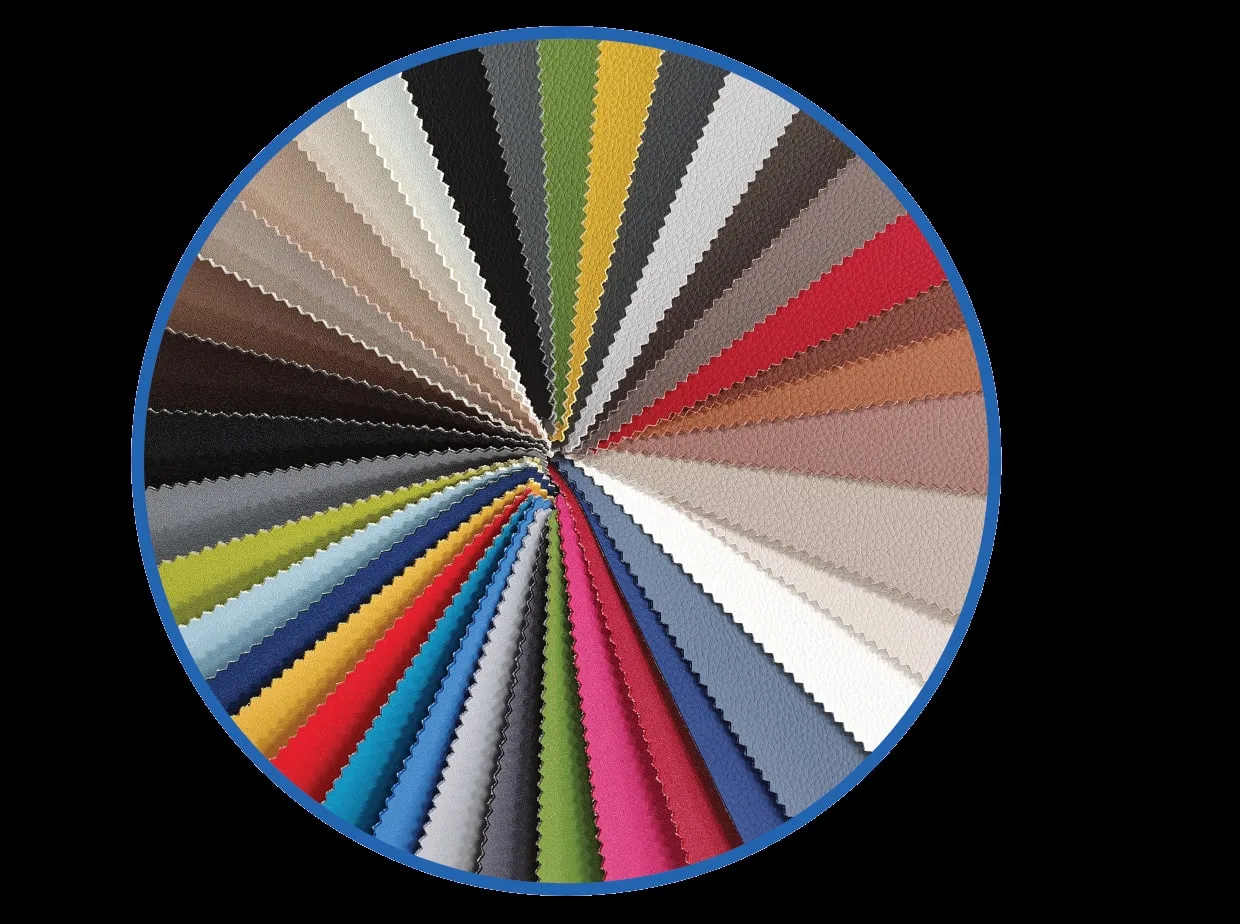
The Yinshan photograph above shows rolls kept in a real material environment. It illustrates why material identity needs a record; it does not imply that every previous fabric, colour, or quantity remains permanently available. The factory should check the current source, lot, minimums, production route, and timing for the specific reorder.
Ask whether the original material can be supplied on the current order conditions. If it cannot, the factory should identify the difference before sampling or booking. An alternative may share composition and nominal weight yet behave differently in drape, recovery, surface, opacity, sewing, washing, or colour. Compare the characteristics that matter in the finished garment rather than approving only from a short description.
Colour continuity needs its own reference. Name the previous approved lab dip, colour swatch, fabric header, print strike-off, wash panel, or bulk standard. Confirm whether the new order is expected to match the old shipment, a digital colour value, a physical standard, or a newly approved lot. These are not always identical. Materials with different surfaces can read differently under the same colour direction, and aged garments or old swatches may not be reliable master standards.
For a new dye lot or print run, agree what will be reviewed and who can approve it. Consider shade relationship within a garment, between matching pieces, across sizes, and against retained stock that may be sold alongside the reorder. Where a natural material, wash, print, or finish carries normal variation, define the acceptable visual direction for that specific product rather than using a universal statement.
Trims also need availability and colour checks. Neck rib, lining, elastic, drawcord, button, zipper, thread, badge, patch, and packaging components can change supplier, finish, dimension, or shade. A tiny difference can be visible when old and new stock sit together. Record the component code or approved sample and any permitted substitution process.
How should buyers protect pattern, measurements, grading, and construction versions?
A reorder can reproduce the wrong fit when the file history is incomplete. The final shipped product may differ from the first pattern, first sample, size set, or pre-production file. Identify the pattern and measurement version that reflects the accepted order, including changes made during first-piece or in-line review. If a buyer approved an adjustment during production, that decision belongs in the next product standard.
Use named points of measure and a current measurement chart. Mark tolerances or decision rules where the buyer and factory have agreed them, and state the measuring condition. Soft, washed, elastic, lined, or pressed garments can measure differently depending on handling and rest. The repeat team should not compare a finished relaxed garment with an old chart intended for a different state.
Review grading when the size ratio changes or a new size is added. A larger reorder in previously low-volume sizes may reveal that the grading needs closer attention at shoulder, bust, waist, hip, rise, sleeve, length, or pocket position. A new extended size is not automatically created by adding a fixed amount to every point. The appropriate route depends on the garment, fit intent, material, construction, and target customer.
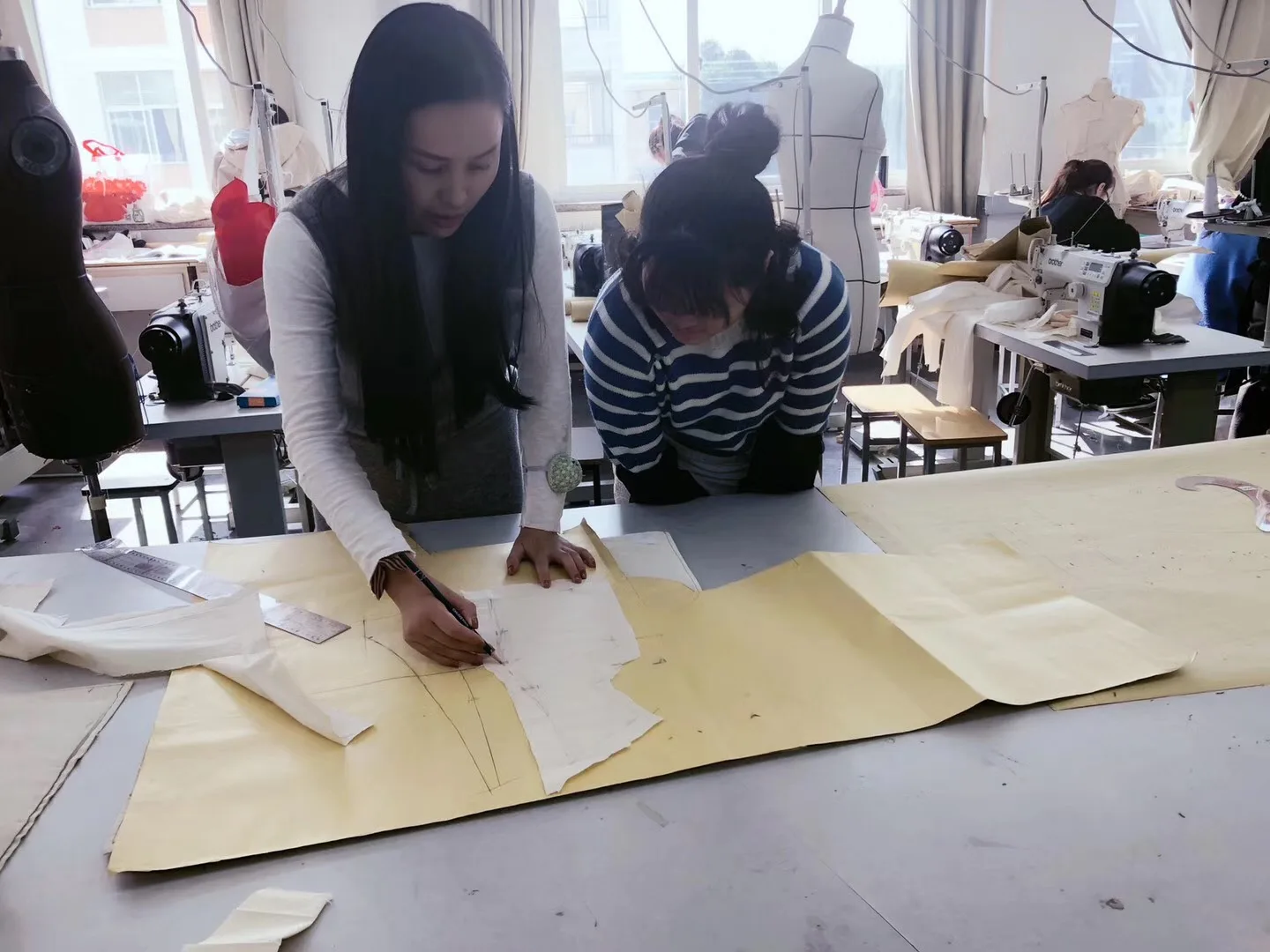
Construction must be version controlled too. Record seam type, stitch appearance, reinforcement, lining, binding, placket, collar, cuff, waistband, pocket, closure, hem, decoration placement, and product-specific finishing. If the factory improved an operation during the first order, decide whether that improvement is now the approved route. Do not let an undocumented correction disappear when another line or team handles the repeat.
Changes should be sampled in proportion to their effect. An unchanged reorder with a verified current record may need a focused confirmation rather than a complete development cycle. A new fabric, colour, size, pattern, construction, decoration, or market may need a lab dip, component sample, size set, pre-production sample, packing sample, or other approval. The factory should explain what the proposed sample proves and what remains open.
The manufacturing process connects approved product files with material review, cutting, sewing, in-line quality, finishing, packing, and delivery preparation. A repeat order becomes faster through clear handover and fewer unresolved variables, not by removing every check.
What should buyers check about update labels, artwork, barcodes, and market information?
Private-label files often change faster than the garment. A logo may be refreshed, a website address updated, a care line revised, a hangtag redesigned, a barcode reissued, or a new destination market added. Treat every brand and product-information file as a controlled component with its own version, dimensions, material, colour, placement, quantity, and approval.
Start with the physical garment. Confirm main label, size label, care label, origin or responsible-party information where relevant, logo application, patch, print, embroidery, and any inside packaging insert. Then map the same style-colour-size identity to the hangtag, barcode, price or size sticker, individual pack, carton, packing list, and the buyer’s product database.
A barcode that scans is not necessarily correct. The result must identify the intended SKU and match the physical garment. If the buyer reuses a style while changing colour, size range, market, or pack, it should confirm whether new codes or retailer data are required. The factory can apply approved files, but the buyer remains responsible for confirming current product, market, importer, responsible-party, language, fibre, care, claim, and retailer requirements with the appropriate owner.
Ask the buyer’s compliance or operations owner to sign off the final source file rather than approving a screenshot detached from its version. Screenshots can help placement review but may hide dimensions, colour references, variable data, or export settings. Keep the editable source, print-ready file, physical sample where used, and approval record together.
The private-label programme gives buyers a practical route for organising labels, hangtags, artwork, barcodes, folding, individual packing, and brand presentation as part of the product plan. These are not decorations added after production; they are part of product identity and reorder accuracy.
What should buyers check about rebuild packing and carton plans for the new assortment?
Packing should be repeated only after the new quantity and SKU matrix is final. A changed size ratio, colour mix, warehouse, retailer, or transport route can make the previous carton plan unsuitable even when the garment and fold remain the same. Recalculate how units move from garment to individual pack, inner pack where used, carton, packing list, and warehouse receiving record.
Keep the previous packing master as the product reference, then issue any changes. Confirm fastenings, folding, tissue or inserts, protective bag or box, hangtag and barcode placement, size sticker, individual identification, units per carton, solid or mixed assortment, carton dimensions or limits where specified, outer marks, purchase-order references, and consignee information.
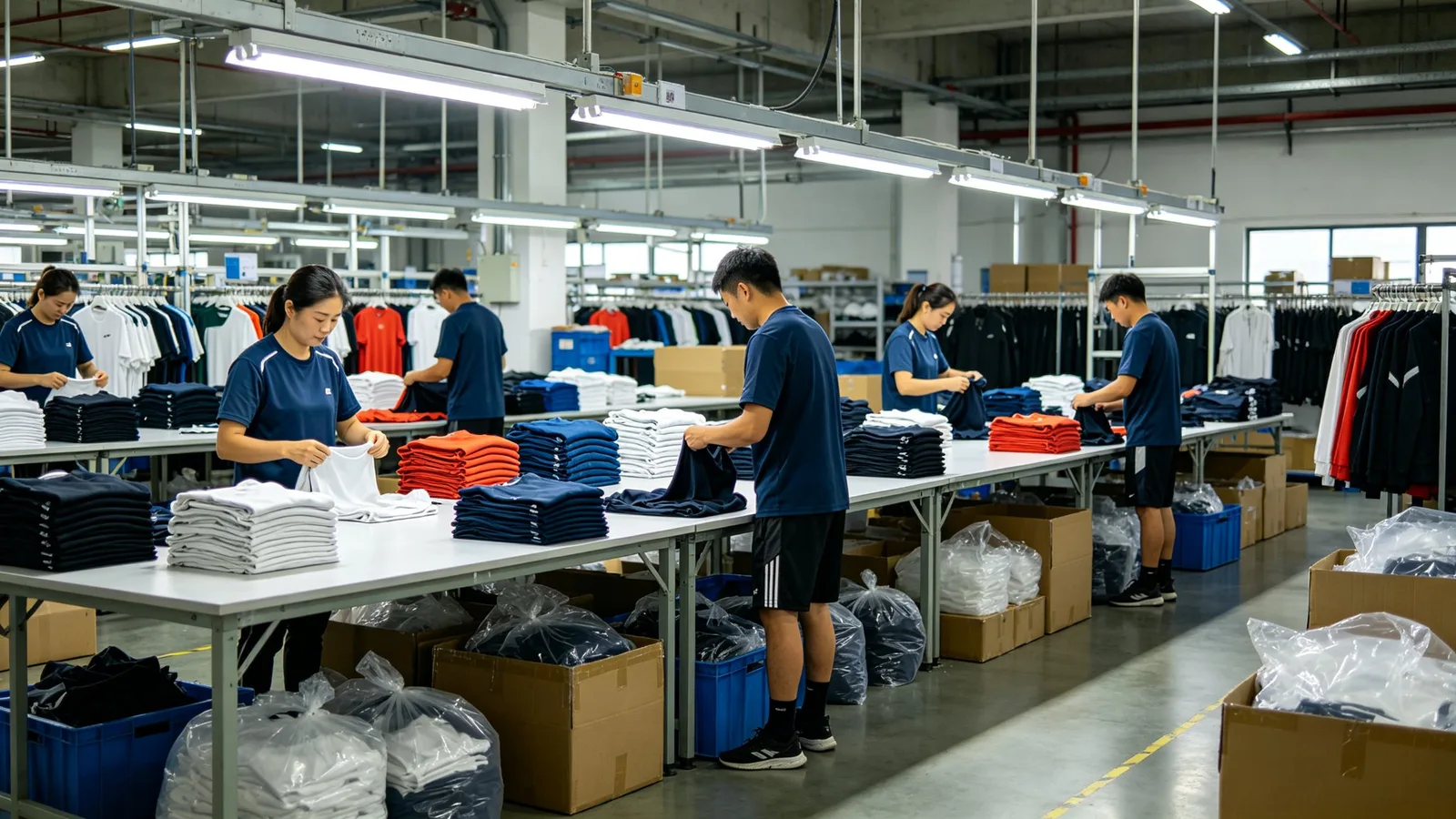
This real Yinshan finishing-area image shows garments being prepared before packing. The exact pressing, folding, protection, and carton route depends on the material, construction, product presentation, buyer instruction, and delivery channel. The photograph supports the process context; it is not a fixed service promise for every reorder.
Test the relationship before all cartons are sealed. Select an actual style-colour-size unit, compare its garment labels and barcode with the SKU master, review the individual pack, place it in the planned carton, and trace the carton mark back to the packing list. This practical check can reveal a mismatch between product data and physical handling while correction is still possible.
Warehouse feedback from the first order should shape the repeat. Record crushed cartons, mixed sizes, unclear marks, hard-to-scan labels, excess handling, missing identifiers, poor fold recovery, moisture concerns, or a pack that did not suit the sales channel. Translate the issue into a revised instruction and approval. “Improve the packing” is not enough; name the affected item, expected result, and verification.
What should buyers check about turn quality findings into a prevention plan?
The first order creates quality evidence that should not be lost after shipment. Review in-line notes, final inspection findings, correction records, warehouse issues, returns, customer complaints, and accepted product variation. Separate isolated handling damage from a recurring material, measurement, construction, label, or packing pattern. The reorder plan should show what the factory will prevent, what it will check, and what the buyer must confirm.
Build a style-specific control list. A T-shirt may need attention to body length, neck shape, rib recovery, twist, shrinkage direction, print or embroidery, surface marks, labels, and fold. A blouse may emphasise transparency, drape, placket, buttons, seam puckering, pressing, and hem balance. A robe may focus on handfeel, shade or print, belt and loop position, piping, seam comfort, matching pieces, fold, and presentation.
For each important lesson, identify the stage where it can be controlled. Material shade belongs before cutting. Pattern or measurement alignment belongs at product handover and first pieces. Construction consistency belongs during sewing. Appearance and pressing belong during finishing. Labels, barcode, assortment, fold, and carton identity belong before sealing and release. Final inspection should verify the system, not discover every issue for the first time.
If a finding is accepted as a concession on the first order, do not automatically make it the new standard. Decide whether the product record changes or whether the repeat returns to the original requirement. This distinction prevents a temporary release decision from becoming an unintended permanent specification.
Use the detailed wholesale fashion quality-control guide to connect garment conformity with labels, barcodes, packing, cartons, evidence, and warehouse release. The repeat brief should name the quality priorities that changed because of actual first-order experience.
What should buyers check about reconfirm timing, quantities, and commercial assumptions?
Clear records can shorten avoidable discussion, but they do not freeze supply conditions. Reconfirm material and trim availability, current quantities, colour requirements, sampling or approval steps, production planning, label and packing components, quality checks, destination, and delivery objective. A previous lead time or price was based on the earlier order’s conditions and should not be treated as an automatic promise.
Ask the factory to state open assumptions in the new quotation or confirmation. These may include material source, colour route, retained components, approved product version, label files, packing scope, sampling, delivery basis, and buyer-supplied inputs. Compare the repeat offer with the last order by scope, not only by unit price.
Plan approvals backward from the buyer’s receiving window. Allow time for the decisions that genuinely need confirmation: material and colour, replacement components, revised artwork, new size or pattern, packing changes, and quality corrections. Keep decision owners visible. A fast reply is not the same as an approved file, and an unresolved point can block several downstream teams.
For a concise overview of why retained records help, read how quick repeat orders work in an apparel factory. The practical improvement is not merely speed. It is the ability to start from the right product, show changes early, and direct approval effort toward real risk.
How should buyers build a final reorder approval pack before bulk release?
Before production starts, issue one final reorder approval pack. It should be short enough to use and complete enough to control the order. Begin with the purchase order and style-colour-size quantity matrix. Add the approved product reference, current measurements, pattern or grading version where relevant, material and colour approvals, trim references, decoration files, label and barcode pack, packing master, carton plan, quality priorities, delivery instructions, and the signed delta matrix.
Create a cover index that names the current file and version for every section. Mark superseded files as archived. List open points separately; do not hide them inside approved sections. If an open decision prevents material booking, cutting, label production, packing, or release, state that dependency and owner.
The factory should confirm how the pack reaches development, sourcing, pattern, cutting, sewing, quality, finishing, packing, and export teams. It should identify which physical references accompany the digital files and how a later change is communicated. A controlled pack is valuable only when the people making decisions can find and understand it.
After shipment, close the record again. Add final quantities, approved deviations, quality evidence, packing list, carton information, and warehouse feedback. The product file then becomes a cleaner starting point for the next reorder rather than a history that must be reconstructed from memory.
What should a buyer send for a fashion wholesale reorder?
Send a compact but complete input pack. The factory should be able to identify the old order, understand the new commercial need, find the correct product reference, and see every change without comparing unrelated message threads.
- Previous order identity: purchase order, style codes, colour and size range, shipment reference, approved sample identity, and the final product file that represents the goods accepted.
- New demand plan: sales window, units by style and colour, new size ratio, on-hand stock context where useful, preferred scenario, alternative scenario, and the date quantities become final.
- Delta matrix: unchanged, changed, and reconfirm items for fit, measurements, pattern, materials, colours, trims, construction, decoration, labels, packing, quality, and delivery.
- Material and colour references: approved headers, lab dips, print or wash standards, component codes, acceptable visual relationships, and any requirement to compare the new lot with retained stock.
- Product and fit files: current tech pack or specification, points of measure, grading notes, construction details, placement files, approved changes, and the purpose of any new sample.
- Private-label data: main, size, and care labels; product and market information; artwork; hangtags; barcode and SKU master; stickers; source files; versions; and approval owners.
- Packing and warehouse plan: fold, tissue or inserts, individual pack, barcode and size-sticker placement, carton assortment, marks, packing list, receiving requirements, destination, and routing notes.
- Quality and feedback record: first-order findings, corrections, concessions, returns or warehouse issues, priority prevention points, evidence required, inspection plan, and release owner.
- Commercial and timing context: requested receiving window, destination, delivery basis to discuss, buyer-supplied items, quotation scenarios, and any assumption that must be reconfirmed.
Yinshan Fashion can review these inputs for a custom or private-label fashion reorder. Send the previous order reference, current product files, style-colour-size quantities, material and colour direction, confirmed changes, labels, barcode data, packing, quality priorities, destination market, and target receiving window through the contact page. The team can then identify what may remain unchanged, what needs a current availability check, and which revisions require a new sample or approval before bulk production.

Repeat-order control
Three records that turn an old order into a controlled fashion reorder
A useful repeat brief identifies the approved product, shows every current change, and carries sales and quality evidence into production. These controls help the buyer protect continuity without assuming that materials, colours, labels, packing, or timing remain automatic.
Approved baseline
Name the final sample, measurements, pattern, material, colour, trims, labels, packing, quality decisions, and production changes that represent the accepted product.
Visible delta
Mark each item as unchanged, changed, or requiring reconfirmation, then attach an owner, current reference, affected styles, and approval route.
Closed reorder pack
Release one quantity matrix and one indexed approval pack to sourcing, production, quality, finishing, packing, and delivery teams.
Buyer action and factory confirmation for a fashion wholesale reorder
Use this checklist before materials, labels, or production are committed. It protects the approved product while keeping changed demand, components, data, quality lessons, and commercial assumptions visible.
| Decision area | What the buyer should prepare | What to ask the factory |
|---|---|---|
| Previous product baseline | Identify the old purchase order, accepted product sample, current specification, measurement and pattern version, material and colour references, packing master, and final change log. | Which physical and digital references represent the product that was actually shipped and accepted, and are any temporary items still inside that record? |
| New quantity and change matrix | Provide units by style, colour, and size; mark unchanged, changed, and reconfirm items; add the reason, owner, decision date, and affected SKUs. | Which change affects material booking, pattern or grading, components, labels, packing, quality checks, commercial assumptions, or production planning? |
| Material, colour, and components | Name approved headers, colours, print or wash references, trims, critical product characteristics, and the relationship required with retained stock. | What is currently available, what comes from a new lot or source, which difference needs a sample, and which approval is required before use? |
| Labels, barcode, and packing | Issue current artwork, care and market information, SKU and barcode map, fold, individual pack, size stickers, carton assortment, marks, and receiving instructions. | How will the physical garment, label files, scan result, individual pack, carton, and packing list be traced to the same style-colour-size record? |
| Quality, release, and next record | Translate first-order findings into prevention points, evidence, inspection priorities, decision ownership, and any approved change to the product standard. | Which controls will occur before cutting, during production, finishing, and packing, and what final record will become the baseline for another reorder? |
Continue the production conversation
Fashion wholesale reorder delta matrix
| Decision area | Record to carry forward | What to reconfirm or approve |
|---|---|---|
| Product version | Final approved sample, specification, measurements, pattern or grading version, and production change log. | Which reference represents the accepted product, and whether any fit, size, construction, or decoration point changes. |
| Fabric and colour | Material code or header, composition and construction, handfeel, colour approval, print or wash standard, and bulk notes. | Current availability, new lot or source, shade relationship, material behaviour, and the approval needed before booking or cutting. |
| Trims and components | Approved lining, rib, elastic, buttons, zippers, thread, hardware, and component samples or codes. | Availability, condition of retained stock, substitutions, colour or finish differences, quantities, and affected styles. |
| Labels and SKU data | Main, size, and care labels; artwork; hangtags; barcode map; stickers; placement; and approved file versions. | New market or product information, revised artwork, SKU changes, physical samples, scan checks, and approval owner. |
| Quantity and size ratio | Previous style-colour-size allocation, final shipment quantity, and any relevant sales or return evidence. | New units by style and colour, size ratios, alternative scenarios, new sizes, and the date the matrix becomes final. |
| Packing and cartons | Approved fold, individual pack, inserts, sticker positions, carton assortment, outer marks, and packing list. | New warehouse or retailer requirements, size mix, carton quantity, protection, marks, receiving test, and revised master. |
| Quality controls | First-order in-line and final findings, corrections, accepted deviations, warehouse issues, and release record. | Prevention points, stage checks, evidence, any revised product standard, inspection method, and release responsibility. |
| Timing and terms | Previous quotation scope, production assumptions, delivery basis, and buyer-supplied inputs. | Current material and capacity conditions, approvals, quantities, packing, destination, delivery objective, and open assumptions. |
Buyer FAQs
What is fashion wholesale reorder planning?
Fashion wholesale reorder planning is the process of identifying the approved product that should be repeated, measuring new demand, and documenting every unchanged, changed, or reconfirmed decision before repeat production. It covers style-colour-size quantities, materials, colours, measurements, trims, labels, barcodes, packing, quality lessons, approvals, commercial assumptions, and delivery requirements.
Can a factory make a reorder exactly the same as the previous order?
The buyer and factory can target continuity, but they should not assume every input is automatically identical. Fabric and trim availability, dye lots, colour, size ratios, label files, packing, production conditions, destination, and timing need current confirmation. Name the previous approved references, compare the new inputs, and approve any material, component, product, or data difference before bulk.
Which records are most important for a private-label fashion reorder?
Keep the final approved sample identity, current specification and measurements, material and colour references, construction and trim details, decoration files, main and care labels, hangtags, barcode and SKU master, packing and carton instructions, quality findings, approved changes, final assortment, and shipment record. A short delta matrix should show what changes on the new order.
Does a new colour count as a simple reorder?
The style may be repeated, but a new colour creates new decisions. The factory may need to confirm material availability, lab dips or colour approval, shade relationship, thread and trim matching, print or wash appearance, labels or barcode data, quantities, packing identity, and product photography inputs. Treat it as a controlled colour extension rather than assume the old approval covers it.
How can quality improve on a repeat order without changing the product?
Translate first-order findings into stage-specific prevention. Keep the accepted product standard, then identify where material, measurement, construction, finishing, label, barcode, packing, or carton issues should be prevented and checked. Record the evidence and release owner. Do not quietly turn a first-order concession into the new standard unless the buyer approves that change.
Does Yinshan Fashion keep ready stock for automatic wholesale reorders?
Yinshan Fashion focuses on custom and private-label bulk programmes, not unrestricted ready-stock replenishment. A repeat order can use retained product records, but the factory and buyer still need to confirm the current product version, material and trim availability, colours, quantities, size ratios, labels, packing, quality route, destination, and timing for the specific programme.