Article
What should buyers know first?
Short answer: Explore sustainable fabric trends through material choices, sample performance, recycled inputs and practical recycling questions for fashion development.
Sustainable fabric trends become useful when they help a brand choose materials for a particular garment. Compare the material source, the finished fabric, the manufacturing route and the likely route after use. A promising fibre story cannot settle all four questions. Start with a product requirement, then request evidence and samples that address that requirement.
Yinshan Fashion supports custom and private-label bulk programmes, including small-batch development discussions, rather than unrestricted ready-stock wholesale. This guide translates material developments into decisions for international womenswear buyers. The examples describe development directions and supplier information, not an industry popularity ranking or a promise that Yinshan supplies every named material.
Sustainable Fabric Trends and Development Priorities
A useful collection review separates four areas of development. The first concerns what goes into a material: conventional fibres, recycled textile inputs, alternative feedstocks or a defined combination. The second concerns what the fabric does in use. The third concerns how the material is processed into a saleable garment. The fourth concerns what can realistically happen when that garment is no longer wanted. Progress in one area does not settle the other three.
Give each proposed development a specific purpose. A lightweight dress fabric might be investigated because the current sample feels heavy at the neckline. A recycled casualwear fabric might be considered because the brand wants to use a documented textile waste stream. An undyed option might answer an aesthetic brief for natural colour variation. These are different projects and should have different acceptance questions.
For an initial range, avoid opening every material route simultaneously. Choose a style where the buyer can describe the required result, identify the person who approves it and fund an appropriate sample comparison. Keep a familiar reference fabric in the review. It provides a practical baseline for handle, appearance, construction and care, even when the alternative uses a different source material.
A hypothetical label developing a camisole and an overshirt could therefore run two separate investigations. The camisole brief might prioritise drape, coverage and narrow strap support. The overshirt brief might prioritise surface character, pocket durability and repeat-order shade control. Asking both suppliers for their most sustainable fabric would obscure these product differences and invite answers that cannot be compared.
Record the decision the research is supposed to change. Examples include choosing between two constructions, accepting a slightly varied colour family, revising a lining or narrowing a proposed marketing statement. A research folder without a decision can grow indefinitely. A development question with an owner and a next sample gives the team a clear stopping point.
Performance Matters Alongside Material Origin
Start the performance discussion with the conditions in which the garment will be worn, cleaned and stored. An occasion dress may need to look smooth under directional lighting and remain comfortable while the wearer sits. A casual blouse may need to keep its placket and cuffs presentable after repeated care. The relevant evidence comes from a defined product and test plan, not a general ranking of fibre names.
Handle is also more specific than softness. Buyers can describe whether a material should fall close to the body, hold a sleeve shape, move freely over a lining or resist clinging to another layer. Bring those observations into the sample comments. A sentence such as “the skirt collapses against the underlayer when walking” gives a developer something to investigate. “Make it more premium” does not.
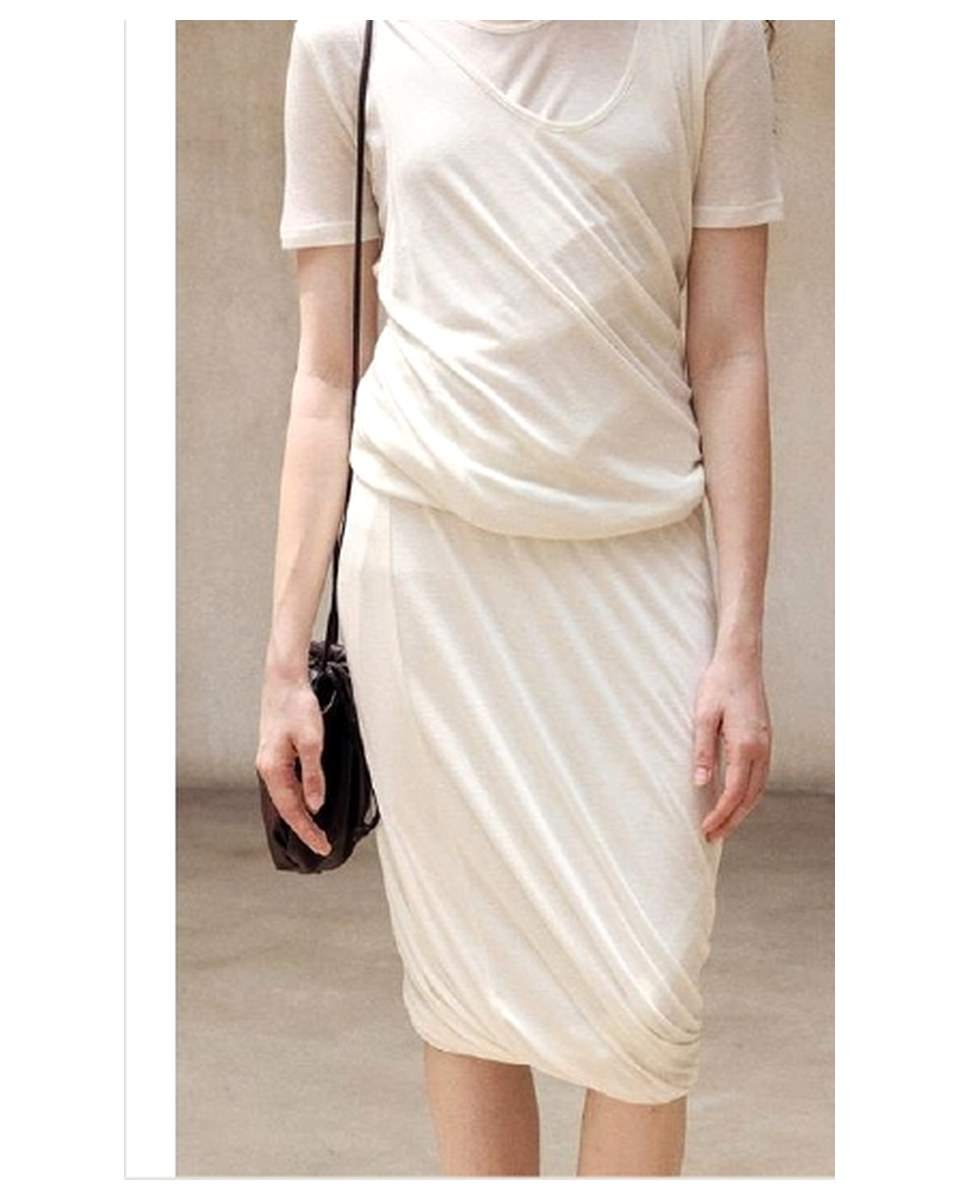
For a dress programme, use the dress collection as a garment discussion entry point. Identify the proposed silhouette and then ask how each candidate material changes coverage, seam appearance and support. The collection reference does not prove that a pictured style uses a particular recycled or branded fibre. Material identity needs its own confirmed record.
Consider what happens when an attractive fabric requires a design change. A lighter shell may need additional lining. A textured recycled material may need a different seam finish. A stretch fabric may require a revised pattern or stabilisation. Include those changes in the comparison because the buyer ultimately approves a complete garment, not an isolated material substitution.
Treat a sample failure as information about a particular combination. Record the material reference, pattern version, construction and care conditions before deciding whether to revise or reject it. This prevents a single poor sample from becoming an unsupported conclusion about an entire fibre family. It also prevents a good swatch from being treated as proof that every possible garment construction will work.
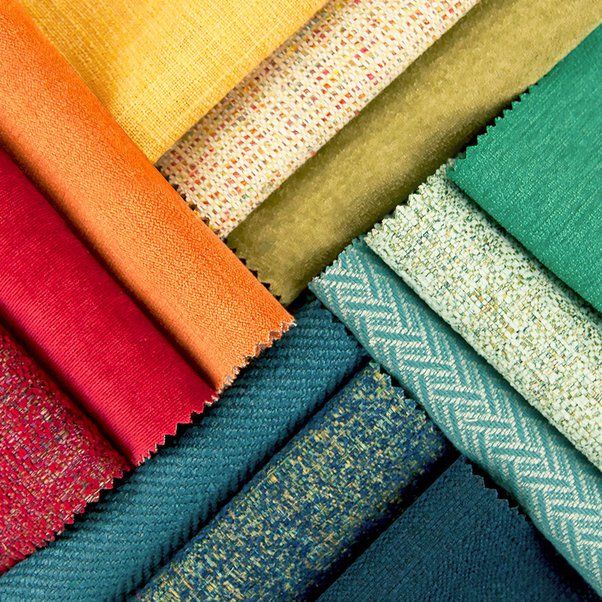
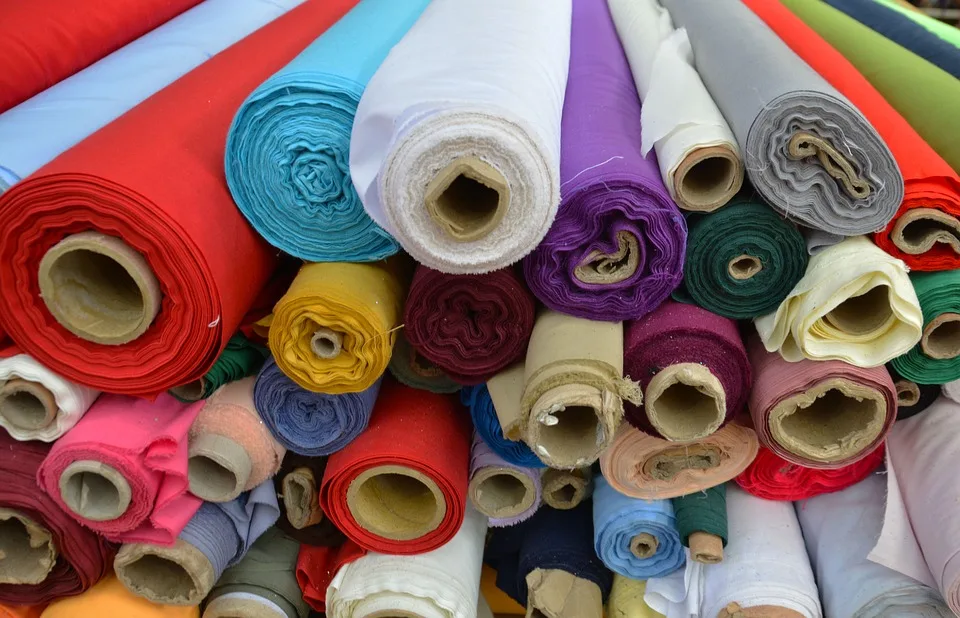
Image references: the rolls and textured samples illustrate colour, construction and surface choices. Their composition and sourcing are not established by the photographs; they are not evidence of a named sustainable material or environmental result.
Lightweight Acetate and the Difference Between Yarn and Garment Evidence
Lightweight acetate illustrates why buyers should read a material announcement at the level it describes. Eastman presents Naia Lyte as a cellulosic filament yarn with increased tenacity and a soft, lustrous drape. Those are manufacturer descriptions of a named yarn platform, not test results for an unidentified dress offered by another supplier. Eastman’s Naia Lyte product information provides the source context.
The practical investigation begins when a mill or supplier proposes a fabric code. Ask for the complete composition, construction, weight, usable width, finish and colour reference. If the proposal uses a branded yarn, request the information that connects that yarn to the actual fabric. A photograph of flowing cloth cannot establish the material name, the component share or the rights to use a brand reference.
Compare the fabric in the intended design. A loose blouse and a fitted slip dress can place different demands on an apparently similar lightweight base. Check where the material folds, where it is held under tension and where the wearer expects coverage. For a pale option, review the intended lining and underlayers rather than judging opacity from a dark sample.
Do not transfer claims between products within a supplier’s range. A recycled-content statement about another yarn is not evidence for the proposed Lyte fabric. Equally, a fibre-level description of biodegradability does not establish the disposal conditions for a dyed, blended and trimmed garment. Keep the proposed claim beside the exact material reference and mark anything that still needs confirmation.
A useful first comparison includes a fabric header, a construction sample and a garment sample, each identified separately. The header shows surface and initial handle. The construction sample allows the team to examine a seam or hem before committing to a full revision. The garment sample answers questions about the complete shape. Approving one stage should not silently approve the remaining stages.
Assign a specific owner to any change between those stages. If the mill changes the finish after the header is selected, the sampling team needs to know before cutting. If the buyer changes the lining after the first fitting, the next review should include the revised combination. Keep both versions identifiable so an apparently improved result can be traced to the actual change. This is especially useful when several candidate materials have a similar colour and surface. The approval record should explain which combination was selected and why, allowing a production team that did not attend the fitting to reproduce the intended garment.
Textile-to-Textile Recycling Starts with the Feedstock
A recycled textile discussion should identify what was collected and what it became. Cutting remnants, unsold fabric and worn garments do not describe the same source situation. Nor does a recycled polyester label establish that the input was textile waste. Ask the supplier to name the feedstock category and the output material before the buyer uses a circularity story in a product brief.
Keep collection and processing separate in the record. A brand might collect garments through a campaign, while a processor supplies a fabric produced from a broader pool of material. Those activities can both be real without proving that the brand’s own collected garments became its new products. If the proposed story connects those stages, request evidence for that connection.
A practical receiving question is what the processor accepts. Kurabo’s L∞PLUS describes reprocessing cutting waste and discarded textiles through opening and spinning. Its published information also identifies material restrictions. This is evidence of a particular recycling system, not a universal acceptance rule for all textile recyclers. Kurabo’s L∞PLUS information should be read alongside the current proposal.
The buyer’s development work concerns what the resulting fabric needs to do. Compare the proposed composition, construction, surface and colour with the garment requirements. Ask whether the sample represents a repeatable material specification or a limited lot with a distinctive appearance. Both may be commercially useful, but they call for different collection and replenishment plans.
Avoid making the supplier solve an unspecified contradiction. A brand cannot ask for an uncontrolled mixture of recovered inputs, exact colour matching across future orders and unchanged construction without discussing how those requirements will be achieved. Put the priorities in order. If continuity is essential, ask what input control and additional approval work are needed, then assess the actual offer before writing the sales story.
Undyed Fabrics and the Processing Decisions That Remain
Undyed describes a colour-processing choice. It does not by itself tell the buyer whether a material was bleached, washed, softened, coated or otherwise finished. A cream fabric could also be dyed to look natural. Establish the intended process description in writing and ask the supplier to identify the stages covered by the statement.
For design teams, the first decision is often visual. Does the collection need a precise shade across different materials, or can it accommodate a family of natural tones? An undyed cotton shell, a lining and a sewing thread may not read as the same white. Review those components together before approving photography or promising a matching set.
A small sample card may hide the variation that becomes visible across a complete front panel. Request enough material to evaluate the proposed layout and compare the garment under agreed lighting. Record what variation is acceptable and where. A subtle difference between separate styles might fit the range, while a difference between two halves of one garment might not.
Environmental comparisons need an equivalent product and a stated boundary. If a supplier provides water or energy information, ask what quantity and processing stages it covers, which reference product it uses and who produced the data. A removed dyeing stage does not give the buyer enough information to calculate a total garment impact. Use the evidence at its stated scope.
The development outcome may be an undyed capsule, a conventional dyed route or a revised palette with fewer matching obligations. None requires an unsupported claim that one route is always best. The useful result is a fabric and colour plan that meets the aesthetic brief, carries an accurate process description and can be approved again when a later batch is proposed.
Upcycled Composites Need a Component Brief
Some recovered textiles become composite materials rather than new apparel yarns. NUNOUS describes material made from fabric combined with a biopolymer and offers different forms. This is a useful example of a route with applications and processing considerations distinct from ordinary dress fabric. NUNOUS material information is the appropriate starting point for that example.
Another route changes the waste before it becomes a component in a new material. .Garbon describes carbonising waste and using the resulting material in products including artificial leather. The carbonised input is part of a formulation. Its origin does not disclose the full finished composition or establish the behaviour of a completed accessory. See .Garbon’s service description for the manufacturer’s explanation.
For a brand exploring these directions, draw the proposed component first. State whether it bends, touches skin, carries weight, rubs against fabric or needs cleaning. A decorative tab and a load-bearing strap require different reviews. A sample that looks attractive on a desk has not yet answered those questions.
The surrounding garment matters too. A firm trim can change how a lightweight panel hangs. A coloured surface can contact a pale lining. Adhesives, backing layers and attachment methods may influence comfort and later repair. Ask a component specialist to review the actual assembly, then include it in the garment sample rather than assessing the material in isolation.
These examples do not establish a supply relationship with Yinshan Fashion or a confirmed capability to manufacture specialist accessories. They identify questions a buyer can bring to a development discussion. Before allocating a new component to an order, confirm who supplies it, who converts it, who tests the assembly and who approves the final material and claim.
Recycled Content and Future Recyclability Answer Different Questions
Recycled content concerns the material entering the current product. Recyclability concerns a possible route after that product has been used. A source statement about the first cannot answer the second. Textile Exchange explicitly treats incorporating recycled inputs and designing products for recycling as separate tasks within circularity. Textile Exchange’s circularity guidance explains that distinction.
Apply it to the whole garment. A shell fabric can have a documented recycled component while its lining, coating, elastic, thread and fasteners follow different material routes. If the buyer wants to discuss future recycling, ask a named receiving organisation about the complete assembly. A generic symbol on a mood board is not evidence that the finished product will be accepted.
Biobased and biodegradable need their own questions as well. One describes material origin. The other needs a defined material and conditions for breakdown. A finished garment may combine ingredients, finishes and attachments that were never covered by the original fibre information. Retain the original scope instead of broadening it to the whole product.
Consider how the wearer would actually access the proposed route. Is there a collection service in the sales market? Does it accept that category and condition of garment? Are there preparation requirements or costs? A technical processing possibility is useful development information, but it should not become a consumer instruction until the available route is understood.
Keep the conclusion proportionate. The team may approve a recycled-content specification while continuing to investigate collection options. It may simplify a garment to make later disassembly easier without advertising it as recyclable. These are legitimate development decisions. Recording the unresolved step is more useful than treating every material innovation as a completed circular system.
Match the Material Direction to Dresses, Tops and Casualwear
Build a material comparison around the product’s most demanding areas. In dresses, that may be the bust seam, a bias panel, a zipper opening or a narrow strap attachment. In tops, it may be a cuff, button stand, armhole or neckline. A casual overshirt may need the team to examine pocket corners, collar support and the appearance of repeated washing.
The blouse collection can help a buyer specify the construction context for a top. Identify whether the brief calls for a fluid body, a structured collar or an open weave. These details guide the sample review much more directly than asking for a fashionable sustainable material.
For casualwear development, consider the relationship between surface character and consistency. A visibly varied material could be a deliberate design choice. The buyer still needs to decide which variations belong to that character and which would count as faults. Record examples in the approval file so production and commercial teams share the same interpretation.
An illustrative capsule might use a draping material for a camisole, a more structured base for an overshirt and a limited recovered-material trim. Review each item separately, then review the combination as sold. Check whether care instructions conflict, whether one surface rubs against another and whether the chosen shades remain acceptable together.
A shared material across several styles can simplify some decisions, but only if it suits all of them. Do not assume that a fabric approved for a loose top is approved for a fitted skirt. Carry forward the material identification and evidence, then add the product-specific construction review. This preserves what the team has learned without skipping the questions created by a new garment.
Request Evidence That Matches the Approval Decision
An evidence request is easiest to answer when it identifies the claim, product and decision. Instead of asking a supplier to send all sustainability certificates, explain what the brand intends to specify and what wording it hopes to support. Request the relevant documents and ask which component, organisation, process and period they cover.
Maintain a material identity record alongside that evidence. Include the supplier reference, fibre composition, fabric construction, finish, colour and sample identifier. If the proposed material changes during development, update the record before reviewing the new evidence. Otherwise, the team may approve a genuine document that belongs to a different fabric.
Keep observations and formal reports distinguishable. A designer’s photograph can show how a sample hangs. A written wear review can capture comfort comments. A laboratory report addresses the samples and conditions stated in that report. Each may be useful, but they should not be described as equivalent forms of proof.
The existing fabric traceability checklist provides a related route for organising order and material records. Use a single accessible project file, with clear versions and owners, rather than leaving approvals scattered across messages. The buyer should be able to locate the evidence used for a decision when a repeat order arrives.
At a review meeting, make three decisions separately: whether the material can proceed to another sample, whether the garment is approved for production and whether a proposed public statement is supported. Different people may own those decisions. Recording them separately keeps a promising development sample from being mistaken for final production or marketing approval.
Turn a Material Direction into a Development Brief
The final brief should tell a developer what to make and what the next sample must resolve. Include the garment drawing, intended use, size range, target market, colour plan, quantity assumptions, care expectations and required material information. Identify the features that are fixed and those where the buyer is open to alternatives.
Describe the sample comparison in plain terms. For example, ask for two candidate fabrics in the same camisole pattern, with the proposed lining shown on one and omitted on the other. State that the review will examine coverage, drape, seam appearance and movement. This is a proposed evaluation, not a claim that either sample has already passed.
Make commercial unknowns visible early. Material availability, order minimums, testing arrangements, additional development work and timing depend on the actual programme. A small garment order can still involve a material route with separate supply constraints. Ask how the proposal can be scoped sensibly before selecting many colours or ordering branded labels.
Use the fabrics and trims discussion to connect the material enquiry with the garment project, and review the manufacturing process when assigning sample and production responsibilities. These conversations should establish what can be assessed, what needs a specialist and what evidence the buyer must provide.
End the review with a recorded choice and a reason. Select a candidate for further sampling, request a specific revision or pause the material until missing information arrives. Save the rejected option and its explanation as well. A useful trend investigation leaves the team with an informed next action and a reusable record, even when the most interesting material is not the one selected for the collection.
Material development checklist
Three actions before sampling
Connect the material identity, sample decision and supporting evidence to the actual garment brief.
Name the Product Decision
Select one style and identify the material problem to solve. Record the fixed requirements, available alternatives and buyer responsible for approval.
Compare Identified Samples
Use fabric codes, pattern versions and agreed review conditions. Photograph the same garment areas so comments can be compared.
Keep the Claim File Separate
Link each proposed statement to its evidence and covered component. Release marketing wording only after the appropriate review.
Buyer and factory checklist
Confirm these inputs for the material and garment being considered.
| Decision area | What the buyer should prepare | What to ask the factory |
|---|---|---|
| Product job | Silhouette, use, market and care expectations | Proposed material and construction options |
| Material identity | Required composition or sourcing feature | Fabric reference, finish and available documents |
| Appearance | Handle, coverage, shade and acceptable variation | Identified sample and practical approval method |
| Evidence | Exact claim to investigate | Scope, source and any information still missing |
| Order planning | Quantity, colour split and repeat expectations | Programme-specific supply and development conditions |
Continue the production conversation
Material Route Decision Table
| Route | Possible development context | Sample question | Evidence to request | End-of-life question | Next action |
|---|---|---|---|---|---|
| Lightweight acetate | Draping dress or blouse | Does the actual construction provide coverage and seam stability? | Fabric identity and any named-yarn documentation | What conditions and components does a claim cover? | Compare identified garment samples |
| Textile-to-textile input | Casualwear fabric | Does the proposed lot meet the product brief? | Feedstock category, composition and lot records | Who can accept the finished assembly? | Confirm input and repeat-order controls |
| Undyed material | Natural-tone capsule | Is shade variation acceptable across the garment? | Process description and approved shade range | Which subsequent treatments affect acceptance? | Review shell, trims and care together |
| Fabric composite | Decorative or functional component | Does it bend, join and wear as required? | Full component specification and supplier guidance | Is a return or recovery route available? | Obtain a specialist component assessment |
| Carbonised-waste formulation | Candidate accessory component | Does the final material meet the intended use? | Full formulation information and relevant reports | What happens to the finished composite? | Test the actual assembly before allocation |
Buyer FAQs
Which sustainable fabric trends should a small fashion brand investigate first?
Start with a material question in a real garment: drape, coverage, source documentation or an intended recovery route. Choose a manageable sample comparison before expanding the investigation across a collection.
Is recycled fabric always recyclable?
No. Recycled content describes an input. Future recycling depends on the finished composition, attachments, collection route and processor acceptance.
Does plant-based mean biodegradable?
No. Material origin and breakdown conditions are separate matters. Review the exact material and evidence before applying either statement to a garment.
Can a fibre certificate support a finished-garment claim?
Only within its actual scope and the applicable claim requirements. Check the fabric and garment configuration, the supply-chain records and the proposed wording.
What should buyers request before sampling?
Request a material reference, composition, construction and finish information, relevant source documents, a proposed sample review and programme-specific commercial conditions.