Article
What should buyers know first?
Short answer: A practical fashion fabric traceability checklist for brands moving from sample approval to bulk production, covering material records, supplier documents, colour, trims, labels, packing, QC, and repeat-order files.
A fashion fabric traceability checklist connects a bulk order to the exact material, garment component, approved sample, colour, labels, packing instructions, and quality decisions behind it. A useful file does more than store certificates or fabric names. It lets the buyer, factory, and quality team identify what was approved, what remains open, and what must be checked again before cutting or reordering.
Yinshan Fashion supports custom and private-label bulk programmes built around a buyer's product brief; it is not an unconditional ready-stock wholesale platform. Materials, colours, quantities, size ratios, branding, packing, market requirements, and timing therefore need project-specific confirmation. The checklist does not need to be complex, but it must be specific enough to keep those decisions connected.
This matters before bulk production. It also matters six months later, when a buyer asks for a new colourway or a repeat of a successful style. Without a record, the conversation often starts with a vague request: “Please use the navy fabric from last season.” With a traceability file, the team can identify the fabric supplier reference, approved colour, construction, material route, trim package, and the points that must be checked again.
This fashion fabric traceability checklist is for private-label brands, sourcing teams, product developers, and buyers working with a clothing manufacturer. It covers the practical records needed from fabric selection through sample approval, bulk production, packing, and repeat orders. It does not replace a buyer’s legal, certification, or market-compliance review. It makes the production facts easier to find and verify.
How should buyers start with one material identity, not a loose description?
Every garment style needs a material identity that is more precise than “cotton jersey,” “recycled blue fabric,” or “soft woven.” A useful record starts with the supplier or mill reference, fibre composition, knit or weave construction, weight when relevant, width, surface description, colour reference, and intended garment use.
Attach the actual fabric header or a clear reference image to the style file. A material name alone is not enough. Two cream jerseys can have different weight, coverage, stretch, shrinkage, surface, and neck-rib behaviour. Two black woven fabrics can handle pressing, embroidery, lining, or seam construction in very different ways.
Record where the material is used. Is it the body shell, lining, pocketing, rib, collar, mesh panel, waistband, binding, or a bag component? A claim or composition can apply to one component and not another. The product file should make that visible before a label, hangtag, or product-page description is drafted.
This is especially important when a brand has a preferred-material requirement. Recycled polyester, organic cotton, cellulosic fibres, and blended routes need the same discipline as any other material choice. Name the material. State the claimed feature. Link it to the relevant component. Keep available supplier documentation with the actual order record. Do not turn a material preference into a broad product claim before the facts are confirmed.
The fabric and trim development route is a useful reference for this early stage because material, colour, trim, label, packing, and sample decisions need to work as one product system. A traceability record should mirror that system. It should show the chosen direction and the alternatives that were rejected, not simply preserve the last attachment that arrived by email.
How should buyers map every fabric and trim to the garment bill of materials?
A style rarely contains only one material. Even a simple T-shirt can include body jersey, neck rib, sewing thread, print ink or transfer film, labels, and packing components. A woven overshirt may add interlining, pocketing, buttons, spare buttons, tapes, embroidery backing, and several label types. Treating the shell fabric as the entire traceability story leaves the product record incomplete.
Build a component list that uses the same style code and version as the tech pack. For each component, record its product location, supplier reference, colour, composition or material description where relevant, approved sample or header, status, and replacement rule. The purpose is not to create paperwork for every minor item. It is to make sure a person can identify what belongs in the finished garment without guessing from a photo.
This component map also improves sample comments. A buyer can say “change the collar rib to reference R-04 while keeping body jersey J-12” instead of asking for “a firmer neck.” The factory can then confirm whether colour, recovery, shrinkage, attachment, and availability still need review. When the body and rib come from different sources, their shades and care behaviour should be checked together on the actual sample.
For a Casual Fashion programme, the practical list may cover jersey, fleece, poplin, twill, lining, rib, elastic, buttons, zips, labels, and decoration. Another category will have a different list. The correct bill of materials follows the product, not a generic template. Mark components as proposed, sampled, conditionally approved, approved, changed, or rejected so that sourcing and production teams can see the current decision.
The list needs ownership as well as detail. The buyer should approve brand-facing choices such as appearance, handfeel, label copy, artwork, and retail presentation. The factory should identify the working references, clarify production risks, and show when a proposed substitute changes the approved route. Neither side should assume that a supplier's internal code is meaningful to the other without a shared description or sample reference.
What should buyers check about make the material record usable by the sample room?
A traceability record should help the person making the sample, not only the person filing documents. The sample room needs to know which header is current, which colour is approved, what handfeel is expected, and what garment result matters.
Include the reference style, pattern version, sample size, intended fit, key measurements, construction notes, and the points that are fixed or open for factory advice. Add a short material note in normal language. For example: compact off-white jersey; full coverage required; soft dry handfeel; stable neck rib; check after wash. Or: charcoal overshirt fabric; light structure; no shine; clean placket; compatible with woven label and matte buttons.
Short instructions are easier to use than a long sustainability statement. They make the risk visible. For a pale T-shirt, the risk may be show-through. For a rib lounge set, it may be recovery at the neckline and knees. For a woven shirt, it may be collar support, seam puckering, and button stability. For a printed active layer, it may be surface, stretch, coverage, and print handfeel after care.
Keep the sample comments beside the material record. A comment such as “fabric feels wrong” is not traceable. A usable comment says what must change: compare a denser construction; improve coverage in cream; reduce body shrinkage before measurement approval; review the black shade against the approved standard; soften the back surface; or test the print after the intended care route.
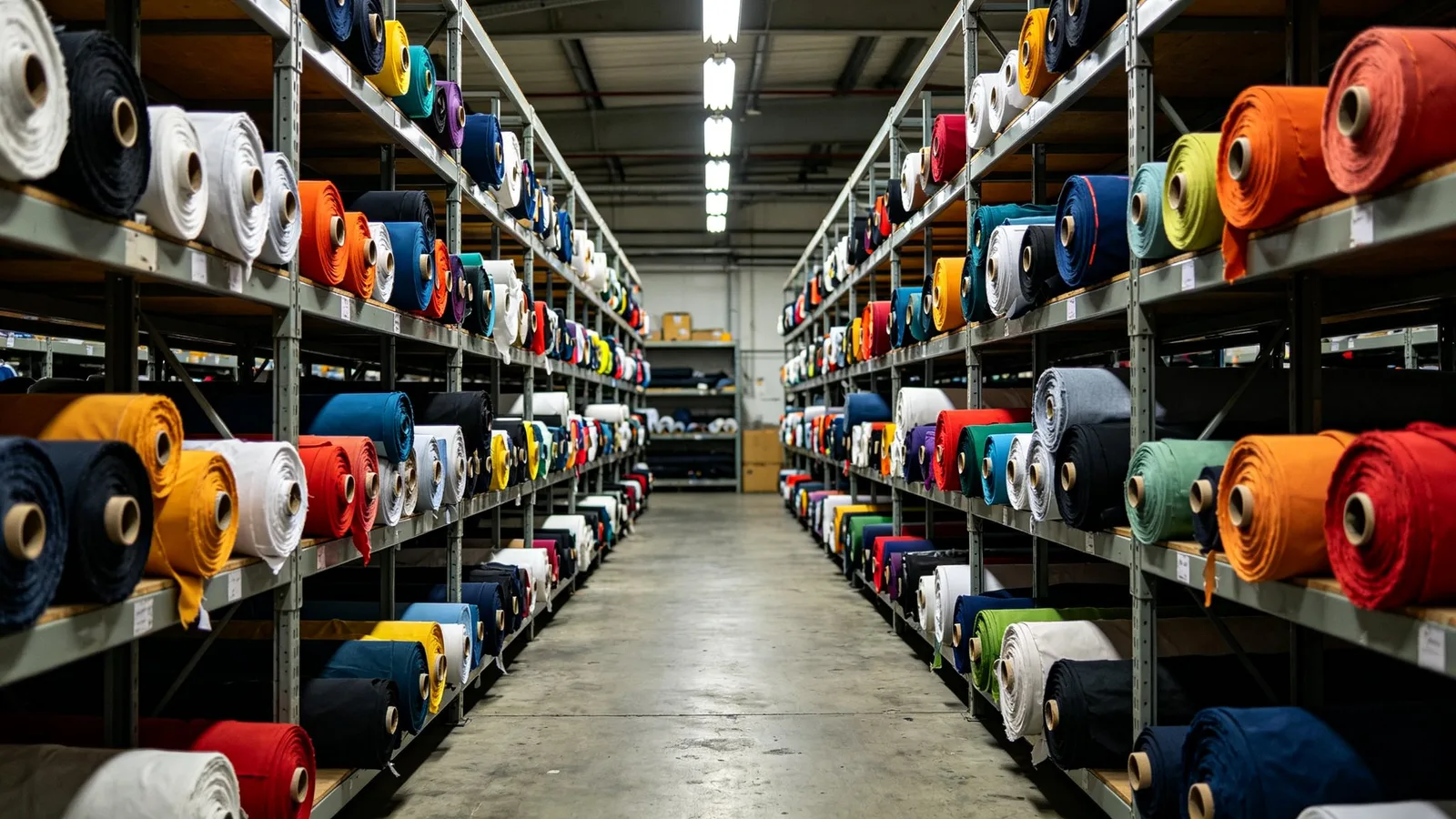
The Yinshan image above provides real development context. It does not imply that every style follows an identical document sequence. A knit top, lined dress, washed jacket, or lounge set will require different material notes and sample checks. The buyer should identify the product result that matters, while the factory should translate that result into measurable or observable review points.
Before the first sample begins, connect the material record to a usable product brief. The fashion product brief guide explains the wider input: silhouette, fit, measurements, construction, colour, decoration, labels, quantities, market, packing, and timeline. Fabric traceability is strongest when the team can see why a material was chosen for that product rather than treating the material file as a separate compliance folder.
How should buyers keep documents close to the claim they support?
Fashion supply chain documentation is useful only when the team can connect it to the material and order it relates to. Store supplier declarations, material information, chain-of-custody records, transaction documentation where required, test reports, and approved claim wording in the same file as the relevant fabric reference.
First identify what the brand is actually asking for. It may be a fibre-content record, a retailer-required document route, a specific recycled-content statement, an organic-content route, or a product information file for a market. These are not interchangeable. The buyer should confirm which documents are required, who reviews them, and which wording is allowed on a label, hangtag, product page, or retailer submission.
If a document is still being confirmed, record that status. Do not replace a missing document with a wider phrase such as “eco-friendly,” “fully sustainable,” or “certified.” A safer working note is simple: material documentation to be reviewed against supplier records and the approved order route. The final statement can be approved when the material, documents, product component, and market requirement are clear.
This approach also helps when several fabrics are considered for one style. Create a short comparison line for each option: material reference, intended use, availability, colour route, sample risk, document route, and decision status. It gives the buyer a practical choice. It also prevents the factory from booking a material that later fails a label or product-information requirement.
What should buyers check about separate evidence, approval, and open status?
A document can exist without proving that a fabric has been approved for one order. A test report may concern a different colour, construction, date, supplier, or sample. A certificate may describe an organisation or process scope without supporting every claim a brand intends to make about the final garment. A supplier declaration may be useful working evidence but still require buyer review. Store these records, but do not confuse possession with approval.
Use three clear fields for every important item: evidence received, decision owner, and current status. Evidence received identifies the file or physical reference and its date. Decision owner states who must review it: buyer, brand compliance team, retailer, factory, material supplier, or another agreed party. Current status uses plain language such as requested, received, under review, accepted for sampling, approved for this order, expired, superseded, or not applicable.
This distinction matters when product information moves into customer-facing files. The fibre content on a care label, a material claim on a hangtag, and wording on an ecommerce page may need different reviews. The private-label programme connects labels, hangtags, barcodes, packaging, and production files, but the brand must still approve final wording for its market. Traceability should show which approved material and component the wording describes.
Keep an exception note when evidence is incomplete. The note should state the missing item, the affected component or claim, the person responsible, the required decision date, and whether sampling or bulk can continue. This is more useful than hiding the gap in an inbox. It prevents a provisional material choice from quietly becoming a bulk instruction or a marketing statement.
A simple decision register can sit beside the bill of materials. One line might read: body jersey J-12, composition information received, wash result under review, colour lab dip approved, product-page claim not yet approved. Another might read: main label artwork version three approved, care copy awaiting destination-market review. These short statements keep different kinds of approval from collapsing into one vague “OK.”
What should buyers check about approve colour, trims, and labels as part of the fabric record?
Fabric traceability is not only about rolls of cloth. Colour, trims, labels, and packing affect whether the finished garment matches the approved product.
Keep the approved colour route with the material. This may include the buyer’s colour reference, lab dip, header, sample panel, colour name, date, and approval comment. Digital colour values are useful starting points. They are not a substitute for checking the colour on the actual fabric base. Cream, navy, black, rust, sage, or red can all read differently on a compact jersey, brushed fleece, poplin, twill, rib, satin, or textured woven.
Make a trim card for the style. Include buttons, zips, drawcords, elastic, thread, lining, interlining, tapes, patches, heat transfers, embroidery details, labels, and packaging components that affect the product. Use photos or physical samples where helpful. Note the supplier reference, colour, finish, size, placement, and any sample approval point.
Labels require the same care. The fibre composition, care content, size label, neck label, hangtag, barcode position, country-of-origin information where required, and responsible-party information should be reviewed against the actual product and destination market. The factory can coordinate label placement and production files. The brand remains responsible for approving final claim language and market requirements.
Packing belongs in the traceability file too. Keep the folding method, individual bag, tissue, sticker, carton mark, size assortment, retail instructions, and any retailer-specific requirement. A style can be correct on the sewing line and still fail its final presentation because packing instructions were not tied to the approved product file.
What should buyers check about record lot, shade, and substitution decisions before cutting?
An approved sample proves one product route at one point in time. Bulk material can introduce a new lot, a larger colour quantity, a revised trim source, or an availability problem. Traceability should make those changes visible before the material is cut. The correct review depends on the fabric, colour, finish, product construction, order size, and buyer agreement; it is not a universal pass-or-fail recipe.
For each bulk material delivery or working lot, connect the supplier reference to the purchase or production record and the intended style-colour allocation. Where relevant, record roll or lot identity, received quantity, usable width, colour or shade observations, surface notes, and any agreed review result. The record should let the production team know which material is released, held, reassigned, or awaiting a decision.
Shade control needs a visual reference that both sides understand. Use the approved lab dip, header, sample panel, or garment as agreed. Note the viewing and comparison approach when the buyer has a specific requirement. If the material varies within an expected range, define how panels are grouped or allocated for the garment. If an unwanted difference appears, record the affected lot and decision rather than relying on a general message that “navy is slightly different.”
Substitution deserves its own approval line. A proposed alternative may look similar while changing weight, width, handfeel, composition, shrinkage, recovery, print behaviour, seam appearance, document route, cost assumptions, or availability. The factory should explain what changed and which checks must be repeated. The buyer should approve the revised product result and any brand-facing information before the substitute becomes current.
Do the same for trims. A replacement zip, elastic, rib, button, thread, label base, packaging film, or carton can affect colour, function, appearance, care, packing, or retail presentation. The manufacturing route can coordinate cutting, sewing, quality control, packing, and export preparation, but production should receive only the released component list. A change log is the bridge between development approval and that released list.
How should buyers use bulk approval as a handover, not a new starting point?
The move from sample to bulk should be a controlled handover. Before cutting begins, the factory and buyer should be able to locate the current approved sample, material header, colour reference, measurement chart, construction notes, trim card, label artwork, packing instruction, and quality priorities.
Give the file one version date or approval status. This avoids a common problem: a factory holds the latest pattern, while a buyer’s team is looking at an older label PDF or a previous sample photo. If a decision changes, record what changed, why, who approved it, and which production file now replaces the old version.
The bulk material review should confirm that the fabric is suitable for the approved route. The points depend on the style. They may include colour, handfeel, weight, width, surface, shrinkage allowance, print placement, panel matching, lining compatibility, seam behaviour, and trim supply. If a fabric lot, colour, or component changes, raise it before it is cut into the order.
The same file should guide in-line and final quality control. Mark the points that cannot drift: body length, shoulder position, collar shape, pocket placement, print location, button colour, label order, pressing standard, folding method, or carton assortment. QC records are more useful when they refer back to the approved product file instead of sitting alone in an inspection report.
The wholesale fashion quality-control guide gives a wider release framework for product identity, measurements, appearance, labels, barcode, packing, cartons, and correction evidence. A fabric file should feed that review with the material and component references that matter. It should not promise that documentation alone guarantees quality.
What should buyers check about assign an owner for every file change?
Traceability fails when everyone assumes someone else updated the record. Name one buyer-side owner for the product file and one factory-side contact for production updates. They do not need a complex system. They need a simple change rule: no revised material, colour, trim, label, packing, or measurement file becomes current until the change and approval are recorded.
Use a short change log. Note the date, style, item changed, old reference, new reference, reason, sample or bulk impact, and approver. A revised neck label may have no fabric effect. A change from one black fabric base to another may affect colour, coverage, shrinkage, construction, documents, labels, and packing. The log makes the difference visible before separate teams work from separate assumptions.
At bulk handover, ask the same question across sourcing, sample, production, quality, and packing: are we all using the same current file? It takes minutes. It can prevent a much larger correction after cutting or packing has begun.
Choose a folder and naming rule that a new team member can understand. Put the style code, file subject, version, and date in the name. Separate working drafts from approved production files. Keep old versions for history, but move them out of the current-production view. If approval happened in email or a meeting, add the decision to the register instead of expecting the next person to reconstruct it.
Access also matters. The buyer may keep master brand records, while the factory keeps operational copies for sample, production, quality, and packing teams. Decide which location is authoritative and how updated files are distributed. A shared folder is useful only when it does not contain several files called “final,” “final new,” and “latest final.” Traceability comes from controlled identity and status, not from the software brand used to store the files.
How should buyers build a repeat-order file while the first order is fresh?
The first bulk order creates the most useful material record a brand will have. Save it while decisions are still clear. Keep the approved material header, supplier reference, composition, colour standard, sample photos, measurements, trim codes, label files, packing instructions, QC comments, final approvals, and any document route that applies to the order.
For repeat orders, start by checking what remains true. Is the fabric still available? Is the current colour close to the approved standard? Are the trim suppliers unchanged? Does the label wording still suit the destination market? Are there new buyer comments from the first delivery? A traceability file does not mean a repeat order can skip review. It means the review begins with evidence.
The file also supports new colourways and related styles. A brand may keep the same cotton jersey but change the neckline and print. It may reuse the overshirt fabric but change the pocket, buttons, or packing. The team can see what has already been approved, what must be sampled again, and which material or label claims need reconfirmation.
Start the repeat review with a difference matrix. List the first-order reference on one side and the new request on the other: material, colour, component, pattern, measurement, decoration, label, barcode, packing, market, quantity, and timing. Mark each line as unchanged, changed, or to be confirmed. The fashion wholesale reorder planning guide explains how these records support colour, labels, packing, quality, and release decisions without pretending that a previous approval remains valid forever.
Archive useful production evidence while it is still identifiable. Keep final approved files, representative photos, the buyer's release, agreed corrections, and the material or component identity needed for a future comparison. Avoid storing unnecessary personal data or unrelated factory information. The goal is a focused order record that answers a sourcing question, not an uncontrolled archive of every message.
What should buyers check about a simple fashion fabric traceability checklist?
Use one file per style or one controlled collection file with a clear style index. The checklist below is enough to begin. Add buyer-specific requirements when they matter.
- Style and supplier references: style code, version, factory contact, material supplier or mill reference, and actual fabric header.
- Material facts: fibre composition, construction, weight and width where relevant, surface, colour route, intended garment component, and available document status.
- Sample approval: pattern version, measurements, sample size, construction notes, fit comments, care route, wash observations, photo record, and open risks.
- Colour, trims, and labels: approved colour reference, trim card, logo or decoration route, fibre and care copy, label placement, hangtag, barcode, and packing files.
- Bulk and QC handover: approved bulk material, production version, quality priorities, in-line controls, final inspection notes, packing approval, and change log.
- Repeat-order record: availability check, latest supplier and colour review, approved files to reuse, changes that need a new sample, and a record of the final buyer approval.
This is apparel material traceability in a usable form. The file should make it easy to answer four questions: What was approved? Which material and components were used? What evidence supports the product information? What must be checked again before the next bulk order?
What to send before asking a factory to set up the file?
Send a tech pack, reference sample, or clear product images. Add the target category, intended fit, material preference, handfeel, colour plan, quantity by style and colour, target market, launch timing, label and packing direction, and any required documentation or retailer file. Mark what is fixed, preferred, and open for sourcing advice.
Add the decision owners and dates that matter. State who approves material appearance, supplier evidence, label copy, care information, packing, and the final bulk handover. If a requirement is still unknown, say so. A factory can then flag dependencies instead of filling the gap with an assumption. Include the target delivery window, but keep timing conditional on the actual product, sample approvals, material route, quantities, and required reviews.
Yinshan Fashion can use that brief to connect fabric sourcing, sample development, labels, trims, packing, production control, QC, and repeat-order records. The practical goal is not paperwork for its own sake. It is a product file that lets the brand approve bulk with fewer assumptions and return to a successful style with a clear starting point.
To discuss a project, send a traceability-ready product brief with the style or tech pack, product category, material and colour direction, quantities by style and colour, size range, branding, packing, destination market, document requirements, sample needs, and target delivery window. Yinshan Fashion can then confirm what is workable for that specific custom or private-label bulk programme.
Material-record handover
Six records to keep from fabric approval through the next repeat order
A traceability file should let the buyer, factory, and quality team identify the approved fabric, product component, documents, sample result, labels, packing, and bulk decisions without rebuilding the story from email threads.
Identify the exact material
Record the supplier reference, composition, construction, colour route, approved header, and the garment component that uses it. A vague fabric name is not a production record.
Link proof to the product
Keep supplier documents, claim decisions, sample notes, care route, labels, packing, and QC records with the material and style they actually support.
Hand over one current version
Before bulk cutting, make the approved sample, colour, measurements, trims, labels, packing instructions, quality priorities, and change log easy for every team to locate.
Fashion fabric traceability handover checklist
This is a practical production file, not a substitute for a buyer’s legal, certification, or market-compliance review. It keeps material and product decisions connected before bulk and repeat orders.
| Decision area | What the buyer should prepare | What to ask the factory |
|---|---|---|
| Style and material identity | Share the style code, reference images or tech pack, intended component, material preference, target handfeel, colour plan, and any fixed fabric requirement. | Which supplier reference, material header, construction, composition, and colour record identify the approved fabric without ambiguity? |
| Documents and product information | State which supplier documents, declarations, test reports, retailer files, or claim wording are required, and who owns the final approval. | Which record supports this exact material and component, and what still needs confirmation before label or marketing wording is final? |
| Sample, colour, and care review | Provide sample size, measurement priorities, construction notes, colour standards, expected care route, decoration direction, and the risk points that must be checked. | What should be recorded for coverage, shrinkage, recovery, seams, surface, colour, trim compatibility, and the approved sample result? |
| Trims, labels, and packing | Supply the trim card, label and care copy, artwork, placements, hangtags, barcode, individual packing, carton marks, folding, and market-specific instructions. | Which file needs to match the approved material and style before the production and packing teams can begin? |
| Bulk and repeat route | Confirm quantities, target timing, expected restock or new-colour plan, QC priorities, and any approved-file changes after the first sample or first order. | What should be rechecked for availability, colour, quality, documents, and components before a new bulk order is released? |
Continue the production conversation
Fashion fabric traceability checklist before bulk production
| Record group | What to keep | Why it matters before bulk and repeat orders |
|---|---|---|
| Material identity | Supplier or mill reference, fibre composition, construction, weight and width where relevant, surface, colour reference, intended component, and approved fabric header. | It ties the actual garment to one identifiable fabric and stops a vague material name from driving the next sample or bulk booking. |
| Documents and claim route | Supplier information, required declarations or chain-of-custody records, transaction documents where applicable, decision status, and approved claim wording. | It keeps product information specific to the actual order and prevents unsupported label, hangtag, or marketing language. |
| Sample and colour approval | Pattern and sample version, measurements, approved header, lab dip or colour standard, care route, wash notes, photos, construction comments, and open risks. | It shows what the finished garment must prove, not only what the material looked like as a swatch. |
| Trims, labels, and packing | Trim card, decoration route, label artwork and placement, care and fibre copy, hangtags, barcode, folding, individual packing, carton marks, and retailer instructions. | It keeps customer-facing details aligned with the approved fabric, style, market, and final packing route. |
| Bulk and repeat-order handover | Bulk material approval, current production version, QC priorities, in-line and final inspection notes, change log, availability check, and buyer approvals. | It makes a future restock or new colourway start from verified information rather than memory. |
Buyer FAQs
What should be included in a fashion fabric traceability checklist?
Include the material supplier reference, composition, construction, approved header, colour route, documents required for the order, sample and measurement approvals, trims, labels, packing instructions, QC notes, change log, and repeat-order checks. Keep each record tied to the correct style and component.
How do brands track fabric from sample to bulk order?
Use one controlled style file. Link the approved fabric header and supplier reference to the sample version, colour approval, construction notes, trims, labels, packing, bulk material approval, and QC record. When something changes, record the new version and approval before cutting begins.
Why are fabric records important for sustainable clothing claims?
A material claim needs to be connected to the actual fabric, product component, supplier documentation, and final wording. A traceability file helps the brand avoid making a claim based only on a general supplier presentation or an earlier sample.
Does a traceability file make repeat orders automatic?
No. Availability, colour, quality, trims, market requirements, and document routes still need current confirmation. The file makes that review faster and more accurate because the team can start from the approved first-order record.