Article
What should buyers know first?
Short answer: Plan small batch occasionwear production with clear dress and cami roles, quantity allocations, material choices, fit reviews and an actionable order brief.
Small batch occasionwear production starts with a defined range, a realistic quantity breakdown and a sample review that reflects how the garments will be worn. A dress for an evening dinner, a camisole for a coordinated outfit and a fitted party dress may share a visual direction, but they need separate decisions about fit, materials, coverage and selling units. Small quantities do not remove those decisions; they make unresolved choices more visible in the order.
Yinshan Fashion supports custom and private-label bulk programmes for fashion brands, including enquiries for elegant going-out clothing. This is a development and production discussion, rather than an offer of unrestricted ready-stock wholesale. Material availability, quantities, colours, construction, sampling requirements and delivery arrangements should be confirmed for the actual programme. The following planning method helps a brand turn a mood board into a brief that a production team can assess.
What Small Batch Occasionwear Production Needs Before Sampling
Begin with the decision you want the first sample to support. If the collection is still an assortment idea, sampling every reference may create an expensive set of unrelated garments. If the silhouettes are settled, a sample can instead resolve fabric behaviour, neckline position or construction. State that purpose against each proposed style. The same meeting can then distinguish a design exploration from a sample intended to move towards an order, without assuming that both have the same approval requirements.
A useful opening brief names the brand, intended market, sales channel, planned garment categories and the person responsible for approving changes. Include a range sheet showing front and back views with a unique style code. A style code is simply a consistent identifier; it should remain attached to the sketches, measurements, comments and sample photographs. Where a reference has not become your own design, annotate the particular feature being discussed and identify what must be developed independently.
Separate facts from proposals. A confirmed size range belongs in one field; a possible additional colour belongs in another. A target arrival window is a planning input, not a delivery commitment from a factory that has not reviewed the work. Similarly, a target retail position can help explain finish expectations, but it does not establish a production price. When these distinctions are visible, the factory can return a meaningful list of questions instead of trying to infer which details are negotiable.
Assign an owner to every unresolved item before requesting samples. The designer may choose the neckline direction, the merchandiser may consolidate quantities, and the technical reviewer may define the fit reference. A small business can have one person filling all three roles, but the decisions still need to be made separately. End the brief with the result you expect from the next exchange: perhaps a feasibility discussion, material candidates and an agreed sampling scope. This makes the next step assessable even before a quotation exists.
Define the Evening Occasions and the Intended Customer
“Elegant going-out” is a useful collection direction, but it is too broad to act as a garment specification. Translate it into circumstances the customer may encounter: arriving in an outer layer, sitting through dinner, walking between venues or wearing the outfit for an evening event. These are design-review scenarios, not evidence that every customer behaves the same way. Use the brand's own customer feedback and sales knowledge to decide which scenarios matter, and label any new assumptions as hypotheses to review.
Next describe the intended appearance in observable terms. A lower back, a narrow strap, a close waist and a shorter hem each create a separate question about coverage and garment position. “More sophisticated” does not explain which of those relationships should change. A marked reference showing the desired neckline position is much more useful. Keep room for the sample to reveal a conflict: the front appearance may be acceptable while the side coverage needs another discussion. One attractive photograph should not close both decisions.
Do not define a whole market through a single image or a claim about what women now want. A buyer can develop an evening capsule for a particular customer without asserting a market-wide trend. Record the intended customer through the brand's fit reference, product positioning and actual feedback. If feedback is limited, say which assumptions the first release is intended to investigate. That is more useful for later range decisions than retrospectively presenting an untested idea as established demand.
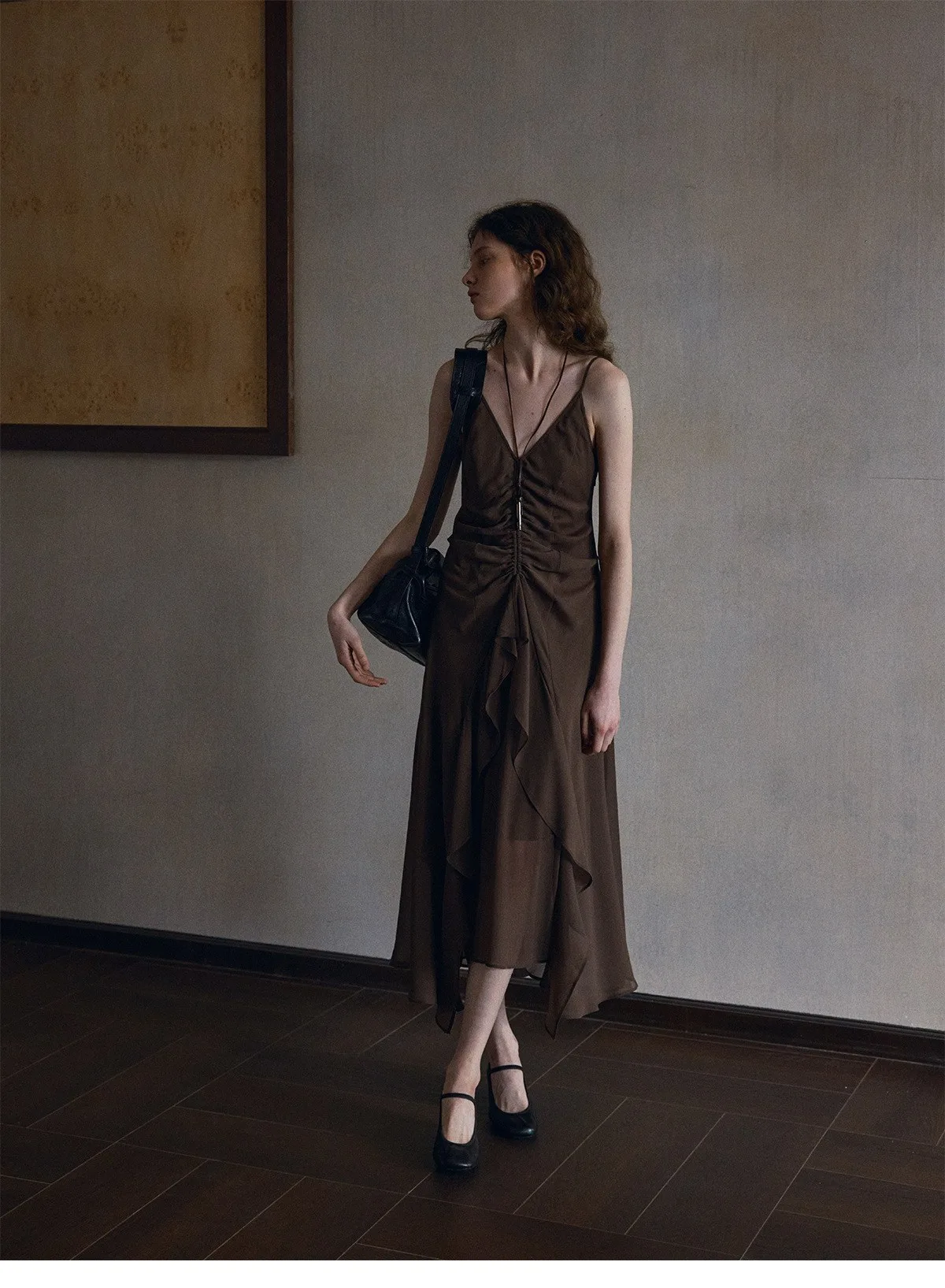
The Dress Collection can provide a starting point for discussing silhouettes with Yinshan Fashion, but a collection image is not the approval record for your project. Identify the exact garment features under consideration, then specify the changes your brand needs. A style selected for discussion still requires confirmation of fabric, colour, size range, internal construction and order conditions. Keeping that boundary clear allows the product conversation to move from inspiration to a concrete development task.
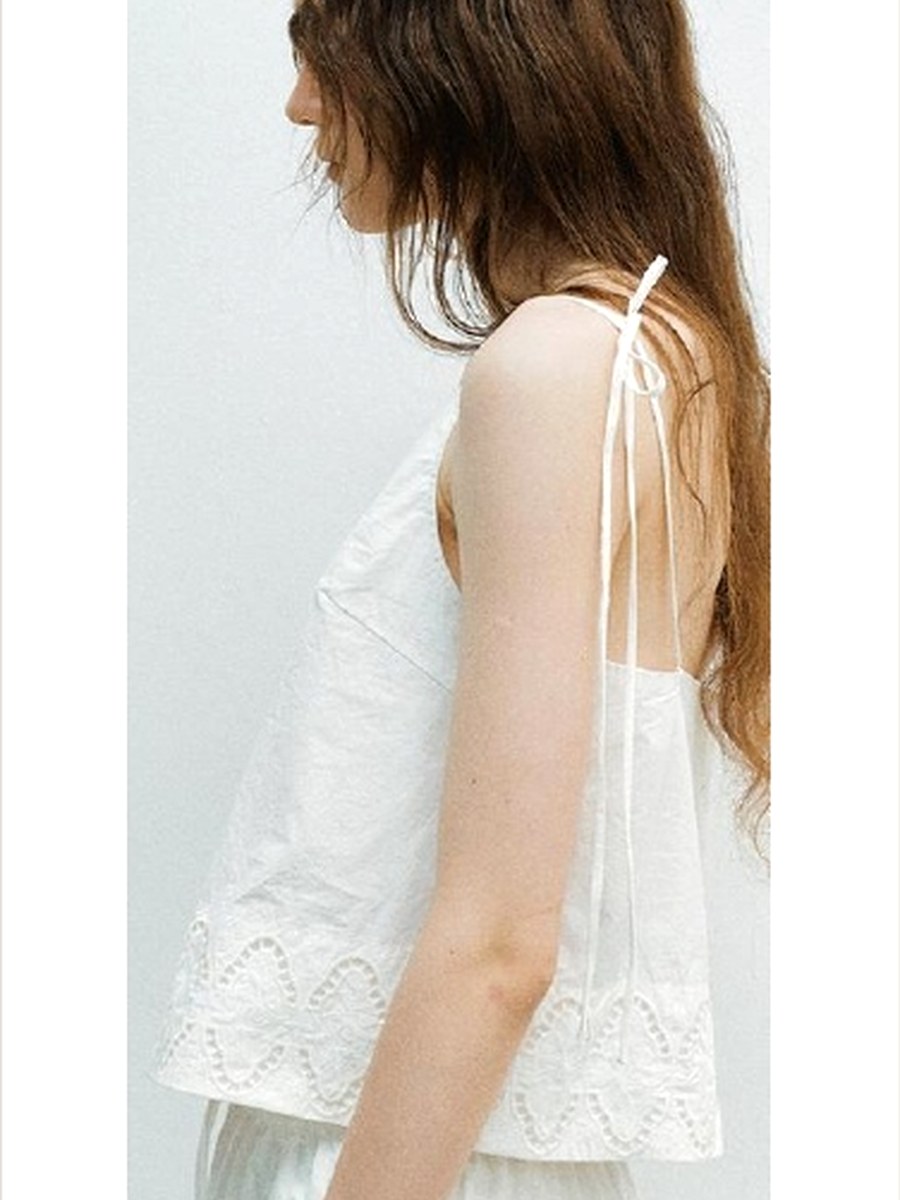
Collection reference: a camisole gives the buyer a separate top role to define alongside the dress. This image does not establish shared fabric, a confirmed range or a production quantity.
Give Each Dress and Cami Style a Clear Role
Consider an illustrative four-role range: a central cocktail dress, a softer slip-style dress, a camisole top and a coordinating skirt. This is a teaching example, not a recommendation that four styles or those categories will sell best. Its purpose is to show how each item can answer a different customer need. If two garments fill exactly the same role and introduce different fabrics, trims and fit work, ask what the second garment adds before committing resources to both.
For each role, record the intended outfit, silhouette, distinguishing detail and reason it belongs in the range. A camisole might create an alternative to a one-piece dress, while a skirt may allow customers to choose separate top and bottom sizes. Those advantages disappear if the selling system only permits fixed matching sizes or the top has not been reviewed with the skirt. Commercial intent therefore belongs beside the design sketch, where both the buying and development teams can see it.
Use the Blouse Collection as a broader starting point for top development rather than assuming that every top shown is already an evening camisole. Explain whether your proposed piece is intended for outerwear, layering or another use. The brief should identify the desired neckline, back, strap arrangement and hem relationship. That information determines what the sample must demonstrate. A short label such as “cami” cannot tell the factory whether a customer is expected to tuck the piece into a waistband.
Keep a reserve list outside the confirmed development list. A second neckline or an additional colour may be worth exploring later without becoming part of the current quotation request. Put a decision date and owner against each reserve option. If an option enters the active range, update the quantity matrix, material requirements and sample scope together. This prevents an apparently minor creative addition from entering production discussions without the accompanying commercial information. It also gives the brand a visible reason for postponing a style rather than silently dropping it.
Build Quantities by Style, Colour and Size
The quantity that matters to planning is not only the total number of garments. Show proposed units by style, colour and size, then identify whether pieces are sold individually or together. A total can conceal a large number of very small combinations. A buyer who shares the full allocation enables the factory to assess the actual programme instead of answering a hypothetical order. These proposed quantities remain enquiry inputs until the supplier confirms what can be supported under the selected conditions.
Treat the allocation as a working calculation with named assumptions. If your proposed order contains several sizes, explain the basis for their relative quantities. That basis might be prior orders, customer requests or an initial test plan. Do not present an invented ratio as a universal industry rule. Where no evidence exists, identify the uncertainty and decide what you will learn from the first release. The commercial team should own that choice; the sample team should not be expected to infer demand from the garment pattern.
List acceptable alternatives in a separate column. The brand may prefer fewer colours before reducing the size range, or may choose to defer one style while retaining the core dress. State those priorities before the factory proposes changes. Otherwise, two parties may solve different problems: one consolidates material use while the other is trying to protect customer size coverage. The existing guide to MOQ, sample cost and bulk price explains the broader quotation variables; the occasionwear brief should show how your actual assortment uses them.
Check the matrix whenever a design changes. A dress and a camisole may initially share a colour direction, but a revised material selection can separate their purchasing needs. A fixed set may become two independent products, changing both unit counts and packing instructions. Keep the previous matrix as a dated version and issue a new one with the reason for revision. The order discussion should always identify which version it uses, so an attractive revised range does not accidentally retain quantities from a superseded plan.
Compare Fabrics, Linings and Shared Components
Shared materials can be explored, but visual similarity is not proof that a single fabric is appropriate for every garment. A flowing dress, a more shaped cocktail silhouette and a tucked camisole may ask different things of the fabric. Review actual candidates in relation to each design. Record the supplier's material identifier, stated composition, colour reference and relevant sample observations. Do not use “satin” as a substitute for a fibre description, and do not infer silk content from shine or a photograph.
Create a material map that shows outer fabric, lining, binding, closures and straps for each style. Mark proposed shared components explicitly. This makes the discussion practical: the factory can review a common lining direction, for example, while identifying a garment that needs separate consideration. A shared component should be approved for every use assigned to it. Approval inside one dress does not automatically establish its appearance at a camisole neckline, particularly if the construction exposes a different edge or changes the way the layers sit.
Colour also needs a defined relationship. Decide whether two pieces should appear closely matched when worn together or are intentionally coordinated in different tones. View the actual pair under the agreed review conditions, and keep the reference with the material record. A digital colour name or a screen image cannot establish the final relationship on its own. If materials differ between pieces, ask what evidence will be used to accept their combined appearance. Record that decision rather than relying on a general description such as “matching black.”
For a programme involving several garment categories, the custom womenswear development route provides a relevant conversation point. Send the material map alongside the style sheet, including unresolved options. Ask which combinations should be sampled before you choose a common route. Keep quotation assumptions tied to those choices. If a fabric or component is replaced after approval, identify the affected styles and reopen the appropriate reviews; a substitution should not quietly inherit the acceptance of a material that is no longer being used.
Approve Fit for Sitting, Walking and Social Use
Plan the sample review around the garment's intended use and the brand's fit reference. Record the sample identifier, labelled size, measured garment points, wearer reference where appropriate, underlayers and strap settings. Handle personal information with consent and keep public images separate from internal fit documentation. Consistent conditions make successive samples easier to compare. Without them, a neckline that appears different may reflect a changed strap setting or styling choice rather than a construction revision, leaving the team unsure what to correct.
Agree a modest sequence of relevant movements before the review. Standing, sitting, rising, walking and moving the arms may be useful depending on the garment. Observe what happens to the neckline, waist, hem, opening and straps during that sequence. This is a practical fit review, not a certified performance test or a promise about every future wearer. If an intended movement causes discomfort or unwanted exposure, stop and record the concern. The purpose is to learn from the sample, not to force it through a demonstration.
Write comments as an observation followed by a question or proposed revision. “The front hem stays higher after sitting; review the relationship between hip ease and garment length” is more useful than “make it better.” Attach a photograph to the exact sample version and note the conditions. The technical team can then investigate the cause and propose a correction. Avoid prescribing a pattern change solely from one view if several factors could explain the result. A clear issue does not always imply a single obvious solution.
Review the outcome of each change against both the original concern and the rest of the garment. A lower neckline may alter side coverage; a revised waist may change how the hem hangs. Keep accepted details visible in the comments so that a revision does not unintentionally remove them. The dress sample fit checklist supports the wider review process. For the range sheet, the important result is a traceable decision for each style and a clear statement of what still needs another sample.
Keep Sampling, Packing and Launch Decisions Connected
A garment can be visually promising while remaining unready for a production decision. Material selection, measurement comments, labels, closures and packing may each be at different stages. Track them separately. Avoid one green “approved” cell that conceals unfinished work. If the sample is approved for silhouette only, say so. A limited approval can support the next development activity without suggesting that cutting, bulk production, photography or shipment has been authorized. The scope of approval should be understandable to someone who missed the meeting.
Connect the sample list to the product information that will reach the customer. The stated fibre composition, fit description, included pieces and fastening details should correspond to the approved product record. A buyer should assign responsibility for validating labels and destination requirements through the appropriate business or specialist review. Do not copy information from an inspiration image or a previous style simply because the garments look similar. Material and construction changes need to be reflected wherever they affect the product's presentation and instructions.
Define the packing unit before preparing identifiers. A top and skirt sold as a fixed set need a clear record of what constitutes one customer unit. Separately sold pieces need their own identification and quantities. If both models will be used, describe how they are distinguished. Check that the sample of the packed unit can be understood by the receiving team. Attractive presentation is only one part of packing approval; the recipient also needs to identify the correct style, colour, size and contents without guessing.
Build the launch plan backwards through decisions rather than promising a standard number of days. Identify when final materials, sample approval, photography, product information and packing instructions are needed. Ask the factory to confirm feasibility after the programme is sufficiently defined. If an approval moves, review the affected activities together. The brand may decide to delay a colour, adjust a launch or simplify an unresolved detail, but each choice should be recorded with its impact. A deadline in a marketing calendar does not itself settle an open production question.
Resolve a Range Change Before It Reaches the Order
Consider a hypothetical planning change: a brand originally briefs a dress and camisole in the same colour direction, then decides that the camisole should have a different surface appearance. The design request may sound small because the colour name is unchanged. However, the material map now contains a separate candidate. The buyer should ask which previous decisions still apply and which need to be reviewed. This example illustrates a document handover; it is not a description of a Yinshan customer order or a proven production result.
Start with the range record. Keep the camisole's style identifier but issue a new design version, naming the changed material direction and the details intended to stay the same. Next, update the quantity matrix so that the factory can review the actual colour and style combination. Then identify sample questions: will the neckline edge, lining, strap construction and hem behave as intended with the alternative material? Do not carry forward the earlier sample's fit approval merely because its outline looks unchanged in the sketch.
The commercial response should name its assumptions. If an earlier quotation covered a shared material, ask for confirmation against the revised material map. If a photograph has already been selected for the product page, mark it for review against the final sample. If the top is meant to coordinate with a skirt, compare the actual pair again. Each action has a different owner, so assign responsibility instead of asking everyone to “check the change.” A short issue list is effective when each issue has a specific closing record.
Finally, make the release decision visible. The brand may accept the revised top, return to the original direction or defer the top while progressing the dress. None of those outcomes should require rewriting the history of the earlier sample. Retain the original version, record the chosen option and state which supporting documents now govern the enquiry. This protects the decisions that remain valid while exposing the ones that have changed. It also helps a later repeat-order discussion establish which garment was actually approved, rather than reconstructing it from several conflicting photographs.
Send a First-Order Brief and Plan the Next Review
The first-order brief should consolidate the current range, not reproduce every message exchanged during development. Include the style list, design versions, proposed quantities, material references, measurement information, approval status and packing model. Attach a short exception list that identifies unresolved points and their owners. Link supporting documents through stable filenames or a shared index. The recipient should be able to distinguish the current reference from historical discussion without opening every attachment or deciding which email sounds most recent.
Use a deliberate handover sequence. First, the brand confirms which styles and options belong in the enquiry. Second, the factory reviews feasibility and returns assumptions or questions. Third, both parties agree the sample and commercial decisions still required. Fourth, the buyer issues the revised brief with those decisions incorporated. This sequence can be repeated without losing the audit trail. It is not a fixed production timetable; it is a way to make each exchange end with a document that supports the next action.
Plan the repeat-order record before the first order becomes history. Keep the approved material identifiers, comments, size allocation, labels, packing references and any agreed exceptions. Later, compare the repeat enquiry with that record and confirm current availability and conditions. A successful earlier order does not guarantee that every component remains available or that a changed colour can be released without review. The small-batch production guide provides the broader context; your range record should preserve the specific decisions that made this collection workable.
To discuss an occasionwear programme with Yinshan Fashion, send a range brief containing your dress and top references, intended occasions, material direction, sizes, proposed quantities, selling units and target arrival window. Include the questions you still need the sample to answer. A useful enquiry does not require pretending that every choice is final. It requires showing what is decided, what is flexible and what evidence will support the next decision. That gives both teams a concrete starting point for building a coherent evening collection.
Review sequence before the next sample
- Confirm the active style list and its owners.
- Map materials and proposed quantities by style.
- Define the sample decisions and approval evidence.
- Consolidate the current brief and request programme-specific review.
Occasionwear development checklist
Actions before the next sample
Use the current brief and the identified garment to close the next development decision.
Reduce the active range
Move unresolved alternatives to a reserve list. Give every active dress, top and skirt a role, owner and next decision.
Reconcile the allocation
Break proposed quantities into style, colour and size. State which changes the brand would consider if the initial plan needs adjustment.
Issue one current brief
Combine approved references and open questions in a dated package. Name the version used for the next factory response.
Buyer action and factory confirmation
Use these questions with the identified garment and current programme brief.
| Decision area | What the buyer should prepare | What to ask the factory |
|---|---|---|
| Occasion and customer | Provide intended uses and the brand's fit reference. | Which design information is still needed to assess the range? |
| Materials | Identify candidates and proposed shared components. | Which combinations need garment samples before selection? |
| Quantities | Supply the allocation and acceptable alternatives. | What assumptions apply to this specific quantity breakdown? |
| Fit | Define movements and appearance targets by style. | Which issues require revision or further sample evidence? |
| Handover | Confirm selling units, labels and packing ownership. | Which documents remain open before a release discussion? |
Continue the production conversation
Choose what belongs in the first occasionwear brief
| Decision | Buyer direction | Record to retain |
|---|---|---|
| Range role | Keep a style when its customer use and visible contribution are clear. | Style sheet explaining the role and essential design features. |
| Colour scope | Separate confirmed colours from options still being explored. | Versioned style, colour and size allocation. |
| Shared materials | Explore sharing only where each garment application can be reviewed. | Material map naming outer fabric, lining and components by style. |
| Sample release | Accept only the features and combinations actually assessed. | Identified sample, comments, accepted points and exceptions. |
| Selling unit | Choose individual garments or defined sets before packing is specified. | Product contents, identifiers and packing reference that agree. |
Buyer FAQs
What does small batch occasionwear production include?
Small batch occasionwear production can cover the development and proposed bulk production of a defined evening range, including dresses, tops and coordinated pieces. The scope should name the styles, materials, sizes, quantities, sample decisions and packing requirements. Yinshan Fashion assesses those details for the individual custom or private-label programme.
Is a small batch the same as a fixed low MOQ?
No. Small batch describes the proposed programme size; it does not establish one fixed minimum order quantity for every garment. Style complexity, material and colour choices, components and the allocation all need review. Send the actual quantity matrix and ask which conditions apply to that programme.
Should every style use the same fabric?
Not necessarily. Shared materials can be discussed, but each garment must be assessed for its intended silhouette and use. A fabric accepted in a dress is not automatically approved for a camisole edge or another construction. Keep a material map and approve the relevant combinations.
Can tops and skirts have different size allocations?
Yes, a brand can propose separate top and skirt allocations, especially when the garments are sold independently or customers choose different sizes. The proposed sales model and component quantities must be explicit. Feasibility and commercial conditions still need confirmation for the resulting order.
What should a brand send before requesting a quote?
Send current style references, intended occasions, material direction, colours, size range, proposed quantities and selling units. Include sample questions, branding and packing needs, and a target arrival window. Mark undecided points so the factory can explain the assumptions behind its response.