Article
What should buyers know first?
Short answer: A practical buyer checklist for reviewing dress fit, measurements, ease, fabric behavior, lining, closures, components, size range, and the record needed before bulk production.
What should buyers approve on a dress sample before bulk production?
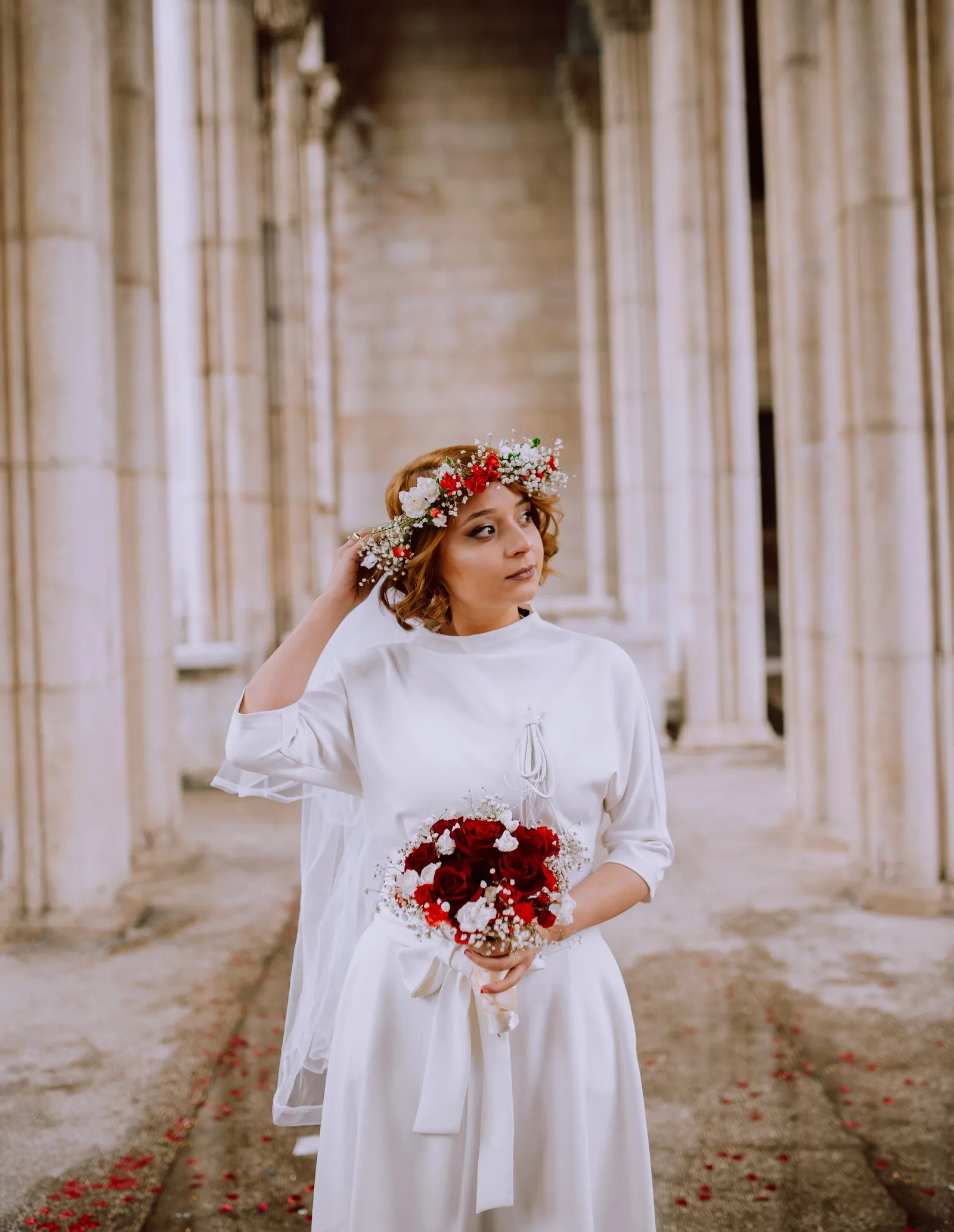
A dress sample should answer more than “does it look good?” Before bulk production, a buyer should be able to identify the intended silhouette, the target wearer, the fabric route, measurements, ease, length, movement, neckline, sleeve, waist, hip, lining, closure, components, label package, packing direction, and the version of the sample that controls the next decision. A dress can look convincing in one static photo yet fit differently once a wearer walks, sits, lifts an arm, turns, or wears the garment with the intended underlayers and shoes.
The dress sample fit checklist is therefore a buyer control. It turns a reference image or design idea into questions that can be reviewed and recorded. It does not impose the same fit standard on every dress. A close-fitting woven bodice, a relaxed shirt dress, a slip dress, a volume sleeve style, a knit bodycon dress, and a lined occasion dress have different fit risks and different evidence needs. The buyer needs to decide which characteristics are fixed and which need development advice before the sample is treated as a production reference.
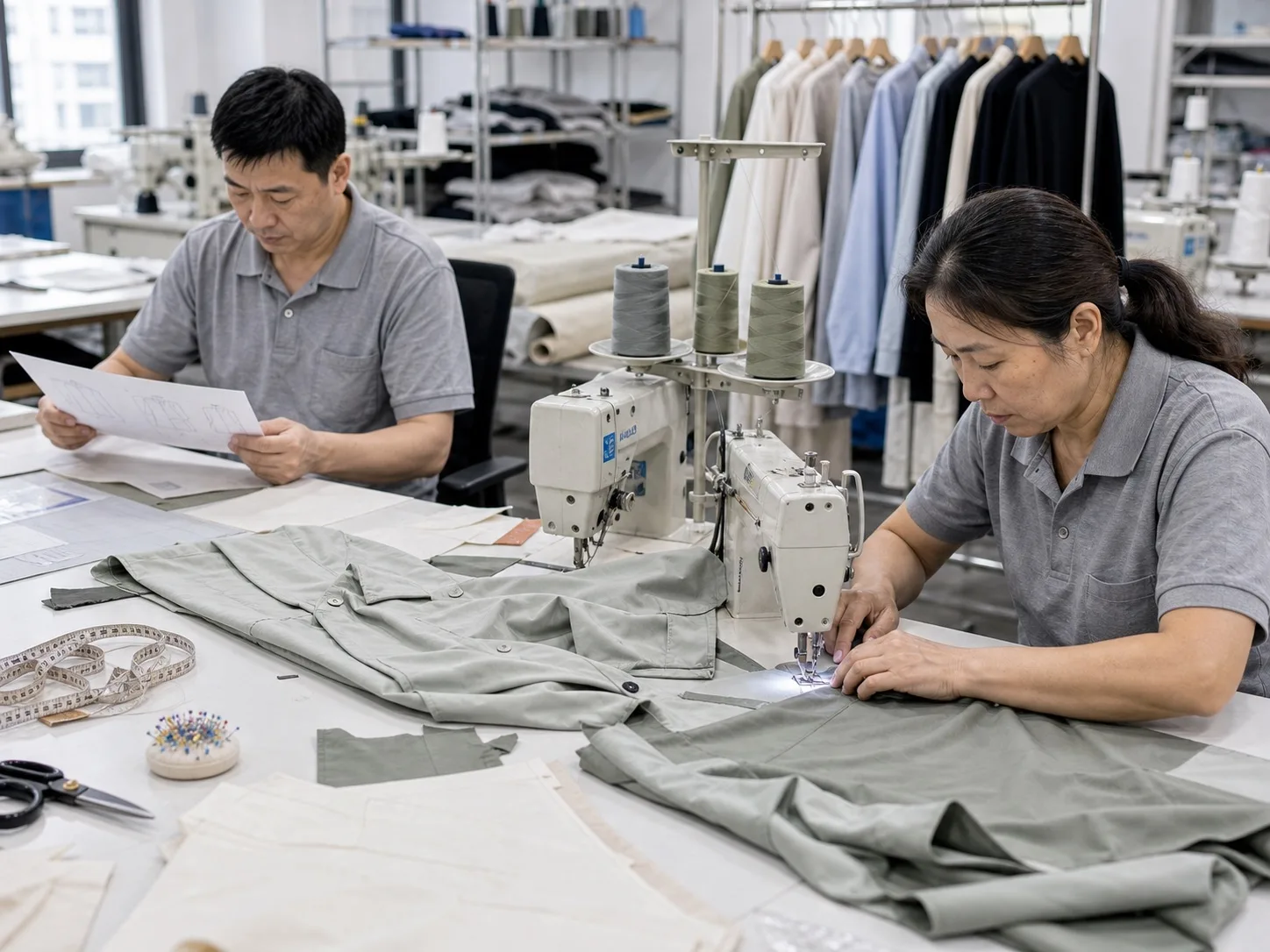
Yinshan Fashion supports custom and private-label bulk programmes rather than unrestricted ready-stock wholesale. The team can coordinate a buyer's reference, fabric and pattern direction, fit comments, sample route, private-label details, and production record with long-term cooperative factories supported by more than 30 years of production experience. Material availability, commercial terms, testing, timing, and final order conditions remain specific to the programme.
How should buyers start with the intended silhouette, not a generic size label?
The first sample review should state what the dress is trying to achieve. Is the intended silhouette fitted, semi-fitted, relaxed, oversized, bias-cut, gathered, wrapped, empire-line, column-shaped, shirt-like, tiered, or built around a defined waist? Which visual features must remain: neckline shape, shoulder position, waist location, skirt volume, sleeve balance, slit placement, hem level, or visible construction? A size label does not answer these questions on its own.
Identify the target customer and wearing context. A dress intended for an occasionwear collection may need a different balance of coverage, movement, lining, and finishing from an everyday casual piece. A buyer may want clean posture in a studio image, but the garment must also work for ordinary movement. State the sample size, intended size range, target fit, and any market or channel requirements that the buyer has already confirmed. This gives the factory a better base for pattern and sample decisions.
Separate fixed decisions from open questions. A buyer may be fixed on an off-shoulder line and a defined waist but still be deciding between two skirt lengths, lining routes, or fabric weights. Recording that distinction helps the manufacturer focus the sample on the right question instead of changing multiple variables at once.
How should buyers check key measurements and ease on the actual wearer?
Measurement charts are essential, but they should be interpreted through the intended fit. Review bust, waist, hip, shoulder, armhole, bicep, sleeve length, cuff, body length, skirt length, hem sweep, neckline, strap, and closure points that matter to the design. The exact points depend on the dress. A strap dress may need strap length and neckline stability. A fitted bodice may need bust, waist, cup, back, zipper, and armhole decisions. A relaxed shirt dress may need shoulder, chest, sleeve, placket, belt, and hem balance.
Ease is the difference between the body and the garment that allows the intended movement and silhouette. It is not a universal number. Too little ease can restrict sitting, reaching, breathing, or walking. Too much can erase the intended waist, make a neckline unstable, or shift the visual balance. Review the sample on the intended body or fit form, then document what happens in simple movements. Can the wearer lift arms? Does the waist stay in the planned location? Does the skirt twist? Does the neckline remain where it should? Does the closure create tension? Does the hem remain balanced?
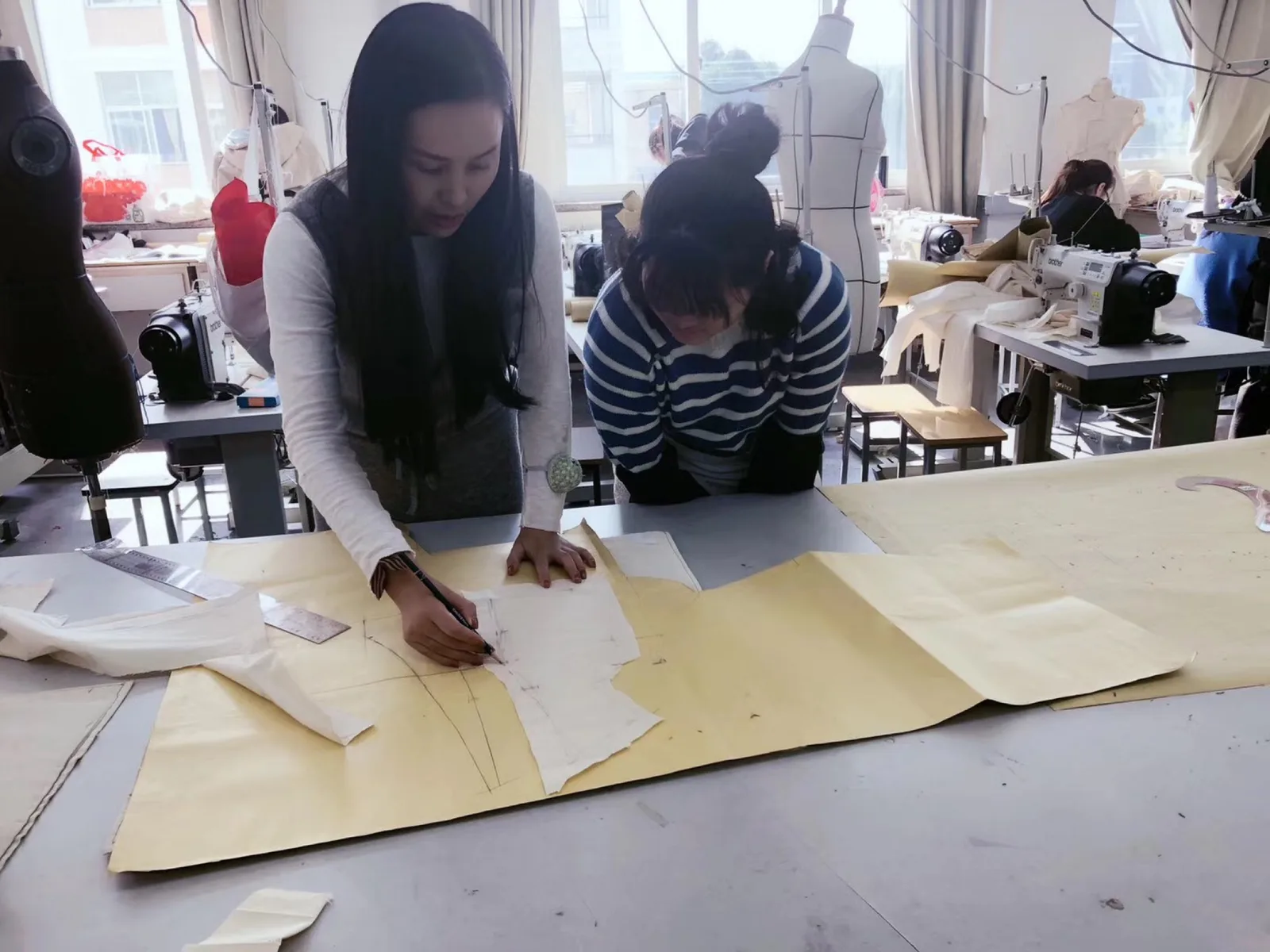
Mark observations on the current sample version. “Increase room across the upper back while retaining the current waist position” is actionable. “Fit is wrong” is not. The factory needs the measurement point, observed issue, requested direction, owner, and next proof scope.
How should buyers review fabric behavior as part of dress fit?
The selected material can change almost every fit decision. Fibre, construction, weight, opacity, stretch, recovery, drape, texture, finish, print, wash, and lining relationship affect how the dress hangs and moves. A fabric that works for a gathered skirt may not hold a structured shoulder. A material with more stretch may appear to solve one measurement issue while changing neckline stability or long-term recovery. A fluid fabric may make a dress look elegant in stillness but need a different lining, seam route, or hem treatment.
State what the fabric must do in the garment. The buyer may need a soft hand, controlled volume, coverage, a dry surface, a polished sheen, resilience, or a particular print result. The fashion clothing fabric selection guide is useful for linking those requirements to sample evidence. A swatch can begin the conversation, but an applied dress sample is often needed to check volume, opacity, seam behavior, length, movement, and the relationship with lining and components.
If the sample uses a provisional fabric, label it clearly. The current fit may not transfer exactly to another base, finish, or weight. Decide whether the next sample must confirm a revised pattern, a revised material route, or both. This reduces the risk of approving a silhouette on one fabric and expecting it to behave identically in bulk on another.
How should buyers confirm neckline, shoulder, sleeve, and waist balance?
Small changes in upper-body construction can change the whole dress. Review neckline placement, gaping, coverage, facing or binding behavior, shoulder angle, armhole comfort, sleeve head, sleeve volume, cuff, and the relationship between upper body and waist. An off-shoulder or wide-neck style should be reviewed for stability in ordinary movement. A sleeved dress may need room at the bicep and elbow without losing shape. A defined waist should sit in the planned location rather than moving when the wearer walks or sits.
Look at the garment from front, side, and back. Check whether seams are balanced, darts point correctly, side seams hang straight, closures lie flat, and the intended design lines remain visible. A fitting comment should distinguish between a pattern issue, a material response, a construction issue, and a styling preference. For example, a neckline may need a construction adjustment, while a shoulder may only look different because the current fabric is heavier than intended.
Where a design uses gathering, pleating, shirring, elastic, drape, boning, corsetry, or internal support, state the visual result and wearer function the sample should prove. These elements can change fit as well as appearance, so they should not be reviewed only in a flat photograph.
How should buyers confirm lining, closure, and internal construction early?
Lining can affect weight, opacity, movement, seam behavior, static cling, coverage, and how a dress sits at the waist or hem. A zipper can change back fit, side seam balance, or tension across a bodice. Interfacing can alter a collar, placket, waistband, neckline, or strap. Elastic, boning, internal tape, facings, and seam finishes can each change the wearer experience. These are not late-stage details when they affect the fit or stability of the garment.
Map the components by purpose. Which closure must be invisible, decorative, flexible, or structured? Which lining should move with the outer fabric? Which support point changes the neckline or waist? Which seam finish affects comfort or drape? Review these decisions on the actual sample whenever they influence silhouette or movement. A design sketch can show a zipper line but cannot prove how the zipper behaves in a close-fitting bodice.
Keep component decisions in the same record as the pattern, material, measurements, fit comments, labels, and packing. This prevents a change to a zipper, lining, button, or interfacing source from quietly altering the approved dress after the fit review.
How should buyers decide when a size set is needed?
A size set is useful when the buyer needs evidence that a pattern and fit intent translate across the planned size range. The need depends on the dress and buyer requirements. It can be especially useful for close-fitting bodices, defined waists, narrow shoulders, unusual lengths, limited sleeve movement, broad size ranges, or fabric behavior that may change the silhouette across sizes. It may be less important for a simple relaxed silhouette with lower fit sensitivity, but that is a product-specific decision.
Before a size set, state the sample size, intended grading direction, target size range, required fit points, and the question the review must answer. Compare the full set to the same design intent rather than asking every size to look identical on different bodies. Record where the pattern needs attention and whether a material or construction difference changes the conclusion. A factory can organize the work, but the buyer should decide the target customer and commercial fit standard.
How should buyers keep private-label details tied to the approved sample?
A dress programme does not end with the garment body. Main labels, size labels, care and composition information, hangtags, barcode data, individual protection, folding or hanging route, cartons, and shipping marks all affect presentation and warehouse readiness. The private-label page is a useful starting point for organizing these inputs around the actual product route.
For a delicate dress, a soft woven label or printed information route may feel different from a large neck label. A pleated dress may require a different folding or hanging decision from a casual jersey piece. The right answer follows the material, construction, buyer requirement, and sales channel. Keep the style code, color, size, label artwork, care wording, folding direction, quantity matrix, and carton mark aligned with the version of the garment that has been approved.
What should buyers check about turn fit comments into a factory-ready release record?
An approved sample becomes useful for bulk production only when it is connected to a shared record. The production pack should identify the current pattern and measurement version, material and component references, construction points that affect fit, labels, packing, quantity structure, quality priorities, accepted exceptions, and authorised changes. It should make clear what evidence controls a question if it appears during cutting, sewing, finishing, inspection, or packing.
For dresses, confirm the features most likely to vary: neckline shape, strap length, sleeve volume, waist seam position, pleat or gather distribution, print placement, lining behavior, zipper insertion, seam balance, hem level, button spacing, and final pressing. Do not make every project carry the same checklist. Use the product's real risks and buyer requirements.
The fashion first bulk order production control guide explains how an approved sample connects to quality checks and handover. If the buyer changes fabric, color, print, trim, label package, or pattern after approval, decide whether the current sample still proves the right thing or whether a targeted new review is needed.
How should buyers use a consistent fitting review instead of relying on memory?
A fitting review is easier to use when the team follows the same order each time. Start with the overall silhouette and the buyer's rank-ordered fit priorities. Then review the front, side, and back before looking at detailed measurements. Check the dress while standing naturally, walking, sitting, raising arms, and moving in the way the product is expected to be worn. The purpose is not to create a performance test that every dress must pass. It is to see whether the garment delivers the intended fit in the situations the buyer has identified.
Keep the reviewer comments separate from observations. An observation might say that the waist seam lifts when the wearer sits, the neckline opens when the arms are raised, or the skirt seam twists after walking. The requested action might be to lower the waist seam, adjust the neckline construction, or review grain and pattern balance on the next sample. This distinction helps the pattern maker and factory understand what was seen and what the buyer wants changed.
Photographs can be useful when they are labelled with the sample version, view, fit point, and comment. They should support the record rather than replace it. A front photo may show a hem issue while a written comment explains whether the buyer wants the length changed, the balance corrected, or the styling retained. Avoid sending later informal messages that conflict with the marked sample without recording whether they replace an earlier approval.
The review should also identify what does not need to change. If the neckline, sleeve, and waist are approved, say so. A useful sample comment protects successful decisions while directing the next revision. It reduces the chance that a factory reworks a correct point because only the problems were documented.
What should buyers check about match the sample type to the question it must answer?
Not every sample has the same job. An early feasibility sample may confirm whether a reference can become a manufacturable dress. A fit sample may focus on pattern, measurements, proportions, and movement. A material sample may test drape, opacity, color, print, or lining relationship. A pre-production sample may bring the approved pattern, materials, components, labels, and packing route together for the bulk decision. The buyer should name which purpose applies before judging the garment.
This prevents conflicting expectations. A development sample made in an available substitute fabric may help prove a shoulder or waist shape but not approve the final drape. A fabric proof may show color and handfeel but not answer whether the lining and zipper work together. A final-looking sample may still need a targeted review if the buyer changes the label package, a visible trim, the print, or the product's size range. The sample record should state what the current version proves and what remains outside its scope.
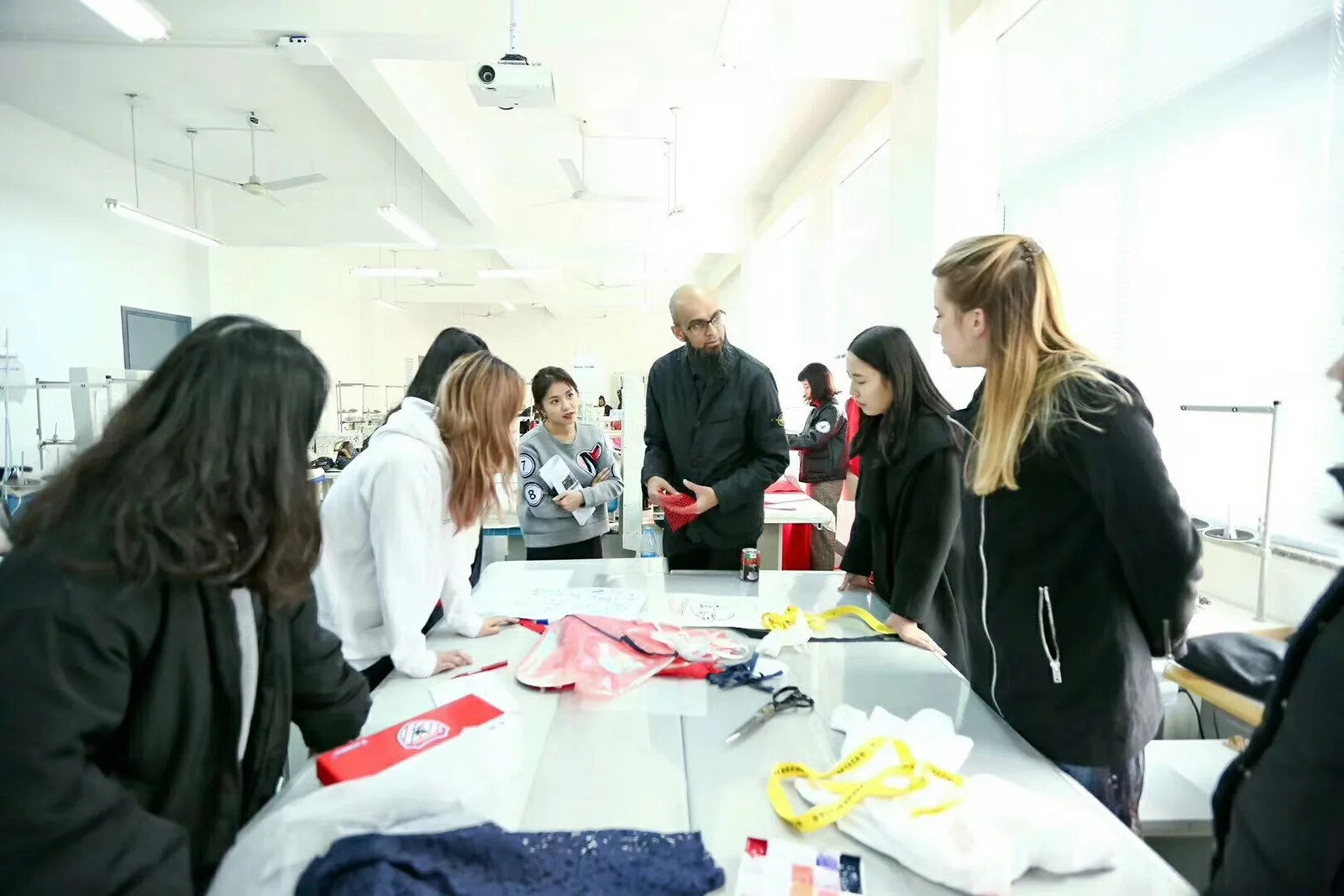
Yinshan Fashion can help sequence those questions through design review, fabric guidance, pattern work, sample coordination, and factory communication. The buyer can make the process faster by identifying the decisions with the greatest commercial risk. For one dress that may be bodice fit and lining; for another it may be material transparency, sleeve movement, or print placement. Sample work is more useful when it resolves the right uncertainty in a planned order.
What should buyers check about give the factory a clear change-control path before bulk?
Bulk production is safer when the buyer, supplier, and factory share a simple change rule. If the fabric base, color, print, trim source, lining, zipper, label artwork, packing route, size chart, or construction detail changes after sample approval, the team should ask whether the original sample still proves the current product. The answer may be yes for a low-exposure administrative update, or it may require a new proof when the changed point affects fit, appearance, wear, quality, or retail presentation.
Record the proposed change with the current style and sample version, the item that changed, the reason, affected product question, supporting evidence, owner, and decision. This does not need to slow a project with unnecessary paperwork. It makes clear whether the factory is following an approved change or guessing from a chat message. It is particularly important for dresses because a small material or component change can affect the silhouette more than expected.
For repeat orders, start with a difference list rather than assuming the old sample is automatically current. Confirm fabric availability, material weight or finish, color or print version, pattern revision, lining, zipper or button source, labels, packing, size mix, destination, and quality priorities. The earlier sample remains valuable history, but the new order should identify exactly what it controls. This approach gives the buyer a clean basis for comparing a repeat dress program with the first bulk release.
How should buyers review fit, quality, and presentation as connected decisions?
Fit and quality are connected on a dress. A seam that pulls can be a measurement, ease, construction, or material question. A lining that shows at the neckline can be a pattern, component, pressing, or wearer-movement question. A hem that hangs unevenly may point to the pattern, grain, fabric behavior, construction, or the way the garment was pressed. Do not treat these as isolated defects before the team understands the approved design intent and material route.
Name one buyer-side owner for the final approval, and make the review record practical enough for a factory team to use. It should say which size was tried on, who reviewed it, what movement was tested, which measurements are controlling, and whether every open point is a bulk-production change or simply an observation. This prevents a useful fitting discussion from becoming an ambiguous approval. When Yinshan Fashion receives a clear decision record, its development, pattern, sourcing, and production partners can work from the same version instead of interpreting comments separately.
During the sample review, distinguish the buyer's non-negotiable visual standard from a point that can be adjusted for manufacturability. A product may need a specific shoulder shape but allow a different internal finishing route. A skirt may need fluid movement while remaining open to a more stable lining choice. A private-label dress manufacturer can advise on trade-offs, but the buyer should see which decision affects fit, comfort, appearance, cost direction, sample scope, and bulk risk before approving a change.
The final sample review should include presentation. Check whether labels are positioned correctly, care information is ready for buyer confirmation, the garment can be folded or hung as intended, and visible packing elements do not damage the finish or create a mismatch with the product. This keeps the approved dress from becoming a different experience once it arrives at the retailer or customer.
What should buyers check about buyer checklist before a dress sample enters bulk production?
Before releasing a dress, the buyer should be able to answer: What silhouette and fit does this version represent? Which measurements and ease points control the garment? What material and lining route is in scope? Which components affect fit or visible quality? What did the sample prove, what is still open, and which version is approved? Where are labels and packing recorded? What change requires a new review?
Send the strongest available reference, product category, target customer, fit priorities, measurement chart, fabric direction, colors or prints, components, label and packing requirements, sample purpose, quantities, target market, and open questions. Yinshan Fashion can then advise on a practical custom dress sample path. The goal is not an attractive sample alone; it is a clear product decision that can be reviewed, approved, and repeated through bulk production.
Dress sample approval kit
Three controls that turn a dress sample into a bulk-ready fit decision
A useful dress sample review connects the intended silhouette with measurable fit, real material behavior, visible components, and one versioned release record for the factory.
Set the fit priorities
Rank silhouette, ease, length, movement, coverage, neckline, waist, sleeve, closure, and size-range questions before the sample is judged.
Review the complete garment
Check material behavior, measurements, balance, lining, components, construction, and wearer movement on the intended sample route.
Release one traceable version
Keep the approved pattern, measurement chart, materials, sample comments, labels, packing, exceptions, and authorised changes together before bulk production.
Buyer actions and factory questions before a dress sample moves into bulk production
Use this checklist to connect the dress reference, target customer, fabric, fit priorities, measurement chart, components, sample evidence, private-label details, packing, quantities, and approval scope. Commercial terms, tests, timing, and production routing remain programme-specific.
| Decision area | What the buyer should prepare | What to ask the factory |
|---|---|---|
| Silhouette and target wearer | State the dress type, target customer, fixed visual elements, styling purpose, sample size, and open decisions. | Which visible features must be protected by the pattern, and which choices still need a fit or material decision? |
| Measurement and ease | Provide measurements, tolerances where applicable, intended fit, ease priorities, length, movement concerns, size range, and grading questions. | Which points need to be confirmed on-body, and which measurement or construction route is required for the intended silhouette? |
| Fabric and lining | Name the required drape, weight, opacity, stretch, recovery, finish, color or print direction, lining relationship, and care concerns. | How will the selected material change fit, volume, coverage, seam behavior, neckline stability, and hem balance? |
| Components and construction | Map zipper, buttons, elastic, interfacing, straps, facing, boning, labels, decoration, and visible finishing to their product purpose. | Which component affects fit or appearance enough to need review on the actual dress sample? |
| Sample comments | Record sample version, pattern and material references, marked comments, review photos, owner, approved points, remaining questions, and next action. | What does the sample prove, what changes next, and which version becomes the production reference? |
| Bulk release | Confirm the current pattern, materials, components, labels, packing, quantity structure, quality priorities, exceptions, and authorised changes. | Where is the controlling production pack stored, and what later change requires a new buyer approval? |
Continue the production conversation
Dress sample decisions before bulk production
| Review stage | Buyer decision | What to check | Production record |
|---|---|---|---|
| Fit intent | Define silhouette, target wearer, fixed priorities, sample size, and open questions | Overall shape, ease, length, movement, neckline, waist, sleeve, and coverage | Dated brief and rank-ordered fit priorities |
| Sample review | Assess the complete dress on the intended route | Measurements, material response, lining, closures, construction, components, and wearer movement | Marked comments, sample version, photos, decision owner, and next action |
| Size and release | Confirm the current pattern across the required scope | Grading needs, labels, packing, quality priorities, exceptions, and authorised changes | Production pack with controlling pattern, material, and component references |
Buyer FAQs
What should buyers check on a dress sample before bulk production?
Check the intended silhouette, measurements, ease, movement, fabric behavior, opacity, lining, closures, internal construction, components, labels, packing, and the version of the sample that controls the next decision. The exact scope should follow the dress and buyer requirements.
Why is ease important in a dress sample fit checklist?
Ease allows the garment to create its intended silhouette and wearer movement. Too little can restrict movement or create tension; too much can erase a defined shape or destabilize a neckline. Review it on the intended wearer or fit form rather than only from measurements.
When is a size set useful for a dress programme?
A size set can be useful for close-fitting bodices, defined waists, unusual lengths, limited sleeve movement, broad size ranges, or fabrics that change the silhouette across sizes. The need and scope should be set by product risk and buyer requirements.
Does an approved fabric swatch approve the final dress fit?
No. A swatch can help assess material direction but cannot prove the complete garment's drape, volume, opacity, seam behavior, lining relationship, closure, fit, movement, or finishing. An applied sample may be needed for those questions.
Does Yinshan Fashion supply ready-stock wholesale dresses?
Yinshan Fashion focuses on custom and private-label bulk programmes. Sampling, materials, quantity structure, commercial terms, timing, and production routing are reviewed for the specific dress programme rather than treated as unrestricted ready-stock wholesale.