Article
What should buyers know first?
Short answer: A practical private label wholesale apparel guide for boutiques, retailers, and brand teams, covering product direction, labels, sample approval, retail packing, QC, and repeat-order records.
Private label wholesale apparel gives boutiques, retailers, and growing brands control over the product, branding, and retail handover. It is not a last-minute logo service. The buyer defines the garment, materials, brand components, packing, and approval record; the factory confirms what must be sampled and controlled before bulk. That shared standard makes quotations easier to compare and reorders easier to identify.
For Yinshan Fashion, private label wholesale apparel means a custom or private-label bulk programme. It does not mean an unrestricted in-stock marketplace, a fixed MOQ, or a fixed delivery date. Fabric, colour, style complexity, decoration, labels, packaging, quantity split, destination market, and approval timing all change the practical route. Buyers who make those variables visible early can compare quotations fairly and protect the retail experience after the carton is opened.
How should buyers start with the retail promise, not the label artwork?
The most useful first question is simple: what should the customer recognise when the garment arrives? The answer may be a soft everyday blouse in a distinct colour range, a compact T-shirt with a familiar handfeel, a seasonal dress with a particular drape, or a small group of coordinated pieces that make the boutique feel coherent. That promise shapes more than the garment front. It affects fabric, fit, construction, trim choices, fold, label placement, hangtag, barcode logic, protective packing, and the record needed for a restock.
A label by itself does not turn a generic garment into a stable private-label programme. A woven neck label can sit differently on a rib knit, a lined dress, and a woven shirt. A premium hangtag can look wrong if the fabric, button, zipper, fold, or individual bag feels like a separate decision. Retail buyers should therefore start with the product role, intended customer, target market, sales channel, and retail position. Those points give a factory context for the materials and finishing that will support the brand rather than merely carry its name.
This does not require a fully finished tech pack on day one. A well-marked reference sample, clear front and back images, a mood board, a rough measurement sheet, or an organised product list can begin the conversation. The buyer should identify what is fixed, such as silhouette, label location, closure, or desired handfeel, and what still needs factory advice. Open decisions are not a weakness. Hidden assumptions are.
How should buyers define what private label wholesale apparel means for this order?
The phrase private label wholesale apparel can describe several different sourcing routes. A retailer may adapt an existing product platform with agreed colour, label, hangtag, and packing changes. A boutique may begin with a familiar blouse or dress category and develop its own fit, fabric, and trim direction. Another team may require a fully custom collection, where the pattern, material, decoration, and retail presentation all need sample approval before bulk production.
Each route changes the work before an order can be quoted. An adaptation can still need material review, label development, sample confirmation, and packing approval. A new style may require pattern work, fabric headers, fit comments, revised samples, and a pre-production reference. The important step is not to call all three routes wholesale and assume the same price, minimum, or timing applies. State which route the project needs, then ask the factory which decisions must be closed before a meaningful quote or sample plan can be issued.
For teams who are still choosing between a custom programme and a more general bulk route, the custom fashion apparel wholesale guide explains the difference between existing product selection, private-label adaptation, and full product development. It is useful context before the buyer starts asking for a number from a supplier.
A private-label order becomes easier to repeat when the product, branding, and retail-packing decisions are approved together rather than in separate conversations.
How should buyers build a product direction that a factory can sample?
Product direction should be clear enough for a factory to understand the garment's job in the assortment. A buyer developing women's casual fashion can use the Casual Fashion product collection to make a brief more precise: shirt, blouse, dress, trouser, T-shirt, or an easy coordinate; then the preferred silhouette, target customer, and retail use. The collection pages are a discussion aid, not a promise that every item is held as ready stock.
For each style, provide front, back, and detail references where possible. Mark the features that define the design: shoulder shape, neckline, collar, placket, cuff, body length, waist, pocket, hem, lining, zipper, button, print, embroidery, or wash. Add the intended fit in plain language. A relaxed blouse, shaped shirt, easy dress, oversized tee, and fluid trouser can all share a category name but require different pattern, material, and sample decisions.
Fabric direction needs the same level of clarity. Rather than only naming a fibre, describe the result the wearer should notice: crisp, fluid, opaque, breathable, dry, brushed, compact, textured, soft against skin, or easy to care for. Explain whether the garment will be worn as a single layer, a light seasonal piece, a travel item, or a premium boutique style. The factory can then identify what should be reviewed through fabric headers, lab dips, a sample garment, a wash check, or a revised material route.
The brief should also say what cannot change. It might be a pale fabric that must have adequate coverage, a collar that must remain sharp, a hem that must drape cleanly, a print that must hold its intended scale, or a label that must not irritate the wearer. These non-negotiable points help the sample room focus comments and make later factory questions more useful.
How should buyers keep the first assortment commercially coherent?
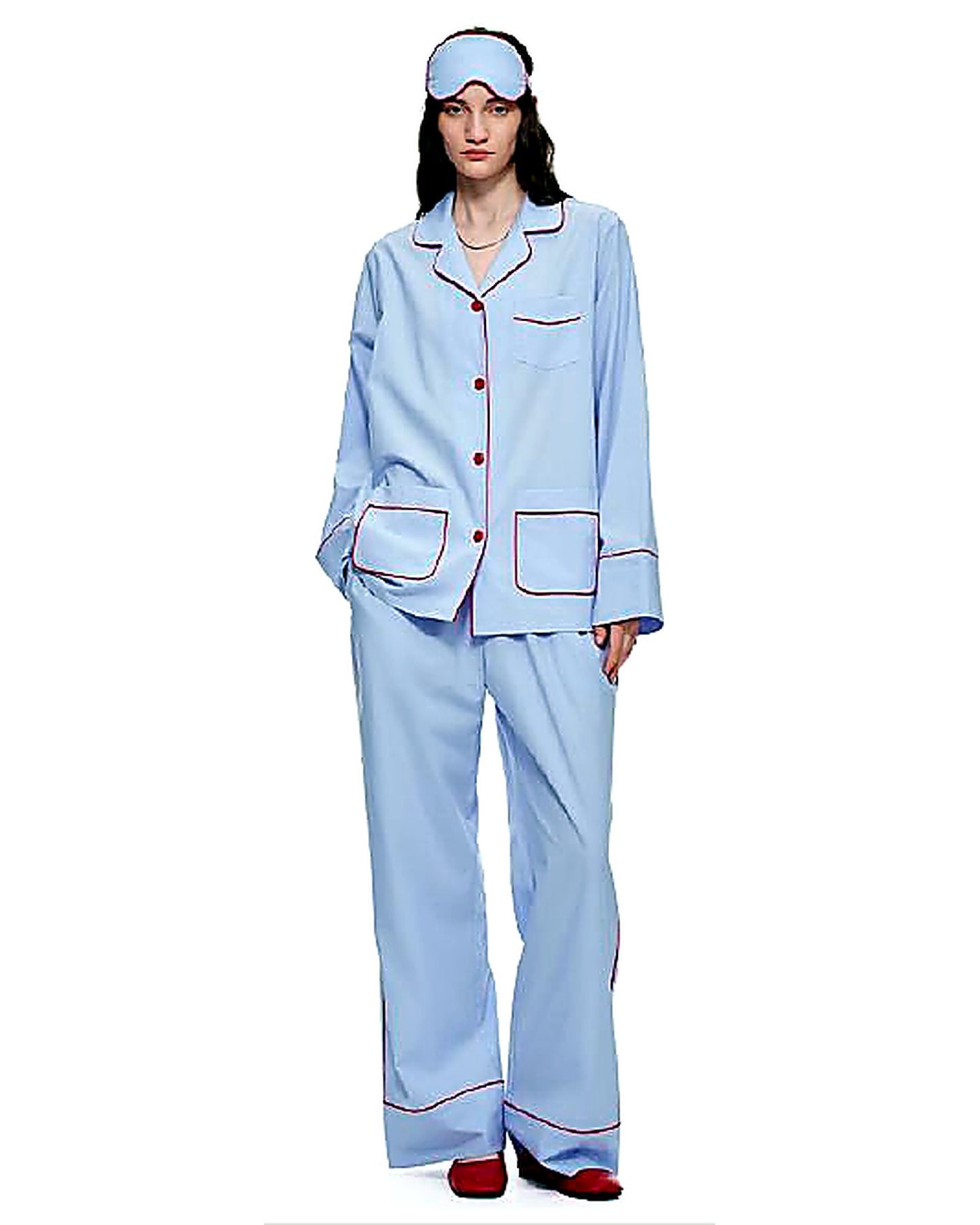
Private-label collections become difficult when every style, colour, material, trim, and packing instruction is unrelated. That does not mean a boutique should make a boring range. It means the team should decide where consistency helps the first order. One woven base may work for a blouse and a dress. A shared button, zipper, label format, hangtag stock, tissue, or carton system can connect several styles without removing their individual character.
Colour planning is especially important. A total unit number is not enough for a factory to understand the order. The buyer needs to show units by style, colour, and size range or ratio. A single style in a focused colour set may have a practical material and cutting route. Several styles in many colours, sizes, labels, and packing variants may create different material, trim, cutting, and inspection requirements even when the total quantity appears similar.
This is why MOQ should be discussed as a product plan, not a number taken from another website. Fabric availability, custom colour, print, embroidery, label components, packing method, size split, and the number of styles all matter. In some projects, an available material, a tighter palette, or shared components may simplify the first run. In other projects, the product direction requires a different route. The buyer should ask for the assumptions behind each option and decide whether the retail result still fits the brand.
What should buyers check about turn brand identity into approved components?
Private-label details are physical components. Main labels, size labels, care labels, hangtags, logo application, woven patches, barcode stickers, tissue, bags, boxes, and carton marks all need files, placement decisions, and a production reference. They should be discussed while the product is being sampled, not after the garment itself has already been approved.
Begin with the label hierarchy. Which information belongs in a main label, which needs a size label, and which should appear on a care or composition label? How should a hangtag attach without damaging the product? Does the garment need a woven label, printed neck mark, patch, embroidery, heat transfer, or another decoration method? The answer depends on the fabric, product use, construction, handfeel, target market, and brand presentation. A logo that works on a heavyweight sweatshirt may not be right for a lightweight blouse.
Artwork needs version control. Supply the correct vector or high-resolution files, colour references, dimensions, placement notes, and the approved copy for labels and hangtags. If the buyer has a brand guide, point the factory to the exact version. If artwork is still developing, mark it as open rather than sending multiple files with ambiguous names. A factory cannot confidently price or inspect a label package when it is unclear which file is final.
Label approvals should be checked in the finished garment, not only on a screen. Review placement, stitching, fold, scale, contrast, scratchiness where relevant, and how the label looks after pressing. Review the hangtag attachment, hole position, string or fastener, and whether it catches or marks the garment. The aim is a brand component that looks intentional and remains practical for production and handling.
The private-label clothing programme is the right next page when a team needs to map labels, hangtags, trims, logo methods, and retail presentation into the broader product-development route.
How should buyers plan retail-ready packing before the final sample is signed off?
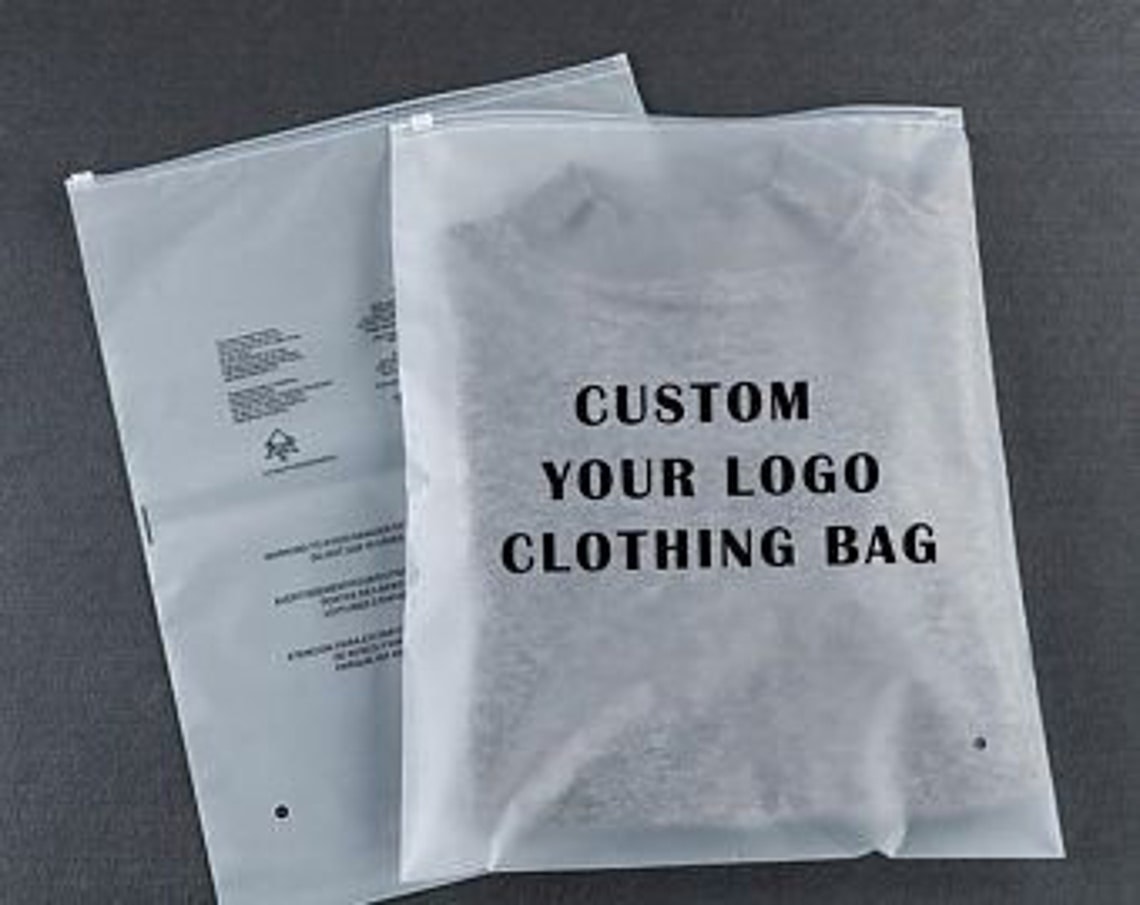
Packing is often treated as a finishing task. In a private-label programme, it is part of the product. A garment can arrive with the right fit and fabric but still fail the retail handover if the wrong size sticker is applied, the barcode is missing or in the wrong location, the fold does not protect the shape, the tissue damages a surface, the bag is unsuitable for the channel, or the carton assortment does not match the receiving plan.
Start by naming the sales channel. A direct-to-consumer order, boutique delivery, department-store receipt, distributor warehouse, and marketplace programme may need different packaging information. Ask the buyer, retail partner, or logistics team for any available packaging, barcode, carton, and routing guidance before bulk packing begins. The factory can coordinate the agreed product and packing plan, but it does not replace the buyer's own importer, legal, or market-compliance review.
The same applies to label and product-information requirements. Fibre, care, country-of-origin, language, responsible-party, and packaging obligations can depend on the destination market and selling route. Buyers should confirm their final obligations with the relevant internal or external compliance team before approving bulk labels and packing. What the factory needs is one unambiguous, approved file set and a clear instruction for where each component belongs.
Create a packing reference for each style. It may include a photo or drawing of the fold, tissue placement, insert card, bag or box, barcode location, size sticker, individual unit identification, carton quantity, size assortment, carton mark, and any retailer-specific handling note. The reference does not need to be beautiful. It needs to be clear enough for the packing team and for final inspection to compare the finished units against the agreed standard.
The wholesale apparel packing checklist gives buyers a more detailed way to record barcodes, size stickers, carton marks, store-ready presentation, and warehouse receipt instructions before packing starts.
How should buyers build a retail handover matrix before bulk release?
A private-label product crosses several ownership boundaries before it reaches a customer. Design may approve the silhouette and colour. Merchandising may own the style number and size plan. Brand or compliance colleagues may own label copy. Operations may own barcodes and carton data. A retailer or distributor may provide a separate receiving guide. If those instructions remain in different email threads, a factory can follow one correct file and still miss a newer decision held by another team.
Create one retail handover matrix for every style and colourway. Give each deliverable a clear name, current version, owner, approval status, and factory confirmation. Useful rows include the tech pack or product reference, measurement chart, approved sample, fabric and colour reference, main label, size label, care label, logo artwork, hangtag, barcode data, fold, protective packing, carton quantity, assortment rule, carton mark, destination market, and receiving instruction. The matrix should point to the actual approved file rather than reproduce all of its content.
Use simple status language that both teams understand: open, submitted, factory reviewed, buyer approved, or superseded. An approval date is useful, but the version identifier matters more. A file called “final-label-2” is not reliable when a later “final-label-new” also exists. A structured name such as style, component, language or market, version, and date reduces ambiguity. The exact naming system can be modest; consistency is what protects the production handover.
Before bulk release, review the matrix from the receiving end backwards. Can the warehouse identify the carton? Can store or fulfilment staff identify the style, colour, and size? Does the unit carry the approved brand and product information? Does the fold protect the garment? Does the garment itself match the approved material, fit, construction, and finish? This reverse check often reveals that an apparently small open item, such as a barcode file or size-sticker position, controls whether finished goods can move through the buyer's channel without manual correction.
The handover matrix is not a substitute for a purchase agreement, market-compliance review, or retailer routing guide. It is the operational index that shows which of those requirements applies to the order and whether the factory has the correct current instruction. Keep the approved matrix with the sample and production records so a later reorder begins from a traceable retail standard rather than from memory.
How should buyers use samples to test the full private-label programme?
The sample is where product and branding stop being separate ideas. A first sample helps the buyer assess silhouette, fabric, construction, label placement, logo method, and basic presentation. A later approval sample or pre-production sample can be used to confirm the exact material, measurements, trims, labels, packing, and other decisions that will guide bulk production. The appropriate route depends on the product and the amount of development involved.
Comment by location. If the label is too close to the neckline, say where it should move. If a hangtag covers an important garment detail, show the preferred attachment point. If a logo treatment feels too rigid on a soft fabric, explain the handling concern. If the fold makes a collar crease or hides the brand label, provide a photo of the desired result. Useful comments describe the issue, the location, the required change, and whether the change must be checked again before bulk approval.
One project file should hold the approved sample photos, measurement points, fabric header or reference, colour standard, trim list, logo artwork, label files, packing reference, and comment history. This is not administrative excess. It is the bridge between a buyer who knows the desired retail outcome and a production team that needs a stable instruction.
The fashion apparel RFQ template can help teams bring those decisions into a quote request before they commit to a sample or order. It is especially helpful when a buyer is comparing suppliers and wants each one to state their assumptions in a similar format.
How should buyers compare quotations by scope, not by the first unit price?
Two quotations can use the same product name while covering different programmes. One may assume an available fabric, a standard size range, simple printed labels, plain folding, and a basic carton route. Another may include a custom material direction, colour development, woven labels, hangtags, barcode work, individual packing, retailer carton marks, or extra approval checkpoints. Comparing only the first number hides the decision that actually changes the product and its retail readiness.
Ask every factory to identify the version of the product reference, material and trim assumptions, quantity split, colourways, sizes, sample scope, logo method, label package, packing method, inspection basis, delivery responsibility where relevant, and open items. Put those elements next to the price. A higher number may reflect a fuller retail scope; a lower one may depend on assumptions the buyer has not yet accepted. Neither is useful until the buyer knows what will be delivered.
The quote should also show what can change. For example, a material may need confirmation after the buyer reviews headers, a label component may depend on the final artwork, or packing may depend on the retailer's receipt rules. Transparent open points help a project move forward. They are not a reason to avoid a factory; they are a sign that the factory is not pretending a complex order is already fully specified.
How should buyers keep quality control connected to retail details?
Quality control starts with the approved product standard. Bulk fabric, colour, measurements, construction, decoration, labels, and packing all need a known reference. In-line checks can then focus on the points most likely to drift in that style: neckline shape, seam appearance, button or zipper function, print placement, label accuracy, shade, pressing, fold, or individual packing. Final inspection should not be the first time anyone checks whether the branded product is correct.
For private-label wholesale apparel, the final review should look beyond the garment. Check that the right label and size information are present, the approved artwork is used, the hangtag or sticker is correctly placed, the fold and protective materials match the packing reference, and carton contents are identified according to the approved instruction. The exact inspection approach will vary by product and buyer requirement, but the retail details need to be included in the checklist from the start.
Buyers who want to understand how these points connect after sample approval can review Yinshan's fashion manufacturing capability. The relevant question is not whether every order follows an identical checklist. It is whether the approved sample, production records, quality priorities, and packing requirements remain connected as the order moves through cutting, sewing, finishing, and release.
For a practical release sequence, the wholesale fashion quality control guide separates product identity, measurement, construction, branding, packing, and carton checks before goods reach the buyer's warehouse.
How should buyers keep a repeat-order record while the first run is still fresh?
The first private-label order creates useful information for the next one. Keep the approved garment or detailed photo record, measurements, fabric and colour references, trim codes, pattern or construction notes where relevant, label and artwork files, packing instructions, carton details, inspection comments, and every agreed change. Do not rely on individual memory or an old chat thread when a style becomes a best seller.
When the buyer requests a new colour, updated label, different size ratio, alternate fabric, new retail channel, or revised packing, compare it with that reference. Some changes may be simple; others may need a new material review, sample, cost discussion, or packing approval. A clear record makes the distinction visible. It helps the buyer ask for a true restock when appropriate and treat a changed product honestly when a new approval route is required.
What to send before requesting a private-label wholesale quote?
- Product references, a tech pack, sketches, or clear front, back, and detail images for each style.
- The target customer, sales channel, destination market, intended retail level, and the role of each style in the assortment.
- Desired fit, fabric behaviour, colour plan, construction, trim, logo, label, and decoration direction, with notes on what is fixed and what is open.
- Quantities by style and colour, size range or size ratio, possible order scenarios, and any repeat-order expectation.
- Approved or working artwork for labels, hangtags, care and size information, barcode direction, folding, individual packing, carton marks, and retailer instructions where available.
- The requested sample route, decision deadline, target delivery window, and the specific questions the quotation needs to answer.
Yinshan Fashion can use this information to review a custom private-label fashion programme. Share the product references, material direction, quantities, brand components, packing needs, target market, and timeline through the contact page. The team can identify the next practical decision for sampling, quote comparison, and retail-ready bulk planning.
Retail-ready private label
Five approvals that make a private-label programme easier to repeat
Private-label wholesale apparel works best when the product, brand components, retail packing, quality priorities, and repeat-order record are approved as one connected production standard.
Product standard
Set the style role, fit, fabric behaviour, construction details, colour plan, and the product points that cannot change before a sample is approved.
Brand components
Treat labels, hangtags, artwork, logo method, size information, and placement as production components with a clear approved version.
Retail release
Connect folding, protective materials, barcode location, size sticker, carton assortment, and final checks to the way the product will be received and sold.
Private-label wholesale apparel approval checklist
Use this working list before a sample is released for bulk production. It aligns product, branding, packing, and record-keeping decisions; it does not replace the buyer's purchase agreement or destination-market compliance review.
| Decision area | What the buyer should prepare | What to ask the factory |
|---|---|---|
| Product route and sample standard | Provide the style reference, intended fit, material direction, colour plan, construction details, target customer, sales channel, and the sample points that must be approved before bulk. | Is the request an existing-platform adaptation or a new development, and which pattern, material, colour, fit, or construction decisions need a sample or further review? |
| Labels, artwork, and logo method | Supply final or clearly versioned artwork, label hierarchy, care and size content, dimensions, colours, placement notes, hangtag direction, and logo-application preference. | Which label, logo method, attachment, placement approval, component minimum, and inspection point is required for the product and brand presentation? |
| Quantity, colours, and sizes | Share units by style and colour, size range or ratio, alternate scenarios, first-order objective, and possible replenishment plan. | How do materials, trims, colours, size split, packing, cutting efficiency, and component minimums affect the proposed wholesale route and quotation assumptions? |
| Retail packing and carton route | Define fold, tissue, individual bag or box, barcode position, size sticker, inserts, carton quantity, size assortment, carton marks, and retailer or warehouse instructions. | Which packing file, sample, component, work instruction, and final packing check is needed before cartons are ready for release? |
| Repeat-order record | Retain the approved sample, fabric and colour references, measurements, trim codes, label files, packing reference, carton details, and QC comments from the first run. | Which record will identify the approved product and distinguish a direct restock from a changed material, branding, quantity, or packing programme? |
Continue the production conversation
Private label wholesale apparel: buyer and factory approval handover
| Approval area | Buyer should lock | Factory should confirm |
|---|---|---|
| Product direction | Style references, desired fit, material behaviour, key construction points, target customer, sales channel, and the decisions that cannot change. | Whether the route is an adaptation or new development, and which pattern, material, sample, or fit approvals are required before bulk planning. |
| Brand components | Final artwork, label hierarchy, size and care information, hangtag, logo method, placement, dimensions, colours, and approved copy. | Which component, placement, application method, sample, and inspection point is needed for the garment and brand presentation to match the approved standard. |
| Order mix | Units by style and colour, size range or ratio, alternate scenarios, repeat-order expectation, and the retail role of each style. | How material availability, colours, sizes, trims, packing, cutting, production planning, and component minimums affect the practical order route. |
| Retail packing | Fold, tissue, bag or box, barcode position, size sticker, inserts, carton quantity, assortment, carton mark, and retailer receiving instructions. | Which packing files, component approvals, work instructions, and final checks are required before branded goods are sealed and released. |
| Repeat-order record | Approved sample references, material and colour standards, measurement chart, trim codes, artwork, label files, packing reference, and QC comments. | Which record identifies the approved product, and which requested change must be reviewed as a new material, product, branding, or packing route. |
Buyer FAQs
Is private label wholesale apparel the same as ready-stock wholesale clothing?
No. Ready-stock wholesale normally begins with finished supplier inventory. Private label wholesale apparel can involve an existing product platform with branding changes or a more custom development route with approved fabric, fit, labels, and packing. The practical route depends on the product, quantity, materials, colour plan, branding package, packing needs, and timeline; it should be confirmed for the specific project.
Can a boutique start private-label clothing without a complete tech pack?
Yes. Clear reference images, a physical sample, a mood board, a basic measurement sheet, or a structured product list can start a useful development conversation. The buyer and factory then need to identify missing fit, fabric, construction, size, branding, quantity, and packing decisions before a sample or bulk order is approved. Marking open items clearly prevents quotation assumptions from becoming later disagreements.
When should labels, hangtags, and packaging be finalised?
They should be planned while the product is sampled and finalised before bulk production is released. Labels, hangtags, barcode stickers, folding, protective packing, carton marks, and retailer instructions affect components, artwork, sample checks, final inspection, cost assumptions, and packing work. The buyer should also complete any destination-market review before approving the final production files.
Why can two private-label wholesale quotes have very different prices?
The suppliers may be pricing different assumptions. Material route, colour development, size split, sample work, logo application, woven labels, hangtags, barcode, individual packing, carton requirements, quality checks, and delivery scope can all differ. Compare a written scope beside the price, then ask each supplier to identify open items. A lower number is not comparable until the product and retail-delivery basis matches.
What records make a private-label apparel reorder safer?
Keep the approved sample or photo record, measurements, fabric header or material reference, colour standard, trim codes, label artwork, packing instruction, carton details, QC comments, and any approved change. A reorder can still require a new review when the buyer changes material, colour, branding, size plan, market, packing, or order quantity, but a reliable first-order record makes those changes visible instead of leaving them to memory.