Article
What should buyers know first?
Short answer: A B2B private-label clothing startup cost guide for mapping product development, sampling, materials, first-order decisions, channel preparation and a controlled reorder reserve.
Private label clothing startup cost is not one factory number. It is the cash a brand needs to make a sequence of controlled product decisions: define a small sellable range, develop and review samples, confirm the current material and construction route, prepare private-label details, place a first order, receive the goods, and retain enough flexibility to learn from the first selling cycle. For a custom programme, the useful budget is a map of decisions and owners, not a promise that every brand can start at the same amount.
Direct answer: build a startup budget in stages. Start with the cash the brand can actually allocate, then connect it to a narrow product brief, sample questions, material and trim choices, labels and packing, the style-colour-size order structure, channel preparation, and a separately held reorder reserve. Yinshan Fashion can review the custom garment, sample, material, private-label and production inputs for the defined programme. It does not set the brand's retail price, budget, profit target, consumer refund policy, warehouse costs, taxes, payment fees, or final launch decision.
Why a clothing startup budget should begin with a range plan
Many new brands ask for the cost of “starting a clothing line” before they have named the products that will be sold. That question is understandable, but it produces a weak factory conversation. A single product, a compact two-style capsule, and a broad seasonal collection can have very different development and production questions even if the brand has the same total cash available. The budget becomes useful only when it is connected to a range role and a product version.
Start by describing the customer, selling route, intended price position, season or launch window, and the role of each proposed product. A core item may need repeated wear and a focused colour plan. A hero item may need a particular silhouette, drape, print or finishing detail. A support item may exist to complete an outfit rather than carry the entire launch. This distinction helps the brand decide where it needs proof before spending more money and where a variation can wait.
Use real product categories rather than generic labels. A dress collection may need decisions about drape, lining, closures, length, coverage, colour and fit before a sample route makes sense. A blouse collection may concentrate the discussion on fabric behaviour, opacity, collar, placket, sleeve, buttons and finish. They should not be budgeted as interchangeable “tops and dresses.” The brand should name what must be protected in each product and what can be reviewed as an alternative.
A narrow range is not automatically better, and a broader range is not automatically more professional. The right starting point is the range a brand can describe, sample, approve, photograph, sell and learn from without losing control of its product records. If the team cannot say who approves a change, which version is current, or why an extra colourway exists, adding it to the first order is a budget risk rather than a commercial achievement.
Separate available cash from a factory quotation
Available cash is a brand-owned constraint. A factory quotation is a supplier response to a defined product scope at a stated time. They should inform one another, but they are not the same thing. When a founder says, “This is all we can invest,” that is important context for setting a product-development path. It does not allow a factory to infer the garment, material, quantity split, private-label work, packing, destination or commercial terms that fit that boundary.
Write the budget in two columns. In the first, record the brand's staged cash plan: development allowance, first-order funds, channel preparation, receiving or fulfilment needs, and a reserve for a later decision. In the second, record current supplier inputs: which garment version is being assessed, what is included, what is excluded, which quantity matrix is assumed, the quote date, validity and open questions. This structure prevents a planning figure from being mistaken for a confirmed production commitment.
The apparel target-costing guide is useful when the brand has a price position and needs to turn it into a product-and-channel brief. It does not provide a universal launch cost. A brand may have an attractive retail idea while the proposed garment is still incomplete. The point of the budget is to make that gap visible early enough to revise the product, the range, the launch route or the cash allocation.
Keep channel inputs with the people who own them. Payment charges, marketplace rules, promotion, returns, warehouse receiving, fulfilment, taxes, customs, insurance and consumer-facing obligations do not become factory costs because they appear in one spreadsheet. A brand can include those assumptions in its commercial plan, but it should identify the source and owner of each one. That gives Yinshan Fashion the product context it needs without asking the factory to invent another party's costs or policies.
Budget the brief before the sample
The first budget decision is often whether the brand has supplied enough information for a meaningful sample discussion. A clear brief can reduce avoidable back-and-forth, but it is not a substitute for development. It should state the product category, intended wearer, reference images or tech pack, desired silhouette, fit direction, material priorities, colour direction, components, artwork or decoration, labels, packing, market, quantity idea, sample purpose and the decision the sample must support.
Mark each field as fixed, preferred or open. For example, a founder may be fixed on a dress shape but open to a compatible fabric route. A brand may be fixed on a pajama set's comfort direction but open to packaging details. A product team may be fixed on a logo application but open to a second colourway. The distinction gives the factory a legitimate way to ask questions instead of guessing.
Do not spend the whole development allowance on visual references alone. The brief needs a decision owner and a version date. When a reference, fabric direction, measurement, trim, print, label or pack detail changes, log the change before asking the factory to compare another route. A chain of informal messages can create duplicate sample work and misleading comparisons because different people are discussing different garments.
The fashion product brief before sampling can help a new brand prepare the handover. Treat it as a control for the current product, not a promise of a fixed sample count, factory price or development timing. A strong brief makes it easier to decide what evidence is worth paying for next: an initial fit sample, a material proof, an applied component proof, a construction question, or a pack review.
Treat samples as evidence, not display pieces
Sampling deserves its own budget line because a sample answers product questions that a spreadsheet cannot settle. A sample may show whether the silhouette works in the proposed material, whether the intended coverage or drape is plausible, whether a neckline, sleeve, pocket, lining, seam or elastic route needs revision, or whether an applied label, print, embroidery or trim changes the garment's balance. It is a physical decision tool, not simply a photograph for launch content.
Before requesting a sample, name the question it must answer. One sample may be about fit and proportions. Another may be about material handfeel and drape. Another may be about the relationship between a lining and outer fabric, a print placement, an elastic, a button, a zipper, or a private-label component. If a sample is expected to answer every question at once, the brand risks treating an early prototype as a bulk-ready reference.
Record comments against the dated sample version. “Make it better” cannot be budgeted or produced. “Review the approved sample with a revised sleeve length, a lining question, and a specified label placement” gives the buyer and factory something that can be assessed. The brand should consolidate its comments so it sends one current request rather than several conflicting instructions from product, marketing and commercial teams.
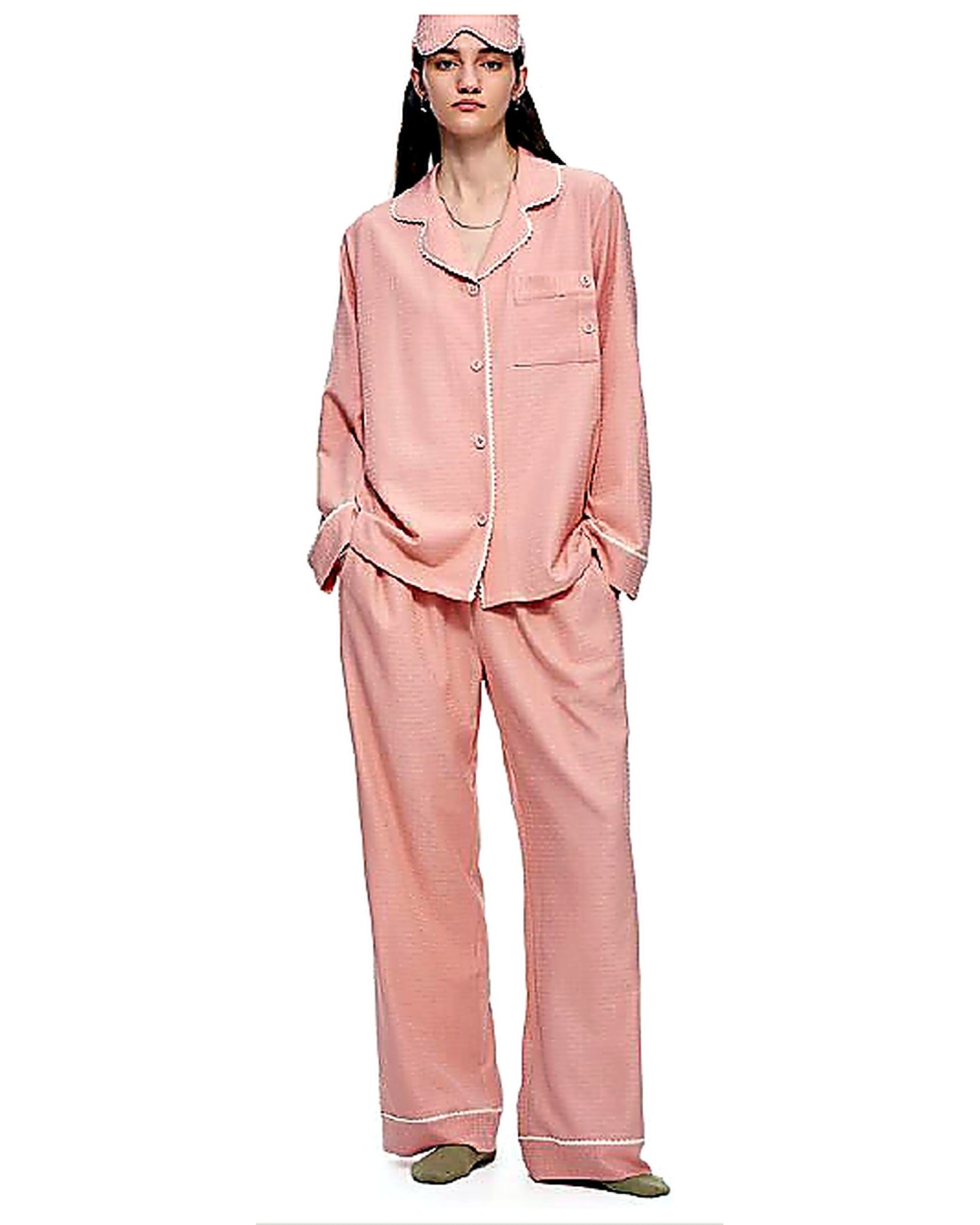
For women's knitwear, a sample route may need to test silhouette, handfeel, gauge, rib, neckline, recovery, care direction or colour before the brand treats the product as confirmed. For pajamas and loungewear, comfort, component interaction, set definition, piping, elastic, print, transparency and packed presentation can all be relevant. These are not universal test lists; they are reasons to define the product question before committing further cash.
Make material and trim choices visible in the budget
Material, lining, components, decoration, labels and packing affect how a garment is developed and reviewed. They should sit beside the product rather than in a generic “extras” bucket. A material direction affects handfeel, drape, opacity, structure, fit, colour expression, care and the way a construction detail behaves. A trim or label may affect placement, proofing, finishing and the active product record. A packing route may alter the handover required for the selling channel or recipient.
Use a material-and-components register. For every style, note the proposed main fabric, lining where relevant, components, decoration, label set, packing idea, reference held, alternatives under consideration, approval owner and open question. If a fabric is described only by a marketing term or an inspiration photo, mark it as open. If a colour or component has not been reviewed on the actual garment, do not call it approved just because it was discussed.
Yinshan Fashion can discuss fabric direction and sourcing, construction, private-label elements and sampling for a defined custom programme. Actual material availability, minimums, testing, performance, cost, lead time and repeat continuity require project-specific confirmation. Do not allocate a reserve on the assumption that a material, trim or colour route will remain available or identical later. Instead, decide what records and alternatives the brand needs if the next review identifies a change.
This is where a fabric-development and sourcing discussion can be practical. Send the garment reference, intended wearer, desired handfeel or structure, colour direction, lining and component needs, sample purpose, current quantity idea and open questions. The goal is not to make a material promise early. It is to make the next evidence-gathering step specific enough to protect the product and the budget.
Build the first-order budget from the actual style-colour-size matrix
A first-order budget becomes unreliable when it uses only a total unit number. A focused style in one colour can create a different product and production conversation from the same total spread across several styles, colours, sizes, prints, labels or packing variants. The buyer should prepare a current matrix that names the units by style, colour, size and any variation that changes the product or handover.
The matrix is not a commitment to bulk by itself. It is the information a factory needs to understand the route being discussed. A small brand may decide to concentrate funds in fewer product versions, defer a secondary colourway, postpone a less-certain style, or make a sample decision before treating the complete range as purchasable. Those are commercial choices for the brand; the factory can explain what product inputs need review for each defined option.
Separate the first order from a hoped-for repeat order. A projected reorder can help the brand decide which product records, material references, fit notes and label files should be retained. It does not mean a future price, quantity, material, component, freight, currency or timing condition is guaranteed. The fashion wholesale reorder-planning guide explains how a controlled record helps a team prepare a later review without turning the last order into a permanent promise.
An early order should be ready for the next gate only when the buyer can identify the current product version, material and construction route, labels and packing, quantity matrix, sample evidence, quality priorities, conditions and named approver. If those points are not visible, the right outcome may be a narrower first order, another sample, a new factory question or a pause. A transparent conditional decision protects cash better than a rushed bulk instruction.
Put private-label details into the correct stage
Private label is not a late decoration layer. Main labels, size identifiers, care and content inputs, hangtags, artwork, placement, packaging and carton marks can all need a version, source file, owner and approval route. When those details are treated as an afterthought, a brand can accidentally budget the garment but not the information and evidence required to hand it over.
Create a small label-and-pack checklist for each style. Include the current artwork file or reference, placement, language or market owner, size range, care-information owner, packing route, recipient or channel, approval state and open decisions. If the brand is selling in more than one market or channel, keep the records separate rather than assuming one label or pack version applies to all products.
The private-label process can frame the information that must travel with a custom product. It does not replace a brand's legal, market, retailer or consumer obligations. The brand and its advisers remain responsible for the information they choose to place on a product or provide to a customer. Yinshan Fashion can review how the defined label and pack inputs connect to the garment, sample and production handover.
Budget a proof where a branded component changes the physical product or its presentation. For example, an applied label, artwork position, hangtag attachment, fold method or polybag detail may need a clear approval record. Do not treat a flat artwork file as proof that the item will read, sit or survive as intended on the specified garment and packing route.
Keep channel preparation and landed cost outside the garment quote
A factory quote is only one input to a startup cash plan. The brand may also have photography, product data, ecommerce setup, payment, fulfilment, warehouse receiving, marketplace, promotion, customer service, returns, freight, import, insurance or adviser costs. These are not all present in every business model, and one route should not be copied into another. Their owners need to decide which ones apply to the current launch.
Create a separate channel-readiness list. Name the route, product page or sales asset owner, sample or photo dependency, size and care-data source, packing and receiving requirement, warehouse or fulfilment owner, promotion scenario and customer-service process. Do not ask the factory to certify that a channel will work. The factory can explain the defined product and packing handover; the brand and its providers own the customer-facing route.
The apparel landed-cost planning guide is a useful companion because it distinguishes product and import inputs from revenue, fulfilment, payment, discount, return and quality-exposure decisions. It should not be used to insert unverified freight, duty, tax, marketplace or return rates into a factory brief. Current terms and professional advice are needed for the actual shipment, destination and channel.
This separation matters to small brands because it prevents the first production conversation from absorbing every operational uncertainty. It also shows where cash must be reserved by the brand rather than treated as an unexplained surcharge in a garment conversation. The budget gets more useful when each cost category has a named owner and current evidence source.
Protect a reorder reserve without inventing a future commitment
A reserve is not an instruction to place a second order. It is a deliberate choice not to allocate every available unit of cash before the brand has learned from the first product, sample, receiving and selling cycle. The reserve can support a controlled response when one product needs another proof, a core style shows a workable route, a label or pack issue appears, or the brand decides it needs a fresh quotation for a defined repeat.
Do not describe the reserve as a guaranteed replenishment fund. Future material availability, production capacity, currency, freight, product changes, order structure and commercial terms may differ. The useful purpose of the reserve is to give the brand options: it can re-review a proven style, resolve a documented product issue, test a controlled alternative, or decide not to repeat a route that no longer fits the business.
Record what would release reserve funds. Examples might include a signed-off product version, a current quote basis, an approved material direction, a confirmed channel or receiving condition, a decision owner, or evidence that the first range has answered a commercial question. Do not use a spreadsheet balance alone as approval. A reserve should be tied to the decision it is meant to support.
For custom and small-batch projects, a small-batch clothing manufacturer discussion can help a brand frame the garment, sample, material, quantity and handover questions. It does not set a universal investment level or make the future order less conditional. The brand remains responsible for deciding whether the evidence supports another production step.
Use cash gates: ready, conditional or unsuitable
A startup budget should end with a decision gate, not only a total. Mark each product or spend category as ready, conditional or unsuitable for the current plan. Ready means the current product, intended spend, evidence and owner are sufficiently clear for the next defined action, such as a sample request, a quotation review, a production handover or channel preparation task. It does not automatically mean ready for bulk or public promotion.
Conditional means a named input is missing: a material direction, sample result, fit comment, private-label proof, quantity matrix, packing route, commercial scenario, legal or channel decision, or current quotation. Write the owner, the proof required and the next action. This is not failure. It is the record that keeps a new brand from spending against an assumption it cannot yet defend.
Unsuitable means the product or spending route does not support the available cash, current product evidence or commercial plan. The decision may be to narrow the range, revise the brief, defer a variation, seek another proof, alter the launch route or pause. Do not make the factory absorb that brand decision by demanding a fixed number from an unfinished product.
What should a new brand send Yinshan Fashion for a startup-budget review?
Send the available development and first-order budget boundaries, target market and channel, launch objective, product categories, intended range roles, style references or tech packs, current material and construction direction, colours, components, private-label inputs, packing concept, style-colour-size matrix, sample purpose, required decision and named approver. State what is fixed, what is preferred and what can change. If a channel, importer, warehouse, marketplace or adviser owns an assumption, name it rather than asking the factory to infer it.
Yinshan Fashion can use that information to discuss custom design, fabric direction, fit, sampling, private-label elements, small-batch production and the product-specific questions that need evidence. Actual prices, MOQs, sample routes, material availability, test requirements, lead times, freight, duties, channel charges, taxes, market obligations and launch outcomes remain project-specific and require current confirmation by the responsible parties.
The practical next step is not to find one universal startup number. It is to turn the first collection into a staged decision map: a defined range, a clear brief, samples with named jobs, controlled material and brand details, a current order matrix, a separate channel plan, and a reserve attached to a real future decision.
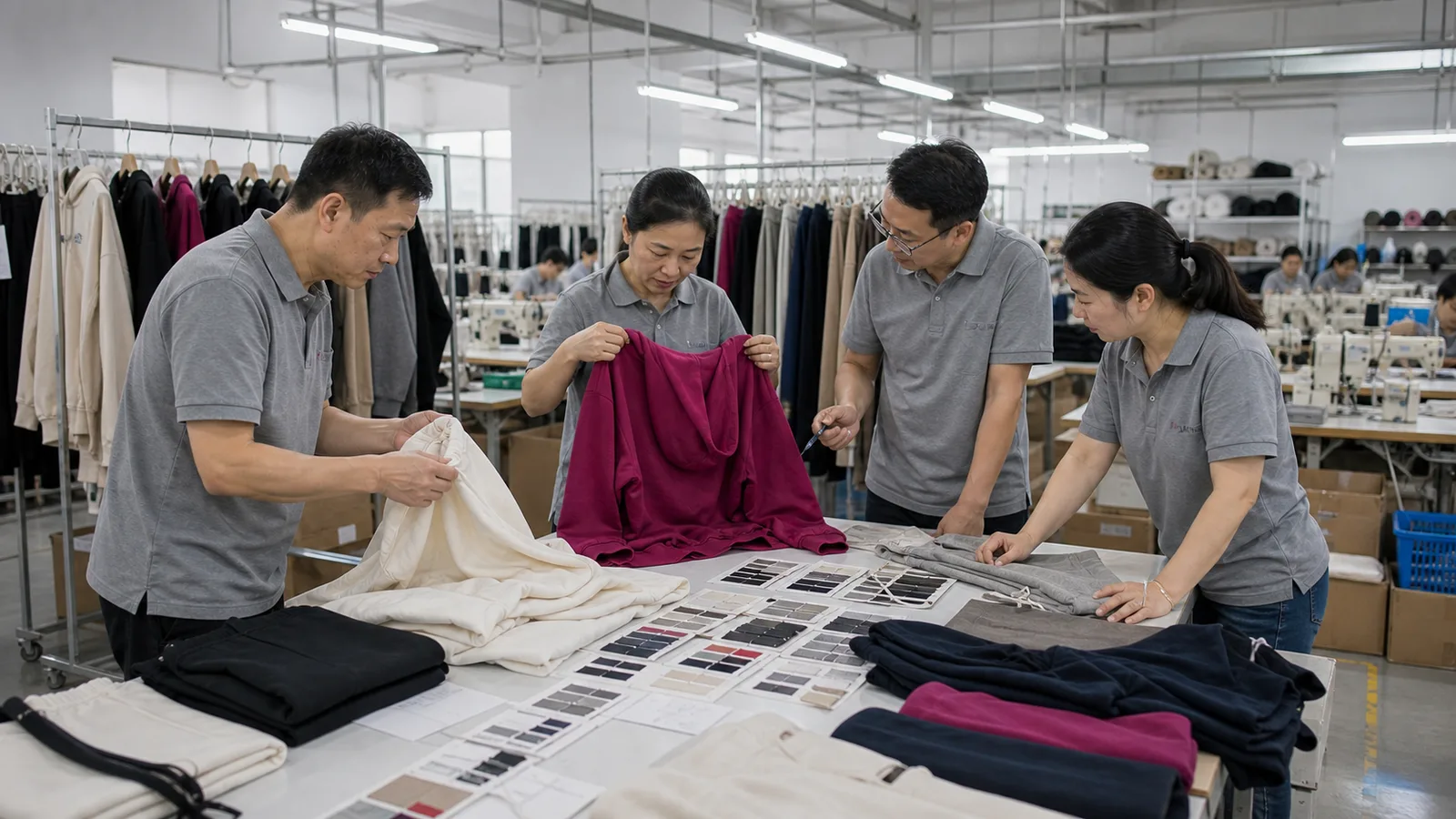
Startup-budget control kit
Turn available cash into a staged product decision plan
Keep the current garment, sample question, first-order matrix and decision owner connected so a budget supports evidence rather than assumptions.
Fund the next product question
Allocate cash to the brief, sample or proof that must answer a named fit, material, construction, private-label or packing question.
Keep the order structure visible
Show the current style-colour-size matrix beside materials, labels, packing and sample evidence before treating a first order as comparable.
Release money through a decision gate
Use a named commercial owner to decide whether the route is ready, conditional or unsuitable for the available budget and current product evidence.
Buyer inputs and factory questions for a private-label startup budget
Actual prices, availability, lead times, tests, market requirements and commercial terms remain specific to the confirmed product and responsible owners.
| Decision area | What the buyer should prepare | What to ask the factory |
|---|---|---|
| Range role | Name each core, hero or support product, target customer, channel, style revision and the question the product must answer for the launch. | Which current garment, reference and sample purpose define the route under review? |
| Sample evidence | State the physical question each sample or proof must answer, consolidate feedback and name the next approver. | Which material, fit, construction, component or private-label point needs another proof before the route can progress? |
| First-order matrix | Provide units by style, colour, size, material, decoration, label and packing variation, with possible repeats kept separate. | Which current order assumptions would a quote or production review use? |
| Channel readiness | Name the product-data, receiving, fulfilment, payment, promotion, return and import inputs owned by the brand or service providers. | Which product or packing input needs to be included in the factory handover, and which belongs to another owner? |
| Reserve gate | Define the evidence, owner and decision that would release a reserve for another proof, revised product route or current repeat quote. | What must be confirmed, conditional or reopened before another production decision is comparable? |
Continue the production conversation
Private-label startup budget map: evidence, ownership and decision gates
| Budget stage | Question to answer | Evidence owner | Do not assume |
|---|---|---|---|
| Range plan | Which core, hero and support products are being developed for the first selling route? | Brand product and commercial owners | That more styles, colours or categories automatically create a stronger launch |
| Brief and sample | Which current product version and physical question should each sample or proof answer? | Brand product owner with factory review | That a reference image or early sample is ready for bulk |
| Materials and components | Which fabric, lining, trim, decoration, label and packing inputs are current, proposed or open? | Buyer and factory for the defined garment | That an inspiration or prior discussion proves availability, cost or performance |
| First order | How are units split by style, colour, size, material, label and packing variation? | Buyer with factory quote owner | That total units alone describe the production scope |
| Channel and receipt | Which product-data, receiving, fulfilment, payment, promotion, return or import inputs apply to this route? | Brand and named service providers | That a factory quote owns every launch or channel cost |
| Reserve and approval | What evidence releases a future reorder or correction reserve, and who can approve it? | Named commercial approver | That an unspent budget amount authorizes another production decision by itself |
Buyer FAQs
How much does it cost to start a private label clothing brand?
There is no reliable universal figure. A startup budget depends on the range, product versions, sample questions, materials, components, labels, packing, first-order matrix, channel preparation and the brand's own operating model. Build a staged plan around the specific collection instead of treating a past quote or another brand's budget as a current factory commitment.
What should a clothing brand budget before placing its first order?
Budget separately for the product brief, samples and revisions, material and component direction, private-label details, the actual style-colour-size order structure, channel and receiving preparation, and a decision-linked reserve. Keep factory quote inputs distinct from brand-owned revenue, fulfilment, payment, promotion, return, tax and channel assumptions.
Should a new brand spend all of its budget on the first clothing order?
Not automatically. A controlled reserve can give the brand room to resolve a documented product question, request a current quote for a defined repeat or respond to what it learns from the first cycle. It is not a guaranteed reorder fund and should be released only against a named decision and current evidence.
Are samples part of a private label clothing startup budget?
Yes. Samples are evidence for fit, material, construction, components, private-label application and presentation questions. Define what each sample must answer and record feedback against a dated version rather than treating every sample as a production-ready display piece.
Can Yinshan Fashion help a startup prepare a private label budget brief?
Yinshan Fashion can discuss the defined custom garment, fabric and fit direction, sample route, components, labels, packing, quantity structure and production-coordination inputs. The brand and its named providers remain responsible for retail pricing, cash allocation, channel operations, taxes, customs, returns and final commercial approval.