Article
What should buyers know first?
Short answer: A B2B buyer guide to choosing printed fabric for fashion, aligning artwork, base cloth, print process, sampling, cutting and bulk controls for dresses and singlets.
Printed fabric for fashion is a product-development decision, not simply an artwork file sent to a mill. A print changes how a garment reads from a distance, where the eye lands on the body, how seams appear, how a colourway supports a collection and what must be controlled during cutting. For a dress, the same motif can feel refined, directional or visually heavy depending on scale and drape. For a singlet, it must also work across a small front panel, armhole curve and size range.
Yinshan Fashion supports custom and private-label bulk programmes rather than unrestricted ready-stock wholesale. The work starts with the intended garment, then connects base fabric, artwork, print route, pattern, sample, labels, packing and bulk production. For buyers developing a first colourway or a repeatable print programme, the useful question is not “Can this be printed?” It is “Which fabric and print route will make this artwork commercially usable in the actual garment?”
This guide explains the main print choices, the evidence a buyer should review before bulk, and the practical application of printed fabric in dresses and singlets. It also separates printed surfaces from woven or knitted pattern, because confusing the two can lead to an inaccurate brief, unsuitable fabric selection or an avoidable sample revision.
What printed fabric for fashion means in a production brief?
Printed fabric for fashion usually means a design, motif, placement image, stripe, border or engineered layout applied to a base cloth through a route suitable for the confirmed fibre and construction. The visual result may be an all-over repeat, a single placement, an engineered panel, a border running near a hem, or a coordinated print family across several garments. Each option creates different artwork, cutting and quality-control questions.
The base cloth remains important. A floral artwork on a light draping woven does not behave like the same artwork on a compact jersey, a stretch performance knit or a structured poplin. Surface texture, opacity, weight, stretch, recovery, lustre, grain and movement can change the apparent colour, scale and detail of the print. Before a buyer approves a motif, it helps to define the garment role: vacation dress, blouse, relaxed singlet, fashion top, lounge piece, clubwear layer or active-fashion panel.
The fashion clothing fabric selection guide provides a useful starting point for that discussion. It helps a buyer turn terms such as soft, premium, breathable, fluid, crisp or stretchy into material questions that a supplier can sample and assess. A good print brief then builds on that base rather than treating fabric and artwork as unrelated tasks.
Printed material can also appear at different stages of a product route. The fabric may be purchased as an available printed option. A buyer may commission a new repeat on an existing base. A print may be placed only on a front panel or lining. In each case, the sample must show the actual relationship between the graphic and the garment. A flat digital rendering cannot prove how a print will fall through gathers, darts, pleats, side seams or a V neckline.
What should buyers check about printed fabric is not the same as a woven pattern?
A patterned textile can be created by printing, weaving, knitting, yarn dyeing, embroidery or another surface process. The buyer should name the intended result rather than assuming that every visible motif is a print. A plaid woven from dyed yarns, a jacquard pattern built into the construction and an all-over printed floral may all look patterned from a distance, but they need different materials, development inputs and production controls.
The distinction matters for both product design and quotation. A woven pattern can require yarn planning, construction development and pattern matching at cutting. A printed design needs an approved artwork file, repeat or placement instructions, a base-fabric decision and print proof. Some garments combine these approaches. A woven stripe may be used with a printed lining, or a printed dress may include a textured trim. The accurate brief identifies which feature is structural and which is surface decoration.
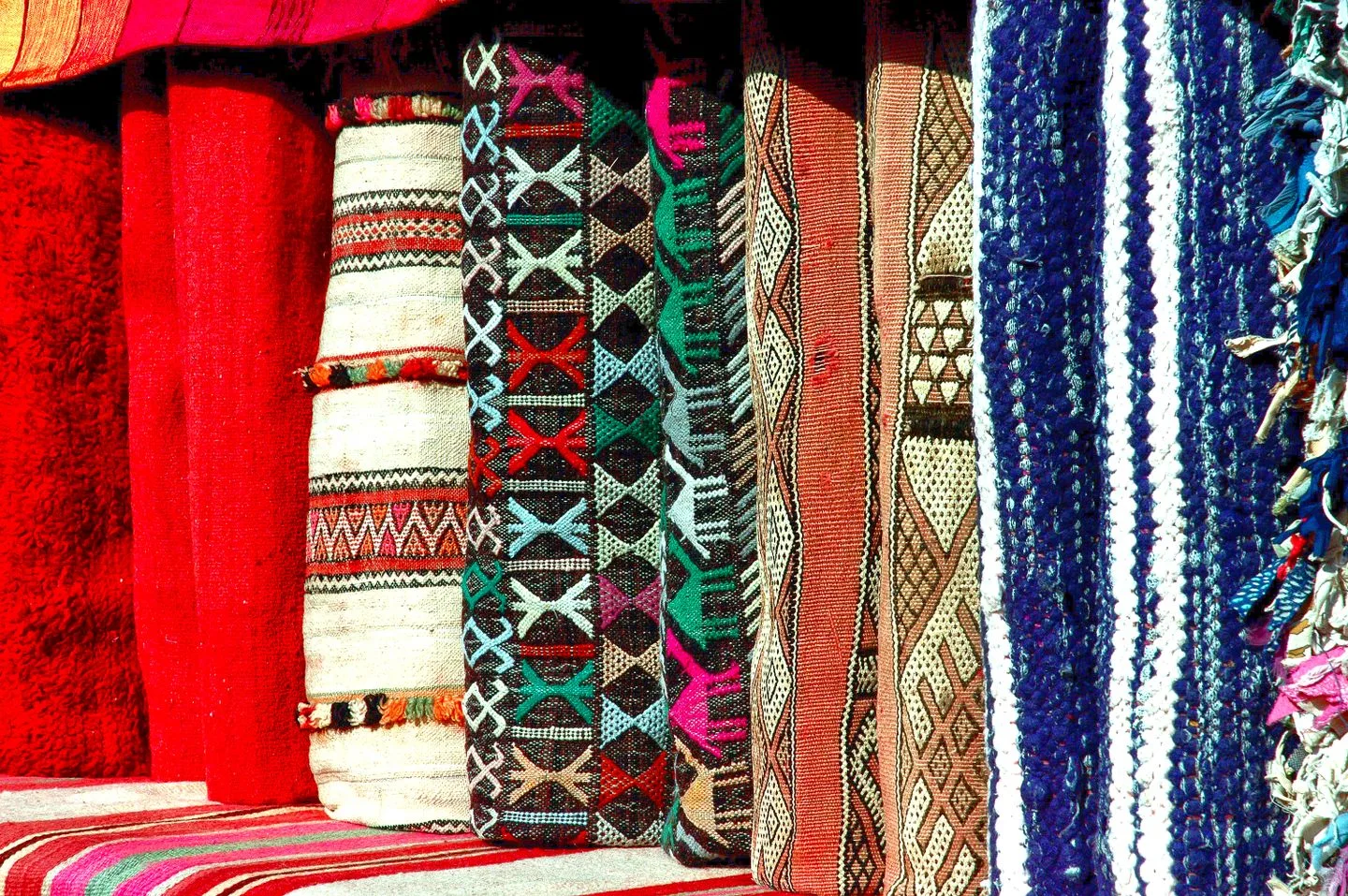
Figure 1. The supplied traditional textile image shows patterned woven surfaces. It is included to clarify that a visible motif is not automatically a fabric print.
For a fashion buyer, this is a practical way to avoid miscommunication. Send the reference, mark the feature to match, and say whether the priority is the exact motif, the colour balance, the texture, the handfeel, the construction or the overall visual impression. If only the visual direction matters, the factory can suggest a more feasible route. If the construction itself is essential, it should be considered before a print method is selected.
Which fashion fabric printing processes should buyers compare?
There is no universal best printing process. A print route should be selected after the supplier understands the fibre, fabric construction, artwork detail, colour direction, garment use, sample purpose and quantity structure. The same artwork may need a different route on a cellulosic woven, a polyester fabric or a stretch knit. Print processes also have different preparation, proofing and bulk-control requirements.
Screen-based repeat printing
Screen-based routes can be considered for repeating motifs, stripes, dots, conversational prints and other artwork that can be separated into controlled colour information. The supplier reviews the repeat, colour count, registration points, base fabric and intended surface. The buyer should check the print at garment scale, not only as a small swatch. A motif that looks balanced on a screen may become oversized on a narrow bodice or visually fragmented by a dress seam.
This route can be useful when the print design has a stable repeat and the project can accommodate the related preparation and approval steps. It does not remove the need for a physical proof. Buyers should ask what strike-off, sample yardage or garment sample will represent the bulk route, who approves it and what change to artwork, ground colour or fabric would require a new review.
Digital textile printing
Digital textile printing may be considered when artwork has fine detail, tonal variation, photographic elements or an early-development need for flexibility. It still depends on the suitable fabric, pre-treatment, ink system, colour-management path and finishing route. A digital file alone does not establish how a design will look on every base fabric. Fine lines, dark grounds, pale colours and small motifs should be reviewed on the actual material and under a sensible viewing condition.
For a boutique dress programme, digital printing can help a team assess several colourways before it locks the collection. For a singlet, it can help prove whether a placement sits correctly between neckline, armhole and hem. The key is to keep version control. The buyer should retain the approved artwork file, scale, repeat size, orientation, colour standard, fabric code, proof and garment sample comments together.
Transfer and sublimation-related routes
Transfer or sublimation-related routes may be appropriate for compatible synthetic fabrics and confirmed product uses. They can support all-over graphics, engineered panels or coordinated active-fashion pieces, but the suitability depends on the actual fibre, construction, colour, stretch and finishing direction. A supplier should not promise the same result for every polyester-blend fabric without reviewing the programme.
For a fashion singlet, the buyer should consider whether the print needs to pass through stretch, whether the design crosses side seams, whether a light base could show through in high-extension areas and how the artwork aligns across sizes. For an active-fashion product, the active-fashion collection is a useful product reference because fabric stretch, panel lines and movement affect both the pattern and the visible print.
Pigment, reactive and other fibre-specific routes
Some print routes are selected mainly because of the fibre and the desired handfeel, colour behaviour or finish. A cellulosic fabric, a silk-like woven, a polyester synthetic or a blend may call for different chemistry and preparation. The buyer does not need to prescribe the chemical route. The buyer should state the material direction, desired surface, colour standard, care context and market requirements, then ask the print supplier to explain what physical approval can verify the proposal.
This is especially important when a brand has a strong handfeel requirement. A print can change the surface character of a lightweight dress fabric, a soft viscose blend or a close-fitting knit. The appropriate comparison is not process name versus process name. It is the confirmed base fabric and print proof versus the intended garment experience.
How should buyers start with base cloth before finalising artwork?
Artwork and base fabric should be selected as one decision. A successful fashion print starts with the way a cloth accepts colour and moves in the chosen silhouette. A fluid woven can support a soft dress volume but may reveal seam allowances or require a lining decision. A more compact fabric can make motifs read sharply but may create a different body and hem. A stretch knit can make a singlet comfortable and fitted, while also changing the apparent scale when the garment stretches on the body.
Buyers can use the fabrics and trims development route to establish the needed material evidence before bulk. Useful inputs include composition direction, woven or knitted construction, weight range, stretch and recovery expectation, opacity, surface, drape, usable width, target colour, print intent, wash or care context, quantity and destination market. If the buyer is undecided, clear reference garments and a commercial target are often more useful than a long list of generic fibre names.
The physical sample should answer garment-specific questions. Does the ground show through under a light print? Does the printed area feel different from the unprinted area? Does the material hang correctly in a bias-cut skirt panel? Does the singlet neckline keep its shape once the fabric moves? Are seams and hems visually calm, or do they interrupt the motif? These are design and production questions together.
The supplied image of patterned rolls is useful here because it shows the visual variety that can exist across printed material. The rolls should not be treated as a substitute for a buyer's approval proof. Each candidate needs a confirmed fabric identity, print route and product context before it is released to sampling or bulk.
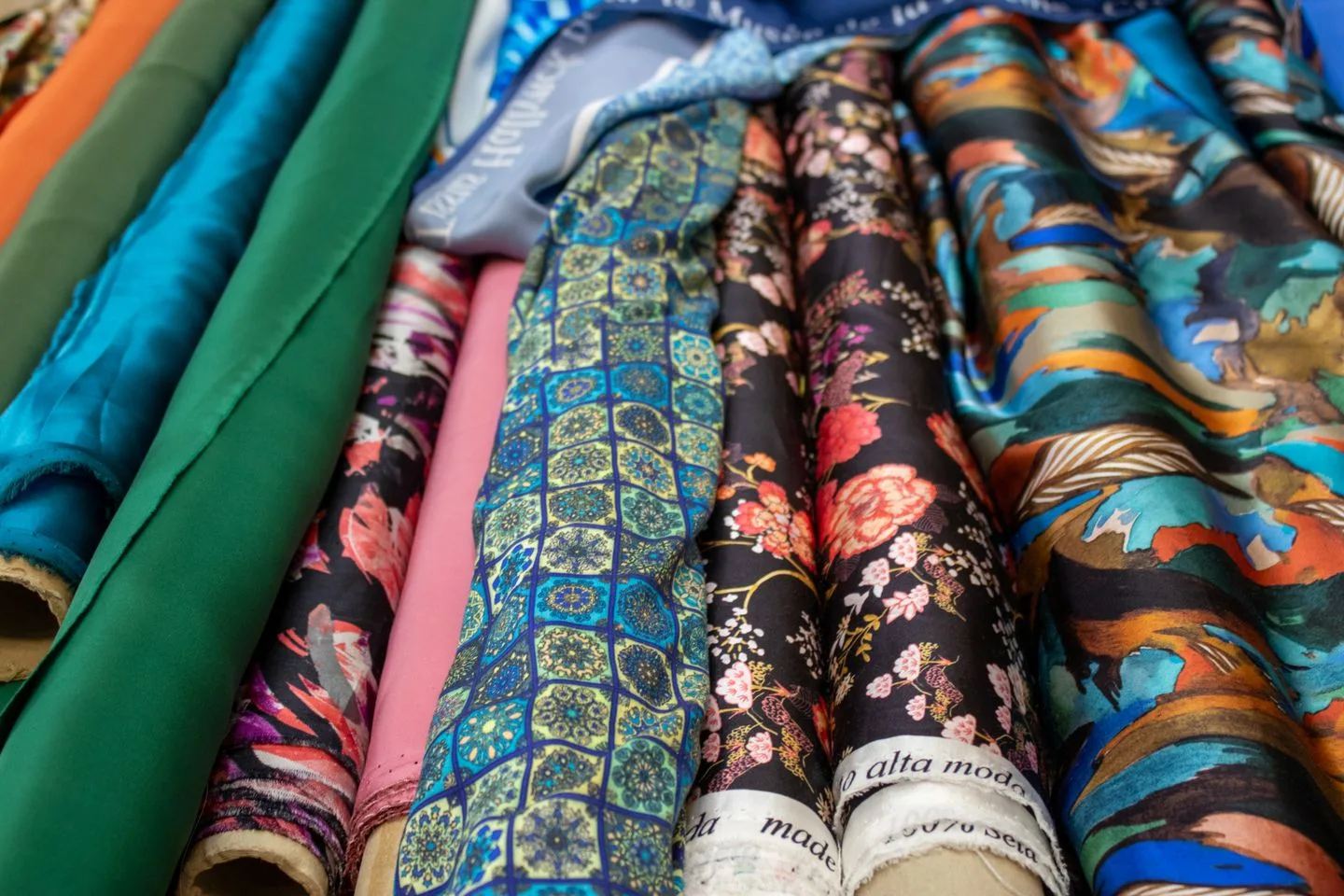
Figure 2. The supplied pattern-roll image is a reference for print direction and colour variation, not evidence that every design or fabric route is available for every programme.
How should buyers prepare artwork for garment scale, repeat and placement?
Print artwork needs more than a visually attractive file. The buyer and supplier should agree whether the design is an all-over repeat, a placement, an engineered panel, a border, a stripe or a combination. For a repeat, document the repeat dimensions, orientation, start point, any intended match and which areas of the garment can accept a partial motif. For a placement, show its position relative to the garment measurements and key construction lines, not only relative to a flat illustration.
Scale deserves extra attention. A large leaf or abstract form can work beautifully on a maxi dress but lose its impact when cut into a narrow singlet front. A small, high-contrast repeat can look energetic on a child-sized panel or a close-fitting top but become visually busy on a gathered sleeve. Build a simple garment mock-up and then ask for a printed proof or sample. That sequence makes it easier to judge the design in the use case where it will be sold.
Colour control also needs a clear reference. A monitor is not a physical colour standard. The team may use a brand swatch, a Pantone reference, an existing approved fabric, a strike-off or a lab-led proof depending on the route. State whether a reference is directional or approved. If a colour or ground changes after the first sample, retain the decision in the version record so that later quotation, sample and bulk discussions stay aligned.
Artwork ownership and source rights are buyer responsibilities. A factory can prepare the artwork for production use, identify file-format questions and arrange a proof. It should not be asked to reproduce a third party's protected artwork without a clear right to do so. For a private-label programme, the private-label development page can help buyers plan how print artwork, labels, hangtags, care information and packing must connect to the same product version.
How printed fabrics work in fashion dresses?
Printed fabric gives a dress designer a way to build colour, rhythm and product identity without adding heavy construction. Florals, geometric repeats, painterly effects, animal-inspired motifs, borders and small conversational prints can change the commercial positioning of the same basic silhouette. Yet dress development remains a fabric-and-fit process. The print must support the cut instead of masking a pattern problem.
For a wrap dress, ask how the print crosses the overlap, waist seam and belt. For a tiered dress, review whether the repeat lands differently on each tier and whether the maker will cut with a planned orientation. For a bias or slip dress, check the way a diagonal grain changes the visual rhythm. For a lined dress, select the lining after the printed shell is seen in a realistic light condition. For a more structured shirt dress, decide whether the placket, collar, cuff and pocket need matching or a deliberate contrast.
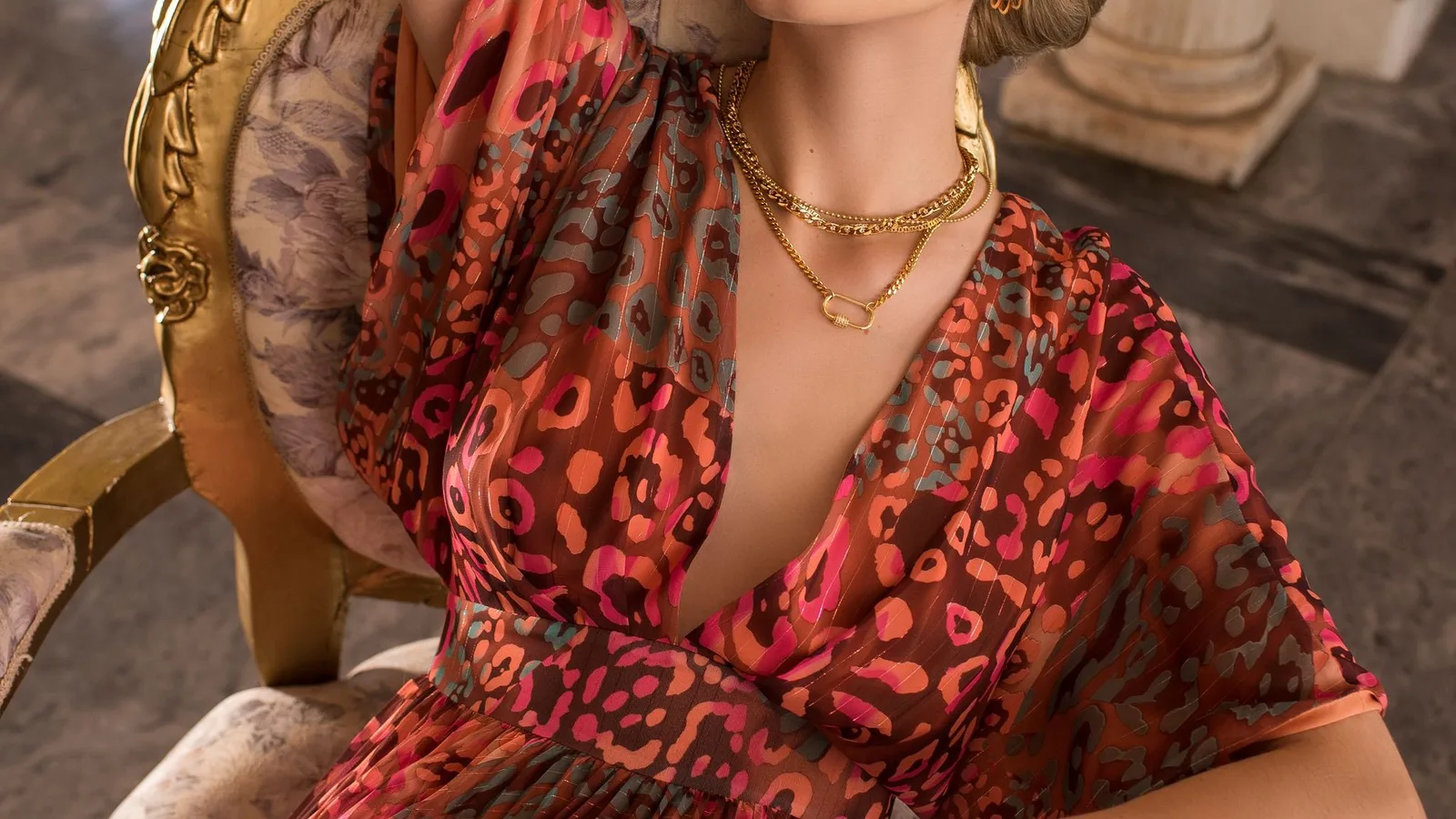
Figure 3. Printed dresses should be approved as garments: motif scale, drape, neckline, waist seam and construction can all change the visual result.
The casual-fashion dress collection is relevant for buyers building printed dress ranges because it keeps the material conversation linked to a real product context. A brand can share a reference image, target customer, neckline, length, sleeve direction, lining preference, print artwork, desired handfeel, size range and initial quantity. Yinshan Fashion can then help identify which inputs need a swatch, a strike-off, a pattern decision or a first sample before a bulk quotation is treated as final.
How printed fabrics work in singlets and small-panel tops?
Singlets use less fabric than many dresses, but they are not a simpler print decision. The front and back panels are narrow. Armholes, necklines, straps, side seams and binding take up a large share of the visible area. A placement design can become too high, too low or visually cut off if the pattern changes between sample sizes. An all-over repeat can appear stretched or compressed when the fabric has elasticity.
The buyer should first decide what the singlet is meant to do. A loose woven singlet, a ribbed fashion tank, a printed jersey top and a performance-inspired piece call for different material behaviour. Then define whether the print is a full repeat, a centred front placement, a side panel, a border, an engineered stripe or a limited branded detail. A product that will be worn under a layer may favour a different scale from a singlet intended as the main visual statement.
For fitted styles, review print placement on the body rather than only on a flat table. Check the way the motif behaves across the chest, side seam and lower hem. Confirm whether the binding is self-fabric, solid contrast, printed or another component. If the print must run across more than one panel, make the joining expectation visible in the sample notes. If it does not need matching, state that too, so the factory does not spend time solving an unnecessary problem.
For buyers combining fashion and movement use, discuss fabric recovery, seam route and print route together. A graphic that is attractive on an unstretched swatch may not look the same in wear. The practical response is a garment sample with a defined fit review, not an assumption based on a fabric image.
What should buyers check about sample printed fabric before you approve bulk production?
The sample stage is where a printed-fabric idea becomes a production decision. A swatch can show colour direction, surface and rough scale. A strike-off can help evaluate artwork and print clarity. A garment sample can show fit, drape, placement, construction, binding, seam interruption, opacity and the relationship between print and wearer. Each proof should have one stated purpose.
Do not treat every sample as bulk approval. Record whether it is a colour exploration, fabric-development sample, pattern sample, fit sample, print-placement proof, sales sample or pre-production reference. The notes should name the fabric code, print artwork version, scale, placement, colourway, garment size, pattern version, reviewer, date, changes and the next action. When the print changes, the buyer should be able to see which earlier decisions must be revisited.
The manufacturing workflow connects this process to cutting, sewing, quality control, private-label components and packing. It matters because a print decision that looks isolated at sampling can affect marker planning, fabric yield, shade grouping, cutting orientation and final garment appearance. Clear records protect both the factory team and the buyer's brand when a programme reaches bulk or returns for a repeat order.
What should buyers check about control print direction during cutting, sewing and inspection?
The right approval sample is not the final control point. Bulk production needs the approved fabric and print information to reach the cutting and sewing teams. A cutting plan may need to consider print direction, border location, repeat placement, panel alignment, stripe matching or the acceptable position of partial motifs. The exact level of matching should be realistic for the garment, quantity and intended price level. It should be agreed rather than silently assumed.
During sewing, check whether the construction distorts the printed surface, pulls a lightweight fabric, creates unwanted puckering or moves a placement out of balance. For a dress, the review may include bodice-to-skirt joining, gathered seams, zip position, lining and hem. For a singlet, it may include binding, armhole shape, seam tension and panel orientation. The inspection standard should refer back to the approved sample and the agreed visual priorities.
Packing can also affect the product. A surface that marks easily, a light print that needs separation from dark accessories or a garment with a visual placement should be folded and protected with the approved presentation in mind. Exact packing choices, quality checks and market requirements remain programme-specific, but they should be part of the product brief before bulk is released.
What Yinshan Fashion adds through long-term print-supplier relationships?
Yinshan Fashion has worked with many fabric and print suppliers for more than 20 years. That continuity is useful because the team can discuss a garment's fabric behaviour, artwork intention and manufacturing route with partners who understand the practical language of fashion development. It does not mean every fabric or printing process is automatically available, or that a generic claim can replace a programme-specific proof. It means the supplier discussion can begin with clearer technical questions and a more informed choice of route.
For a printed dress, Yinshan Fashion can help connect the artwork and base cloth with drape, lining, seam placement, garment proportions, sampling and production coordination. For a singlet, the same conversation can cover fabric stretch, recovery, print scale, binding, placement and fit. The team can also help organise the information that a print partner, pattern room, sample room and production team each need to see.
Long-standing supplier relationships are most valuable when they improve the buyer's decision process. The buyer brings the product intent, target market, brand artwork, quantities and commercial priorities. Yinshan Fashion coordinates the questions, physical proofs and records needed to move from an idea toward a confirmed sample and a bulk-ready standard.
What should buyers check about buyer checklist and factory checklist for printed fabric?
Before a printed-fabric programme enters sampling, the buyer should prepare:
- The garment category, target customer, intended use and target market.
- Reference images or artwork files with confirmed usage rights and the current version identified.
- The desired print type: all-over repeat, placement, border, stripe or engineered panel.
- Preferred base-fabric behaviour, including drape, stretch, opacity, handfeel, surface and care context.
- Colour reference, garment size, pattern or measurement information, labels, packing direction and quantity structure.
- The decision the first physical proof must answer: artwork, base fabric, placement, fit, construction or a defined combination.
Before bulk release, the factory and print supplier should be able to confirm:
- Which fabric, artwork version, print route and proof control the current product decision.
- Whether scale, repeat, orientation, placement, partial-motif tolerance and panel matching are defined for the intended style.
- Which garment sample and comment record represent the approved print and fit.
- Which cutting, sewing, inspection and packing points need special attention for the visual result.
- Which changes require a renewed proof, sample review, costing discussion or buyer approval.
What should buyers check about a practical next step for your printed fashion collection?
Send Yinshan Fashion the garment category, reference image or artwork, intended print layout, target customer, preferred base cloth, desired handfeel, colour direction, size range, quantity, market, labels and packing needs. If the artwork or fabric is still open, say which result matters most: a fluid printed dress, a structured shirt dress, a fitted singlet, a fashion top or an active-fashion graphic panel.
That information lets the discussion begin with the real development decision. Yinshan Fashion can then help compare fabric and print directions, identify the first proof that is worth making, coordinate sampling and build a clearer route toward private-label bulk production. Contact the Yinshan Fashion team to start with a product brief rather than a generic print request.
Printed-fabric production control kit
Three controls that make a fashion print usable beyond the artwork file
A printed-fabric programme is ready to move forward when the garment result, physical proof and production record all point to the same base cloth, artwork version and visual standard.
Define the garment result
State whether the product is a dress, singlet, top or panel, then define fit, drape, stretch, opacity, handfeel, visual scale and the role of the print in that garment.
Control the physical proof
Identify whether each swatch, strike-off or sample proves colour, artwork, base cloth, placement, fit, construction or a named combination. Record what remains open.
Release one production record
Keep the approved fabric code, artwork version, scale, orientation, sample, comments, cutting priorities, labels, packing and authorised changes together for bulk handover.
Buyer actions and print-supplier questions before printed fabric enters bulk production
Use one current record to connect the artwork, base fabric, garment pattern and production decision. Exact materials, testing, commercial terms, quantities and timing are confirmed for the actual programme.
| Decision area | What the buyer should prepare | What to ask the factory |
|---|---|---|
| Garment and customer context | State product category, target wearer, market, fit, use context, size scope, desired visual effect and what must remain consistent across the range. | Which base-fabric behaviour, construction and physical proof can show whether the artwork works in that garment? |
| Artwork and rights | Provide the current artwork version, confirmed usage rights, repeat or placement direction, orientation, scale, colour direction and areas that must not be cropped. | Which file preparation, repeat setup, proof or garment map is needed before the artwork can be assessed for production? |
| Base fabric and surface | Describe composition direction, knit or woven preference, handfeel, drape, stretch, recovery, opacity, surface, care context and target colour. | Which fabric quality and print route are compatible, and what proof represents the intended surface, colour and garment behaviour? |
| Sample purpose and comments | Name the proof, garment size, pattern version, reviewer, decisions to approve, observations, open points and the owner of the next action. | What does this sample establish, what remains provisional and which product change would require new print or sample evidence? |
| Cutting and construction | Define print direction, border position, expected alignment, partial-motif tolerance, binding, lining, seam and hem priorities. | How will cutting, joining and in-line review use the approved visual priorities without adding unagreed matching requirements? |
| Private label and repeat record | Provide labels, care or product information, hangtags, packing, quantity structure, approved sample and authorised changes for the current programme. | Which record controls the approved print, materials and presentation, and what must be reconfirmed before a repeat? |
Continue the production conversation
Printed fashion fabric: what each buyer decision controls
| Decision | What the buyer should define | What the supplier should confirm |
|---|---|---|
| Garment role | Dress, singlet, top or panel use; target customer; fit and movement context. | Which base-fabric properties and sample evidence best support the intended garment. |
| Artwork layout | Repeat, placement, border, stripe or engineered-panel direction; current file version and rights. | How scale, orientation, colour information and garment pattern affect the proposed print route. |
| Base fabric | Handfeel, drape, opacity, stretch, recovery, surface, care context and commercial target. | Which actual fabric quality can be printed and which proof represents the confirmed surface and colour result. |
| Sample purpose | Whether the proof is for artwork, colour, fabric, fit, placement, construction or pre-production approval. | What the proof demonstrates, what remains open and which change would require a new review. |
| Bulk visual control | Which print direction, panel alignment, partial motif, seam and packing details are commercially important. | How the approved print and garment record reach cutting, sewing, inspection and packing teams. |
| Repeat order | Approved artwork, fabric code, print proof, sample, comments, labels, packing and authorised changes. | Which prior references remain applicable and which new variable must be reconfirmed before production. |
Buyer FAQs
What is printed fabric for fashion?
Printed fabric for fashion is a base cloth carrying an approved repeat, placement, border, stripe or engineered artwork through a route suited to the actual fibre, construction and garment. It should be reviewed in the intended garment, not from the artwork file alone.
Which print process is best for a fashion dress?
The best process depends on the confirmed base fabric, artwork, colour direction, handfeel, garment construction, quantity and proofing route. Review a physical print proof and garment sample before choosing a bulk route.
Can the same printed fabric work for dresses and singlets?
Sometimes, but the garment changes the review. A dress may prioritise drape, lining and seam placement, while a singlet may need closer attention to stretch, binding, armholes and artwork scale on narrow panels.
What should a buyer approve before bulk printing?
Approve the fabric identity, artwork version, scale, repeat or placement, colour reference, relevant physical proof, garment sample, pattern version and the visual priorities that must be followed during cutting and inspection.
How can Yinshan Fashion help with printed fabric development?
Yinshan Fashion can connect artwork, base-cloth selection, print-supplier discussion, pattern and fit, sampling, private-label details and bulk-production coordination for a confirmed fashion programme.