Article
What should buyers know first?
Short answer: Compare print vs embroidery vs heat transfer using artwork, fabric, scale, placement, handfeel, sampling, care evidence, and a clear factory approval brief.
A small chest logo, a large illustration, and a tonal motif on an evening top are different decoration briefs. Even when the brand uses the same logo, the garment material and placement can change the practical question. This guide explains how to compare proposed methods, request useful samples, and record the chosen result without relying on unsupported promises about price, minimum quantity, wash performance, or universal suitability.
How should buyers define the scope of print vs embroidery vs heat transfer?
The word print covers several processes, while heat transfer describes an application route that may itself involve a printed image. For clarity, ask the factory to identify the actual technique being proposed rather than treating the three headings as completely separate technical categories. A quotation that says print only may leave important material and application details unresolved.
CottonWorks' overview of printing techniques describes different routes, including screen and digital printing. That variety is the reason a buyer should request a specific proposal. The process name helps organise the discussion, but it does not by itself establish the exact appearance or performance of the decoration on the intended garment.
Use a method description in the brief alongside the approved sample reference. If the supplier proposes a change later, the buyer can then identify whether it changes the application route, material, visual effect, or another aspect of the specification. Keep the comparison focused on the project result rather than trying to choose a manufacturing technique from a short marketing label alone.
How should buyers start with the role of the graphic in the product?
Explain what the decoration contributes to the garment. It may be the main visual feature, a restrained brand identifier, a tactile detail, or one part of a larger collection theme. The factory needs to know which qualities are essential. If the buyer simply asks for the best method, the supplier has no clear basis for prioritising appearance, feel, detail, or commercial scope.
Identify the elements that must remain recognisable at the finished size. A wordmark may depend on fine spacing, while an illustration may depend on tonal transitions or several colours. A textured motif may intentionally accept a different surface character. These design priorities should be approved by the brand before technical adaptations are made to suit a proposed process.
For a fashion T-shirt collection, the decoration may be central to the product's identity. Provide the intended graphic and the base garment direction together. A reference tee can communicate a desired effect, but it should not replace the original artwork or imply that the same process will reproduce identically on every fabric and colour.
How should buyers supply artwork for review at actual scale?
Send the source artwork in the format requested by the factory or decoration supplier, together with a readable visual reference. State the intended dimensions and orientation. A high-resolution image displayed without scale can still leave the supplier uncertain about the final size. The buyer should be able to compare the proposed sample with a clearly defined graphic rather than an impression from a screen.
Ask which details need technical adaptation and have those changes reviewed before sampling. The adaptation might affect fine text, line thickness, small gaps, or other graphic features. Do not assume that a supplier's conversion preserves every design intention automatically. Equally, avoid prescribing technical production settings without the appropriate expertise. The buyer's role is to define and approve the intended result.
Keep the original artwork and the production-ready version distinguishable. Record the revision used for each sample and approval. If a colour or shape changes, identify whether the update is a design decision or a technical adjustment proposed for review. This makes the later discussion more precise when a sample looks different from the buyer's expectation.
How should buyers confirm the garment material and colour before comparing samples?
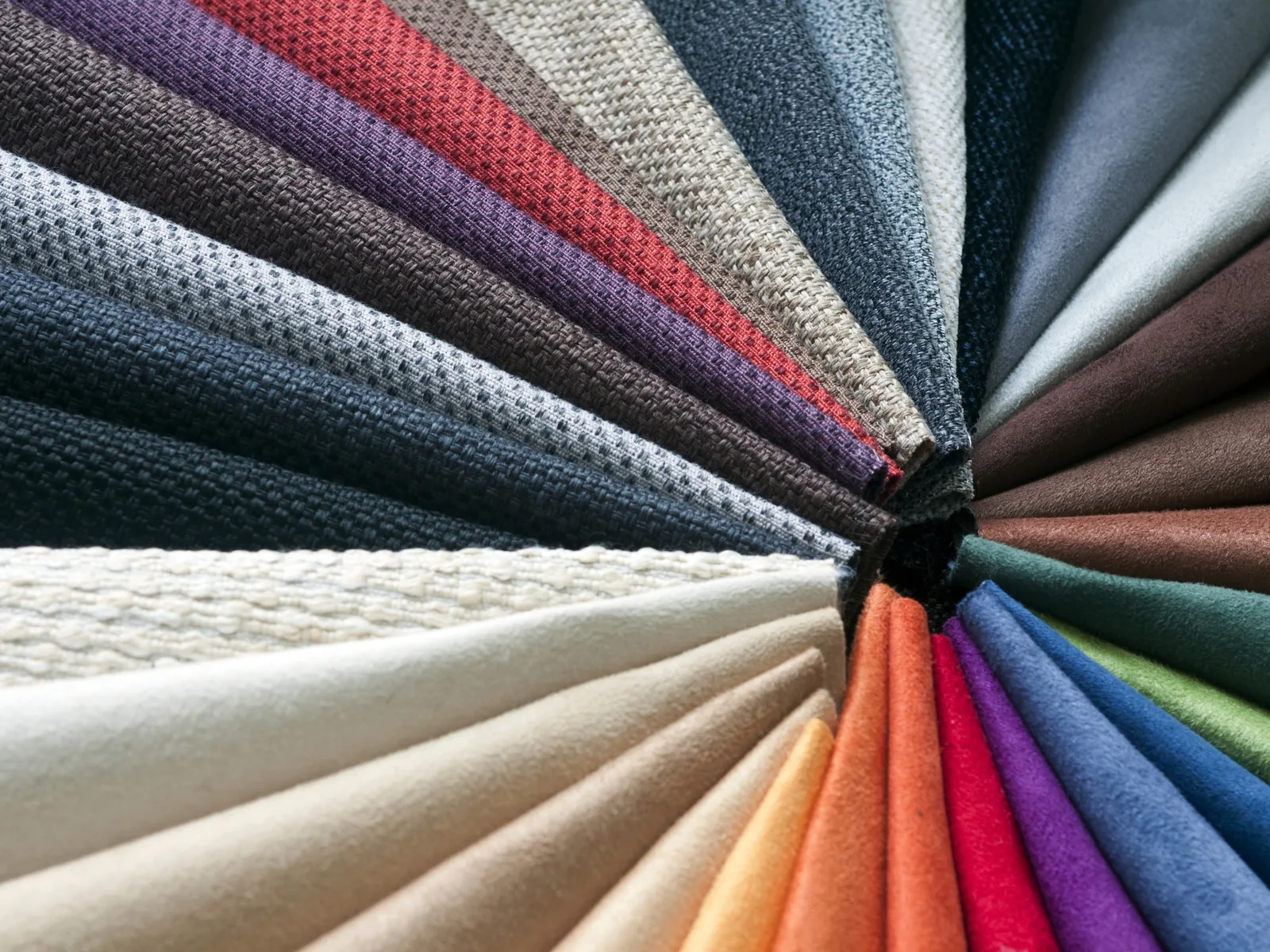
Provide the actual material specification and identify whether it is final or provisional. Include the relevant colour reference and any finish or construction information the decoration supplier needs. A sample made on an unrelated fabric can help discuss appearance, but it cannot settle all questions about the intended garment. Label the scope of that demonstration clearly.
Ask for the proposed method to be assessed on a representative material and colour through the agreed development process. Different garment colours may require their own review where relevant to the process and result. Do not assume that approval on a light reference automatically covers a dark version, or that a supplier's generic swatch represents every material planned for the range.
If the fabric changes during sourcing, return to the decoration decision. The same artwork and location can still produce a different practical question on the revised material. The factory should identify whether additional sampling or technical review is needed. Keep the final decoration approval tied to the material actually intended for production, rather than to an early fabric description that has since been replaced.
How should buyers compare print proposals through the finished surface?
Ask the supplier to explain the proposed print route and show the intended result on the relevant material. Review the colour, detail, edge definition, coverage, and surface feel at the approved scale. A digital rendering cannot demonstrate all of those characteristics. The buyer should record what the physical sample shows and which details are still awaiting confirmation.
Describe observations concretely. If small text is unclear, identify the letters or area. If the surface feels heavier than intended, describe the garment effect rather than simply calling the print poor. Specific comments allow the supplier to assess whether artwork, process, or another variable needs adjustment. A broad request to make it softer or more premium may leave the actual acceptance criteria unclear.
Keep the print's role in the garment in view. A large graphic can affect the experience differently from a small logo, even if both use the same proposed technique. Review the sample worn or handled as intended, not only laid flat for a close-up photograph. The comparison should answer whether the decoration serves the product and brand direction at its actual size and location.
How should buyers review embroidery from the front and the reverse?
For an embroidery proposal, assess the visible stitching, shape, text clarity, and relationship to the surrounding fabric. Turn the sample over and review the reverse, support materials, and any contact area relevant to the wearer. A front photograph gives only part of the information needed for a garment decision. The buyer should understand the complete proposed finish.
Madeira's embroidery troubleshooting guidance identifies factors such as hooping, stabiliser selection, and needle condition when investigating puckering or fabric pulls. That illustrates why a visible problem needs technical assessment rather than an automatic conclusion that embroidery is unsuitable. Ask the decoration specialist to identify a proposed correction and provide a revised sample where needed.
Do not approve an embroidery effect on a substantial test fabric as proof of the same result on a delicate fashion material. The sample should address the intended base and placement. A blouse collection may require a restrained motif and careful inside review, while a heavier casual item may present different priorities. The specific garment determines the evidence needed.
How should buyers assess heat transfer through the complete application proposal?
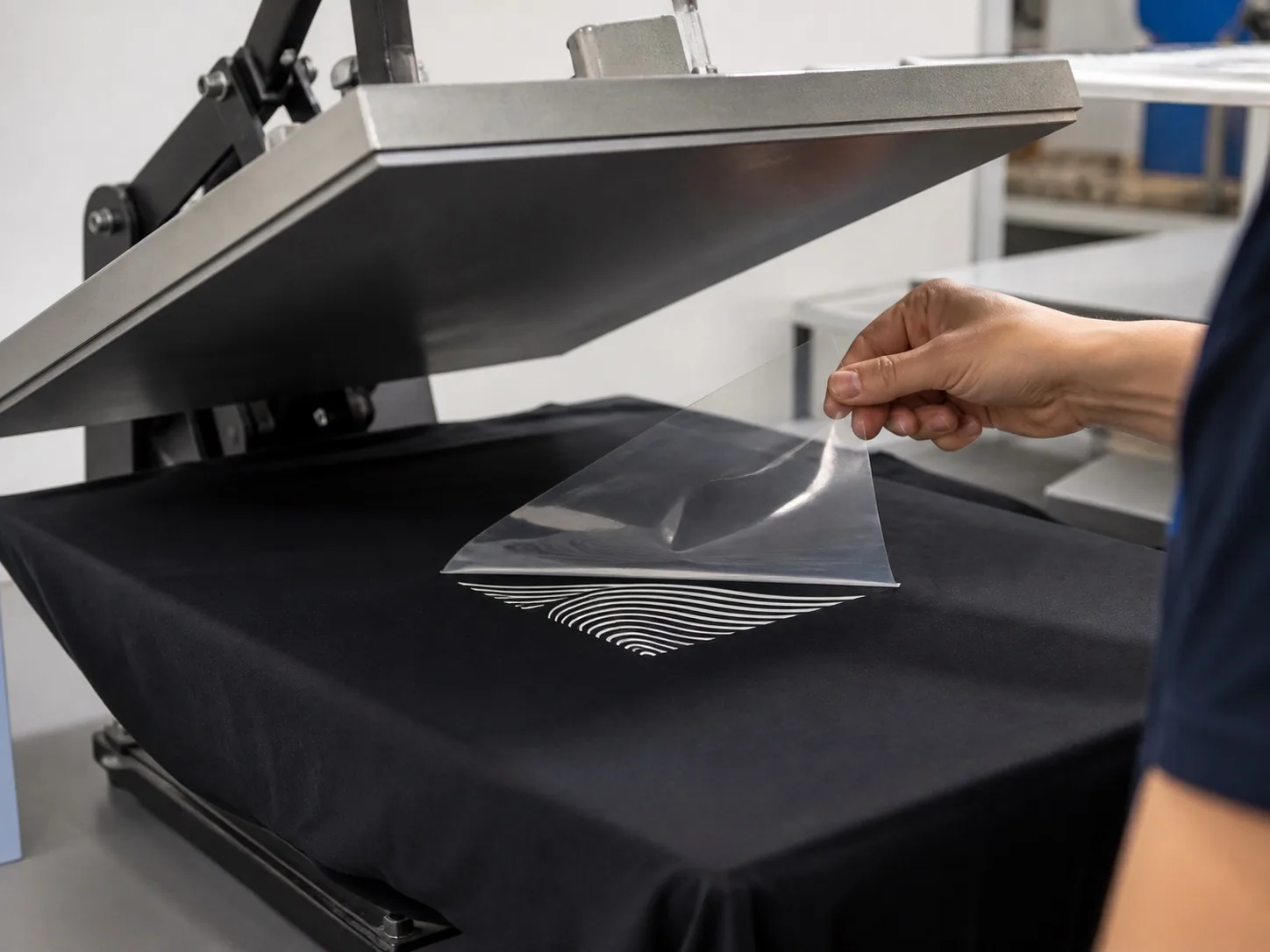
Ask which transfer material and application route are proposed for the garment. The supplier should assess compatibility and the relevant application conditions through its technical process. Do not borrow a temperature or time from an unrelated online example and treat it as a universal setting. The buyer needs an approved result and a controlled specification, not an improvised production recipe.
Review the applied sample for appearance, edges, surface feel, and any unwanted change in the surrounding fabric. Observe how it behaves in the intended garment context and through the agreed care assessment. Record the exact sample and conditions behind the review. A transfer that looks satisfactory immediately after application still needs the project-specific evidence required for the final approval.
STAHLS' explanation of dye migration describes how dyes from polyester garments can affect the appearance of applied decoration. Use that as a reason to ask about the actual material-and-transfer combination, not as proof that every polyester garment will fail or that a named product guarantees success. This guide does not claim that Yinshan Fashion uses that supplier's transfer products.
How should buyers specify placement with reference points and size-range logic?
Show the decoration's position using agreed garment reference points, dimensions, and orientation. A mockup can communicate the visual intention, but it should not be the only instruction where accurate placement matters. The factory needs a repeatable rule for the actual style. Define whether measurements refer to the graphic boundary, centre, or another identified point.
Review the relationship to seams, pockets, openings, and construction details. If the graphic approaches or crosses one of these areas, ask the factory to assess the proposed sequence and result. Do not assume that a design placed neatly on a flat illustration can be applied in the same way to the finished garment. The sample should address the actual construction.
Decide how the decoration is treated across the size range. A single graphic size and a scaled set of sizes are different briefs. The buyer should approve the intended visual proportion and the supplier should assess the practical route. Record the mapping so a production team does not choose its own scaling rule based on an unrelated garment or a single sample size.
How should buyers compare handfeel and movement in the intended use?
Handle the decorated area and the surrounding garment together. Ask whether the result matches the product's intended feel and whether the location creates an unwanted contact point. These are observations to make on the physical sample. The method name alone does not tell the buyer whether a large motif will feel acceptable on a close-fitting top or whether a small emblem suits a relaxed outer layer.
Review the garment in relevant movements or wearing positions through the agreed sample process. Record where the decoration becomes noticeable, restricts the intended drape, or creates an appearance the buyer does not want. Do not convert a brief informal wear review into a general performance claim. Its value is in identifying specific questions for the factory and confirming the buyer's design acceptance.
For a women's knitwear collection, assess the graphic on the intended silhouette rather than only against a flat panel. The same design may read differently as the knit drapes or moves around the body. A garment-level review helps the buyer approve the product experience instead of only the isolated decoration sample.
How should buyers define colour acceptance for the chosen material and process?
Provide the intended colour references and explain which relationships matter most. The graphic may need to match the brand identity, contrast with the garment, or create a tonal effect. Ask the supplier how it will assess the proposed colour on the actual material and process. A screen image is useful for direction, but it should not be treated as the complete physical approval reference.
Compare the sample with the agreed reference under the relevant viewing conditions. Record whether the concern is the overall shade, separation between colours, contrast, or another visible feature. Specific comments help the supplier propose a meaningful change. Asking for a richer result without identifying the expected difference can lead to several rounds of interpretation rather than a clear decision.
Keep colour approval connected to the garment colourway. If several base colours are planned, identify the scope of the approved sample and any additional review required. Do not assume one decoration approval covers every combination. A component or ink reference may remain the same while the buyer's perception of the complete garment changes, so the final record should identify the combinations actually assessed.
How should buyers agree on care evidence and acceptance criteria before release?
State the garment's intended care direction and ask the responsible technical team how the decorated product should be assessed. The review should use a suitable agreed method and criteria for the actual garment. Do not invent a universal wash count or promise that a particular decoration method will never fade, peel, crack, or change. The evidence must support the specific conclusion being recorded.
Identify the observations that matter after the agreed assessment. These may include the legibility and appearance of the design, its attachment or surface condition, the surrounding fabric, and the garment's overall finish. Keep the record tied to the actual sample, method, and conditions. A limited development check should remain described as such rather than being presented as a formal certification that was never obtained.
If the decoration or base material changes, ask whether the earlier evidence still applies. A revised transfer, thread, print route, fabric, or finishing process can change the scope of the approval. The buyer should receive the responsible team's assessment and updated sample or evidence where required. This keeps the final product decision connected to what was actually evaluated.
How should buyers compare quotations on equivalent artwork and garment assumptions?
Send the same artwork revision, finished size, placement, garment material, colour plan, and quantity breakdown when requesting alternatives. Ask each proposal to identify the method and included development work. Without those shared inputs, a price comparison may be comparing different products. A simpler graphic or smaller decorated area should not appear as a saving on the original specification without explanation.
Clarify how setup, artwork preparation, samples, production decoration, and any other agreed work are treated in the quotation. The supplier may use a bundled figure or separate lines, but the scope should be understandable. Do not assume that one method is always cheapest at a particular quantity without a project-specific proposal. The commercial result depends on the actual requirements and route.
Include revisions in the cost discussion. If the buyer changes colours, artwork, scale, or placement after preparation has begun, ask the supplier to assess the effect before proceeding. A change that looks small on the screen can still alter the production work. Keeping the quotation tied to a controlled brief helps the buyer compare alternatives honestly and avoid surprise commitments.
How should buyers approve samples in stages without losing the final garment?
A development review may begin with a decorated swatch or panel to assess a proposed effect. That can be useful when clearly labelled, but it does not replace every question answered by the complete garment. Identify what the early sample is intended to establish and which decisions remain open. This prevents a small technical approval from becoming an unintended release of the entire product.
Move to the relevant garment sample when placement, proportion, construction, or wearer contact needs confirmation. Use the current material and component references, and identify any provisional elements. The buyer can then distinguish design acceptance from technical or material confirmation. The final production reference should show the combination that is actually being approved.
Record the sample identifier and comments in one consolidated decision. If the brand accepts the colour but requests a position change, state both clearly. The factory should not have to infer whether a revised sample is needed or whether a correction can proceed under another expressly agreed route. A precise approval status is more valuable than a general message that the sample is nearly right.
How should buyers use an occasionwear and casualwear comparison carefully?
Consider an illustrative collection with a small tonal motif on a camisole and a larger graphic on a casual tee. The camisole brief prioritises the garment's light appearance and close contact with the body. The tee brief prioritises the graphic's scale and detail. The buyer sends those priorities with the actual material directions and asks the factory to propose assessable options for each product.
The team does not assume that one chosen method must be used across both garments. It compares physical results, records the relevant handfeel and placement observations, and requests the appropriate care evidence. A method that suits one brief may require changes or may be declined for the other. The sample results, rather than a hierarchy of decoration methods, guide the decision.
The buyer then selects the proposal that preserves each garment's essential features within the confirmed commercial scope. Any artwork adaptation is approved and stored with the corresponding style. The example shows how a consistent brand identity can use different physical expressions while maintaining clear production references. It does not establish a standard process, price, or performance outcome for either category.
How should buyers write inspection criteria that describe the accepted result?
Prepare a concise reference for the features the team will check in production. Include correct artwork and version, dimensions, placement, orientation, colour reference, and the relevant appearance or finish criteria. Link the written requirements with the approved sample. An instruction to produce a high-quality logo is too broad to guide a consistent comparison across several styles and decoration routes.
Keep defects and intended design effects distinguishable. A deliberately distressed graphic should have an approved reference showing the intended appearance. A textured embroidery effect should not be judged against an unrelated flat visual. At the same time, a design concept should not be used to excuse an unapproved inconsistency. The reference needs enough detail to make that distinction understandable.
When a discrepancy is reported, identify the style, colour, size, decoration version, and observed issue. Photographs can support the report, but include the comparison reference and relevant dimensions where needed. The supplier can then assess whether the concern is artwork, placement, material, process, or another factor. Specific reporting makes the corrective discussion more useful than a general rejection of the decoration method.
How should buyers control repeat orders and production substitutions?
Archive the final artwork, approved production adaptation, material references, placement instructions, sample decisions, and supporting assessment records. A repeat enquiry should refer to this package rather than only to the previous product name. The factory can then identify the intended result and confirm which aspects remain available under the new order conditions.
Ask for any proposed substitution to be identified before acceptance. A different thread, print route, transfer material, or base fabric should not be treated as invisible merely because the logo file remains unchanged. The responsible team should assess whether new evidence or a revised sample is needed. The buyer's approval should cover the actual proposed production combination.
Keep the previous order record intact when a change is approved. Create a new revision and identify the orders it covers. This allows the brand to understand what was supplied at each stage and supports more accurate repeat discussions. The aim is a controlled relationship between artwork, garment, process, and evidence, so the chosen decoration remains an identifiable product specification.
Decoration should be chosen in relation to the artwork, base fabric, garment location and customer use. Ask for the proposed application to be reviewed on the actual material and at the intended scale, since a method that looks suitable on a flat reference may change the hand or appearance of the finished garment. Compare the sample with the approved artwork file and retain the exact version used for the proof. If placement, size, colour or base fabric changes, identify what needs another review. Avoid making durability or care claims beyond evidence that covers the specific decorated product.
How should buyers compare decoration against the actual fabric?
Print vs embroidery vs heat transfer is most useful as a product-specific comparison, not a ranking of three labels. The same logo can sit differently on a smooth woven blouse, a stretch knit top and a soft robe because the material beneath it behaves differently. Before requesting a quotation, describe the surface, weight, stretch, drape, opacity and intended wearer contact. Ask the proposed decoration specialist to review the complete combination, including backing or application materials where relevant. A factory may propose alternatives, but the brand still decides which visible and tactile result is acceptable.
For a lightweight blouse collection, the buyer may want a small, unobtrusive motif and a reverse that is comfortable against the body. Ask to see the material before and after application, including any puckering, marks or visible show-through. For a women's knitwear collection, describe the stretch direction and the intended use of the decorated area. A proposed embroidery or transfer should be reviewed on a representative knit, not approved solely from a stable woven swatch. These collection pages provide style context; they do not establish the material, method or outcome for a particular order.
| Garment and material question | Decision to discuss | Physical proof to request | What a first proof does not establish |
|---|---|---|---|
| Lightweight woven blouse, delicate drape or possible show-through | Compare the desired motif with surface weight, reverse finish and potential distortion | Front and reverse views on the proposed fabric, plus the relevant garment sample | Suitability for another weave, lining or different motif size |
| Stretch knit top or T-shirt | Compare the decoration area with the garment's stretch and movement requirements | Decorated representative knit at the intended size and location, assessed as agreed | Results on another stretch construction or after unagreed care testing |
| Dress with a seam, facing or changing silhouette | Clarify placement landmarks and whether decoration relates to a panel or finished garment | Current pattern reference and a sample showing the seam and visible placement | Approval for a different pattern revision or a full size range |
| Robe or sleepwear with a soft inside surface | Review the finished reverse, handfeel and wearer-contact area | A finished sample including backing or application materials and the intended fabric | A universal comfort, wash or safety claim |
What should the garment sample actually demonstrate?
Start with the design priority. A placement on a dress collection may need to remain legible near a shaped neckline or panel seam. Mark the intended location against the buyer's own current pattern and specify whether the review concerns one size or a stated mapping across sizes. If the visual reference changes, return to the sample record. The collection is a way to discuss possible silhouettes, not a claim that the pictured garment already has the requested decoration.
A fashion T-shirt collection can be a useful comparison when a large graphic and a small mark compete for the same fabric surface. Ask for the proposed route, colour ground, finished dimensions and the area that will actually be handled or stretched. A photo can show composition; it cannot fully communicate the surface or reverse finish. Where the decision depends on handfeel, request a physical proof on a representative material and describe the conditions under which the team will assess it.
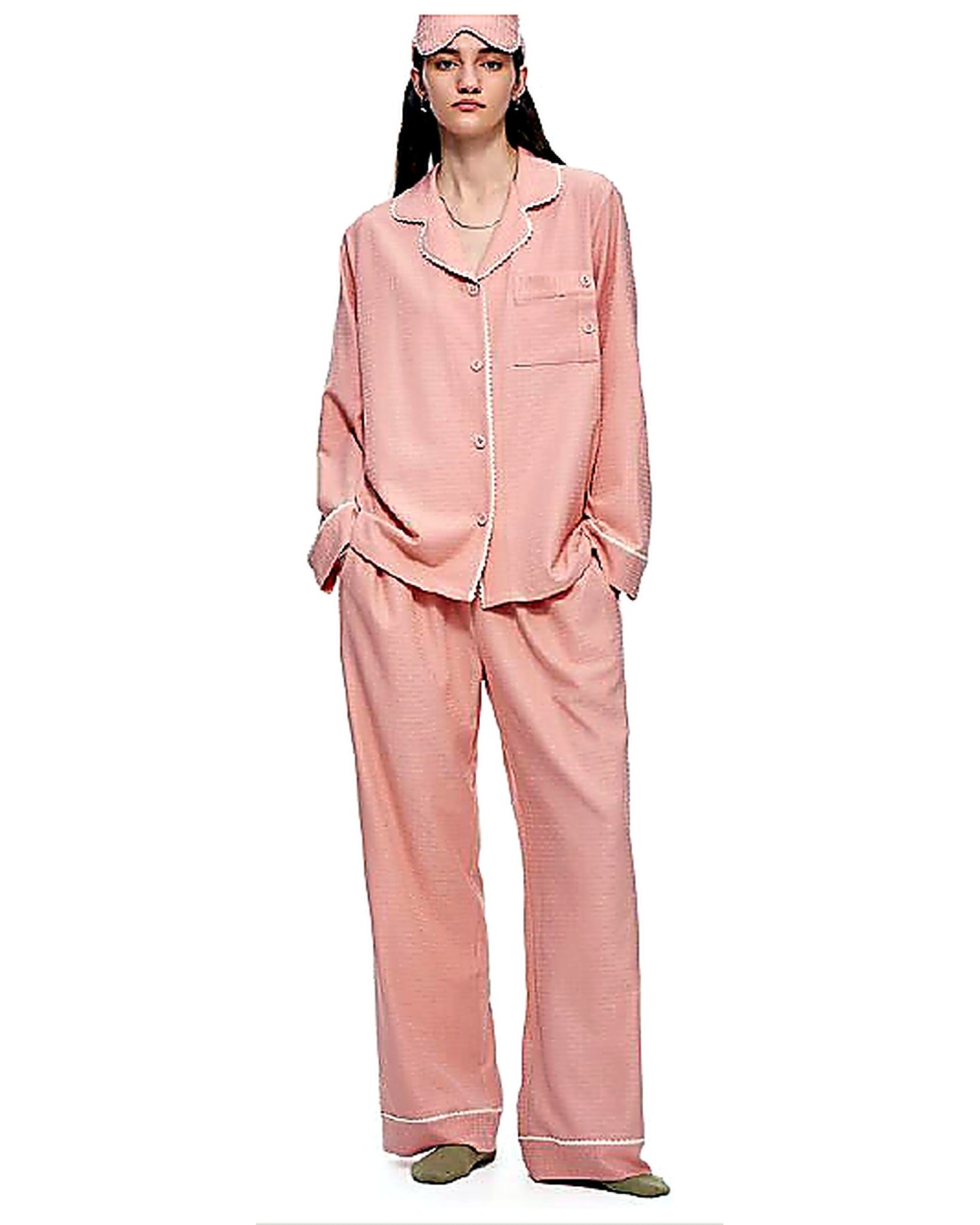
For robes and homewear, consider where the decoration sits when the garment is worn and whether a backing or application is noticeable. If the programme includes a coordinated pajama set, record the corresponding fabric and location for each component rather than assuming one robe sample approves every garment. Testing and market-specific safety decisions should be confirmed for the actual product and selling market; a visual review is not a safety certification.
How should teams close the artwork, placement and method decisions?
Keep the technical choices linked but distinct. The custom logo placement guide focuses on where the mark belongs, the measurement anchors and the rule across sizes. The apparel artwork approval guide covers file versions, review ownership and release records. This comparison answers which proposed decoration route deserves a sample on the specified material and what that sample must show. A supplier can then respond to a concrete brief rather than infer a decision from the word “logo.”
Before the next sample is released, the buyer and factory should confirm the style and fabric revision; artwork file and finished dimensions; wearer-side location and size rule; proposed method and any supporting material; sample purpose; care or other evidence to be agreed; and the person who can close an open comment. Keep accepted details separate from conditional items. If material, artwork, application or placement changes, ask whether the earlier proof still covers the revised garment.
Yinshan Fashion can coordinate these fabric, fit, sample and private-label discussions for custom production programmes. Availability, sample scope, order quantities, prices, timing and testing remain subject to the actual project and agreement. The goal is a clear next decision backed by the garment being developed, not a promise that one method is always softer, cheaper or more durable.
How can buyers discuss next steps with Yinshan Fashion?
Use the fashion factory sampling and production standard guide to organise the approval evidence around your decorated garment. Then send Yinshan Fashion your decoration brief with the artwork, style references, materials, colours, dimensions, placement, quantities, and desired physical effect. Request a defined proposal and sample route before approving the decoration for production.
Sourcing Guide buyer guide
Print vs Embroidery vs Heat Transfer: Choosing Decoration for Fashion Apparel
Compare print vs embroidery vs heat transfer using artwork, fabric, scale, placement, handfeel, sampling, care evidence, and a clear factory approval brief.
Define the design priorities
Send controlled artwork, actual scale, garment material and colours, placement, size-range logic, and the qualities that matter to the product. Ask the factory to identify a specific proposed technique.
Compare physical evidence
Review the relevant swatch and garment samples for appearance, handfeel, placement, reverse finish, and material interaction. Agree the care or performance assessment required for the project.
Release the complete specification
Approve the production artwork, material-and-process combination, sample reference, commercial scope, and inspection criteria together. Record how later changes or repeat orders will be reviewed.
Buyer and factory handover checklist for print vs embroidery vs heat transfer
Use these prompts to make the current product decision reviewable. Confirm market requirements and commercial details for the specific programme.
| Decision area | What the buyer should prepare | What to ask the factory |
|---|---|---|
| Approval point 1 | Provide original artwork, controlled revisions, intended dimensions, and placement reference points. | Identify the actual proposed technique and any technical questions or artwork changes. |
| Approval point 2 | Explain the graphic's role, essential details, garment use, and acceptable design adaptations. | Distinguish provisional demonstrations from samples representing the intended production combination. |
| Approval point 3 | Supply the current material, colour, size, quantity, and care-direction information. | Which proof or record should confirm this decision before the next stage? |
Continue the production conversation
Decision table: compare decoration through the garment brief
| Requirement | Question for the supplier | Sample focus | Approval record |
|---|---|---|---|
| Fine artwork or small text | Which details need adaptation for the proposed route? | Legibility and shape at actual size | Approved production artwork |
| Large graphic | How will the proposed result feel and sit on the garment? | Surface, drape, and visual proportion | Finished dimensions and accepted sample |
| Embroidery on a fashion fabric | What support and process review are proposed? | Front, reverse, and surrounding fabric | Actual material and embroidery reference |
| Heat-transfer proposal | Which material and application route suit the garment? | Edges, appearance, and compatibility evidence | Identified transfer and approved result |
| Several colourways or sizes | Which combinations require review? | Colour relationship and placement mapping | Scope of each approval |
| Care expectations | What method and criteria support the decision? | Decorated garment after agreed assessment | Results with conditions and limits |
Buyer FAQs
What is the best method in print vs embroidery vs heat transfer?
There is no universal winner. Compare the proposed method against the artwork, material, scale, placement, desired feel, commercial scope, and relevant sample evidence.
Is heat transfer separate from every kind of printing?
The terms can overlap because a transfer can carry a printed image. Ask the factory to name the actual technique and material route rather than relying on broad category labels.
Can one decoration sample approve every garment colour?
Only use the approval within its documented scope. Ask which additional combinations need review for the actual process, material, and visual result.
Does embroidery automatically last longer than print?
Do not infer performance from the method name alone. The proposed construction and decorated garment need appropriate evidence for the intended use and care expectations.
What should be supplied before requesting a quote?
Provide controlled artwork, dimensions, placement, garment specification, colour and size mapping, quantities, intended care direction, and the sampling or assessment requirements.