Article
What should buyers know first?
Short answer: A buyer-focused guide to defining nightwear and loungewear use, material, fit, care-information, product-review and packing inputs by the actual sales route.
Nightwear loungewear production by market is easier to manage when a brand treats each style as a controlled product record, not as a broad “sleepwear” category. A robe, pyjama set, nightdress, lounge set, relaxed jersey top or homewear layer can all look commercially simple. Yet each can carry different decisions about intended wear, comfort, coverage, fabric hand, components, measurements, care-information inputs, product review, labels, folding and the sales route. Those decisions are what make a sample useful and a production handover understandable.
For an international B2B buyer, a market is not one universal garment specification. It may be a particular country, retailer account, marketplace, e-commerce storefront, distributor, customer group or fulfilment recipient. The buyer should name the actual route, then decide which product, product-information and packing files apply to that route. Yinshan Fashion can help turn those buyer-owned inputs into a practical conversation about fabric, fit, samples, private label and manufacturing. The brand, importer, retailer and appropriate advisers remain responsible for final consumer-facing, market and legal decisions.
How should buyers start by separating nightwear, loungewear and homewear use?
The first question is not “Which market likes pyjamas?” It is “What job does this garment do for the intended wearer?” A nightshirt designed primarily for sleep, a short robe intended as a layer, a pyjama set for gifting, a ribbed lounge co-ord for home and travel, and a relaxed top sold as part of a homewear range can have different priorities even if their colours and silhouettes belong to one collection.
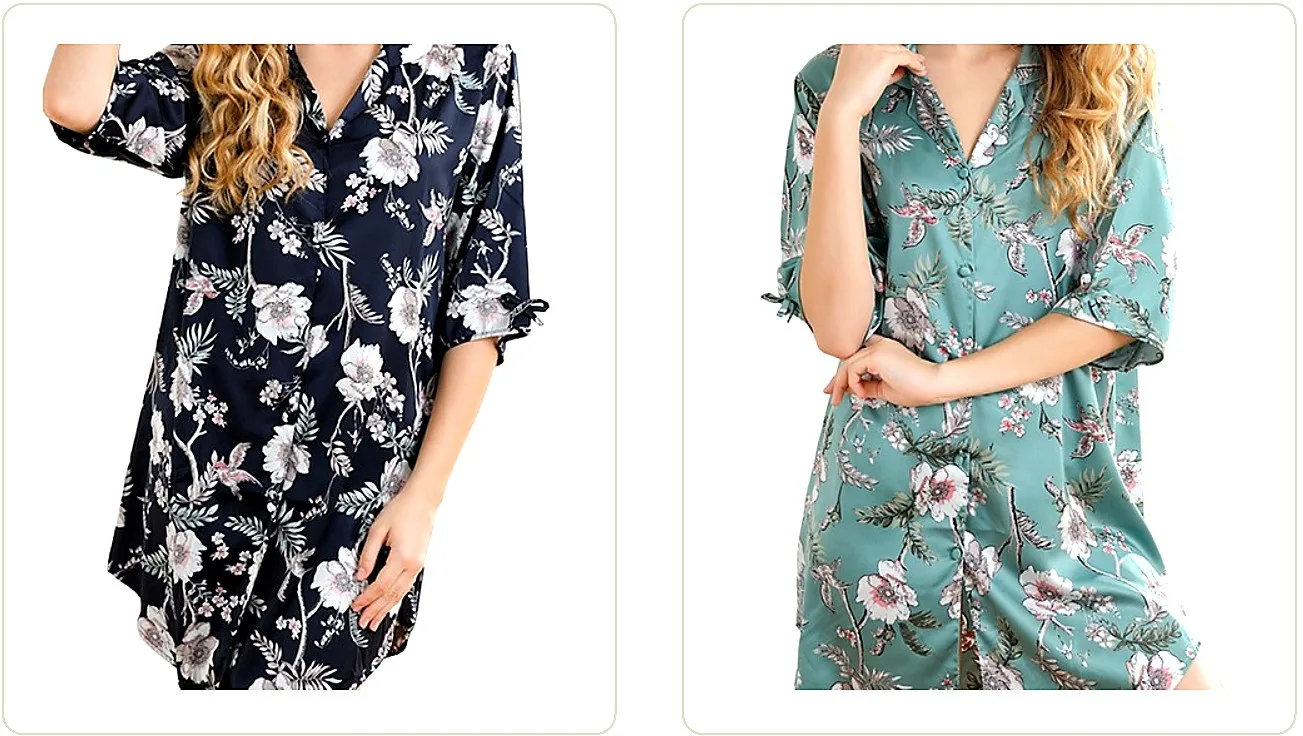
Write the product role in the brief. Identify whether the garment is a pyjama top, pyjama trouser, short set, nightdress, robe, dressing gown, camisole set, lounge tee, lounge jogger, cardigan, layer or another defined product. Add intended wearer, channel, sales route, season context, style code, colourway, size context, revision and the question the next sample should answer. This stops the factory from guessing whether a soft-looking reference image is an instruction for sleepwear, a casual lounge piece or a visual mood only.
Comfort should also be translated into something observable. “Soft,” “cosy,” “easy,” “premium” and “relaxed” are useful commercial intentions, but they do not define a garment. A buyer can say that the current sample should help it review a specified fabric hand, the amount of ease at the body, the relationship of waistband elastic to the nominated size, sleeve length, pocket placement, neck opening, closure, piping, hem construction or the way a robe belt sits on the intended silhouette. That is a product question. It is not an unsupported promise about every wearer or every future version.
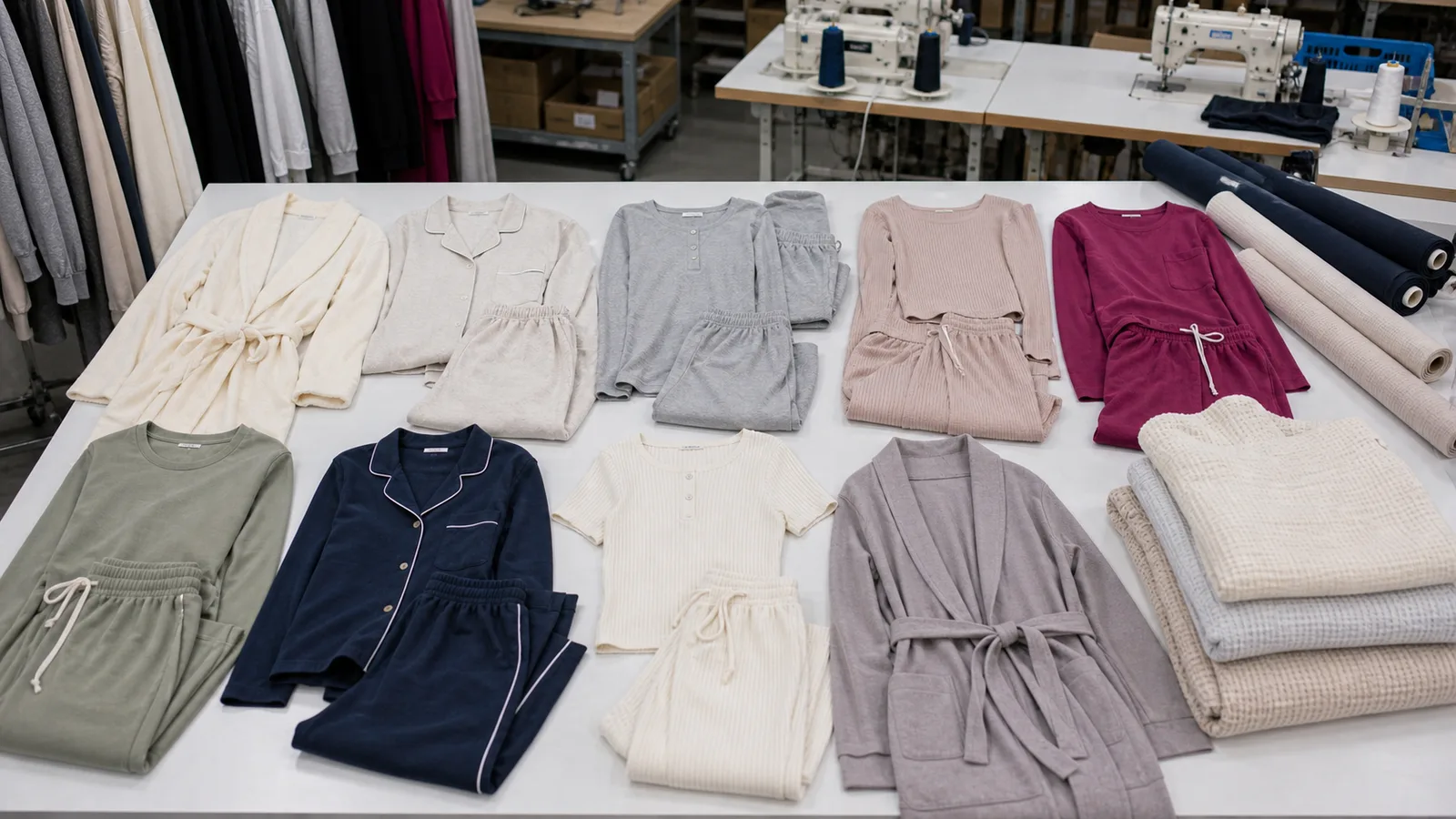
The loungewear category is a useful starting reference for robes, pyjamas and relaxed sets. It is not a ready-stock offer, fixed material specification, fit standard, price, availability or market conclusion. The buyer’s current style record remains the instruction for the programme.
What should buyers check about make comfort a sample question, not a vague approval?
Comfort is usually the relationship between several inputs. Fabric surface and weight matter, but so do ease, pattern shape, seam placement, elastic, drawcord, lining, waistband depth, pocket bag, closures, piping, label position and the wearer context that the brand has selected. A swatch can help assess colour, surface or initial hand. It cannot alone answer how a finished waistband, piped collar, tie belt, rib cuff, side seam or pocket feels and sits on the actual garment.
Define the specific review target before asking for a sample. For example, a buyer might nominate a base size and ask whether the selected elastic, waistband construction and trouser rise create the intended visual and comfort impression on a lounge jogger. Another buyer might ask a robe sample to review sleeve volume, belt loops, overlap, pocket position and the balance of outer fabric with an optional lining. A pyjama set could need a review of button spacing, neckline, chest pocket, piping, elastic casing and hem length. The exact point depends on the style; the sample should have a named job.
Keep any feedback connected to the actual version. “Base-size waist construction accepted for sample two with the named fabric and elastic route” gives a manufacturer something it can use. “Comfort approved” does not identify the garment, sample, material, construction, size, owner or scope. If the material, component, pattern or construction changes, the buyer should decide which earlier observation still applies and which question needs to reopen.
Yinshan Fashion can help a buyer frame a sample sequence around those decisions. That may include reviewing the relationship between a reference, fabric direction, construction question and current measurement basis; it does not convert a broad comfort preference into a guaranteed performance outcome. The goal is a visible development record that a small brand, purchasing team and factory can discuss without reconstructing assumptions from message history.
What should buyers check about nightwear loungewear production by market needs a named route?
One base garment can serve more than one route when the buyer genuinely intends the same style-colour-size scope, product information and presentation. The mistake is assuming that a similar garment image means all routes are identical. A different selling country, retailer, size presentation, product-page text, sewn label, hangtag, insert, barcode owner, fulfilment recipient or carton file can change what the factory needs to apply or pack.
Create a route register next to the product record. It can be concise: garment identity, target country or channel, buyer owner, intended recipient, product-information file, label or artwork version, packing route, status and next decision. Mark an e-commerce description as web copy, a care-information input as the relevant source file, a neck label as an applied-component artwork, and a carton mark as a logistics instruction. These uses should not be mixed simply because the style is the same.
This approach does not require a bespoke garment for every destination. It gives the buyer a way to show when a difference matters. If a brand directs one pyjama set to a retailer and the same base set to its own online store, it can keep the shared pattern and material route while identifying a different recipient or presentation file. The team can then decide whether a proof, sample, packaging review or approval owner must be added.
The market-specific details remain buyer-owned. Yinshan Fashion does not claim to set a universal rule for a country, certify a product, provide a legal conclusion or decide a brand’s final customer-facing content. The productive role of a factory discussion is to connect the buyer’s selected route to the correct sample, component, product-data and packing evidence.
How should buyers keep fabric, trim and construction on the same product record?
Nightwear and loungewear materials are often described with a short phrase: cotton jersey, woven viscose, satin-look, rib knit, fleece, modal blend, brushed fabric or a printed woven. That phrase does not capture the finished garment. Outer fabric, lining, piping, elastic, drawcord, button, zipper, pocket, thread, print, label, finish and construction can each affect the garment that the buyer actually sees and reviews.
Build a material-and-component map for each style version. Record the buyer or supplier reference where available, fabric direction, stated composition information supplied, surface, colour, print or placement, lining, elastic, trim, closure, construction point, evidence held, open question, owner and next proof. If there are alternatives, name them as alternatives. A familiar fabric from one robe or sleepwear style is not automatically the final route for another style with a different pattern, component or wearer context.
Link the material choice to the question being assessed. The buyer may need to compare how a selected knit sits at a relaxed sleeve, how a woven fabric behaves with piping, whether a drawcord route is appropriate to the current brief, how a print aligns at a placket, or how lining and outer fabric interact at a robe front. The relevant evidence may be a swatch, an applied component proof, a development sample, a fit sample or a later presentation sample. The buyer should choose the proof that matches the actual question.
The fabrics and trims resource can help structure a conversation about fabric, lining, colour, print, piping, elastic and components. It is not evidence that a material is available, suitable for every use, fixed in cost, verified against a particular market standard or ready for a customer-facing statement. Those points should stay attached to the confirmed product and its approval path.
How should buyers define fit from a buyer-owned basis?
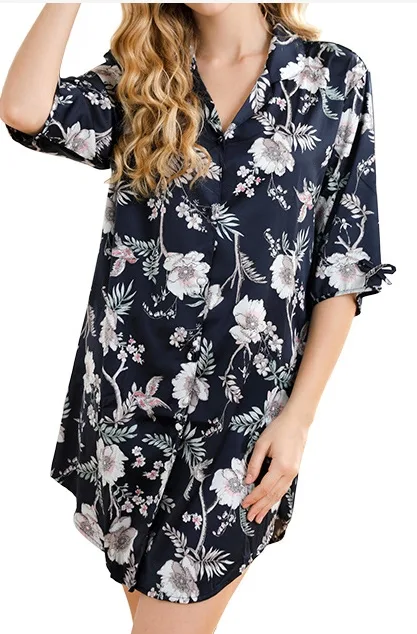
Fit for sleepwear and homewear is product-specific. A loose robe, a fitted ribbed top, a drawstring trouser, a woven pyjama shirt and an oversized lounge sweatshirt do not need the same measurement questions. A generic size name and country label are not enough to establish a development basis. Start with the buyer’s pattern, measurement sheet or reference garment, nominated base size, intended wearer, silhouette, critical points, material route, construction and sample objective.
For a robe, the buyer may identify body length, chest or sweep context, sleeve length, overlap, belt length, belt-loop placement, pocket placement and hem. For a pyjama trouser, the review may include rise, waistband depth, elastic casing, drawcord route, hip, inseam, leg opening, pocket and finished length. A top may need attention on shoulder, chest, neckline, armhole, sleeve, hem, button placement or a piped edge. These are not a generic fit template; they are the chosen controls for the style being developed.
If a measurement or tolerance is part of the buyer’s input, connect it to the exact style, size, method, material, construction and revision. If it is not decided, make it a sample question. Avoid borrowing a number from a previous product without identifying whether the silhouette, material, size context and commercial purpose remain comparable. This protects both small brands and factory teams from treating an old file as a silent instruction.
The custom womenswear manufacturer solution can support a buyer’s pattern, fabric, fit and sample conversation across loungewear or nightwear. It helps organise development; it does not create one universal fit outcome or replace the brand’s own acceptance process.
What should buyers check about treat care information and product review as controlled inputs?
A garment sample, a fabric note, a care-information source, a sewn label, an online listing draft and a packing insert all answer different questions. A sample may show that a label placement is visually suitable. It does not decide final consumer-facing wording. A fabric note may inform a future discussion. It does not automatically establish what a brand can state for a finished garment across every colour, component and route.
For each buyer-proposed consumer-facing point, record the exact wording or source file, style-colour-size scope, material and construction route, intended use, sales channel, owner, review status and next decision. Make the state visible: proposed, under comparison, approved for the stated scope, superseded or open. This is especially helpful when a brand changes fabric, switches a component, adds a trim, updates a print or sends the product to a new recipient. The team can see whether the product-information input should be reopened rather than assuming it travelled unchanged.
Some nightwear styles may need a higher level of buyer-directed product review because of their intended wearer, construction, component or selling route. The right response is not to publish a generic safety promise. It is to name the product, the open decision, the internal or external reviewer, the evidence needed and the next action. The brand, importer, retailer and appropriate specialists should confirm any applicable market, consumer-information and product obligations for the intended route.
Yinshan Fashion can coordinate the physical development side of this record: a sample reference, fabric and trim conversation, approved placement artwork, label or packing proof and a controlled factory handover. Yinshan Fashion does not certify an outcome or make an unverified market claim for a brand.
How should buyers build samples around the riskiest decision?
Every sample should be useful because it answers a named question. A first development sample might focus on silhouette, length and construction. A material comparison sample might let the buyer assess the proposed fabric and piping on the real pattern. A fit sample can review base-size priorities. A later presentation proof can bring together the current fabric, components, labels, fold and packing details. The sequence does not have to be identical for every robe, pyjama set or lounge layer.
Before sampling, create one small record with the style-colour-size identity, revision, reference or pattern basis, material and component route, intended size, objective, supplied files, reviewer, evidence sought, acceptance language, conditions and next action. After review, capture what the sample actually supports. “The current sample supports the buyer’s review of sleeve length, elastic casing and piped pocket placement; final product-information input and packing route remain open” is a usable result. “Looks good” is not enough for bulk preparation.
Consolidate feedback from design, sourcing, product, merchandising, quality and packaging teams against the same sample revision. Record the affected point, requested change, owner, date and next proof. The fashion product brief before sampling guide provides a practical way to keep those decisions connected before a factory receives a final instruction.
What should buyers check about link private-label details to the exact product version?
Private label is not a single last-minute label task. It can include the buyer-approved brand identity, size ID, care-information input, hangtag, sticker, insert, fold, bag, protective material, carton instruction and recipient. Each file needs a use and a scope. A web image file should not be treated as applied artwork. A label proof should not be mistaken for an approved retail insert. A finished-garment photo does not release a carton instruction.
Create a presentation record for each released route. Include garment identity, colourway, size scope, channel or recipient, label and artwork version, size identifier, barcode owner where applicable, fold or hanger route, bag or protection, insert, carton instruction, owner and release state. Leave items visibly open when they are not final. A controlled record is more useful to a factory than an instruction to “pack loungewear nicely.”
The private-label service can help buyers organise the relationship between their approved brand components and a custom garment programme. Yinshan Fashion can coordinate applied placement or packing proof for released files, while the brand and its appropriate partners remain responsible for final consumer-facing and channel decisions.
How should buyers use quality discussion to identify references and observations?
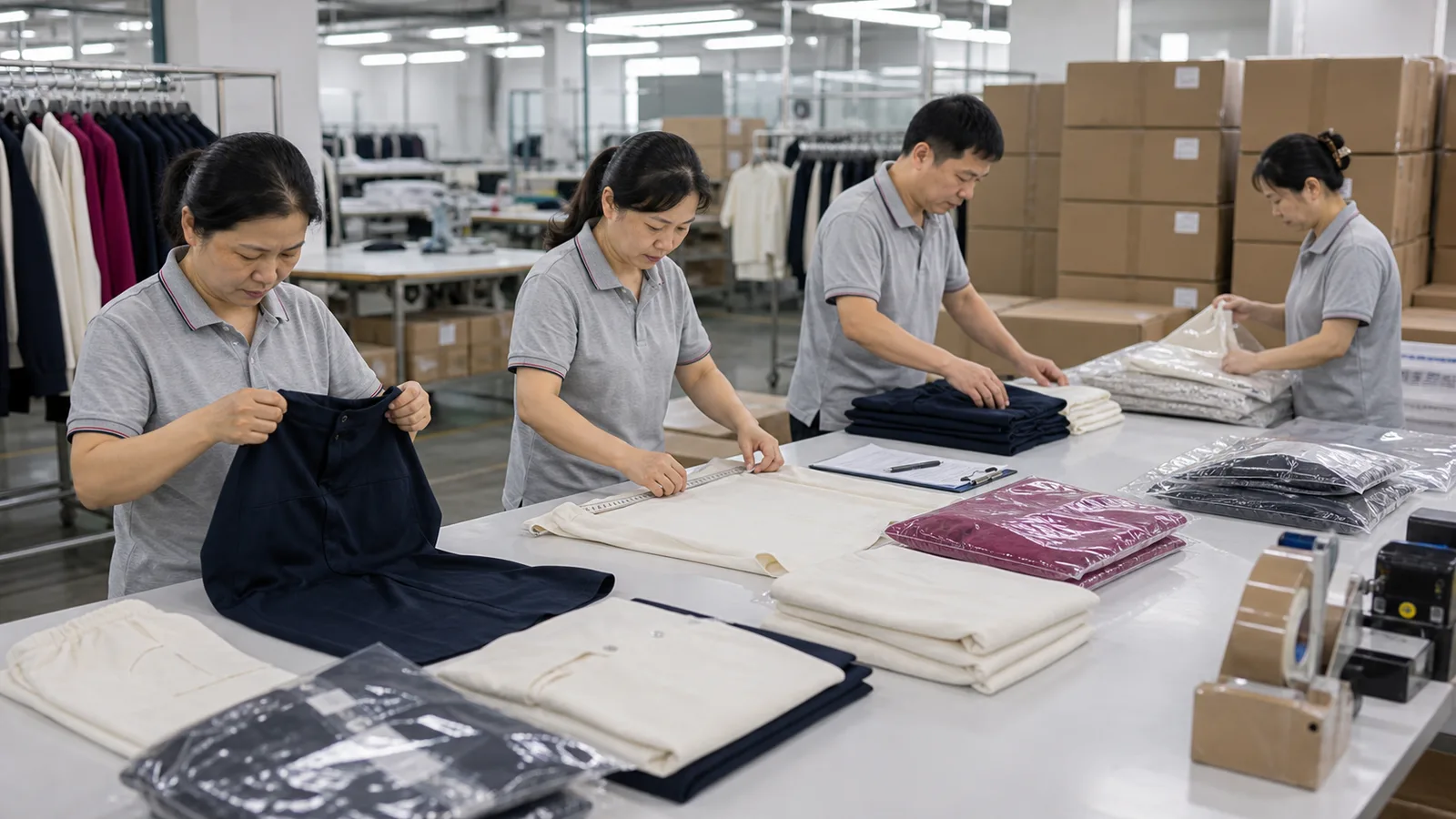
Quality language has more value when it names a reference and an observation. “High quality pyjamas” does not identify a style, sample, material, construction point, image, acceptance scope or owner. A more useful record names the current garment version, colourway, sample or approved condition, fabric and component route, pattern or measurement basis, critical construction details, label placement and packing identity. The buyer can then point to the characteristics it wants the relevant review to consider.
Depending on the style, that may include appearance, print placement, seam finish, button attachment, elastic casing, piping, pocket construction, label location, size ID, pressing, fold or presentation. Yinshan Fashion can help connect buyer-defined priorities to a practical sample, construction, finishing, inspection or packing discussion. It does not promise zero defects, a test result, a certification or an unverified material or safety outcome.
For a larger launch, the buyer may want a compact issue log with the product identity, observation, reference, owner, requested action, status and next check. That makes a correction traceable without turning an isolated comment into a blanket rule for every style. The fashion clothing accessories quality-control guide can be used as a framework for connecting materials, components, product references, observations and corrections.
How should buyers manage changes before they become production confusion?
Changes are normal in comfort-led apparel. A buyer may replace a fabric, move a pocket, switch a button, remove piping, alter a drawcord, revise the robe belt, change the waistband, adjust a length, update a print, alter a size route or redirect a garment to another retailer. The risk is treating the change as an ordinary message when the current sample, product-information file or packing instruction still represents the previous version.
Use a short change log: date, reason, affected style-colour-size scope, source file, prior version, new instruction, owner, status and next action. Ask two questions: which previous approval still applies, and which question must reopen? A new outer fabric may reopen hand, drape, fit and product-information review. A new closure can reopen construction and sample assessment. A new channel can reopen the presentation record. The log gives a small brand a practical way to preserve decisions as the collection develops.
For a repeat order or colour extension, begin with the last accepted record and make a difference list. Identify changes in fabric, trim, pattern, measurements, colour, print, labels, product information, recipient, packing and quantity structure. A previous order can be a useful source; it is not automatic proof that every input can be copied without review.
What to hand over before a nightwear or loungewear bulk discussion?
A factory can start a useful production conversation before every detail is final when the buyer separates confirmed instructions from open choices. A practical handover includes:
- Style, colourway, garment type, intended wearer or use, channel, revision and buyer owner.
- Current tech pack, measurement basis, pattern or physical reference, marked as instruction, inspiration or open development input.
- Comfort, fit, coverage, length, construction and critical measurement priorities linked to the nominated base-size context.
- Fabric, lining, piping, elastic, drawcord, trim, print, closure, colour and finish route, together with evidence held and alternatives under review.
- Sample record with purpose, material route, reviewer, accepted scope, open conditions and next evidence gate.
- Buyer-proposed product-information inputs with exact product scope, source, status, channel, owner and intended use.
- Buyer-approved label, size ID, packing and presentation files for the relevant recipient.
- Quantity assumptions by style, colour and size, marked as estimates where they are not fixed.
- Quality priorities, change log, approval owners and a specific next action.
This gives Yinshan Fashion enough context to discuss material, pattern, sampling, private label, manufacturing, quality and packing. It does not establish a fixed MOQ, quote, capacity, lead time, availability, test result, certification, customs result or delivery outcome. Those conditions depend on the confirmed product and commercial programme.
How Yinshan Fashion supports buyer-controlled sleepwear and homewear development?
Yinshan Fashion works with B2B buyers on custom and private-label fashion development, including nightwear, sleepwear, robes, pyjamas, loungewear and homewear. A development conversation can connect the buyer’s real reference, fabric and fit direction, sample purpose, brand components, product-information inputs and packing route to one controlled product version. This is particularly useful for brands and smaller programmes that need a factory and supplier discussion to stay grounded in the garment they are actually planning to sell.
Send the garment category, reference or tech pack, intended wearer and use, current size or measurement basis, comfort and coverage priorities, material and component direction, proposed product-information inputs, labels, packing route, quantity structure, sales channel, sample objective and open questions through the contact page. The next useful response may be a request for a fabric reference, measurement basis, component proof, source file, sample purpose or approval owner. That is productive progress because it makes the next decision visible.
Nightwear and loungewear brief-control kit
Three controls that keep a comfort-led style tied to its buyer-defined product and sales route
Use one garment identity, one named comfort or presentation question, and one released route for material, care-information inputs and packing before bulk discussion.
Name the product version
Connect garment type, colour, intended wear, channel, size context, fabric, components, sample revision and recipient to the nightwear or loungewear product under review.
Define the review question
State whether the current sample should address ease, length, coverage, fabric hand, closure, piping, elastic, care-information input, fold or another buyer-owned question.
Release the presentation
Keep approved labels, size IDs, consumer-facing information inputs, fold, bag, insert, protection and carton instruction linked to the same style-colour-size scope.
Buyer actions and factory questions for nightwear and loungewear development
The brand, importer, retailer and appropriate advisers remain responsible for final market, consumer-information, product-review and legal decisions.
| Decision area | What the buyer should prepare | What to ask the factory |
|---|---|---|
| Product identity | Style, colourway, garment type, intended use, channel, size context, revision and sample objective. | Which sample, pattern, material and presentation record control this version? |
| Comfort and fit | Named ease, length, coverage, closure, elastic and critical measurement questions for the nominated base size. | Which questions need a constructed sample rather than a flat reference? |
| Material and components | Fabric, lining, piping, elastic, drawcord, pocket, trim, print, closure and care inputs with evidence held. | Which material or applied component proof should happen before approval? |
| Product information | Proposed consumer-facing information, intended channel, source evidence, owner and review state. | What must remain open until the relevant product and evidence review is complete? |
| Retail release | Buyer-approved label, size ID, fold, bag, protection, insert and carton instructions by recipient. | Which files release the correct nightwear or loungewear style-colour-size route? |
Continue the production conversation
Nightwear and loungewear development: buyer decisions before a production discussion
| Record | Buyer decision | Factory execution input | Control question |
|---|---|---|---|
| Product identity | Style, garment type, intended wearer, channel, revision, size context and use case | Current reference, style code and sample purpose | Which nightwear or loungewear version is being reviewed? |
| Comfort and fit | Buyer-defined ease, length, coverage, closures, elastic and critical measurement questions | Pattern or measurement basis and construction route | What should the sample prove about intended wear? |
| Material and components | Fabric, lining, trim, piping, elastic, drawcord, pocket, print and closure direction | References, evidence held and alternatives under comparison | Which question needs a swatch, applied proof or garment sample? |
| Care and product review | Proposed consumer-facing information, source, owner, product scope and review state | Versioned files tied to the exact garment and sales route | What is approved, conditional or still open? |
| Presentation | Label, size ID, fold, bag, insert, protection and carton route | Buyer-approved packing file and recipient | Which presentation version releases the intended channel? |
| Change control | Changes to material, fit, components, customer information or recipient | Affected sample, product data and packing records | Which evidence or approval must reopen? |
Buyer FAQs
What should a buyer send to start nightwear loungewear production by market?
Send the actual selling countries or channels, garment type, intended wearer and use context, references, base-size or measurement basis, comfort and coverage priorities, material and component direction, proposed consumer-facing information, labels, packing route, quantity structure, sample objective, owner and open questions.
How should a brand distinguish nightwear from loungewear in a production brief?
State the intended product role, wearer context, silhouette, coverage, material route, fit and presentation separately for each style. Do not assume that a robe, pyjama set, nightdress and homewear set share the same product, care, packing or market route merely because they sit in one collection.
Which comfort questions need a nightwear or loungewear sample?
Questions about buyer-defined ease, length, waist or elastic position, neckline, closure, pocket, sleeve, lining, piping, fabric hand, surface and the relationship of material to construction normally need a product-specific sample rather than an image or swatch alone.
Can one nightwear style use the same record across multiple markets?
It can share a base record when the product route is genuinely identical. Show separate controlled versions when a size presentation, consumer-facing information file, packing route, retailer recipient or other buyer instruction changes.
Can Yinshan Fashion support private-label nightwear and loungewear presentation?
Yinshan Fashion can coordinate buyer-approved labels, size IDs, packing files and sample or production references for a defined custom programme. The brand, importer, retailer and suitable advisers retain responsibility for final customer-facing, market and legal decisions.