Article
What should buyers know first?
Short answer: A B2B buyer guide to the market, channel, product, fit, material, branding, packaging and approval data that turns an international private-label idea into a usable sample brief.
International private label clothing production begins with market data that can be translated into a garment decision. A factory does not need a broad market-research deck before it can make a first sample. It does need a clear picture of who will buy the product, where it will be sold, what the garment must do, what is already decided, and which questions still need physical proof.
Yinshan Fashion supports custom and private-label bulk programmes rather than unrestricted ready-stock wholesale. For an international buyer, that means the starting point is not a generic catalogue request. It is a controlled brief that connects customer, product, material, fit, colour, branding, product information, packing, quantity structure, destination and approval ownership. The aim is to give the factory enough context to make a meaningful first sample without pretending that every commercial or market question is already settled.
Direct answer: Give the factory market data only where it changes a product, sample, label, packing or production decision. Keep the rest as context, and mark every open point so that the first sample proves something specific.
What does market data mean in international private label clothing production?
In an apparel development brief, market data means the information that changes the product route. It might be the buyer's intended customer, selling channel, target country or countries, climate or season, category role, price position, desired fit, size approach, private-label presentation, product-information needs, packaging route or return-risk concern. It is not a request for the factory to make legal or commercial decisions on the buyer's behalf.
The distinction matters. A buyer can say that a dress will be sold through a direct-to-consumer website in more than one market. That information may affect photography samples, size communication, label-language review, packaging variants, barcode allocation and the record needed for future replenishment. It does not automatically establish the final legal requirements for every market. The brand, importer, retailer and relevant specialist must confirm the applicable rules for the actual product and selling route.
Treat each input as one of four things: a confirmed requirement, a directional preference, a question for factory advice, or a decision that needs a physical proof. The first sample becomes far more useful when the supplier can see that difference. A buyer who calls every reference “final” removes the space needed for practical pattern, fabric, construction or packing advice. A buyer who leaves everything undefined receives a generic response that cannot be tested against the intended market.
For example, an international brand may have a fixed customer profile and product category, a preferred silhouette, an early fabric direction, and a tentative plan for label and packaging languages. The factory can use this to propose a material and sample path. The buyer should still identify who owns final product information, what file controls the artwork, and which points require approval before components or packing are released.
Which market information should buyers establish before sampling?
“International” is not a product specification. Begin by naming the markets under consideration and the role the garment has in each one. A blouse intended for a boutique assortment, a private-label dress for online discovery, a sleepwear set for a gifting range and an active-fashion top for a community-led brand can all have different buying contexts even when they share a fabric direction or colour story.
The useful buyer input is specific but modest. State the primary country or region, the planned sales channel, the customer profile, the launch or replenishment context, the season or climate assumption if it is product-relevant, and whether the style will be sold as a core item, a short seasonal edit, a test, or part of a wider coordinated range. Do not turn broad assumptions about a country into facts about every shopper in that market. Use the brand's own intended customer and selling proposition as the source of truth.
This information helps the manufacturer ask better questions. A marketplace listing may need a consistent style-colour-size identity and controlled photography samples. A boutique order may place more weight on assortment balance, hanger presentation and carton separation. A direct-to-consumer programme may need the buyer to identify the fit and product details that could generate returns if they remain vague. A wholesale collection can require its own retailer-facing product and packing inputs. The custom production versus ready-stock wholesale guide helps buyers separate these commercial routes before a factory is asked to make the same product serve all of them.
The factory does not need confidential revenue, customer lists or campaign strategy. It needs the decisions that alter garment development. A concise market context is more valuable than a long presentation that never connects to a style, fabric, sample or production record.
How can buyers turn customer insight into a product brief instead of a mood-board guess?
Customer insight becomes useful when it can be observed in the sample. Describe the intended wearer, the product's role in a wardrobe, the retail position, the desired silhouette, the level of coverage or ease, the movement or comfort concern, and the visual cues that matter. Reference images can communicate a direction, but they do not prove a pattern, construction, fibre content, fabric weight, lining, closure or grading rule.
Separate what the reference should communicate from what the factory should not copy literally. A customer may respond to the relaxed line of a dress, the texture of a blouse, the proportion of a sleeve, the practical coverage of a top or the colour contrast of a coordinated set. Mark those as priorities. Then state where the brand invites development advice. This lets a designer and pattern team assess the reference without treating an image as a complete technical instruction.
The fashion product brief before sampling is a useful structure for this conversion. It brings images, target customer, category, fit, material direction, components, quantities, destination, sample purpose and unresolved points into one current record. That record should carry a date and a version. A factory cannot reliably develop from a set of pictures that changes in several message threads without a controlling version.
For a private-label programme, product data should answer three simple questions. What is the buyer trying to sell? What must the first sample show? What remains open after the sample? If the brand cannot answer every detail, it can still begin. The important point is to name the missing decision and give it an owner. A provisional fabric direction is legitimate. An unmarked assumption later treated as an approval is not.
How should buyers use channel data to shape the garment and the handover?
Selling channel changes the production conversation because it changes what the buyer needs to explain to a customer, retailer or internal fulfilment team. A garment intended for an online launch may need a fit description, usable size information, colourway identity, garment measurements or care details that the buyer can translate for a product page. A retail programme may require a considered label, hangtag, folding or hanger route. A wholesale buyer may be preparing carton identifiers or retailer-specific packing instructions.
None of those inputs should be invented by the factory. The buyer should provide the channel context and say what is known. The supplier can then identify which sample, proof or product record needs the information. For example, a brand may need to assess neckline coverage on a dress because product imagery will show a close front view. A blouse may need a wearer review because the online size description will depend on the intended ease. A nightwear garment may need a careful discussion of comfort, seam treatment, material handfeel and customer-facing care information. These are product questions with market consequences.
The private-label development route can help a buyer organise labels, artwork, hangtags, barcode inputs, care or product information and packing as linked components of the same product version. It should not be used as a substitute for a market review. Rather, it makes clear where market-confirmed information must be placed so it can travel with the sample and later production record.
Channel data also helps prevent an avoidable mismatch between sample and production. A sample can look correct in a fitting room but still fail to answer whether its components, packaging, product information or colour names are ready for the selling route. Ask early which element needs a physical proof, which can remain a file review, and which belongs to the buyer's external compliance or retail approval process.
How can buyers make size, fit and return risk visible before the first sample?
Fit uncertainty is one of the most commercially important market inputs because it affects how the garment is described, reviewed and returned. “Standard sizing,” “a flattering fit,” or “comfortable” are not actionable instructions. A factory needs the sample size, intended size range, customer body or fit context where available, key measurements, ease priorities, length, coverage, movement concerns and the brand's review method.
This does not require a buyer to prescribe one global size system. In fact, an international programme should avoid assuming that a single reference size solves every market. Instead, establish the sample size and fit target used for development, identify the measurement points that matter to the style, and record which grading or size-set questions need review. A dress may need checks at bust, waist, hip, length and neckline. A blouse may need shoulder, body width, sleeve and armhole decisions. A lounge top may need comfort and layerability to be described in a way that reflects the intended product.
Yinshan Fashion can help turn that direction into a sample discussion. The custom dress manufacturer guide is a useful example of the evidence buyers should review: fabric behaviour, balance, coverage, movement, lining or closure interaction, key measurements and the current pattern or sample version. The same discipline applies to other categories. The point is not to promise a return outcome. It is to reduce an avoidable fit ambiguity before a customer encounters it.
Keep the sample comments specific. Instead of “make it more premium,” record the movement, balance or finish that needs to change. Instead of “the sleeve feels wrong,” identify whether the concern is armhole height, sleeve opening, length, volume, shoulder balance or material behaviour. The factory can then determine whether the next action belongs to pattern, construction, fabric, trim or wearer review.
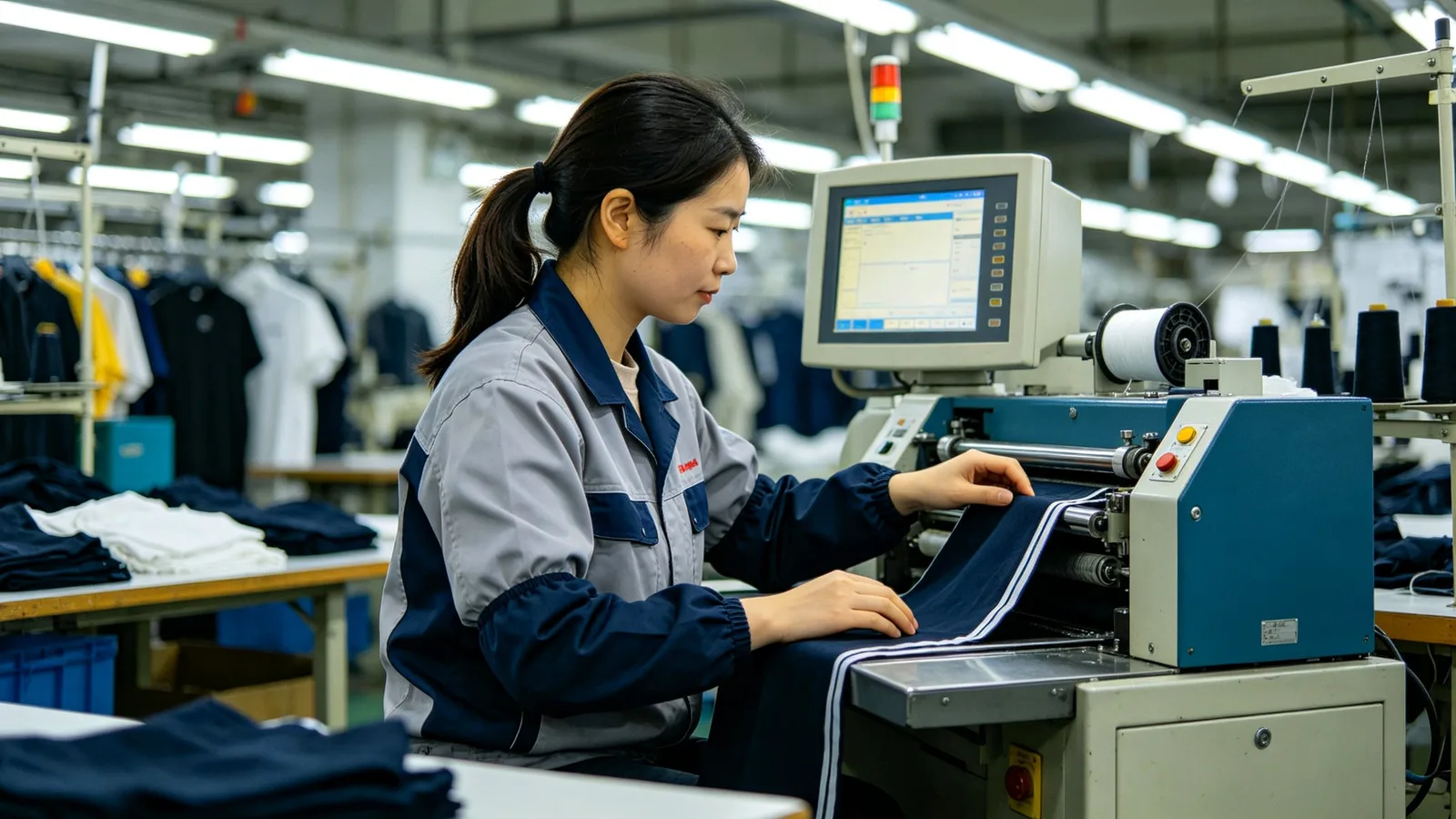
Figure 1. Material and garment details should be reviewed against the product's intended use, not only against a flat image or fibre name.
How should buyers give fabric, colour and climate context a practical role?
Fabric direction is where product, market and factory decisions often meet. A buyer may know that a collection needs a fluid dress fabric, a crisp shirt material, a soft sleepwear surface, a compact rib for a top, or a stretch route for active fashion. The factory needs more than the fibre name. It needs the intended handfeel, drape, opacity, surface, stretch, recovery, lining relationship, colour direction, print or decoration plan, care context and the garment question that the swatch or sample must answer.
Climate or season can be useful context when it changes the garment. Say how it changes the layer, coverage, weight, surface or care expectation. Do not assume every customer in a country wants the same fabric or that a climate label proves a performance claim. A light woven may support a warm-weather dress direction but still need an opacity, lining and construction review. A stretch knit may suit an active top concept but still need its own sample assessment for recovery, seam placement and intended movement.
The fabrics and trims development page gives buyers a real route for discussing materials, colours, components, labels and sample evidence. It is useful to list the preferred fabric characteristics and a small number of alternatives, then ask the manufacturer which swatch, proof or garment sample would distinguish them. This avoids a common sourcing problem: choosing a material from a vendor description and only discovering the relevant drape, coverage or construction question after the sample has already been built.
Colour must have the same discipline. Record whether a swatch, a digital reference, an existing garment, a supplied colour standard or a physical proof is directional or approved. State whether the product will use a core colour, a seasonal colourway, an all-over print, a placement, a contrast component or a shade family shared across styles. If a colour or fabric changes after review, the product record should show which sample and component decisions need another look.
How should buyers plan labels, product information and packaging as a market-specific version?
Private label becomes operational when the product must carry brand and sales information. Main labels, size labels, care or product information, hangtags, barcode data, stickers, bags, tissue, folding instructions, hangers and cartons are not late-stage decoration. They are components connected to the style, colour, size, channel, destination and approval status.
For an international range, do not create one generic label or packing note and assume it applies everywhere. Map the buyer-controlled files and market inputs to the exact product scope. The brand or importer should confirm the final content and applicability of labels, care, fibre, origin, language, retailer or consumer information with the appropriate specialists. The factory can then use the approved files, product mapping and packing route as part of a controlled handover.
This division of responsibility protects both sides. Yinshan Fashion can help a buyer identify where labels and packaging touch the garment, how a proof can be reviewed, and how a final production record can keep the components tied to the right SKU. It should not certify legal compliance or infer market-specific wording from a vague destination label. A useful factory response names what has been received, what applies to the current style and what must be confirmed before a component goes into bulk.
Packing deserves the same attention. A direct-to-consumer pack, a wholesale allocation, a boutique presentation and a retailer distribution route may need different inputs. Provide the intended product presentation, individual protection, fold or hang direction, inserts, barcode or sticker source, carton identifiers and destination context. If any of these remain provisional, keep them visible. A change to a garment bag, label, hangtag or carton can reopen cost, material, packing or release questions.
How should buyers build a market-data sheet that a factory can actually use?
The buyer does not need to send every department's research. A one- or two-page decision sheet, combined with current references and files, is often more effective. Use the market input table below as a working brief. It separates buyer context from the production question it informs.
The table is not a compliance checklist and does not turn an early project into a fully approved order. It makes the next discussion more accurate. If an input is unknown, write “open” and identify the person or team that will decide it. If a point requires a sample, colour proof, applied component, product-information review or packing mock-up, make that the next gate rather than leaving it as a verbal expectation.
A practical sequence for the first factory conversation
- Share the style concept, market and channel context, references, product category, expected customer and the sample objective.
- State the fixed fit, material, colour, construction, component and presentation decisions, then list the areas where factory advice is invited.
- Provide the current files for artwork, labels, sizing, packaging or product data where they exist. Mark every draft and identify the approval owner.
- Give a working style-colour-size matrix, destination context and commercial assumptions so the factory can distinguish a sample conversation from a production or quotation basis.
- Ask the manufacturer to return the open questions, proposed physical proofs, assumptions, dependencies and the record that will control the next stage.
This sequence makes the first sample a business tool rather than a visual guess. It also makes it easier to compare supplier responses. A useful manufacturer will not simply repeat the buyer's slides. It will identify which market input affects fabric, fit, construction, components, sample purpose, packing or a later production conversation.
How does Yinshan Fashion coordinate market inputs with sample development?
Yinshan Fashion works as a fashion supplier, manufacturer and factory coordinator for custom and private-label programmes. The company can help turn a buyer's market context into development questions across dresses, skirts, shirts, blouses, tops, nightwear, homewear, partywear and active fashion. That can include fabric and trim discussion, pattern and fit priorities, sampling, private-label elements, production records and the questions that should be closed before a bulk handover.
The support is most useful when the buyer preserves a clear boundary between market direction and confirmed product evidence. A brand may ask for a dress that feels polished but easy to wear, a sleepwear set that prioritises comfort, a blouse family that serves several channel needs, or an active-fashion top with a clear product role. Yinshan Fashion can help identify the fabric, pattern, sample, component and production questions. Final market claims, labels, product information, commercial terms, testing, certification and destination requirements remain specific to the programme and must be confirmed by the appropriate owner.
The manufacturing overview shows the broader handover from approved product information through materials, production, quality checks, finishing, packing and delivery preparation. For buyers, the key decision is to keep market data attached to the item it affects. A label file should identify its product scope. A size comment should identify the sample version. A packing instruction should identify the channel and destination. A quotation assumption should identify the current style-colour-size matrix. Those small controls make a multi-market programme easier to develop and repeat.
What should be retained after the first sample?
Once a sample has been reviewed, retain the initial brief, dated market context, style references, sample purpose, material and component route, pattern or measurement notes, fit comments, approved and open decisions, label and packaging files, quantity matrix, channel and destination context, owner of each next action and any authorised changes. These records do not create certainty by themselves. They let the buyer and factory see what was actually reviewed.
For a later colourway, market, retailer or repeat order, compare the new request with this record rather than assuming the earlier sample applies without change. A new language, label, packing route, component, material, size matrix, garment use or selling channel may reopen a relevant part of the product. That is not a failure of the first programme. It is the normal consequence of a product becoming more specific.
What questions do buyers ask about international private label clothing production?
What market data should I give a factory before sampling international private label clothing production?
Provide the intended market or markets, sales channel, target customer, product category and role, references, fit priorities, material and colour direction, size context, branding, labels, packing, quantity matrix, sample objective, approval owner and open questions. Include only information that changes the product or its next decision.
Can I start a private-label programme if the market plan is still developing?
Yes. Mark the confirmed product direction, the assumptions and the unanswered questions. Ask the first sample to prove a defined set of product decisions rather than treating it as final approval for unconfirmed labels, packing, quantities or destination inputs.
Does an international factory need a separate sample for every country?
Not automatically. A new market needs review when it changes a product, fit, component, product-information, packaging, channel or approval decision. Compare the proposed market version with the retained sample and record to decide what evidence is needed.
How does market data reduce fashion return risk?
Market data can clarify the customer, channel, intended fit, product description, measurements, materials, product role and review priorities before a garment reaches customers. It reduces ambiguity but does not guarantee sales, returns or an outcome for a particular market.
Can Yinshan Fashion help with labels and packaging for international private-label clothing?
Yinshan Fashion can help coordinate label, artwork, hangtag, barcode, packing and product-record discussions within a custom production programme. The brand, importer and relevant specialists remain responsible for confirming final market-specific content and applicability.
What should a buyer send before the next international private-label discussion?
Send Yinshan Fashion the product category, intended customer and channel, target market, reference images, fit and fabric direction, colours, components, size context, private-label and packing inputs, quantity matrix, sample purpose and open questions. The team can help turn these inputs into a sample route and a production discussion grounded in the actual garment. Start through contact.

International private-label briefing kit
Three controls that turn market context into a usable first sample
International market direction becomes useful to a factory when it identifies the customer, channel, product version and proof that must be reviewed next. Keep market-specific content linked to the garment, rather than treating it as background research.
Name the customer and channel
State who the product is for, how it will be sold and which market context changes the garment, its components or its presentation.
Give the first sample one job
Separate fit, material, construction, colour, component, packing and market-information questions so the sample has a defined approval purpose.
Retain the market-specific version
Keep the current style, sample, materials, labels, packing, quantity matrix, market inputs, approvals and authorised changes in one repeat-ready record.
Buyer actions and factory questions before an international private-label sample
Use this brief to connect the customer, channel, product, materials, fit, private-label components, packing and approval route. Exact market requirements, testing, commercial terms, quantities and timing remain specific to the confirmed programme.
| Decision area | What the buyer should prepare | What to ask the factory |
|---|---|---|
| Market and channel context | Name the priority market or markets, intended customer, sales channel, product role, launch or replenishment context and the buyer-owned market inputs already confirmed. | Which market facts change the product, its sample, components, packing or record, and which items need the brand or importer to confirm before release? |
| Product and reference control | Provide the style code, category, references, target wearer, priorities to preserve, sample purpose, current version, approval owner and open questions. | Which reference details can guide the first sample, which need pattern or material proof and which must not be treated as a final production instruction? |
| Fit and size evidence | State the sample size, intended size range, key measurements, ease, coverage, length, movement and wearer-review priorities. | Which fit, pattern, construction or grading question should the sample prove, and which observation must be recorded before the next version? |
| Fabric, colour and use | Describe fabric behaviour, handfeel, drape, opacity, stretch, surface, lining, colour or print direction, climate or season context and acceptable alternatives. | Which swatch, colour proof, component proof or garment sample can show whether the material works for the intended product? |
| Labels, product data and packing | Share the latest label, artwork, barcode, hangtag, product-information, individual packing and carton files, then mark their status, scope and approval owner. | Which item needs an applied proof, product mapping, packing mock-up or buyer confirmation before it can be treated as ready? |
| Quantity, approval and repeat record | Provide the style-colour-size matrix, destination context, approved decisions, quality priorities, exceptions and the person who can authorise a change. | What is included, conditional or open for the current route, and which future market, material, component, quantity or packing change reopens review? |
Continue the production conversation
Market data that helps a factory prepare an international private-label sample
| Market input | Buyer clarification | Production decision it informs |
|---|---|---|
| Customer and product role | Intended wearer, wardrobe use, price position, product category and the reference features that matter. | Pattern, fit, construction and sample-review questions. |
| Country, region and channel | Priority market, direct-to-consumer, boutique, wholesale or retailer route, plus the information the buyer already holds. | Product records, component mapping, packaging discussion and approval ownership. |
| Fit and size context | Sample size, intended size range, key measures, ease, coverage, length and movement priorities. | Pattern development, garment sample, comments, grading discussion and product description evidence. |
| Fabric, colour and use | Handfeel, drape, opacity, stretch, surface, season or use context, colour or print direction and alternatives. | Swatch, colour proof, fabric choice, lining, trims and garment-level evidence. |
| Private-label presentation | Current label, artwork, barcode, hangtag, product-information and packing files, each with a status and owner. | Applied proofs, product mapping, packing mock-up and controlled component release. |
| Quantity and next gate | Style-colour-size matrix, destination context, sample purpose, approval owner, confirmed decisions and open questions. | Quote assumptions, sample scope, production handover and the record retained for later versions. |
Buyer FAQs
What market data should I give a factory before sampling international private label clothing production?
Give the intended market or markets, sales channel, target customer, product category and role, references, fit priorities, material and colour direction, size context, branding, labels, packing, quantity matrix, sample objective, approval owner and open questions. Include only information that changes the product or the next decision.
Can I start a private-label programme if the market plan is still developing?
Yes. Mark the confirmed product direction, assumptions and unanswered questions. Ask the first sample to prove named product decisions instead of treating it as final approval for unconfirmed labels, packing, quantities or destination inputs.
Does an international factory need a separate sample for every country?
Not automatically. A market needs review when it changes a product, fit, component, product-information, packaging, channel or approval decision. Compare the proposed market version with the retained sample and record to decide what evidence is needed.
How does market data reduce fashion return risk?
It can clarify the customer, channel, intended fit, product description, measurements, materials, product role and review priorities before a garment reaches customers. It reduces ambiguity but does not guarantee sales, returns or an outcome for a particular market.
Can Yinshan Fashion help with labels and packaging for international private-label clothing?
Yinshan Fashion can help coordinate label, artwork, hangtag, barcode, packing and product-record discussions within a custom production programme. The brand, importer and relevant specialists remain responsible for confirming final market-specific content and applicability.