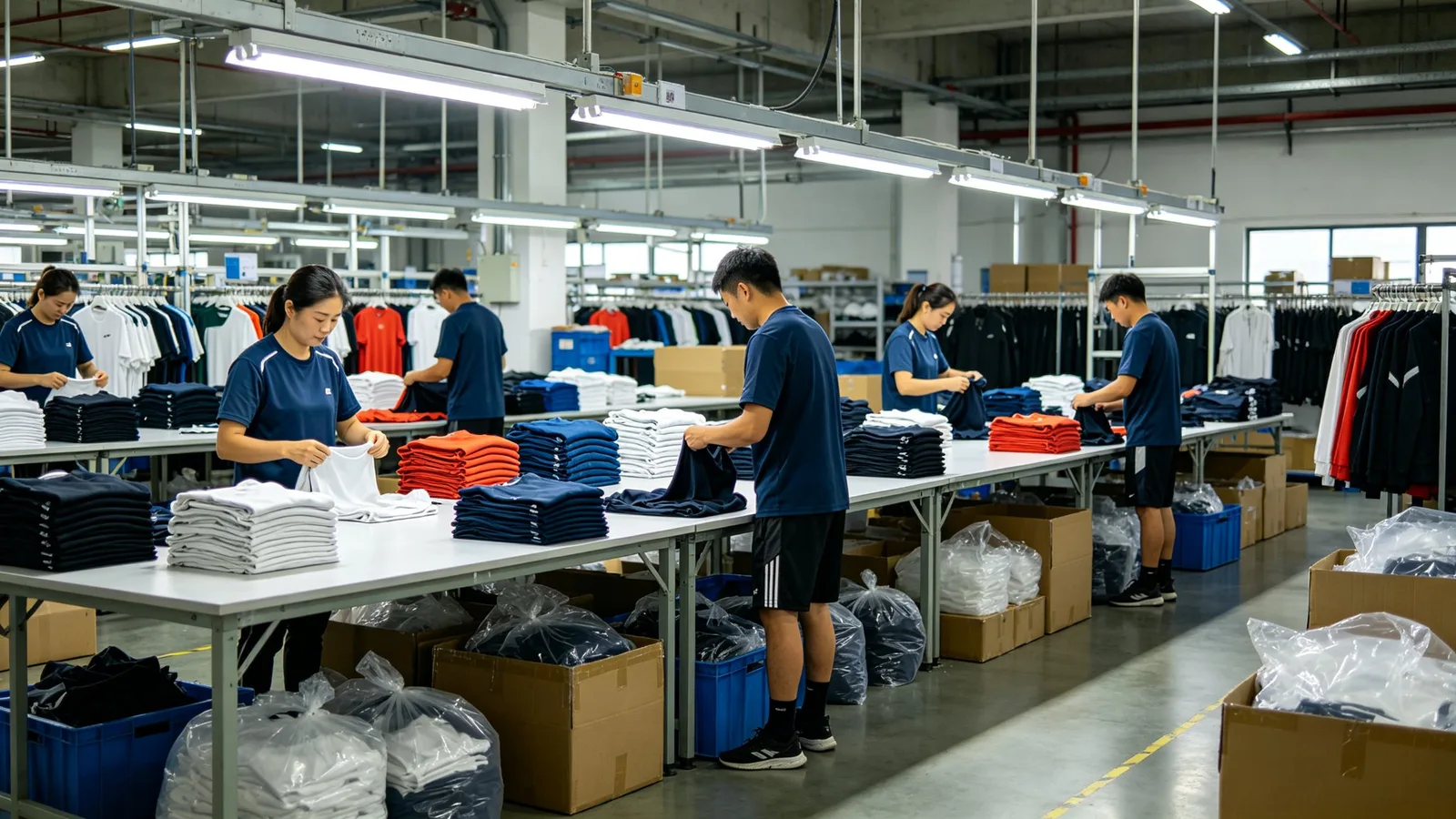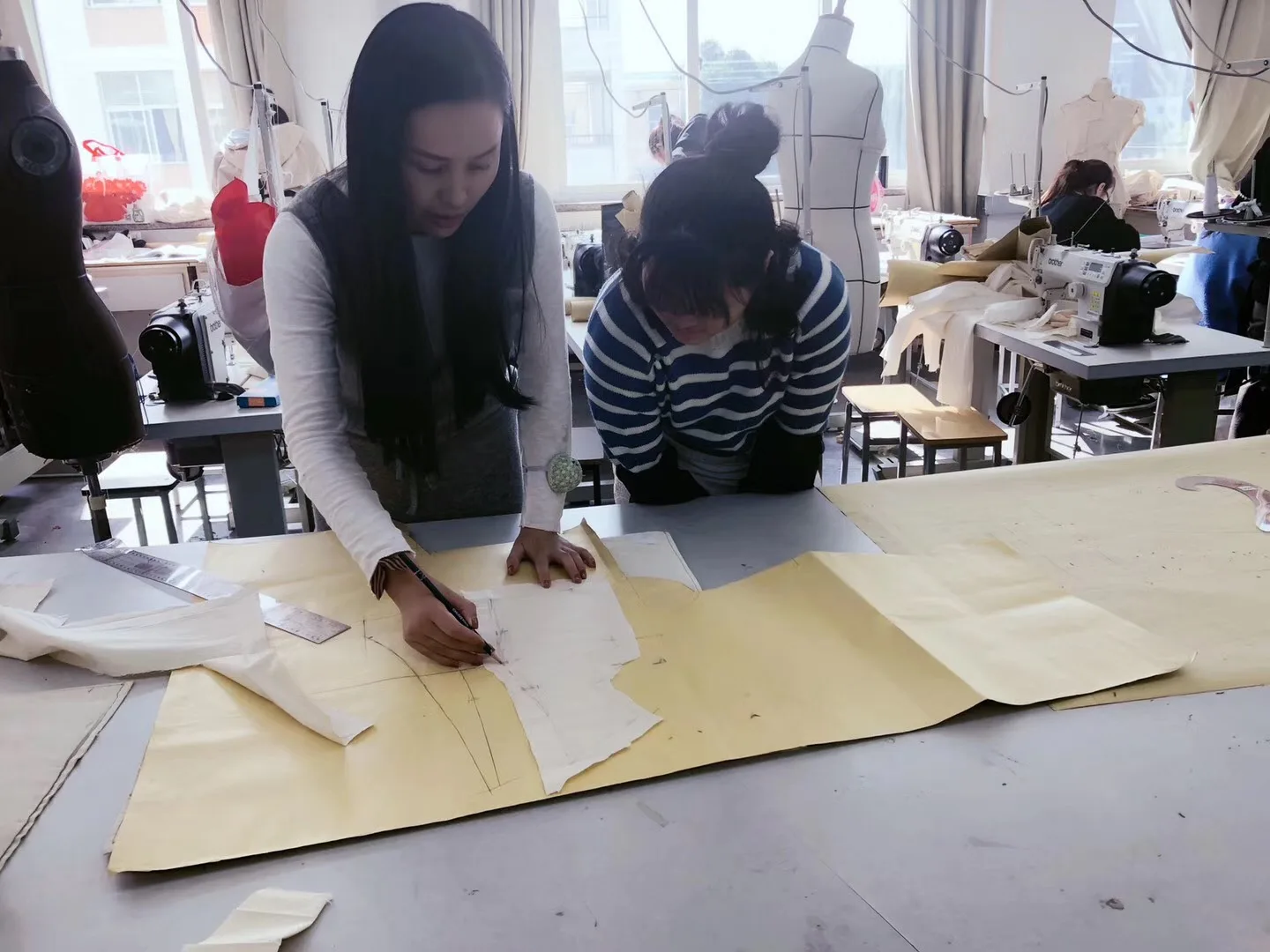
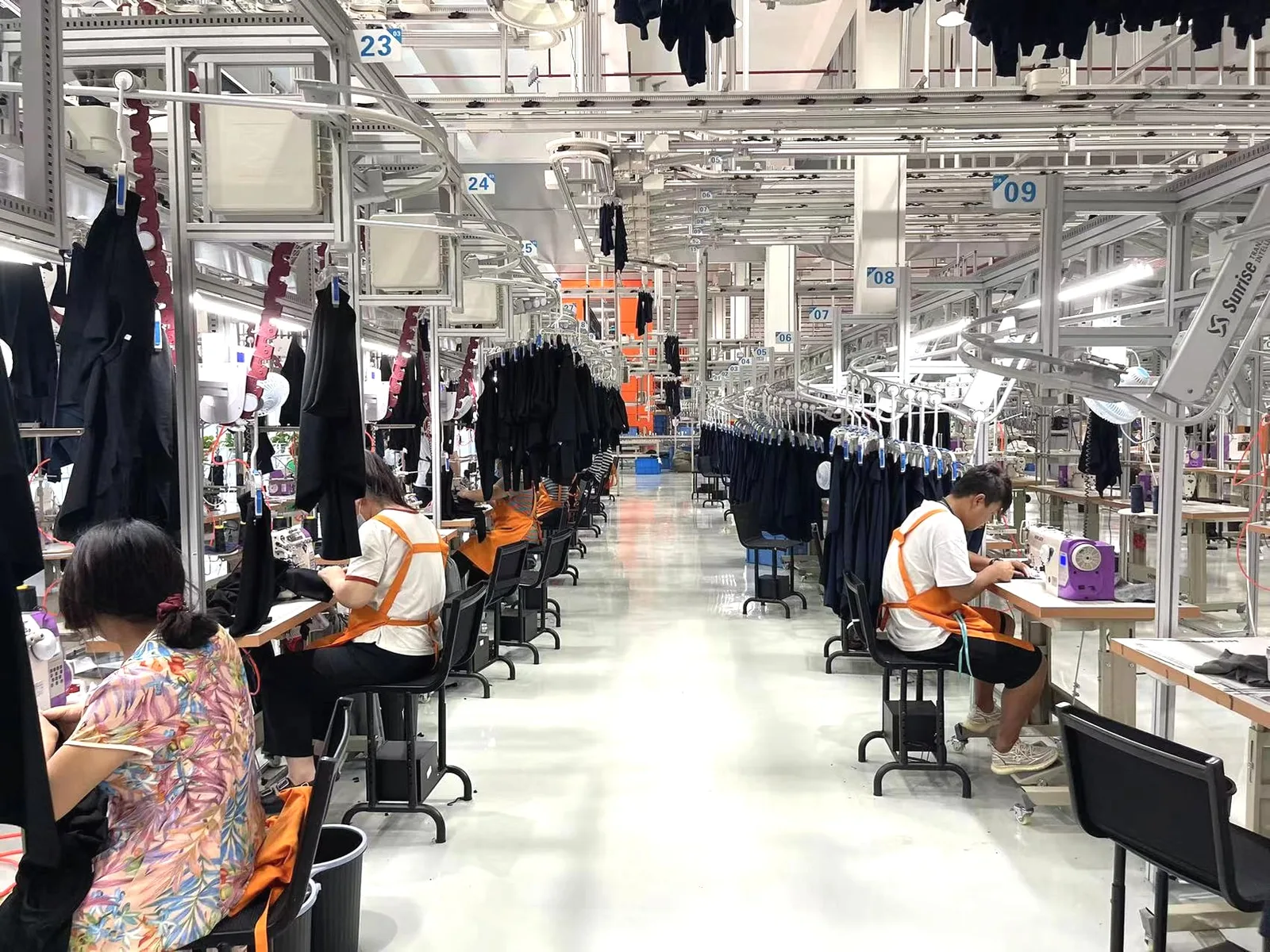
Article
What should buyers know first?
Short answer: A buyer-focused guide to fashion first bulk order production control, covering the production release pack, materials, cutting, sewing, in-line QC, labels, packing, shipment release, and repeat-order records.
Fashion first bulk order production control is the process of turning an approved sample into one usable production standard, then checking materials, cutting, sewing, measurements, finishing, labels, packing, and release records against that standard. The objective is not to inspect quality into finished goods. It is to make important decisions visible while the factory can still prevent or correct a production route.
Yinshan Fashion supports custom and private-label bulk programmes built around a buyer's product brief; it is not an unconditional ready-stock wholesale platform. The workable route depends on the product, material, colours, quantities, size ratio, branding, packing, destination market, approval status, and target delivery window. A first order should therefore begin with a controlled handover rather than an assumption that sample approval answers every bulk-production question.
This guide is for brand founders, product developers, buyers, sourcing teams, and retailers moving a new style from sampling into its first commercial run. It applies to categories such as blouses, dresses, shirts, T-shirts, trousers, sweatshirts, streetwear, and loungewear, but the actual controls must follow the garment. A draped dress, compact jersey tee, washed hoodie, lined overshirt, and rib lounge set will not share the same risk points.
How should buyers decide what the approved sample actually releases?
Sample approval can mean different things. A buyer may approve the silhouette while leaving colour open. The fit may be accepted in one size while the graded size set still needs review. The shell fabric may be approved while lining, rib, buttons, labels, or packaging remain provisional. A photo approval may show appearance but not settle measurements, handfeel, care behaviour, or construction details. Production should not treat a general “looks good” message as permission to close every open item.
Create an approval status for each decision group: product appearance, pattern and measurements, fabric, colour, trims, decoration, labels, care information, packing, carton identity, and any market-specific file. Mark each item as proposed, sampled, approved, conditionally approved, changed, rejected, or not applicable. Add the date, version, and decision owner. This makes the remaining dependencies visible before material booking or cutting.
The approved sample itself needs an identity. Record the style code, colour, size, sample type, version, approval date, and location of the physical or digital reference. If the sample contains a temporary trim or substitute fabric, attach that exception to the approval. If the buyer requests a correction after approval, identify whether the change requires a revised sample, an updated pattern, a new material check, or only a controlled production instruction.
Product category helps define the decision. A buyer using Yinshan's Casual Fashion product programme might prioritise neckline shape, collar support, pocket position, body length, opacity, drape, or a washed appearance. The factory should translate those visible priorities into material, pattern, construction, measurement, finishing, and quality checkpoints instead of relying on memory.
How should buyers build fashion first bulk order production control around one release pack?
The production release pack is the single current set of files that tells sourcing, cutting, sewing, finishing, quality, and packing teams what to make. It normally connects the approved sample with the style specification, measurement chart, pattern version, fabric and trim references, colour standards, artwork, placement dimensions, labels, care copy, folding, individual packing, carton details, and quality priorities. Not every project uses the same file format, but every project needs one authoritative version.
Start with a contents page. List each file, version, approval date, and owner. Put superseded documents in an archive rather than leaving several files called “final” in the active folder. When a buyer sends a revised label, measurement, or artwork file, the factory should confirm which old reference it replaces and which production steps are affected.
Separate facts from preferences. A measurement and tolerance may be a controlled product requirement. A description such as “soft but structured” is a buyer outcome that the sample and material need to demonstrate. A preferred packing material may still depend on product protection, market requirements, or availability. The release pack should state what is fixed, what is approved by sample, what needs factory confirmation, and what is open for an agreed alternative.
The manufacturing workflow connects production planning, material preparation, cutting, sewing, in-line control, finishing, packing, and export preparation. The release pack should follow that flow. Each team needs only the relevant current information, but changes must return to one shared record so that cutting is not using one version while labels or packing use another.
Assign a buyer-side product owner and a factory-side production contact. They do not need to approve every routine action personally. They need authority to clarify decisions, record changes, and escalate a conflict before it affects more units. The production calendar should show the decision gates that require buyer input, factory confirmation, or both.
What should buyers check about translate the sample into measurable and visible standards?
An approved sample is useful because people can see and handle it, but it is not enough on its own. The factory floor needs standards that can be checked. Convert the sample into a combination of measurements, construction descriptions, component references, photos, placement dimensions, and visible appearance points.
Begin with the measurement chart. Confirm points of measure, sample size, pattern version, grading assumptions, tolerance where agreed, and any dimension affected by wash, finishing, elastic, rib, lining, padding, or pressing. A body length number without a defined measuring method can produce disagreement. A tolerance copied from an unrelated garment may hide the detail that controls the look. The product team should focus on the measurements that shape fit and function.
Construction standards need the same clarity. Record seam type, stitch appearance, topstitch position, reinforcement, facing, lining, pocket, placket, collar, cuff, waistband, hem, zip, button, drawcord, binding, decoration, and label placement where they matter. Use close photographs or marked diagrams for details that are difficult to explain in one sentence. Identify the finished appearance rather than prescribing factory machine settings without technical reason.
Name the critical-to-quality points. These are the few features that would make the product unacceptable or materially different from the approved direction: a twisted placket, weak pocket corner, unstable neckline, visible lining, incorrect logo placement, rough skin-facing seam, mismatched panels, poor zip function, or incorrect label sequence. The buyer should state the desired result. The factory should show where that result is checked.
A good standard also records acceptable variation and deliberate effects. Garment wash, pigment colour, brushed surfaces, raw edges, gathers, soft drape, or handmade-looking decoration may involve controlled variation. The buyer and factory should distinguish that intended character from defects such as damage, unexpected shade panels, misplaced artwork, broken stitches, or distorted shape.
What should buyers check about approve bulk fabric, colour, trims, and decoration before cutting?
Bulk materials should be checked against the product route before they become cut parts. The review may include fabric reference, composition information, construction, weight and width where relevant, handfeel, colour, surface, usable width, shade observations, shrinkage allowance, print base, lining compatibility, and the garment component where the material will be used. The appropriate checks depend on the product and the buyer's requirements.
The fabric and trim development route helps connect material, colour, trims, labels, packaging, and sample decisions. For a first order, create a bill of materials that identifies the shell, lining, rib, elastic, pocketing, interlining, thread, buttons, zips, tapes, labels, hangtags, decoration materials, bags, stickers, and cartons that belong to the released style. A simple garment may use fewer components; a complex style may require more.
Colour approval needs a physical or agreed production reference. Digital values and screen images can support communication, but they do not replace review on the actual fabric base. Record the lab dip, bulk swatch, header, sample panel, or garment reference used for the decision. If fabric lots or trim batches show variation, identify which material is released, held, grouped, or waiting for a buyer decision.
Substitutions must be explicit. A replacement button, zip, elastic, rib, lining, label base, packaging component, or fabric can affect colour, function, care, appearance, documents, cost assumptions, and production timing. The factory should explain the difference and the checks that need to be repeated. The buyer should approve the revised product result before the substitute becomes current.
Decoration belongs in the material gate as well. Confirm print, embroidery, heat transfer, applique, patch, wash, coating, or other finish on the actual production base when relevant. Check scale, position, colour, handfeel, backing, surface response, and the intended care route. A decoration approved on a development fabric may behave differently on the released bulk material.
The fashion fabric traceability checklist provides a companion record for material identity, evidence status, components, colour, substitutions, bulk handover, and future repeat orders. Use it when the main risk is losing the link between the approved garment and the materials that support it.
How should buyers plan quantity, colour, and size allocation before marker release?
The production order should state style, colour, size, and quantity in a way that sourcing, cutting, sewing, packing, and warehouse records can reconcile. A top-line total is not enough. Confirm the matrix by style-colour-size, any destination split, spare or replacement policy if agreed, and whether packing assortments change the way units need to be grouped.
Review the matrix against available material, trim, label, barcode, and packaging information. A size label or barcode file can be correct in isolation and still be wrong for the order if the size naming, colour code, or quantity split differs from the purchase order. The same style may use different care copy, hangtag language, or carton mark for different markets.
The factory should confirm which order revision drives material allocation and marker planning. If quantity changes after fabric or trims are prepared, record the effect rather than silently spreading the difference across colours or sizes. A change may alter material consumption, component quantities, packing assortments, or the release sequence. Timing and commercial effects should be confirmed for the project instead of assumed.
Ask how remnants, short material, damaged parts, or replacement cutting will be identified. The answer depends on the production setup, but product identity should remain clear. The relevant question is whether a cut component, bundle, label, and packed unit can still be traced to the correct style, colour, and size when production is busy.
What should buyers check about control cutting, bundling, and first-piece identity?
Cutting is the point where approved material becomes product-specific parts. Before marker release, confirm the current pattern, size range, direction, nap or pile where relevant, stripe or check matching, print placement, panel orientation, shrinkage route, and any part that uses a different material or colour. A mistake here can repeat across every sewing operation that follows.
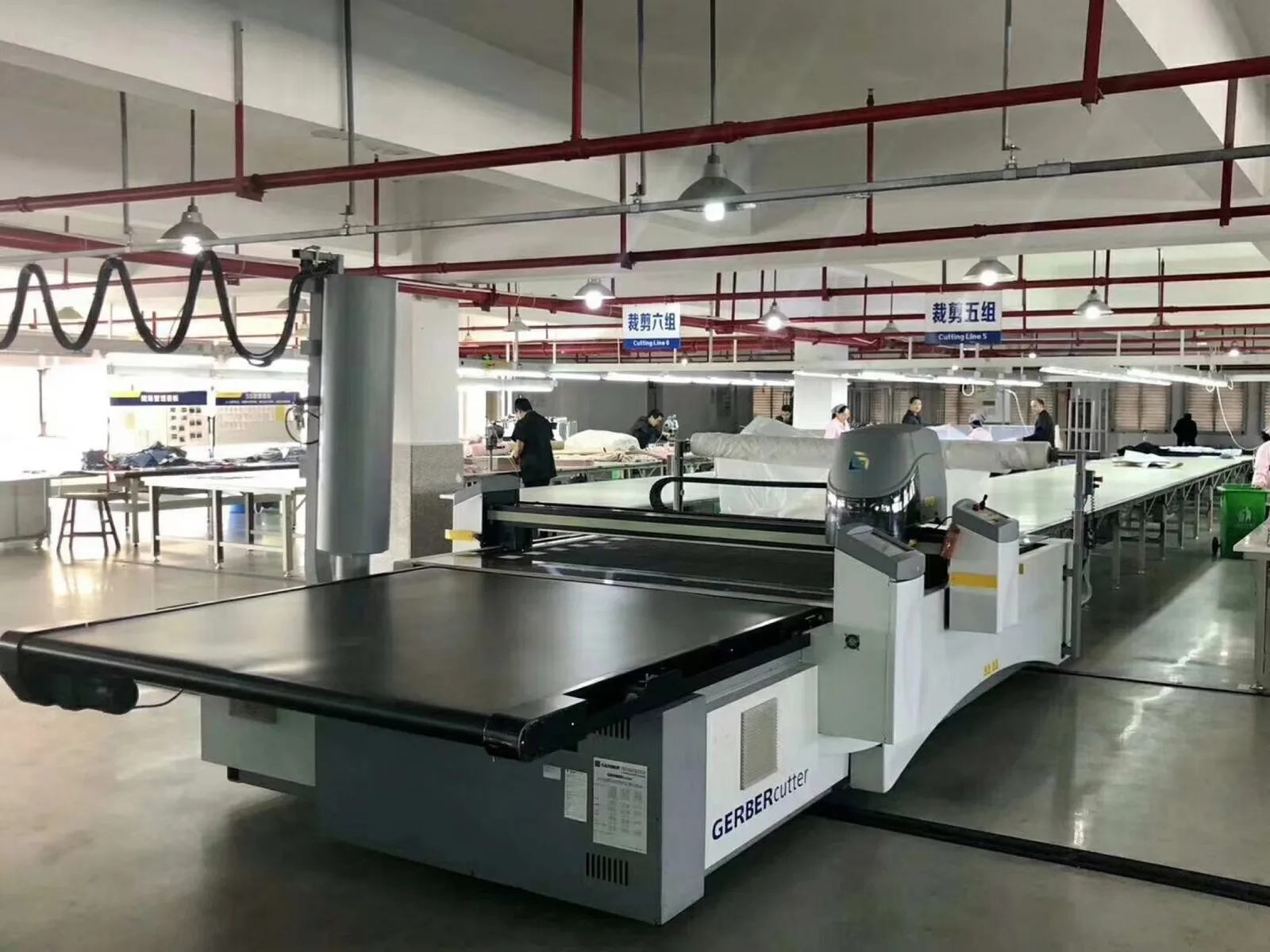
The Yinshan image above gives real cutting-room context. It is not a promise that every style uses the same machine, marker, or inspection method. The working route should match the garment, fabric, order structure, and approved standard.
Bundle identity should follow the order matrix. The factory may use tickets, bundle cards, labels, digital records, or another system, but the information should keep style, colour, size, and relevant lot identity clear. This matters when similar dark colours, repeated silhouettes, lining parts, or multiple size runs share the same production area.
Use the first cut or first components to confirm assumptions that are difficult to see in a paper marker. Check orientation, pattern matching, pocket placement, fusible location, panel balance, and whether the fabric surface or shade needs special grouping. If a bulk material behaves differently from the sample, stop and record the decision before the issue moves into a full sewing line.
How should buyers confirm the sewing route with first-piece review?
First pieces convert the release pack into an executable sewing route. Review a small number of garments or operation results early enough to change construction instructions, handling, guides, or pressing without treating completed units as the experiment. The scope depends on the style and the factory plan.
For a shirt or blouse, review collar and stand shape, placket, cuff, buttonhole, pocket, seam puckering, hem, drape, and pressing. A dress may need attention at lining, gathers, zip ends, straps, panel joins, hem balance, and transparency. Trousers may centre on waistband, fly, pocket opening, inseam, rise, leg shape, and hem. A hoodie or streetwear style may add heavy seams, rib, graphics, wash, drawcords, and hardware.
The buyer does not need to manage machine settings or every operation. The buyer should identify the product result and the points that cannot drift. The factory should translate those priorities into operation instructions, first-piece checks, and a clear escalation route.
Record the first-piece decision. State the style, colour, size, production reference, issue, correction, affected operation, approval owner, and whether existing work needs review. A verbal comment can solve one garment while leaving the line uncertain. A short written decision protects the remaining order and becomes part of the repeat-order record.
How should buyers use in-line quality control to detect a drifting process?
In-line quality control asks whether the production route is staying aligned while correction is still practical. It is different from final release. It looks for repeated or emerging issues in construction, measurements, shade, component use, decoration, labels, finishing, and product identity before the full order reaches packing.
Choose checkpoints from the style's actual risks. A measurement review may focus on body length, chest, shoulder, sleeve, waist, inseam, or another defining dimension. Construction review may focus on skipped stitches, seam margin, puckering, broken bartacks, raw edges, lining attachment, pocket symmetry, or trim function. Appearance review may focus on panel shade, print position, embroidery, surface marks, pressing, or distortion.
The factory should record what was found, where it occurred, how much work may be affected, what correction is proposed, and who decides the next action. The buyer should distinguish between information, a proposed alternative, and a request for approval. An issue photo without style, colour, size, location, or scale can create more questions than it answers.
Do not wait for a broad failure before correcting the route. When the same issue repeats, review the operation, material, pattern, component, instruction, or handling method behind it. Rechecking only the visible defect can miss the cause. The objective is a stable process, not repeated sorting.
The wholesale fashion quality-control guide explains the wider release decision for product identity, measurements, appearance, labels, barcodes, packing, cartons, corrections, and warehouse records. In-line control feeds that decision; it does not replace a buyer-specific final inspection plan.
How should buyers keep labels, finishing, and packing tied to the released product?
Private-label components reach several teams at different times. Main labels, size labels, care information, hangtags, barcodes, stickers, folding, bags, tissue, inserts, and cartons must all point to the same style-colour-size identity. The private-label programme helps coordinate those files, but the buyer remains responsible for approving brand artwork and market-specific wording.
Finish the garment against the approved appearance. Review loose threads, surface cleanliness, pressing, shape, wash or decoration result, buttons and zips, pocket form, label order, and any area sensitive to heat, pressure, steam, or handling. A black fabric can show shine. A fluid blouse can become stiff. A printed surface can mark during folding. The finishing standard should follow the actual product.
Packing should be approved before the line reaches large-scale packing. Confirm the fold, individual protection, size sticker, barcode position, hangtag placement, assortment, carton mark, carton identity, and destination-specific instruction. Check a packed sample against the receiving record. The garment, label, sticker, barcode, packing list, and carton should agree.
The wholesale apparel packing checklist gives a detailed decision framework for unit identity, barcode data, folding, individual protection, carton assortment, marks, warehouse handover, and correction evidence. It is useful when the risk extends beyond garment quality into retail or fulfilment readiness.
What should buyers check about make final inspection and shipment release evidence based?
Final inspection should compare the completed order with the released product and the agreed inspection plan. The relevant scope may include quantity, style-colour-size identity, measurements, workmanship, function, appearance, shade, decoration, labels, barcode, packing, carton assortment, marks, and correction evidence. The buyer and factory should agree the plan and decision rules for the project; no general article can set a universal sampling level or acceptance rule.
Prepare the inspection inputs before the review begins. The inspector or quality team needs the current product specification, approved sample or reference, measurement chart, tolerance where agreed, material and colour references, trim and label files, packing instructions, order matrix, and previous correction record. If a document changed, make the latest version obvious.
An inspection result should identify the order, inspected quantity or scope, findings, affected style-colour-size where relevant, photos or measurements, disposition, correction owner, and release decision. If rework is required, record what was corrected and how the evidence is reviewed. “Passed after correction” is more useful when the corrected issue and supporting check are visible.
Shipment release is a commercial and operational decision, not only a quality label. Confirm that the approved goods, packing list, carton identity, quantity record, export or logistics files, and delivery instruction describe the same order. Do not promise a dispatch date before material, production, correction, documents, and buyer approvals are actually aligned.
How should buyers keep one change log and one escalation path?
First orders generate questions. A material becomes unavailable. A measurement comment arrives late. Artwork is revised. A label position conflicts with a seam. A packaging requirement changes. The problem is not that every project has questions. The risk is that separate teams receive different answers.
Use one change log with the date, style, affected item, old reference, new reference, reason, sample or production impact, decision owner, status, and file that becomes current. Link photos or documents when they add clarity. Keep routine production observations separate from changes that need buyer approval.
Set an escalation rule before bulk begins. Define which issues the factory can correct within the approved standard, which require written buyer confirmation, and who should be contacted if the decision owner is unavailable. Timing depends on the issue, but the team should understand that silence is not approval when the product standard would change.
Communication should be concise enough to use. State the decision first, then the reason, affected units or operations, required action, owner, and deadline. Avoid long message threads where the final answer is hidden among alternatives. Add the accepted outcome to the release pack and repeat-order record.
What should buyers check about close the first order with a repeat-ready production record?
The first order creates the most valuable reference for the next one. Keep the final approved pattern and measurements, material and colour identity, trim codes, decoration route, label and packing files, first-piece decisions, in-line issues, corrections, final inspection record, shipment identity, and buyer feedback. Archive obsolete versions, but preserve the decision history needed to explain why the current version is correct.
Start the next order with a difference matrix. Compare the previous order with the new request for material, colour, fit, measurements, construction, components, artwork, labels, barcode, packing, market, quantity, and timing. Mark each item as unchanged, changed, or to be confirmed. A repeat order still needs current material, colour, quality, document, and commercial confirmation.
Review post-delivery feedback while it is specific. A buyer may learn that a carton assortment slowed receiving, a pale colour needed different individual protection, a neck label felt uncomfortable, or a measurement comment affected one size more than others. Record the observation without turning it into a universal claim. Decide whether it changes the product standard, packing route, or next sample.
For a practical production discussion, send Yinshan Fashion a first-bulk-order brief with the approved sample or product reference, tech pack, style and construction, fabric and colour direction, quantity by style and colour, size range or ratio, branding and artwork, labels, hangtags, barcodes, packing, destination market, sample status, quality priorities, and target delivery window. Yinshan Fashion can then confirm the workable custom or private-label bulk route for that specific project.

Production control
The approved sample is a handover point, not the finish line
A first fashion bulk order succeeds when the approved fit becomes usable production records: bulk fabric confirmation, construction standards, measurements, labels, packing, and written decisions the factory floor can follow.
Lock the reference
The pre-production sample, approved measurements, fabric, color, trim file, label artwork, and packing instructions need one clear version for everyone to work from.
Check in process
In-line review catches construction, measurement, shade, trim, label, and finishing issues while the factory can still correct the route efficiently.
Keep the repeat-order file
A complete first-order record prevents rework when a proven silhouette, color, fabric, or best-selling style needs to be repeated.
First fashion bulk-order control points
This is a shared working list, not a substitute for the buyer's own compliance or third-party inspection procedures. It keeps the production conversation specific and traceable.
| Decision area | What the buyer should prepare | What to ask the factory |
|---|---|---|
| Pre-production handover | Give written approval for the PP sample, graded size set where needed, fabric, color, trims, labels, care copy, packaging, and carton marks. | Which approval files are the production reference, and who confirms any later change? |
| Bulk fabric and trims | Review bulk fabric, shade, handfeel, lining, buttons, zippers, elastic, threads, labels, and packaging components against the approved sample. | What is checked before cutting, and how are shade or trim variations recorded? |
| Cutting and sewing start | Confirm high-risk construction points: collar, placket, pocket, lining, side seam, hem, zip, button spacing, print, embroidery, and pressing expectation. | Which operation receives the first-piece review and in-line quality check? |
| Mid-line quality review | Agree measurement priorities, appearance expectations, seam quality, label verification, finishing standard, and escalation method. | How are defects, alterations, and corrective action documented before final inspection? |
| Finishing, packing, and shipment | Confirm pressing, folding, size stickers, individual bags, barcode position, carton assortment, carton marks, and destination-specific instructions. | What final checks take place before cartons are sealed and shipment records are released? |
| Repeat-order record | Keep the final fabric, trim, measurement, QC, packing, and buyer feedback decisions with the product file after launch. | Which reference materials will be retained for a faster, more consistent reorder? |
Continue the production conversation
Fashion first bulk order production control gates
| Release gate | Buyer action | Factory confirmation before the next stage |
|---|---|---|
| Production release pack | Approve the current sample, measurement, material, colour, trim, branding, label, packing, and order files; identify any open condition. | Confirm the working version, affected teams, decision owners, and which open items prevent material booking or production release. |
| Bulk material and cutting | Review bulk fabric, shade, components, decoration base, quantity matrix, and any proposed substitution against the approved route. | Confirm released lots and components, marker and pattern version, bundle identity, and how a material or shade exception is escalated. |
| First-piece and sewing start | Identify the fit, construction, appearance, placement, and function points that cannot drift from the approved product. | Confirm the sewing route, first-piece findings, required correction, affected work, owner, and written decision before the line continues. |
| In-line and finishing control | Agree measurement priorities, workmanship, shade, decoration, label, pressing, appearance, and escalation expectations. | Show how repeated issues are recorded, corrected at process level, and rechecked before garments enter final packing. |
| Packing and shipment release | Approve packed-product identity, barcode, folding, individual protection, carton assortment, marks, inspection route, and receiving information. | Confirm correction evidence, final release status, carton and packing-list reconciliation, and the records that support shipment. |
| Order close and repeat | Keep final files, inspection and correction decisions, delivery feedback, and the differences planned for the next order. | Confirm which material, colour, pattern, trim, label, packing, and quality references remain current and what must be reviewed again. |
Buyer FAQs
What is fashion first bulk order production control?
It is the controlled handover from an approved sample into bulk materials, cutting, sewing, in-line quality checks, finishing, labels, packing, final release, and repeat-order records. The buyer and factory use one current product standard and record any change before it affects later production stages.
Does an approved sample mean bulk production can start immediately?
Not always. The sample may approve appearance or fit while bulk fabric, colour, graded sizes, trims, labels, packing, order quantities, or market files remain open. The production release pack should show which items are approved and which conditions must close before material booking or cutting.
What should a buyer approve before bulk fabric is cut?
The buyer should confirm the current product and measurement files, approved sample, material and colour direction, trims and decoration, labels and care copy, packing, style-colour-size quantity matrix, quality priorities, and the owner for later changes. The exact list depends on the garment and market.
Why is in-line quality control important on a first fashion order?
In-line review can identify a drifting construction, measurement, shade, component, decoration, label, or finishing route while the factory can still correct the process. Final inspection remains important, but it should verify a controlled order rather than discover that the original production route was wrong.
How should brands prepare a first bulk order for repeat production?
Keep the final approved pattern, measurements, material and colour references, trims, decoration, labels, packing files, first-piece decisions, in-line issues, corrections, final inspection, shipment identity, and delivery feedback. For the repeat, compare the new request with that record and reconfirm every changed or time-sensitive item.