Article
What should buyers know first?
Short answer: A practical B2B guide to the fashion clothing fabric production process, explaining weaving, greige inspection, singeing, refining, dyeing, setting, coating, finishing and quality control.
The fashion clothing fabric production process is not one universal conveyor line. It is a controlled sequence that changes with fibre, yarn, woven or knitted construction, colour route, finish and the garment the fabric must become. A lightweight blouse fabric, a stable dress woven, a soft homewear knit and a coated fashion shell can pass through different machines, recipes and inspection gates even when they begin with similar fibres.
For a fashion buyer, understanding that sequence makes fabric sourcing more practical. It explains why the same composition can produce different handfeel, drape, opacity, colour, stretch, width and shrinkage. It also shows why a fabric should not be approved from a composition line or small swatch alone. The material must be reviewed against the intended pattern, sample, care context, quantity and production route.
Yinshan Fashion supports custom and private-label bulk programmes rather than unrestricted ready-stock wholesale. The company connects garment design, fabric and trim selection, pattern and fit, sample review, private-label details and production coordination. Yinshan Fashion also works with established specialist fabric factories that handle a wide range of weaving, preparation, dyeing, setting, coating and finishing routes under defined production and inspection standards. The exact process, controls and documents remain specific to the confirmed fabric and buyer programme.
This guide follows the major stages visible in the supplied partner-factory photographs. It also explains what each stage means for brands developing dresses, tops, shirts and blouses, skirts, sleepwear, homewear, clubwear and active fashion.
What should buyers define before fabric production begins?
The production route starts before a machine runs. A useful fabric brief identifies the garment category, target handfeel, drape, structure, weight direction, stretch and recovery, opacity, surface, colour, print or coating, usable width, care context and market. It should also state which points are fixed and which are open to mill advice.
Composition alone is not enough. Two fabrics described as cotton can differ because of fibre preparation, yarn count, twist, weave, knit structure, weight, density, preparation and finish. The same is true of polyester, nylon, viscose and blends. A buyer asking only for “soft cotton” or “recycled polyester” leaves too many production decisions undefined.
The garment design should lead the fabric discussion. A gathered blouse needs material that can form and recover without looking heavy. A shirt may need a clean collar and placket. A dress may rely on drape, opacity and hem balance. A lounge set may prioritise softness, comfort and wash stability. An active-fashion garment may need controlled stretch and recovery. The fashion clothing fabric selection guide helps buyers translate these garment expectations into a fabric brief.
The factory then decides which construction and processing route can be sampled. This is where experienced textile partners add value: they can identify whether the requested look depends mainly on yarn, weave or knit, preparation, dyeing, mechanical finishing, chemical finishing, coating, or a combination. Any performance, test or compliance target should be confirmed for the actual programme rather than assumed from a generic material name.
What should buyers check about stage 1: fibre, yarn and lot planning?
Fabric production begins with a controlled input. Depending on the programme, that input may be cotton, polyester, nylon, viscose, another fibre or a blend. The fibre route affects yarn appearance, strength, regularity, dye response, surface and handfeel. Recycled and organic inputs may also require programme-specific traceability evidence when the brand intends to make a material claim.
The yarn specification can include count, construction, twist, filament type, texture, colour route and lot identity. A fine yarn does not automatically make a better fabric; it must suit the desired weight, density, opacity and durability. A textured synthetic yarn may support bulk, softness or stretch. A compact cotton yarn may help a clean surface. A blended yarn may balance more than one desired behaviour, but the result still needs physical approval.
Lot planning matters because fibre and yarn variation can affect shade, texture and processing response. The factory should keep the material identity connected to the order, greige fabric and finished rolls. When a style may repeat, the brand benefits from retaining the approved fabric reference, composition, construction, colour standard and any accepted range rather than relying on a commercial name alone.
Buyers do not need to prescribe every yarn parameter themselves. They do need to explain what the fabric must do in the garment and ask which inputs control that result. Yinshan Fashion can help connect the garment brief with the fabrics and trims development route before sample yardage or a garment sample is treated as representative.
What should buyers check about stage 2: weaving or knitting creates the fabric structure?
Weaving interlaces warp and weft yarns. Knitting forms loops. These two broad routes produce different construction possibilities, but neither route has only one result. Density, yarn, machine setup, tension and structure determine whether the greige fabric is crisp, fluid, compact, open, smooth, textured, stable or stretch-oriented.
The supplied factory image shows rows of modern weaving equipment producing fabric continuously. The practical control points include yarn feeding, tension, warp and weft continuity, machine condition, construction and defect monitoring. A small weaving fault can continue through later wet processing, so early detection is more useful than trying to hide a structural issue in finishing.
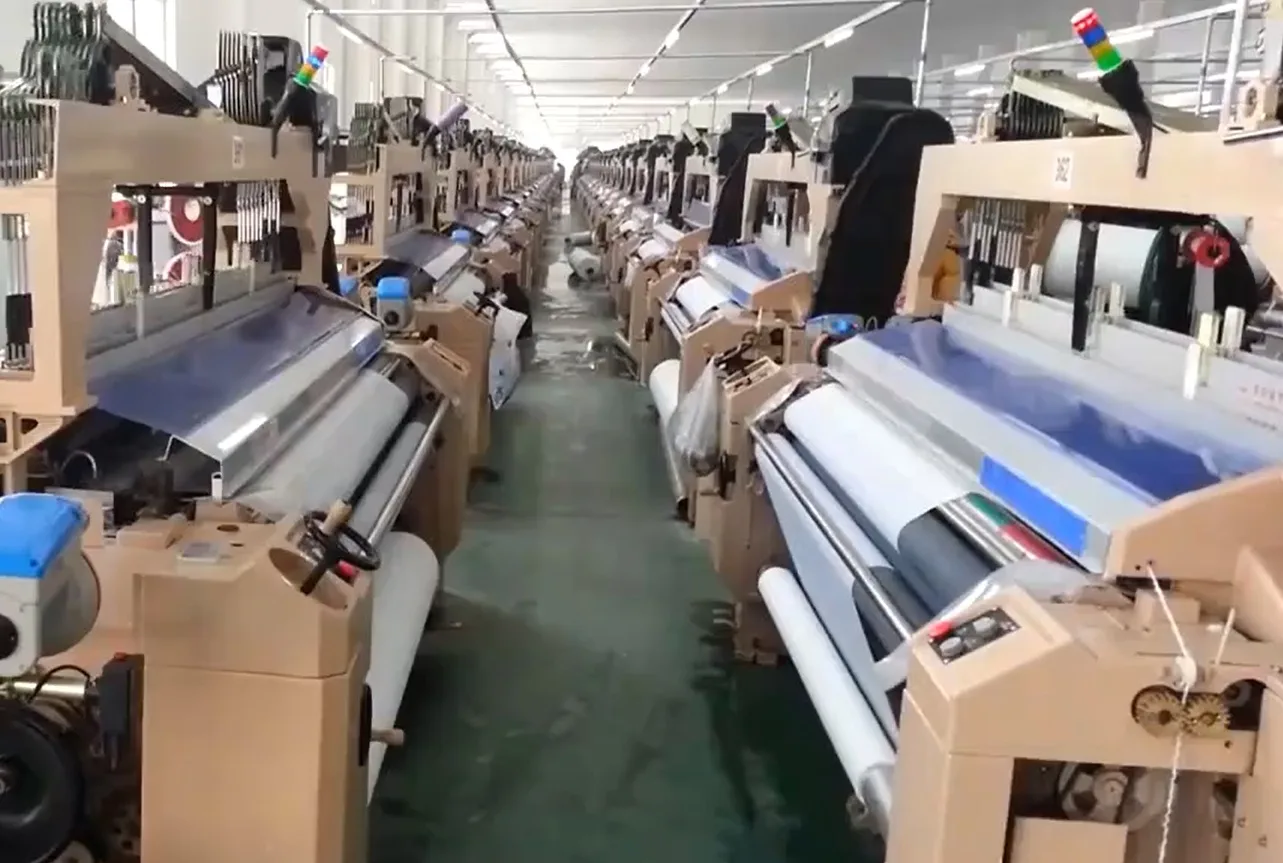
Figure 1. Weaving establishes the construction that later preparation, colour and finishing stages must preserve.
For the buyer, this stage determines more than appearance. It influences seam behaviour, fraying, dimensional response, strength direction, surface, drape and the way a pattern hangs. A fabric intended for a tailored shirt, printed dress, soft blouse or fashion shell should be evaluated through the garment requirement, not only through a mill catalogue category.
The first output is commonly called greige or grey fabric: unfinished material that still needs inspection and, for many routes, preparation before dyeing or finishing. The construction should be confirmed here because later processes can refine the surface and dimensions but cannot reliably correct every weaving or knitting defect.
What should buyers check about stage 3: greige inspection and batch formation?
Before wet processing, the mill can inspect greige fabric for visible construction faults, contamination, width, density, holes, marks, streaks, missing yarn and other route-specific defects. The exact inspection method depends on the material and order. The key principle is traceability: a defect should be linked to a roll, position and decision.
Batch formation groups fabric for compatible processing. Lot identity, construction, quantity, width and intended shade influence how fabric is arranged. Mixing unsuitable lots can create avoidable colour or surface variation. A buyer does not need the same record for every low-risk development sample, but bulk fabric should have a clear route from input through finished roll.
This is also the point to confirm usable quantity. Nominal metres and usable metres are not always identical. Edge condition, defect allowance, inspection result and cutting needs affect how much fabric can enter garment production. A garment quotation that assumes one usable yield can change when actual fabric width or defect distribution changes.
What should buyers check about stage 4: singeing controls loose surface fibres?
Singeing passes the fabric surface close to a controlled flame or heat source to remove protruding fibres. The aim is a cleaner surface for later processing, improved visual clarity and, in appropriate routes, more consistent dyeing, printing or finishing. It does not replace good yarn or construction, and it is not required for every fabric.
The supplied image shows the fabric travelling through a singeing line with controlled flame zones. The production team must balance exposure, speed and material sensitivity. Insufficient treatment may leave unwanted hairiness; excessive treatment can damage or alter the material. The correct settings depend on fibre and construction.
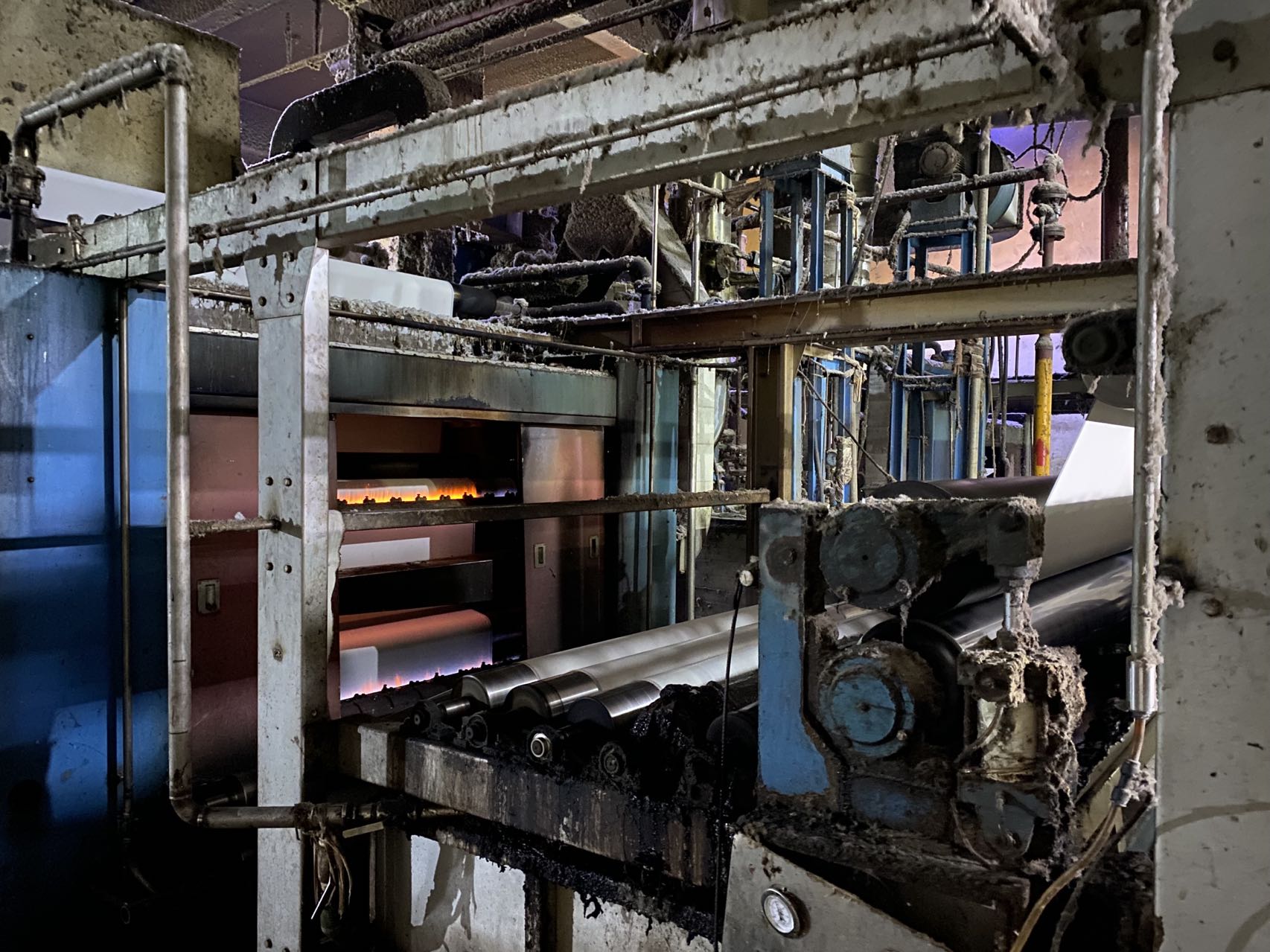
Figure 2. Singeing is a route-specific surface preparation step, not a universal treatment for every fashion fabric.
For fashion products, singeing can influence the clarity of a solid colour, print or smooth blouse surface. A buyer should review the final fabric rather than specify singeing as a fashionable feature. The process is valuable only when it supports the required surface without harming handfeel or fabric integrity.
What should buyers check about stage 5: desizing, scouring, refining and bleaching prepare the fabric?
Woven fabric may carry size or processing aids from weaving, while natural-fibre materials can contain oils, waxes or other matter that affects wetting and colour uptake. Preparation can include desizing, scouring or refining, washing and, when the colour route requires it, bleaching. The exact combination is material-dependent.
The supplied refining-line image shows fabric moving through a large continuous preparation system. Multiple rollers guide the material through controlled sections while the factory manages process conditions and fabric movement. The purpose is not simply to make fabric look white. It is to create a sufficiently clean, even and absorbent base for the next stage without causing unnecessary damage.
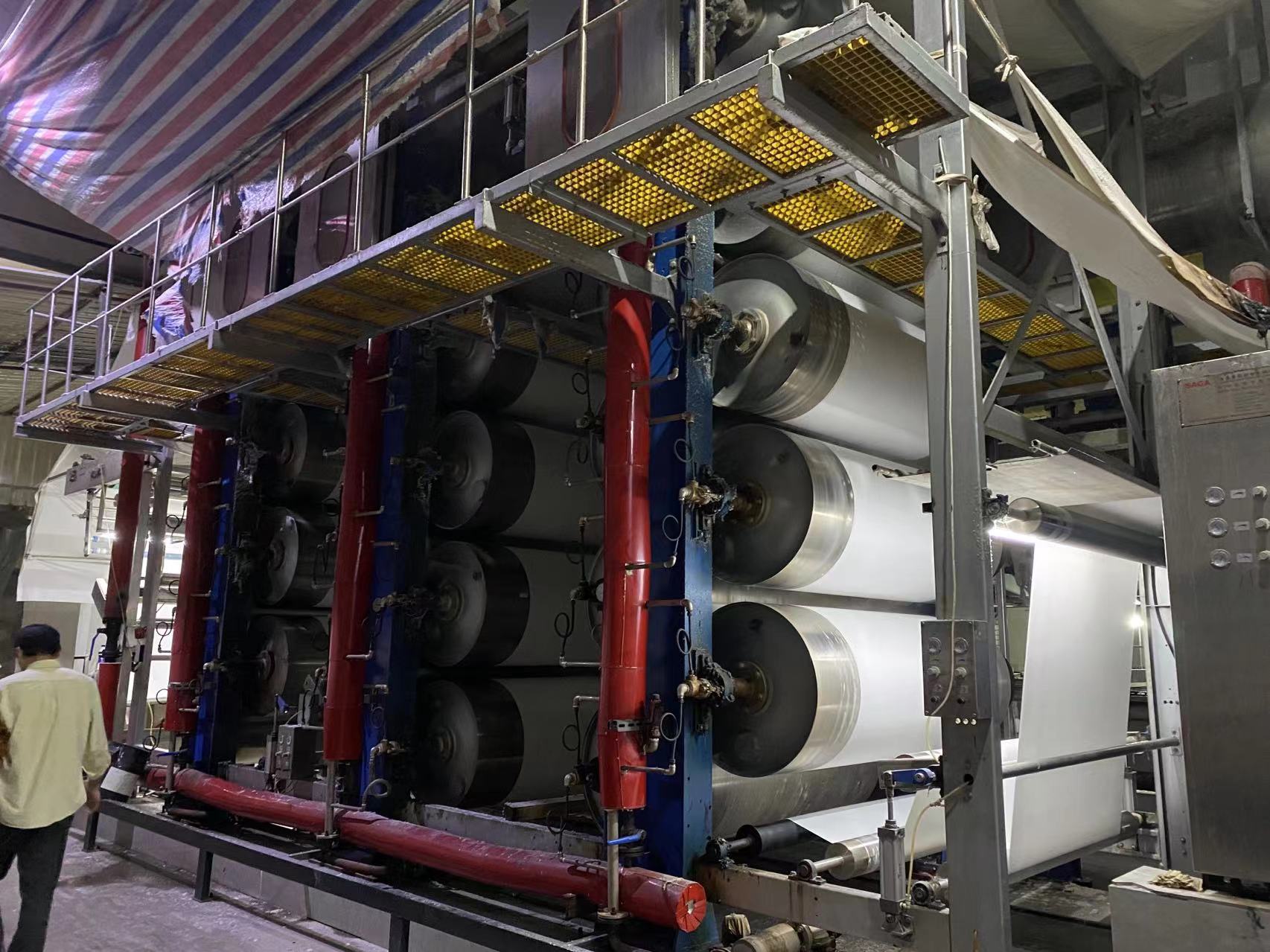
Figure 3. Preparation removes route-specific residues and helps create a more even base for colour and finishing.
Refining affects the later result. Uneven preparation can contribute to uneven shade, spots, marks or inconsistent handfeel. Over-processing can weaken the fabric or change the intended character. The factory therefore needs a recipe and process controls appropriate to the fibre, construction and final colour.
Bleaching may be used when a cleaner or lighter base is needed. It is not automatically required for every dark shade or synthetic route. Buyers should ask the mill which preparation is included and what the approved sample represents. If sample yardage used a different preparation route from bulk, colour or handfeel comparisons may be unreliable.
After preparation, fabric is washed, handled and arranged for the next stage. The second supplied refining image shows large processed rolls staged in the production area. Roll identification and protection matter because clean prepared fabric can still be contaminated, mixed or damaged if handling is uncontrolled.
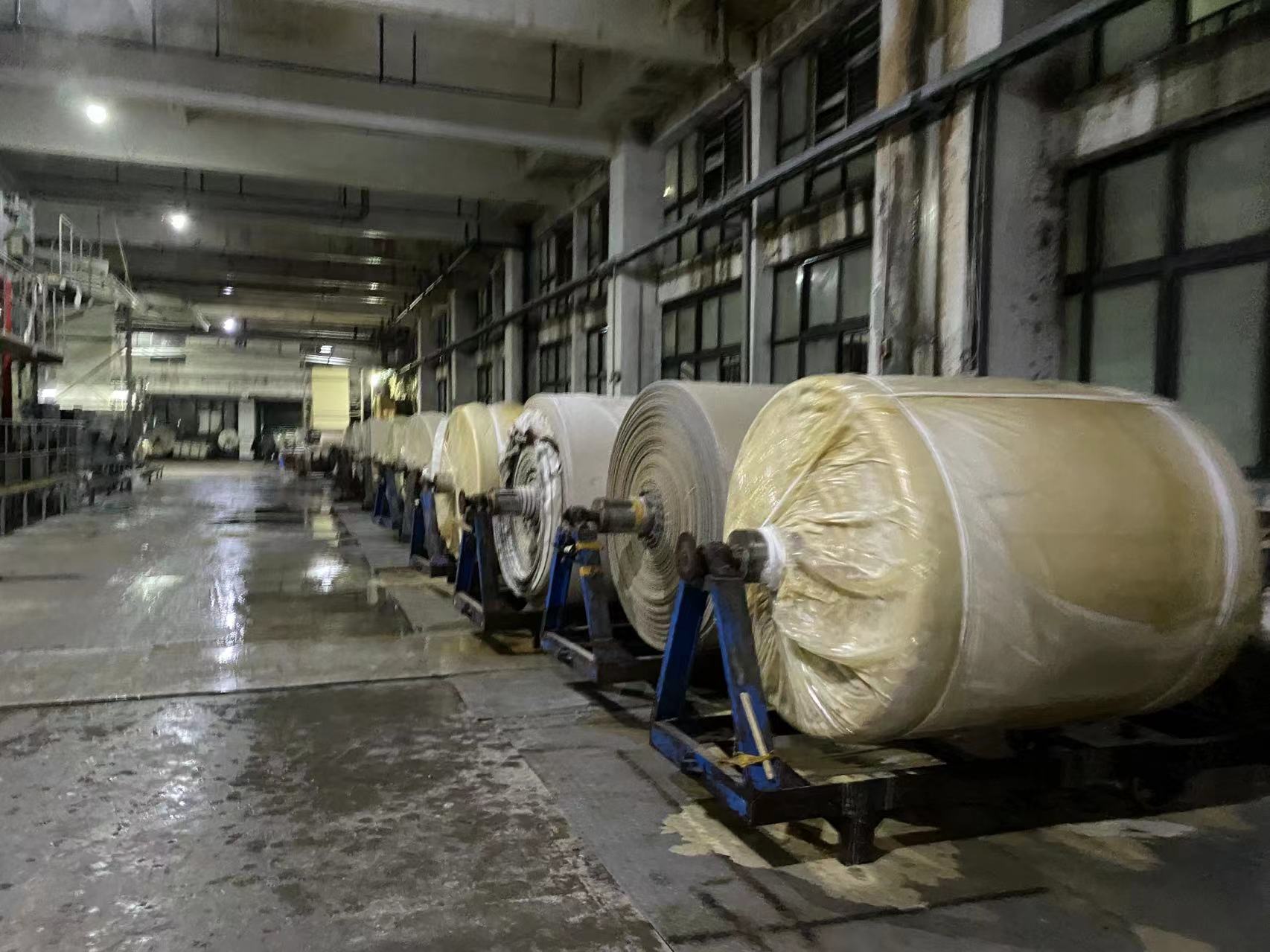
Figure 4. Roll identity and handling connect the preparation stage with colour, finishing and final inspection.
What should buyers check about stage 6: dyeing or printing creates the colour route?
Dyeing adds colour to fibre, yarn, piece fabric or garment depending on the product route. This guide focuses on piece-dyed fabric, but the buyer should confirm which route applies. Printing adds a design to the surface through a process selected for the material, artwork and quantity. Some fabrics combine dyed grounds with printed or coated effects.
Colour approval should use an agreed standard and viewing context. A screen image is not a reliable physical colour standard. Brands may review a lab dip, strike-off, colour swatch, printed proof or sample yardage depending on the route. The buyer should record which proof is approved, under what lighting it was reviewed, and whether the bulk range must be agreed.
The factory controls a recipe, machine conditions, time, temperature, movement, washing and other parameters appropriate to the material. A recipe that works for one fibre or construction should not be copied blindly to another. Shade can also appear different because of surface, lustre, texture and garment construction even when numerical colour data is close.
Dark shades, saturated colours, pale neutrals, optical whites and printed grounds can each present different practical questions. The brand should state the target, but the mill should explain which evidence is required before bulk. Any fastness or restricted-substance testing should be confirmed against the target market and programme; it should not be invented as a universal promise.
The supplied dyeing video documents the partner factory’s active wet-processing environment. Because the still thumbnail does not clearly identify a specific machine, this article uses it as process evidence rather than naming unsupported equipment or chemistry.
What should buyers check about stage 7: washing, rinsing, neutralising and drying stabilise the result?
After colour or chemical treatment, fabric may need washing, rinsing, neutralising and drying. The precise sequence depends on the material and process. These stages remove residues, help stabilise the result and prepare the fabric for finishing or inspection.
Water, mechanical action, temperature and tension can affect fabric dimensions and handfeel. Drying route can influence width, surface and shrinkage. A soft knitted fabric and a stable woven do not necessarily use the same conditions. The factory should control the process around the intended finished specification.
Buyers should compare development and bulk evidence carefully. A hand-cut swatch dried differently from bulk fabric may not predict the final handfeel or width. Sample yardage is more useful when it follows a route sufficiently close to the planned production process.
What should buyers check about stage 8: setting and width control support garment consistency?
Heat setting or stentering can help control width, dimensional stability, surface and finish, especially for synthetic or blended fabrics and other routes where heat and tension are relevant. The process holds fabric across a controlled width while temperature, speed and overfeed are adjusted for the intended result.
The supplied setting image shows wide fabric moving through finishing equipment and being wound into a roll. It demonstrates why finished width is a production variable, not merely a number copied from an early swatch. Width influences marker efficiency, garment consumption, panel placement and cost.
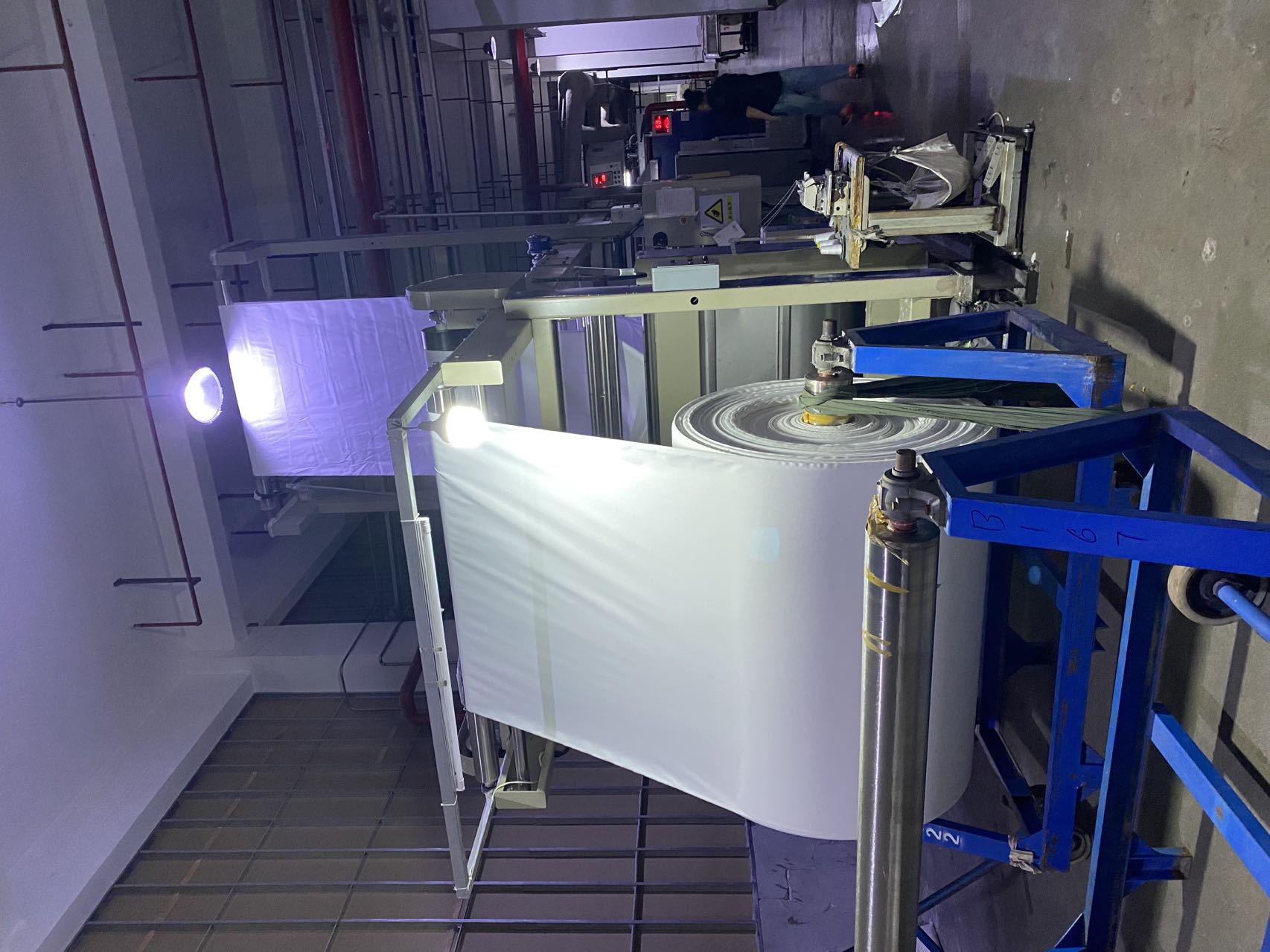
Figure 5. Setting helps establish the finished width and dimensional condition used for garment planning.
Tension must be appropriate. Excessive tension can create a fabric that later relaxes and changes dimensions. Insufficient control can cause width, bow, skew or surface variation. The exact acceptance criteria depend on fabric and garment use. A buyer should ask whether the approved sample and bulk fabric are being compared in a consistent conditioned state.
For active-fashion, fitted knit and performance-oriented products, fabric recovery and dimensional behaviour should be reviewed together with the garment pattern. The active-fashion product route gives a practical context for connecting stretch material, fit, movement, construction and production evidence.
What should buyers check about stage 9: mechanical and chemical finishing create the commercial handfeel?
Finishing can change softness, surface, lustre, compactness, drape, touch, appearance or care behaviour. Mechanical routes may include brushing, raising, sanding, compacting, calendering or other physical treatments. Chemical finishes can be used for programme-specific effects. Not every finish is suitable for every fibre or end use.
The phrase “make it softer” needs a reference. Softness can mean a dry soft hand, smooth hand, peach surface, fluid drape, bulky touch or low-friction feel. Each can require a different combination of construction and finish. A buyer should provide a physical reference when possible and state which characteristics must not be lost, such as recovery, opacity, shape, print clarity or sewability.
Finishing can also change how a fabric behaves during cutting and sewing. A heavily softened woven may move differently on the cutting table. A raised surface may have a direction. A compacted knit may show a different relaxed width. Garment sample review is therefore part of fabric approval, not a separate downstream formality.
Yinshan Fashion can connect the material decision to the casual-fashion collection, where shirts, blouses, tops, skirts and dresses require different combinations of drape, structure, opacity and finish. For sleepwear and homewear, the loungewear programme helps frame softness, comfort, fit, labels and packing as one product decision.
What should buyers check about stage 10: coating and specialist surface treatment add a functional layer?
Coating applies a controlled layer or treatment to one or both sides of a fabric. Depending on the confirmed system, it can change surface appearance, handle, opacity or a programme-specific function. Lamination and film-bonding are related but distinct routes. Buyers should not use these terms interchangeably without the mill confirming the construction.
The supplied partner-factory image is labelled as a coating process and shows fabric moving across rollers through a specialist treatment line. The photograph does not prove a particular chemistry, metal content or performance claim, so this article records it as coating capability rather than making an unsupported statement about the exact treatment.
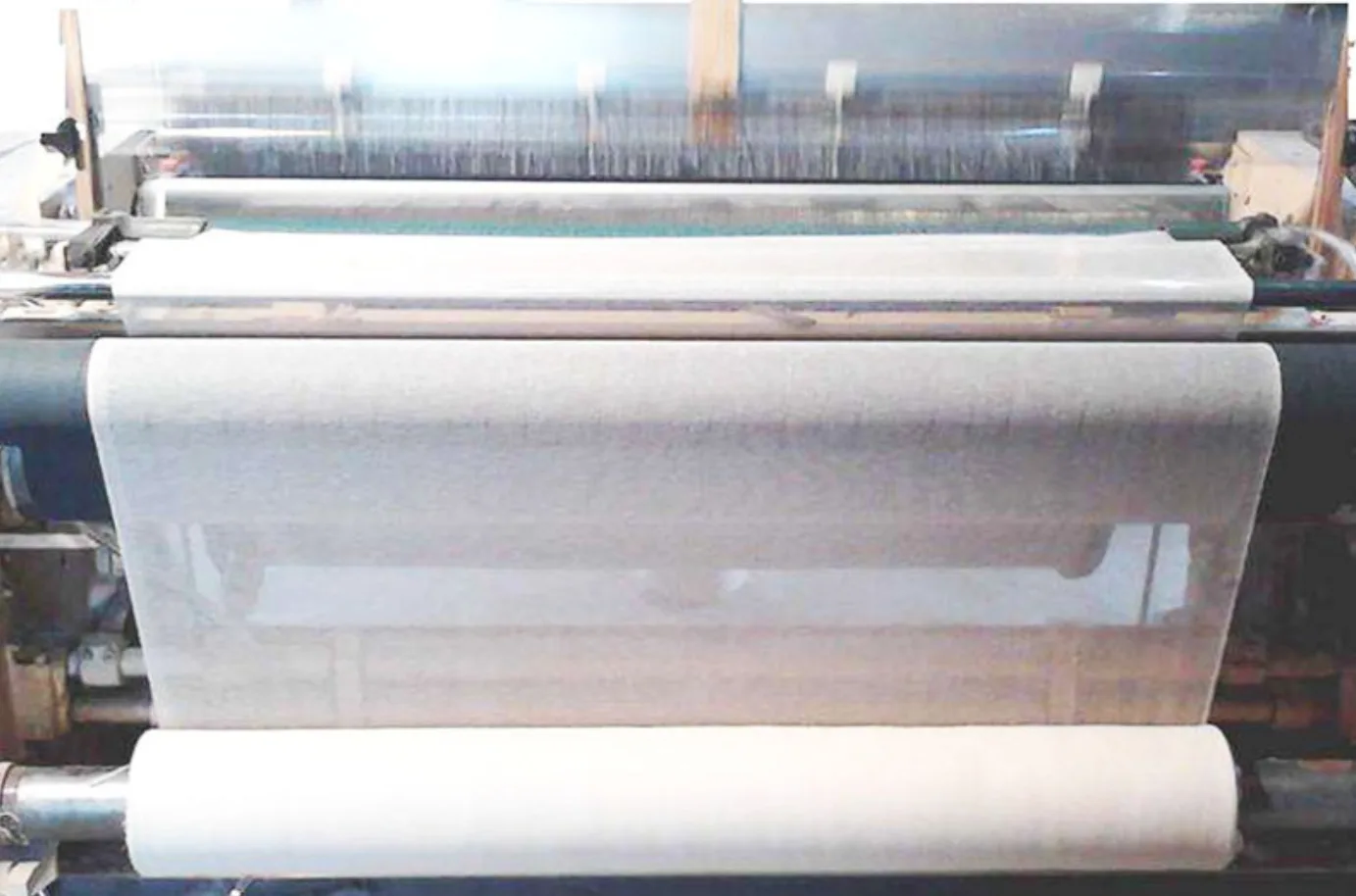
Figure 6. Coating is selected around the intended fabric and garment programme; chemistry and performance require specific confirmation.
Coated fabric may need review for adhesion, surface evenness, flexibility, fold response, colour, width, edge condition and compatibility with cutting, sewing, pressing or bonding. The garment design may need seam, needle, lining or construction adjustments. A sample that proves surface appearance but not garment handling is incomplete.
The partner network used by Yinshan Fashion includes specialist textile producers capable of handling different fabric constructions and processing routes. These factories are selected for mature production capability, process discipline and quality controls within their fields. Final factory allocation depends on the fabric, process, quantity, colour, finish, testing and delivery requirements of the project.
What should buyers check about stage 11: final inspection, roll mapping and release?
Finished fabric should be inspected against the confirmed specification and approval basis. Depending on the programme, checks may include composition documents, construction, weight, usable width, shade, handfeel, surface, defects, bow or skew, dimensional behaviour and other agreed items. Testing scope should be defined rather than assumed.
Inspection should result in a decision. A roll may be accepted, segregated, downgraded, reprocessed where appropriate or held for review. Defect mapping helps the garment factory plan around isolated issues. Shade grouping can help avoid visible variation within one garment or set. Roll identity should remain intact when the fabric moves to cutting.
The buyer benefits from a clear release record: approved standard, fabric code, colour, lot or batch, roll list, quantity, key inspection result, exceptions and decision owner. This record is especially important for repeat orders. A commercial fabric name alone does not confirm that a later lot is identical.
Yinshan Fashion links this fabric release to garment manufacturing, where material identity, pattern, cutting, sewing, finishing, packing and quality control need one controlled handover. The factory sampling guide explains how fabric, pattern, fit comments and sample evidence become a production standard.
How the fabric process changes garment design and fit?
Fabric is part of the pattern. Drape changes fullness, gathers and hem balance. Stretch and recovery change ease and support. Width changes marker planning and consumption. Thickness changes seam bulk. Surface changes feed and pressing. Dimensional behaviour changes finished measurements after relaxation or care.
A designer can preserve the visual intent while adjusting the construction to the material. A soft woven blouse may need a different interfacing and seam route from a crisp shirt. A coated fashion shell may need a different needle, seam allowance or pressing method from an uncoated woven. A brushed knit may need directional cutting. A fluid dress fabric may need hang-time or hem review before the final length is confirmed.
This is why Yinshan Fashion does not separate fabric advice from sample and fit review. The development question is not only “Is this fabric attractive?” It is “Does this fabric create the intended garment, and can the approved result be repeated through production?”
What should buyers check about fabric production process table for fashion buyers?
| Stage | What the factory controls | What the buyer should approve | |---|---|---| | Fibre and yarn | Input identity, yarn construction and lot planning | Composition direction, required evidence and garment behaviour | | Weaving or knitting | Structure, tension, density and defect monitoring | Surface, drape, stretch, opacity and construction | | Preparation | Singeing, desizing, refining, washing and bleaching as applicable | Clean base, handfeel and suitability for colour route | | Colour | Dye or print recipe, process conditions and washing | Colour standard, print proof, shade range and appearance | | Setting and finishing | Width, tension, dimensional condition and handfeel | Finished width, touch, drape, recovery and sample result | | Coating | Application, surface consistency and cure route | Appearance, flexibility, garment handling and specific evidence | | Inspection | Roll identity, shade, defects and agreed tests | Release decision, exceptions and repeat-order record |
What should buyers check about buyer checklist before approving bulk fabric?
- Garment use: name the exact product, silhouette, season, market and wear context.
- Material identity: record composition direction, construction, weight or reference, colour and finish.
- Behaviour: define drape, structure, stretch, recovery, opacity, surface and required handfeel.
- Physical proof: approve the relevant swatch, lab dip, strike-off, sample yardage or garment sample.
- Process basis: ask which preparation, colour, setting, finishing or coating route the sample represents.
- Dimensions: confirm finished usable width and any agreed dimensional review.
- Colour: retain the approved standard and define the review route for bulk shade.
- Quality priorities: identify the defects or variations that matter most to the garment.
- Traceability: keep fabric code, lot, batch, roll and approval records connected.
- Garment confirmation: review cutting, sewing, pressing, fit and appearance on the actual product.
- Private label: ensure composition and care information use the confirmed fabric evidence.
- Repeat order: record what remains fixed and what needs reconfirmation for a later lot.
What should buyers check about questions to ask a fashion fabric supplier or factory?
Ask which stage creates the feature you are buying. Is softness coming from yarn, structure, preparation or finish? Is stretch mechanical or supported by fibre content? Is colour created at fibre, yarn, fabric or print stage? Does the coating change sewing or care? Which process conditions are represented by the sample?
Ask what remains provisional. A handloom, small lab dip or development length may not represent every bulk condition. The supplier should identify which evidence is directional and which is a production approval. Ask what change in composition, yarn, construction, colour, finish, width or quantity would require a new review.
Ask how the mill controls exceptions. A professional answer should explain the record and decision route, not promise that variation never occurs. Strict production standards mean defined inputs, controlled settings, inspection, traceability and action when the result moves outside the agreed basis.
What questions do buyers ask most often?
What is the fashion clothing fabric production process?
The fashion clothing fabric production process normally includes material and yarn planning, weaving or knitting, greige inspection, route-specific preparation, dyeing or printing, washing, drying, setting, finishing, inspection and release. Coating or other specialist treatments may be added when the garment programme requires them.
Does every fashion fabric go through singeing, bleaching and coating?
No. Singeing, bleaching and coating are route-specific. The correct sequence depends on fibre, construction, colour, surface, finish and garment use. Buyers should confirm which processes apply to the approved fabric.
Why can two fabrics with the same composition feel different?
Composition is only one input. Yarn, weave or knit, weight, density, preparation, dyeing, mechanical finishing, chemical finishing and setting can all change handfeel, drape, stretch, opacity and surface.
What should a buyer approve before bulk fabric production?
Approve the physical fabric or sample evidence, colour standard, construction, finished behaviour, width or dimensional basis, handfeel, surface, quality priorities, garment result and the records that identify the approved version.
How does Yinshan Fashion work with fabric factories?
Yinshan Fashion coordinates garment requirements with established specialist fabric factories. The team can help translate design, handfeel, drape, stretch, colour, finish and sample needs into a practical sourcing and production discussion. Final factory, process, terms and evidence depend on the confirmed programme.
Can Yinshan Fashion support different fashion fabric categories?
Yinshan Fashion can discuss fabric routes for tops, dresses, skirts, shirts and blouses, sleepwear and homewear, party and club fashion, and active fashion. Suitability must be assessed against the specific design, pattern, fit, care and market requirements.
What should buyers check about next step: connect the fabric process to the garment brief?
A strong fabric process does not begin with a machine list. It begins with the garment the buyer wants to make and ends with a fabric record that the garment factory can use. Send the category, reference or tech pack, target handfeel, composition direction, weight or construction, stretch, opacity, colour, finish, quantity, market, sample purpose and any required evidence.
Yinshan Fashion can help organise those inputs, compare route-specific options and coordinate fabric, sample, pattern and production questions with capable partner factories. Start the discussion through contact Yinshan Fashion.
Fabric production control kit
Three controls that connect the textile mill with the garment
A useful fabric programme defines the garment result, keeps every physical approval linked to the current process route, and releases finished rolls with traceable decisions for cutting and repeat production.
Define the garment result
Translate the product into handfeel, drape, structure, stretch, recovery, opacity, width, colour, surface, finish and care questions before the mill proposes a route.
Control the physical proof
Name whether each swatch, lab dip, strike-off, sample length or garment sample is directional or approved, and record which process conditions it represents.
Release the finished rolls
Keep the approved standard, fabric code, lot, roll identity, shade, inspection result, exceptions and garment-production handover in one traceable record.
Buyer actions and fabric-factory questions before bulk release
Use this checklist to connect the garment brief with the mill route. Exact chemistry, testing, performance, compliance, quantities, terms and timing stay specific to the confirmed programme.
| Decision area | What the buyer should prepare | What to ask the factory |
|---|---|---|
| Garment and material brief | State product category, silhouette, target wearer, handfeel, drape, structure, stretch, opacity, surface, colour, finish, market and sample purpose. | Which fibre, yarn, construction and process route can create the intended garment behaviour, and which points need physical proof? |
| Construction and greige fabric | Review weave or knit, weight direction, density, width, surface and the way the fabric should move or support the pattern. | Which construction points are controlled during weaving or knitting, and how are greige defects, lots and batches identified? |
| Preparation and colour | Identify colour standard, print artwork, required base appearance and any material sensitivity that matters to the garment. | Which singeing, desizing, refining, bleaching, dyeing, printing, washing or drying stages apply, and which approval represents bulk? |
| Setting and finishing | Define usable width, handfeel, drape, surface, stretch, recovery, dimensional priorities and garment-sample observations. | Which setting, mechanical finish or chemical finish creates the approved result, and what change would reopen the review? |
| Coating or specialist treatment | State the intended appearance or function and how the treated material will be cut, sewn, pressed, worn and cared for. | Which treatment is proposed, what evidence applies, and which garment construction or test decisions remain programme-specific? |
| Inspection and handover | Retain the approved standard, fabric code, shade, finished specification, quality priorities, accepted exceptions and repeat-order record. | How are rolls inspected, grouped, mapped and released, and which current record will follow the fabric into garment cutting? |
Continue the production conversation
Fashion clothing fabric production: factory control and buyer approval
| Production stage | Factory control | Buyer approval |
|---|---|---|
| Fibre, yarn and construction | Input identity, yarn, weave or knit, tension and lot planning | Composition direction, surface, drape, stretch and opacity |
| Preparation | Singeing, desizing, refining, washing and bleaching as applicable | Clean base, handfeel and suitability for colour |
| Dyeing or printing | Recipe, process conditions, washing and shade management | Colour standard, print proof and appearance |
| Setting and finishing | Width, tension, dimensional condition, surface and touch | Usable width, handfeel, recovery and garment result |
| Coating or specialist treatment | Application, consistency and programme-specific cure route | Appearance, flexibility, sewing route and supporting evidence |
| Inspection and release | Roll identity, shade, defects, agreed checks and segregation | Release record, exceptions and repeat-order basis |
Buyer FAQs
What is the fashion clothing fabric production process?
The fashion clothing fabric production process normally includes material and yarn planning, weaving or knitting, greige inspection, route-specific preparation, dyeing or printing, washing, drying, setting, finishing, inspection and release. Specialist coating may be added when required.
Does every fashion fabric go through singeing, bleaching and coating?
No. These are route-specific processes. The sequence depends on fibre, construction, colour, finish and garment use, so buyers should confirm which stages apply to the approved fabric.
Why can two fabrics with the same composition feel different?
Yarn, weave or knit, weight, density, preparation, dyeing, mechanical finishing, chemical finishing and setting can all change handfeel, drape, stretch, opacity and surface.
What should a buyer approve before bulk fabric production?
Approve the physical sample evidence, colour standard, construction, finished behaviour, width or dimensional basis, handfeel, surface, garment result, quality priorities and the record identifying the approved version.
How does Yinshan Fashion work with fabric factories?
Yinshan Fashion coordinates garment requirements with established specialist fabric factories and can connect design, handfeel, drape, stretch, colour, finish and sample needs with a practical sourcing and production route.
Can Yinshan Fashion support different fashion fabric categories?
Yinshan Fashion can discuss fabric routes for tops, dresses, skirts, shirts and blouses, sleepwear and homewear, party and club fashion, and active fashion. Final suitability depends on the confirmed garment and market.