Article
What should buyers know first?
Short answer: A practical B2B guide to using deep ocean blue in commercial apparel through a clear navy comparison, fabric and wash review, component coordination, samples, private-label details, and bulk-release records.
What is deep ocean blue in fashion?
Deep ocean blue in fashion is a dark, refined blue direction with more visible color depth than black and a cooler or more dimensional character than an ordinary flat navy. Depending on the fabric and finish, it may read as inky blue, mineral blue, blue-black, blue with a restrained teal cast, or a deep maritime shade. It is useful for dresses, shirts, blouses, knitwear, relaxed tailoring, jersey, outer layers, loungewear, and focused private-label capsules because it can carry a premium, composed look without requiring a bright color story.
For a fashion buyer, the important question is not whether deep ocean blue is “on trend.” It is what the named blue needs to do in the range, how it must differ from existing navy or black products, which fabrics and visible components affect that distinction, and what physical evidence controls the final decision. A screen image can suggest the desired mood. It cannot confirm a dye route, fabric availability, wash result, material performance, price, testing result, or delivery commitment.
Yinshan Fashion supports custom and private-label bulk programmes rather than unrestricted ready-stock wholesale. A useful brief identifies the intended wearer and product category, the target blue direction, fabric behavior, styling role, related shades, construction and decoration, labels and packing, sample objective, quantity structure, destination, and open decisions. Yinshan Fashion can help a buyer turn that information into a practical route for fabric, pattern, sample, component, and bulk-production coordination.
The dependable sequence is to define the deep ocean blue direction, assign it a product role, review it on the selected material route, check it beside exposed components, approve the evidence for a stated scope, and retain that decision through production and repeat orders. That is how a strong blue reference becomes a controlled commercial colorway.
Why should deep ocean blue be defined separately from navy?
Navy is a broad term. It can describe a blue that is nearly black, a clearer traditional uniform blue, a soft washed blue, a violet-leaning dark blue, or a dense indigo direction. Deep ocean blue should not be treated as a universal replacement for all of those interpretations. The buyer needs to explain what makes this program distinct: perhaps more cool depth than an existing navy, more blue visibility in low light, less purple, a more mineral undertone, or a surface that retains dimension after a wash.
Start with a comparison question rather than a vague request for a more premium blue. For example: “Keep the chosen woven darker than our mid-navy reference but clearly blue beside black hardware under neutral light.” That is a reviewable request. “Make the navy more expensive” is not. Record the target undertone, depth, saturation, surface impression, source reference, date, material scope, viewer, and the precise question the next proof must answer.
The distinction becomes more important when a collection already contains navy uniforms, denim, black accessories, or dark outerwear. A blue that separates well on a swatch can collapse into black on a brushed surface, look brighter after a wash, or become too close to a neighboring navy once it sits beside lining, rib, buttons, or a tonal label. Set the desired contrast on the actual product route rather than assuming the color name will solve it.
The apparel color palette planning guide gives buyers a useful way to separate inspiration from controlling references, material-specific proofs, and dated approvals. A physical standard, retained garment, swatch, Lab Dip, strike-off, or approved sample only controls the scope that the buyer has actually named.
How does fabric surface change deep ocean blue?
Deep ocean blue is especially sensitive to surface. Fibre, yarn, weave or knit construction, density, weight, pile, texture, opacity, sheen, dye route, coating, print method, wash, and finishing all influence what a buyer sees. A compact smooth jersey can make the blue look even and direct. A rib knit creates shadow lines that may deepen it. A brushed fleece may soften the surface and reduce visible clarity. A fluid woven can move between darker and lighter readings as the garment shifts. A glossy material can make the same direction appear brighter, while a dry twill may give it a quieter, more structured character.
Begin with the garment function. A shirt may require a clear collar, placket, cuff, button, and pocket relationship. A fitted dress may need the blue to remain legible beside seam shadow, lining, zipper tape, and movement. A lounge set may need a softer hand while retaining enough depth across body fabric and rib. A knit may require review of stretch, recovery, rib texture, and color variation around the neckline or cuffs. The intended product should guide the material route; color alone should not choose the fabric.
The fashion clothing fabric selection guide can help a buyer connect color expectations to drape, coverage, handfeel, construction, components, and sample evidence. If the fabric is still open, treat the named blue as provisional. Ask whether the next proof should be a swatch, Lab Dip, strike-off, component review, or garment sample, and write the question that proof needs to resolve.
What should buyers check when a dark blue garment is washed?
Wash effects can change the perceived depth of dark blue. A garment may look clearer, softer, greyer, more uneven, or more faded after a wash route. Surface brushing or peaching can also change the way light reflects from the fabric. None of these outcomes is automatically good or bad. They need to match the product intent. A casual washed overshirt can use tonal movement intentionally. A polished blouse or uniform-inspired shirt may need a more even appearance.
Before approving a wash route, record the base fabric, target visual result, intended product, reference version, component relationships, and the comparison point. Ask whether the planned effect should keep blue visibility, whether it can create local variation, and how it affects matching rib, thread, print, embroidery, lining, label, or packing components. A washed garment may require an applied sample review because a flat fabric proof cannot demonstrate seam shading, construction effects, or the final silhouette.
Do not treat product photography as the final color standard. Lighting, retouching, backdrop, screen calibration, and nearby colors can make a dark blue appear almost black or far brighter than the physical garment. Use imagery to discuss styling and product mood. Use physical proofs and recorded decisions for the production scope.
Which colors pair well with deep ocean blue apparel?
Deep ocean blue can support a compact, legible palette because it works with high contrast, tonal layering, and warm counterpoints. White, ivory, stone, cool grey, charcoal, soft blue, black, denim-adjacent blue, rust, muted green, and peacock green can all be useful companions when assigned to a specific product relationship. The goal is not to copy a universal palette. It is to decide what the neighboring shade must do: lighten the blue, make its cool undertone visible, create an intentional dark combination, or add a carefully controlled point of contrast.
Ivory can clarify a dark blue shirt collar or a printed element. Stone and grey can create a quieter commercial range. Charcoal and black can add a disciplined dark story but need a physical review so the blue does not disappear. Rust can make deep ocean blue feel warmer and more dimensional when the fabric surfaces keep adequate separation. Peacock green can create a jewel-tone relationship, while muted green provides a calmer counterpoint. The rich rust guide is a useful category reference, but any pairing still needs approval on the actual styles and materials.
Assign color relationships to real components. A white print on a blue jersey has a different exposure from a white care label inside the neckline. A rust lining only appears in motion, while a rust button or bag may be seen immediately. A black zipper tape may read like a deliberate graphic line or may make the blue body look almost black. The style-color-material matrix should describe those decisions before components are ordered.
How can deep ocean blue work across shirts, dresses, and casual fashion?
On shirts and blouses, deep ocean blue can support a crisp collar, soft drape, tailored cuff, tonal button, contrast facing, or an understated print ground. Buyers should confirm how the color behaves at plackets, under pressing, around buttonholes, and beside labels or hangtags. A dark color can make construction look clean, but it can also hide details in photography if the surface and product styling are not considered.
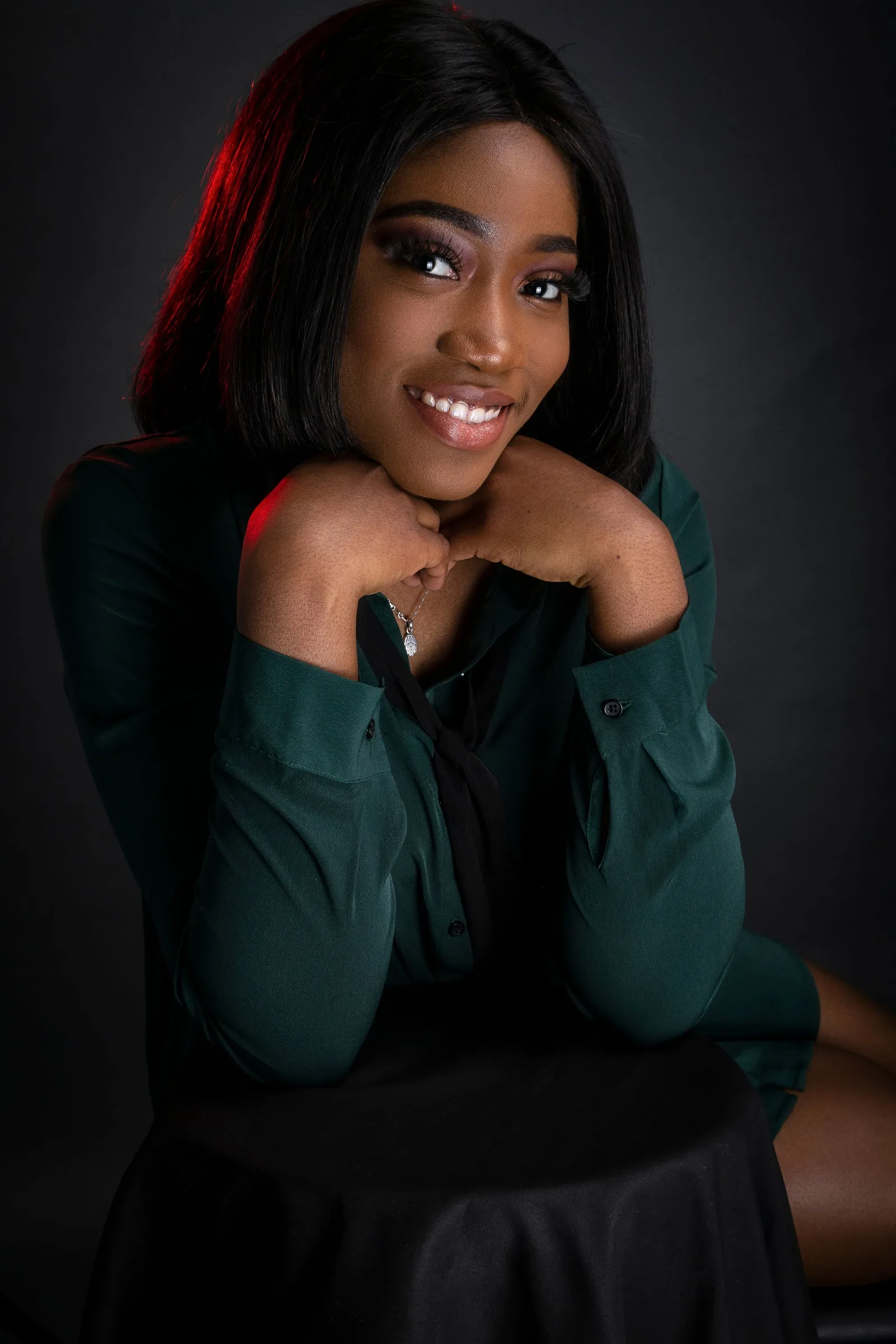
On dresses, deep ocean blue can carry fluid volume, a defined waist, a draped skirt, a structured bodice, or a clean evening direction. Review opacity, lining, seam balance, zipper position, neckline stability, hem movement, and how the blue reads on the full garment. The supporting image in this article is a color-edited dress reference to help frame that question. It is not an approved Yinshan Fashion sample, customer product, or proof of a specific production result.
For casual fashion, the color can anchor jersey tees, sweatshirts, fleece, overshirts, cargos, light outer layers, and loungewear. A buyer can begin with one or two high-exposure body-color routes, then decide whether blue also appears in rib, panels, a small print, embroidery, label, or packing detail. This provides a manageable sample plan. It also makes it easier to identify where exact matching matters and where tonal coordination is enough.
How should trims, prints, labels, and packing support the blue?
The body fabric does not carry the full color result. Thread, zipper tape, buttons, snaps, drawcords, elastic, rib, lining, facings, prints, embroidery, woven labels, heat transfers, hangtags, polybags, carton labels, and product photography all affect how a dark blue route is perceived. Map the most visible elements and assign a relationship: exact match, tonal coordination, neutral support, deliberate contrast, or accepted difference.
For print or embroidery, document the artwork version, ground material, color list, scale, placement, coverage, and next proof. A digital file may show the intended blue relationship but cannot prove the result on a textured knit, a washed jersey, a brushed fabric, or a fluid woven. For a visible trim, record whether a button, zipper, rib, or lining should become a quiet tonal element or an intentional contrast. The more exposed the component, the more important the physical comparison becomes.
Private-label details need the same product context. A white neck label can make the inside of a dark blue garment feel cleaner; a black label can make it feel deeper; a bright hangtag may change product presentation at retail. The private-label page is a practical starting point for labels, care and composition inputs, barcodes, packing, and branded components. Keep the artwork and packing data attached to the current style-color-material version rather than relying on an older sample or photo.
What should a deep ocean blue sample prove before bulk production?
A sample should answer a stated question. For deep ocean blue, that might be whether the chosen base fabric holds the intended cool depth, whether the garment stays distinct from black and standard navy, whether a wash changes the visual direction, whether a lining or rib matches the intended hierarchy, or whether print and embroidery retain their planned contrast. The first sample is evidence for a decision, not just a marketing asset.
Record the proof version, material and trim references, construction route, viewing notes, reviewer, owner, accepted points, remaining questions, and next action. A Lab Dip can provide useful evidence for a color on a specific base fabric. It does not automatically approve a different fabric, wash, print, component, construction route, or full garment. An applied sample may be needed when fit, seam shadow, wash, finishing, or visible components affect the color result.
Yinshan Fashion can coordinate a sample route around the buyer's reference, color role, product category, fabric direction, and approval objective. Yinshan Fashion's team combines design and fabric advice with pattern and sample coordination, and works with long-term cooperative factories drawing on more than 30 years of production experience. That capability is useful when a buyer needs clear evidence and version control, not merely a broad claim that a dark blue can be made.
How should a factory inspect deep ocean blue garments?
Dark colors need an inspection plan that connects appearance with the approved product record. The inspection team should know which reference applies to the named style-color-material route, which areas are most exposed, and what has already been accepted as a tonal relationship or intended wash effect. A deep ocean blue shirt may need particular attention at the collar, placket, buttonholes, cuffs, seams, pocket edges, pressing, labels, and packing presentation. A dress may need attention at lining, zipper insertion, darts, gathers, seam shadow, hem balance, and the way the blue looks across panels under the agreed viewing conditions.
The purpose is not to make a generic promise of perfect sameness. It is to compare the right product against the right reference and record a useful finding. A quality check can ask whether the blue remains visibly distinct from black where the product requires it, whether a washed effect follows the agreed sample direction, whether matching components are appropriate to their assigned role, and whether a high-exposure component has created an unplanned visual break. These questions need the buyer's approved scope. An inspector cannot infer a design decision that was never recorded.
Ask the manufacturer how the approved information travels from development to the factory floor. The answer should show where the fabric and trim references are kept, how sample comments are connected to the current version, how a color or wash question is captured, and who may approve a departure from the stated route. Yinshan Fashion acts as a supplier and manufacturer by connecting a buyer's brief, design and fabric guidance, sample comments, and private-label requirements to the appropriate production coordination. The partner factory should then work from the authorised record instead of a casual image or memory.
Dark color inspection also needs practical viewing discipline. Reflected light, folds, fabric direction, surface texture, and neighboring trims can change how blue is perceived. A single photograph or one dramatic lighting condition is not enough to decide whether a material route is suitable. Keep the check linked to the agreed reference and product context. If a concern emerges after a material, wash, component, or construction change, decide whether the existing approval applies or whether a targeted review is needed before release.
For a buyer, the useful output is a clear exception path. If a component falls outside the intended relationship, if a wash produces more tonal movement than the approved sample, or if the blue no longer separates from black as intended, the team should record the style, material, component, observation, comparison reference, and proposed next action. That turns a visual concern into a decision that can be discussed with the supplier, factory, and buyer rather than a late-stage disagreement.
How should buyers control deep ocean blue in bulk and repeat orders?
Bulk color control is a documented process, not a promise that every garment will look identical under every kind of light. The appropriate checks depend on the product, fabric route, dye or print method, shade depth, construction, visible components, wash, quantity structure, and buyer requirements. Ask where the accepted reference is kept, which style-color-material combinations it controls, when comparison happens, how a finding is recorded, and who can authorise a relevant change.
The release record should connect the style code, working color code or description, fabric and component references, approved proof, construction points that affect appearance, sample comments, labels, packing, quantity structure, quality priorities, accepted exceptions, and authorised changes. The document does not need to become oversized. It needs to make the approved version usable for the teams responsible for cutting, sewing, finishing, inspection, packing, and export preparation.
For a repeat order, begin with a difference list. Check what remains the same and what has changed: fabric availability, yarn or base, finish, dye route, wash, print, trim source, lining, label package, packing route, size mix, destination, or quality priorities. A prior sample is useful history but is not automatic approval for a changed route. This approach gives the buyer, supplier, manufacturer, and factory a shared basis for the next decision.
How should product photography support the color discussion?
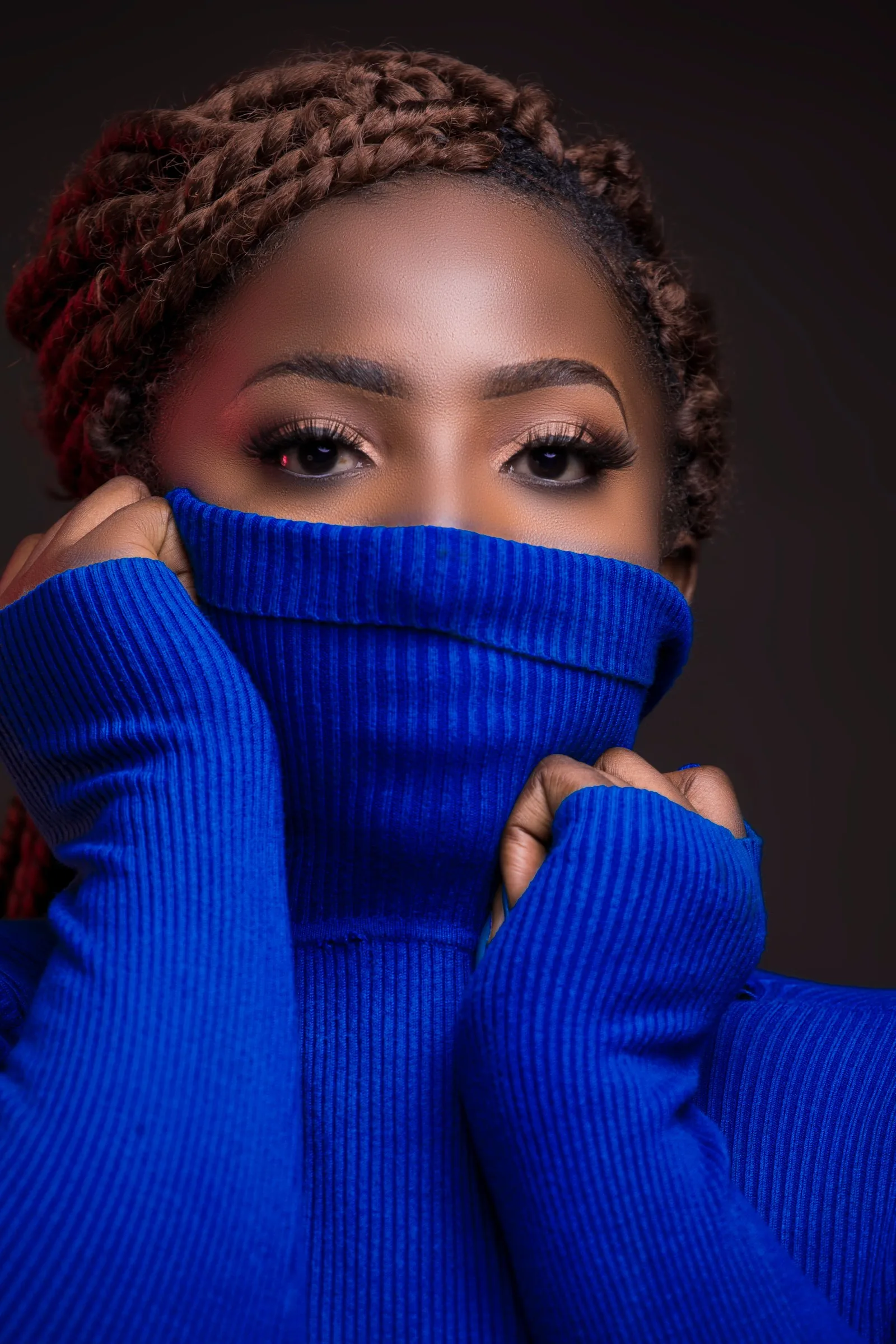
Product photography can help a buyer see silhouette, styling, texture, scale, and the relationship between deep ocean blue and nearby colors. It cannot replace the proof that controls a bulk decision. Make the intended photo use explicit. A hero image may show that a rib-knit blue has depth, while a supporting dress image may show how a deep blue garment can appear against an interior setting. Neither image tells the factory the dye route, approved fabric, final trim selection, or production tolerance.
The hero image for this article is a user-provided fashion photo selected as a deep-blue knit reference. The supporting image is a user-provided dress photo with only the dress color edited to deep ocean blue. Neither image contains a visible watermark. The edit does not invent a Yinshan Fashion facility, customer, product programme, or sample result; it is a visual aid for the color-development discussion. Production decisions remain controlled by the agreed physical proofs and project records.
What should buyers check about buyer checklist for a deep ocean blue apparel collection?
Before development moves forward, a buyer should be able to answer practical questions. What does deep ocean blue mean relative to existing navy and black? Which styles and fabric routes carry it? What surface and wash direction is intended? Which components need matching, coordination, or contrast? Which proof must answer which question? Who owns approval, and what change reopens it? A clear answer prevents the color name from becoming a substitute for a production decision.
For a custom programme, send the strongest available reference, intended product categories, target customer, fabric direction or required behavior, color role, adjacent shades, construction or decoration details, private-label needs, sample purpose, quantity assumptions, destination, and open questions. Yinshan Fashion can then advise on a project-specific development path. The goal is not to promise a generic blue. It is to give the buyer a controlled route from reference to sample, approved product, and bulk-ready record.

Deep ocean blue development kit
Three controls that make deep ocean blue a dependable apparel colorway
Deep ocean blue becomes a reliable collection choice when the buyer defines its relationship with navy, reviews it on the actual material route, and keeps one precise approval record for each style-color-material combination.
Define the blue direction
Record whether the target should feel inky, mineral, teal-tinted, blackened, matte, or luminous, plus its product role and the visible contrast it must retain.
Review the material route
Assess deep ocean blue on the selected fabric, finish, wash, lining, rib, thread, closure, print, label, and packing relationship instead of approving a screen image alone.
Keep a controlled release
Retain the accepted reference, proof version, style-material scope, component choices, review comments, exceptions, and authorised changes in the bulk record.
Buyer actions and factory questions before deep ocean blue moves into a bulk apparel programme
Use one versioned record to connect the intended blue direction with material behavior, palette partners, components, samples, private-label details, packing, quantities, and approval scope. Material availability, commercial terms, testing, timing, and production routing remain programme-specific.
| Decision area | What the buyer should prepare | What to ask the factory |
|---|---|---|
| Color direction and role | State the target depth, undertone, visual reference, product categories, whether blue is a body color or accent, adjacent shades, decision owner, and open questions. | How does this target differ from the buyer's existing navy, and which style-material routes need the earliest proof? |
| Fabric and surface | Name the proposed fibre route, construction, texture, weight, sheen, opacity, wash, print, coating, lining relationship, and desired surface impression. | How can the chosen material make the blue appear blacker, greener, brighter, duller, uneven, or less distinct from navy? |
| Palette and components | Map white, stone, grey, rust, green, thread, rib, lining, buttons, labels, prints, and packing details to exact match, tonal coordination, contrast, or an accepted difference. | Which visible components need a physical comparison or separate proof before the garment sample is approved? |
| Sample objective | Identify the proof version, material base, reviewer, viewing conditions, requested adjustment, decision owner, and the one product question the next proof must answer. | Does the route need a swatch, Lab Dip, strike-off, trim review, applied garment sample, wash review, or broader size check? |
| Private-label finish | Specify label artwork, care and composition wording, hangtags, barcode fields, folding or hanging route, protective packing, and color-sensitive presentation details. | Which branding or packing component changes the perceived depth of the blue and needs review on the physical product? |
| Bulk and repeat release | Retain the approved style-color-material map, fabric and trim references, proof evidence, construction points, quality priorities, quantities, exceptions, and authorised changes. | Where is the controlling record stored, and which fabric, wash, component, or packing change requires a new buyer decision? |
Continue the production conversation
Deep ocean blue decisions from reference to bulk release
| Stage | Buyer decision | What to review | Production record |
|---|---|---|---|
| Color definition | Differentiate deep ocean blue from existing navy and black | Undertone, depth, surface, visual reference, product role, and intended contrast | Dated color brief, reference purpose, style-material scope, and open-question list |
| Material route | Choose a fabric and finish that support the intended blue | Texture, sheen, opacity, drape, recovery, dye or print route, wash, lining, rib, and component relationship | Fabric and component references with the stated proof objective |
| Sample evidence | Confirm the blue on the intended garment route | Full-garment depth, wash result, seam shadow, construction, components, labels, and presentation | Proof version, viewer notes, approval wording, remaining question, and next action |
| Bulk and repeat | Release the approved version and control later changes | Style-color-material mapping, quality priorities, labels, packing, quantities, exceptions, and change triggers | Production pack with controlling references and authorised changes |
Buyer FAQs
What is deep ocean blue in fashion?
Deep ocean blue is a dark apparel blue that can feel inky, mineral, blue-black, or cool with a restrained teal cast. Define its undertone, depth, surface, product role, and relationship with existing navy and black rather than relying on the name alone.
How is deep ocean blue different from navy?
Navy is a broad category, while deep ocean blue should be defined by a named visual goal. It may have more cool depth, more visible blue beside black, less purple, a more mineral character, or a different surface response. Review the distinction on the actual material and garment route.
Why can deep ocean blue look different after washing?
The base fabric, dye or print route, finishing, abrasion, brushing, and wash can change depth, evenness, brightness, and the relationship with components. Treat the wash result as a product-specific review rather than assuming a flat swatch proves the final garment.
Which colors work with deep ocean blue apparel?
White, ivory, stone, grey, charcoal, black, soft blue, rust, muted green, and peacock green can work when assigned to a specific garment or component relationship. Define the intended ratio, fabric surfaces, exposure, and approval scope before treating a pairing as final.
What should buyers send Yinshan Fashion for a deep ocean blue apparel project?
Send the visual reference, intended color role, products, fabric direction or open material questions, wash or finish expectations, components, decoration, private-label needs, sample objective, quantity assumptions, target market, and the decisions where advice is needed. Yinshan Fashion can then discuss a custom and private-label bulk development route for that scope.