
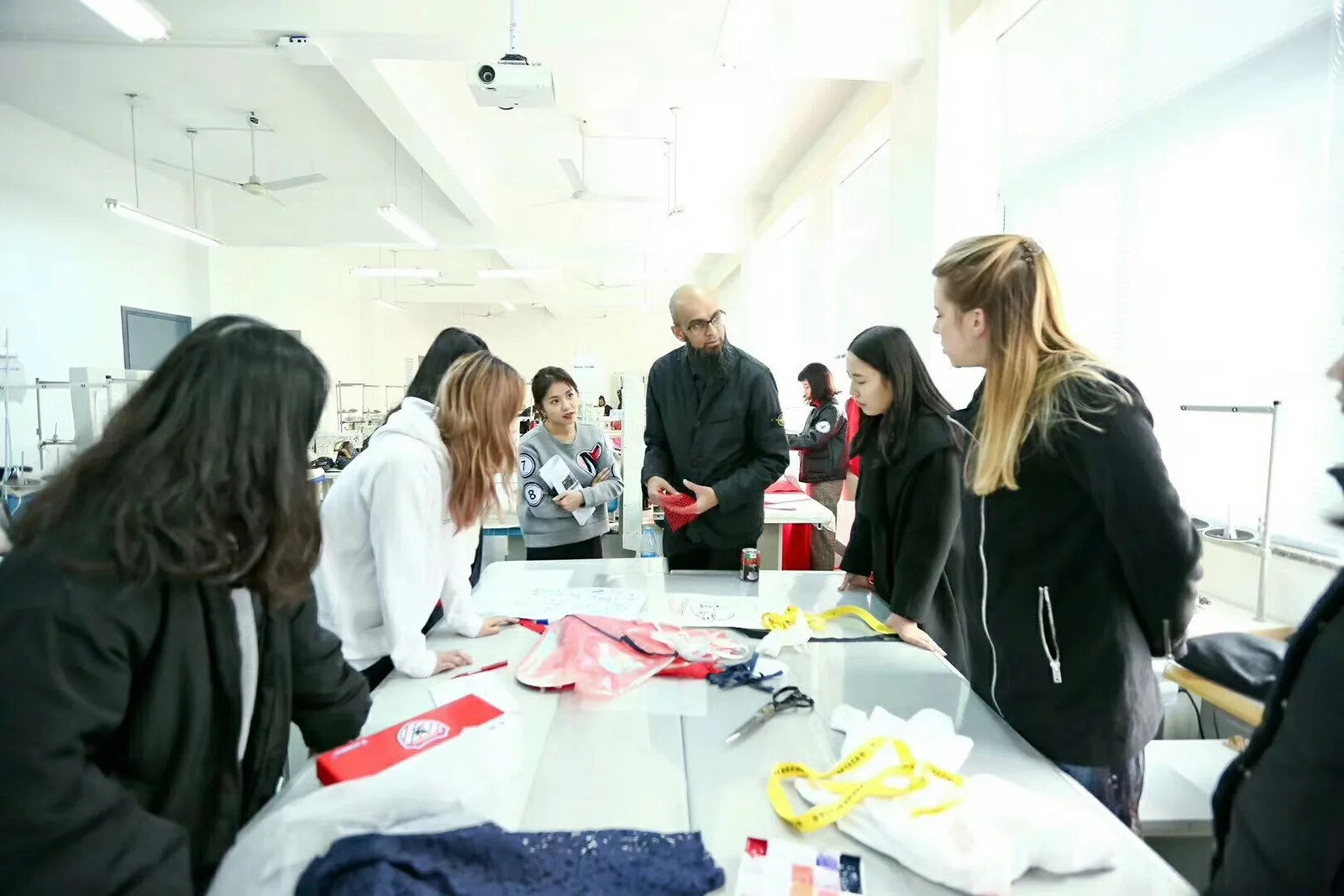
Article
What should buyers know first?
Short answer: A practical guide to turning a fashion sample into a usable production reference, covering fabric, fit, trims, QC, packing, and controlled release to bulk.
Editorial source: Yinshan Fashion’s product-development team. This guide reflects the buyer decisions that connect sampling, materials, production, QC, and packing; final requirements remain project specific.
A sample becomes a bulk reference only when the people who cut, sew, inspect, and pack the order can identify exactly what was approved. Fashion sample approval should therefore close the fabric and colour evidence, fit comments, construction, trims, artwork, finishing, labels, packing, and any still-open conditions in one usable record. The record cannot remove every project variable, but it stops a one-off development garment from being treated as a complete production instruction.
Editorial source: Yinshan Fashion’s product-development team. This guide reflects the buyer decisions that connect sampling, materials, production, QC, and packing; final requirements remain project specific.
Why an approved sample can still differ from bulk production?
Buyers sometimes treat sample approval as a simple yes-or-no decision. In practice, it is a handoff. A sample room may make one garment with carefully selected materials and direct attention from a technician. Bulk production requires the same decisions to be understood by people handling fabric, cutting, sewing, finishing, inspection, and packing.
If the approval message says only “looks good,” the production team may not know which details are fixed and which were merely acceptable on that one sample. A waistband may have been accepted provisionally. The fabric may have been a development yardage rather than the approved bulk lot. A print position may look centered on a mannequin but lack a measurable placement point. Those gaps can become visible variation when a style is cut and sewn at scale.
The goal is not to demand a broad promise of “perfect consistency.” Apparel involves material and process variables. The goal is to agree on a usable standard, identify open points before production starts, and make the approved reference available at the checkpoints where it matters.
How should buyers start by defining which sample is being approved?
“Sample” can mean several different things. Confusion usually starts when buyer and factory use the same word for different stages.
A fit sample is used to assess silhouette, balance, and key measurements. A size set checks how the pattern grades across sizes. A pre-production sample, often called a PP sample, is the reference made after the important materials and details have been confirmed for the production route. The actual sequence depends on the style, fabric, trims, and amount of development needed.
Before approving anything for bulk, ask one direct question: *What exactly does this sample represent, and which items are still pending?* If it uses substitute fabric, temporary labels, an unconfirmed color, or unfinished packaging, document that clearly. Do not allow a presentation sample to become an implied bulk standard by accident.
For a new style, the buyer should also identify the controlling reference: the physical approved sample, a signed measurement specification, an approved comment sheet, or a combination of these. A physical sample is useful, but written records explain the details that are not visible or cannot be measured from the garment alone.
What should buyers check about approve the material standard, not only the garment appearance?
Fabric is one of the main reasons a bulk garment can feel or fit different from a sample. Composition, weight, stretch, recovery, surface texture, shrinkage behavior, and color can all affect the final result. A blouse can hang differently when its fabric changes; a jersey top can become shorter after wash treatment if shrinkage was not considered; a stretch style can fit differently if recovery changes.
At approval, record the fabric identity in practical terms: supplier or internal reference if available, composition, construction, color reference, hand feel, and any agreed observations about weight, stretch, or finish. A swatch or approved bulk fabric header can be more useful than a generic phrase such as “same quality.” For color, the relevant reference may be a lab dip, color standard, or bulk fabric submission. The suitable route depends on the fabric and dyeing method.
Trims need the same discipline. Buttons, zippers, elastics, drawcords, labels, thread, embroidery backing, and packaging accessories can change the garment’s look or performance. Confirm the correct trim sample, placement, color, size, and approved artwork version. Buyers planning special fabrics or components can use fabric manufacture and sourcing support to structure the material discussion before the production handoff.
What should buyers check about turn fit comments into measurable production instructions?
A fit review is where visual feedback must become production language. “Make the sleeve a little shorter” is hard to execute consistently. “Reduce finished sleeve length by 1 cm from shoulder seam to cuff edge in the approved size, then update the grading rule” gives the team something that can be checked.
The approval pack should identify the base size, measurement points, tolerances where relevant, and final pattern or specification version. A measurement point is a defined location on a garment—such as chest width measured one centimetre below the armhole—not just a label like “body width.” Clear points allow the buyer and QC team to discuss the same feature.
Fit is not only a list of numbers. Review balance, ease, collar shape, shoulder position, rise, pocket position, seam allowance effects, hem behavior, and how the garment behaves in its intended use. For active or stretch styles, movement and recovery may need a project-specific review. For washed or garment-dyed styles, the sequence of washing and measurement approval should also be clear.
The product’s intended category helps set the right review priorities. A buyer can compare Yinshan Fashion’s product directions before deciding whether the sample review needs to focus most closely on stretch, drape, wash effect, decoration, or soft next-to-skin comfort.
When comments change the pattern, ask for confirmation that the revised pattern and size grading, where applicable, are the versions that will be used for production. This protects against an outdated sample-room version being used after the buyer has approved a revision.
How should buyers build one production approval pack before cutting begins?
The most useful approval is a controlled pack, not a trail of emails and marked-up photographs. It does not need to be complicated, but it should consolidate the current truth for the style. The factory and buyer should both be able to identify its version and see whether each point is approved, changed, or still open.
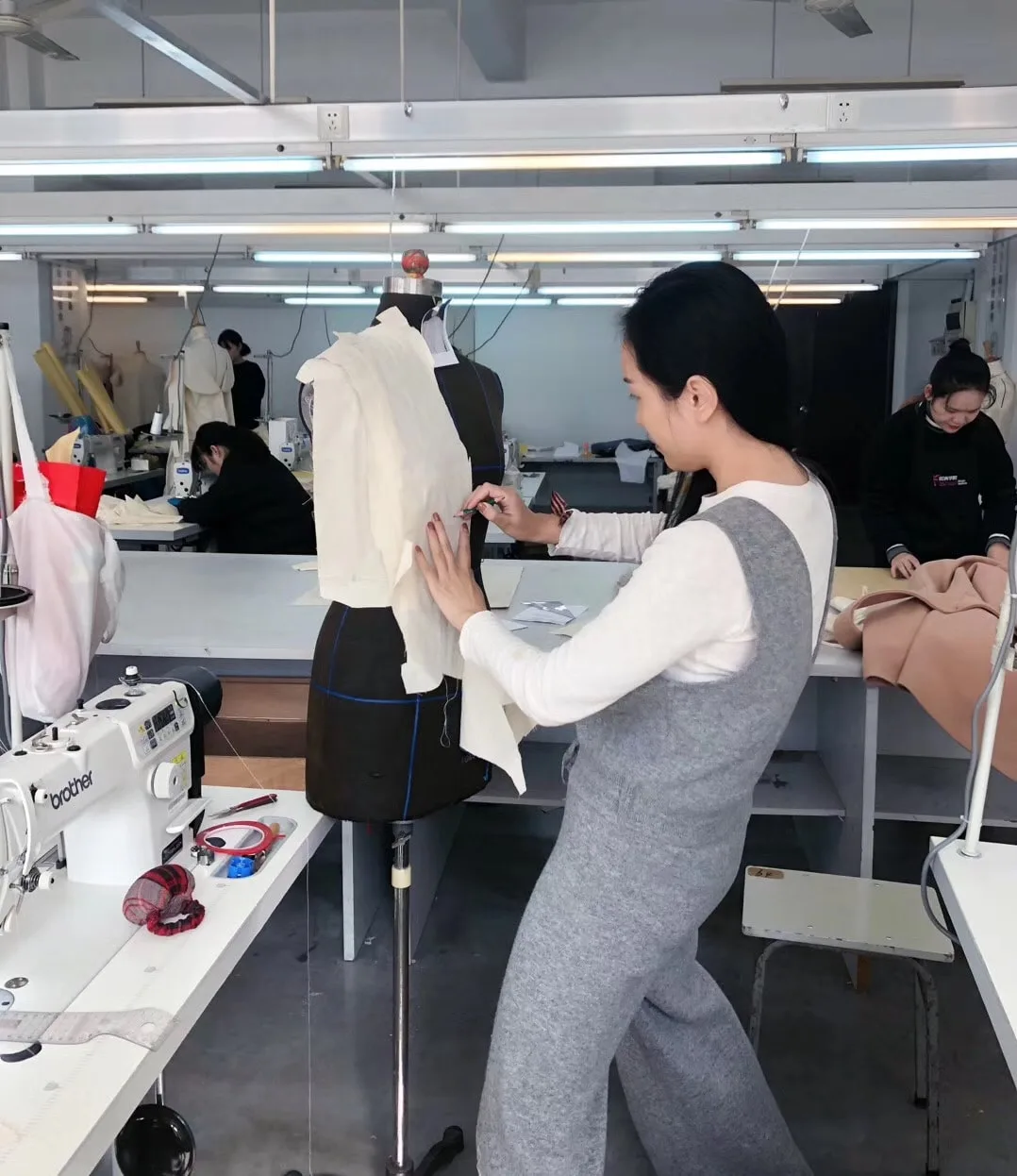
Use the following pre-production checklist as a working starting point:
- Identify the approved sample, revision date, style name or code, and base size.
- Confirm the final measurement specification, pattern-related changes, and grade rules if a size set is required.
- Attach or reference approved bulk fabric, color, trims, labels, artwork, and decoration placement.
- Describe construction and finishing details that need to be repeated, including seam type, stitch appearance, wash effect, or pressing expectation where relevant.
- Confirm the packing method, folding, polybag or other protective packing, hangtags, barcode needs, carton marks, and assortment instructions as applicable.
- List the QC checkpoints and any buyer-specified inspection, testing, or destination requirements that still need project confirmation.
- Close open points in writing before bulk cutting; if an exception is accepted, state precisely what is accepted and why.
| Control area | What the buyer should approve | Risk if it remains vague | Evidence to keep | | --- | --- | --- | --- | | Sample reference | Exact version, date, style, and base size | Team uses a superseded sample | Signed sample tag or approval record | | Fabric and color | Bulk-quality reference, color standard, and key hand-feel expectations | Drape, shade, or shrinkage differs | Swatch, bulk header, lab-dip or color approval | | Fit and measurements | Measurement points, changes, and relevant tolerances | Inconsistent fit or grading disputes | Final spec sheet and comment closure | | Construction and decoration | Stitching, seams, print or embroidery placement, and finish | Details vary across operators or batches | Annotated photos and approved artwork | | Trims and labels | Component, color, size, placement, and artwork version | Wrong component or branding detail | Trim card, label artwork, placement sheet | | QC and packing | Inspection focus, fold method, units per carton, and marks | Late discovery of retail or shipment issues | QC plan and packing standard |
What should buyers check about link the sample to production and QC checkpoints?
The PP sample should be a reference at the start of production, not an item that disappears after approval. Before bulk cutting, the team needs to see the approved material route, pattern/specification, and outstanding production notes. During sewing, in-line checks can compare workmanship, measurements, and appearance with the agreed standard. At finishing and packing, the same reference clarifies details such as pressing, fold presentation, labels, hangtags, and carton marking.
This is especially important when a garment moves through several handoffs. An overhead hanging-line workflow, for example, can help organize garment movement through operations, but the workflow only supports consistency when the production instructions are complete. Clear records matter more than a generic statement that a factory has quality control.
Ask the factory which checks occur before cutting, during sewing, before finishing, and before packing. The answer should reflect the style’s real risks. A printed streetwear piece may need close attention to artwork placement and shade; a tailored blouse may require more focus on fit balance, seam appearance, and button placement; a soft loungewear set may need its fabric hand feel, elastic, and packing presentation reviewed carefully. See the broader fashion production process for how sampling, production, quality control, packing, and export coordination connect.
What should buyers check about give every approval a clear owner, version, and decision date?
An approval pack works only when people can tell which decision is current. A buyer may send comments through a product manager, designer, merchandiser, or sourcing colleague, while the factory may involve the sample room, fabric team, production planner, QC team, and packing coordinator. That is normal. The risk is that each person keeps a slightly different version of the same decision.
Use a simple control sheet for the style. It can be part of the tech pack, a shared PDF, or a project tracker. The important points are practical: a style name or code, the sample type, revision number, date, person responsible for the buyer decision, person responsible for factory follow-up, and a status for each open item. A status such as “approved subject to bulk fabric confirmation” is more useful than a broad “approved,” because it tells the team exactly what cannot yet be released.
Photos are helpful evidence, but they should be anchored to a reference point. A close-up image of a pocket, print, elastic, or label should show the garment version and describe the relevant placement, dimension, colour, or construction decision. Otherwise, a later reader may know that a photo exists but not whether it replaced an earlier instruction. When annotation is needed, keep the annotation and its date with the approved file rather than relying on a chat screenshot alone.
The buyer should also agree how exceptions are escalated. If a bulk material, trim, or artwork file does not match the approved reference, the team needs a named route for pausing, reviewing evidence, and recording the decision. This does not mean every small question needs a formal meeting. It means the factory should not silently choose between two plausible versions, and the buyer should not assume that a casual message reaches every production checkpoint.
For multi-style collections, keep one approval pack per style and a separate collection-level file for rules shared across styles, such as brand label artwork, hangtag format, carton mark format, or a common packing instruction. Mixing a collection-wide requirement into one style’s comments can cause it to be missed by another style. Conversely, applying a style-specific seam or measurement note to the whole collection can create unnecessary rework.
Before cutting, perform a short release review. Confirm that the current pack identifies the physical reference, the final measurement and material evidence, the responsible contacts, unresolved issues, and the date on which production may proceed. If an item is still open, decide whether it genuinely blocks cutting or can be handled later without changing the garment. This distinction is project-specific, but making it explicitly prevents an open point from being mistaken for an approved detail.
Keep the release review proportionate to the style. A simple jersey tee and a multi-component outerwear style do not need the same number of checkpoints, but both need a shared answer to the same basic questions: what is approved, what remains conditional, who may resolve a difference, and where the final decision is recorded. This keeps the process usable for a first order as well as a larger programme.
The release record should be readable without oral context. A new merchandiser, production supervisor, or QC colleague should be able to open it and identify the latest approved reference without reconstructing the project from email threads. That practical test often reveals missing version numbers, unclear attachments, or decisions that were made verbally but never captured for the next handoff.
Where a physical sample is retained, identify its storage location and attach a clear tag with the style, colourway, base size, sample stage, and approval version. The physical garment and the digital pack should point to each other. If the buyer keeps the approved sample and the factory keeps only photographs, confirm which material, trim, construction, and measurement evidence the factory will use during production. A photograph cannot always show the reverse side of a seam, the stretch of an elastic, the weight of a fabric, or the finish of a label.
This record is also useful when responsibilities change during a programme. A buyer’s new product manager should not have to reinterpret a supplier’s shorthand, and a new factory contact should not have to infer whether an old comment was superseded. Clear identification turns the approval pack into a working production reference rather than an archive of development conversations.
For repeat orders, begin with the same control sheet rather than assuming the previous order is an automatic copy. Compare the requested colourways, fabric availability, artwork, label files, packing, quantity split, target market, and requested delivery window with the retained record. If all are unchanged, the record provides a useful starting point. If one has changed, identify the connected approvals that need to be revisited before the repeat enters production.
What should buyers check about separate approval to proceed from release to cut?
An approval can be real without being a release to start every production activity. This distinction helps teams avoid turning a conditionally accepted sample into an instruction to cut fabric before its remaining dependencies are resolved. For example, a buyer may approve the overall fit and construction while waiting for a final bulk fabric header, a lab-dip decision, revised label artwork, or a market-specific packing confirmation. Those are useful decisions, but they do not all carry the same production consequence.
Use clear status language in the approval pack. `Approved for fit` means the measurement and silhouette decision is closed for the stated sample version. `Approved subject to bulk fabric confirmation` means the style cannot be treated as fully released until the identified material reference is reviewed. `Approved for sampling only` confirms a development direction but does not establish the production standard. `Released to cut` should be reserved for the point at which the buyer and factory agree that the material, specification, controlled exceptions, and relevant decision owners are sufficiently clear for cutting to begin.
The exact sequence depends on the project. A stock-fabric, simple jersey style may move from an approved PP sample to cutting with a shorter release review than a garment using custom dyeing, print placement, several trims, garment washing, or retail-specific packing. The important point is not to impose one universal route. It is to make the current status visible, name the evidence behind it, and identify what would block the next step.
This separation also makes issue management calmer. If a late question concerns a hangtag or carton mark that does not alter the garment, the team can decide whether sewing may continue while that point is closed. If the question concerns fabric shade, elastic recovery, pattern grading, or decoration placement, it may affect the product reference and need review before or during a different checkpoint. The approval record should show both the decision and its scope: which style, colourway, size range, production stage, and order quantity it applies to.
For the buyer, a release review is an opportunity to ask one practical question: *If a new production or QC colleague opened this file today, could they tell whether cutting is allowed and which conditions still apply?* If the answer is unclear, the project has not yet received a usable production handoff. Closing that gap before bulk begins is usually less costly than trying to reconstruct the decision after material has been cut or labels have been applied.
What should buyers check about prevent late changes from breaking the approved standard?
Late changes are not always avoidable. A trim may become unavailable, a fabric lot may need a decision, or a buyer may update label artwork. The risk comes from treating a change as a small message rather than a new controlled decision.
When something changes after approval, identify what else it affects. A new zipper may alter color matching and zipper tape length. A fabric substitution may affect fit, shrinkage, sewing settings, care instructions, and cost. A changed hangtag can affect packing and carton count. Record the change, approve the revised evidence when needed, and confirm whether it applies to all units, a specific colorway, or a future repeat order.
The same principle applies to buyer comments. Consolidate them in one current document, rather than relying on several email threads with conflicting annotations. The factory needs one final instruction; the buyer needs confidence that all agreed comments were closed before production moves too far ahead.
What should buyers check about questions to ask before releasing bulk production?
This short question set can reveal whether the sample-to-bulk handoff is ready:
- Which physical sample and document versions are the production reference?
- Does the sample use the intended bulk fabric, color, trims, labels, and artwork—or what is still conditional?
- Which fit comments changed measurements, pattern, or grading, and are they shown in the final specification?
- What will be checked before cutting, during production, at final inspection, and during packing?
- What information is needed to confirm buyer-specific quality, testing, retail, or destination-market requirements?
- How will approved material, color, trim, and packing records be retained for a repeat order?
A clear answer to these questions is more useful than a general assurance. It gives the buyer a way to inspect the handoff and gives the production team a practical reference for making the style repeatedly.
How Yinshan Fashion can support a controlled handoff?
Yinshan Fashion is a fashion apparel manufacturing partner in Ningbo, China. For projects that fit its product-development scope, the team can discuss fabric manufacture and sourcing, sampling, OEM or ODM development, hanging-line production, QC, private-label details, packing, and export coordination.
For sample-to-bulk consistency, the useful starting point is not a generic quality claim. It is a review of the product brief, intended fabric and color, reference sample or tech pack, measurements, trims, decoration, quantity plan, packing needs, and target timing. From there, the right approval route may include fit samples, material submissions, a PP sample, comment closure, and production-specific QC checkpoints. Details such as MOQ, price, production timing, testing, and availability depend on the project and should be confirmed directly.
Buyers who want to evaluate production controls more broadly can review Yinshan Fashion’s fashion manufacturing capability alongside the style-specific discussion.
What should buyers do next?
Before asking a factory to begin bulk production, consolidate the approved sample, final specifications, material references, trims, packing details, and open questions into one controlled handoff. To discuss a specific style, share your fashion product brief with your tech pack or reference images, fabric direction, colorways, expected quantity, packing needs, target market, and target timing.
Sample-to-bulk handover
Three records that turn an approved sample into a usable bulk reference
A physical sample only helps bulk production when the current material, fit, construction, trim, packing, and exception decisions travel with it. The useful question is not whether a sample was approved, but what that approval actually covers.
Name the controlling version
Identify the sample stage, style, colourway, base size, revision date, and the current specification so an old development garment cannot become the accidental production reference.
Connect evidence to the garment
Keep the relevant fabric, colour, trim, artwork, construction, and packing evidence with the approved sample rather than scattered through messages and attachments.
Separate approval from release
A fit can be approved while a bulk fabric, label, or packing point remains open. Record what is closed, what is conditional, and what must happen before cutting.
Fashion sample approval: buyer action and factory confirmation
Use this before bulk cutting. It does not replace a purchase agreement, test plan, or destination-market review; it keeps the sample-to-bulk decision visible.
| Decision area | What the buyer should prepare | What to ask the factory |
|---|---|---|
| Reference sample and version | Identify the physical sample, style, colourway, base size, sample stage, revision date, and current measurement specification. | Which sample and document version will production, QC, finishing, and packing use as the active reference? |
| Material and colour route | Approve the material, colour reference, hand-feel direction, trims, labels, artwork, and every temporary substitute or open point. | Which material and trim evidence is approved for bulk, and which item still needs a project-specific confirmation? |
| Fit and construction | Close measurable fit comments, construction details, decoration placement, grading questions, finishing direction, and any tolerance that matters to the product. | How will the current pattern, measurement points, construction notes, and approved photos reach the relevant production checkpoints? |
| QC and packing | State the product risks to check, then provide labels, hangtags, barcode, folding, protective packing, carton, and destination instructions where relevant. | What is checked before cutting, during production, at final inspection, and before cartons are closed? |
| Release and later repeat | Name the decision owner, record any conditional approval, and retain the material, measurement, artwork, label, packing, and QC records for a repeat order. | Which open item blocks cutting, and which final records will be retained as the baseline for the next order? |
Continue the production conversation
Production approval pack: what to confirm before bulk cutting
| Control area | What the buyer should approve | Risk if it remains vague | Evidence to keep |
|---|---|---|---|
| Sample reference | Exact version, date, style, and base size | Team uses a superseded sample | Signed sample tag or approval record |
| Fabric and color | Bulk-quality reference, color standard, and key hand-feel expectations | Drape, shade, or shrinkage differs | Swatch, bulk header, lab-dip or color approval |
| Fit and measurements | Measurement points, changes, and relevant tolerances | Inconsistent fit or grading disputes | Final spec sheet and comment closure |
| Construction and decoration | Stitching, seams, print or embroidery placement, and finish | Details vary across operators or batches | Annotated photos and approved artwork |
| Trims and labels | Component, color, size, placement, and artwork version | Wrong component or branding detail | Trim card, label artwork, placement sheet |
| QC and packing | Inspection focus, fold method, units per carton, and marks | Late discovery of retail or shipment issues | QC plan and packing standard |
Buyer FAQs
Is a fit sample enough to start bulk production?
Not always. A fit sample may prove the intended silhouette, but it can use temporary materials, incomplete trims, or an earlier pattern version. Before bulk production, confirm whether the sample represents the intended fabric, color, construction, artwork, labels, and packing. A PP sample or another documented production reference may be appropriate, depending on the project.
What should be included in written sample approval?
Written approval should identify the exact sample or revision and state what has been accepted: measurements and fit comments, fabric and color reference, trims, construction, artwork, finishing, labels, packing, and any exceptions. It should also list unresolved matters. A simple “approved” email is weak if it does not show which version or conditions it applies to.
Can a bulk fabric lot look different from the sample fabric?
It can. Fabric appearance and behavior can vary with composition, construction, dyeing, finishing, and lot conditions. That is why buyers should review the relevant fabric and color evidence for the bulk route rather than relying only on a development sample. The appropriate color and material approval process depends on the fabric and project requirements.
When should QC requirements be agreed?
Agree the relevant QC expectations before bulk cutting, when the approved sample, measurement specifications, materials, and packing instructions are still controllable. The exact inspection, testing, and acceptance requirements depend on the product, buyer standard, sales channel, and destination market. Final inspection is important, but it cannot fully correct unclear development decisions.
How should a brand prepare for a repeat order?
Keep the final approval pack, approved sample reference, fabric and trim codes, color approval, measurement specifications, artwork, label files, packing instructions, QC notes, and records of any production changes. A repeat order should begin by confirming which parts remain the same and which need review, especially if materials, colorways, quantity, or destination requirements have changed.