Article
What should buyers know first?
Short answer: A buyer-focused development guide for creating controlled US- and EU-facing dress versions without treating either market as one fixed specification.
Custom dress production for US and EU brands works best when a buyer does not treat either label as one garment specification. A dress intended for a US marketplace account, an EU boutique partner, a brand's own site, or several country routes may have different buyer decisions about fit, size presentation, product data, label artwork, language, packing and approval ownership. The factory needs a current record for each sellable version, not a broad instruction such as “make it for the US and Europe.”
Yinshan Fashion supports custom and private-label bulk programmes rather than unrestricted ready-stock wholesale. A buyer can bring a tech pack, existing fit block, physical dress reference, range plan, size information, material brief, label artwork or retail-pack guide. Yinshan Fashion can help turn those inputs into questions about pattern, fabric, lining, fit, samples, private-label components, quality priorities, packing and production handover. The brand, importer, retailer and suitable advisers remain responsible for final market, consumer-information, commercial and legal decisions for the confirmed product route.
This guide does not compare two universal markets or prescribe a “US fit” or “EU label.” It shows how to turn the actual country, channel and product requirements into buyer-owned inputs. A clearer brief means a sample room can see which dress version it is making, which evidence is current and which question remains open before bulk planning begins.
What should buyers check about begin with two controlled dress versions, not two country labels?
Give every sellable route an identity that survives a handover. Record the style code or buyer reference, colourway, size context, target country or sales channel, intended wearer and use, pattern or measurement basis, fabric and lining route, components, sample revision, product-data version, packing route, owner and approval state. If the same dress is offered through two channels with different size communication, label artwork, pack presentation or retail file, make the difference visible as separate controlled versions.
This does not require duplicated development work where the garment is genuinely the same. A base pattern or material direction may be shared. The important point is that a buyer does not allow a shared visual idea to hide a changed instruction. A colourway with a different lining, a style using a revised size range, or a dress directed to a separate retailer can need its own sample question or release record even when the sketch appears unchanged.
The casual-fashion category can help a buyer define whether it is developing a day dress, blouse-dress, woven fashion piece or another custom womenswear direction. It is a category reference, not a pre-approved specification. The buyer still needs to identify the actual silhouette, construction, material, fit and retail route.
What should buyers check about treat fit and size as product inputs, not regional assumptions?
Fit is meaningful only when the buyer states its basis. Start with the current pattern or measurement reference, base size, intended wearer, dress silhouette, relevant body or garment measurements, fitting purpose, fabric route, lining and construction. A fitted sheath, relaxed shirt dress, wrap dress, tiered dress and bias-cut style can each need a different conversation about ease, length, bust, waist, hip, sleeve, neckline, hem, closure and movement. A country reference does not answer those questions.
If a US- and EU-facing programme uses different size communication or fit references, record exactly what changes. The buyer can name the size presentation it wants to use, the matching measurement basis, the critical points to review, the style-colour-size scope and the person who approves the result. A factory can translate that information into a sample or measurement review. It should not infer a fit promise from a generic size label or from a different brand's sample.
Keep the sample purpose explicit. An early sample may establish proportion and silhouette. A fit sample can address the buyer's critical measurement points. A later proof may combine current fabric, lining, components and applied branding. “Fit accepted” should state the scope: which dress version, size context, material route, construction and question were reviewed. If a fabric, lining, seam or pattern changes, reopen the affected decision instead of carrying an earlier result forward by habit.
The custom womenswear manufacturer solution provides a useful starting point for connecting dress blocks, pattern questions, fabric, fit and samples. It structures the development conversation; it does not replace the buyer's own fit acceptance process.
What should buyers check about convert length, coverage and silhouette into a sample brief?
Dress length is more than a number on a flat sketch. The buyer may need to define garment measurement or body-reference basis, base size, waist placement, hem intention, sleeve route, neckline, slit, ease, footwear context if relevant and the purpose of the fitting review. A sleeve or skirt that looks right in an inspiration image can behave differently when constructed in a chosen fabric, worn on the buyer's reference size or paired with lining and components.
Describe the observable question for the sample. For example: does the selected length align with the buyer's base-size expectation; does a lined skirt move as intended; does a wrap construction maintain the buyer's requested coverage at the neckline; or does a sleeve shape permit the desired movement? These are product questions that a garment sample can explore. They do not turn a broad country description into an automatic design rule.
Separate silhouette approval from the remaining gates. A buyer may accept the neckline and waist position while leaving final fabric, lining, label artwork or pack presentation open. Record that limited scope. A clear partial approval lets the factory continue relevant work while preventing an early sample comment from becoming a bulk instruction for a different version.
How should buyers keep fabric, lining and components connected to the dress identity?
Dress material is part of a system. Fabric, lining, interfacing, zipper, buttons, elastic, seam treatment, print, embroidery, trim and label placement can each affect drape, appearance, fit, movement, finishing and packing. A fabric swatch does not prove the behaviour of the constructed dress. A previously approved lining does not automatically apply to a new colour, print, weight or pattern route.
Maintain a material-and-component record next to the style identity. Include buyer or supplier reference where available, supplied composition input, construction, colour direction, finish, lining, component placement, intended dress version, evidence held, open question, owner and next proof. Mark an option as under comparison until the right sample or approval evidence exists. This helps a factory distinguish a mood-board direction from a material route that may actually be used for the current dress.
The fabrics and trims resource helps organise fabric, lining, colour and component discussions before they become applied garment instructions. It is not proof of universal stock, a fixed composition, price, MOQ, lead time, performance, test result, certification or suitability for every customer claim. Those conditions remain programme-specific.
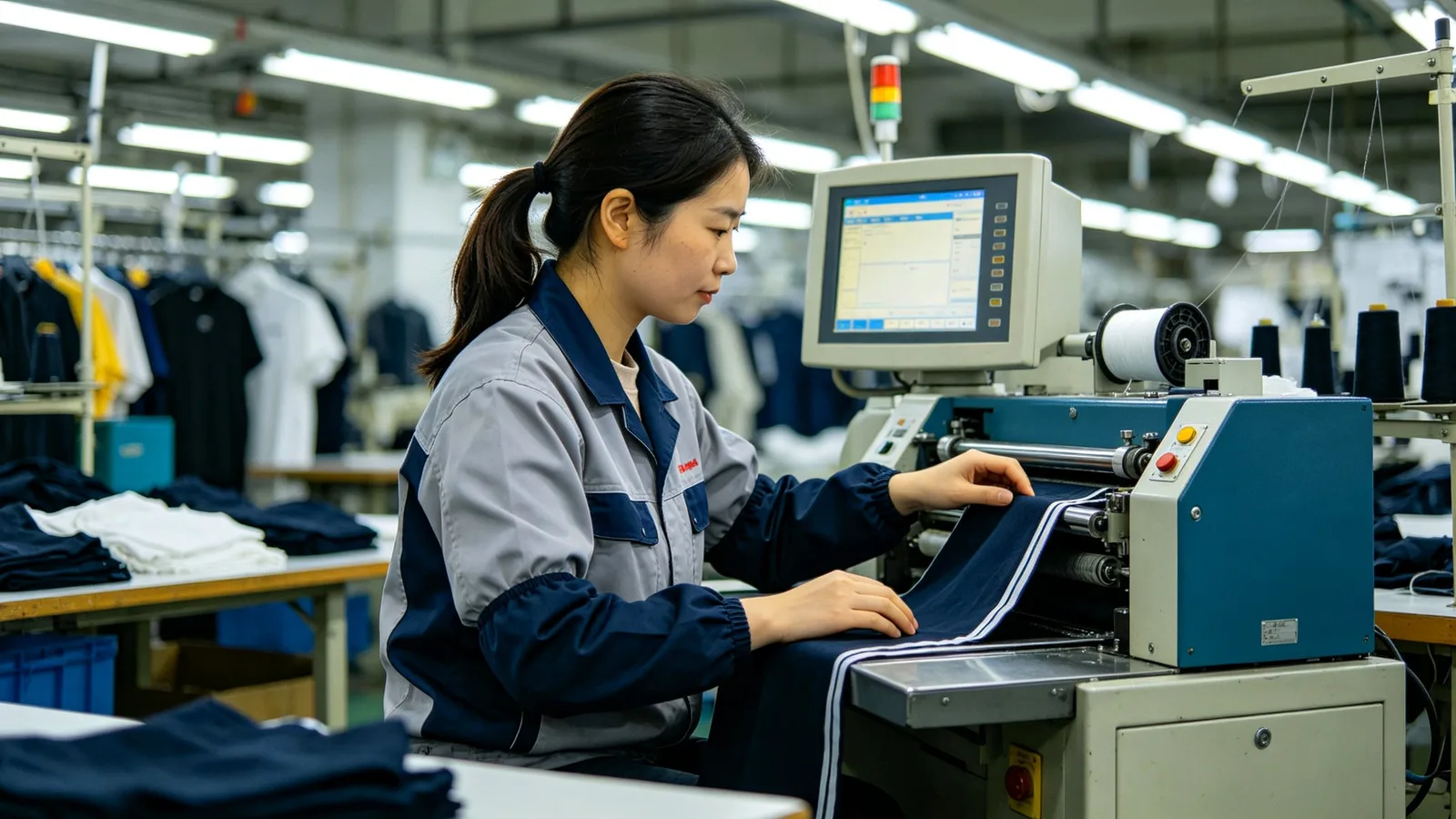
How should buyers build a product-data register before labels or listings are released?
Product data is a shared record, not a task left to the end of development. For a dress programme, it can hold style identity, colourway, size context, material and component inputs, supplier references, sample status, buyer-owned description, care-information source, artwork, label placement, channel, language version, packing version, owner and approval status. An early record may contain open items. The important point is that those items are visibly open rather than silently treated as final.
Use simple status language: proposed, under comparison, submitted for review, approved for the named scope, superseded or not applicable. Add an owner and date. “Pending” is useful only when the record shows what is pending, from whom and for which dress version. If an online product description and a sample brief use different material wording, flag the mismatch. If a retail account has a separate presentation file, attach it to that route rather than treating it as a universal record.
The buyer should keep customer-facing language separate from factory instructions. A product-page phrase may be a marketing draft. An applied label needs an identified file, version, style-colour-size scope and release status. A factory can use a buyer-approved record to create a placement proof or packing route. It should not decide the final consumer-facing words, translations or market conclusions.
What should buyers check about treat US and EU information routes as buyer-owned versions?
The useful comparison is not “US versus EU rules.” It is the buyer's real sales route. A brand may sell to one country, several countries, one retailer, a marketplace or its own direct-to-consumer channel. Each route can have different owner, audience, language, packaging or product-data needs. The buyer, importer, retailer and relevant local advisers should determine those requirements for the exact confirmed garment.
Build a route register with target country or channel, intended recipient, product version, buyer owner, source files, language or artwork versions where relevant, review state and next decision. If an input is only for a website, mark it as website copy. If it is approved for a sewn label, hangtag, insert or carton, state that specific use. This protects both brand and factory from treating an old translation, another account's barcode or a general online claim as a current applied instruction.
Yinshan Fashion is not a local factory in each market. Its role is to help the buyer connect buyer-owned inputs to sample, label-placement, production and packing questions. Final market, responsible-party, consumer-information and commercial conclusions remain with the brand and appropriate advisers. This distinction makes the article useful without claiming that either US or EU customers share a single requirement.
How should buyers use samples as evidence gates for each version?
Every sample should answer a named question. A first development sample might focus on silhouette and construction. A fabric comparison sample can address drape, lining interaction, colour or surface. A fit sample can examine the buyer's designated measurements. A later sample may bring current material, components, label placement, finishing and presentation together. The sequence can vary, but each proof needs a stated purpose and scope.
Before sampling, record the style-colour-size identity, pattern or measurement reference, material and component route, intended size, question, supplied files, reviewer, evidence sought, approval condition and next action. After review, write what was accepted and what remains open. “Sample two supports the buyer's length and waist review for the current material route; pack and label artwork still require approval” creates a usable handover. “Looks good” does not.
Consolidate feedback into one dated change list. Design, product, sourcing, quality, retail and marketing colleagues may all contribute useful comments, but unlinked messages can conflict. The buyer should state the sample revision, affected point, requested change, owner and next proof. The fashion product brief before sampling guide offers a practical framework for this record.
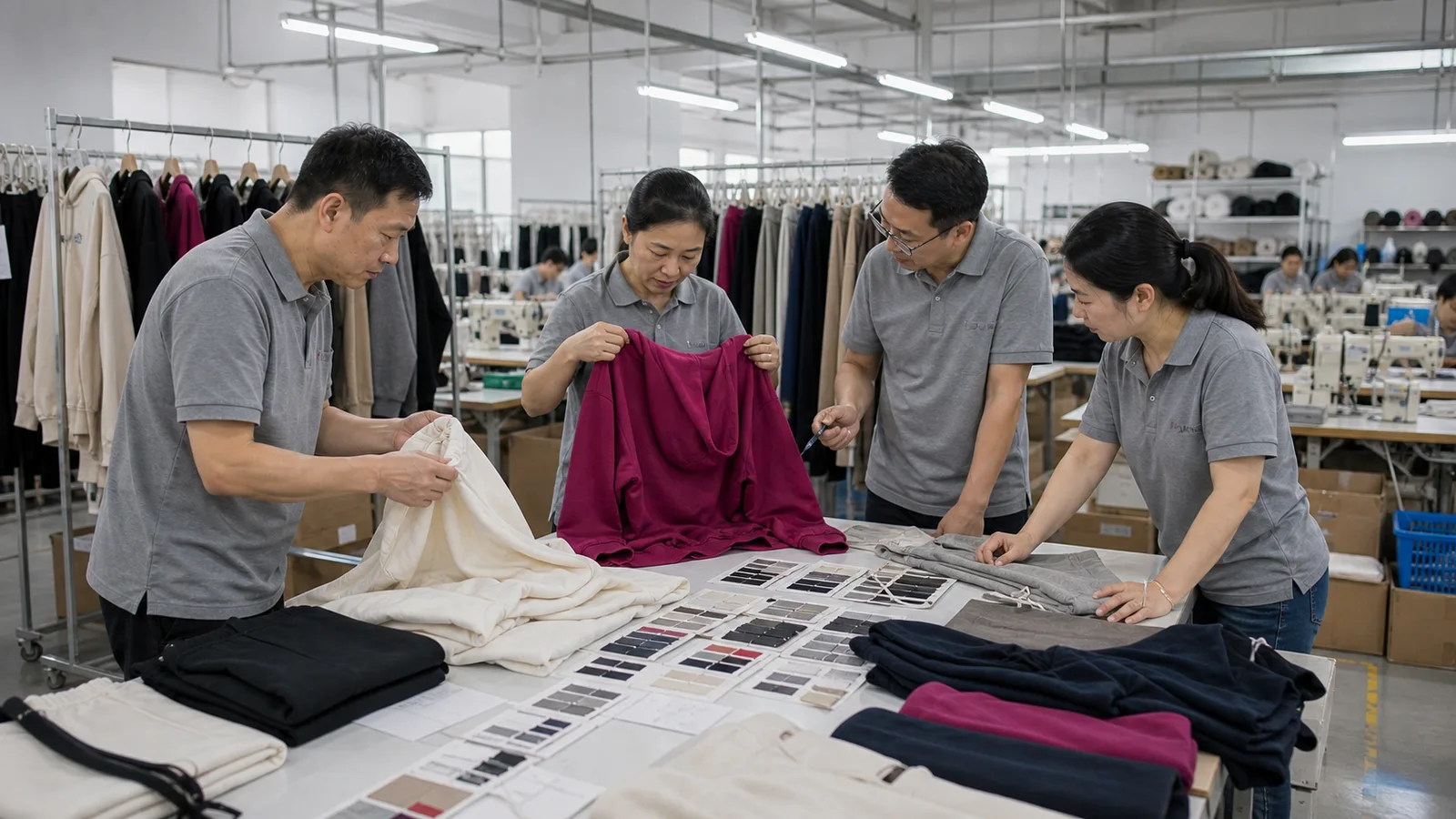
What should buyers check about separate label approval, packaging and retail presentation approval?
A dress sample, a sewn label, a hangtag and a packing proof do not establish the same thing. A sample can show that a label placement is visually acceptable. It does not prove the customer-facing wording is approved for every market or retail channel. A pack proof can show an intended fold and protective material. It does not decide the product information for an altered fabric route.
Create a presentation record that identifies style, colourway, size scope, country or channel, label and artwork version, size identifier, barcode owner where applicable, fold or hanger route, protective material, insert, carton instruction, owner and release date. Keep different retailer files separated. One dress can have more than one valid presentation route; a generic “bag and carton” note does not tell a factory which file to apply.
The private-label service helps a buyer structure brand components, artwork, labels and packing around a custom production programme. The buyer supplies and approves customer-facing information. Yinshan Fashion can coordinate buyer-approved placement, applied proofs and the connection between the dress record and the packing conversation.
What should buyers check about make change control routine, especially for shared styles?
Changes are normal. Risk appears when a revised fabric, different lining, new size route, changed label wording, altered pack instruction or new destination is treated as a minor message rather than a product-level decision. Use a concise change log: date, reason, affected style-colour-size scope, source file, status, owner, condition and next action. This stops a possible option from becoming an accidental production instruction.
Ask two questions at every change: which previous approval still applies, and which evidence gate must reopen? A new lining may reopen drape, coverage and product-information review. A revised collar can reopen fit and label-comfort discussions. A new retailer might require a different pack proof. A changed market route may mean the buyer needs to review its own product-data files. The log does not slow a small brand down. It prevents a small team from rebuilding decisions from memory.
For reorders, start with the last accepted version and make a difference list: pattern, material, lining, components, colour, construction, fit, product information, labels, packing, retailer, country route and owner. The fashion wholesale reorder planning guide shows how to retain relevant records without assuming that an older order's materials, timing, price, pack or market decision is still current.
How should buyers set quality review around named buyer references?
Quality review needs a defined comparison. Name the current dress sample or approved condition, material and component route, buyer-defined construction priorities, measurement basis, label placement, finishing expectations and packing identity. “Premium quality” cannot tell a reviewer whether the buyer cares most about seam appearance, hem balance, a closure, lining interaction, print placement, label comfort, pressing or retail presentation.
For a dress, the buyer may ask to review fabric appearance, seam treatment, measurement points, drape, lining, closures, trims, label placement, pressing, fold or hanger presentation and size identification. The exact checks depend on the product and current risk. Yinshan Fashion can help connect those buyer priorities to a practical sample, inspection and packing conversation. It does not offer a zero-defect promise or guarantee that a product meets an unverified market, performance or sustainability claim.
The fashion clothing accessories quality-control guide helps connect product references, material routes, construction, components, labels, packing, observations and corrections. Use it as a framework for clear questions rather than a substitute for buyer acceptance criteria.
What should a US–EU custom dress handover include before bulk discussion?
A factory can begin a useful bulk conversation before every item is closed. It must be able to distinguish confirmed instructions from buyer options and missing decisions. A practical handover includes:
- Product identity by style, colourway, size context, target country or channel and current revision.
- Current tech pack, measurement basis or reference garment, marked as instruction, visual reference or open development input.
- Fabric, lining, trim, component, colour and finish route, together with evidence held and alternatives under review.
- Fit and length priorities tied to the buyer's actual size context, sample purpose and approval owner.
- Buyer-owned product-data, label, artwork and language files with source, scope, status and intended use.
- Sample record identifying purpose, reviewer, comments, accepted scope, open conditions and next evidence gate.
- Packaging and presentation record with recipient, applied components, version and owner.
- Change log and named release owner for fit, market inputs, labels, packing and final production handover.
This record gives Yinshan Fashion enough context to discuss fabric, fit, sampling, private-label components, quality priorities, packing and production coordination. It does not establish a fixed MOQ, quotation, lead time, capacity, test outcome, certification, customs result, logistics outcome or legal conclusion. Those details depend on the confirmed product and commercial programme.
How should buyers decide deliberately when the dress is the same and when it is a new version?
Teams often lose control when they use “same style” to describe a dress that has changed in a commercially important way. The base silhouette might be shared, yet the garment can still need a different record when the fabric, lining, colourway, size context, sample reference, applied label, recipient or packing route changes. A separate version is not an administrative burden for its own sake. It is a way of preserving the link between a buyer decision and the physical dress that will be sampled, made, reviewed and packed.
Use a short comparison grid before a buyer asks a factory to treat two routes as one. List the style and colour, pattern or measurement basis, base size, material and lining, components, sample reference, buyer description, label file, language or artwork version, intended country or channel, pack route and approval owner. For each field, mark it as shared, different, pending or not applicable. If an item is different, ask whether the existing evidence still answers the new version's question. A fit sample may remain relevant to a revised label route, while a lining change can reopen drape, coverage, construction and product-information discussions.
This comparison also creates a clean boundary between a collection decision and an order instruction. A design team may choose one visual direction for a broad range. A factory needs the controlled detail for the particular style-colour-size and recipient being released. A buyer can keep that difference visible without revealing customer data or creating a separate full tech pack every time. A dated version register and focused difference list are often enough.
The approach is especially useful when a small brand adds a new sales channel after a first sample has been accepted. The buyer can retain the approved silhouette, then identify whether the new channel changes size communication, material wording, label artwork, folding, protection, barcode source or carton instructions. The answer may be “no change.” That is still a useful recorded decision. It tells Yinshan Fashion and the buyer's own team that the shared route was actively reviewed rather than assumed.
How Yinshan Fashion supports US–EU dress development?
Yinshan Fashion helps brands turn a dress concept into a controlled custom or private-label manufacturing route. That can include fabric and lining comparison, pattern and fit questions, sample development, label-placement proofs, finishing priorities, product-record handover, quality discussion and packing inputs. The practical result is not a generic statement that a dress is “US and EU ready.” It is a current version where the buyer can see what is decided, what evidence supports it and what still requires brand or market review.
To start, send Yinshan Fashion the current dress reference or tech pack, intended wearer and channel, fit and size inputs, material and colour direction, lining and component details, existing product-data files, label and packing inputs, sample objective, quantity structure and decision owner through the contact page. The next useful step may be a fabric comparison, pattern question, fit sample, label-placement proof, packing mock-up or updated product record. That produces a specific production discussion without turning a broad market label into an unsupported promise.
US–EU dress version-control kit
Three controls that keep two market routes tied to the correct custom dress
Use one dress identity, one buyer-owned market-input register and one release record per route. This avoids treating US or EU as a single fit, label or packing specification.
Define each sellable version
Link the style, colourway, size context, target country or channel, fabric, lining, fit reference and sample revision to the route being reviewed.
Separate buyer market inputs
Keep label, language, product-data, presentation and approval requirements scoped to their owner, source and specific dress route.
Release one applied version
Match approved dress, labels, packing and factory instructions to the right style-colour-size and channel before bulk planning.
Buyer actions and factory questions for US–EU custom dress versions
The brand, importer, retailer and appropriate advisers retain responsibility for final market and consumer-information decisions.
| Decision area | What the buyer should prepare | What to ask the factory |
|---|---|---|
| Dress identity | Name the style, colourway, size context, country or channel, revision and sample reference | Which record controls this specific dress version? |
| Fit and size | Provide the buyer's fit basis, critical measurements, size route and approval owner | Which sample or pattern evidence answers the current fit question? |
| Product information | Provide buyer-owned label, language, material and product-data inputs with source and status | Which version is released for application and which remains a draft? |
| Packing | Approve the correct recipient, label, fold, protection and carton route | Which exact style-colour-size and channel does the packing release cover? |
| Change control | Log material, fit, label, packing and country-route changes with date and owner | Which approval must reopen before bulk handover? |
Continue the production conversation
US–EU custom dress development: buyer inputs and factory controls
| Record | Buyer-owned input | Factory discussion | Control question |
|---|---|---|---|
| Dress identity | Style, colourway, size context, country or channel and revision | Current brief, sample and handover reference | Which precise dress version is being made? |
| Fit and size | Measurement basis, intended wearer, critical points and approval owner | Pattern and sample review | What does the current sample prove? |
| Material route | Fabric, lining, trims, components, evidence and open options | Swatch, construction proof and garment sample | Does this record match the constructed dress? |
| Product data | Source, language, audience, owner, status and intended use | Controlled label or applied-artwork input | Is the file a draft or released for application? |
| Presentation | Recipient, label, size ID, fold, protection and carton route | Packing proof and factory handover | Which channel and product version does it cover? |
| Change and release | Date, owner, condition and next action | Controlled production instruction | What change reopens an earlier approval? |
Buyer FAQs
What should custom dress production for US and EU brands include before bulk discussion?
Keep style-colour-size identity, target channel, fit basis, material and component route, sample scope, buyer-owned product data, labels, packing, decision owner and open conditions connected. The brand, importer, retailer and suitable advisers retain responsibility for final market and consumer-information decisions.
Should one US–EU dress use one size, label and packaging record?
Only if the buyer has confirmed that the intended product route is the same. If the size presentation, market input, recipient, label artwork, packing or approval owner differs, create a visibly controlled version and state which records apply.
Can a factory decide the final product information for a US or EU dress?
A factory can help identify the product, material, component, sample and placement inputs that need review. It should not infer final customer-facing wording, language, label or market outcome from an old file, generic reference or a different account's product.
Why do sample approval and packaging approval need separate records?
A dress can have an accepted silhouette or fit while its applied label, size identifier, barcode, fold, protective material, insert or carton route remains open or belongs to another channel. Separate records prevent accidental carryover.
How can Yinshan Fashion support a US–EU private-label dress brief?
Yinshan Fashion can coordinate dress design, fabric and lining review, pattern and fit questions, sampling, private-label components, label placement, quality priorities, packing and factory handover around the buyer's controlled records. Availability, price, quantities, timing, testing, certifications, logistics and final market obligations remain programme-specific.