Article
What should buyers know first?
Short answer: A B2B guide to turning knitwear samples, measurements, care-information sources, images, labels and repeat-order records into controlled online product data.
A private label knitwear supplier needs more than a visual reference before an online store can sell the product accurately. A customer cannot feel the yarn, compare the stretch or inspect the garment construction through a screen. The brand therefore needs one controlled product record that connects the approved sample to its product page, size information, care-information source, images, labels, packing and later repeat-order decisions. Yinshan Fashion supports custom and private-label bulk programmes rather than unrestricted ready-stock wholesale, so this process begins with a defined style and evidence owners, not a request for any knitwear that happens to be available.
Direct answer: create a style-colour-size record that identifies the intended silhouette, yarn or material direction, gauge direction where applicable, handfeel description, construction and trim references, measurement method, care-information source, product-page facts, images, labels, packing and approval owners. Use the record to separate an observed sample fact from a proposed customer-facing description. When a material, colour, size range or construction changes, review the related listing and repeat-order inputs instead of assuming the old record still applies.
What does a private label knitwear supplier need from an ecommerce brief?
Begin with the product's role. Is the item a close-fitting cardigan, a relaxed pullover, a fine-gauge shell, a knit polo, a layering vest, a sweater dress or a coordinated knit set? The same word, “knitwear,” does not define the intended fit, surface, construction, packing or customer expectation. A familiar inspiration image may show a silhouette, but it rarely supplies the exact material direction, size logic, care information, label route and version history a factory or ecommerce team needs.
For each prospective style, record the brand's style code, current revision, intended wearer, sales channel, target market, base size, planned size range, colourway names and sample question. State what is already chosen and what remains open. The buyer may know that a garment should feel light, smooth, lofty, compact, fluid, structured or textured. That is useful direction. It is not a material specification until the team identifies the relevant yarn, construction or sample evidence.
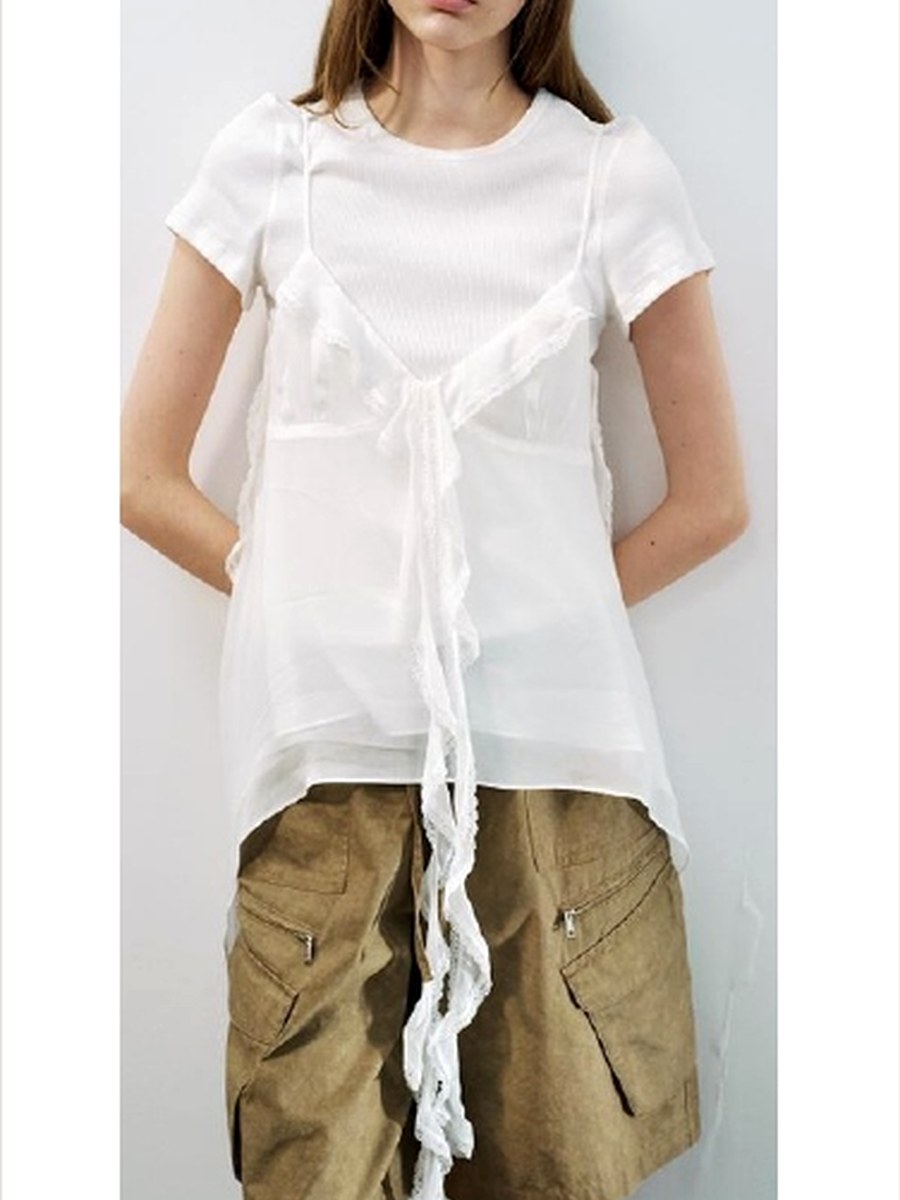
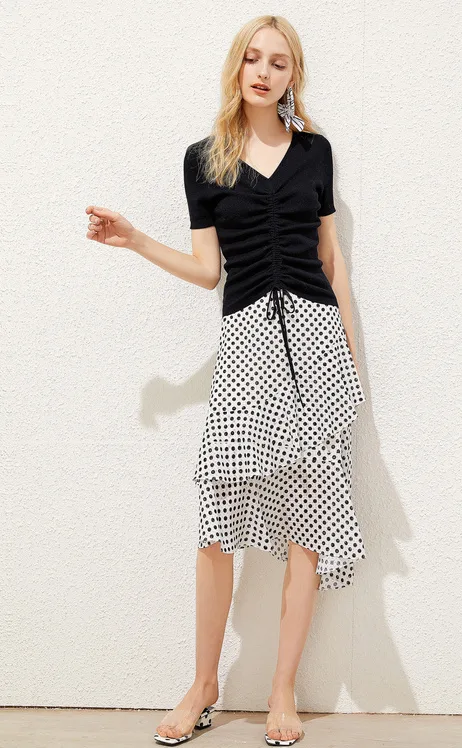
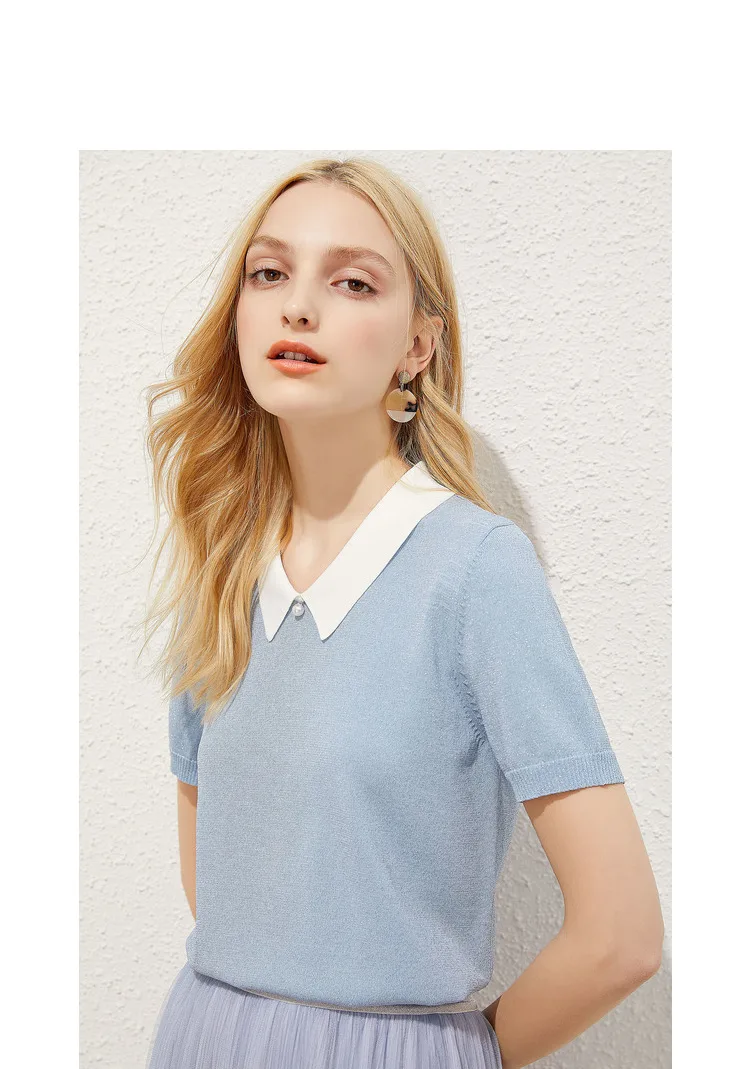
The women's knitwear collection can provide a useful visual starting point for shape, neckline and proportion conversations. It is not a promise that a pictured material, colour, component or construction is available for another programme. Keep a collection reference separate from the actual product record so a product-page team does not turn a reference image into an unverified sales claim.
Why must ecommerce teams separate gauge, handfeel and customer copy?
Gauge is a technical direction that can affect the appearance and construction of a knitted garment. Handfeel is the physical impression a person experiences when handling or wearing a sample. Neither word automatically tells a shopper what to expect, and neither should be filled in from a previous style. A close-looking sweater can feel and behave differently when the material direction, stitch structure, yarn, finish, silhouette or component combination changes.
Give every term a clear owner and evidence source. The product developer may hold the current sample and material reference. The factory can discuss construction and the relevant production questions. The ecommerce owner may draft customer-facing wording from approved facts. The commercial owner decides whether the product information is adequate for the intended channel. A supplier should not be asked to infer the brand's preferred marketing claim, and a marketing phrase should not be silently reused as a factory instruction.
Use direct but limited language in a brief. “Compare a smoother and a more textured surface on the agreed silhouette” is an actionable direction. “This will be the softest sweater” is not. If the brand plans to claim a particular warmth, recovery, durability, fibre benefit or care result, it needs product-specific evidence and the appropriate responsible review. An attractive swatch or a good-looking photo is not that evidence.
How should a brand define a knitwear silhouette before sampling?
Write the silhouette as a relationship between the body and the finished garment. Identify the neckline, shoulder placement, sleeve form, body length, hem, opening, placket, pocket, rib or other visibly important feature. Say whether the product should sit close to the body, layer loosely, skim the hip, create a cropped proportion, hold a more defined shape or drape in a particular way. These decisions let the factory and pattern team understand the purpose of a sample review.
Use a base-size reference and distinguish body information from finished-garment measurements. A letter size alone is not a measurement method. A product can look smaller in a flat image yet have intended ease, or look generous on a hanger yet be intended to sit close at the chest. Note how the sample should be laid flat, whether it is relaxed, which closures are set and where each point of measure begins and ends. Photographing the measuring position can prevent a repeat order from comparing two different conditions.
For a custom programme, the custom womenswear development service is a route for discussing silhouette, material direction, fit review, sample comments and production handover together. It does not decide the brand's customer, price, launch date or approval threshold. The brand should identify which measurements protect the design and which must be reviewed across the planned size range.
Which garment measurements belong on an online knitwear product page?
Start with the measurements a shopper needs to understand this specific silhouette. Depending on the style, that may include chest or body width, body length, shoulder, sleeve, cuff, hem, neck opening, skirt length, rise or inseam. The selection should be based on the product and the fit message, not a copied grid from a woven blouse or a different knit base. A cardigan with a button front, a sweater dress and a ribbed tank do not necessarily need the same explanation.
Name the measuring condition. A garment measurement is not automatically a body measurement. A rib or stretch area may look different relaxed and under tension. An adjustable tie, wrap, placket or wide neckline may need a product-specific note. If a brand shows both model information and a garment chart, keep the source of each field distinct. The factory can review the sample and defined measuring method; the brand owns the final shopper communication.
The ecommerce size-chart handover guide explains a practical way to connect an approved measurement record to online fields and release owners. It is a process guide, not a universal grading rule. When a fit reference, material direction or construction changes, confirm whether the product-page chart and fit copy need a new review.
How should handfeel be recorded without creating a vague promise?
Capture handfeel in the same record as the exact sample or swatch. Record the style, colourway, sample version, material reference, date, reviewer, handling condition and words used to describe the current observation. Phrases such as smooth, dry, brushed, compact, airy, plush, crisp, dense or fluid can help a team compare directions when they remain tied to a physical reference. They should not become broad promises that every garment will feel identical in every context.
Add the customer-facing language as a separate, controlled field. The ecommerce team can decide whether a product page says “fine knit,” “textured surface,” “relaxed layer” or another supported description. It should not imply a fibre content, tactile outcome, thermal property or performance characteristic that the current source does not establish. If reviewers disagree, keep the language pending until the brand has a clearer reference rather than selecting the most appealing adjective.
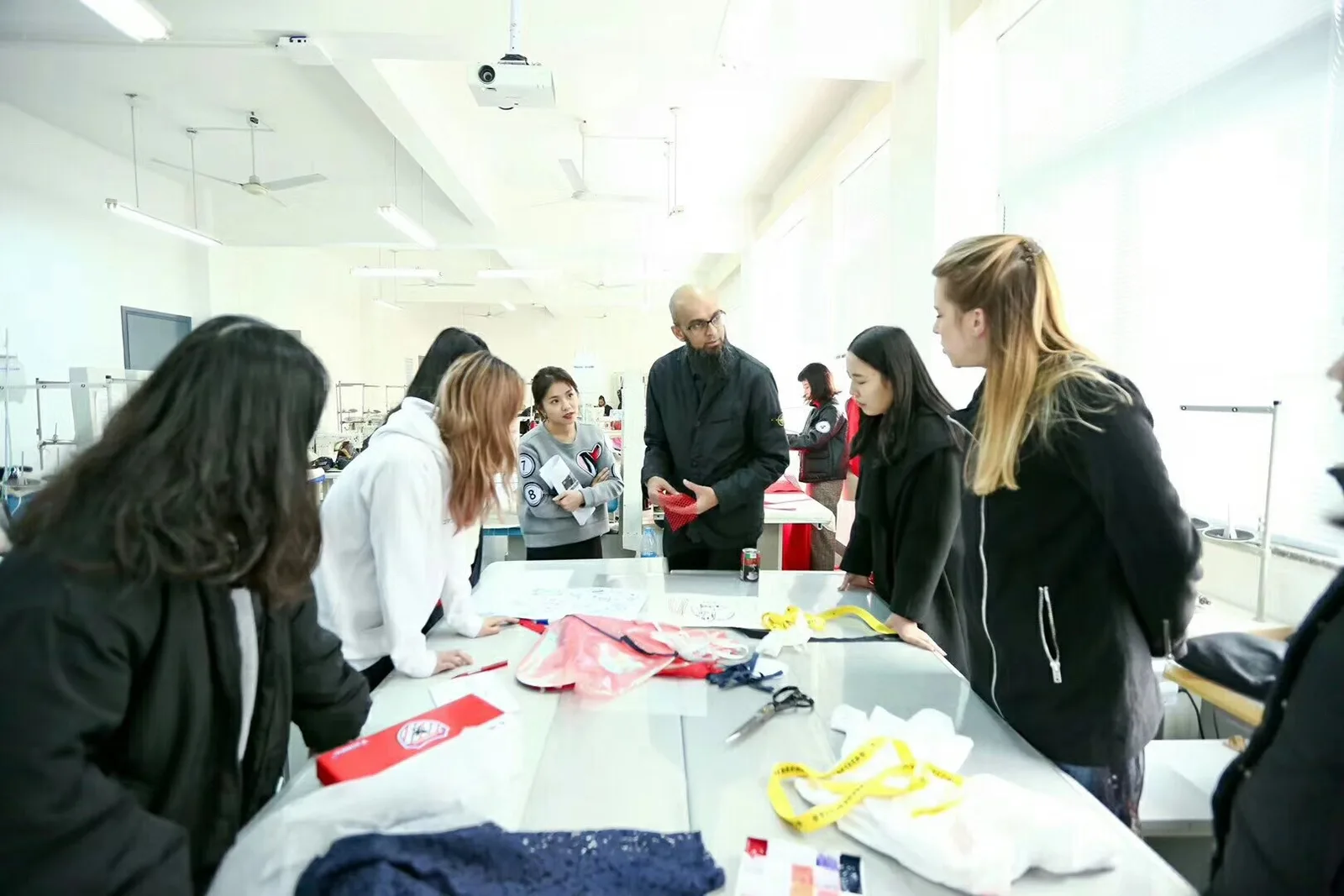
This is especially important when a sample travels between product development, photography and merchandising. One team may be handling a development sample, another may be styling a photo sample and a third may be preparing product data. A shared record makes it clear whether all three are discussing the same version. It also gives the factory a specific reference if the brand asks how a proposed change may affect the observed surface or shape.
What should the factory and buyer review in a knitwear sample?
Review the sample as a complete garment, not only as a flat panel. Look at the intended neckline, shoulder balance, sleeve shape, armhole, body proportion, hem, cuff, openings, closure route and visible transitions between knit structures. If the product has ribs, contrast panels, cables, jacquard, a collar or a placket, identify how those features should be positioned and presented. The aim is not to prescribe every machine setting. It is to make the required appearance and unresolved questions clear.
Examine relevant garment measurements using the agreed method. Observe how the garment sits on the fit reference and, where useful, during ordinary movement. Record the sample version and condition beside each comment. “Make it more comfortable” is too broad to guide a revision. “Review the neckline opening on the current base size because it does not sit as intended on the approved fit reference” identifies a product question that can be checked.
Keep the sample decision log short and traceable. For each point, note the garment area, observation, requested action, evidence owner, decision owner and next sample or approval step. A fit comment, a colour discussion and an ecommerce copy draft should not silently overwrite one another. When the physical sample changes, flag whether measurements, care-information review, images, labels, packing and product-page language also need review.
How do material direction and care information become reliable product data?
Use a controlled source for each fact. The material direction may begin with a yarn or fabric reference. Care information may need confirmation from the responsible product, importer or compliance owner for the current market. A label artwork file can identify the intended layout but may not prove the product-page composition statement, care instruction or final placement. Keep these fields distinct so one partial document does not become the source of every customer-facing claim.
Record what is confirmed, what is proposed and what still requires review. A product title does not establish composition. A care instruction from a previous season may not apply to a changed material, finish, decoration or construction. A photo sample can be useful for silhouette but not an approval of every label or wash instruction. If an applicable retailer, marketplace or market requirement exists, the brand or its named adviser should identify the requirement and the evidence needed.
The ecommerce apparel product data pack helps small teams assign ownership to measurements, image versions, labels, variant identifiers and product-page facts. It is particularly helpful for knitwear because a change that looks minor in a merchandising discussion can affect the garment reference, label route and online description at the same time.
How should colourways and variant names stay connected to physical references?
Treat each sellable colourway as a named version, not merely a swatch in a mood board. The product record should connect the brand's colour name, internal code, material or yarn reference, sample or approval reference, image status, size availability, label or barcode input and any remaining decision. This does not require a complicated database for a small launch. It requires one place where a team can see what the current name refers to.
Colour can affect the way a texture, stitch line, trim or knit structure is perceived in photography. It can also create a new approval question if the actual material or component route changes. Do not assume that approval of one colourway settles every visible or commercial question for another. If a product page uses a colour description, make sure the source version and image set have a named owner before the wording is released.
For an online store, variant organisation belongs to the brand's channel operation. Marketplace rules, payment processes, warehouse identifiers and fulfilment handling may differ by route. The factory can discuss the garment, labels and packing inputs supplied for the relevant version. The brand should not assume that a process or charge from one channel applies to another.
What should product photography show for knitwear, and what should it not prove?
Photography can help a shopper assess silhouette, length, neckline, sleeve, styling and visible texture. A close image can reveal a surface, button, collar, cuff or hem question that a distant model image cannot. Before a shoot, identify the sample version, colourway and purpose of each image. Specify whether an image is intended to show proportion, a visible construction detail, a styling view or a variant comparison.
Photography does not prove fibre content, care outcome, exact finished measurement, stretch behaviour, warmth, bulk material availability or production approval. Styling, clips, underlayers, folding, steaming and light can alter how a garment appears. If the sample later changes in material direction, length, neck construction, closure, colour or trim, the brand should decide which images and listing fields need review rather than treating earlier assets as automatically current.
Use the image record as part of the launch gate. Link image filenames or asset IDs to the same style-colour-size record used by product development. That makes it easier for a content owner to find an outdated photograph before a new page or repeat order goes live. It also avoids asking a factory to make a technical decision from a stylised ecommerce image alone.
How should labels, packing and warehouse records be prepared?
Start with the sale unit. A single knit top, a cardigan with a belt, a sweater dress and a coordinated set may require different item, size, colour and packing instructions. One product record should identify the garment pieces, label artwork and placement input, size and variant identity, fold or hanger direction, protective material, barcode or other channel data source, carton relationship, receiving expectation and approval owner. Do not assume a prior order or quote covers the current route.
Separate product and channel responsibilities. The factory can review whether the defined labels, packing inputs and garment components are associated with the current product version. The brand and named fulfilment, payment, marketplace or warehouse providers own the selected route and its operational requirements. A warehouse observation can be useful evidence, but it does not on its own prove a factory cause or justify a permanent production change.
The small-batch clothing manufacturer route can be useful when a brand wants to discuss a defined first run, sample inputs and production coordination. Quantity, cost, timing, material availability, logistics and repeat-order terms remain programme-specific and must be confirmed for the actual brief.
How can customer feedback improve a knitwear product record?
Returns, reviews, customer-service messages, merchandising feedback and warehouse observations can reveal a question worth investigating. They do not establish a fixed future return rate or a factory cause. A comment about size, sleeve length, texture, colour, pilling, opacity, label feel, damaged packing or a missing component may relate to the sold version, listing copy, customer expectation, fulfilment process, usage, a specific garment observation or an issue that needs further evidence.
Create a concise review entry: style, colourway, size, channel, customer wording or observation, product-page version, image version, sample or bulk reference checked, evidence owner and proposed next step. The next action may be to clarify fit language, inspect a returned unit against the current reference, review a named measurement, ask the warehouse for receiving evidence, discuss a material question or leave the production specification unchanged because the evidence is not yet sufficient.
The apparel return-reason analysis guide gives a framework for separating a customer signal from a verified root cause. This protects both the brand and the factory. It keeps a commercial observation useful without converting it into a technical conclusion that the available evidence does not support.
How should a brand prepare a knitwear repeat order?
Begin with the exact version that was sold. Confirm style code, colourway, size structure, material and trim references, approved sample or bulk reference, measurement method, label and packing instruction, current product-page facts and the list of any allowed exceptions. Then write every proposed change. A revised yarn direction, colour, gauge direction, neckline, sleeve, label, packing route, market, channel or size allocation can reopen a different decision.
Distinguish a confirmed repeat from a revised programme. A repeat may still need current confirmation that the existing material and trim route is appropriate. A revised programme may need a new sample, revised measurements, care-information review, image review, label proof, packing check or commercial approval. “Same as last time” is not an evidence record. It can hide the very change that affects the customer experience or production handover.
The ecommerce fashion reorder-planning guide can help a brand maintain a clear change log and decision gate. Yinshan Fashion can discuss the defined garment, material direction, sample, labels, packing and production coordination. The brand's commercial owner decides whether the evidence supports a repeat, a revised launch or a hold.
Which roles own a knitwear launch decision?
Product development usually owns the active brief, sample comments and physical references. Ecommerce owns the product-page fields, image versions, variant structure and channel context. Merchandising or the brand commercial owner owns the assortment role, pricing and promotion decision. Customer-service and warehouse teams may hold evidence behind a particular customer or receiving observation. The factory can review the garment, material, construction, labels, packing and production records supplied for the current version.
Keep a decision log with three clear states: observed fact, proposal and approval. An approved sample measurement is an observed fact for that version. A new colour name may be a proposal. A product-page description may need ecommerce approval. A launch decision needs a named commercial approver. A completed spreadsheet total, attractive photo or supplier message does not authorize production or promotion by itself.
This division of responsibility lets a small team move with fewer ambiguous handovers. It also makes a factory conversation more useful. Instead of forwarding mixed comments, the brand can send the current style-colour-size record, the source evidence, the specific question and the decision needed. The factory response can then identify which material, construction or production record it affects.
When is a knitwear ecommerce page ready, conditional or unsuitable to launch?
Call a page ready only when the brand has the evidence it requires for the current product version: approved product identity, relevant fit and measurement information, material and care-information sources, images linked to the right sample, labels and packing instructions where applicable, channel fields and a named commercial approver. The exact gate varies by product and channel. The value of a written gate is that it makes open decisions visible before a customer sees a product page.
Call it conditional when a named question remains open, such as a revised measurement chart, colourway evidence, care-information review, image update, label proof or packing route. Call it unsuitable when the available information does not support the planned customer promise. The practical response may be a revised brief, another sample, a different launch scope or a pause. It is better to name that state than to use a generic “complete” label that hides uncertainty.
What should a buyer send Yinshan Fashion for the next knitwear discussion?
Send the current style reference or technical sketch, intended silhouette, base size and range, material or yarn direction, gauge direction where known, desired handfeel, colours, knit or trim details, key measurements, current sample question, labels, packing direction, channel, quantity context, target market and desired decision. Include product-page questions that may affect the physical route, such as a measurement a customer must understand or an image detail that needs a current sample.
Name the final approver and keep unknown fields visible. Do not ask a factory to infer a target price, promotion plan, marketplace rule, return policy, test outcome or fixed production term from a mood board. Yinshan Fashion can help connect custom design, sample review, fit, material discussion, private-label elements and production coordination for a defined programme. The next useful decision is which current product record and sample question should be reviewed first.
Ecommerce knitwear product data
Turn a knitwear sample into a controlled online product record
Keep the current physical reference, product-page facts and commercial release decision connected before a private-label knitwear page goes live.
Name the physical version
Use the active style, colourway, size context, sample version and material direction before discussing online copy.
Measure with a method
Record finished-garment points of measure and the condition used to take them before publishing a size chart.
Release repeats deliberately
Compare the proposed material, colour, measurements, labels, packing and page record before a named owner approves the next route.
Buyer inputs and factory questions for online knitwear data
Customer pricing, promotions, marketplaces, fulfilment, payment flows and final launch approval remain with the brand and its named providers.
| Decision area | What the buyer should prepare | What to ask the factory |
|---|---|---|
| Current knitwear identity | Provide the active style code, colourway, intended silhouette, base size, range and sample reference. | Which garment, material, construction and measurement record controls the item under review? |
| Material and handfeel direction | Describe the desired surface and handling direction, then identify the current sample or swatch evidence. | Which proposed material or construction change could affect the observed surface, shape or fit? |
| Measurements and product copy | Share the measuring method, approved chart fields, product-page language source and open questions. | Can the supplied sample and method be reviewed against the current style version? |
| Labels, packing and repeat order | Provide the relevant label, packing, channel and change-log inputs plus the named commercial approver. | Which supplied garment and packing inputs require a revised sample or production-record review? |
Continue the production conversation
Knitwear ecommerce product record: evidence owners and launch questions
| Record area | Question to answer | Evidence owner | Do not assume |
|---|---|---|---|
| Product and sample identity | Which style, colourway, size context, sample version and material direction are under review? | Brand product owner and factory sample record | That a collection image or previous sample defines the current garment |
| Fit and measurements | Which finished-garment measurements, measuring conditions and fit notes belong to this listing? | Brand technical owner with factory sample review | That a size label or chart from another style applies |
| Material, handfeel and care | Which approved source supports the present material description, handfeel wording and care-information review? | Brand product, compliance or importer owner as applicable | That a yarn name, photo or prior label proves a consumer claim |
| Images, labels and packing | Which asset and handover files belong to the active sellable version and channel? | Ecommerce, brand operations and factory for defined garment inputs | That one channel's handling or a styled image applies everywhere |
| Launch or repeat gate | What makes the current page ready, conditional or unsuitable for the planned release? | Named commercial approver | That a spreadsheet total or supplier message authorizes promotion |
Buyer FAQs
What should a private label knitwear supplier receive before sampling?
Send the active style reference, intended silhouette, base size and range, material or yarn direction, gauge direction where known, desired handfeel, colourways, visible details, key measurements, sample purpose, labels, packing direction, channel, target market and quantity context. Keep any unknown field visible rather than treating it as approved.
Is gauge enough information for an online knitwear product page?
No. Gauge may be a useful technical direction, but an online page also needs the current product identity, relevant measurement and fit information, approved material and care-information sources, image version and customer-facing language. Do not infer tactile or performance claims from gauge alone.
How should a knitwear ecommerce team describe handfeel?
Tie the words to a named physical sample or material reference, record the reviewer and version, and keep customer-facing wording separate from the factory brief. If the product changes, review whether the description remains supported.
Can a previous knitwear size chart be reused for a repeat order?
Only after the brand confirms that the current style, material direction, construction, measurement method and fit intent are still the same. A revised neck, sleeve, gauge direction or silhouette can require a new measurement and product-page review.
Who approves a knitwear page for launch?
A named brand commercial approver should decide whether the current evidence supports the channel plan. Product development, ecommerce, customer service, warehouse partners and the factory each contribute relevant evidence, but none of those inputs alone authorizes a launch or repeat.