Article
What should buyers know first?
Short answer: Plan cowl neck dress development through neckline references, material trials, strap settings, lining interaction and sample review records.
Cowl neck dress development needs a visible target for the neckline, an identified material and a repeatable way to review the sample. The buyer should describe where the drape should sit, the coverage expected and the conditions under which the dress will be observed. A photograph of an attractive fold cannot, by itself, define the pattern, material, lining or strap arrangement needed for a new garment.
Yinshan Fashion supports custom and private-label bulk programmes, including enquiries for evening dresses and small-batch womenswear. Development is based on the proposed style and its confirmed materials, sizes, quantities and construction requirements, rather than unrestricted ready-stock wholesale. This guide helps a brand review a draped neckline without confusing a visual preference with a verified construction result or a promise that the neckline will remain unchanged in every situation.
Set the Visual Target for Cowl Neck Dress Development
A cowl neckline uses draped fabric at the neck opening to create a folded appearance. For a development brief, that description is not specific enough. Mark the desired position of the drape, the area it occupies and the relationship to the bust and shoulders. Distinguish the main feature you want to preserve from details that can be explored. A buyer may care most about a shallow, restrained drape, while another design intentionally uses a deeper or more prominent fold. Neither direction can be inferred from the word “cowl.”
Use an annotated front reference with supporting side and back views. Show the intended coverage and identify the part of the neckline that the buyer considers essential. If the reference is a styled image, note what it cannot establish, including the material identity or hidden construction. Obtain appropriate rights for any reference use and avoid treating another brand's complete product as a specification to copy. The purpose is to communicate the visual relationship your own design needs to achieve.
State the review conditions beside the image. Is the target appearance assessed in a relaxed standing position, with a particular strap setting or beneath an outer layer? Which ordinary movements need consideration? A cowl is a draped feature, so a still image should not be presented as a promise that its folds never change. The brand should decide the acceptable appearance and coverage under agreed conditions, then use the sample to determine whether the proposed garment meets that brief.
The Dress Collection offers a starting point for discussing dress directions with Yinshan Fashion. If a collection style informs the project, identify the specific feature being considered and draw the proposed changes. The collection image is not evidence that your revised neckline, material or back detail has been approved. Keep the development target attached to a style code and revision so later sample comments refer to one defined garment instead of an evolving set of inspirational pictures.
Use Reference Images without Treating Them as a Pattern
A photograph records an appearance under particular conditions. It may show how a neckline looked after styling, but it generally does not provide a complete construction record. Camera angle, garment positioning and unseen adjustments can limit what the buyer can infer. Use the image to identify desired proportions and questions, then ask the technical team to propose a development route. Do not turn an uncertain visual inference into a precise pattern instruction unless it has been supported by the appropriate garment information.
Separate three types of reference. The design reference explains the intended appearance. The material reference identifies the fabric or candidate being assessed. The approved sample reference records a physical garment accepted for a stated purpose. They may eventually align, but they are not interchangeable at the beginning. A screenshot cannot stand in for the approved sample, and a swatch cannot show the complete neckline on a wearer. Keeping these roles separate makes it easier to understand what each piece of evidence actually supports.
When the image contains details you cannot see, list them as questions. Ask about the neckline edge, the inner finish, the relationship to the lining and the strap attachments. A buyer does not need to invent those answers to send a useful enquiry. It is better to state the visual requirement and request a proposal than to specify a hidden detail incorrectly. The factory's response should identify assumptions and any sample work needed to investigate them before the design is treated as settled.
If the same neckline direction is being explored for a top, the Blouse Collection provides a relevant product route. Keep the top and dress as separate development records. A fold arrangement accepted in one garment should not automatically be transferred to another with a different length, body shape or intended use. The reference can carry a design idea across the range, but each garment needs evidence that the complete combination produces the intended result.
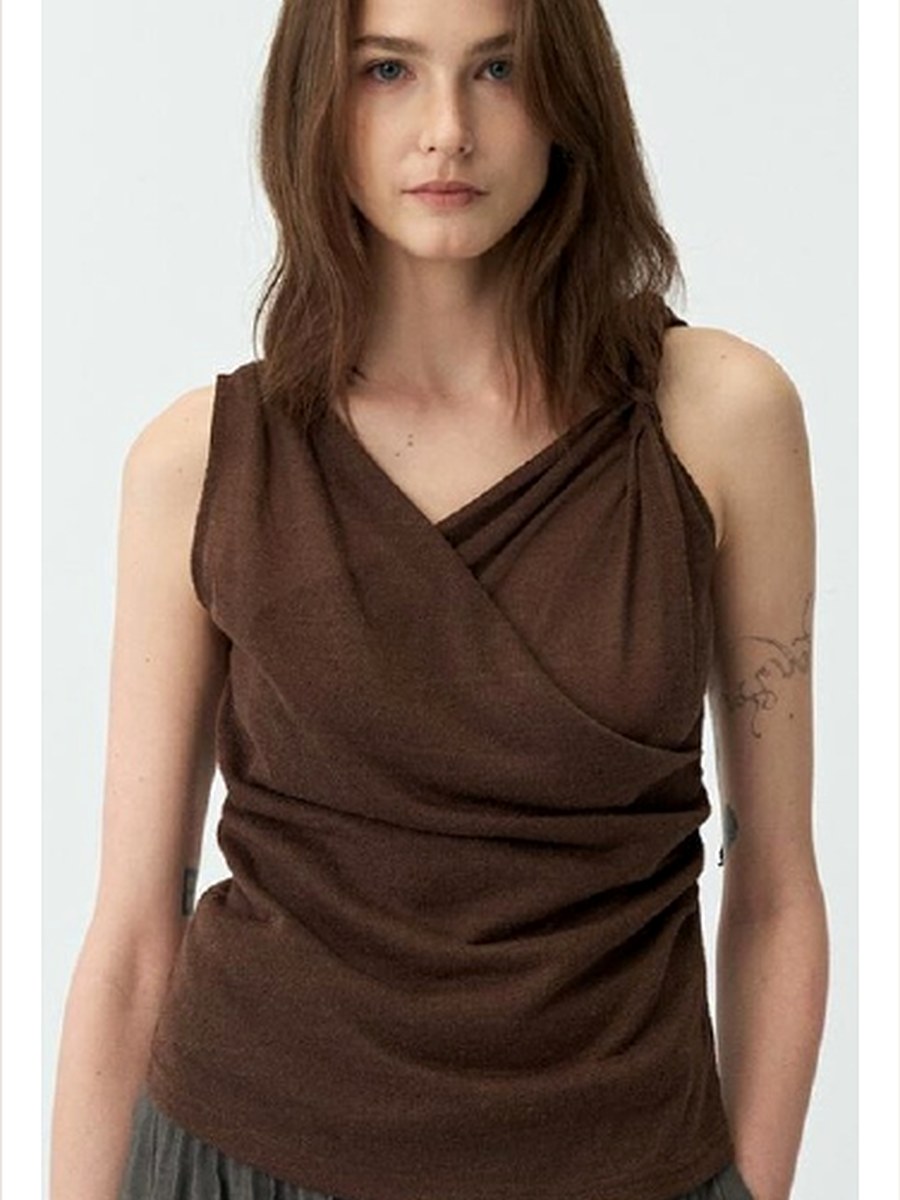
Fold reference: this is a draped-front top, not a cowl-neck dress or a controlled drape test. Use the visible folds to describe the intended effect, then assess the specified dress sample.
Compare the Actual Material Candidates
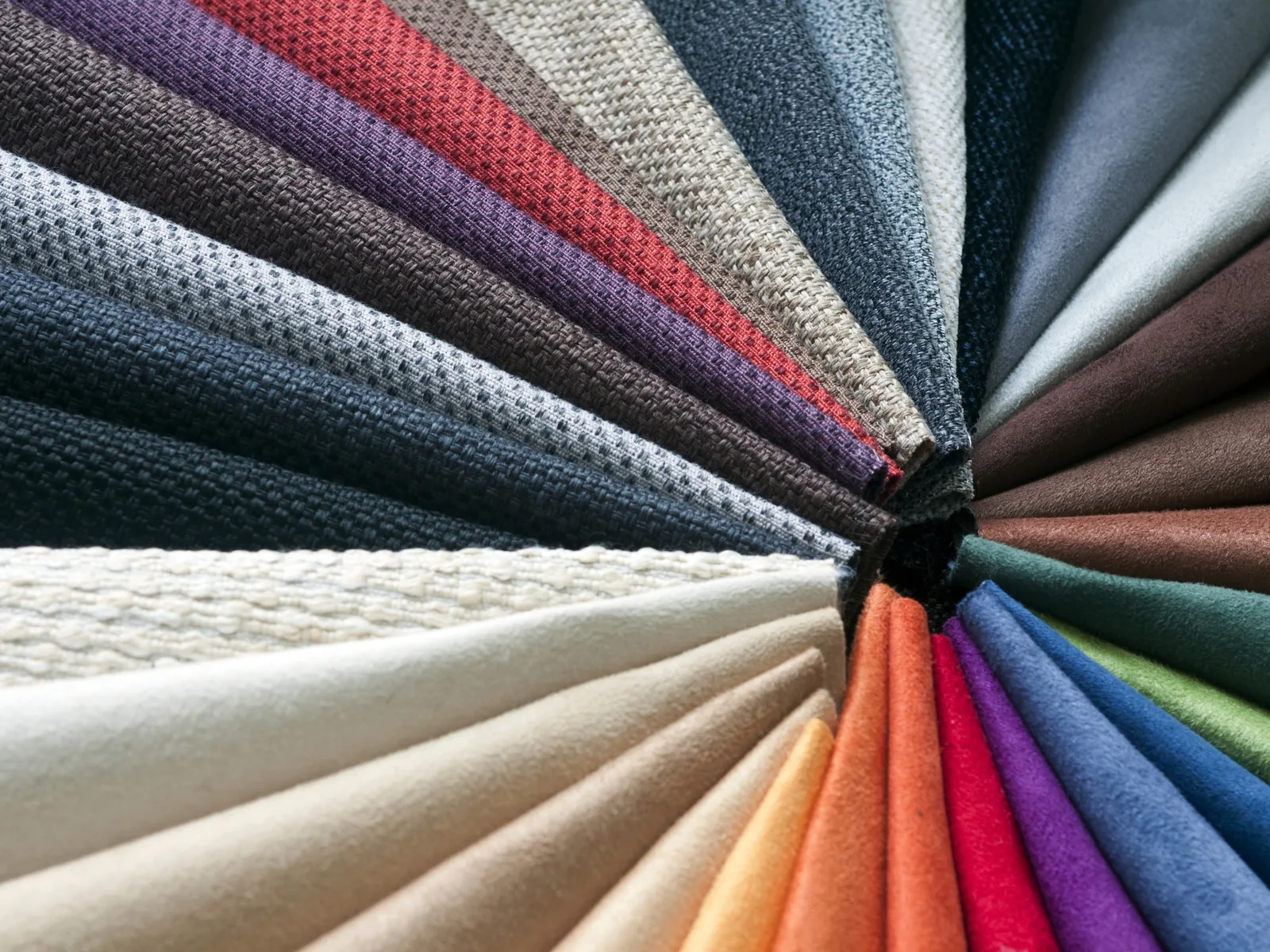
Identify each material candidate by its supplier reference and stated composition. Do not assume that all fabrics described as satin have the same fibre content or will produce the same neckline appearance. The silk versus satin guide explains that naming distinction. In the development record, retain the swatch identifier and connect it to the sample. A comment about “the softer fabric” becomes difficult to use when several similar candidates are exchanged without stable labels.
Compare candidates against the intended garment, not only by handling loose swatches. A swatch can help the initial discussion, but it cannot establish the final neckline on its own. Ask what sample or construction comparison is appropriate before selecting a route. Record whether the comparison uses the same pattern, lining and strap setup or whether other factors differ. If several variables change, describe the result as a comparison of complete combinations rather than claiming to have isolated the effect of the fabric alone.
Observe the folds, neckline position and surface appearance under the agreed conditions. Write what is seen rather than assigning an unverified cause. “The centre drape sits lower in sample B with the recorded setup” is an observation; “this fibre always creates a lower cowl” is a much broader claim that the review does not establish. The technical team can investigate possible reasons and recommend the next comparison. A useful record preserves uncertainty where the evidence does not yet support a conclusion.
Keep material selection connected to the commercial enquiry. A candidate that produces an attractive sample still needs confirmation of availability, proposed quantities, colours and other programme conditions. Do not assume that a small sample establishes the supply basis for a bulk order. Ask the factory to identify the material used and any purchasing assumptions in its response. If the selected material later changes, review the affected neckline decisions instead of treating the new candidate as equivalent because its colour or general surface description is similar.
Record Strap and Shoulder Settings
Document how the neckline is positioned by the complete garment. For a strappy design, mark the front and back attachment points, strap width and intended adjustment. For another shoulder arrangement, identify the relevant construction and measurement references. The cowl should not be reviewed as an isolated piece of fabric placed on a form. Its appearance belongs to the relationship between neckline, shoulders, bust, back and the rest of the dress, all of which should remain visible in the review record.
Agree a repeatable starting setup for adjustable straps. Record the setting using a method suitable for the actual construction, and photograph it where that helps interpretation. If a reviewer adjusts the straps to change the cowl, note the change before continuing. Otherwise, the next sample may be compared with a photograph that shows a different setup. A missing adjustment record can make a pattern revision appear successful or unsuccessful for reasons the technical team cannot reconstruct from the images alone.
Observe the side and back when changing the front appearance. Raising the neckline by changing strap length may alter other relationships that the buyer intended to preserve. Do not accept the front view without reviewing the whole garment again. Where the desired front and back outcomes conflict, record the conflict as a design question. The technical team can propose options, but the brand needs to identify which visual and use requirements take priority rather than asking for every reference image to be reproduced simultaneously.
The custom womenswear development route is suitable for discussing these linked decisions with Yinshan Fashion. Send the marked neckline reference, back view, strap arrangement and sample observations together. Ask which details require another sample and which can be clarified in the specification. A focused submission is more useful than a request to “add more drape,” because that phrase does not explain the intended position, coverage or relationship to the rest of the garment.
Review Lining and Neckline Edge Interaction
Identify the inner construction shown in the actual sample. Record the lining, facing or other edge arrangement, and note any temporary choices. A facing is an internal piece used to finish an edge; whether and how it is appropriate here should be reviewed for the design. Do not prescribe one internal method as correct for every cowl. The buyer's brief should communicate the required appearance and use, while the technical team proposes and evaluates the construction that supports it.
Inspect the inside and outside together. Note visible inner edges, unexpected turning, areas that appear to pull or any detail that interrupts the intended drape. Show the concern in context and in a close view. The observation should identify the sample version, material and setup. A cropped image of a fold may not reveal whether the surrounding lining or attachment has been changed. Complete evidence helps the factory investigate rather than guessing which part of the garment the buyer wants revised.
Compare the sample before and after the agreed movement sequence. If an inner edge becomes visible only after sitting or returning to standing, record that sequence. Do not manually restore the neckline and then use the corrected photograph as the sole approval evidence. The styling adjustment itself may be relevant to the intended product experience. The brand should decide what appearance is acceptable under its review conditions, while avoiding a universal promise that the garment will never require adjustment in any use.
If a lining or edge component changes, identify which previously accepted points need another review. Keep the outer fabric reference even if it remains unchanged, because the approved garment is a combination of parts. Ask the technical team to explain the revision and the evidence needed to close it. The final record should state the actual accepted construction, not merely that a visible problem was “fixed.” That distinction matters when the same neckline is considered for another colour or a later repeat order.
Observe the Neckline in Planned Movements
Choose movements that reflect the intended use and can be observed comfortably. Sitting, returning to standing, moving the arms and a modest forward inclination may be relevant, depending on the brief. The wearer should consent to the review and be able to stop at any point. Keep the exercise appropriate to the garment and the concern. This is a practical development review, not certification, and it should not be used to make broad claims about performance or coverage for every customer.
Record the starting appearance, the movement and the resulting position. Focus on both the fold relationship and the coverage the buyer has defined. If a concern appears, describe where it occurs and whether the garment returns to the intended position without adjustment. Avoid vague phrases such as “unstable neckline” without supporting detail. A clear observation allows the technical team to investigate the specific condition and propose a meaningful revision, instead of increasing or reducing fabric based on a general impression.
Keep the review conditions consistent when comparing versions. Use the same agreed underlayers, strap settings and companion garments where comparison is intended. Where a condition changes, note it and limit the conclusion accordingly. A sample on a different wearer or form can provide useful additional information, but should not automatically be treated as a controlled comparison. The record should explain what the team learned and what it cannot determine from the evidence collected.
The dress sample fit checklist can organize the wider fitting around the neckline review. Do not let an attractive cowl distract from unresolved body, closure or length issues. Equally, do not discard a good neckline decision because another part of the dress needs correction. Maintain a list of accepted relationships and open questions. This helps the next revision protect the features that work while giving the technical team a clear account of the concerns still requiring attention.
Separate Material Changes from Pattern Changes
A revision record should list everything known to have changed, including material, lining, neckline pattern, strap position and finishing details. The goal is not to force development into an artificial laboratory process. It is to stop known changes from disappearing into a single note saying “new sample.” When the team sees a different result, it can then distinguish a comparison of whole garments from a more focused comparison intended to investigate one issue.
Suppose a buyer asks for a shallower neckline at the same time as selecting a different fabric. If the next sample looks closer to the reference, the team may be satisfied with the complete combination without knowing which change contributed most. That can be a valid design decision. However, it should not be recorded as proof that one pattern alteration or material property caused the improvement. Keep the accepted combination together so a later substitution does not rely on a conclusion the review never established.
Use the bias-cut dress production guide when cutting direction becomes part of the discussion. A cowl neckline does not, by its name alone, settle the cutting approach for the entire dress. Ask the technical team to identify the actual construction and any relevant review requirements. Keep that information in the garment record rather than adding a label such as “bias” to the product description because it sounds consistent with a fluid appearance.
Close each revision with a clear outcome: accepted for a defined scope, requiring further work or no longer part of the design. Record the reason and the current target. Remove superseded instructions from the active brief while preserving them in the history. A future reader should not have to choose between an early reference asking for a deep cowl and a later comment asking for a shallower one. The current specification needs to communicate one coherent garment, even when its development history contains several alternatives.
Work Through an Uneven-Drape Observation
Imagine a hypothetical sample review where one side of the cowl appears higher in a front photograph. The buyer is tempted to request a symmetrical pattern correction immediately. Before doing so, the team should confirm the review setup and examine the sample from additional views. The illustration is not a diagnosis of a real garment or a report of a Yinshan customer project. It shows how to turn an uncertain visual concern into a better technical question.
Check and record the known conditions: sample identity, material, strap settings and how the garment was positioned before the photograph. If an adjustment was made, retain both the original and adjusted observations. Then ask the technical reviewer to assess the garment and identify possible next steps. A photograph alone may not establish the cause. The buyer should communicate the desired balanced appearance without claiming that a particular seam, material or pattern point is responsible unless the evidence supports that conclusion.
If another sample is proposed, define what will change and what should remain the same. Keep the agreed comparison views and movements. Review whether the concern is resolved, whether other neckline relationships have changed and whether any new issue appears at the side or back. A revision can improve one view while creating a different question elsewhere. Recording both outcomes keeps the design discussion honest and gives the next decision a more complete basis than a simple pass-or-fail label.
The buyer can then accept the identified version, request another investigation or reconsider the visual target. If the target itself changes, update the reference and mark the old one as superseded. That prevents the factory from being asked to meet two incompatible appearances. The value of this approach is practical: the team preserves the distinction between what it observed, what it suspects and what it has actually accepted, without turning a small development issue into an unsupported general rule about cowl construction.
Approve the Version and Its Product Description
Include an unstyled reference image in the internal acceptance record. If the neckline was arranged by hand for a photograph, label that setup and retain an additional view showing the garment before the arrangement. This does not make styling inappropriate; it makes the evidence understandable. A buyer may choose a particular presentation for marketing while still needing a clear account of the sample's ordinary review appearance. Keeping the two purposes visible prevents a future reviewer from treating a deliberately arranged fold as a construction result that was never independently established.
The approval record should name the physical sample, design revision, material combination, colour, size and setup relevant to the decision. Include the accepted neckline views and any remaining actions. If a sample is accepted for visual direction only, state that limit. If another colour, size or material remains unreviewed, keep it outside the approval rather than assuming that the positive result automatically transfers. A precise scope is especially useful when several people handle design, buying, technical review and production communication.
Align the product description with that record. Describe the cowl, straps, lining and fastening accurately, and avoid promises such as a neckline that never moves or provides universal coverage. Public photographs should reflect the final garment and have the appropriate usage rights. Do not use a heavily styled earlier sample to represent a revised neckline without checking the differences. If a styling item is shown but not supplied, make the selling unit clear so the customer is not asked to infer the contents.
Retain the approved material references and key construction views for repeat-order discussions. Confirm current availability and review any proposed substitutions against the accepted garment. A similar colour or shine does not establish that a new material is equivalent for the neckline. Ask what sample evidence is needed before agreeing the replacement. The previous record is valuable because it identifies the target, not because it removes the need to assess a changed combination.
To discuss cowl neck dress development with Yinshan Fashion, send annotated neckline references and material options, together with front and back sketches, size information, proposed quantities and the sample questions you want to resolve. Include the intended coverage and wearing conditions. A useful enquiry makes the visual goal clear while leaving uncertain construction questions open for technical review. That gives the first sample a purpose and the eventual approval a specific garment, record and decision behind it.
Review sequence before the next sample
- Mark the visual target and coverage requirements.
- Identify material, lining and support settings.
- Observe the complete garment under agreed conditions.
- Record changes and approve a specific combination.
Occasionwear development checklist
Actions before the next sample
Use the current brief and the identified garment to close the next development decision.
Annotate the fold target
Identify the position, extent and coverage the brand wants. Separate essential relationships from exploratory details.
Keep conditions visible
Record material, lining and strap settings, including hand styling used for photographs.
Approve the complete combination
Retain the garment and component references that produced the accepted result. Revisit affected decisions after substitutions.
Buyer action and factory confirmation
Use these questions with the identified garment and current programme brief.
| Decision area | What the buyer should prepare | What to ask the factory |
|---|---|---|
| Reference | Show the intended drape and what the image cannot establish. | Which construction questions need a proposed sample route? |
| Materials | Identify candidates and the purpose of the comparison. | Are samples comparable or do several variables differ? |
| Setup | Record strap, shoulder and underlayer conditions. | What setup should be repeated in the next review? |
| Movement and edges | Locate coverage or inner-edge concerns without diagnosis. | What investigation or revision is proposed? |
| Release | Name the accepted version and product-description boundaries. | Which substitutions or variants require another review? |
Continue the production conversation
Separate cowl-neck observations from assumptions
| Decision | Buyer direction | Record to retain |
|---|---|---|
| Visual target | Mark drape position and desired coverage. | Annotated reference with side and back context. |
| Material choice | Compare identified candidates in a relevant garment setup. | Sample-to-material record and known comparison differences. |
| Strap setting | Record the setup before comparing neckline results. | Measurable adjustment reference and fitting images. |
| Inner edge | Observe lining and facing with the outer neckline. | Inside/outside views before and after the agreed sequence. |
| Revision | Accept a defined combination without inventing a cause. | Change log, review result and named accepted version. |
Buyer FAQs
What is the starting point for cowl neck dress development?
Cowl neck dress development starts with an annotated visual target, an identified material direction and agreed sample-review conditions. Specify where the drape should sit and the intended coverage. Ask the technical team to review construction rather than treating a photograph as a complete pattern.
Can a photo define the complete neckline pattern?
No. A photo shows an appearance under particular conditions but may hide the material, lining, edge finish and adjustments. Use it to communicate proportions and questions. The actual construction should be developed and assessed through the garment record and sample.
Should a material change trigger another review?
Yes, review the decisions affected by the new material. A previous approval describes an identified combination, and similar shine or colour does not establish equivalence. Ask what sample evidence is appropriate before extending the approval to the changed garment.
Why record strap settings?
Strap settings help explain the relationship between neckline, shoulders and back. If they change during fitting, the neckline result may change too. Record the setup so comparison images can be interpreted and a pattern revision is not confused with a styling adjustment.
Can a cowl neckline be guaranteed to stay in place?
No. A limited sample review cannot substantiate a promise that a draped neckline never moves in any situation. Describe the actual design and the conditions reviewed. Keep coverage and performance claims within the evidence available for the product.