Article
What should buyers know first?
Short answer: A B2B guide to controlling clothing production price changes after sampling by matching each revised quote to the current garment, order scope, and named commercial decision.
Clothing production price changes after sampling happen when the version a factory is being asked to produce no longer matches the version behind an earlier estimate. A new fabric direction, altered fit, added lining, revised print, different label, changed pack, revised quantity mix, or a clearer sample result can all change the production scope. The useful response is not to defend an old number or assume a supplier error. It is to compare the dated quote basis with the current product and record the commercial decision that follows. Yinshan Fashion supports custom and private-label bulk programmes, so the price conversation must follow the actual garment version rather than an unrestricted ready-stock assumption.
Direct answer: treat an early estimate, a development discussion, and a bulk quotation as separate records. After each meaningful sample change, log what changed, what evidence supports it, which product and order inputs it affects, and who owns the commercial decision. Ask the factory to explain the current quote basis, included work, exclusions, quantity assumption, and open questions. A revised price can be reasonable only when the scope is comparable; an unchanged price does not prove that a changed garment is safe to release.
Why clothing production prices can change after sampling
Sampling turns a design intention into physical evidence. Before a sample exists, a buyer may describe an inspiration image, a target product role, a material direction, and a provisional order plan. After a sample, the team can see fit, drape, seam placement, coverage, components, construction, decoration, label placement, and packing questions more clearly. That new evidence can confirm the route, show an issue, or create a new version. The point is not that every sample must create a price change. The point is that the quotation should describe the version actually under discussion.
For a custom programme, a change should be evaluated against a specific baseline: the dated tech pack or reference, material and trim direction, construction, sample purpose, quantities by style-colour-size, labels, packing, destination, and commercial terms. If the baseline was incomplete, the later price is not automatically a “rise.” It may be the first comparable response to a clearer product.
Do not ask a factory to carry a promise from an earlier, less defined conversation. Equally, do not accept an unexplained revision. A buyer needs a record that identifies the changed input and the decision it requires. That creates a usable comparison between an original scenario and the current one.
An early estimate is not a bulk quotation
An early estimate can help a brand decide whether to develop a category or explore an alternative. It should never be treated as a permanent unit price. The product may still have open material, pattern, fit, construction, component, decoration, label, packing, quantity, and delivery questions. A bulk quotation is more useful because it states what the supplier is pricing at that time, but it still needs a defined scope and a stated validity period.
Keep the records separate. Mark an early discussion as an estimate or feasibility range if it does not yet have a complete product and order basis. Mark a supplier quotation with its product revision, inclusions, exclusions, order matrix, trade or delivery assumptions when relevant, date, and questions. Mark a final production decision only after the brand accepts the current product and commercial route. A shared file with three distinct labels prevents a team from promoting a preliminary figure into an unreviewed commitment.
The fashion manufacturer quote-comparison guide can help when several suppliers respond. Use it only after the inputs are aligned. Comparing a simple prototype estimate from one factory with a complete bulk route from another creates a false saving rather than a sourcing decision.
Start every revision with a dated product version
Give the garment a style code or working name, a revision date, and a named owner. Attach the active sketch, tech pack, material direction, trim list, sample photographs, measurements, comment sheet, labels, packing plan, and quantity matrix. Then mark which items are confirmed, which are proposed, and which are still open. That is the record a factory can review when it explains a revised quote.
A sample may reveal that a neckline, sleeve, body length, lining, pocket, placket, elastic route, or closure needs adjustment. The detail can matter to cost, but it should first be described as a product change. “Make it better” is not a controllable instruction. “Change the approved sample from an unlined shape to a lined version, subject to a revised fabric and construction review” gives the buyer and factory a specific item to assess.
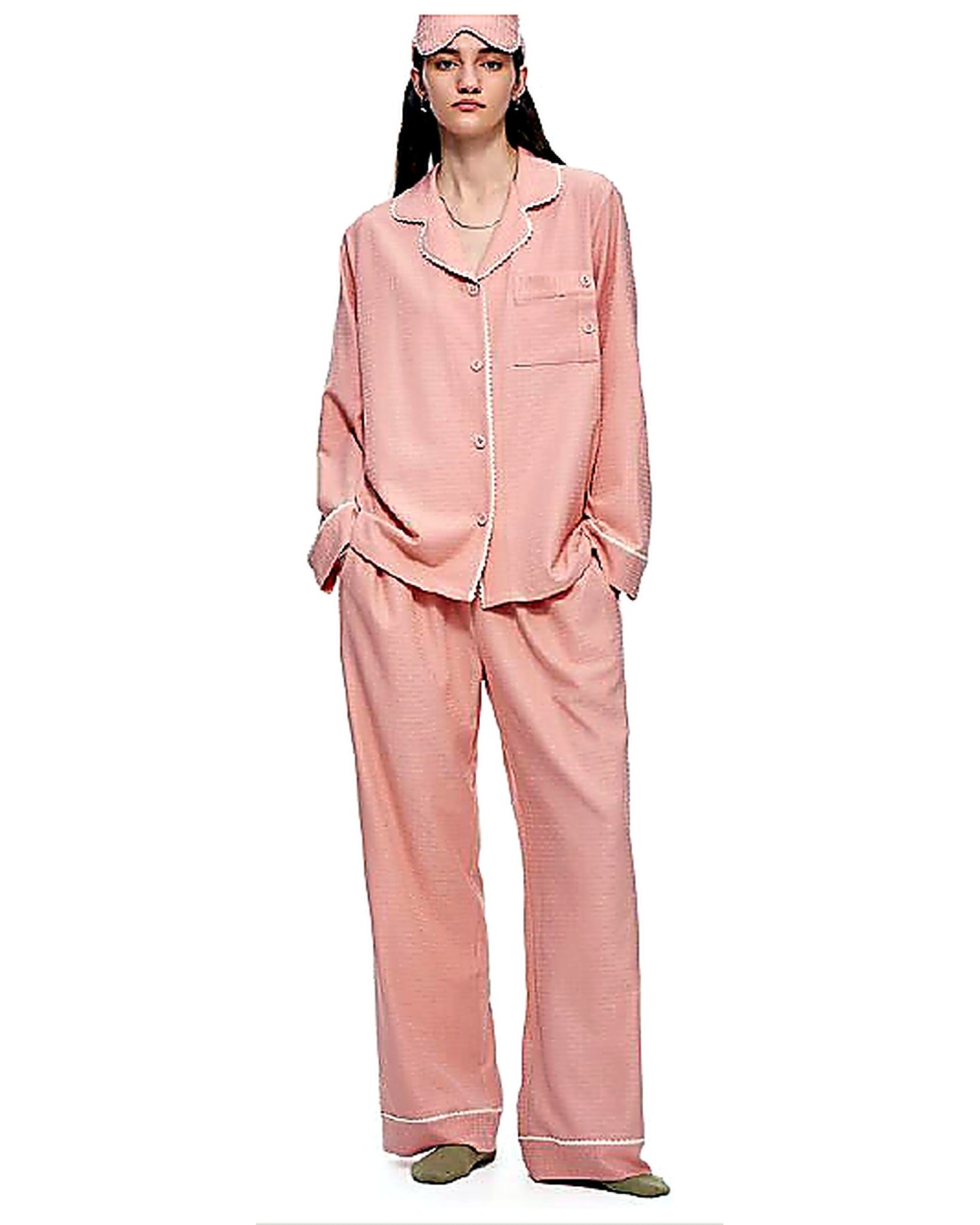
For a dress collection, record the silhouette, length, lining, closure, fabric behaviour, print or solid-colour route, and colour-size split. For a blouse collection, document coverage, collar or placket, sleeve, buttons, transparency, finish, and fit direction. A category name alone does not describe the product whose cost is being compared.
Material changes need a garment-level explanation
Fabric direction often becomes clearer after the sample is handled, worn, photographed, or compared against the intended product. A buyer may change a material because the original does not create the required drape, coverage, recovery, surface effect, colour expression, or comfort direction. That is a product decision. It may affect the current production response, but it is not useful to predict the result without checking the actual fabric, construction, consumption, components, and quantity structure.
Record the original material direction, the proposed or confirmed alternative, why the change is needed, which sample evidence led to it, and which garment features it affects. Keep availability, material price, testing, performance, and delivery matters project-specific. The factory can explain what needs review for the defined route; the brand should not describe an alternative as equivalent until the relevant evidence exists.
For women's knitwear, a change in yarn or material direction can reopen handfeel, gauge, shape, rib, care-data, colour, and sample questions. For pajamas and loungewear, comfort, component interaction, print, elastic, piping, and the sellable set definition may all need another look. State the change and the question it creates rather than promising that any material swap will have a predictable price effect.
Fit, pattern, and consumption changes should stay traceable
Fit comments can change more than the visual outline. A length adjustment, revised volume, altered sleeve, collar, waist, grade, or layering approach can affect the pattern route and how the factory evaluates the garment. The correct process is to keep the comment attached to the sample version, identify the requested change, and ask whether another pattern, fit, material, or construction decision needs review.
Do not turn a fit comment into an assumed unit-cost effect. The buyer should record the customer or product reason for the change and keep the decision owner visible. The factory should identify what product evidence it needs before it can compare the current route. That distinction protects both sides from treating a quick comment as a production instruction with no commercial consequences.
Use the sample approval before bulk guide to consolidate remarks into one controlled handover. A fit sample may answer one question while reopening another. An approval can be conditional on a named change; it is not automatically a release of every price, quality, production, or launch assumption.
Construction and component decisions can alter the scope
Many post-sample changes concern how the garment is made rather than how it looks at first glance. The sample may show that a seam, closure, lining, facing, pocket, elastic, binding, interfacing, embroidery, print placement, or finishing approach needs a different route. A buyer should state what the sample showed, what product outcome is required, what alternative is being considered, and what approval is needed.
Avoid language such as “keep the price but upgrade the finish” when the exact change has not been defined. It conceals the question the factory needs to review. A more useful instruction is to ask for a versioned comparison: current approved route, proposed route, required evidence, and the product, quantity, and commercial assumptions that remain the same. The buyer can then decide whether the new route is essential to the product promise.
Yinshan Fashion can discuss custom design, fit, material, construction, component, label, packing, sample, and production-coordination questions for the defined garment. It cannot decide the brand's retail strategy, promotion policy, desired margin, marketplace charges, or final launch approval. Keep those commercial decisions with the named brand owner.
Labels, packaging, and artwork are product inputs, not late extras
Private-label work can change after a sample when artwork, placement, label content, size identification, care information, hangtags, polybags, folding, carton markings, or market-specific pack details become clear. These items may be necessary to the product and should be included in the active brief. They should not be added through an informal message after the quote has been treated as final.
Make one current label-and-pack record. It should show artwork source, version, placement, size or colour application, language or market owner, packing route, approver, and open questions. The private-label process can help structure that handover. It does not replace the brand's responsibility to confirm its own market and customer requirements.
If a pack change belongs to a marketplace, warehouse, retailer, or service provider, name that owner. A factory should not be expected to infer one channel's process from another. The same garment may need different data, labels, or packing evidence for different routes.
Quantity, colour, and size splits must be reconfirmed
A total unit figure can hide a new production structure. After sampling, a buyer may add colours, split a style into more variants, change the size curve, introduce a special print, postpone a colourway, or divide the programme across several product families. Those choices do not prove a price outcome by themselves, but they change the information that a supplier needs to price the current scope.
Show the matrix by style, colour, size, material, print, label, and packing variation. If a buyer has a first-run plan and a later repeat aspiration, list them as separate scenarios. A planned repeat does not make the current route permanent, nor does it guarantee that future material, component, freight, currency, availability, or price conditions will be the same.
The MOQ, sample cost, and bulk price guide helps buyers distinguish development questions from bulk order questions. Use it to identify what needs confirmation. Do not turn it into a fixed MOQ, fee, or price rule for another garment.
Use a change-control table after every meaningful sample review
The table below is a control record, not a formula for changing a price. It keeps the product, quote, and commercial decisions connected after the sample produces new evidence.
| Change area | What the buyer should record | What the factory should clarify | Commercial decision owner |
|---|---|---|---|
| Sample identity | Style code, revision, sample purpose, dated photographs, comments, and current reference | Which product version and evidence are being reviewed | Brand product owner |
| Material or trim | Original direction, proposed route, reason, sample evidence, and open approval | What product, material, component, or availability question needs review | Brand product and commercial owners |
| Fit or construction | Requested outcome, affected points, current pattern or construction reference | Whether another sample, pattern, construction, or quote-scope review is needed | Product owner with named approver |
| Labels and packing | Artwork, placement, market owner, pack route, version, and approval state | Which application or pack input must be defined before pricing the current route | Brand and named channel owner |
| Quantity matrix | Units by style, colour, size, material, print, label, and pack variation | Which current order assumptions the response uses | Buyer and factory quote owner |
| Quote and decision | Quote date, validity, inclusions, exclusions, questions, and proposed next action | What has changed from the previous basis | Named commercial approver |
Use one row for each meaningful change. The record should make it possible to answer a simple question later: was the price compared against the same product and order plan? If the answer is unclear, the decision is conditional, not complete.
Ask for a revised quote basis, not only a revised number
A revised quotation should explain the scope it represents. Ask for the product revision, material and construction direction, components, decoration, labels, packing, quantity matrix, included work, exclusions, quote date, validity, and questions that remain. If the supplier is offering alternatives, ask that each alternative use a named product and order scenario.
Do not strip the explanation away to make the comparison faster. A number without its basis is difficult to defend internally and easy to misread later. A product manager may need to know whether the sample change affects the garment itself. A commercial owner may need to decide whether the product still fits a channel scenario. A logistics or channel owner may need to confirm a separate destination, fulfillment, or packaging input. Their questions are related but not interchangeable.
The purpose of a quote revision is to make the next decision clearer, not to produce a number that looks stable. If the factory cannot price an open material or product question yet, record the dependency rather than inventing a fixed conclusion.
Separate development spend from bulk-order decisions
Sample development, revisions, proofs, and bulk production are different activities. A buyer should record the sample objective and decide whether the work is intended to test fit, material, construction, print, label, packing, or another defined question. When a sample reveals a change, the next action may be another proof, a revised sample, a narrowed order structure, or a revised quote. It is not automatically a bulk release.
This separation matters for smaller brands. A team can choose to invest in the evidence needed for a product decision without telling itself that the product is already commercially approved. It can also pause a route that no longer supports the intended range. Calling a decision conditional is more useful than pretending an early development cost settles a future bulk programme.
Decide whether to preserve, revise, or pause the product proposition
When a sample change creates a commercial gap, start with the customer promise. Which product attributes are essential to the intended garment? Which are preferred but adjustable? Which commercial assumptions are owned by the brand and which product facts need factory review? A brand may preserve a key fit, handfeel, construction, or presentation feature and revise another part of the range. It may simplify a non-critical variation. It may change the channel scenario, quantity structure, or launch timing. Or it may pause the style.
Do not make the factory choose the brand's margin or retail strategy. Do ask the factory to explain the programme-specific product and production implications of each defined alternative. A custom womenswear manufacturing discussion can connect the technical development side, while the commercial approver decides whether the proposed route still serves the business case.
Ready, conditional, and unsuitable are different results
A revised price decision is ready only when the current product version, material and construction direction, quantity matrix, private-label and pack inputs, quote basis, commercial scenario, and approver are clear enough for the intended next step. Ready to quote is not the same as ready for bulk. Ready for a sample is not the same as ready to promote.
It is conditional when a named fabric, sample, print, label, packing, quantity, channel, logistics, or approval question remains open. List the owner and the evidence required. It is unsuitable when the current product no longer supports the intended commercial plan. That result may lead to a new brief, a different range structure, a later launch, or a hold. A transparent pause is better than an untraceable production decision.
What to send Yinshan Fashion after a sample changes
Send the original quote or estimate basis, current style reference or tech pack, sample photographs, consolidated comments, a dated change list, current fabric and trim direction, pattern or measurement questions, construction requirements, artwork and labels, packing plan, quantity matrix, intended destination or channel inputs that affect the garment handover, desired decision, and named approver. Mark what is fixed, what is proposed, and what needs a factory response.
Yinshan Fashion can use that record to discuss custom development, fabric and fit direction, sample revisions, private-label elements, and a current production scope. Actual pricing, MOQ, material availability, lead time, freight, duties, channel costs, tests, and commercial terms remain project-specific and need current confirmation by the responsible parties. The next step is a controlled revision record, not an instruction to reuse a previous price for a new garment.
Build a revision sequence that a small team can repeat
Small teams do not need a large approval system to control sample-to-quote changes. They need one consistent sequence. First, freeze a dated reference set for the sample that was reviewed. Second, consolidate comments so the factory receives one current product request instead of several conflicting messages. Third, sort each comment into product, material, fit, construction, component, label, packing, quantity, or commercial category. Fourth, mark whether the item is fixed, proposed, or open. Fifth, request a response that describes the current scope rather than only a replacement number.
At that point, the brand can make a useful gate decision. It can approve the unchanged route, request a specific proof, accept a revised product scenario, reduce or defer a non-essential variation, or pause the style. The order matters. Do not approve a channel message or launch asset before the product and commercial owners agree that the version behind it is current. Do not approve bulk merely because one part of the sample has been accepted.
Keep the record accessible to the people who need it: design or product, buying, commercial, operations, and the factory contact. A short dated table is easier to use than a long email thread. It also makes a later repeat order more controlled because the team can see which version, evidence, and commercial decision formed the last approved route. That history is a reference, not a substitute for a current quote and review.
Questions to ask before accepting a post-sample quotation
Before a buyer accepts a revised quotation, it should be able to answer: Which exact garment version is this? Which changes from the earlier sample or quote does it include? Which material, trim, construction, label, pack, and quantity assumptions remain open? Is the quote describing a sample route, a bulk route, or an alternative scenario? Which commercial inputs are still owned by the brand or another provider? Who can decide whether the remaining conditions are acceptable?
These questions protect the buyer and the factory from a common failure: treating a number as a decision when the product is still changing. They also prevent a team from blaming a supplier for a brand-owned channel or pricing choice, or asking a factory to guarantee an outcome owned by material suppliers, logistics providers, marketplaces, customs advisers, or the customer-facing business.
The best outcome is not always the lowest initial figure. It is a product and order route whose technical scope, commercial context, open conditions, and decision owner are clear enough for the next stage. When that clarity is missing, a conditional record is a successful result because it shows exactly what the team must resolve before it calls the product ready.
Sample-to-quote control kit
Keep a changed sample connected to the right quote and commercial decision
Use one current product version, one change record, and one named approver so an early estimate is not mistaken for a bulk commitment.
Name the active version
Attach the dated garment, sample evidence, materials, components, labels, packing, and quantity matrix to the quote discussion.
Log the change
State what changed, why it changed, what proof supports it, and which earlier approval or quote assumption is reopened.
Release a decision, not a number
Ask a named commercial owner to decide whether the current route is ready, conditional, or unsuitable for the plan.
Buyer actions and factory questions after a sample changes
Price, availability, lead time, testing, trade terms, freight, market obligations, and launch outcomes stay specific to the confirmed product and responsible owners.
| Decision area | What the buyer should prepare | What to ask the factory |
|---|---|---|
| Current sample identity | Provide style, revision, sample purpose, photographs, comments, product references, and the decision that the sample must support. | Which sample, tech pack, pattern, material, construction, and product record control the version being reviewed? |
| Change log | Write the original and proposed route, reason, evidence, affected product attributes, owner, and approval needed for every meaningful change. | Which change requires another product, material, sample, construction, or quote-basis review? |
| Labels and packing | Share current artwork, label placement, size ID, packing route, destination context, owner, and approval status. | Which private-label or pack item must be defined before the current scope can be priced? |
| Quantity structure | Show units by style, colour, size, material, decoration, label, and packing variation, with future repeats separated from the current order. | Which matrix and split assumptions does the response use? |
| Commercial gate | State the brand's channel scenario, cost boundary, protected product attributes, adjustable choices, and final approver. | What is included, excluded, conditional, or still needed before the current quote can be compared? |
Continue the production conversation
Sample-to-bulk quotation review: evidence, owners, and decision gates
| Review layer | Question to answer | Evidence owner | Do not assume |
|---|---|---|---|
| Product version | Which dated garment, material direction, construction, components, labels, packing, and sample comments are current? | Brand product owner and factory review | That an earlier sketch or sample defines the current garment |
| Change record | What changed, why, what evidence supports it, and which approvals are reopened? | Brand product owner with named approver | That an informal comment is a complete production instruction |
| Order structure | How are units split by style, colour, size, material, decoration, label, and pack variation? | Buyer and factory quote owner | That total units alone define the scope |
| Supplier response | What does the current quote include, exclude, assume, and need before it can be confirmed? | Factory quote owner | That an earlier estimate or number is a permanent commitment |
| Channel inputs | Which destination, fulfilment, marketplace, warehouse, promotion, or service-provider inputs affect the brand's model? | Brand and named service providers | That a factory owns another party's commercial route |
| Decision gate | Is the route ready, conditional, or unsuitable for the current launch plan? | Named commercial approver | That a quote total authorizes bulk or promotion by itself |
Buyer FAQs
Why do clothing production prices change after sampling?
Clothing production prices can change after sampling when the current garment and order scope differ from the basis of an earlier estimate or quote. Material, fit, construction, components, labels, packing, quantities, and required proofs should be compared against a dated product version before a revised quotation is interpreted.
Is a sample quote the same as a bulk production quote?
No. A development or sample discussion, an estimate, and a bulk quotation serve different decisions. A bulk quotation should state the current product revision, quantity structure, included work, exclusions, validity, and open questions rather than relying on an earlier number alone.
What should a buyer do when clothing production prices change after sampling?
Record the current sample version, each requested change, the evidence behind it, the active quantity matrix, labels and packing inputs, and the commercial scenario. Ask the factory for the current quote basis and ask the named brand approver to decide whether to preserve, revise, or pause the route.
Can a factory guarantee that a future repeat order will use the same price?
No. Future pricing, material availability, components, freight, currency, quantities, and other conditions remain project-specific. A buyer should keep the old purchase order and approved version as references, then request a current review for the actual repeat order.
Can Yinshan Fashion review a changed garment brief?
Yinshan Fashion can discuss the current custom garment, fabric and fit direction, sample evidence, construction, components, labels, packing, quantity structure, and production-coordination questions. The brand and its named providers retain ownership of retail price, channel economics, returns, freight, tax, marketplace rules, and final commercial approval.