Article
What should buyers know first?
Short answer: A buyer-led guide to choosing fabric for custom fashion clothing by comparing garment behaviour, blend routes, sample evidence, sourcing risk and repeat-order records.
How to choose fabrics for custom fashion clothing starts with the garment outcome, not a fibre name or an attractive swatch. A fabric is workable only when its construction, surface, weight direction, stretch, opacity, colour route and finish support the intended style - and when the buyer and factory know what must be checked before sampling and again before bulk.
Yinshan Fashion supports custom and private-label bulk programmes rather than unrestricted ready-stock wholesale. That means a fabric conversation should connect the brand's product brief with fit, sampling, trims, labels, packing and production handover. Availability, commercial terms, minimum quantities, testing and timing depend on the confirmed programme; they should be checked for the actual material and order rather than assumed from this guide.
For a buyer, the useful question is not simply, “Which fabric is best?” It is, “Which fabric route gives this garment the intended appearance and use, while leaving a clear approval and reorder record?” The answer can differ for a fluid dress, a crisp blouse, a women's knitwear layer, a girls' top, a partywear style or a soft nightwear set.
How to choose fabrics for custom fashion clothing: use a decision sequence
Begin by naming the decision the fabric must support. A development team may be trying to keep a dress light but sufficiently covered, make a blouse hold a collar and placket, create a knit layer with controlled stretch, or give a pajama set a coordinated handfeel after its components are assembled. Each task has different trade-offs. A single composition line cannot decide them all.
Use a short sequence rather than choosing from a material book in isolation:
- Define the garment, wearer, channel and intended use.
- Describe what the material must do in that specific pattern.
- Compare candidate constructions and blend routes against the same question.
- Mark which observations require a swatch, an applied component or a garment sample.
- Record the approved material identity and reopen the decision if a later lot, colour, finish or component changes.
This sequence helps a buyer separate an early preference from a production decision. A soft handfeel on a small cutting may be a useful starting point. It does not settle the way the same cloth will hang across a skirt panel, behave at a seam, coordinate with lining, carry a print, or respond after the agreed care route.
Start with the garment outcome, not only the fibre name
Write the product in ordinary commercial language before requesting fabric proposals. Identify the category, silhouette, target wearer, body areas that need support or movement, intended surface, coverage question, colour direction, components and the decision that the next sample must answer. A supplier can then explain which information is known, which option is suitable for a first review and which point remains conditional.
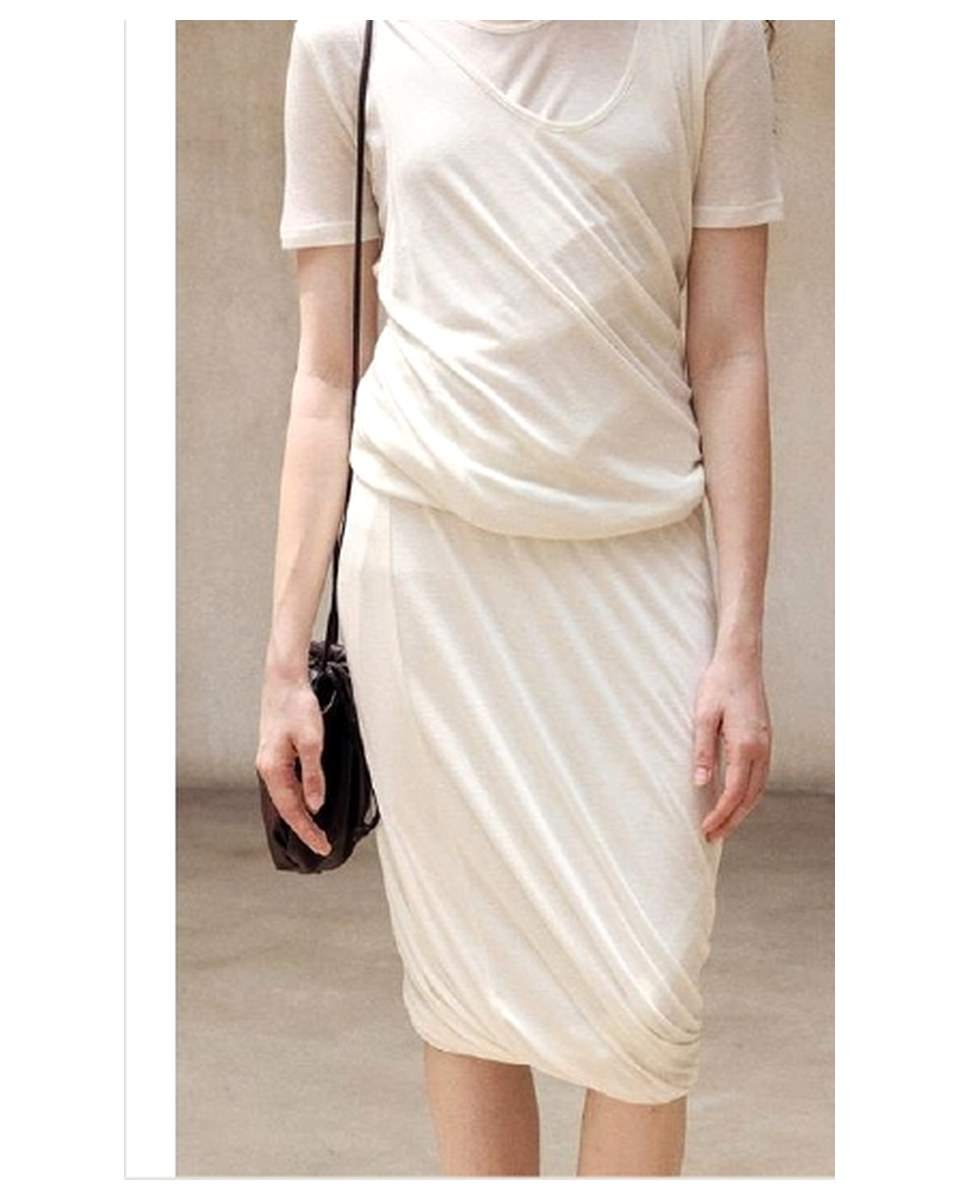
For a dress collection, a buyer may need to compare drape, opacity, lining relationship, seam bulk, hem balance and the way a print or solid colour reads across the full body. A fabric that is visually appealing on a hanger can still require a different lining, pattern adjustment or sample route once it becomes a finished dress.
For a blouse collection, the question may be different: collar definition, placket stability, sleeve volume, coverage, button area, transparency and press response can all matter. The same base that creates a fluid blouse may not support a sharply structured shirt. Do not call one option better without naming the garment task it must complete.
This product-first approach also keeps the brief honest. If the brand has not decided whether a style is fitted, relaxed, lined, printed, washed or layered, label those points as open. A factory can suggest a route, but it should not silently turn an open design question into a fixed fabric assumption.
Build a material brief that a factory can answer
A useful material brief contains more than a preferred composition. It identifies the current product version and the evidence needed to move it forward. Start with the existing information, then mark each point as fixed, preferred, open for proposal or requiring physical proof.
Include the garment reference or tech pack, intended use, target silhouette, desired handfeel, drape direction, surface, coverage requirement, stretch and recovery question, colour or print direction, lining and trim relationship, care question, quantity structure, destination, sample objective and repeat-order ambition. If the buyer has a physical swatch, record whether it is only inspiration, an approved standard, or material that is actually being offered for the order.
Weight can be relevant, but it should not be treated as a complete specification. A stated GSM, or grams per square metre, gives a weight direction. It does not by itself define construction, density, usable width, surface, recovery, opacity, finish or how the material behaves in a particular pattern. Use it alongside the garment requirement and the sample question.
The same applies to labels such as soft, premium, sustainable, easy care or performance. They may express a commercial intention, but they do not identify a construction or prove a finished-garment outcome. Ask what physical characteristic, document or sample would make the claim meaningful for the programme before using it in product copy or a buyer approval.
Match construction to silhouette and product family
Construction is the way yarns are interlaced or looped into a fabric. It is different from composition, which describes the fibres present. Two fabrics can contain similar fibres while behaving differently because one is woven and another is knitted, or because their density, yarn, surface treatment and finish differ.
A woven route may be considered when the garment needs a more defined surface, a particular drape, a crisp placket, a tailored line or controlled print ground. A knit route may be considered when stretch, recovery, close fit, comfort or loop-based surface is central to the brief. Neither label guarantees an outcome. The buyer still needs to compare the actual candidate material in the intended garment.
For women's knitwear, identify whether the development question concerns shape retention, layering, texture, neckline behaviour, rib interaction or the way the style moves with the wearer. A knit sample can reveal decisions that a flat swatch cannot, especially around edge finish, seams, stretch direction and trim balance.
For pajamas and loungewear, review the complete set rather than a single fabric cutting. Top and bottom, elastic, piping, print, pocketing, labels and packing can all change the practical result. Softness may matter, but so can coordination across components and whether the material remains suitable for the specified garment construction.
The selection matrix below is not a list of universal fabric prescriptions. It is a way to turn product categories into questions the buyer and factory can answer together.
Compare blend routes without treating the fibre name as a promise
Blend discussions become more useful when they start with an outcome. A polyester-viscose route, for example, may be reviewed for the balance of surface, drape, stability, colour direction and garment use. A viscose-elastane route may be reviewed for comfort, stretch, recovery question, coverage and the way the pattern responds. A modal, polyester and elastane direction for nightwear may be considered for the particular handfeel, set construction and care discussion the brand needs. These descriptions identify a route to examine; they do not establish a fixed result across every supplier or finish.
Ask the supplier to identify the candidate reference, the composition information supplied, construction, weight direction if known, colour or finish, usable width when relevant, sample condition and open decisions. Then compare candidates against the same garment question. A P/V option may offer a cleaner surface for one dress or skirt direction, while another route may better suit the movement or softness sought for a different silhouette. The meaningful choice is the one supported by the sample and product record.
Do not turn a blend name into an automatic sustainability, durability, stretch or care claim. A brand's statement must match the specific material and available evidence. If a buyer requires a particular test, certification, recycled-content wording or market review, define who will provide or interpret that evidence and what material version it covers.
This is also why “substitute fabric” is not a small wording change. A substitute may alter drape, opacity, seam behaviour, colour appearance, trim interaction, label information or the right next proof. Treat it as a new candidate with its own record, not as an undocumented continuation of the original approval.
Use the fabric route to decide what needs a sample
Different proofs answer different questions. A swatch can help a team compare surface, first handfeel, colour direction and approximate thickness. It may not show how a fabric performs at the neckline, seat, waist, hem, pocket edge, gathered sleeve or printed panel. A lab dip or colour proof can help define a colour route, but it is not automatically a garment-level approval. An applied component check can show the interaction of fabric and trim. A garment sample can connect all those questions to the actual pattern.
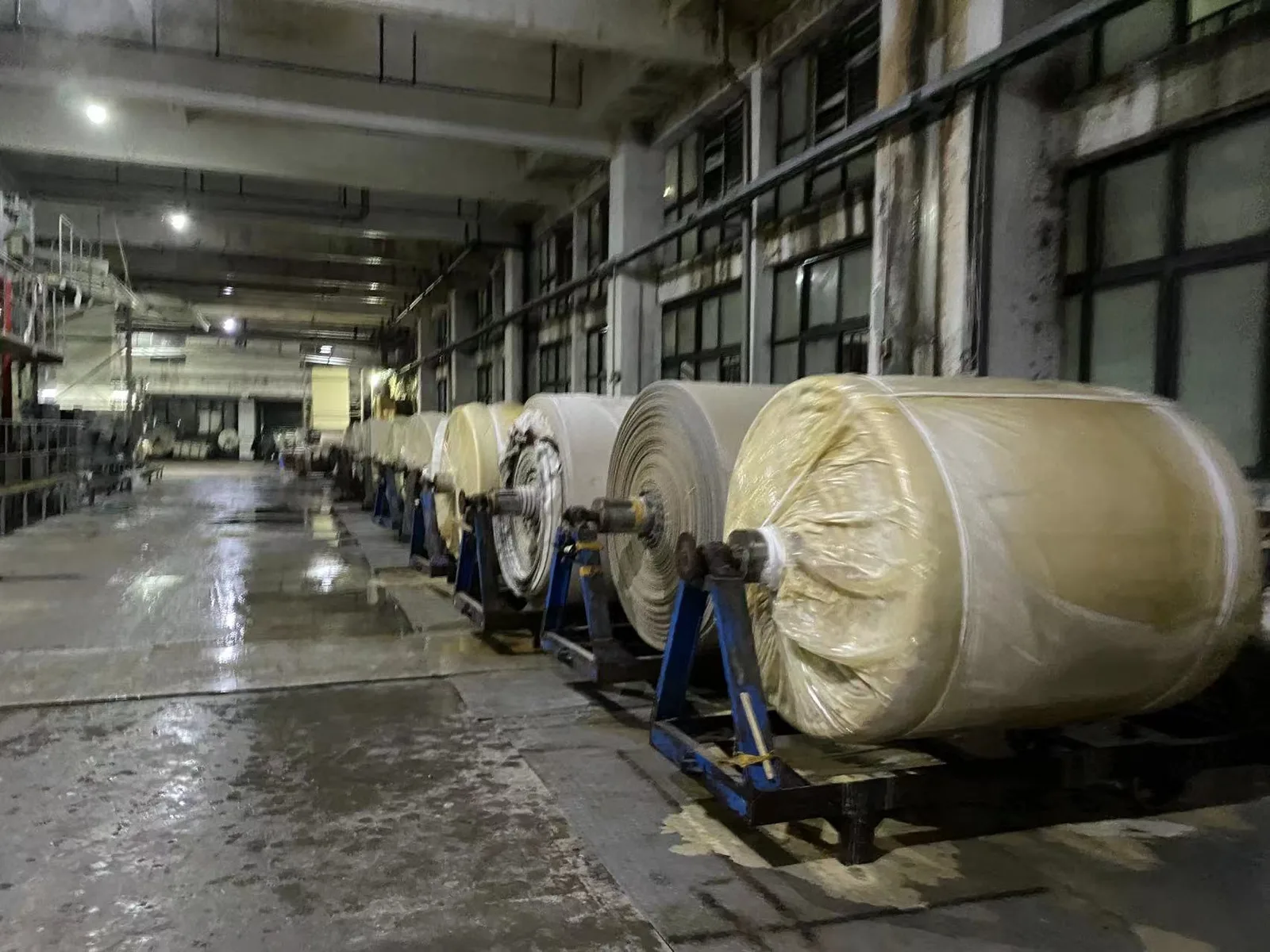
*A material record should connect the proposed fabric to the sample purpose, rather than treating a roll photograph or swatch as approval of every garment outcome.*
Name the purpose of every submission. One sample may be for fit, another for colour, another for decoration placement, and another for the complete production route. Record the material reference, components, pattern version, sample size, reviewer, decision, condition and next action. This prevents approval of a construction detail from being mistaken for approval of a later fabric, colour or finish.
If the material remains provisional, say so in the comment sheet. For example, a first sample might establish neckline depth and pocket placement while the final bulk fabric is still being reviewed. That can be a sensible development route if the team clearly states what the early sample does not prove. It is not sensible to present the same sample as final confirmation of drape, coverage and care behaviour for an unreviewed material.
Bring quantities, sourcing risk and repeat plans into the same decision
Fabric selection is connected to the order structure. A candidate that suits the product may still need a different commercial discussion if the colour range expands, the size mix changes, the brand wants a custom finish, or the first launch must support a later repeat. Do not make those questions disappear by referring only to a fabric's appearance.
State the current quantity matrix by style, colour and size. Explain whether the programme is a limited launch, a test order, a seasonal style or a core item expected to repeat. Ask which parts of the material route are confirmed, proposed, available for review, subject to a colour process, or dependent on a later order decision. The answer should be specific to the enquiry.
The distinction between available fabric and custom fabric matters here. Existing finished material can be useful when a current lot, construction and colour meet the product brief. A route based on an existing base with custom colour, print or finish may leave additional approvals and production steps open. A custom development route may be appropriate when an existing option does not solve a defined product problem. None of these routes automatically provides a fixed minimum, price, timing or repeat guarantee.
Use fabric sourcing before sampling to prepare the first comparison, then keep the commercial assumptions visible. A decision sheet should show what is confirmed, what is an estimate, what is excluded and which change would require a revised discussion. This is more reliable than comparing two swatches while the quantity and replenishment questions remain unspoken.
Treat fabric and components as one development decision
The base fabric rarely works alone. Lining, interfacing, rib, elastic, thread, buttons, zippers, labels, heat applications, embroidery, prints and packing can each alter the way the finished garment feels, moves, looks or is handled. A material that suits the main body may need a different component choice at the collar, cuff, waistband, placket or inside finish. Those relationships belong in the fabric review, not in a last-minute trim conversation.
Ask one clear question for every visible interaction. Does the selected elastic pull the fabric out of shape at the waist? Does the lining change the dress's drape or coverage? Does a print need a smoother or more stable surface? Does a heat application, embroidery or seam placement make a lightweight material pucker or show through? A question framed around the specific style gives the factory a practical next action. A vague request for “better quality” does not.
Review the actual applied combination when the interaction matters to the product. A fabric swatch beside a zipper tape may help a colour discussion, but it may not answer how the zipper performs in the finished garment. A test embroidery on an offcut can begin a decoration review, yet the garment sample may still be needed to assess placement, backing, stretch or seam balance. Record the version used for the observation and the decision it supports.
This combined review also protects product information. If the shell, lining and trim have different material records, avoid treating one document as evidence for the whole garment. Keep each component's scope visible, then decide with the buyer which details need to appear in labels, care information, packaging or customer-facing descriptions. The aim is not to create more paperwork. It is to stop a material approval from concealing a component decision that could change the finished product.
Review colour, components and care as one material system
Colour can change with the fabric surface, construction and finish. The same visual direction may read differently on a matte woven, a rib knit, a brushed surface or a smooth material. Lining, thread, elastic, zipper tape, buttons, print inks, embroidery thread, labels and packing components can also affect the finished impression. Review visible components together where possible, and record whether the goal is exact matching, tonal coordination, deliberate contrast or an accepted difference.
Care information should follow the confirmed material and product route. Do not copy care wording from an inspiration swatch or a prior style when the composition, finish, garment construction or components have changed. If destination-market rules, testing, certification or claim wording apply to the project, the brand and its appropriate advisers should confirm the requirements before bulk and before customer-facing statements are finalised.
This discipline improves communication as well as compliance. Instead of asking a factory to make a garment “safe” or “easy care,” the buyer can state the actual material, component and market question that requires review. The factory can then identify the relevant record, proof or responsible party without turning a general statement into an unsupported guarantee.
Use a sample-to-bulk gate before releasing the selected fabric
Before a proposed material becomes the bulk reference, run a short gate review. The right sequence depends on the programme, but the questions below make the handover visible:
- Is the garment pattern and sample purpose identified?
- Is the actual fabric reference, colour, construction and finish recorded?
- Have the relevant components, lining and decoration been reviewed with the selected fabric?
- Does the approval state what the sample proves and what remains conditional?
- Is the quantity, colour and size structure current enough for the sourcing conversation?
- Is there a named owner for the next proof, buyer decision and change record?
The gate is not a promise that every later issue has disappeared. It is a way to identify whether the team is ready to move from selection to a more committed material and production discussion. A simple stock-fabric tee and a complex partywear dress with custom print and several components may need different evidence. Both need a readable answer to what is approved, what is open and what change would reopen the decision.
For a collection with several product types, retain one style-level record and one collection-level record. The style record can contain the fabric, fit and component details that apply only to that garment. The collection record can hold shared rules such as colour direction, label artwork or packing format. This prevents a blouse-specific decision from being copied to a dress without review, or a shared brand requirement from being lost in a single sample comment.
Keep a material record that can support a repeat order
A repeat order begins with comparison, not memory. Keep the approved physical reference where possible, plus the supplier reference, composition information supplied, construction, colour standard, finish, pattern version, components, sample comments, care basis, packing notes and authorised exceptions. State who can confirm the next proposed lot and what must be compared if availability changes.
When a supplier offers more material, ask whether it is the same finished lot, a new lot of the same reference, an existing base that will be processed again, or an alternative. Those are different propositions. The right response may be to compare a new submission, revise the garment plan, approve a limited run or open a new fabric discussion. The record lets the team make that decision deliberately.
This is particularly valuable for small brands. A focused launch does not need an oversized technical bureaucracy, but it does need a traceable answer to which fabric was approved and why. That record reduces the chance that a later reorder is built from an outdated photo, an unlabelled offcut or a recollection that a material was “close enough.”
How Yinshan Fashion supports a controlled fabric decision
Yinshan Fashion can help convert a brand's product references into a focused material, pattern, sample and production conversation. The useful starting point is the garment task: the style, silhouette, intended use, fabric direction, colour, components, quantity context, sample objective and open questions. From there, the team can discuss available options, custom development where appropriate, fit and sample review, private-label details and production coordination.
The goal is not to select the most impressive swatch in isolation. It is to select a material route that supports the intended garment and gives the buyer a clear basis for the next proof. Exact availability, commercial terms, production timing, test scope and final material performance remain project-specific and should be confirmed before a commitment is made.
Next step: send a fabric brief that can be reviewed
For a productive fabric discussion, send Yinshan Fashion a tech pack or reference image, product category, target silhouette, material direction, colour or print need, lining and trim notes, size and quantity matrix, sample purpose, target market, care question and whether repeat supply matters. Review the fabrics and trims process, then share the current product brief so the next material proposal can be tied to a named garment decision rather than a generic fabric request.
Fabric decision kit
Three controls that turn a fabric preference into a workable garment route
A fabric choice becomes useful when the garment outcome, material record, and next approval are visible. These controls help buyers compare construction, colour, components, samples, care, quantities, and repeat records without treating a swatch as a bulk promise.
Control the garment outcome
Name the style, wearer, use, fit, handfeel, drape, coverage, stretch, surface, colour, construction, components, care question, and product risk the material must support.
Control the material record
Keep the physical material reference, composition information supplied, construction, colour, finish, source evidence, component route, proposed wording, owner, and open condition in connected records.
Control the next proof
State whether the next decision needs a swatch, header, colour proof, applied component, garment sample, document check, revised quantity matrix, quality review, or buyer approval.
Buyer action and factory confirmation before a fabric route moves forward
Use one dated checklist to connect garment outcome with material construction, colour, components, samples, product data, quantities, quality priorities, and repeat records. Exact availability, commercial terms, tests, certifications, approvals, and timing remain programme-specific.
| Decision area | What the buyer should prepare | What to ask the factory |
|---|---|---|
| Garment outcome and fabric role | Provide the style-colour-size route, target wearer, use, silhouette, fit, handfeel, drape, coverage, stretch, surface, construction, care question, and fixed versus open decisions. | Which material characteristics can be reviewed now, which need a swatch or garment sample, and what product detail could change the route? |
| Construction colour and finish | Share the material reference, composition information supplied, construction, weight if known, colour reference, finish, lining, thread, rib, and acceptable alternatives. | What physical reference, colour proof, source, finish, component, or applied sample is needed before the current product record can move forward? |
| Components and decoration | Give the print, embroidery, heat application, buttons, zips, elastic, labels, hangtags, packing elements, style scope, and the product question each item creates. | Which component, decoration, construction, applied proof, or substitute needs review before the next sample or production decision? |
| Sample and approval scope | Name the sample version, material and component references, intended size, question to answer, reviewer, feedback date, approval wording, and unresolved condition. | What does the proof demonstrate, what remains open, and which connected material, product, or component record must be updated? |
| Product data and evidence | Provide composition information supplied, care question, proposed customer wording, source documents where available, label and packing files, destination, channel, and final approver. | What does each document or claim apply to, what is conditional, and which buyer, retailer, legal, or market review is needed before use? |
| Quantities quality and repeat | Share the style-colour-size quantity matrix, quality priorities, approved material reference, exceptions, packing record, retained evidence, and authorised change log. | How will the material route be compared during production and packing, and what future change must reopen the material, sample, or approval discussion? |
Continue the production conversation
Fabric selection matrix: questions to resolve before sampling
| Product route | Material question to define | Useful proof | What not to assume |
|---|---|---|---|
| Fluid dress or skirt | Drape, coverage, lining relationship, seam and hem behaviour | Swatch plus an applied garment sample in the intended pattern | That a soft swatch will provide the same coverage or movement in every style |
| Blouse or shirt | Surface, collar and placket definition, sleeve volume, transparency and press response | Fabric submission with relevant components and a construction sample | That a fabric suitable for a relaxed blouse will support a structured shirt |
| Women's knitwear or close-fit top | Stretch direction, recovery question, edge finish, neckline and trim interaction | Garment sample reviewed in the proposed material and component route | That a stated fibre blend alone establishes fit retention or comfort |
| Nightwear or loungewear set | Handfeel, set coordination, elastic or piping interaction, coverage and care question | Top-and-bottom review with the intended components and sample purpose | That one fabric cutting represents the complete set after assembly |
| Partywear or decorated style | Surface, colour direction, lining, decoration compatibility and seam handling | Applied decoration or component proof plus a garment-level review | That a visual reference proves the selected fabric can carry every finish |
Buyer FAQs
How do I choose fabrics for custom fashion clothing before sampling?
Start with the garment outcome: silhouette, use, coverage, handfeel, components, colour direction and sample question. Then compare candidate materials against that same product task, record what each proof demonstrates and confirm the actual route before bulk.
Is fibre composition enough to approve a fabric?
No. Composition is one part of the brief. Construction, density, weight direction, finish, surface, colour, components, pattern and sample condition can all change the finished garment. Review the proposed material in the relevant product context.
Should a fashion brand choose stock fabric or custom fabric?
The right route depends on the garment requirement, available material, colour and finish needs, quantity structure and repeat ambition. Ask what is physically available, what still needs processing or development, and which proof is required before committing.
What should be included in a fabric sourcing brief?
Include the style reference, intended wearer and use, silhouette, desired material behaviour, colour or print direction, components, sample objective, quantity matrix, target market, care question and whether the programme is limited or intended to repeat.
What changes should reopen a fabric approval?
A changed material reference, construction, colour, finish, lining, component, pattern or order condition can affect the approved result. Record the proposed change and decide which swatch, component proof, garment sample or buyer confirmation must be repeated.