Article
What should buyers know first?
Short answer: Turn cotton staple-length descriptions into a practical apparel comparison: what to ask the mill, which variables to control and when an upgrade serves the garment.
Long-staple vs extra-long-staple cotton is a comparison of fibre-length categories, not a complete ranking of finished garments. Longer-fibre descriptions can be relevant to a mill's yarn choices, but they do not specify fabric weight, drape, opacity, care performance or garment construction. Buyers should ask how the cotton is classified, what data apply to the proposed material, and whether the complete fabric package improves the product they are developing.
At Yinshan Fashion, cotton selection sits within custom and private-label garment development. Our material, sample and production workflow lets buyers discuss a fabric's handfeel and drape alongside the fit and construction of the intended garment. If you are considering a longer-staple option, start with the improvement you want to see in the sample. The aim is a useful material decision for your collection, not an automatic category upgrade. Supply, sampling and commercial terms are reviewed for the project rather than offered as unrestricted ready-stock wholesale.
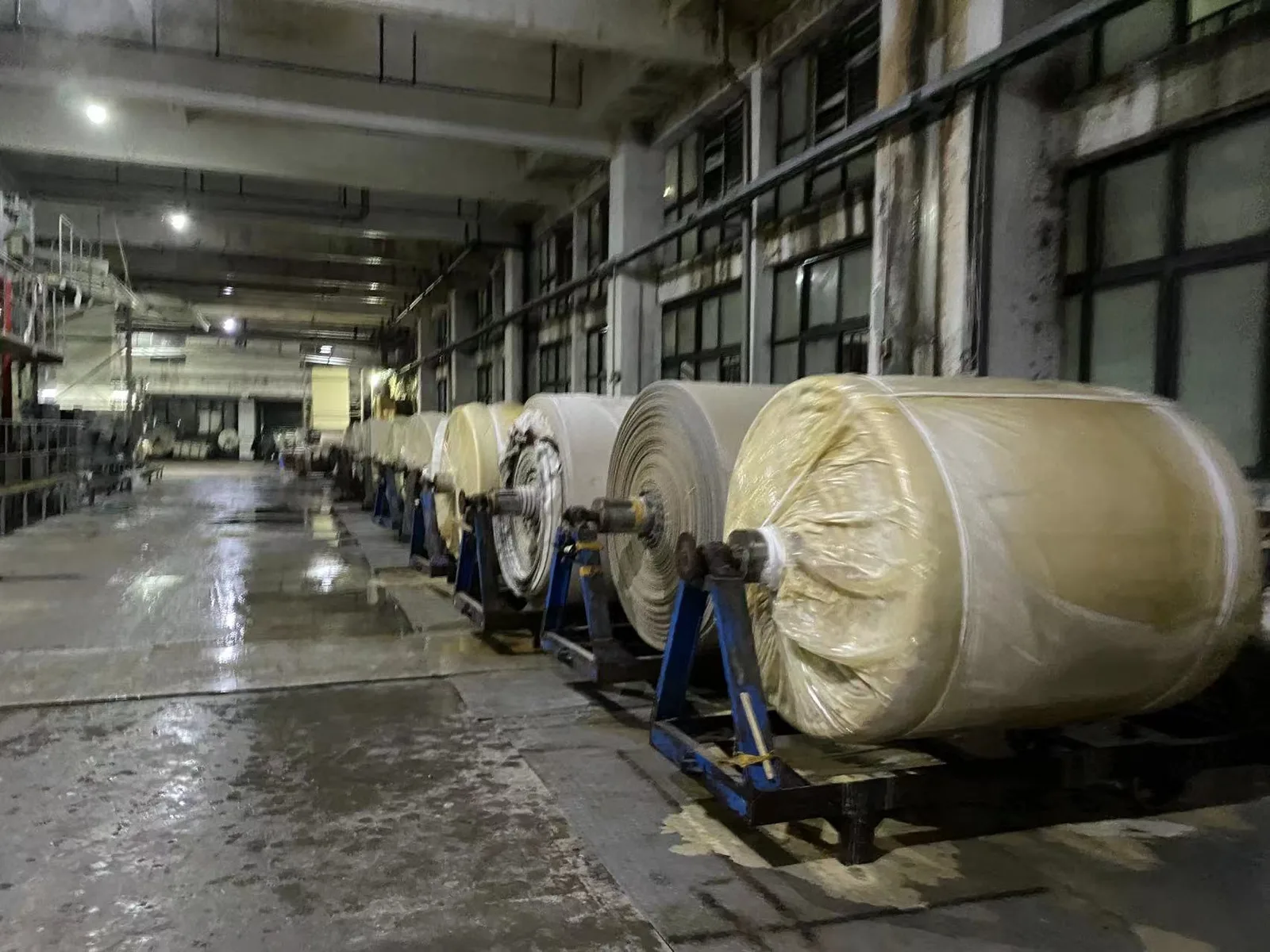
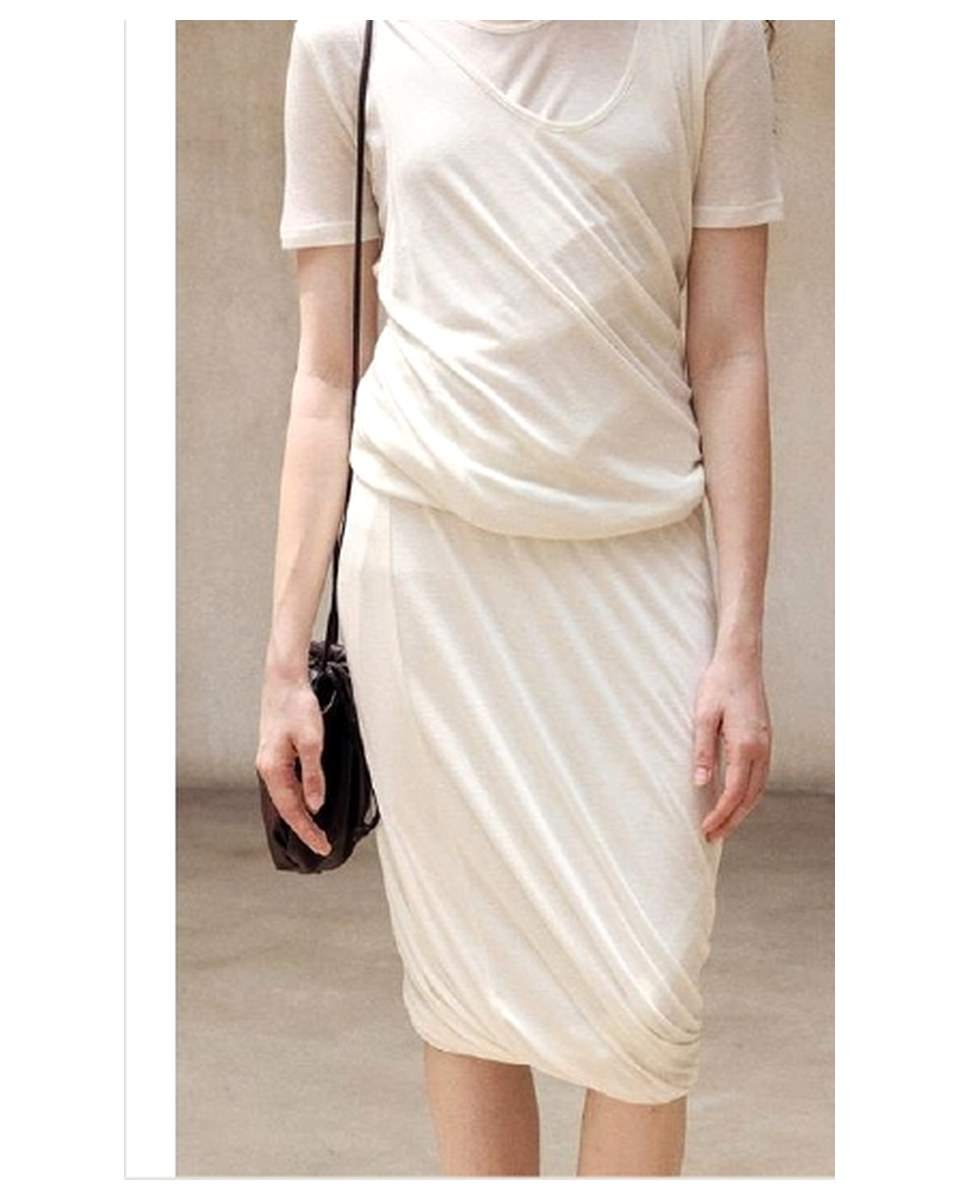
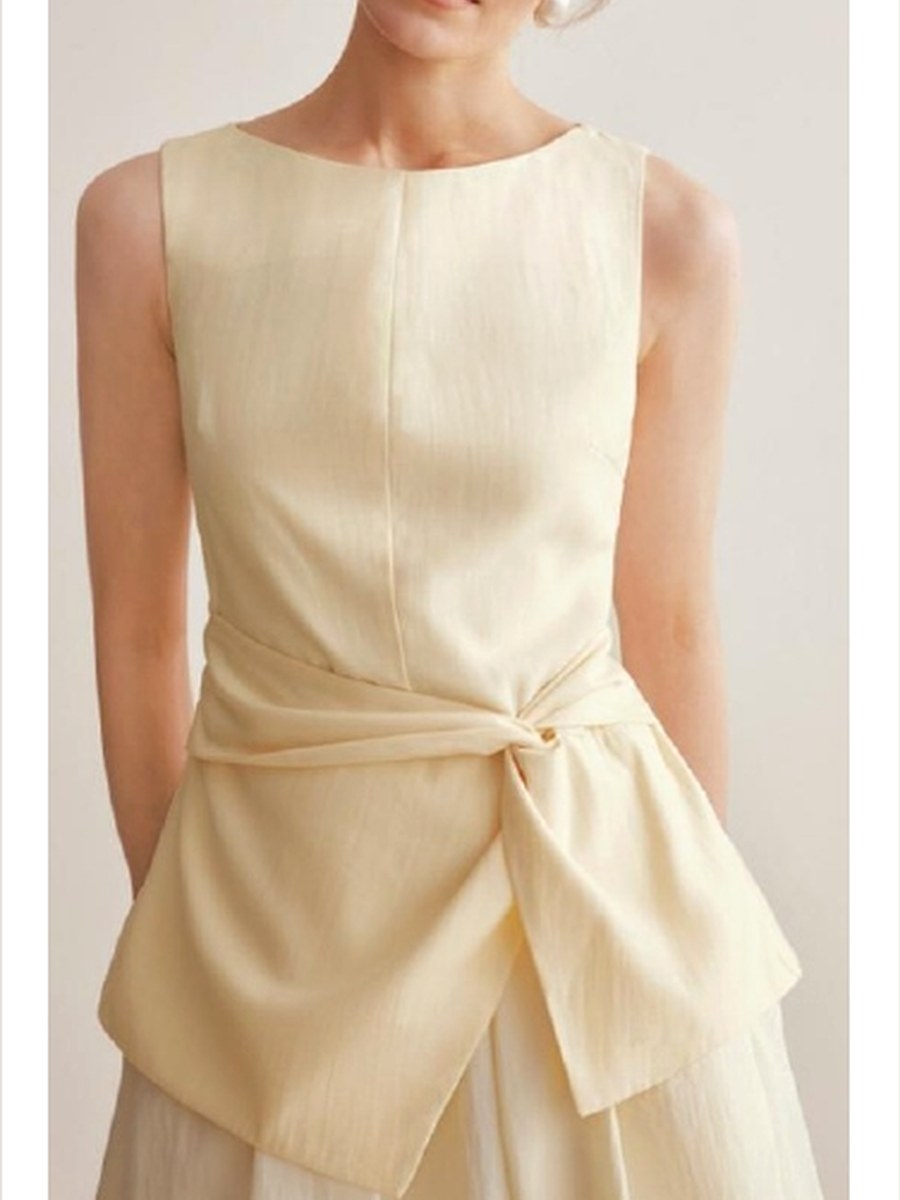
This guide approaches the comparison from the buying desk. It explains what to request from a material supplier, how to avoid comparing unrelated measurements, and how to test an apparent improvement on the actual garment. Photographs illustrate garment development and material review; visible texture cannot establish a cotton staple-length category.
What does a long-staple vs extra-long-staple cotton comparison need to define?
Ask which classification or specification the supplier is using. A length category is meaningful only when its context is understood, and the word “long” can appear in different textile discussions. Do not lift a threshold from an unrelated fibre or machinery description and insert it into a cotton purchase specification. Have the responsible material supplier explain the basis of the claim and identify the proposed cotton or yarn programme.
Avoid treating one category label as the entire material identity. Record cotton composition, any named origin or variety, the fibre description, the mill's fabric reference and the intended garment use separately. A blend needs particular care: determine which component the length description concerns and whether the claim applies to all of the cotton input. A fabric described as containing extra-long-staple cotton is not automatically a fabric made exclusively from it.
Then ask what the buyer is trying to improve. Is the current sample's surface too uneven for a fine print? Does the intended lightweight blouse need a different balance of coverage and handle? Is the brand specifically developing a documented fibre story? These are different reasons to compare materials. Some can be assessed mainly through representative fabric and garment samples; others also require a stronger evidence trail for the named input. Write the reason next to the requested category.
For an illustrative comparison, suppose two mills propose fabrics for the same woven top. One describes a long-staple cotton and the other an extra-long-staple cotton. If their yarn, weave, finish and finished weight also differ, the buyer is comparing two fabric proposals, not isolating fibre length. The distinction does not make the comparison useless. It simply limits the conclusion: one complete proposal may suit the blouse better without proving that the length category caused the difference.
Use that distinction in internal communication. “Candidate B performed better in this garment trial” is a defensible observation when the trial is properly recorded. “Extra-long-staple cotton is always better for blouses” is a much broader claim that the trial does not establish. Buyers can make confident product decisions without turning every successful sample into a universal material rule.
The related cotton types guide helps keep origin, cultivation and fibre descriptions apart. Use it to tidy the enquiry language, then let the actual mill proposal define the technical comparison. A clear question at this stage is more valuable than collecting a page of numbers before anyone has agreed what decision those numbers should support.
How is fibre length different from yarn count and fabric weight?
Think of three separate levels: the cotton fibre, the yarn made from fibres, and the fabric made from yarn. Fibre length belongs to the first level. Yarn count describes yarn linear density within a specified count system. Finished fabric weight describes the mass of an area of fabric. They are related through material design, but they are not interchangeable measurements and should not occupy the same field in a supplier comparison.
CottonWorks' Textile Yarns guide explains yarn preparation, spinning and count systems. For the buyer, the immediate lesson is to ask which count system and yarn arrangement the mill means rather than comparing bare numbers. A yarn specification can include more than a single count value. The supplier should explain the construction in terms that the technical and sourcing teams can use consistently.
Do not borrow bedding's thread-count language as a complete apparel quality test. A blouse needs its own construction and performance brief. Ask for the actual fabric structure, relevant yarn information, finished weight and usable width, with tolerances agreed for the programme. Those details support costing and sampling. A promotional thread-count claim, without context, does not explain how the fabric will behave at a collar, gathered seam or buttonhole.
The same applies to finished weight. If a heavier candidate feels more substantial, do not automatically credit the cotton category. You may simply be handling a different fabric construction. Conversely, a lighter fabric may be a deliberate design choice rather than a lower-quality version. Keep the target product in view: a fluid summer blouse and a structured overshirt should not be forced into one weight-based quality ranking.
A practical sample label can carry separate lines for composition, fibre claim, yarn specification, fabric construction, finished weight, finish, colour and reference code. Leave unknown fields visibly open. That helps the buyer spot whether a supplier has answered a question about raw material with a finished-weight figure, or answered a question about construction with a cotton name. The record need not be technically elaborate; it needs to prevent categories from being confused.
If one fabric is preferred, ask which features are essential to retain. The buyer may care most about an approved hand and silhouette, while the technical team identifies several underlying variables needed to reproduce them. Confirm those variables before purchase. “Same extra-long-staple cotton” is not a sufficient repeat-order specification if the yarn, construction and finish are free to change. The finished product depends on the complete approved arrangement, not on the most prestigious phrase in its description.
Why do length uniformity and short-fibre information matter to the discussion?
A length description does not say that every fibre has the same length. The distribution matters. CottonWorks' fibre-quality guidance describes length uniformity and its relationship to yarn evenness, strength and spinning efficiency. This is a reason to ask for relevant material information, not a basis for promising a particular garment result from a category name alone.
The buyer's first question should be about relevance: what data does the mill use for the proposed input, and how does that information relate to its yarn and fabric specification? A report from a different raw-material programme may be informative, but it should not be filed as evidence for the current order. Ask the supplier to identify what is representative, what is lot-specific and what remains to be confirmed. Keep those distinctions in the approval notes.
Ask for the method and units when comparing numbers. Two reports may use different presentations or describe different statistics. A buyer should not create a new pass threshold by averaging figures copied from supplier brochures. If uniformity or short-fibre content is material to the decision, involve the mill's technical contact or an appropriate testing partner in defining a meaningful comparison. A correctly interpreted smaller dataset is more useful than a spreadsheet full of incompatible values.
Be careful with a soft, smooth swatch as well. Touch tells the buyer something about the sample's current handle; it does not reveal the complete fibre-length distribution. Surface appearance should be evaluated as a product characteristic in its own right. Keep a physical reference and record the conditions of comparison. If the sample has been finished differently from the intended bulk fabric, ask for a representative version before treating it as the final standard.
For small brands, there is a sensible division of responsibilities. The mill interprets its fibre and yarn inputs, the garment team develops the style, and the buyer defines the product expectations and required evidence. The buyer does not need to dictate spinning settings. It does need to ensure that a material description is supported and that the final approval addresses the intended product, not an unrelated technical showcase.
When the supplier cannot provide detailed fibre data, do not fill the gap with assumptions. Ask what evidence can be supplied and decide whether it is enough for the proposed claim and product requirement. A development sample can still be evaluated without making an unsupported length-category claim in marketing. If that claim is essential to the brand brief, keep approval conditional until the required evidence is available or choose a better-documented alternative.
How should strength and micronaire be read without a better-or-worse shortcut?
The USDA cotton-classing explanation treats fibre strength, length, uniformity and micronaire as different measurements. It describes micronaire as a combined indication of fibre fineness and maturity, and strength as a fibre-bundle measurement. This means that a micronaire value is not a simple softness score, and fibre strength is not the same as a finished garment's seam performance.
When a supplier highlights one attractive result, ask what it establishes for the proposed fabric and what it does not establish. A technical result may be useful at the raw-material stage without resolving a finished-product concern. For example, a buyer worried about a blouse opening at a stressed seam needs the construction reviewed and an appropriate garment or fabric assessment agreed. Repeating a raw-fibre strength figure does not close that question.
Avoid choosing a universal target from an online chart. The relevant material requirements depend on the mill's proposed yarn and fabric programme, and the garment's acceptance criteria need their own review. Ask the technical parties to explain the intended range and the consequences of being outside it. Record the explanation in plain language so the commercial team knows whether an issue affects the material claim, processing feasibility, appearance or final product performance.
A useful meeting question is: “What would change our decision?” If no one can explain how a requested measurement would influence the choice or approval, reconsider why it is being collected. Some information is necessary for evidence and traceability even when the buyer does not use it to rank candidates. Other information may simply be interesting. Keeping these purposes separate avoids turning a routine fabric enquiry into an unmanageable research project.
The same discipline applies to testing. Ask the provider to identify the sample, method, units and interpretation needed for the decision. Do not substitute a different test because its name sounds similar. A report should be attached to the corresponding material reference and sample version. If the test is performed on a development fabric that later changes, review whether the evidence remains applicable before carrying its result into the bulk file.
None of this makes technical data less important. It makes the data harder to misuse. A buyer can acknowledge a strong raw-material proposal while still requesting better opacity, a different finish or a revised seam arrangement. The material supplier and garment team then have a defined problem to solve. “Higher quality cotton” is too broad to guide that work, and it can conceal the very product issue that prompted the enquiry.
What should the mill document before a premium fibre description enters the order?
Begin with an identifiable fabric proposal. Ask for the mill or supplier's material reference, revision, composition, construction, finished specifications and the fibre description being claimed. Where origin or variety is also important, list it separately. Confirm which information is supported for the proposed supply and which remains provisional. A technical sheet should help connect the enquiry, sample and order rather than simply advertise the supplier's general capabilities.
Set the component scope early. If the garment has a main body, rib, pocketing and lining, specify whether the length-category requirement concerns only the body fabric or additional components. Do not allow an approval for the shell to become a blanket statement about the whole garment. A mixed-material product may require different descriptions for different parts, and the buyer should decide the intended communication before packaging artwork is finalised.
Ask how the approved reference will be carried into bulk. Which fabric code will appear on the order and material submission? Who confirms any change to the yarn programme, source or finish? How will substitutions be presented for approval? These are practical procurement questions, not demands that a garment factory disclose every commercially sensitive mill detail. Agree a sufficient evidence and change-control route with the relevant parties.
Use the fabrics and trims discussion to bring the material brief together with construction needs. If a buyer nominates the fabric, make the responsibilities for supply, records and acceptance explicit. If the buyer asks for sourcing support, make clear that the proposed category, quantity range and evidence requirements need feasibility review. Neither route creates an automatic commitment to a particular cotton supply or price.
Keep commercial assumptions in the same review package but in their own fields. Ask how sample availability, material commitments, colour development and repeat supply are being quoted. Do not assume an extra-long-staple proposal has the same minimums or replenishment route as another fabric. Equally, do not invent a fixed premium for it. The buyer needs actual programme-specific offers and their conditions to judge the commercial trade-off.
Finally, freeze the approved wording as well as the technical reference. A material can be technically suitable while a proposed claim remains unsupported. If the brand removes the claim, record that decision so it does not reappear from an earlier line-sheet draft. If the claim is retained, keep the supporting evidence route attached to the current product version. That small administrative step protects the work already invested in development.
How can two cotton fabrics be compared without changing everything at once?
Decide whether the exercise is a controlled material comparison or a practical choice between available fabrics. Both are useful, but they answer different questions. A controlled comparison tries to hold relevant variables consistent while examining a defined difference. A practical sourcing comparison asks which complete candidate best serves the garment within the programme's constraints. Label the exercise accordingly before the results are discussed.
Prepare a common review sheet. Record the candidate references, composition, claimed fibre category, yarn information, construction, finish, finished weight, colour and sample condition. Mark differences rather than hiding them. Ask the supplier whether further matching is feasible and worthwhile. If it is not, proceed with a clearly described comparison of fabric packages. Do not delay a viable collection indefinitely in pursuit of an experiment the supply chain cannot realistically provide.
Use the same garment pattern and sample process where the comparison requires it, and record unavoidable deviations. Review the samples at the same stage. A washed sample beside an unwashed sample does not establish the same thing as two samples after the agreed treatment. Similarly, different colours or finishes may complicate observations. The review should make those limits visible rather than allowing the strongest visual impression to decide the narrative.
For an illustrative blouse trial, set out the decisions before opening the sample package: required coverage, collar appearance, seam presentation, movement and care-related dimensional requirements. Ask reviewers to record observations independently before discussing a favourite. This reduces the chance that an expensive-sounding fibre description determines everyone's opinion. Keep fabric labels available for traceability, but consider a coded sample review when the team wants to assess appearance without a naming bias.
The blouse collection and dress collection offer ways to communicate the intended garment direction. They are not evidence that the displayed styles use either length category. Point to the relevant silhouette or detail, then state which material decisions remain open. This is more useful to a development team than asking it to reproduce an undefined “premium cotton feel”.
End with a decision and its limits. Perhaps one candidate is preferred for a lined dress but not for the unlined blouse. Perhaps the difference is too small to justify a separate material programme. Perhaps more representative bulk fabric is needed. Any of those can be a sound result when the reasons are recorded. The purpose is to choose and control a suitable fabric, not to force every trial to produce a winner for a fibre category.
Which finished-garment checks still apply to extra-long-staple cotton?
Do not remove ordinary garment checks because a fibre has a premium description. Fit, measurement, appearance, seam construction, colour expectations and care behaviour still need review. The cotton category does not approve the sewing specification or guarantee that a garment will retain its dimensions. The buyer and technical team should agree the relevant checks, methods and acceptance criteria for the product and destination requirements.
For woven garments, look at the actual detail arrangement. Review the collar and placket, the way seams sit, the relationship between shell and lining, and the visibility of internal components. Ask how the chosen fabric works with the design's volume and finishing. A material that is attractive as a flat swatch may require a different construction decision once it becomes a shaped garment. Identify that need before the bulk specification is released.
For knitted styles, review the complete garment rather than only the main body panel. Necklines, cuffs, hems and any different trim fabrics need to work together. Record the intended fit and the conditions under which appearance is assessed. If the programme includes decoration, review a representative decorated sample. A clean unprinted surface is not a substitute for checking the actual print or embroidery arrangement proposed for production.
Treat shrinkage and pilling as questions for appropriate evaluation, not promises inferred from staple length. Agree the relevant care or test procedure with the technical parties, identify the sample version and retain the results. Do not describe an extra-long-staple garment as non-shrinking or pill-proof without applicable evidence. Even a useful raw-material distinction does not justify an absolute performance claim about a finished product.
The buyer should also consider the approval sequence. If a finish changes after a sample is reviewed, ask which observations must be repeated. If the bulk fabric differs from the development fabric, do not copy the earlier approval without assessing relevance. The manufacturing process discussion is the appropriate place to connect those decisions with sampling, material handoff and bulk preparation. The sequence must suit the actual programme rather than a generic timetable.
Retain both observations and decisions. “Soft” is an observation that may need a physical standard; “approved subject to revised collar construction” is a decision with a condition. Keep the two distinct so the next team can act on them. When a sample fails a requirement, describe the failure specifically enough for the supplier to respond. A complaint that the cotton is not luxurious enough rarely gives the development team a usable correction.
When is an extra-long-staple proposal worth pursuing for the collection?
Pursue it when the proposed material supports a defined product objective and the programme can substantiate any associated claim. The case may be technical, commercial or brand-led, but it should be explicit. Ask what the buyer expects to improve, how that improvement will be assessed, and which conditions must hold for the material to remain viable. A premium name alone is not a sourcing strategy.
Compare the complete cost and commitment picture using actual quotations. Material price is one element; sampling, colour development, fabric utilisation, documentation and repeat-order conditions may also affect the decision. Keep assumptions visible and avoid assigning invented savings or premiums to a cotton category. If two proposals are quoted on different bases, resolve the differences before using the numbers in a buying decision.
Consider the collection architecture. A brand may want one common fabric across several styles, or may accept a separate material for a limited group of garments. Ask whether the selected fabric works across those constructions and whether the evidence and supply route can be maintained. A material that suits one sample beautifully may not justify extending the claim across an entire collection. Limit the approval to the styles and components actually reviewed.
At reorder, compare the current proposal with the retained specification and sample. Ask about changes to the material programme, relevant sources, finish and commercial conditions. If the original fabric is unavailable, request a separately identified alternative and repeat the necessary reviews. A buyer can choose an alternative without misrepresenting it as unchanged. The important point is to keep the product description and approval history aligned with the material that will actually be supplied.
There is also a valid outcome in which the existing long-staple proposal remains the better fit. If it meets the garment brief, has adequate evidence and offers a workable supply arrangement, the buyer need not upgrade solely to obtain a more prestigious category name. Equally, an extra-long-staple proposal can be worth developing when its complete fabric package offers a meaningful advantage for the specified product. Neither conclusion requires a claim that one category wins everywhere.
Record the final rationale in a few direct sentences. State the chosen material, the product need it meets, the evidence reviewed and the changes that would trigger another approval. That becomes a useful guide for future buyers and designers. The result of the comparison is then a controlled garment programme, not merely a better-informed label on a swatch card.
How does Yinshan Fashion help buyers assess a cotton upgrade?
Start with the sample that is causing the question. Perhaps the blouse looks too rigid at the sleeve, or the buyer wants a different handfeel without changing its silhouette. These are illustrative development situations, not reported customer results. Yinshan Fashion can review that reference through its fabric and trim service, where material options are considered alongside weight, drape, colour and product positioning. Stating the garment problem gives the team a basis for discussing alternatives instead of treating longer fibres as the answer to every concern.
Material selection and sample development then need to stay connected. Yinshan Fashion's development workflow includes pattern work, sample making and fit comments before production. Bring the preferred fabric candidates and the specific details that matter, such as the neckline, placket or fullness. The sample discussion can then address how the proposed cloth works in those details. A buyer gains a garment-level comparison, while remaining clear that differences between complete fabrics cannot automatically be attributed to staple length alone.
There is also a handoff advantage. The manufacturing review covers fabric, fit, trims and packing before bulk starts. By resolving those points within the garment programme, the buyer can carry the chosen material forward with its sample comments and construction requirements. That helps keep the decision understandable when the order moves from development to production. It does not remove the need to agree acceptance criteria or approve a changed fabric.
Discuss repeat-order expectations while making the first choice. Yinshan Fashion's workflow includes keeping material and production records for later orders. Those records give a continuing style a reference for the next sourcing conversation, including what may have changed. Exact availability, cotton-category evidence, test arrangements and commercial commitments still require confirmation. The service value is coordinated selection and garment development, not a promise that an extra-long-staple fabric will always be available, cheaper or better for the product.
What to send for a staple-length material comparison?
Send Yinshan Fashion the current fabric or garment reference and explain the improvement you want: handfeel, drape, coverage or another specific feature. Add the drawing, colours, quantity range, care expectations and any cotton-category evidence requirements. Ask for a discussion of suitable material directions, the sample details to evaluate and the approvals needed for production. If the style will repeat, mention that at the start so continuity can form part of the sourcing review. Availability, quotations, testing scope and documentation remain specific to the proposed programme.
Cotton sourcing checklist
Three steps for a cotton comparison with Yinshan Fashion
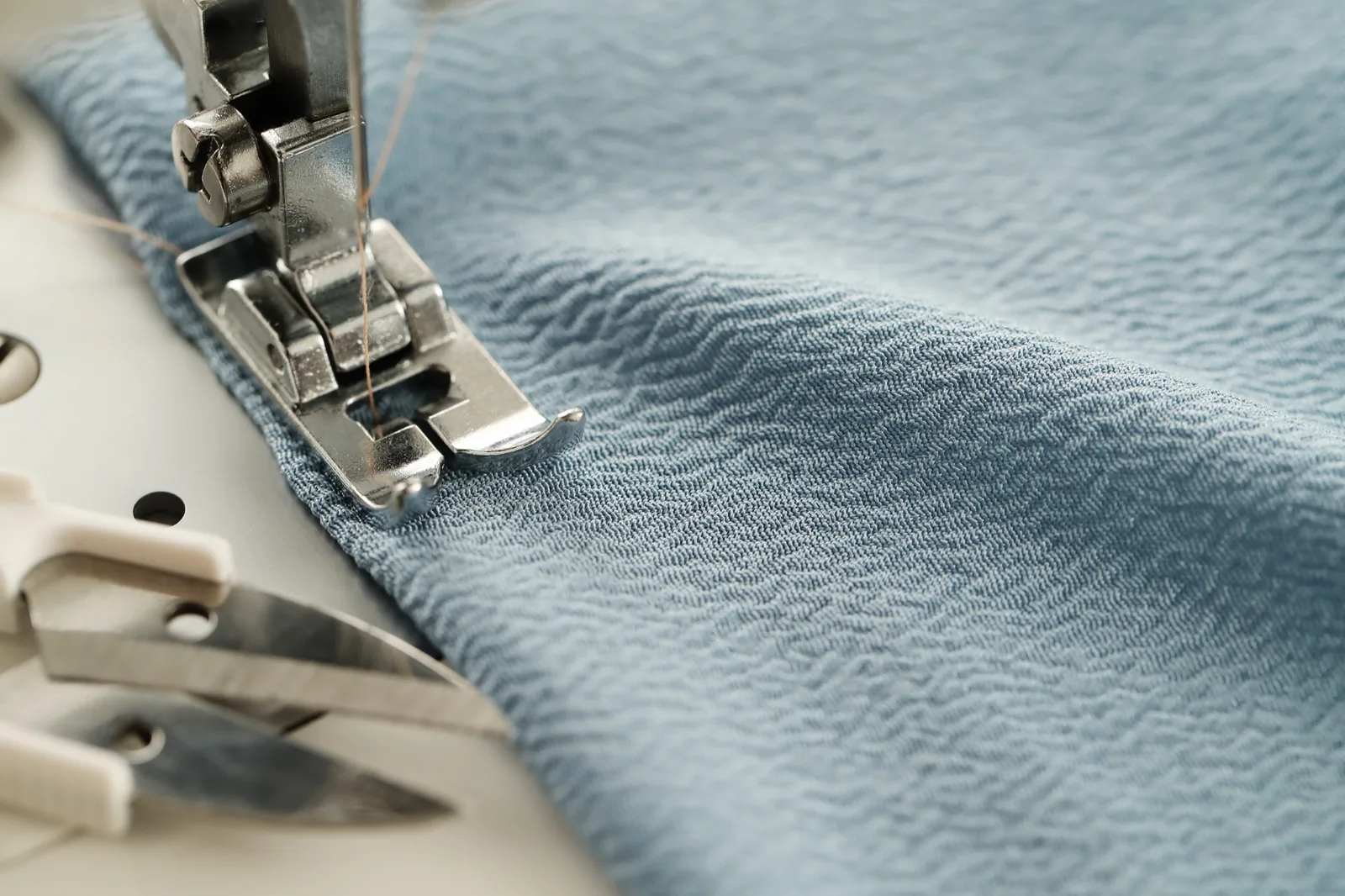
Connect the material question with an actual garment decision through fabric selection, sample review and production planning. The sewing photograph does not establish a cotton fibre-length category.
Define the improvement
Bring the reference sample and explain what should change. Yinshan Fashion can discuss material options against the garment's handfeel, drape, construction and market position.
Review the cloth in a sample
Use the development workflow to examine the selected cloth in the intended silhouette and details. Agree which differences matter before approving the garment.
Keep the decision for bulk
Carry the fabric choice and sample comments into the manufacturing review. Discuss material records and repeat-order expectations without assuming future availability.
Buyer and factory confirmation checklist
Resolve each requirement for the specific component, material reference and programme before releasing bulk production.
| Decision area | What the buyer should prepare | What to ask the factory |
|---|---|---|
| Product objective | Define the improvement or claim needed | What material options address this garment brief? |
| Fibre description | Record the category and component scope | Which classification basis and evidence apply? |
| Technical data | Require identifiable, comparable information | Which method, units, date and reference belong to these results? |
| Fabric variables | Separate yarn, construction, weight and finish | What differs between the candidates besides fibre description? |
| Sample comparison | Use consistent review conditions | Are both samples representative of the proposed production? |
| Garment checks | Agree care, appearance and construction requirements | Which checks must be repeated after a material or finish change? |
| Commercial continuity | Review actual offers and reorder assumptions | What must be reconfirmed before repeat supply? |
Continue the production conversation
Cotton comparison: separate the measurements
| Information | What it helps describe | What to ask before comparing |
|---|---|---|
| Staple-length category | A fibre description within a classification context | Which basis and material does the claim concern? |
| Length uniformity | Distribution-related fibre information | Are the method, units and material references comparable? |
| Micronaire | Combined fineness and maturity information | How is the value interpreted for the proposed yarn programme? |
| Yarn count | Yarn linear density within a specified system | Which count system and yarn arrangement are specified? |
| Finished fabric weight | Fabric mass per area | What construction, finish, condition and tolerance apply? |
| Garment assessment | Suitability of the actual product | Which sample version, care procedure and acceptance criteria were used? |
Buyer FAQs
How should buyers compare long-staple vs extra-long-staple cotton?
Define the classification basis, request relevant material information and compare the complete fabric proposals. Evaluate representative garments before attributing a preference to fibre length.
Does a higher yarn-count number prove longer cotton fibres?
No. Yarn count and fibre length describe different things, and count numbers need their system and yarn arrangement specified. Ask for the relevant fibre information separately.
Is a lower micronaire value always better?
No. Micronaire reflects both fineness and maturity, not a universal softness or quality ranking. Ask the mill to interpret it for the proposed material programme.
Can extra-long-staple cotton garments still shrink or pill?
The category is not a no-shrink or pill-proof guarantee. Agree appropriate finished-fabric or garment checks and evaluate the actual construction and care procedure.
Does every premium apparel style need extra-long-staple cotton?
No. The appropriate material depends on the garment brief, sample outcome, evidence needs and commercial feasibility. A suitable approved fabric is more useful than an unnecessary category upgrade.