Article
What should buyers know first?
Short answer: Compare the cotton description, the sourcing evidence and the finished garment separately before approving a branded cotton programme.
Pima vs Supima cotton is a question of material identity and brand eligibility, not just softness. Pima describes a cotton type associated with extra-long fibres; Supima® identifies American-grown extra-long-staple cotton under a controlled trademark programme. Clothing buyers should verify the actual fabric, its documented sourcing route and any proposed branded claim, then approve its performance in the intended garment. A fabric name alone cannot complete those checks.
This guide is for brands developing custom or private-label collections with Yinshan Fashion. The focus is custom production and bulk development, not an unrestricted ready-stock offer. References to named cottons below explain how to prepare a sourcing brief. They do not confirm that Yinshan Fashion is a Supima-authorised supplier or that a particular material is available for your project.
What is the buying distinction in Pima vs Supima cotton?
The first decision is whether the collection needs a particular cotton identity, a consumer-facing branded ingredient, a particular fabric result, or all three. These requirements lead to different questions. A request for a smooth cotton jersey gives a supplier room to propose several materials. A request for a specific branded cotton adds a separate question about the proposed sourcing arrangement and product claim.
CottonWorks’ cotton-variety guide identifies Pima with Gossypium barbadense and explains its association with extra-long-staple fibres. Supima’s FAQ distinguishes its trademarked American-grown cotton from the broader Pima wording used in the market. These definitions help frame an enquiry, but neither proves what is in the sample lying on your desk. That has to be connected to the particular offer.
Consider an illustrative buying situation: a brand receives a pale jersey described as Pima and a heavier dark jersey described as Supima. Colleagues prefer the second swatch because it looks less transparent. The observation may be useful, but it does not establish that the cotton identity caused the difference. Weight, construction, colour and finishing are also different. Record what the team actually preferred before asking the supplier for another option.
The next enquiry can then be precise. Ask for candidates that address the desired coverage and surface appearance, state whether a named cotton is compulsory, and request the information supporting each proposal. This gives the fabric team a workable selection task. Simply asking for “the better one” leaves them to guess whether the priority is branding, handfeel, price positioning or the way the garment hangs.
It also helps to distinguish a development preference from an approved selling point. During early sampling, a team may explore several materials without committing to any of their names in retail copy. Mark those descriptions as provisional in the collection plan. Otherwise, a sourcing note can become a product title before the material review is finished, creating avoidable work for merchandising and design.
At this stage, write down the requirement that would cause you to reject an otherwise attractive alternative. If the branded ingredient is central to the collection, an unverified substitute is not an equivalent offer. If the aim is a particular fabric feel, ask whether another documented cotton construction could meet it. The supplier should not have to discover this distinction after the quotation and sample have already been approved.
What does a Pima description establish, and what does it leave open?
A useful Pima fabric enquiry starts with the material itself. Request the complete fibre composition, the claimed cotton identity, the growing origin if relevant to your brief, and the reference by which the supplier identifies the fabric. Keep those items separate. “Cotton” answers one question, “Pima” adds another description, and a country name adds an origin claim. None supplies the finished fabric specification on its own.
Be particularly clear about percentages. If an offer includes more than one fibre, ask how the named cotton is described within that composition. Do not assume that a percentage refers to the whole garment when the supplier is discussing only the main fabric. Neck ribs, bindings, linings, pocketing and other components may require separate entries in the material list. The point is to make the scope readable before the order moves between departments.
A sample header is useful for locating an offer, but it should not be the only record. Ask which information comes from the mill, which comes from the converter or trader, and which still needs confirmation. A supplier may be able to explain the material accurately without supplying every upstream document immediately. Record the missing items and the stage at which they are needed instead of quietly converting an unanswered question into an approved fact.
For example, a buyer might receive a fabric with an internal code, a composition statement and a brief origin declaration. The code is the link that allows follow-up questions to stay attached to that offer. If the next sample arrives under a different code, ask whether it is a replacement material, a colour variation or merely a renamed reference. Do not combine information from the two headers until that relationship is clear.
Bring the questions into fabric and trim development early. A request containing a reference style, a fabric direction and a short list of essential identity requirements is easier to assess than a request for “luxury Pima” with no indication of garment use. Ask the supplier to identify what can be sourced for review and what depends on further mill confirmation.
Keep the level of evidence proportionate to the claim you intend to make, but do not confuse a small order with a simpler definition. A small capsule still needs consistent product information if it names a particular cotton. If the available evidence does not support that description, resolve the material or the wording before committing. Removing an unsupported name is a different decision from approving the physical quality of the cloth, and both decisions should remain visible.
How does American-grown cotton relate to separate processing locations?
Growing origin is one field in a textile supply record. Spinning, knitting or weaving, dyeing, finishing and garment assembly are other stages. A supplier’s office address is another fact again. When a buyer asks where a cotton garment comes from, an answer about only one stage may leave the actual question unresolved. Ask which stage each country or location refers to.
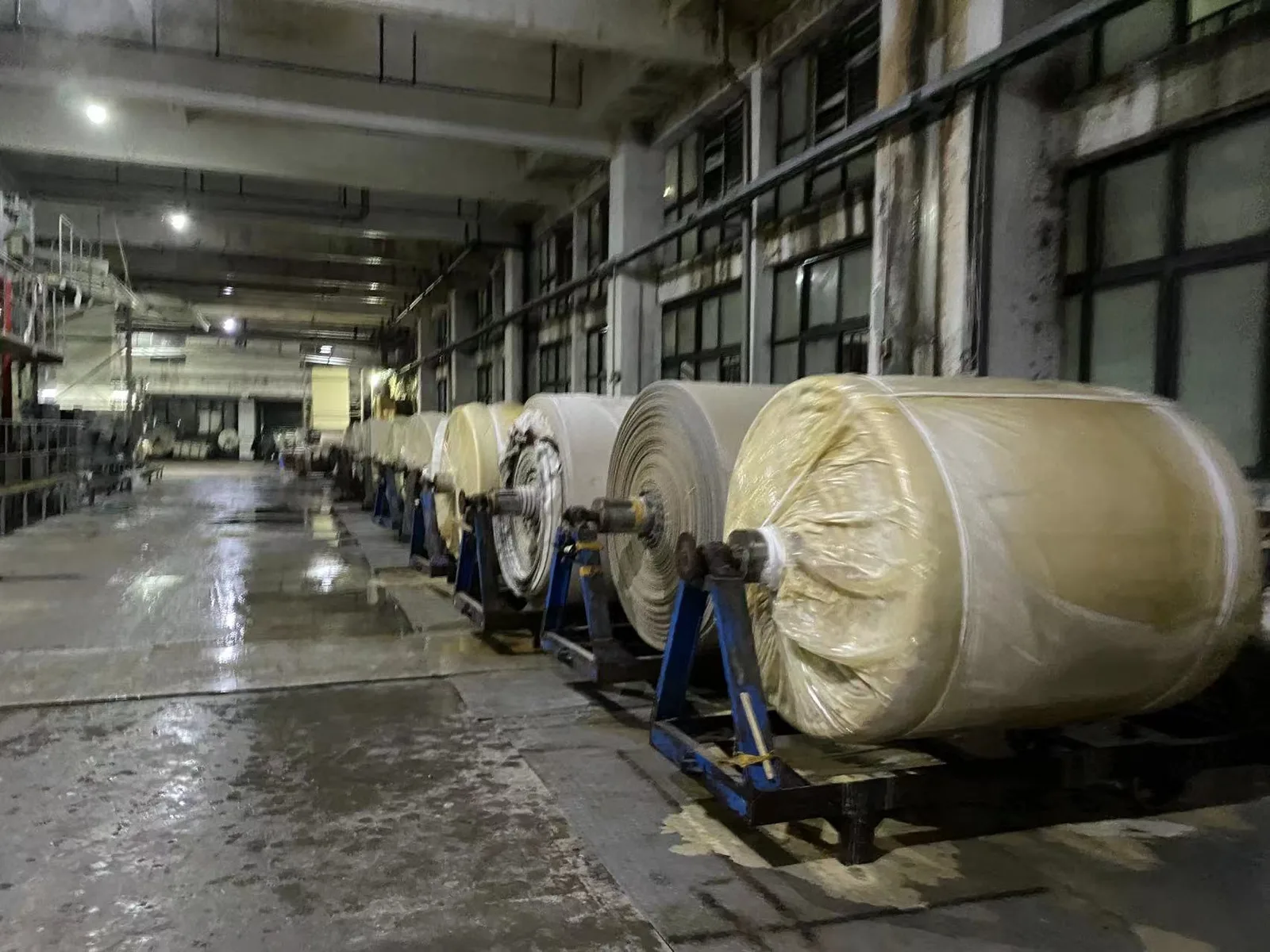
For a branded cotton programme, prepare a short process map with the supplier. It does not need to begin as an elaborate system. Identify who is responsible for the yarn, the fabric, any separate finishing, and the garment. Ask where an outside processor is involved and which party keeps the material reference consistent. The map gives the buying team a list of questions to resolve, rather than a decorative supply-chain diagram.
Avoid combining two different marketing statements into one. American-grown cotton does not, by itself, mean that the garment was made in the United States. Likewise, an address for garment assembly does not prove the cotton-growing country. Record the facts separately and have the brand’s appropriate compliance reviewer assess any market-specific origin wording. This article is about preparing accurate inputs, not deciding a finished garment’s legal origin label.
The distinction matters during material changes. A garment factory may remain the same while the fabric source changes. A fabric source may remain the same while a particular finishing process moves. Ask what changed, which reference now applies and whether the change affects the claim or the sample approval. Treating every alteration as “same supplier” can hide a meaningful difference in the actual production route.
For a blouse collection, include the outer fabric and any contrast fabric in this discussion. A main-fabric description should not automatically be repeated against a trim or lining. Keep the bill of materials specific enough that the sample room and the person preparing product copy are reading the same information. A collection-level cotton statement may need more careful scope than a statement about one identified component.
There is also a practical communication benefit. When the buyer can name the stage with an unresolved question, the garment supplier can take that question to the right partner. A mill may need to clarify a yarn reference, while a brand colleague may need to approve a change to the proposed retail wording. Separating these tasks avoids asking one person for a general assurance that no single document could realistically provide.
What does the Supima trademark require buyers to verify?
Use the current programme requirements rather than an old certificate checklist. Supima’s licensing information now describes its AQRe™ Project, using TextileGenesis for transaction traceability and Oritain for physical authentication. It states that participation across the supply chain is required for trademark eligibility and that the previous annual-licence process and paper proof-of-licence documents have been replaced. Check the current guidance with Supima for the proposed order.
The practical consequence for a buying team is to ask about this product and this route, not simply whether a supplier has worked with the material before. Start with the legal company name on the quotation and identify the people responsible for the sourcing discussion. A familiar trading name, a historical customer list or a photograph of an earlier garment can provide context without answering the current question.
Keep a short unresolved-items list alongside the material offer. It might ask who is handling the programme discussion, which product reference is under review and what information the brand must provide. Assign someone to close each item. A note saying “supplier will arrange” is difficult to use when the sample, order and artwork are being handled by different colleagues with different deadlines.
Do not turn the supplier assessment into a demand for confidential records unrelated to your purchase. Explain the claim you intend to make and ask what relevant evidence can be reviewed through the appropriate route. If information must be shared through a controlled system or directly with an authorised reviewer, agree on that arrangement. The buying team needs a verifiable answer, not an indiscriminate collection of other customers’ documents.
Ask about timing before it becomes a packaging problem. Material selection, product confirmation and artwork approval do not always finish together. Keep the branding decision pending while its prerequisites remain open, even if the physical sample is acceptable. This allows sample development to be discussed without making a premature promise about what will appear on a hangtag or a product page.
If a supplier cannot explain the applicable process, pause the branded claim and clarify the route with the programme owner. That does not require an immediate conclusion about the supplier’s intent or the fabric’s physical quality. It identifies a gap that must be resolved before the brand relies on the name. Do not fill the gap by copying wording from another retailer or from an old collection that followed a different sourcing arrangement.
How does fibre information differ from finished-fabric performance?
Extra-long-staple describes a fibre characteristic, not a completed garment test. USDA cotton classing evaluates properties including length, length uniformity, strength and micronaire. CottonWorks’ fibre-quality guidance explains how several fibre properties affect yarn and processing performance. For an apparel buyer, that supports a more useful question than “Is this the best cotton?” Ask which information is relevant to the fabric being proposed and which finished results still require assessment.
Separate the questions your documents can answer. A composition report concerns the tested sample and its stated scope. A material-origin record addresses a different question. A wash assessment records what happened under specified conditions. Before treating any report as decisive, check the sample identification, date, method and relationship to the material you intend to order. An impressive document attached to the wrong reference does not settle the purchasing decision.
Do not assume that one test establishes every claim. If you need a particular identity or origin verification, ask the relevant programme or qualified testing provider how it should be assessed. If you need a particular garment result, discuss the appropriate performance evaluation separately. This is especially important when a supplier offers a general report as an answer to several questions that actually require different kinds of evidence.
For a jersey programme, write the visible concerns in ordinary language before selecting the tests. The brand may be worried about surface change after wear, twisting after laundering, or the way a neckline holds its shape. A woven style may raise different concerns at seams, folds or areas under tension. Those observations help the technical team decide what should be evaluated, rather than choosing a report because it is already available.
Agree on acceptance criteria and sample preparation before comparing results. Keep an untested reference and identify the tested version. If washing is involved, record the care procedure and the measurement points. A comment such as “less shrinkage” needs a stated comparison and a consistent method. Avoid turning a development observation into a public performance claim that is broader than the work actually carried out.
The same discipline applies to softness. It can be a legitimate selection preference, but a first-touch impression is not a guarantee of long-term performance. Compare the intended colours and finishing state, and decide whether the handle remains suitable after the agreed care evaluation. A named cotton may be central to the product story while the final fabric still needs adjustment. Keep both parts of the decision open until the actual sample meets the brief.
How should buyers compare candidates for tops and casualwear?
Begin the comparison with the garment’s hardest requirement. For a pale fitted top, coverage may matter more than the first impression of softness. For a relaxed style, the way the fabric falls may be central. For an embroidered piece, the decorated area needs its own review. State the priority before distributing swatches, so the team is not choosing different fabrics for entirely different reasons.
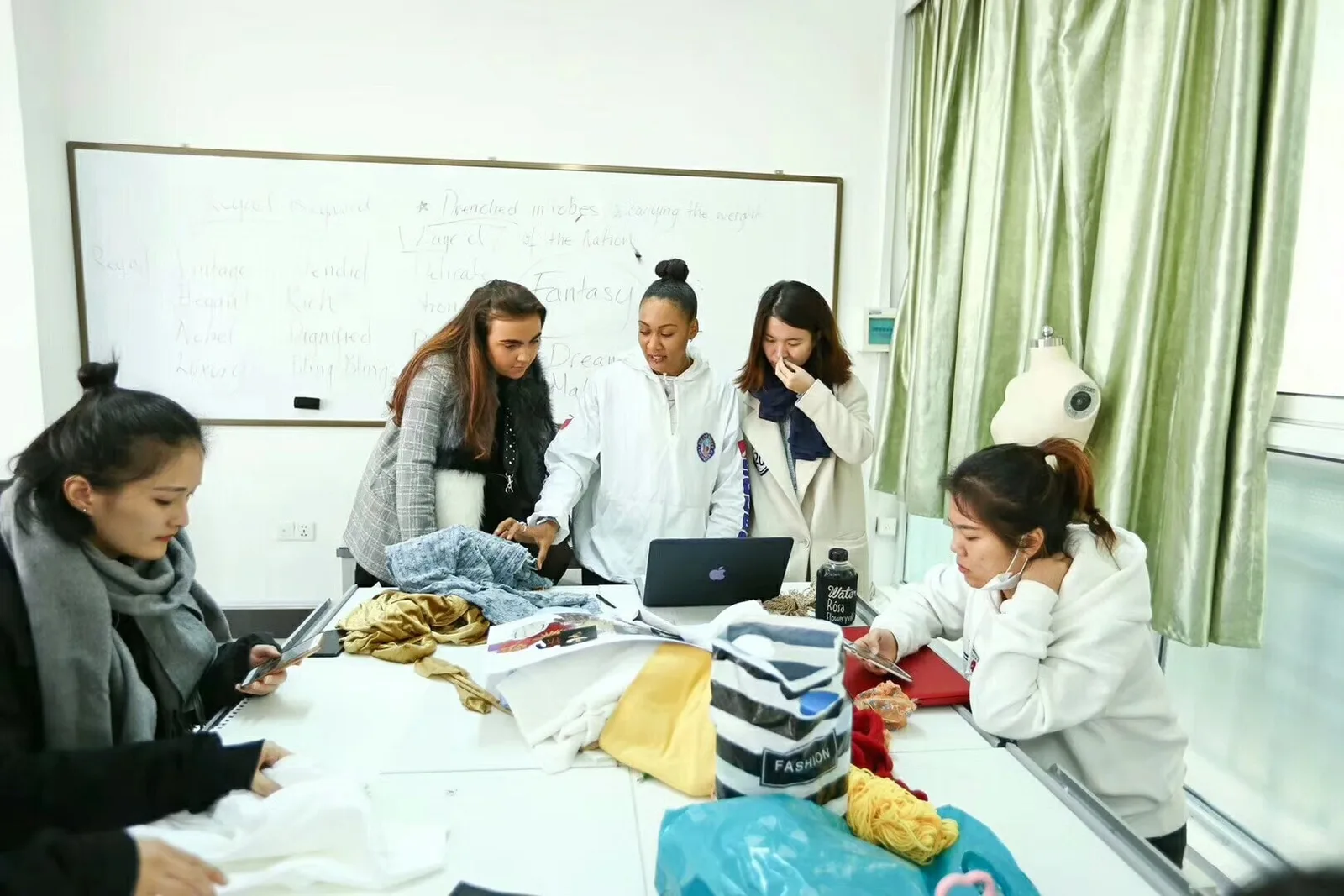
An illustrative sample review might include two jerseys shortlisted for a clean, lightweight top. Give them neutral reference codes for the first visual and tactile comparison, while retaining their identity information in the sourcing file. Ask the team to record specific observations, such as neckline appearance or coverage in movement. Then bring the commercial and identity information back into the decision. This can help separate preference from the expectations created by a premium name.
Keep the comparison honest when closer matches are unavailable. Note differences in finished weight, construction, colour, finish and composition. You may still choose one material, but the conclusion should be about that candidate in that garment. It should not become a general statement that all fabrics bearing one cotton description outperform all fabrics bearing another. A useful sample decision does not require an unsupported universal ranking.
For loungewear development, review the fabric together with the construction at cuffs, waistbands and necklines. Specify which components are being evaluated and whether they use the same material as the body. If a contrast rib is proposed, check its appearance and behaviour as part of the garment. Approving a soft body fabric is not the same as approving the complete style.
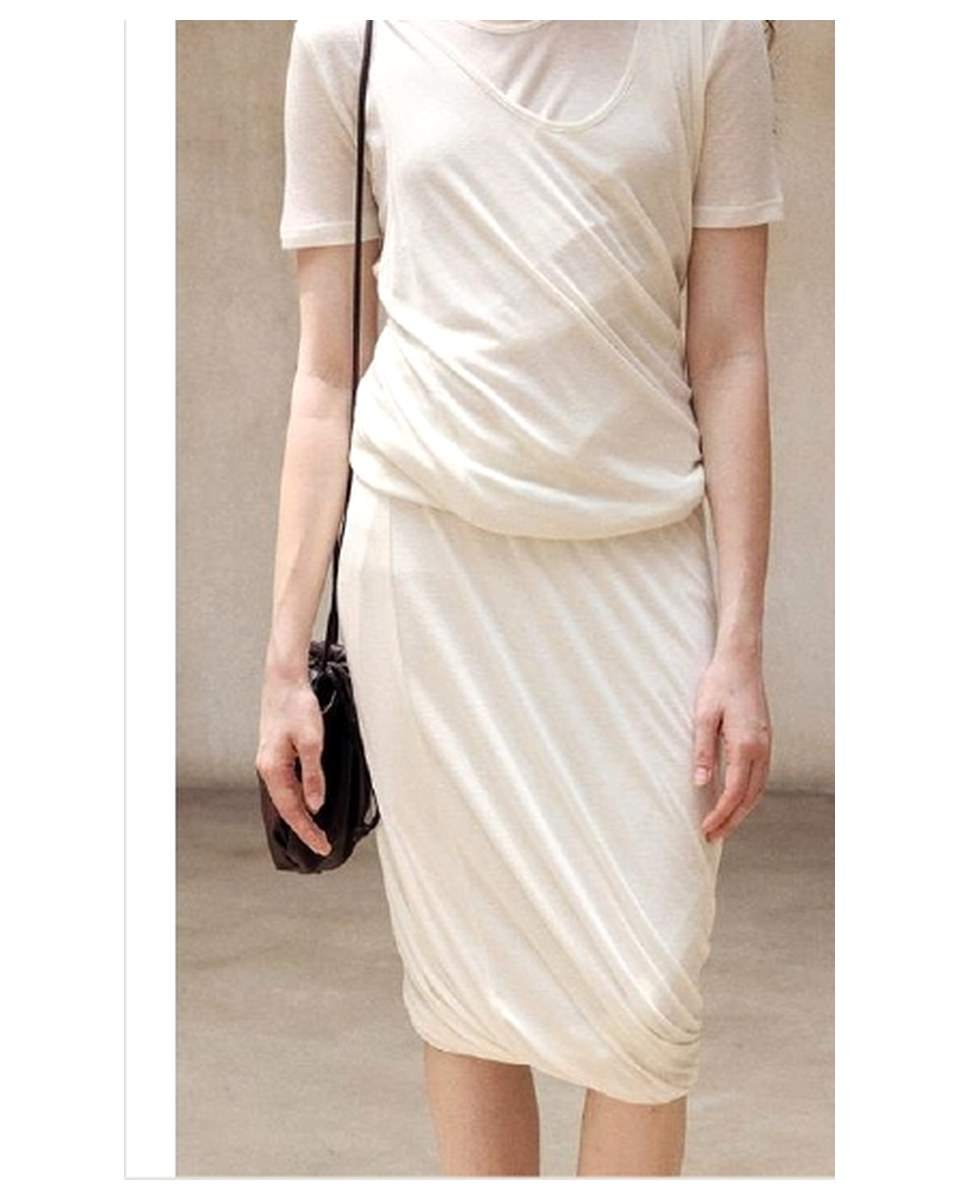
For dress development, use enough fabric to assess the intended silhouette. Gathers, tiers, pockets and linings can change what the wearer experiences. Inspect the sample in the selected colour and with the intended layers, not only as a flat swatch. If the design depends on crisp volume, do not assume that the smoothest or finest-feeling candidate will be the most useful choice.
Finally, compare quotations on a consistent basis. Ask what each offer includes, what remains provisional, whether the proposed material route supports the required claim, and what changes would require another sample or quotation. There is no reliable universal price premium for the word Supima or Pima in a finished garment. Fabric construction, finishing, order requirements and the complete development scope all belong in the commercial review. Obtain an order-specific quotation instead of applying a percentage found in a general cotton comparison.
Which questions should buyers resolve before using branded labels?
Keep the composition statement, care instructions, origin wording and branded ingredient claim in separate fields during artwork preparation. They serve different purposes and may require different review. A designer should not have to infer any of them from the fabric’s internal nickname. Give the design team the wording that has actually been approved and identify anything still pending.
List every place the material name will appear. That may include a hangtag, a sewn label, packaging, a line sheet, a wholesale portal and an online product description. One corrected artwork file does not fix all the other versions. Assign a person to maintain the approved text and make sure the product reference is visible in the approval record. This is ordinary copy control, but it becomes especially useful when several styles share a collection story.
Keep programme questions with the programme owner. The applicable use of a name or logo should be confirmed before the artwork is released, using the current guidance for the product. Do not assume that permission attached to a previous collection transfers to a different material or sourcing arrangement. A visual sample of a tag shows how it looks, not whether the proposed use has been cleared.
Also separate cotton identity from environmental claims. A named fibre or a branded sourcing route does not answer every question about farming methods, processing impacts or recyclability. If organic cotton is required, explain that requirement separately and review the supporting documentation. The existing organic cotton private-label guide addresses that material-and-document discussion in more detail. Do not add “organic” or an environmental superlative merely because the collection is positioned as premium.
Use a realistic hold point for packaging. If the garment sample is approved but the material wording remains unresolved, record the two decisions separately. The purchasing team can then discuss the consequences of waiting or changing the proposed claim. Printing an unapproved statement first can turn a small wording question into a stock and rework problem. Resolve it while the relevant files can still be changed.
Before release, compare the approved copy with the final bill of materials and the order confirmation. Check that a claim intended for one fabric has not expanded to the entire garment, set or collection. Confirm the languages and sales markets that need review. The brand’s responsible reviewer should assess applicable labelling requirements and the final wording. A factory can help organise the product information, but the article cannot provide a blanket compliance approval for every destination.
What should a material approval record contain for sampling and repeat orders?
Create one material approval record that the buying, technical and production teams can locate. Include the current fabric reference, supplier identity, complete composition, relevant cotton description, colour, construction, finishing state and sample version. Link the evidence reviewed for the intended claim and list the outstanding decisions. Keep dated revisions so a later correction does not make it unclear which information supported an earlier approval.
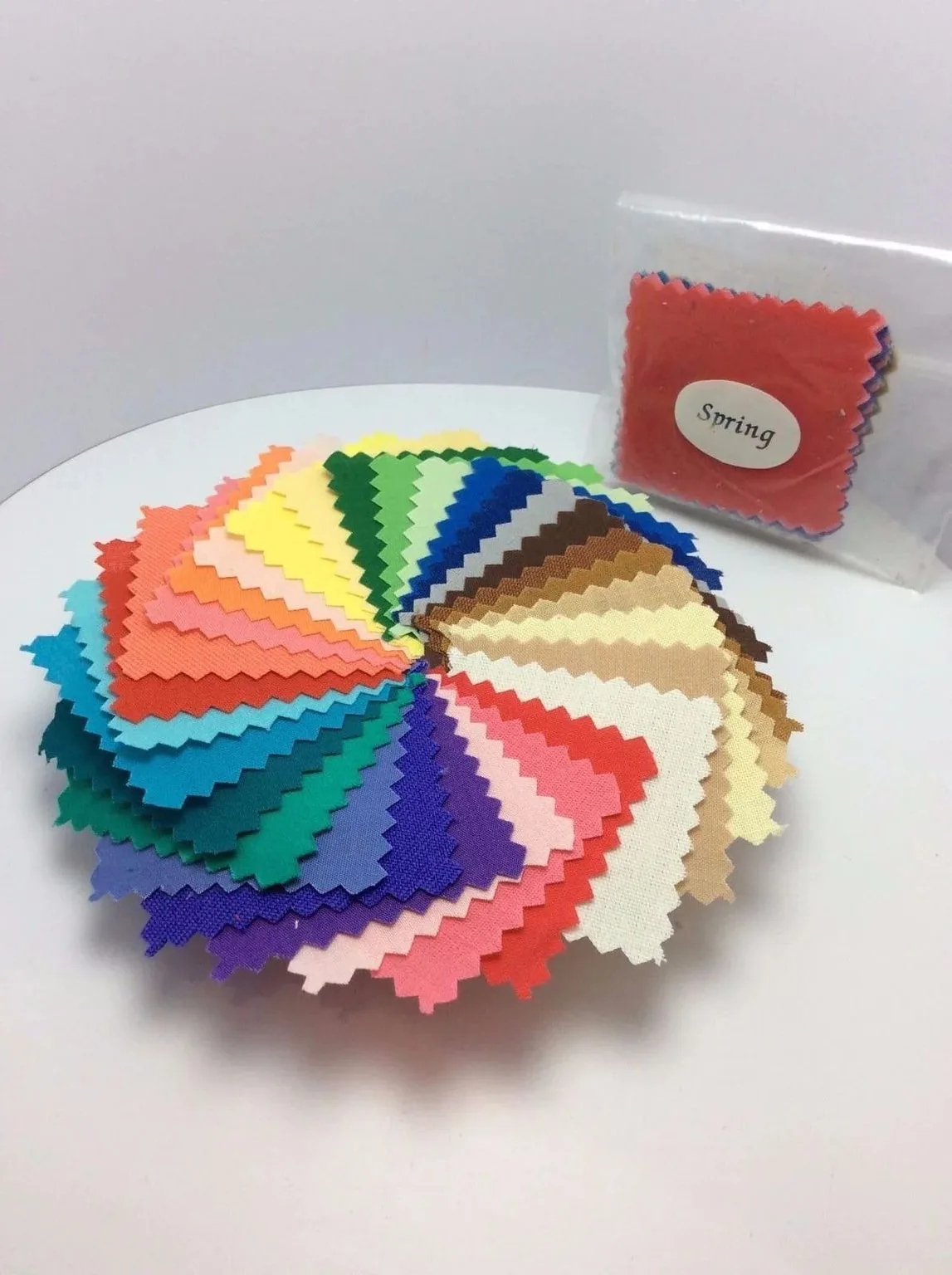
Attach the physical reference to the record in a practical way. Retain a labelled swatch or sample and a photograph that helps colleagues locate it. Photographs are useful for identification and visible construction details, but they do not prove cotton identity or origin. If a sample label has confidential customer information, avoid copying it into a public presentation or an article image. The internal approval file and the marketing image library serve different purposes.
Define which changes require the buyer to reopen approval. A new mill, changed composition, altered finishing, replacement rib or revised fabric code may affect different parts of the decision. Ask the supplier to describe the change explicitly rather than sending a new sample under a familiar style name. The buying team can then decide what documentation, sampling, testing or artwork review needs to be repeated.
For a repeat order, check whether the reference is still available and what is being proposed now. Do not treat the previous purchase as an automatic confirmation of current availability, terms or supporting records. Compare the new offer with the approved version and record any differences before material booking. Even when the style remains unchanged, the team needs to know whether it is repeating the same material route or approving a substitute.
Hand the record into manufacturing preparation together with the garment specifications, approved trims, packaging and sample comments. Avoid sending the production team a collection of contradictory attachments with no indication of which one governs the order. Identify the approved version, who released it and which items remain on hold. This makes the handover usable without requiring everyone to reconstruct the development conversation.
Yinshan Fashion can review a garment brief through its material, sampling and production discussion. Send the intended cotton requirement early, including whether a branded claim is essential or only being explored. Named-material availability, sourcing evidence, programme participation, commercial terms and the final development route must be confirmed for the actual project. The purpose of comparing Pima and Supima is to reach that decision with clear information, then keep the selected material and the approved product description aligned through delivery and future orders.
What should buyers send for a cotton garment quotation and sample review?
Send your tech pack or reference style, product category, preferred composition and cotton identity, construction, weight and handfeel direction, colours, decoration, quantities by style and colour, size range, target market and arrival window. Include labels, hangtags, barcodes and packaging, plus any required material documents or branded claim. Tell us which requirements are essential and which are open to alternatives. Yinshan Fashion can then discuss the available development route, subject to material and project verification.
Cotton sourcing checklist
Three actions before approving a cotton offer
Use these actions to connect the material description with the actual offer, sample and order. Photographs illustrate material review and garment development only; they do not identify a named cotton, document certification or establish a Supima-authorised programme.
State the non-negotiable requirement
Separate the required cotton identity, any branded ingredient claim and the desired garment result. Mark preferences as preferences, and keep unverified wording out of approved product copy.
Review the actual material reference
Connect the quotation, swatch, documents and sample to the same fabric code. Compare candidates under useful conditions and record any differences that limit the comparison.
Release the material and copy together
Confirm the approved sample, final component list and permitted wording before releasing packaging and production instructions. Reopen the relevant checks when the material changes.
Buyer and factory confirmation checklist
Confirm the requirements against the specific material, component scope and order before releasing the garment.
| Decision area | What the buyer should prepare | What to ask the factory |
|---|---|---|
| Product brief | Category, silhouette, colours, wearer experience and target market | Candidate materials and development questions |
| Material requirement | Exact cotton description and whether it is mandatory | Proposed composition, identity information and reference code |
| Sourcing route | Intended branded claim and review contact | Relevant route, responsible parties and unresolved evidence |
| Sample suitability | Fit, coverage, decoration, care and assessment priorities | Sample version, finishing state and agreed evaluation scope |
| Labels and packaging | Approved wording, artwork and component scope | Consistency with the confirmed material and order instructions |
| Commercial review | Quantities, size split, arrival window and packaging needs | Order-specific quotation basis and remaining dependencies |
| Repeat order | Previous approved reference and required changes | Current availability and any proposed substitution requiring review |
Continue the production conversation
Pima and Supima: what the description establishes
| Question | Pima description | Supima description | Buying action |
|---|---|---|---|
| What does the name establish? | A cotton-type description, subject to verification in the offered material | A branded American-grown extra-long-staple cotton claim | Keep the supplier’s exact wording with the material reference |
| Is origin clear? | Do not infer growing country from the name alone | The cotton-origin claim is American-grown | Separate cotton origin from spinning, fabric production and garment assembly |
| Is a soft sample sufficient? | No | No | Review composition evidence and garment suitability independently |
| Can the brand use Supima wording? | A Pima description alone does not establish eligibility | Check the current programme and the specific product | Resolve the intended claim before releasing artwork |
| Does it guarantee a finished result? | No universal guarantee of shrinkage, pilling or colourfastness | No universal guarantee of shrinkage, pilling or colourfastness | Agree on the finished-product checks required for the order |
Buyer FAQs
What is the practical difference in Pima vs Supima cotton?
Pima is a cotton-type description. Supima is a controlled trademark for American-grown extra-long-staple cotton. Verify the actual material and the proposed branded use separately, then evaluate the finished fabric for the garment.
Does the word Pima guarantee that cotton was grown in the USA?
No. Do not use that word alone as origin evidence. Ask for the growing country and supporting information for the specific material, separately from the locations where the yarn, fabric and garment are produced.
Can a brand add a Supima hangtag after sampling?
A satisfactory sample does not establish permission for a branded claim. Resolve the proposed use through the current Supima programme before releasing the tag, and keep the wording tied to the approved product.
Does extra-long-staple cotton mean the fabric cannot pill or shrink?
No. The finished result also involves yarn, construction, finishing, garment design and care. Agree on relevant sample assessments and tests rather than treating the fibre description as a universal performance guarantee.
What records should a clothing buyer request?
Start with a complete material specification, a stable fabric reference, relevant identity and sourcing evidence, the approved sample and evaluation record, final wording, and a clear record of changes. Ask which additional information is needed for the actual claim and order.