Article
What should buyers know first?
Short answer: Use this womenswear tech pack checklist to reconcile drawings, measurements, materials, artwork and approval scope before the first custom sample.
A womenswear tech pack checklist is useful when it exposes the decisions a first sample must answer. A large document is not automatically a clear instruction. The factory needs to identify the garment, understand which inputs are approved, see what is provisional and know which physical result the buyer expects to review. Conflicting drawings, old measurements and unlabelled reference photographs can undermine an otherwise detailed pack.
Before sending a first-sample enquiry to Yinshan Fashion, assemble one current version and a short list of open questions. Yinshan Fashion works on custom and private-label bulk programmes. The development scope, acceptable file formats, sample route, commercial basis and timing should be confirmed for the particular enquiry. The checklist below is a proposed buyer review structure, not a claim that every document format or specialist construction has already been accepted.
A product brief explains what the brand wants to develop and why. A tech pack translates that direction into specific garment information that can be interpreted, sampled and revised. The two should agree, but they have different jobs. This article concentrates on the twelve details most likely to make a first sample interpretable rather than merely presentable.
Womenswear tech pack checklist: identify the controlling version
Put the style identifier, garment name, revision and date where a reviewer can find them easily. Name the person who consolidates decisions and the purpose of the submission. Explain whether this is a first development request, a revision to an existing sample or a proposed production reference. The recipient should not have to infer the status from the file name alone.
Keep an index of the files that belong to the submission. A pack may include drawings, a measurement sheet, material information and separate artwork. Record their versions together so that the team can identify the intended combination. If a linked file changes, update the index rather than leaving a newer attachment to compete with an older embedded page.
Separate current instructions from historical reference. Previous samples and comments can be valuable, but label them with their purpose. A factory should not need to decide which of two contradictory measurement sheets is authoritative. Where a disagreement remains unresolved, identify it as an open decision with an owner instead of presenting both alternatives as final.
Use a change log that describes the garment effect, not only the administrative edit. Revised sleeve length on the current measurement sheet is more useful than file updated. A short, precise log helps the sample team focus on the changed input and gives the buyer a reliable basis for comparing the next physical result.
Detail 1: front and back drawings must describe the same garment
Check the drawings against each other before reviewing the smaller annotations. Confirm that seams, openings, pockets, waist treatments and other visible features agree across the views. If a feature is intentionally different on the front and back, show that clearly. A mismatch can force the sample maker to choose an interpretation the buyer never intended.
Add a detail view where the construction cannot be understood from the main drawing. Identify what the detail view represents and where it belongs. A magnified sketch is useful when it explains a closure or seam relationship; it is less useful when it repeats the same ambiguity at a larger scale. Keep the annotation tied to a concrete garment location.
The dress collection can help frame silhouette and detail discussions. If a product image is included as inspiration, explain which features are relevant. Do not let a reference photograph override the technical drawing silently. A buyer may want the neckline of one reference and the skirt of another, but that combination must be stated.
Check that the drawing reflects the current material and construction proposal. A late change from one closure or panel arrangement to another can leave the picture out of date even when the written specification is corrected. The first sample should answer one coherent instruction, not reveal which page the sample maker happened to follow.
Detail 2: the sample size needs a defined fit basis
Name the sample size and the brand's intended wearer reference. Keep body measurements separate from finished-garment measurements. A size label alone does not define the ease, proportion or wearing position of the garment. The factory needs the buyer's current basis and an explanation of any information that is still being developed.
State the intended fit in concrete terms. Identify where the garment should be close, relaxed, shaped or adjustable, and show the relevant landmarks. Avoid relying on an unexplained label such as regular fit. That description may mean different things to different teams, especially when the brand is entering a new category or customer segment.
If the buyer provides an existing sample, explain whether it controls fit, construction, appearance or only one selected detail. List the changes required from that reference. A sample that is useful for sleeve shape may be unsuitable as the complete measurement basis. The recipient should not have to guess how much authority the physical reference carries.
Mark the limits of the first fit decision. Approval of a base-size sample does not necessarily approve the whole proposed range. Ask which later size reviews may be needed once the initial shape is resolved. The sample plan should distinguish the first question from the eventual production release.
Detail 3: measurement points need diagrams and methods
Give each measurement point a clear name and show where it is taken. State whether the garment is measured flat, along a curve, relaxed or under another agreed condition. Avoid mixing methods between pages. A precise number is not useful if the buyer and factory measure different paths or prepare the garment differently.
Check the units and the relationship between measurements. A pack assembled from several templates can accidentally combine different units or use the same label for different points. Review the complete specification for internal consistency. Where a value is provisional, mark it as a development target rather than presenting it as a fully approved production requirement.
Discuss tolerances with the responsible technical team for the actual product. Do not insert a universal value because a template contains one. The relevant acceptance basis depends on the measurement, material, construction and purpose of the review. A first development sample may also need a different decision structure from a later bulk inspection.
Ask the sample team to return measured results against the same points. That makes discrepancies visible and helps the buyer distinguish a garment that differs from the instruction from an instruction that needs to change. The distinction matters: remaking a sample to the existing specification and revising the specification are different actions.
Detail 4: materials must be identified by role and status
List the shell, lining, contrast panels and other material components separately. Give each an identifier and state the specification information held. Include colour and the source of the sample reference where relevant. A single note saying fabric as discussed is difficult to use when several swatches or supplier options have circulated.
Label the status of each material. It may be an inspiration, a proposed option, a substitute for a limited sample purpose or an approved reference. The distinction should appear beside the input, not only in an email. A substitute can answer a construction question while leaving drape, fit, appearance or care unresolved for the intended bulk cloth.
The blouse collection provides context for material questions around collars, plackets, sleeves and seams. Use those garment details to explain what the candidate fabric must support. Do not infer composition or availability from a product image, and do not assume the same material decision applies to every item in the collection.
Connect material changes to the sample plan. If a new cloth is proposed after the pattern has been reviewed, ask which fit or construction questions need to reopen. The fabric decisions guide helps organise that later release. The first pack should make the material uncertainty visible early enough to plan useful evidence.
Detail 5: trims and closures need more than a photograph
Identify each button, zip, elastic, drawcord, fastener and decorative component by its location and function. State the information needed to source or review it, such as appearance, size basis, colour and material information where relevant. A photograph can communicate a direction, but the buyer should explain which features are essential and which alternatives may be considered.
Show how the component relates to the garment. A closure requires an opening and attachment arrangement; elastic requires a defined application and intended function. The technical team should understand the requested result without inventing the surrounding construction. If a detail needs development, mark the question and ask for a proposed proof.
Distinguish a visually similar substitute from an approved equivalent. The buyer may accept an alternative after reviewing its appearance and function, but that should be a recorded decision. A last-minute change can affect fit, comfort, labels or the commercial basis even when the component seems minor compared with the shell fabric.
Include components in the sample comments and final material list. An attractive garment photograph may not reveal a different closure or internal trim. The physical sample should be traceable to the inputs used, so the buyer can assess what it has actually received and identify what must change in the next version.
Detail 6: construction notes should explain the required outcome
Use construction callouts where they clarify a seam, edge, attachment or internal relationship. Keep the instruction connected to the drawing and material. If the buyer requires a particular method, identify it clearly and ask the technical team to assess feasibility. If the outcome matters more than the method, state that outcome and request a suitable proposal.
Avoid filling the pack with unexplained abbreviations copied from another style. A note should be understood by the teams using it, and its meaning should remain consistent across the document. Where terminology could be interpreted differently, include a sketch or an approved physical reference. The aim is a usable instruction, not a display of technical vocabulary.
Identify details that require an applied trial before the whole garment is made. A focused proof can answer a seam or attachment question efficiently when its limits are clear. Conversely, do not rely on a small trial to approve a result that depends on the full garment's fit or drape. Match the evidence to the decision.
Record the selected construction with the sample revision. If the factory proposes a change, ask what it affects and which proof will demonstrate the result. A useful response explains the relationship between the instruction and the garment, allowing the buyer to make an informed decision rather than approve an unexplained substitution.
Detail 7: artwork needs a position as well as a file
List the artwork revision, intended dimensions, colour reference and application location. Mark the placement from named garment landmarks and explain whether the reference is a cut edge, seam or finished edge. A graphic file alone does not tell the production team how the design should appear on the completed garment.
Confirm the permission status of the artwork and the intended use with the responsible brand team. Keep that question separate from file preparation. A design can be technically usable while requiring further rights review, or commercially cleared while needing a better production file. Do not ask the factory to infer either status from an inspiration image.
For a design crossing seams or changing across sizes, identify the intended relationship explicitly. The placement-print dress guide addresses the connection between artwork, pattern and assembled appearance. A colour proof, position proof and garment sample can answer different questions, so the pack should name the purpose of the requested submission.
Ask the receiving team which file formats and preparation it needs for the proposed process. Do not promise that a particular editable format is supported without confirmation. Keep an approved preview with the source reference so that a recipient can check the intended appearance as well as identify the technical file.
Detail 8: labels and product information must match the garment
Inventory the brand, size, composition, care and other proposed labels or information elements. Identify their location, artwork status and responsible reviewer. A first sample may use temporary labels for a limited purpose, but that limitation should be visible. Temporary information should not be photographed or circulated as if it were the approved customer-facing product.
Separate confirmed facts from proposed wording. Composition, origin, care and any performance or sustainability claim need an appropriate basis for the actual product and destination. The tech pack should identify the evidence and review owner rather than turn an early assumption into a printed instruction. This article does not determine legal label requirements for a particular market.
Check that size naming agrees with the fit specification and order matrix. Different commercial and technical size systems can coexist only if their mapping is explicit. A sample labelled with one name and measured against another reference is difficult to evaluate reliably. Keep the relationship visible wherever the garment is identified.
When materials or construction change, review the affected product information. The artwork page should not remain frozen while the garment evolves. Include labels in the change log and require the final proof to reference the current product version. That keeps the first sample process connected to the eventual production handover.
Detail 9: colourways need a component map
Show which colour applies to each material and component in each proposed colourway. A style can combine shell, lining, buttons, thread and artwork with different colour relationships. A single colour name at the top of the pack may leave those relationships ambiguous. Use a simple map that the sample team can read alongside the material list.
Identify the physical or other agreed reference used for review. A screen image may communicate direction but should not silently become the sole standard for a physical colour decision. Ask how coordinated components will be compared and who will consolidate comments. The accepted result should be tied to the actual submission reviewed.
Mark colourways that are provisional or outside the current sample scope. A buyer may plan several options while requesting only one first sample. That is workable when the distinction is clear. It becomes confusing when a factory cannot tell whether every illustrated combination requires development or whether some are internal concepts.
Record the effect of a colour change on other decisions. A different material route or component may require another proof, while an artwork change may affect more than the shell colour. The colourway map should link those inputs rather than hide them under a new marketing name for what is technically a changed product.
Detail 10: care and quality priorities need a review route
List the characteristics that matter most to the garment, then identify how the buyer proposes to evaluate them. Some questions can be addressed through sample observation; others may require an agreed test or specialist assessment. Keep those evidence types distinct. A visual review should not be described as a laboratory result.
State any intended care route as a requirement to assess, not an automatic conclusion from the fibre name. The whole garment includes fabric, lining, decoration and components. The responsible parties should determine the appropriate evidence and acceptance basis. If that work is outside the first sample's purpose, record the later gate instead of leaving the issue invisible.
Prioritise the points that could change the product decision. A first sample review may focus on silhouette, access, seam appearance or an unresolved component, while other checks occur later. Explain that scope to the factory. A long checklist with every field marked mandatory can be less useful than a clear sequence of decisions supported by the right evidence.
Give findings an owner and next action. If a sample reveals an issue, the buyer should know whether the next step is a measurement check, material review, revised construction or another proof. The pack should support that decision trail rather than become a static document that is never reconciled with the physical garment.
Detail 11: packing and presentation should be stated early
Explain the intended handover and sales channel. A sample for technical fitting, retailer review or photography may need different preparation and information. Identify the purpose without assuming that the supplier provides every downstream service. Confirm the actual sample preparation and packing scope with Yinshan Fashion for the enquiry.
For the eventual order, record proposed folding or hanging presentation, labels, unit identification and packing references where known. Mark provisional details honestly. The first sample does not need to settle every logistics question, but it should reveal requirements that could affect garment construction, components or customer presentation.
The loungewear category provides a useful example of coordinated products that may need a clear set relationship. Identify which top and bottom belong together, how their sizes map and what the reviewer is expected to receive. Similar clarity is needed for any multi-piece garment or accessory combination.
Avoid using a beautifully prepared sample to imply that the same presentation has been approved for bulk. The final packing route needs its own confirmed instruction and relevant proof. Keep sample presentation and order packing connected but distinguish their purposes so that the buyer understands what has actually been reviewed.
Run a contradiction check before sending the pack
Read the pack as if none of the earlier conversations were available. Compare the drawing with the material list, the sample size with the measurement sheet, and the artwork position with the current seam and finished-edge references. Note every place where a recipient would have to choose between two plausible interpretations.
Resolve those conflicts or list them as explicit development questions. A concise pack with visible open decisions is easier to act on than a polished document that conceals contradictions. Ask the receiving team to confirm which version it will use and identify information needed before sample preparation. That response is a useful final check that the handover is understandable, not a substitute for the later garment review.
Detail 12: the comment sheet must close the loop
Prepare the comment structure before the first sample arrives. Include the sample identifier, observation, supporting measurement or image, requested outcome, decision owner and next proof. That structure encourages useful feedback and helps the buyer avoid sending a series of disconnected messages that gradually contradict the original pack.
Separate accepted details from open issues. A sample may establish the silhouette while leaving a closure or material question unresolved. State the scope of the acceptance so the factory can retain what works while addressing the remaining point. A broad approved label followed by several informal caveats is difficult to use safely as a technical instruction.
Ask the factory to acknowledge its interpretation of changes and identify related effects. The buyer should then consolidate the agreed action into the next revision. Receipt of a comment is not the same as completion of the correction. Close the line only when the relevant evidence has been reviewed by the named owner.
Before sending the pack, check that all twelve details describe the same garment. Use the contact page to share the current version, sample objective and open questions with Yinshan Fashion. The desired next step is a confirmed development task with clear inputs and a reviewable result, supported by project-specific feasibility and commercial confirmation.
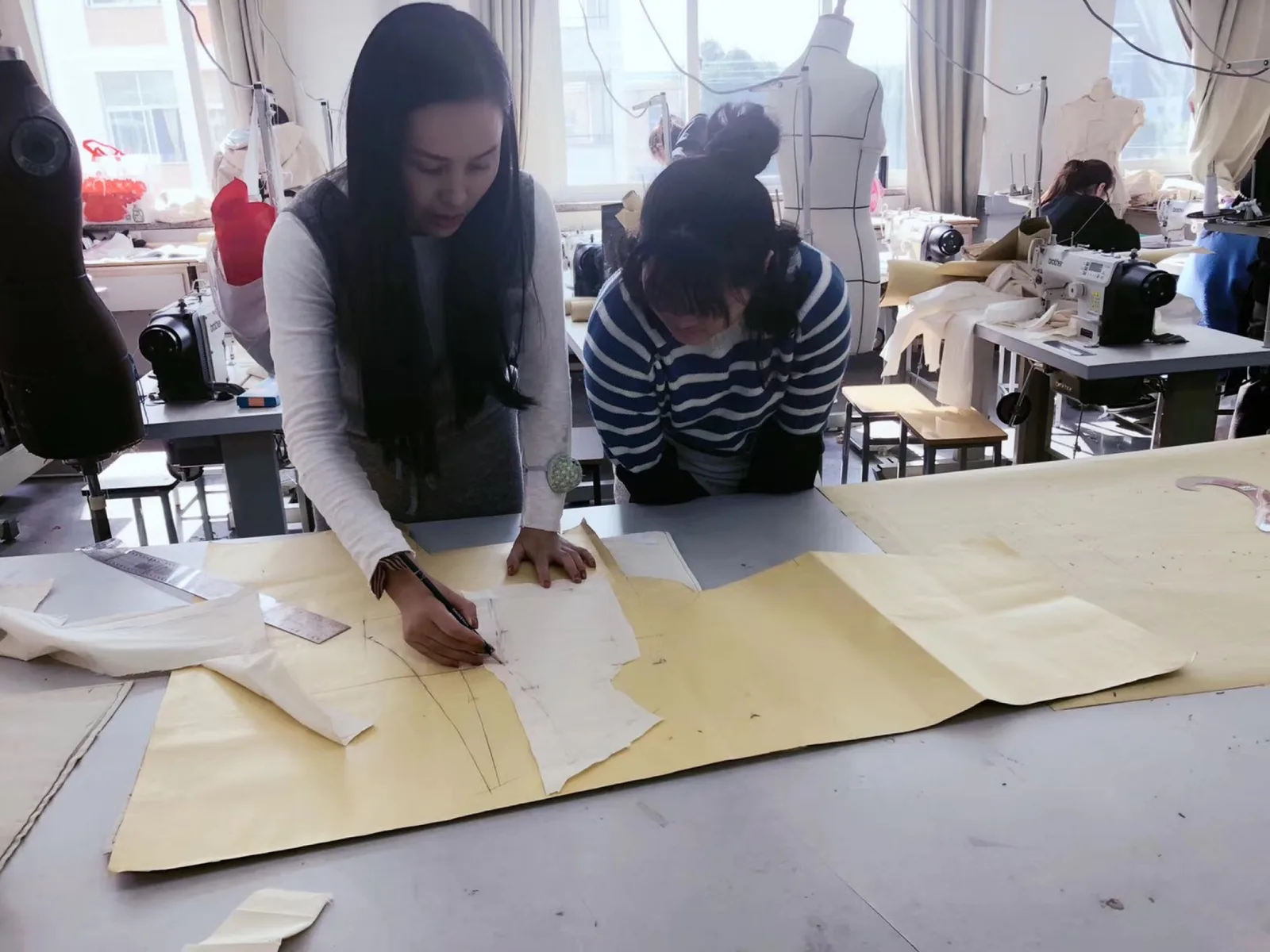
Womenswear Tech Pack Checklist worksheet
Three actions before the next sample
Use this womenswear tech pack checklist to reconcile drawings, measurements, materials, artwork and approval scope before the first custom sample.
Resolve contradictions
Compare drawings, measurements and material lists before sending the pack.
Label uncertainty
Distinguish approved inputs, substitutes, references and open development questions.
Close the loop
Connect each sample comment to a revision and a reviewed proof.
Buyer inputs and factory questions
Use the current garment and material references. Confirm the actual development scope and evidence required for this programme.
| Decision area | What the buyer should prepare | What to ask the factory |
|---|---|---|
| Version | Index drawings, specifications and artwork by revision. | Which exact combination will control the sample? |
| Measurement | Provide point diagrams, units, methods and fit basis. | Which ambiguity needs resolution before sampling? |
| Components | Identify shell, lining, trims and substitute status. | Which inputs will represent the intended final product? |
| Artwork | Supply scale, location, permission status and review owner. | What preparation and proof are needed? |
| Comments | Name the sample purpose, reviewer and response structure. | Which evidence will close each open point? |
Continue the production conversation
Womenswear Tech Pack Checklist: decision worksheet
| Review point | Buyer input | Evidence to review | Decision before progression |
|---|---|---|---|
| Version | Current style, revision and file index | One coherent submission | Can the recipient identify the controlling files? |
| Fit and measurements | Wearer basis, sample size and point diagrams | Specification with explicit methods | Does each number describe an understood measurement? |
| Materials and construction | Component roles, status and detail callouts | Identified inputs and proposed methods | Which details are approved or provisional? |
| Artwork and labels | Current files, position and information owner | Suitable proofs and evidence basis | What can be used on the sample and final product? |
| Sample response | Purpose, comments and decision owner | Consolidated observations and next proof | What does this sample actually approve? |
Buyer FAQs
What is the purpose of a womenswear tech pack checklist?
It checks that the current drawings, measurements, materials and other inputs describe one interpretable garment, with the first sample’s purpose and unresolved questions clearly stated.
How is a tech pack different from a product brief?
A brief explains the product direction and business context. A tech pack turns that direction into specific garment instructions that can be sampled, evaluated and revised.
Can an inspiration photograph replace technical drawings?
It can communicate selected features, but it may not define back details, measurements, construction or material status. Explain its scope and provide the missing instructions.
Should every template tolerance be copied into a new pack?
No. Agree an appropriate acceptance basis for the actual measurement, material, construction and review stage with the responsible technical team.
Which file formats does Yinshan Fashion accept?
Confirm suitable formats and preparation for the particular enquiry. This guide does not promise support for every editable design or pattern format.