Article
What should buyers know first?
Short answer: Compare available fabric, custom colour on an existing base and newly developed cloth before committing to samples, quantities or a repeat programme.
Stock fabric vs custom fabric is a choice about what a brand can accept now and what it needs to reproduce later. Available cloth can be useful when an existing colour, construction and quantity suit the garment. A custom route can be appropriate when the product depends on a specified shade, structure or finish. Neither route removes the need to approve the actual material in the garment.
Yinshan Fashion supports custom and private-label bulk programmes, rather than unrestricted ready-stock wholesale. Stock fabric, where available for a particular enquiry, is an input to a custom garment programme. It does not mean finished dresses or blouses are waiting to ship. Material availability, minimum quantities, commercial terms and timing must be confirmed against the proposed product and current supplier information.
This guide helps a buyer decide which material route to investigate first. It covers three routes that are often confused, the evidence needed before reserving material, and the records that protect a later reorder. The examples are planning exercises. They are not customer case studies, stock offers or statements of Yinshan's current inventory.
Stock fabric vs custom fabric: define what the supplier is offering
Start with the condition of the cloth. Finished stock fabric means an existing material offered in its present colour and finish. Ask whether the offered quantity is physically available, which lots it includes, and whether the supplier can identify the same goods for sampling and the intended order. A colour card in a sample book does not answer those questions. It may describe a range that can be made again, rather than material available for immediate allocation.
A second route uses an existing base with custom processing. The base construction may already exist, while dyeing, printing or finishing remains to be agreed and carried out. Greige fabric is unfinished cloth. Prepared-for-dyeing material has undergone preparation appropriate to its intended dye route. Do not treat either description as equivalent to finished, approved material. Ask the supplier to explain the actual stage and which operations remain.
A third route is custom fabric development, where the proposed material requires a new or adjusted construction, yarn combination, weight, surface or other specified characteristic. The supplier should explain what is established, what needs development, and which submission can demonstrate the result. Calling a fabric custom does not establish exclusivity, a repeat guarantee or a particular level of quality.
Write the route in ordinary language on the comparison sheet. “Existing finished lot, subject to review” is clearer than “fast fabric.” “Existing base, custom colour still to approve” is clearer than “in stock.” Those descriptions keep early commercial discussions tied to the work that remains.
Decide which garment requirements are fixed and which can change
Before asking for fabric options, identify the decisions the garment cannot compromise. A dress may rely on a particular balance of drape and coverage. A blouse may need enough body for its collar and placket. A lounge set may need a coordinated appearance across a top and trouser with different construction demands. A fabric that looks attractive on a card may fail the specific product task.
Separate requirements into fixed inputs, preferred inputs and alternatives the buyer is willing to consider. For example, the silhouette and lining arrangement may be fixed, while the brand will review several existing colours. Another programme may require a named colour standard but allow a different base after sampling. Neither brief is inherently easier. They create different sourcing questions and different approval work.
Use the dress collection as a category reference when discussing how a candidate cloth must support a silhouette. Identify the buyer's own style, intended wearer, base size, construction and use context. The collection provides product context; it does not confirm the composition or availability of a fabric proposed for a new order.
This preparation makes a stock search more useful. The supplier can look for material that answers the fixed requirements instead of sending many unrelated swatches. It also makes custom development more focused, because the team can explain why an existing option is insufficient before opening another development route.
Confirm availability before a sample creates an expectation
An approved development sample is only useful if the proposed material route can support the next step. For finished stock, ask for the supplier reference, colour, lot information, usable width, quantity offered, unit of measure and the date of the availability check. Establish whether the material is merely offered, temporarily held or allocated under agreed terms. Record the conditions and expiry of any hold instead of assuming that a conversation reserves the goods.
Ask whether the sample cutting came from the offered lot. If it came from an older sample book or a different roll, request a representative submission from the material being considered for bulk. The difference matters even when the reference number is unchanged. The buyer needs to know which observation applies to the actual proposed order.
Clarify who will obtain updated availability while the brand reviews the sample. A founder may spend time gathering fit comments while assuming the factory has secured the cloth. The factory may be waiting for an instruction before committing to material. One named follow-up owner and a stated decision date help avoid that gap without creating an unrealistic promise that stock will remain available indefinitely.
If availability changes, reopen the sourcing decision. Reducing colours, adjusting the order, reviewing another lot or choosing a different route are buyer decisions. They should not occur as an undocumented substitute hidden beneath the original style name.
Separate garment MOQ from fabric and colour commitments
Minimum order quantity is not necessarily one number for an entire programme. The garment order may be expressed in pieces, while cloth is offered in metres, yards or weight. A colour process, print run, trim or packing component may have its own commercial basis. Ask what each minimum covers and which part of the programme creates it.
Do not convert a fabric quantity into a garment count using a generic allowance. Consumption depends on the actual pattern, size distribution, usable width, construction and cutting arrangement. Directional surfaces or matched patterns can affect the usable cutting layout. The factory should review consumption on the relevant product basis before the buyer treats an offered length as enough for a fixed number of finished garments.
For a range using one cloth across several styles, ask whether the planned quantities can share the same material order and whether colour, lot or finishing requirements prevent that arrangement. Shared fabric can simplify purchasing, but it does not make each style's fit, component and construction approval interchangeable. A dress and blouse may share a base while requiring different lining or reinforcement decisions.
The fashion apparel wholesale MOQ guide explains how style, colour and size choices interact with an order. For the present decision, request a breakdown of fabric commitment, colour commitment, sampling material and any remaining balance. Yinshan Fashion does not set a universal fabric or garment minimum through this article. The answer belongs to the current enquiry.
Compare cost on the same finished-garment basis
A lower price per metre does not establish a lower cost per approved garment. Begin with the same specification, quantity matrix and packing requirement. Ask each proposed route to identify material cost basis, sampling work, colour or print development, relevant processing, inspection arrangements, transport of material and any unused balance the buyer may be committing to. Keep confirmed amounts separate from estimates and exclusions.
Usable width matters to this comparison. Two materials with the same stated composition and similar appearance may produce different cutting consumption. The garment team should identify the width and pattern basis used in its estimate. If one offer is quoted by weight and another by length, request the information needed for a meaningful comparison instead of comparing the two headline numbers.
Also consider what happens if the trial order sells well. A limited stock lot may suit a deliberately finite collection, but a core style needs a credible replenishment discussion. Conversely, developing a custom cloth for an untested product may create a material commitment the brand cannot yet justify. State the commercial purpose of the first order before deciding which tradeoff is acceptable.
An internal comparison should end with an explanation, not only a total. Record why the preferred route fits the product, what remains uncertain and which decision would change the recommendation. This makes the choice easier to review when the style, colour range or sales plan changes.
Keep colour approval tied to the actual substrate and lot
For stock fabric, the buyer normally reviews the offered colour as it exists. A colour name or screen image can start the discussion, but the approval record should identify the actual physical reference and material. State whether the product needs coordination with a lining, contrast panel, trim or another garment. Reviewing those components separately can miss a visible mismatch when they are assembled.
For custom dyeing, agree the colour standard, substrate and review procedure before the first submission. Cotton Incorporated's CottonWorks lab dip explanation describes laboratory colour development on a specified substrate, with possible iterations before a formula moves to production scale. Its cotton demonstration also makes clear that procedures can differ with other fibres and dye types. It is technical background, not a statement about a particular Yinshan order.
The buyer's practical task is to identify what the colour approval covers. A lab dip decision, a finished bulk submission and a garment comparison answer related but different questions. Record the approved reference, relevant viewing or measurement requirements, reviewer, decision and any conditions. Do not write a numerical colour tolerance into a purchase brief unless the responsible parties have agreed the method and meaning.
When a new lot is proposed for a repeat, compare it against the retained standard under the agreed review conditions. “Same colour code” is a useful identifier, but it is not a substitute for the required approval. Keep any accepted variation scoped to the material and order reviewed.
Sample the garment in the material you intend to use
A substitute fabric may be acceptable for an early construction question if everyone understands the limitation. It becomes a problem when the substitute sample is treated as approval of the finished product. Record the sample's fabric, purpose and exclusions. If it demonstrates the placement of a pocket, say so. Do not let that approval imply that drape, opacity, fit and care behaviour are settled for another cloth.
For a dress, review how the candidate material works with the selected pattern and lining. For a blouse, look at the collar, placket, sleeve and seam appearance in the proposed fabric. The blouse collection provides a concrete starting point for discussing garment details, while the brand's own specification controls the sample under review.
Where the comparison depends on care, appearance retention or another measurable characteristic, agree the relevant procedure and acceptance criteria. A casual hand stretch, a phone photo or a single unrecorded wash should not become an unsupported performance claim. The appropriate evidence depends on the material, finished garment, market and buyer requirement.
Consolidate observations into one decision sheet. State which option is preferred, why, what the sample demonstrated, what remains open and which next submission is required. This prevents design approval of the colour from being mistaken for technical release of the entire garment.
Plan custom processing as work that still has to happen
An existing base can reduce one kind of uncertainty while leaving others open. If cloth still needs dyeing, printing or finishing, identify each operation and the approval that allows it to proceed. Ask whether the proposed base is available in the required quantity, whether it has the appropriate preparation, and which party will coordinate the subsequent process. A material route is only as clear as its handovers.
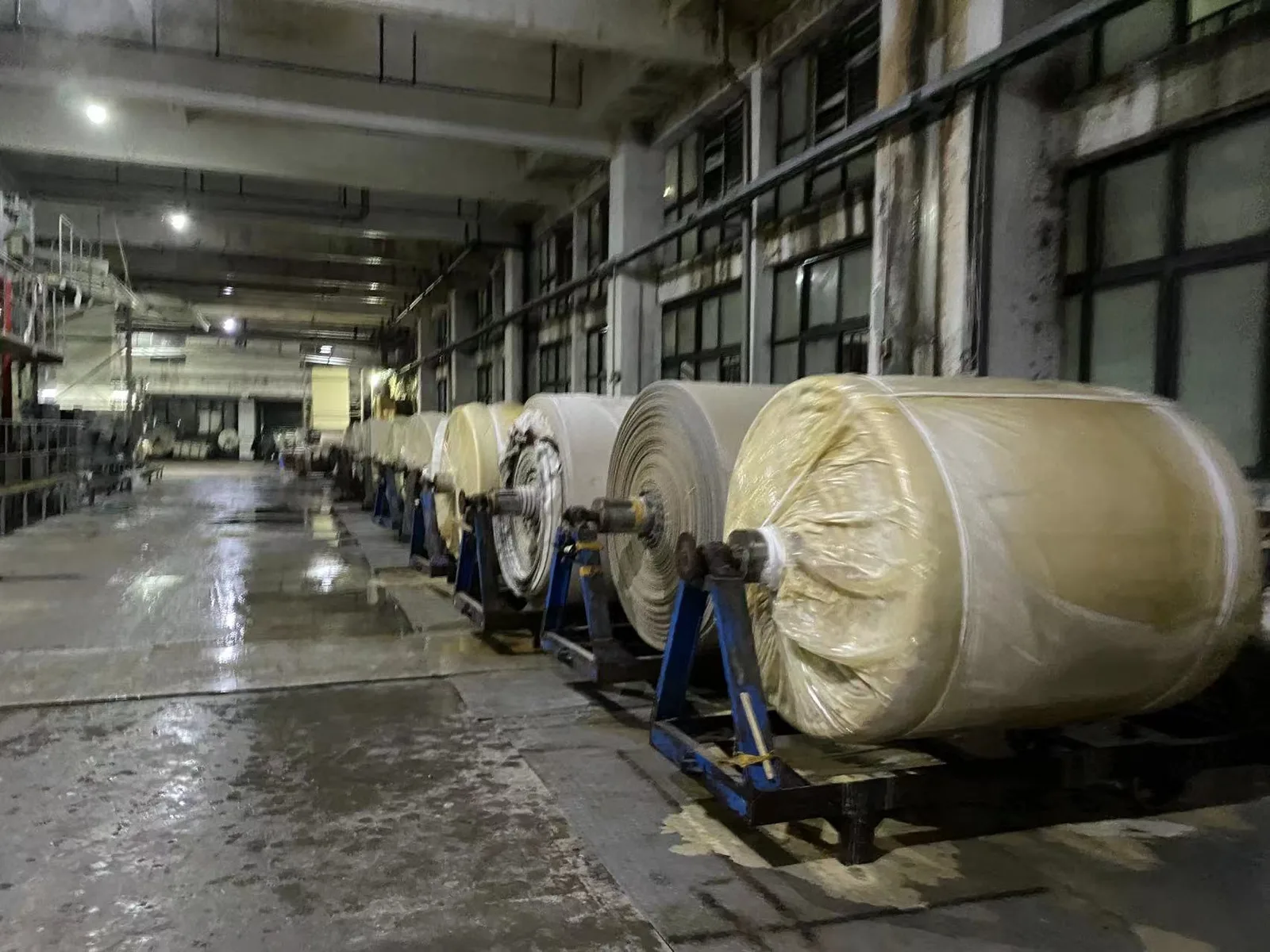
Build the schedule from confirmed dependencies. A colour review may depend on a prepared substrate. A print review may depend on a current artwork file and suitable base. A garment sample may depend on a finished material submission. Put those dependencies into the apparel production calendar before treating a requested delivery window as an agreed production schedule.
Decide what can proceed while one issue is unresolved. Pattern discussion may continue while colour is under review, provided the material's construction and behaviour are sufficiently understood for that task. Cutting the bulk garment is a different commitment. The factory and buyer should identify the evidence required for each activity rather than issue one broad approval covering every stage.
Allow space for review and correction in the planning conversation. This article does not prescribe a fixed development duration. The supplier's actual capacity, material route, product complexity and the buyer's approval process determine the relevant timing discussion.
Treat repeatability as a documented question
Ask what the supplier means when it describes a fabric as repeatable. It may mean more of the same finished lot is currently available. It may mean the base remains in the supplier's range but will be produced or dyed again. It may mean a similar material can be sourced. Those are different propositions, with different implications for the brand's core styles and customer expectations.
For a continuing programme, retain the material reference, supplied specification, approved physical standard, relevant sample record and agreed review requirements. Identify which supplier contact can confirm the next proposed lot. Keep the record connected to the garment's pattern, components and care-information basis. Replenishment becomes difficult when the team can identify an old garment but cannot identify the cloth used to make it.
If a substitute is proposed, assess it as a change. Decide whether the pattern, construction, lining, colour coordination or label information needs another review. The fabric decisions before bulk production guide addresses that release decision. The present article helps select a sourcing route; it does not make the later material approval unnecessary.
For a deliberately limited capsule, non-repeatability can be an acceptable commercial choice if the brand records it. Avoid advertising an ongoing replenishment promise that the material route cannot support. A limited run and a permanent core programme can legitimately use different sourcing strategies.
Agree what happens to reserved and unused material
Material commitments deserve their own written understanding. Ask who authorises the purchase, who owns any remaining balance, where it will be held, how it is identified and what happens if the garment order changes. The appropriate agreement depends on the programme. Do not assume that uncut material is free storage, refundable stock or automatically available to another order.
Separate expected cutting allowance from a commercial surplus. The factory should explain the quantity basis used in its estimate, including relevant consumption and handling assumptions. If the brand reduces the size range or cancels a colour after material is committed, identify the consequence before changing the order instruction. This is a question to settle between the parties, not a universal rule about who must pay.
If material is retained for a later order, ask for an inventory reference and a process for confirming condition and quantity before reuse. A stored balance may still need review against the new order's requirements. The brand may have changed its product presentation, destination or care instructions since the original purchase.
Keep the material balance visible at order close. Recording what was received, used and retained makes a future enquiry more concrete. It also helps the buyer understand whether a repeat proposal relies on remaining goods or a new material commitment.
Compare two practical programme scenarios
Imagine a boutique developing a first dress capsule with a flexible colour direction. Its immediate priority is to evaluate silhouette and customer response. Finished stock may be a useful route if an offered lot meets the garment requirement, the available quantity supports the plan, and the brand accepts a limited replenishment outlook. The next action is to review a representative material submission and a sample on the intended garment basis.
Now imagine a brand extending a core blouse across repeated orders. A precise colour relationship and stable material definition matter to its range. Custom colour on an established base may deserve investigation, but the brand still needs a clear sourcing, approval and reorder process. It should ask which characteristics can be specified, which submissions will be reviewed and what happens when the base or process changes.
Neither scenario proves that one route is always cheaper or faster. The decision changes with the actual material, quantities, product requirements and supplier conditions. These examples show why the buyer should define its commercial task before asking the factory to choose a cloth.
A mixed collection can use both approaches. A limited fashion piece might use a reviewed stock lot while a core product follows a more defined replenishment route. Keep those commitments separate in the material map. Sharing a launch date does not mean every style must share the same sourcing strategy or repeat expectation.
Build a comparison sheet that a factory can answer
Use one row for each candidate route and keep the garment basis constant. Identify the style, proposed material, actual supply stage, colour, quantity basis, sample reference, available evidence and the question that remains. Add a date and owner for availability confirmation. Avoid burying a new material reference inside an old quotation email.
The buyer should provide its target quantities by style, colour and size, while marking provisional quantities honestly. Include the intended sales channel, repeat ambition, fixed product requirements and alternatives worth discussing. If a future reorder is central to the business plan, state that at the beginning. A supplier cannot evaluate an unstated replenishment requirement.
The factory's response should separate current confirmation from a proposal. Useful replies identify the offered material stage, what the submission represents, the basis of any quantity estimate, remaining approvals and the next action. An unanswered field should remain an open question. Filling it with an assumed industry average makes the sheet look complete while weakening the decision.
For product context beyond dresses and blouses, review the loungewear category. A coordinated lounge programme may bring additional questions about top-and-bottom shade matching, stretch, lining, elastic and care. Use category references to explain the garment task, then ask about the exact fabric route for that task.
Bring a focused material enquiry to Yinshan Fashion
Before contacting Yinshan Fashion, assemble the garment reference or tech pack, intended wearer and channel, material direction, colour requirement, quantity matrix and sample objective. Add what can change and whether the programme is a limited launch or a repeatable core style. If you already have a fabric reference, state whether it is an inspiration swatch, an approved standard or an offered bulk lot.
Use the fabrics and trims page to organise the material questions, then send the current brief. Ask for a comparison of realistic routes and the evidence needed for the next decision. Confirm stock, minimum quantities, processing, commercial terms and timing for the specific programme before authorising a commitment. A clear enquiry should lead to an identified material and sample task that both teams can review.
Fabric sourcing worksheet
Three actions before choosing a fabric route
Make the supply stage, physical reference and future order expectation visible before reserving or developing material.
Confirm the offered goods
Ask which material and lot the submission represents, what quantity is currently offered and which processing stages remain.
Review the actual garment
Connect the candidate cloth to the pattern, lining and components. State what the sample must demonstrate before approval.
Define the reorder plan
Distinguish a limited lot from a continuing material reference. Retain the standard and agree how a new lot or substitute will be reviewed.
Buyer inputs and factory questions
Use this as a proposed comparison structure. Confirm the actual sourcing and responsibility arrangements for the programme.
| Decision area | What the buyer should prepare | What to ask the factory |
|---|---|---|
| Product basis | Provide style reference, intended wearer, construction, size mix and fixed material requirements. | Which candidate routes can answer this garment requirement? |
| Availability | State intended quantities and when the material decision can be made. | What is offered, from which lot, and under what hold or allocation conditions? |
| Quantity and cost | Separate provisional quantities from authorised commitments. | What are the fabric, colour, sampling and remaining-balance bases? |
| Approval | Name the colour standard, sample objective, reviewer and acceptance criteria where relevant. | Which submission represents the proposed bulk material and which approvals remain open? |
| Repeat | State whether the product is limited or intended for replenishment. | Would a repeat use retained material, a new lot or an alternative requiring review? |
Continue the production conversation
Stock fabric vs custom fabric: compare the actual supply route
| Route | Useful when | Evidence to request | Decision before commitment |
|---|---|---|---|
| Finished stock | An existing colour and construction fit the garment | Current lot, representative submission, available quantity and hold conditions | Can the actual goods support the sample and intended order? |
| Existing base with custom processing | The base is suitable but colour, print or finish needs development | Base identity, processing stage, submission plan and approval sequence | Which operations and approvals remain before garment production? |
| Custom fabric development | Existing candidates do not meet a defined product requirement | Development brief, proposed specification, trials and review criteria | Does the expected product value justify the commitment and open questions? |
| Repeat from retained material | An identified balance may support another order | Current quantity, condition, lot identity and retained standard | Does the retained material still meet the new garment requirement? |
| Repeat from a new lot | The supplier proposes replenishment of an established reference | New submission compared with the approved material and product record | Which colour, construction, care or fit points need renewed approval? |
Buyer FAQs
Stock fabric vs custom fabric: which is better for a small fashion brand?
Start with the garment requirements, quantities and repeat ambition. Reviewed stock can suit a flexible or limited programme. A custom route can suit a product with a defined colour or construction requirement. Availability, development work and commercial terms must be confirmed for the enquiry.
Does using stock fabric mean the finished clothing is ready stock?
No. Available cloth can be an input to a custom garment programme. Pattern, samples, components, cutting, sewing and other relevant approvals still need to be addressed. Yinshan Fashion focuses on custom and private-label bulk programmes.
Is custom colour on an existing base the same as developing a new fabric?
No. An existing base may still need preparation, dyeing, printing or finishing. Developing a new fabric may also involve construction, yarn or other specification work. Ask the supplier which stage is established and which work remains.
Can a brand reorder exactly the same stock fabric later?
Do not assume this. Confirm whether the supplier is offering more of the existing lot, a newly produced lot of the same reference or an alternative. Compare the proposed material with the retained standard and current garment requirements.
Why does fabric MOQ differ from garment MOQ?
Fabric, colour processing, garment production and components can have different quantity bases. Garment consumption also depends on the actual pattern, size mix and usable width. Request a programme-specific breakdown instead of applying a universal conversion.