Article
What should buyers know first?
Short answer: A B2B guide to defining recycled nylon fabric, requesting the right evidence, and testing the complete swimwear or activewear sample before bulk approval.
Recycled nylon fabric for swimwear and activewear should be selected as a complete material-and-garment programme, not as a fibre label that automatically proves performance. A buyer needs to know what the proposed fabric contains, which recycled-content evidence applies to that particular route, how the fabric behaves in the intended style, and what must be checked again before bulk. This matters especially when stretch, lining, seam construction, colour, care and product claims all meet in one close-fitting garment.
Yinshan Fashion supports custom and private-label bulk programmes rather than an unrestricted ready-stock catalogue. A useful enquiry therefore starts with a current garment brief: product category, target wearer, movement or water-use context, silhouette, fabric hand, construction, colour, lining, components, quantity structure, sample objective, destination, proposed claims and open questions. A recycled nylon request can then become a controlled sampling discussion instead of an assumption that every polyamide fabric will give the same result.
What does recycled nylon fabric for swimwear mean in a buyer brief?
Recycled nylon, also called recycled polyamide, describes a material-content route. It does not by itself specify the fabric construction, the proportion of recycled content, the companion fibres, finished weight, stretch level, lining, colour process, surface, care route or product performance. A fabric may be knitted, woven, brushed, compact, mesh-like or otherwise constructed. It may contain elastane or other fibres. Those differences matter to the garment.
Write the material brief in layers. Begin with the expected composition and any recycled-content requirement. Add construction, handfeel, coverage, stretch direction, recovery question, finished weight or range when known, colour direction, lining need, component interaction and intended garment use. Then label each point as fixed, preferred, open for proposal or requiring physical evidence. This prevents a supplier from treating a general material name as a finished specification.
The same separation protects product copy. A supplier may be able to propose a fabric with a recycled-content route, but the brand should not call every part of the finished garment recycled. Shell, lining, elastic, binding, thread, labels and hardware may have separate compositions and evidence. Keep the claim scope connected to the component actually covered.
Which feedstock and chain-of-custody questions should a buyer ask?
Ask the material supplier to identify what it can support for the candidate fabric, without asking it to disclose irrelevant confidential information. Useful fields include the fabric reference, composition, claimed recycled-content basis, supplier identity, relevant document type, lot or transaction reference where available, and the date or version of the information. If the supplier uses a feedstock description, ask whether it is specific to the material under review or a general company statement.
Pre-consumer production scrap and post-consumer materials can be described differently in supply records. A buyer should not assume that either term determines the same fabric appearance, availability or commercial route. Request a clear description of the proposed material and decide which evidence is required for the brand’s intended statement. Where a claim is important, retain it with the fabric reference rather than in a disconnected marketing folder.
The current Textile Exchange RCS and GRS guidance explains that these standards concern third-party certification of recycled material and chain of custody. It does not make a particular swimsuit durable, colourfast or suitable for a specific construction. Use certification-related paperwork to answer its own traceability question, then review the physical fabric and garment separately.
Why construction matters as much as recycled content
A close-fitting garment responds to construction as well as composition. Gauge, density, yarn arrangement, knit structure, finish and companion fibre can affect coverage, surface, compression feel, stretch and recovery in ways a recycled-content percentage cannot predict. Two fabrics with similar headline composition may still require different pattern, lining or seam decisions.
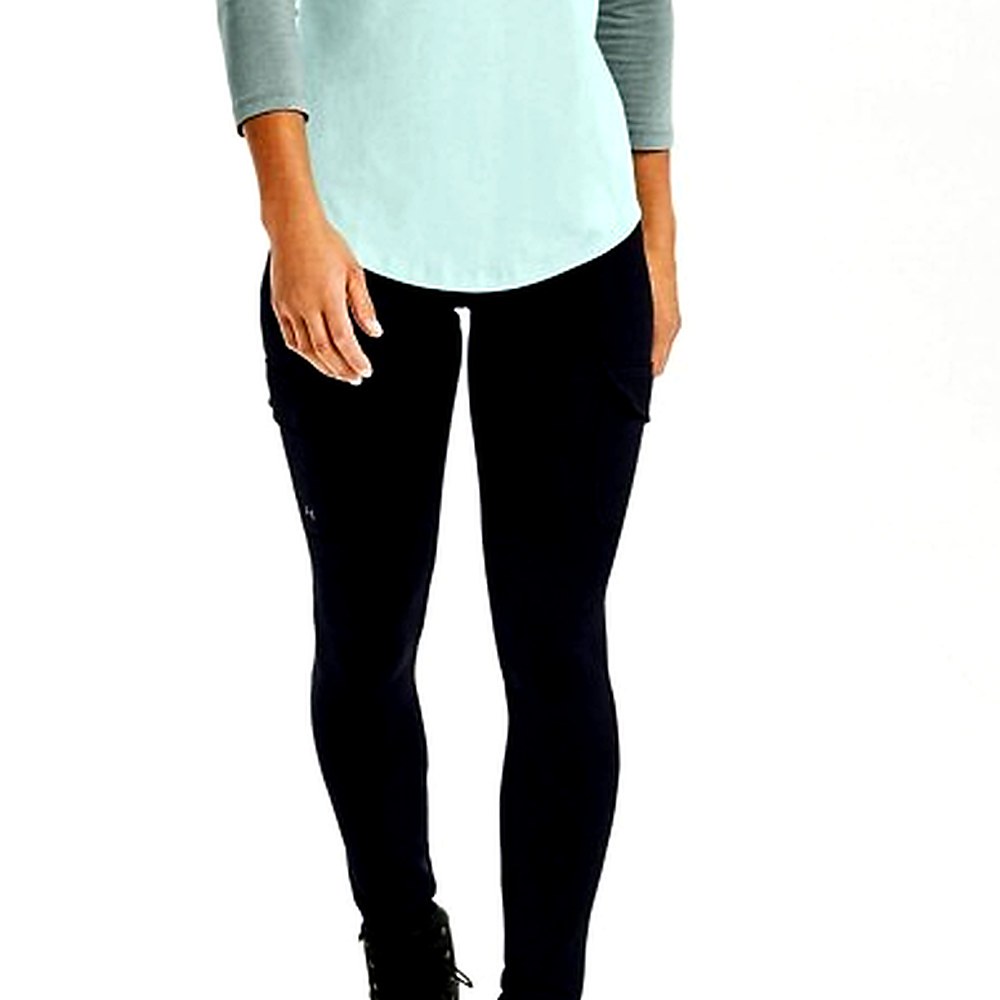
Start with the garment’s most demanding area. A fitted legging may need the buyer to inspect the waistband, seat, knee and any panel joins. A swim top may need review at the cup area, straps, underbust finish and lining relationship. A fashion bodysuit may put the emphasis on opacity, neckline stability or the way a seam sits against the body. State the area and the concern before asking for a fabric recommendation.
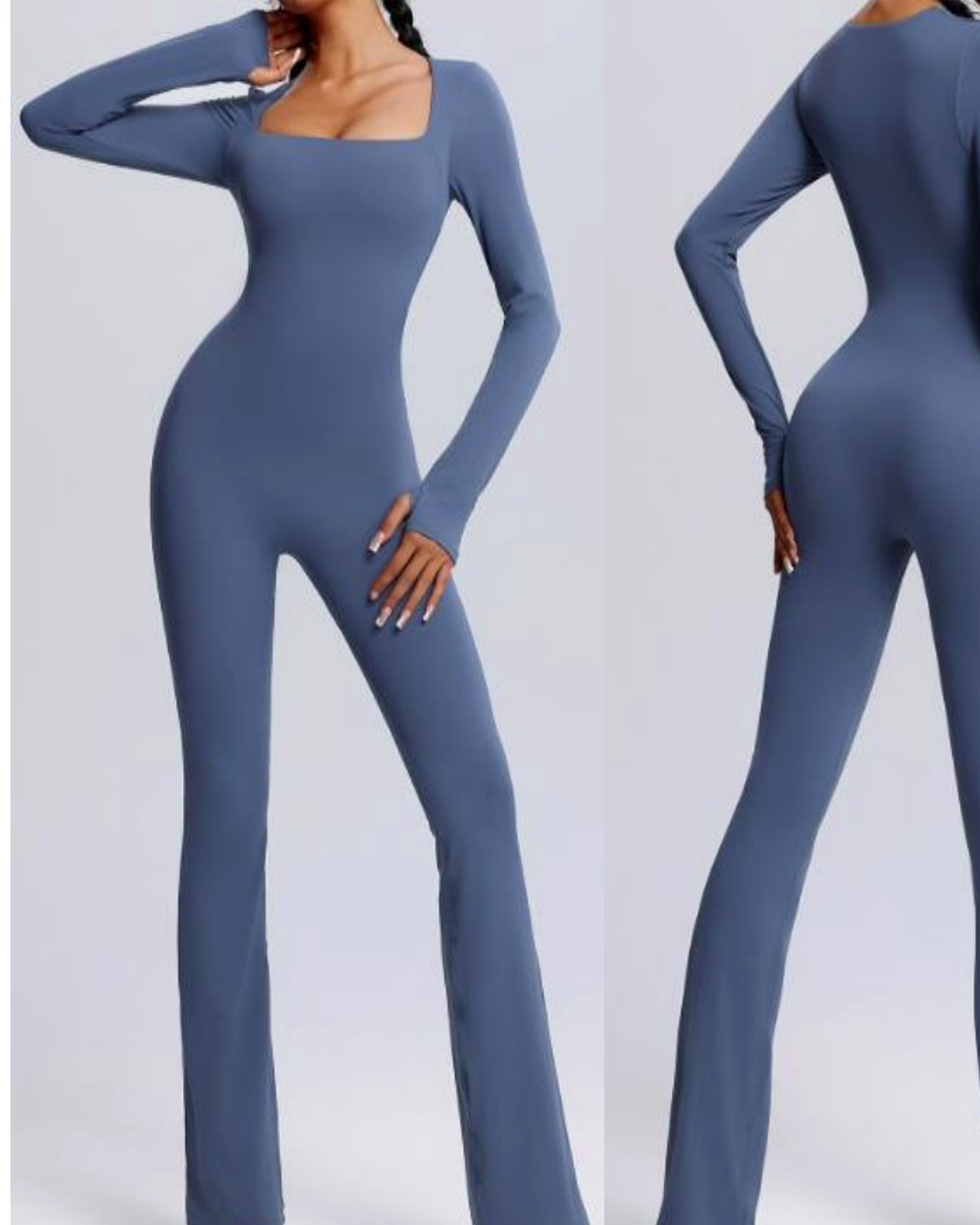
Use the active-fashion collection as a category conversation, not evidence that a displayed item uses recycled nylon. It helps a buyer name the product silhouette and movement context. The final material choice must still be confirmed through the proposed fabric, sample construction and programme-specific review.
How should buyers compare stretch, recovery and coverage?
Do not reduce a stretch question to one generic request for “more elastic fabric.” Identify the direction of stretch needed, the body area affected, the intended fit, the garment’s layer system and the observation that would make the sample acceptable. A higher numerical stretch claim, if one is supplied, is not automatically the better route for every product. A garment can feel too loose, too restrictive, too sheer, too unstable or simply different from the intended brand fit for several reasons.
Review the fabric as a constructed sample whenever the question involves body coverage, a shaped seam, a waistband, a strap, an opening or a lining. A flat swatch can help with first-touch, colour and surface comparison. It cannot fully answer how the finished style will behave at a stressed seam or after the chosen lining and elastic are applied. Retain the exact sample version used for comments.
Create a side-by-side review sheet. Record the candidate reference, composition, construction, colour, finish, sample condition, garment pattern, lining and any visible differences. Ask reviewers to write an observation before deciding on a preference. For example, “coverage changes at the knee bend” is more useful than “fabric looks weak.” A specific observation gives the factory a next action.
Match the material route to swim, active and fashion uses
Swimwear, activewear and fashion garments may share a fitted silhouette without sharing the same use conditions. Define the actual intended use rather than borrowing a performance promise from a neighbouring category. Is the product designed for a particular sport, a low-intensity wellness context, occasional resort wear, dance, fashion layering or another activity? Is it lined? Which skin-contact, coverage, support, seam or care questions are central?
For swimwear, name the setting and care assumptions that the buyer wants to examine. If chlorine, sunlight, abrasion, salt water or another exposure is relevant to the brand brief, agree the appropriate evidence route with the technical parties. Do not assume that recycled nylon has one universal outcome under those conditions. A candidate can be evaluated against a relevant agreed method without publishing a blanket claim about every recycled nylon fabric.
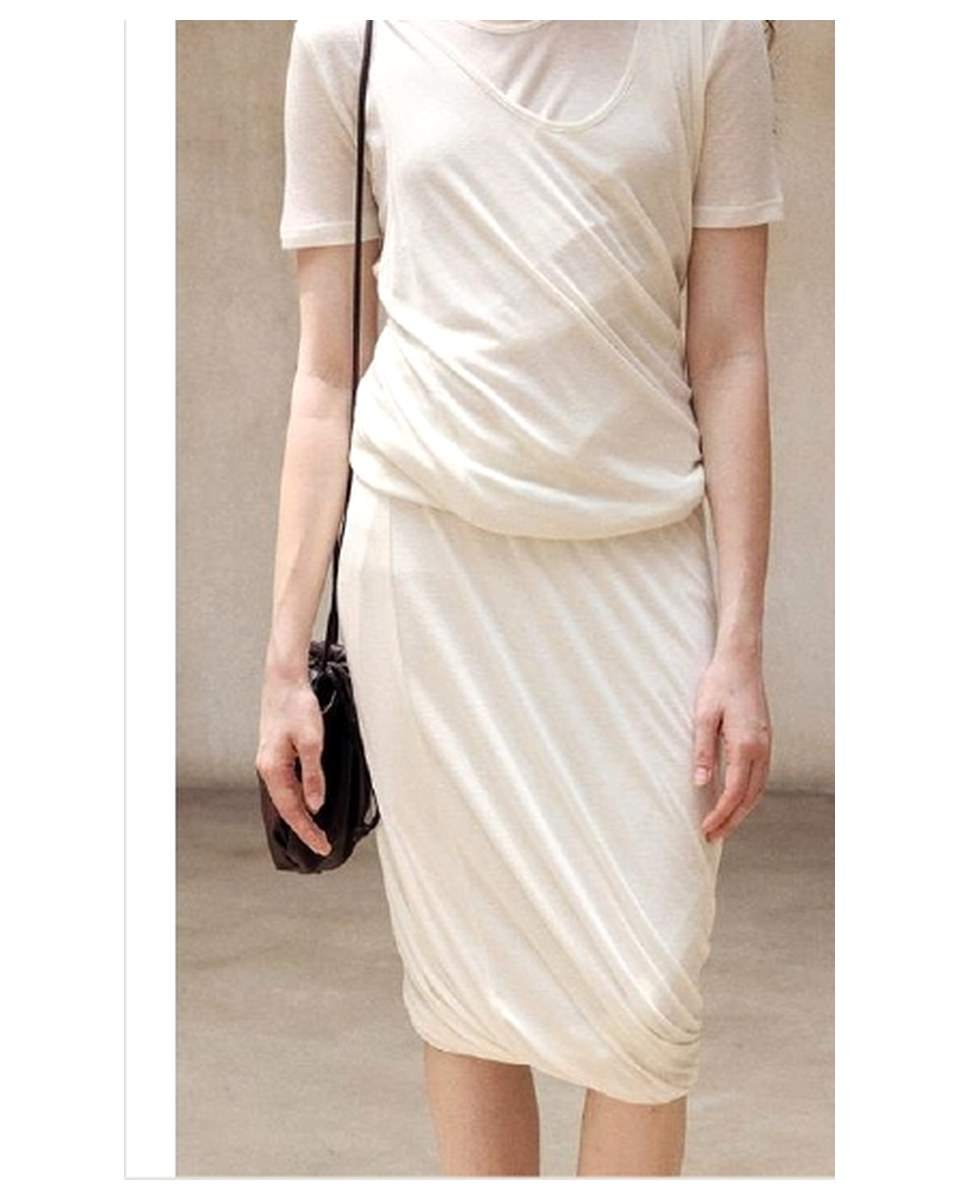
For activewear, define movement, coverage and construction first. A soft studio set, a running layer and a compression-led style may require different fabric, pattern and component discussions. For fashion uses, a stretch fabric may be chosen for fit or surface rather than athletic performance. The casual-fashion collection and dress collection can help frame those different silhouette questions.
Review colour, lining and skin-contact details together
Colour is part of the material decision. A fabric that appears sufficiently opaque in one shade may need a different review in another shade, under another lining or in a different garment area. Share the intended colour direction early. If the sample is a development shade, label it as such and decide which observations must be repeated on the intended colour before bulk approval.
Keep lining as a separate material record. It can change handfeel, coverage, stretch, seam bulk and the way the outer fabric behaves. Do not describe a lined product as if a single shell-fabric document applies to every component. A buyer should know what is being compared: shell alone, lining alone, or the complete combination.
Skin-contact expectations should be converted into specific product inputs, not vague safety language. Identify the wearer, intended use, relevant components, label placement, seams and care instructions. If the project requires a particular test, standard, market review or document, name it and have the appropriate technical or regulatory party determine the method and applicability. A general recycled-material statement is not a substitute for that work.
Turn a swatch comparison into a useful garment sample
A swatch stage should narrow options, not close every approval. Ask the supplier to provide candidate references with the information that can be known at that stage. Compare handfeel, surface, colour direction, thickness, stretch impression and whether the material appears plausible for the product. Then identify what the swatch cannot answer.
The garment sample should answer a named question. One first sample might test fit and seam placement. Another may be needed to compare an alternate fabric route or a finished colour. A development sample is not automatically a bulk standard, especially if the material, finish, lining or construction changes. Give each sample an identifier, purpose, reviewer, date, comments and next decision.
The fashion fabric sourcing guide offers a practical way to separate drape, colour, care and bulk risk. For recycled nylon, add the traceability and claim fields that matter to the programme, but keep them alongside rather than in place of garment observations. The buyer needs both records to make a defensible choice.
Plan relevant tests without turning them into universal promises
Testing should answer a stated product question. Before requesting a test, agree what is being assessed, which sample represents the proposed product, what method applies, what condition matters and who will interpret the result. A result from an unrelated fabric, colour or sample stage may be informative, but it should not be presented as proof for the final garment without checking its relevance.
Do not publish claims such as “chlorine-proof,” “UV-proof,” “pilling-proof” or “never stretches out” merely because a fabric contains nylon or recycled nylon. Such language reaches beyond a fibre description and can create expectations about a finished product. If a buyer needs a specific capability, keep the requirement in the development brief and obtain the relevant project evidence before making a customer-facing statement.
A careful record is more valuable than a long testing list. Retain the sample identifier, fabric and component references, method, conditions, result, decision owner and any limitations. If the material changes, decide which evidence needs to be repeated. That is easier to manage than discovering during packing or product-copy approval that a result cannot be traced to the current version.
Manage continuity, substitutions and repeat orders
A material proposal is not a guarantee of repeat availability. State the intended quantity context and whether repeat supply matters to the programme. Ask the supplier to identify what can be discussed now and what depends on the final fabric, colour, quantity, finish and commercial agreement. Do not record an assumed MOQ, lead time or price in a generic material guide.
When a substitution is proposed, compare it against the approved record. Does it change composition, recycled-content scope, construction, colour behaviour, lining interaction, physical sample outcome or product statement? Give the buyer a change summary instead of silently carrying the earlier approval into a different fabric route.
For reorders, begin with the prior approved fabric reference, sample comments and product bill of materials. Ask what remains the same and what has changed. A new lot, finish, component or colour can be manageable when it is identified early. The manufacturing process becomes more reliable when the material record moves with the product rather than being reconstructed from old messages.
How Yinshan Fashion can support a controlled recycled nylon discussion
Yinshan Fashion can organise the buyer’s garment brief around fabric direction, fit, sample purpose, labels, packaging and production handover. The useful starting point is not a promise that one recycled nylon route is right for every swim or activewear programme. It is a clear product problem: the silhouette, use, material direction, desired feel, coverage question, components, evidence needs and decisions still open.
Through fabric and trim development, the buyer can bring candidate materials, lining, colour and components into the same conversation. Through the sample workflow, the team can keep comments tied to the relevant product version. If the project moves forward, the material and sample record can be connected to the production handover rather than separated into a collection of files with different assumptions.
This is support for a buyer-controlled development route, not a statement that Yinshan Fashion certifies a material, controls a mill’s evidence or guarantees a result before the project is confirmed. Availability, quotes, sample timing, test scope, certification status and product performance are all specific to the proposed order and should be verified within that programme.
How should a buyer compare two recycled nylon fabric candidates fairly?
First decide whether the review is a controlled comparison or a practical sourcing decision. A controlled comparison tries to hold the garment pattern, colour, lining, components and finishing state as consistent as possible while reviewing a stated material difference. A practical sourcing decision compares the complete candidate fabrics actually available to the buyer, including their documented differences. Both are valid. The error is presenting the second kind as if it proved only one fibre variable.
Create a candidate register before samples reach reviewers. Give each option an internal reference and record the full composition, recycled-content description, fabric code, construction, nominal weight where supplied, colour, finish, supplier, evidence held and open questions. The register can also record whether a candidate is a shell fabric, lining or trim. This leaves less room for a material nickname to become the whole specification.
Keep colours and finishes visible in the comparison. A pale fabric may expose coverage questions that a darker sample hides. A brushed surface may change how a seam reads. A different lining can change bulk and recovery. If those variables cannot be held constant, note them. A team may still choose the best complete candidate, but its approval should say what was actually compared.
Use representative garment construction for the highest-risk zone. For a legging, that might be the waistband and seat. For a swim top, it may be a strap and lined cup section. For a fashion bodysuit, it could be a neckline and snap area. This is not a request for every possible sample. It is a way to make sure the sample answers the question most likely to affect approval.
Keep commercial choices separate from material evidence
A material comparison can inform a quotation without becoming a fixed commercial commitment. Ask each supplier to state the basis of its proposal: fabric reference, composition, colour route, finish, components, quantity context, packing assumptions, claim-evidence work and unresolved inputs. A lower number may describe a different material package, just as a more documented route may involve different conditions. Compare the basis before comparing the price.
Avoid writing fixed MOQ, lead-time, availability or test commitments into a public fabric guide. These points depend on the supplier, material, colour, quantity, order timing and programme approvals. In a real project, retain the actual quotation and its assumptions with the material record. That record can show which change would require an updated discussion.
If the buyer changes from a recycled nylon candidate to another polyamide fabric, review every affected part of the product. Does the sample comment still apply? Is the recycled-content statement still accurate? Does the lining need to change? Does a selected colour now require another review? Clear questions at this stage are less costly than preserving a familiar material name while the product underneath has changed.
Commercial planning becomes clearer when the buyer distinguishes a desirable direction from an approved requirement. “Prefer recycled nylon if the evidence and sample are suitable” is not the same as “recycled nylon is mandatory for the shell.” The first leaves room for a documented alternative. The second gives the supplier a firm sourcing constraint. Record that distinction so the production team does not guess later.
What should a recycled nylon bulk handover include?
At handover, consolidate rather than copy every email. The current product record should identify the style, colourway, wearer, category, pattern or sample revision, approved shell and lining, components, fabric references, evidence reviewed, product wording, care inputs, quantity matrix, packing route, quality priorities, exceptions and decision owner. Some of these fields may remain conditional. Labeling a condition is safer than hiding it.
Attach the visual sample record to the correct product version. A photo can identify seam placement, silhouette or colour direction, but it does not prove a recycled-content claim or factory capability. Keep private sample details and customer information inside the relevant project file. The public article image library should never be used as evidence for a customer’s material approval.
Set a change-control rule before bulk begins. A material code change, construction change, composition change, different finish, new lining, altered elastic or revised colour may require a new buyer decision. Ask the factory to identify the difference and its likely affected approval, then record the decision. This gives a repeat order a usable history rather than a collection of assumptions.
The resulting handover is practical for small batches and larger programmes alike. It does not promise that every input will remain available or unchanged. It makes the current approved scope visible, so the buyer and factory know what must be checked again if the product changes. That is the value of combining traceability, sampling and production records in one controlled route.
Use an approval matrix before calling the fabric bulk-ready
An approval matrix is a short list of the decisions that must be true at the same time before the buyer releases a material route. The first line can name the garment and the controlling sample. The next lines can identify shell fabric, lining, elastic, colour, decoration, label wording, recycled-content evidence and packing context. Each line should have an owner, status and next proof. This format is useful because it exposes a gap without pretending the project has failed. A shell fabric may be ready while the product wording remains open. A sample may be approved while a substitute lining still needs review.
Use direct statuses. “Approved for this sample” is different from “approved for bulk.” “Evidence received” is different from “claim cleared for product copy.” “Supplier proposal” is different from “buyer release.” The wording matters because several teams may read the same record: design, sourcing, product development, compliance, packaging and production. A precise status prevents one person from treating a working discussion as a finished approval.
The matrix should also make dependencies visible. If a colour change requires a new coverage review, say so. If a change in recycled-content scope affects hangtag wording, connect the two tasks. If a component has no evidence yet, leave its claim field open rather than allowing the shell-fabric statement to expand silently. Clear dependencies help a small brand manage a complex programme without needing a large administrative system.
At the final release meeting, read the matrix against the physical reference and current purchase documents. Confirm that the sample, fabric code, components and wording still identify the same product. Record exceptions and the person responsible for resolving them. This last check is not a guarantee about future bulk results. It is a disciplined way to prevent the current decision from being lost when the programme moves from sampling to production.
How should a buyer align product copy with the evidence actually held?
Treat product copy as an output of the approved material record, not as an earlier marketing decision that production needs to match later. Start by writing the narrowest accurate description of the component being discussed. A statement about a recycled-content route for a shell fabric may be useful, but it does not automatically describe the lining, straps, elastic, sewing thread, labels or hardware. Keep the proposed wording in the approval matrix alongside the fabric reference and the evidence that supports it.
Separate three different messages that are often merged too soon. The first is material identity: what the supplier proposes for this fabric. The second is evidence scope: which document, reference or chain-of-custody record relates to that proposal. The third is the customer-facing claim: what the brand intends to say about the finished garment. These messages may move forward together, but they do not answer the same question. A concise claim with an identified scope is stronger than a broad statement that a buyer cannot trace to the actual product.
During sample review, make a copy check a named gate. Confirm the sample revision, fabric reference, component list, colourway and wording before a product page, hangtag or sales deck is approved. If a buyer later accepts a substitute or changes a component, ask whether the wording needs review again. This is especially important for a close-fitting garment where shell, lining and elastic may each have separate material records. Yinshan Fashion can keep the production conversation organised, but the brand should confirm the claim language it chooses to publish.
How can a small brand plan recycled nylon development without over-ordering samples?
Begin with the uncertainty that could change the decision. If the main question is surface handfeel, a swatch comparison may be a sensible first step. If the uncertainty is opacity at a knee bend, seam bulk at a lined cup or stability at a waistband, a small constructed sample or an agreed test panel may be more informative. Match the sample format to the question; a larger sample is not automatically a better sample.
Group sample work by decision, not by every imaginable variation. One round may compare two shell candidates under the same pattern and lining. A later round may confirm the selected route in the intended colourway. Another may focus only on a changed elastic, binding or seam construction. Give each round a written exit criterion such as “select a shell candidate for the next fit sample” or “confirm whether the lining changes coverage.” That makes it clear what the review has and has not approved.
Create a short sample ledger while the programme is still small. For every item, note the fabric reference, colour, components, sample purpose, date sent, reviewer, feedback, decision and next action. The ledger also creates a clean handover if a different buyer, designer or factory contact joins the project. It prevents a final photo, a general fabric description and an older sample from being treated as one approval when they may describe different versions of the garment.
Which supplier questions reveal whether a proposed fabric route is ready to develop?
Ask for specific answers that the supplier can tie to the candidate, rather than a broad assurance that the material is “sustainable” or “performance-ready.” A useful discussion can identify the proposed fabric code, full composition, construction, available colours or development direction, finish, approximate suitability for the requested silhouette, relevant documents the supplier can share within the project, and what remains conditional on quantity, colour or timing. Each answer should identify whether it concerns the shell, lining or another component.
Then ask what the sample cannot yet confirm. The supplier may be able to describe a fabric, yet still need a pattern, sample construction, colour confirmation or product-specific review before it can comment on a particular outcome. This is a productive answer, not a weak one. It shows the buyer where evidence ends and development begins. A factory that records open questions can make the next sample more useful than one that converts every uncertainty into a generic promise.
For a new material route, request a change signal as well. Which changes would require another conversation: a new colour, different finish, alternative lining, revised compression target, substitute elastic, changed print process or revised claim wording? When that rule is agreed early, a small brand can keep flexibility without losing control over which decision applies to which version. It also makes later quotations easier to compare because the assumptions are visible.
What should the buyer decide after the first recycled nylon garment sample?
Do not ask only whether the sample is “approved.” Use a decision statement that names the precise status. The sample may be approved for silhouette but not material. It may be approved for the selected fabric direction but need colour confirmation. It may be useful only as a fit reference. It may reveal that a material route should be stopped before more time is spent on it. Direct language prevents a factory from interpreting encouragement as a bulk release.
Review the physical garment alongside the record. Check whether the sample still carries the intended fabric and component references, then observe fit, coverage, handfeel, seam appearance, lining interaction, recovery questions, colour direction, trim placement, labels and care information. Record the observation, not merely the conclusion. “Waistband rolls after movement review” gives the developer a next task; “not good” does not. If an observation changes the material route, update both the sample ledger and the draft customer-facing wording.
End the review with one owner and one next action for every open item. A buyer may request an alternative fabric, a revised construction, further documentation, a colour trial or no further work. The result should leave the programme easier to execute, not with a larger collection of unconnected messages. When the material record, sample purpose and commercial assumptions all point to the same current version, the move from development to production becomes more reliable for both small-batch and repeat-order programmes.
Frequently asked questions about recycled nylon fabric for swimwear
Is recycled nylon fabric automatically suitable for swimwear?
No. Recycled nylon describes a material route, while swim suitability depends on the complete fabric, construction, lining, components, intended use and the evidence agreed for the project. Review a representative garment sample before approval.
What should a buyer ask for when a supplier says a nylon fabric is recycled?
Ask for the candidate fabric reference, composition, claimed recycled-content basis, available chain-of-custody or transaction evidence, construction, finish, colour and the scope of any product statement. Keep those documents connected to the specific material route.
Does recycled nylon fabric behave exactly like virgin nylon?
Do not assume equivalence or a difference from the fibre name alone. Compare the proposed finished fabrics and the garments made from them against the actual product brief. Construction, finish, companion fibres and components may change the result.
Can a brand claim that every component in a recycled nylon garment is recycled?
Only if the claim scope and evidence cover every stated component. Shell fabric, lining, elastic, thread, labels and hardware may have different compositions and documents. State the component scope accurately.
Which sample checks matter before a recycled nylon activewear order?
Start with the product’s specific questions: fit, coverage, stretch direction, recovery, seam appearance, lining, colour, care and components. Add any project-specific test or claim-evidence review needed for the intended market and garment use.
What to send for a recycled nylon fabric discussion
Send Yinshan Fashion a tech pack or reference style, target category, intended use, sample purpose, fabric and lining direction, colour range, desired handfeel, fit or coverage question, component list, quantity context, target market, care direction and any recycled-content wording or documents already held. This gives the team a concrete basis for discussing material candidates and a sample route. Discuss your activewear or swimwear brief with Yinshan Fashion.
Recycled nylon sampling kit
Three controls that keep a recycled-material brief tied to the actual garment
Use one identified fabric route, one defined sample question and one controlled handover record so a material claim does not outrun the product evidence.
Name the complete fabric route
Keep composition, recycled-content scope, construction, finish, lining and component references attached to the same current garment version.
Give the sample one job
State whether the next swatch or garment sample must answer coverage, fit, stretch, seam, lining, colour or care question.
Release only verified wording
Keep material evidence, approved claim scope, sample comments and any change trigger with the order record before production handover.
Buyer actions and factory questions for recycled nylon sample approval
Material availability, commercial terms, testing, certification and product performance remain specific to the confirmed programme and supporting evidence.
| Decision area | What the buyer should prepare | What to ask the factory |
|---|---|---|
| Product use | State the swim, active or fashion use, wearer, fit direction, coverage priorities and intended care context. | Which construction, lining and component decisions must be set before a fabric candidate can be evaluated? |
| Material route | Provide the recycled-content requirement, composition preference, source documents held and wording the brand expects to use. | Which candidate reference and evidence apply to this route, and which items remain conditional? |
| Sample question | Name the exact issue for review, such as seam appearance, opacity, stretch direction, recovery or waistband feel. | Can a swatch answer it, or is a constructed sample with the intended lining and components required? |
| Colour and components | List the shell, lining, elastic, thread, labels, hardware and intended colours separately. | Which components change the claim scope or need their own approval record? |
| Bulk handover | Record approved fabric and component references, product claims, exceptions, change triggers and decision owner. | Which changed material, finish, component or colour would reopen the sample or wording approval? |
Continue the production conversation
Recycled nylon fabric review: separate the decisions
| Decision area | What to record | What it does not prove |
|---|---|---|
| Material identity | Fabric reference, composition, recycled-content scope and supplier information | The finished garment’s performance or claim scope |
| Construction | Knit or weave, weight, finish, stretch direction and colour | How the pattern, lining and seams will perform together |
| Evidence | Applicable chain-of-custody or transaction records for the stated material | That every garment component is covered |
| Sample | Style, revision, lining, components, observer comments and decision | Future bulk consistency after an unapproved change |
| Use conditions | The intended activity or swim context and any agreed evaluation question | A blanket chlorine, UV, abrasion or durability promise |
| Bulk handover | Approved fabric, components, product claims, change triggers and owner | Availability, price, timing or certification for another order |
Buyer FAQs
Is recycled nylon fabric automatically suitable for swimwear?
No. It must be reviewed as the complete fabric-and-garment route, including construction, lining, components, intended use and relevant project evidence.
What evidence should support a recycled nylon fabric claim?
Keep the supplier’s candidate reference, composition, claimed recycled-content basis and applicable chain-of-custody or transaction records connected to the material actually proposed.
Does recycled nylon behave exactly like virgin nylon?
Do not assume equivalence or difference from the fibre name alone. Compare the proposed finished fabrics and representative garments against the brief.
Can every component be called recycled in a recycled nylon garment?
Only when the evidence and wording cover each named component. Shell, lining, elastic, thread, labels and hardware can have different scopes.
What should buyers check before a recycled nylon activewear order?
Review fit, coverage, stretch direction, recovery, seams, lining, colour, care, components and any product-specific evidence route needed for the intended market.