
Article
What should buyers know first?
Short answer: A B2B guide to keeping labels, artwork, packing, product information and SKU versions connected to the correct fashion style, colour, size, channel and approval record.
Multi-market apparel version control is the discipline of keeping every approved product decision attached to the correct style, colour, size, channel and destination context. The product may begin as one dress, blouse, nightwear set or active-fashion top. Once labels, artwork, product information, packing, quantities and sales routes start to vary, the team needs a way to see which instructions apply to which version.
Yinshan Fashion supports custom and private-label bulk programmes rather than unrestricted ready-stock wholesale. In that model, a factory does not need a long list of countries to begin work. It needs a clear product identity, the buyer's intended sales route, current files, decision owners and an instruction for handling a version that differs from the baseline. A market name on its own is not a product specification, legal conclusion or packaging instruction.
The aim is practical control. A label file should not travel separately from the style and colour it belongs to. A barcode, hangtag, language file, bag, carton mark or artwork placement should not be described only as “for export” or “for the other market.” The buyer should be able to identify the current style-colour-size record, the version of each supporting file, the physical proof required, the approval scope and the next decision gate.
Direct answer: Use one controlled style-colour-size identity as the base, then create a named version only when a buyer-defined market, channel, component, packing or product-information change affects the product. Retain the source file, proof, owner, approval scope and release status with that version. This stops a factory from treating a general email instruction as a production-ready change.
What does multi-market apparel version control solve for a fashion buyer?
The problem usually appears after a promising first sample. The garment has a style code, a fabric and a fit direction. Then the buyer adds a new colourway, a different sales channel, separate label artwork, a retailer packing request, a revised size allocation or a different product-information file. Each addition can be valid, but the programme becomes difficult to control when those decisions sit in different messages, spreadsheet tabs and folders without a common product identity.
Multi-market apparel version control connects the garment and its commercial presentation. It lets the buyer answer a simple question before an item moves to the next stage: Which version is this, and what evidence governs it? The answer should include the baseline style, colour, size context, current material and pattern route, the channel or buyer context, the specific changed element, the supporting file or proof, the person who can approve it and anything that remains open.
This is useful for a small private-label range as well as a larger programme. A buyer may not need a separate garment sample for every variation. It does need to know whether a change affects fit, fabric, construction, applied components, packing or only a controlled file. The international private-label production brief guide explains why customer, channel and product data should be visible before a factory is asked to develop or release a version.
Which differences need a separate version rather than a general note?
A separate version is warranted when a change would cause someone in development, component purchasing, packing or production to make a different decision. That may include a change to the style-colour-size identity, fabric or colour reference, pattern or fit comment, label artwork, product-information file, hangtag, barcode, placement artwork, individual packing, folding, carton identification, destination split or approval owner.
Not every distinction needs a new garment style. A buyer may retain the same pattern and construction while treating a different label language or carton mark as a controlled component version. Another buyer may retain the same labels and packing while treating a new length or fabric as a product version that needs another sample. The distinction depends on what changes, who must act on it and what proof is appropriate.
Keep the baseline visible
Start with the baseline record: style code, product category, intended fit, sample size, fabric and colour direction, construction details, core components, sample purpose and the current approval status. The baseline makes it possible to compare a local or channel version without reconstructing the original garment from memory.
Add only decision-relevant differences
Record the difference in direct language. “New version for a market” is not enough. Write “same style and fabric; revised hangtag artwork version; separate packing instruction; buyer approval pending,” or “same label and packing; new length option requires a fit sample.” The factory can then see whether it needs a file check, an applied proof, a garment sample, a packing mock-up or a revised production discussion.
The casual-fashion product range can help buyers begin with a real dress, shirt, blouse or fashion-top category. The closer the baseline garment is defined, the easier it is to distinguish a genuine version change from a loose market note.
How should a style, colour and size identity be set before components are discussed?
The controlling identity should be clear enough that an applied component can be matched to a garment without interpretation. In most programmes, this means a buyer-defined style code, colour name or code, size context and version or revision reference. It can also include a collection or season label, a sales channel or customer account context, and a status that says whether the item is proposed, sampled, approved, conditional, changed or open.
This identity should appear wherever the product is discussed: on the sample request, material record, artwork file, label proof, packing instruction, quantity matrix and approval record. A team does not need to expose confidential commercial data to make the product controllable. It needs to keep the identifier consistent across the documents that drive action.
For a coordinated range, avoid using a colour name alone. The same shade may appear on different fabrics or across several silhouettes, and the same garment may appear in several colourways. A fabric swatch, colour reference, style image or sample photograph can support the record, but it should be named by the version it represents. This reduces the risk of attaching an approved file to the wrong garment or of treating a previous review as permission for a new combination.
How can labels and product-information files stay linked to the correct SKU?
Labels and product-information files become useful in production when the buyer maps them to the item they describe. Main labels, size labels, care or product-information labels, hangtags, barcode files, stickers and inserts may be related, but they do not always change together. Treat each as a component with its own current file, product scope, version, approval status and owner.
The buyer should identify what the file is intended to appear on, which style-colour-size version it belongs to, whether it is a layout direction or an approved artwork, and whether it needs an applied proof. A factory can then prepare the correct conversation: component review, placement confirmation, applied sample or packing mock-up. It should not infer final wording, fibre claims, country-of-origin conclusions, retailer requirements or barcode data from an incomplete reference.
The private-label programme is a useful place to structure this work. It connects labels, artwork, hangtags, barcodes, packaging and approvals to the current garment. Final wording, commercial data and applicable market-specific information remain the buyer's, brand's, importer's or relevant specialist's responsibility to confirm.
Use a component status, not just a file name
A file name alone cannot tell a factory whether an artwork is ready. Add a status such as reference only, awaiting buyer file, proof required, approved for this version, approved with a named condition, replaced or not applicable. Include the date and decision owner. This avoids a common situation where a later email attaches a new file, while an earlier file is still used because it was the only one marked as approved.
How should artwork versions be controlled before a print or trim is released?
Artwork may apply to a placement print, all-over repeat, embroidery, woven label, patch, hangtag, carton mark, sticker, insert or another branded component. Each application needs a clear link to the correct garment version. The buyer should retain the current source file, version name, intended position or repeat, scale or dimensions where relevant, colour direction, material or component, proof requirement and approval scope.
The physical proof matters because a flat file cannot show every relationship. A placement can move when it meets a dart, seam, pocket, neckline or size change. A woven label or patch needs review on the chosen component and garment area. A printed insert may need a packing mock-up. The correct question is not whether a file was sent. It is whether the specific application was reviewed for this style version.
For print and material questions, use the fabrics and trims development page to describe the base cloth, surface, colour or print direction, trims and garment behaviour. Yinshan Fashion can help identify which proof is useful for the product route. The buyer should still own the final brand artwork and any content that must be confirmed for its sales programme.
How should packing and cartons follow the correct product version?
Packing is part of the version record because it can vary by product, channel, customer account or distribution route. Individual bags, folding, tissue, hangers, size stickers, barcode placement, inserts, carton marks, carton assortment and shipping marks should be connected to the relevant style-colour-size or order split. A generic statement such as “retail packing” leaves too much open for an actual handover.
The buyer does not need every detail final before the first sample. It should mark what is fixed, what needs a proof and what remains open. For example, the garment sample may be approved for fit while the individual packing needs a later mock-up. A carton instruction may apply only after a quantity matrix and destination split are confirmed. Keeping these limits visible protects the factory from guessing and protects the buyer from treating an early sample as full packing approval.

Figure 1. Separate cardboard shipping cartons illustrating the need to assign each market and SKU assortment to the correct outer package.
The manufacturing overview places packing after the product, material and production decisions that shape it. That sequence matters: packing can only be released reliably once the team knows what garment and component version it is protecting and presenting.
How can buyer context be recorded without turning it into an unverified requirement?
Buyers may be managing several markets, retailers or channel partners at once. The relevant context may include an intended consumer, retail route, buyer account, language version, assortment plan, target presentation, fulfilment path or product-information request. Record the context as a buyer-owned input and connect it to the product decision it affects.
Do not turn a broad destination label into a universal statement about customers, product requirements or regulations. If a buyer needs a particular label, language, packaging or product-information outcome, identify the source and owner responsible for confirming it. If the information is not yet final, mark it as open. A factory can help keep the version separate and visible, but it should not certify applicability or invent content based on a country name.
This distinction also improves handovers between buying, design, operations and packaging teams. The design team sees why a version exists. The factory sees what must be made or checked. The commercial or compliance owner sees what still needs confirmation. The record remains useful even if a decision later changes.
What should a sample or proof show before a version moves forward?
Each new version needs evidence that matches the change. A product version may need a garment sample because the change affects fit, pattern, fabric, length, construction or applied decoration. A component version may need an applied label, patch, hangtag or artwork proof. A packing version may need a fold, bag, sticker, insert or carton mock-up. A file-only change may need a controlled document review with a clear owner and status.
State the proof's purpose before it is requested. Give the sample or mock-up a version identity, list the features to review, name the decision owner and record what the result does and does not approve. “Looks fine” is not an adequate release condition when the style, component or packing version can later be confused with another one.
The custom fashion design localization guide explains how the same logic applies when a buyer changes the garment itself. For multi-market version control, use it to distinguish a product change from a label, artwork or packing change, then ask for the right evidence rather than a larger but unfocused sample request.
How do teams prevent email, spreadsheet and sample drift?
Drift happens when a current decision exists in one place but not in the record used by the next team. A fit comment can change a sample while the component list still names an earlier version. A new artwork attachment can be sent without replacing the source reference. A packing request can reach operations without the correct style-colour-size identity. The answer is not more email. It is one current version record with a clear owner and a dated change log.
Use one version register for each product family or order route. Keep the baseline, each active version, the current links to files or physical references, the status of the sample or proof, decision dates, owner, approved scope and next action. When a version is superseded, retain the history but make the current version unmistakable. A simple record is better than a large spreadsheet that nobody can confidently use.
Use the record at each handover, not only at the end of development. When a sample comment is issued, check which version it changes and whether that change affects an artwork, label or packing instruction. When a component proof arrives, check that the style-colour-size identity matches the current garment sample. When a quantity matrix changes, check whether its assortment or carton split changes. This short review prevents a small, valid adjustment from becoming an accidental instruction for every version in the programme.
For example, a buyer may have one blouse body in two colours, with a common main label but separate hangtags for two selling routes. The fabric, pattern and construction can remain common while the hangtag and packing components are controlled separately. If one route later changes its individual bag or carton mark, the buyer creates a packing version rather than rewriting the blouse specification. The factory can see what remains common, what needs a proof and what must not be copied to the other route. That is the value of version control: it limits the scope of a change before the change reaches materials, production or packing.
Yinshan Fashion can coordinate this conversation across sample development, materials, pattern, labels, packing and production handover. Exact quantities, timing, prices, testing, certification, commercial terms and final market requirements remain programme-dependent. The factory should make its current assumptions and open questions visible before a version is released.
How does Yinshan Fashion coordinate multi-market fashion versions?
Yinshan Fashion works as a fashion supplier, manufacturer and factory coordinator for custom and private-label programmes. For dresses, skirts, shirts, blouses, tops, nightwear, homewear, partywear and active fashion, the team can help translate a buyer's version record into questions about fabric, fit, sample scope, applied components, packing and production handover.
The company can help a buyer compare what is common across versions with what needs a separate proof, component route or packing discussion. This is especially useful for small brands that want a consistent product language without treating every local or channel variation as an entirely new collection. The goal is a clear version record, not a promise that every requirement is already confirmed.
For ranges that include more than one garment category, use the loungewear product range or the relevant collection page to identify the actual product before assigning a label or packing version. A product label that makes sense for a robe or sleepwear set may not belong to a fitted fashion top. Start from the garment, then connect the supporting files to it.
What questions do buyers ask about multi-market apparel version control?
Does every market need a separate fashion sample?
No. A separate sample or proof is useful when the version changes fit, pattern, fabric, colour or print application, construction, applied components, packing or another item that cannot be confirmed from the current evidence. A controlled file review may be enough for some document-only changes.
What is the minimum information for a controlled SKU version?
Use a buyer-defined style code, colour and size context, current version identifier, description of the difference, related file or proof, status, owner, approval scope and next action. Add channel or destination context only when it changes a product or supporting decision.
Can labels and packing use different version numbers from the garment?
They can have their own file or component revisions, but each should map back to the correct style-colour-size version and record. The buyer and factory should be able to see which combination is current before a component or packing route is released.
How does version control reduce production mistakes?
It makes the current product, file, proof, owner and approval scope visible before a team acts. It reduces ambiguity but does not guarantee an outcome. The buyer must still confirm the final product and commercial requirements for the programme.
Can Yinshan Fashion help coordinate a multi-market private-label programme?
Yinshan Fashion can help coordinate samples, fabrics, patterns, labels, artwork, packing and production records around the buyer's controlled product versions. The brand, importer and relevant specialist remain responsible for final copy, market applicability and release decisions.
What should a buyer send before asking for a multi-market version review?
Send Yinshan Fashion the baseline style or sample, style-colour-size identity, current material and pattern direction, version differences, artwork and component files, packing inputs, channel or buyer context, quantity matrix, sample or proof purpose, approval owner, confirmed decisions and open questions. The team can then help identify the evidence and handover needed for the current version. Start through contact.
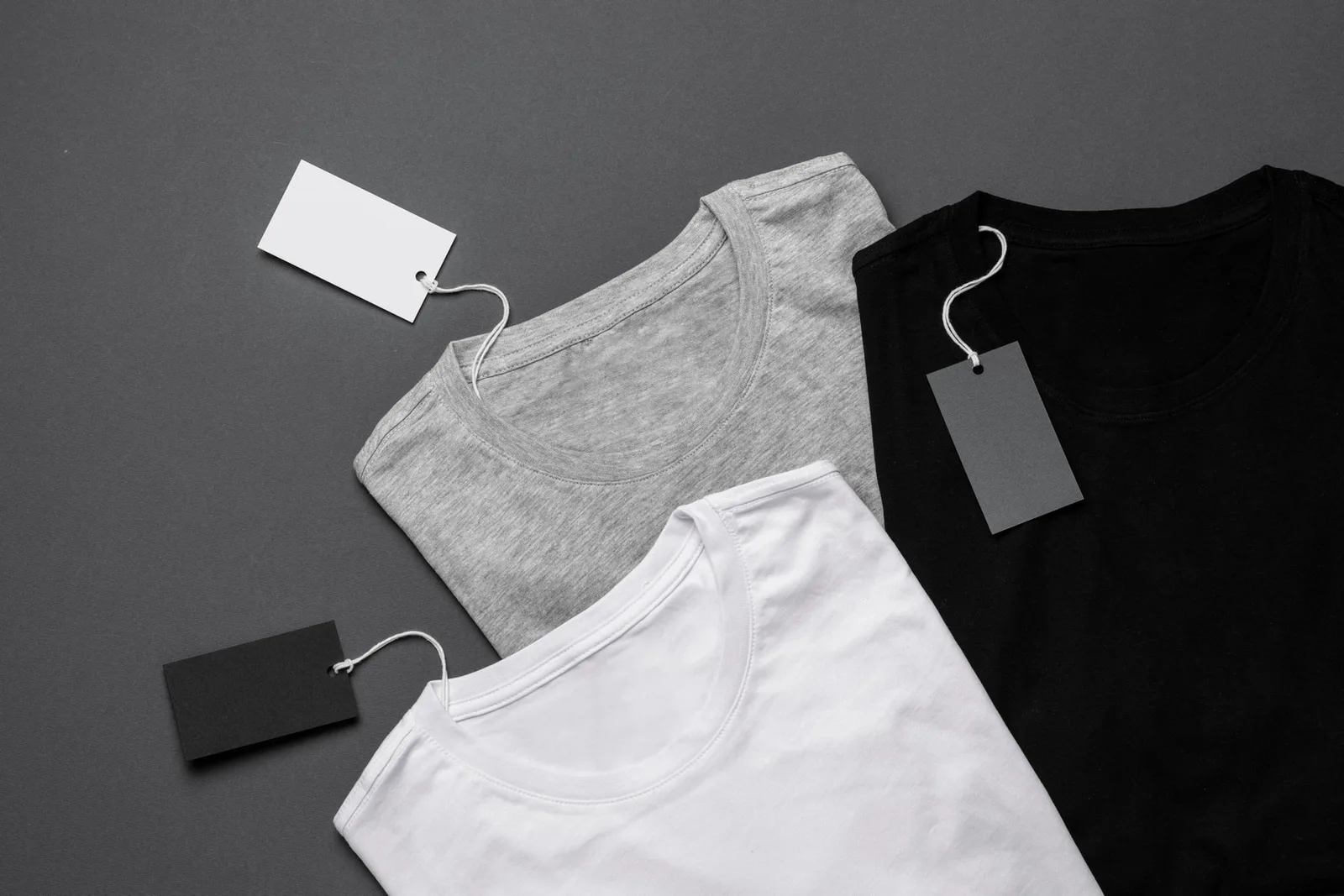
Multi-market version-control kit
Three controls that keep labels, artwork and packing with the right SKU
A version becomes usable when the buyer can identify the source style, the specific difference, the file or proof that represents it and the person who can release it. Keep the current record visible to every team that must act on it.
Anchor the baseline style
Keep style, colour, size context, material, fit direction, construction and approval status together so every later version has a clear source reference.
Make each difference actionable
State whether the change affects the garment, a file, an applied component, packing or only a record, then assign the matching sample, proof, mock-up or review.
Release the current version only
Record the source file or sample, decision owner, approval scope, open points and superseded references so production does not act on an earlier instruction.
Buyer actions and factory questions before a multi-market version is released
Use this list to keep the garment, applied components and packing instruction aligned. Exact quantities, terms, timing, testing, market requirements and final approvals remain specific to the confirmed programme.
| Decision area | What the buyer should prepare | What to ask the factory |
|---|---|---|
| Baseline product identity | Provide the style code, category, colour, size context, current sample or reference, fabric and fit direction, current status and approval owner. | Which sample or record controls the baseline, and which information is still provisional for the current product? |
| Version difference and context | Describe the specific product, channel, buyer, component, packing or information change, its reason, owner and whether it affects a physical item. | Does the difference need a garment sample, an applied proof, a packing mock-up, a file review or a revised production discussion? |
| Fabric, fit and construction | State any changed fabric, colour, print, lining, measurements, ease, length, construction or decoration direction with current references. | Which material, pattern, fit, construction or placement question requires evidence before the version can move forward? |
| Labels, artwork and product information | Share current files, revision names, placement, item mapping, status, proof needs, approval owner and any content still awaiting confirmation. | Which applied proof or product mapping must be reviewed, and which file cannot be treated as released yet? |
| Packing and carton route | Provide individual protection, fold or hanger plan, stickers, inserts, carton marks, assortment or destination split, quantity context and status. | Which packing proof or controlled instruction connects this route to the correct style-colour-size version? |
| Approval and repeat record | Record decision dates, owner, scope, conditions, open actions, approved proof and the superseded version where one exists. | What is current for production, what remains conditional and which later change must reopen review? |
Continue the production conversation
Version controls that keep one fashion style usable across multiple buyer-defined routes
| Control point | What the buyer should record | What the factory can act on |
|---|---|---|
| Baseline product identity | Style code, category, colour and size context, current sample or reference, fabric and fit direction, construction and approval status. | A clear reference against which a product, component or packing version can be compared. |
| Version difference | Specific change, product reason, channel or buyer context, whether it affects garment, file, component, packing or only a record. | The right proof: sample, swatch, applied component, packing mock-up or controlled file review. |
| Artwork and components | Current source file, revision, placement or application, style-colour-size mapping, status, owner and required proof. | Component sourcing or proof preparation without treating a loose file attachment as a release. |
| Product information and labels | File scope, intended item, version, buyer-owned content status, approval owner and any item still open. | Product mapping, applied-label proof and visible exceptions for later confirmation. |
| Packing and carton route | Individual presentation, stickers, inserts, fold or hanger route, carton split, marks, quantity context and proof status. | Packing mock-up or production handover connected to the exact product version. |
| Approval and repeat record | Decision date, owner, scope, conditions, changed items, current next action and superseded references. | A controlled release path and a repeat-ready record that keeps past versions separate from the current one. |
Buyer FAQs
Does every market need a separate fashion sample?
No. A separate sample or proof is useful when the version changes fit, pattern, fabric, colour or print application, construction, applied components, packing or another item that cannot be confirmed from the current evidence. A controlled file review may be enough for some document-only changes.
What is the minimum information for a controlled SKU version?
Use a buyer-defined style code, colour and size context, current version identifier, description of the difference, related file or proof, status, owner, approval scope and next action. Add channel or destination context only when it changes a product or supporting decision.
Can labels and packing use different version numbers from the garment?
They can have their own file or component revisions, but each should map back to the correct style-colour-size version and record. The buyer and factory should be able to see which combination is current before a component or packing route is released.
How does version control reduce production mistakes?
It makes the current product, file, proof, owner and approval scope visible before a team acts. It reduces ambiguity but does not guarantee an outcome. The buyer must still confirm the final product and commercial requirements for the programme.
Can Yinshan Fashion help coordinate a multi-market private-label programme?
Yinshan Fashion can help coordinate samples, fabrics, patterns, labels, artwork, packing and production records around the buyer's controlled product versions. The brand, importer and relevant specialist remain responsible for final copy, market applicability and release decisions.