Article
What should buyers know first?
Short answer: A B2B guide to adapting a fashion product for a buyer-defined market or channel while keeping brand codes, fit evidence, materials, private-label components and production records under control.
Custom fashion design localization is not a request to make one “international” garment look different everywhere. It is a product-development process in which a brand decides which parts of a style express its identity, which parts should respond to a defined customer, market or sales channel, and which decisions need proof before a factory can move beyond a sample.
Yinshan Fashion supports custom and private-label bulk programmes rather than unrestricted ready-stock wholesale. For buyers, that means localization starts with a product brief, not with an assumption about what an entire country or region prefers. The relevant input may be a specific retailer, customer segment, product use, size system, climate context, colour story, channel presentation, language version, packaging route, or brand collection plan. Each input matters only when it changes the garment or its supporting records.
The useful question is therefore not “How should this market dress?” It is “What does this buyer-owned product brief require the garment to do, and what may change without breaking the brand code?” A dress can keep its recognisable silhouette while its lining, length option, colour allocation or product information version changes. A blouse can keep its signature collar while its fabric weight, opacity route, size range or retail presentation is reconsidered. Those decisions must be visible before they become a pattern, sample, component purchase or bulk instruction.
Direct answer: Localize a custom fashion design by preserving the brand's named product codes and changing only buyer-defined elements that have a clear product reason. Keep every local version linked to its reference style, current sample, fabric, pattern, components, packing and approval record. Do not use a broad market label as a substitute for customer evidence.
What does custom fashion design localization mean in a factory-ready brief?
Custom fashion design localization means translating a buyer's specific context into a controlled version of an existing or new product. The context may change the product itself, the way it is presented, or both. A buyer might need one dress in two length options for different assortment plans. A private-label blouse may share a body but use a different colour group, size matrix, label artwork or pack configuration. A top designed for a direct-to-consumer product page may need a fuller product-information record than the same style sold through a selected boutique account.
Localization is not the same as starting from zero. It is usually an exercise in retaining a clear design centre while identifying the items that must be reviewed again. The core may be a signature neckline, shoulder line, proportion, material character, construction detail, print scale, colour family, styling attitude or collection role. The buyer should name those non-negotiables before asking a supplier to suggest adjustments.
What should remain stable?
Stability comes from specifics, not from a vague instruction to “keep the brand DNA.” A useful brief identifies the style code, reference image or prior sample, intended silhouette, design features to preserve, confirmed fabric or handfeel direction, current colour logic and the buyer who owns a change. A version should still be recognisable when it is placed beside the reference product, even if its commercial route differs.
What may change for a defined programme?
The buyer may choose to reconsider length, coverage, ease, sleeve treatment, material weight, opacity, lining, colour allocation, print placement, component finish, size range, label version, packing or product description inputs. These are not automatic market rules. They are possible product questions that require a reason and, where relevant, a sample, swatch, artwork proof or packing mock-up.
The casual-fashion product range gives a practical starting point for defining the garment before localized choices are discussed. Dresses, shirts, blouses and fashion tops all have different fabric, fit and construction decisions. A clear category and product role helps a factory distinguish a useful adjustment from a request that creates a different style altogether.
Which parts of a fashion product can change without weakening the brand code?
A brand identity is carried by a combination of visual, material and fit decisions. It is rarely held by a logo alone. Before localization, divide the brief into three groups: design codes that must be retained, choices that can be explored, and unknowns that need evidence. This makes the factory's response more useful because it can ask the right sample question rather than guessing which feature is essential.
For example, a brand may retain a sharp shirt collar, relaxed volume and muted colour character while comparing two fabric weights for separate seasons. A partywear range may keep its line, trim language and controlled shine while testing a different lining or closure route. A sleepwear capsule may preserve its print family and soft drape while a buyer reviews a different size presentation or pack configuration for a defined channel. None of those examples tells a buyer what a market must want. They show how a brand can make its own product decision visible.
The change should also remain proportional to the purpose. If a local version changes the silhouette, fit block, fabric construction, decoration, grading and component plan at the same time, it is likely a new development route, not a simple localization. Naming that distinction early protects the quote, sample scope and production record.
How should buyers use customer insight without turning it into a stereotype?
Customer insight is valuable when it describes the intended product, not when it claims to speak for every person in a location. The buyer may hold sales feedback, return observations, fit comments, retailer feedback, product reviews, competitor analysis, stylist input or a defined merchandising brief. The factory does not need confidential data. It needs the evidence that changes the garment or the next approval step.
Describe the intended wearer and product role in clear terms. Is the item a core blouse for a boutique edit, an online dress that needs a specific length conversation, a layering top, a small private-label nightwear capsule, a party piece, or an active-fashion garment with a movement requirement? Which features must the customer notice? Which source of feedback makes a change necessary? Which decision remains open because the buyer does not yet have enough evidence?
Let the buyer's actual channel define the question
A retailer may ask the brand to work within a defined assortment or presentation approach. A direct-to-consumer team may be focused on clear measurements, product imagery and product-description evidence. A wholesale buyer may need size allocation, hanger or carton handling data. Those are channel questions, not cultural shortcuts. They should be tied to the named style, not buried in an email thread or assumed to apply to every product in a market.
This approach also makes a supplier comparison fairer. Two factories can only respond meaningfully when they see the same style, buyer context, material direction, fit priorities, component plan and sample purpose. The international private-label production brief guide explains how customer, channel, product and version information can stay connected before a sample is issued.
How can sales channel and product role affect the localized design brief?
The selling route can change what a buyer needs to confirm without changing the central design idea. An online product may require a buyer to define the sample size, measurement points, garment length, fabric opacity, colour presentation, product information and image-ready appearance that should be checked before launch. A boutique may need an assortment-level view of colour, fabric texture, hanger presentation or a small size matrix. A wholesale programme may need the buyer to clarify size allocations, label identity, carton separation or retailer-specific packing inputs.
The factory should record the input as a product version. “For online” is not enough on its own. Note the style, colour, size range, sales route, source of the request, current owner, sample purpose and unresolved point. A factory can then advise whether the input affects pattern, fabric, construction, component proof, packaging sample or only a later information file.
For custom production, a sample should have one main job. It might prove a new length, fit change, fabric weight, lining decision, print scale, applied label placement or pack presentation. It should not be treated as universal approval for decisions that were not physically present or otherwise reviewed. This protects the brand's identity because the team can see what was approved rather than assuming that a visual reference answered every production question.
When should pattern, fit and proportion be re-evaluated?
Pattern and fit should be re-evaluated when the localization input changes how the garment must sit, cover, move, layer or be graded. A change in intended customer, size range, ease requirement, body length, sleeve volume, neckline depth, hem position, fabric stretch or lining can affect the pattern discussion. The buyer does not need to prescribe a universal fit standard. It needs to state the confirmed size reference, intended wearer context, key measurements, priorities and review method for the style at hand.
For a dress, check more than a flat front view. The sample should show how the neckline, bust, waist, hip, length, armhole, lining and closure behave during normal movement. For a blouse or shirt, the collar, shoulder, armhole, sleeve, placket, hem and fabric transparency may need their own review points. For an active-fashion product, stretch, recovery, coverage and panel placement need to be considered together. The active-fashion product range is useful when a buyer needs to connect movement and panel design to the actual garment brief.
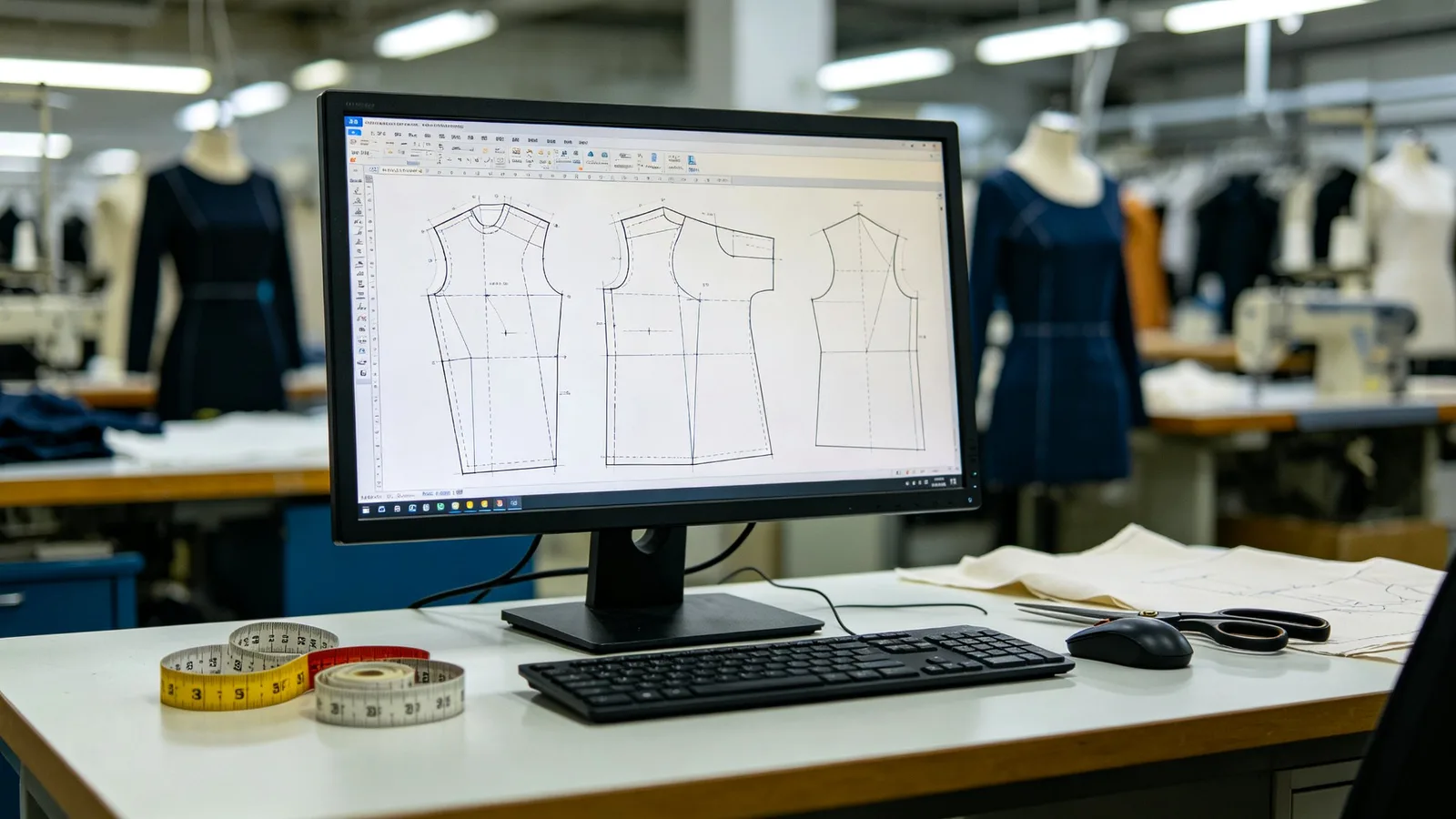
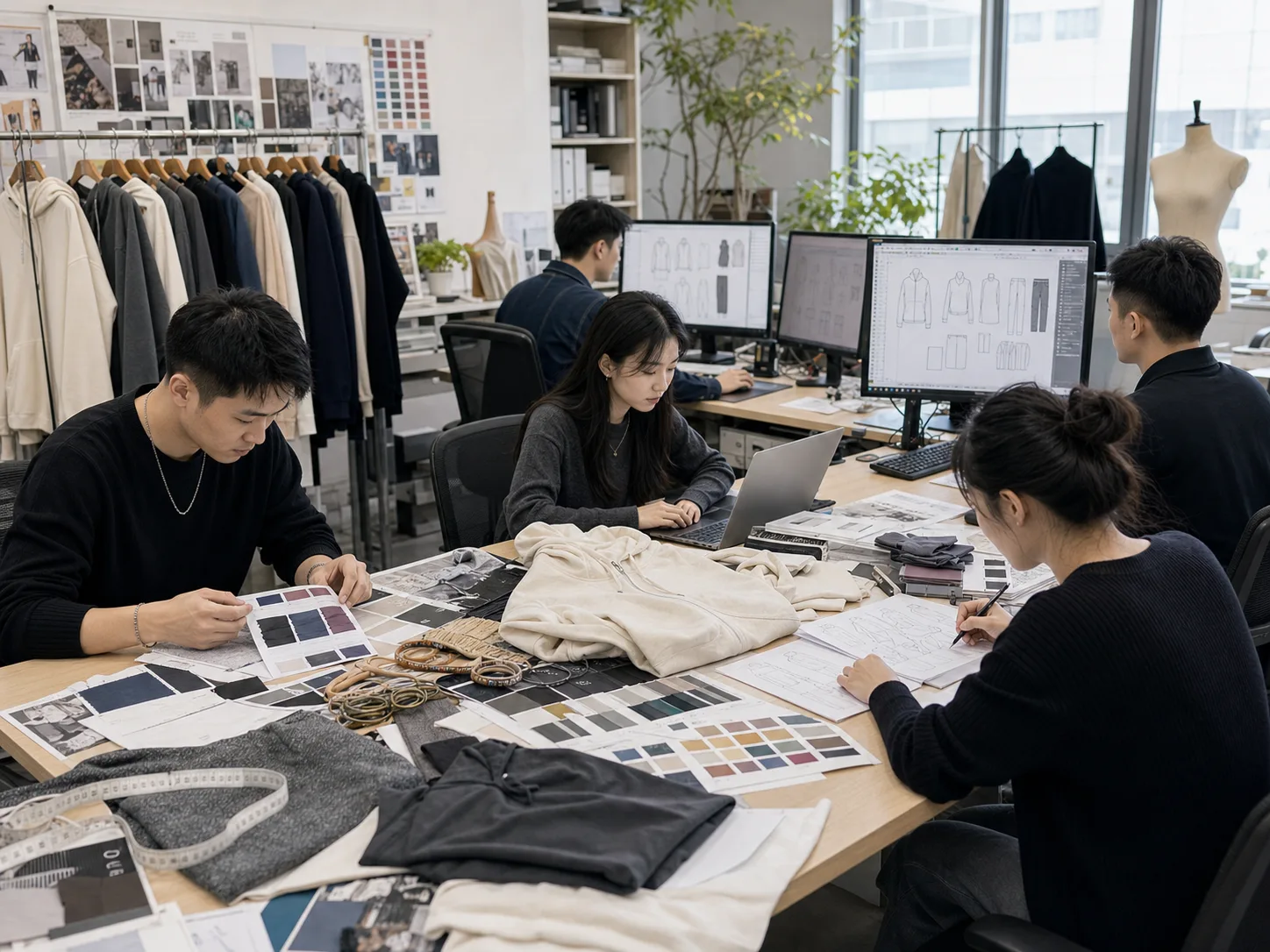
Figure 1. Pattern work is most useful when the current version, fit priorities and intended material are clear. A screen drawing cannot replace a sample review where the garment's drape, movement or coverage matters.
Record the result with the sample version. A comment such as “make it more suitable” does not tell a pattern team what to change. A useful comment identifies the body area, sample size, current measurement or visual issue, desired direction, reference, owner and whether the revision is required for the next sample or still needs discussion.
How should fabric, colour, print and trim decisions support a localized version?
Fabric, colour, print and trim can reinforce a local collection direction, but they also change cost, handle, garment behaviour and production questions. The buyer should define the product reason before a supplier proposes a substitute. A colour change may be a seasonal allocation. A heavier fabric may answer a specific opacity or structure question. A different lining may support a confirmed garment-use requirement. A revised print placement may help a style retain its visual identity across a new silhouette.
The starting point is not a fibre name alone. Describe the intended handfeel, drape, opacity, stretch, recovery, surface, weight, finish, colour or print direction, lining relationship and care context. Then state which of those are fixed and which are directional. The fabrics and trims development page helps buyers frame this discussion around the actual garment rather than a generic material request.
Colour and print need version control too. Keep the latest artwork file, repeat or placement size, orientation, colour reference, garment panel placement and approval status together. A new colourway may look close to an existing style while still needing a fabric or sample review. A trim can look visually minor but affect a neckline, closure, care route or applied-label proof. The buyer should identify the garment detail that needs evidence rather than ask a factory to infer it from a mood board.
How can a mood board become a usable localized design direction?
A mood board is valuable for visual language, but it is not a production instruction. It may communicate a mood, contrast, palette, texture, styling attitude, silhouette family or brand world. It does not prove fabric construction, measurements, seam allowance, closure, grading, lining, component specification or packing content. The buyer should mark which image features are design inspiration, which are non-negotiable visual codes, and which still need technical or material testing.
The fashion design manufacturer guide shows how to turn those references into a production brief. For localization, add a short version note: the baseline style, the local programme, the allowed change, the reason for it, the owner, the sample or proof required, and the condition for release. This avoids a common problem in which a later version is described only as “like the original, but adjusted.”
Yinshan Fashion can help turn a buyer's design references into questions about pattern, fabric, sample purpose, components and bulk handover. The buyer remains responsible for the final brand decision and for confirming any market-specific content that belongs to the brand, importer, retailer or relevant specialist. The factory's contribution is to make the physical and production implications visible.
How should a buyer control versions across markets, channels and colourways?
Version control is the practical side of design identity. A buyer should be able to answer: Which original style is this version linked to? What changed? Why did it change? Which sample or proof shows the result? Who approved it? Which record governs the next stage? Without those answers, a team can unintentionally mix an earlier fabric, later label file, unrelated fit comment or packing instruction into the same order.
Give each version a clear identifier that connects the style, colour, size context, channel or market note and current revision. Keep the original reference alongside the version, then list the differences. A simple change register can cover silhouette and pattern, fabric and colour, decoration and trims, labels and product-information files, packing, quantity structure, sample purpose, decisions still open and approval owner. The record does not have to be elaborate. It has to be current and usable by the people who need to act on it.
The private-label programme is a useful reminder that labels, hangtags, barcodes, packaging and other components are part of product identity, not decoration added at the end. Yinshan Fashion can coordinate the connection between these components and the correct style version. The buyer, brand or importer must confirm final copy, market applicability and release authority for the current programme.
What should the first localized sample prove before bulk is discussed?
The first localized sample should prove the specific decision that justified the new version. It might show whether a revised length works with the intended body and fabric, whether a chosen material gives the right coverage, whether a changed neckline keeps the brand's line, whether a print placement remains balanced through the garment panels, or whether an applied label and packaging route match the product record.
Do not overload one sample with every possible decision. State the sample size, base pattern or reference, fabric and colour status, components included, sample purpose, required evidence, reviewer, owner and next gate. Then separate the decisions that are only directional. If the sample is approved for fit but not for final fabric or product information, record that scope plainly. This is more reliable than treating a single “approved” email as a blanket release.
Yinshan Fashion can coordinate pattern, sample, material, component and packing discussions as a custom fashion manufacturer. Exact quantities, pricing, timing, testing, certification, claim language and final destination requirements remain programme-dependent and should be confirmed against the current product information.
How does Yinshan Fashion connect a localized design to manufacturing?
Yinshan Fashion works with buyers as a fashion supplier, manufacturer and factory coordinator for custom and private-label programmes. The team can help relate a design direction to fabric and trim options, pattern and fit questions, sample purpose, labels, packaging and the production information needed for dresses, skirts, shirts, blouses, fashion tops, nightwear, homewear, partywear and active fashion.
The manufacturing contribution is not to claim that one design must suit a named market. It is to ask whether a proposed version can be described, sampled, reviewed and retained as a controlled product. The manufacturing overview shows the broader path from approved product information through materials, production, quality checks, finishing, packing and delivery preparation. That path works best when a localized version has a clear reference and a clear owner for every significant change.
For small brands and growing programmes, this discipline has a second benefit: it makes repeat orders less dependent on memory. A later colourway, new channel or related market can begin with the retained product record and its documented differences, rather than an unstructured attempt to recreate an earlier decision.
What questions do buyers ask about custom fashion design localization?
Does localization mean creating a different collection for every country?
No. A localized version is justified when a buyer-defined customer, channel, product, fit, material, component, packaging or information decision changes. The brand can preserve its core design language while deciding whether a new version needs a sample, proof or updated record.
How can a buyer protect brand identity while changing a garment?
Name the product codes that must stay stable, such as silhouette, proportion, fabric character, colour family, trim language or collection role. Then list the allowed change, its reason, the evidence needed and the final approval owner. Keep that record attached to the style version.
Can a factory tell me which design will work in a market?
A factory can help explain the pattern, fabric, construction, component and sample implications of a buyer's brief. It should not turn a broad country or region label into a claim about every customer. The brand should provide the customer and channel direction that informs the product decision.
When does a localized version need another sample?
Consider another sample when the change affects silhouette, fit, fabric behaviour, colour or print proof, construction, components, product-information application, packing or another decision that cannot be confirmed from the retained evidence. The required scope depends on the current programme.
Can Yinshan Fashion coordinate labels and packaging for localized private-label products?
Yinshan Fashion can help coordinate applied labels, artwork, hangtags, barcodes, packing and product records with the current style version. The brand, importer and relevant specialist remain responsible for final wording, applicability and approval.
What should a buyer send before discussing a localized fashion design?
Send Yinshan Fashion the baseline style or reference, the design codes to preserve, the intended customer and channel, the specific local version or product question, fabric and colour direction, fit and size context, sample purpose, label and packing inputs, quantity matrix, confirmed decisions, open decisions and approval owner. The team can then help turn the brief into a practical sample and production discussion. Start through contact.
Localized design-control kit
Three controls that keep a local version connected to the brand
A localization brief is useful when it names the reference product, the buyer-defined reason for a change and the proof required before the next release. Keep customer context specific to the programme and make every version traceable to its source style.
Protect the design code
Name the silhouette, proportion, material character, colour direction, trim language or collection role that must remain recognisable before proposing a local version.
Make the change testable
Link the buyer's customer or channel input to a garment decision, then assign a swatch, sample, component proof, packing mock-up or file review that can answer it.
Retain the controlled version
Keep the reference style, current fabric, pattern, components, packing, approval scope and authorised differences in one record for later production and repeat work.
Buyer actions and factory questions before a localized fashion sample
Use this list to connect buyer-owned customer and channel context to the actual product. Exact quantities, terms, timing, testing, market requirements and final approvals remain specific to the confirmed programme.
| Decision area | What the buyer should prepare | What to ask the factory |
|---|---|---|
| Baseline design and intent | Provide the style code, category, current sample or reference, product role, design codes to preserve, current version, owner and open questions. | Which features define the current product, and does the requested change remain a version or require a new development route? |
| Customer and channel evidence | State the intended customer, sales channel, buyer-owned feedback, product use and precise product reason for a possible adjustment. | Which input changes the garment, its component, packing, proof or product record, and which input remains only directional? |
| Fit, size and proportion | Give sample size, intended range, key measurements, length, coverage, ease, movement and review priorities for the version. | Which pattern or construction question should the sample prove, and which observation needs recording before the next revision? |
| Fabric, colour and trim | Describe handfeel, drape, opacity, stretch, surface, lining, colour or print direction, components, fixed decisions and alternatives. | Which swatch, colour proof, applied component or garment sample can show that the planned change supports the product? |
| Labels and packing version | Share current label, artwork, product-information, hangtag, barcode, individual-packing and carton inputs with status, scope and owner. | Which component needs an applied proof, product mapping, packing mock-up or confirmation before it is treated as ready? |
| Approval and repeat record | Identify approved, conditional, changed and open decisions; include the date, approver, sample purpose, quantity matrix and next gate. | What record controls this version, and which later change would reopen the product, component or packing review? |
Continue the production conversation
Localization inputs that keep a fashion product connected to its brand and production record
| Decision area | What the buyer should define | What the factory can review next |
|---|---|---|
| Reference style and brand codes | Current style code, baseline sample or reference, product role and the visual, material or fit features that must remain recognisable. | Whether the planned change remains one version of the product or becomes a new development route. |
| Customer and channel context | Named customer segment, sales channel, buyer-owned feedback, product use and the specific product reason for a change. | Which context affects a garment sample, component proof, packing route or retained record. |
| Silhouette, fit and size | Sample size, intended range, key measurements, length, coverage, ease, movement priorities and review method. | Pattern questions, construction points, garment sample scope and comments needed for the next version. |
| Fabric, colour and surface | Handfeel, drape, opacity, stretch, surface, lining, colour or print direction, fixed decisions and acceptable alternatives. | Swatch, colour proof, material comparison or garment-level evidence appropriate to the product. |
| Private-label components | Current label, artwork, product-information, hangtag, barcode and packing files, each with version, scope and owner. | Applied component proof, product mapping, packing mock-up and items that must remain provisional. |
| Approval and repeat record | What is approved, conditional, open or changed; the owner, date, sample purpose and next decision gate. | A controlled handover that keeps the correct style version connected to later production and repeat work. |
Buyer FAQs
Does localization mean creating a different collection for every country?
No. A localized version is justified when a buyer-defined customer, channel, product, fit, material, component, packaging or information decision changes. The brand can preserve its core design language while deciding whether the version needs a sample, proof or updated record.
How can a buyer protect brand identity while changing a garment?
Name the product codes that must stay stable, such as silhouette, proportion, fabric character, colour family, trim language or collection role. Then list the allowed change, its reason, the evidence needed and the final approval owner. Keep that record attached to the style version.
Can a factory tell me which design will work in a market?
A factory can help explain the pattern, fabric, construction, component and sample implications of a buyer's brief. It should not turn a broad country or region label into a claim about every customer. The brand should provide the customer and channel direction that informs the product decision.
When does a localized version need another sample?
Consider another sample when the change affects silhouette, fit, fabric behaviour, colour or print proof, construction, components, product-information application, packing or another decision that cannot be confirmed from the retained evidence. The required scope depends on the current programme.
Can Yinshan Fashion coordinate labels and packaging for localized private-label products?
Yinshan Fashion can help coordinate applied labels, artwork, hangtags, barcodes, packing and product records with the current style version. The brand, importer and relevant specialist remain responsible for final wording, applicability and approval.