Article
What should buyers know first?
Short answer: Separate Egyptian origin, Giza variety and Nile marketing descriptions before choosing a fabric for a blouse, dress or private-label collection.
Egyptian cotton for clothing is an origin-led material description, not a finished-garment quality grade. Giza names identify varieties; they do not replace a fabric specification. A supplier's phrase “Nile cotton” needs clarification before it becomes purchase-order wording. For a buyer, the useful question is not which name sounds most luxurious, but what can be established about the proposed material and whether the resulting garment meets the brief.
Yinshan Fashion supports custom and private-label garment programmes by connecting fabric selection, sample development and bulk-production planning. For a buyer considering Egyptian cotton, that means discussing the intended blouse or dress alongside its handfeel, construction and material-evidence requirements. You can bring a sketch, tech pack or reference sample to the conversation. A named cotton supply, its documentation and commercial terms still need confirmation for the specific project; this is not an unrestricted ready-stock offer.
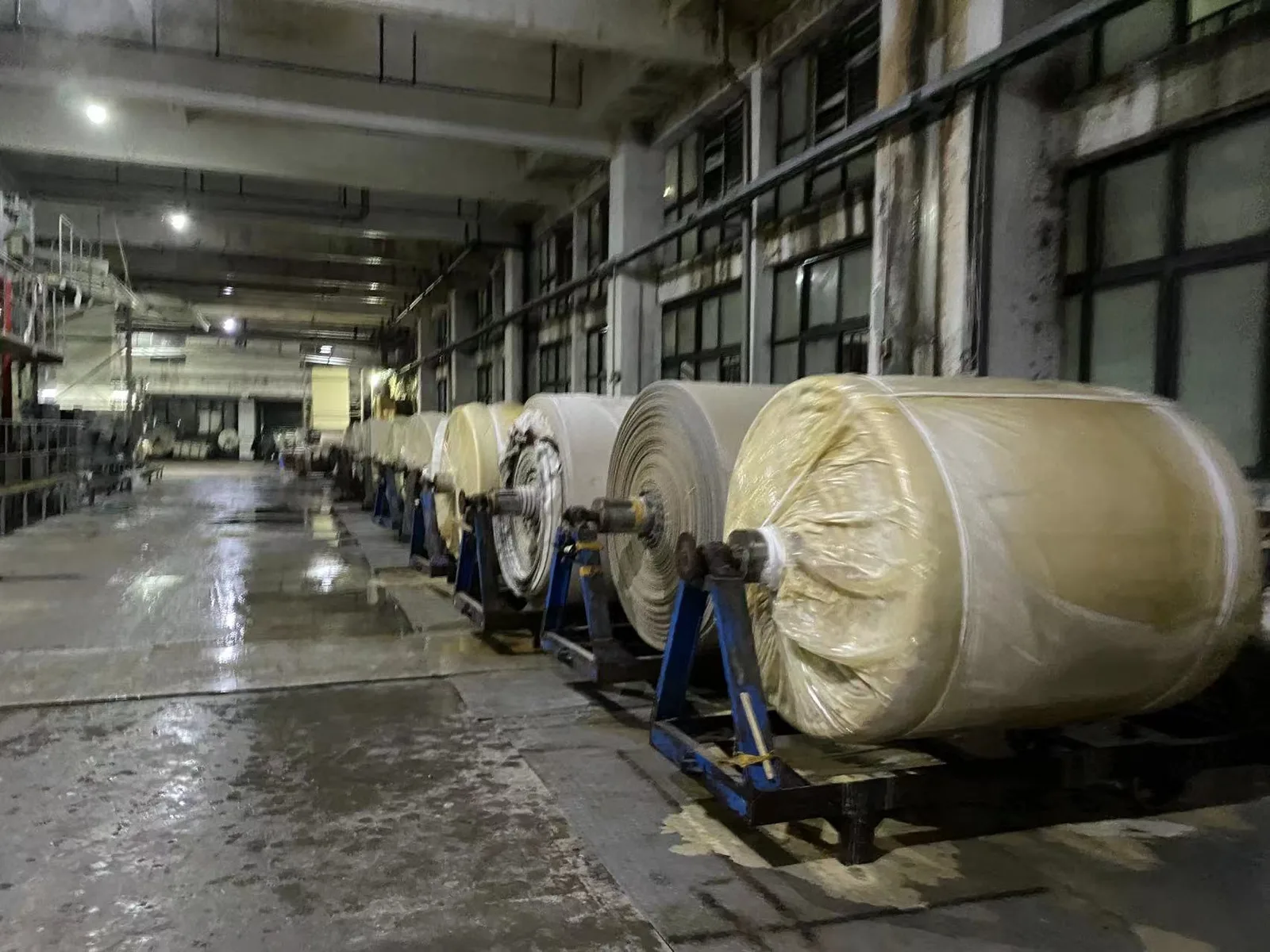
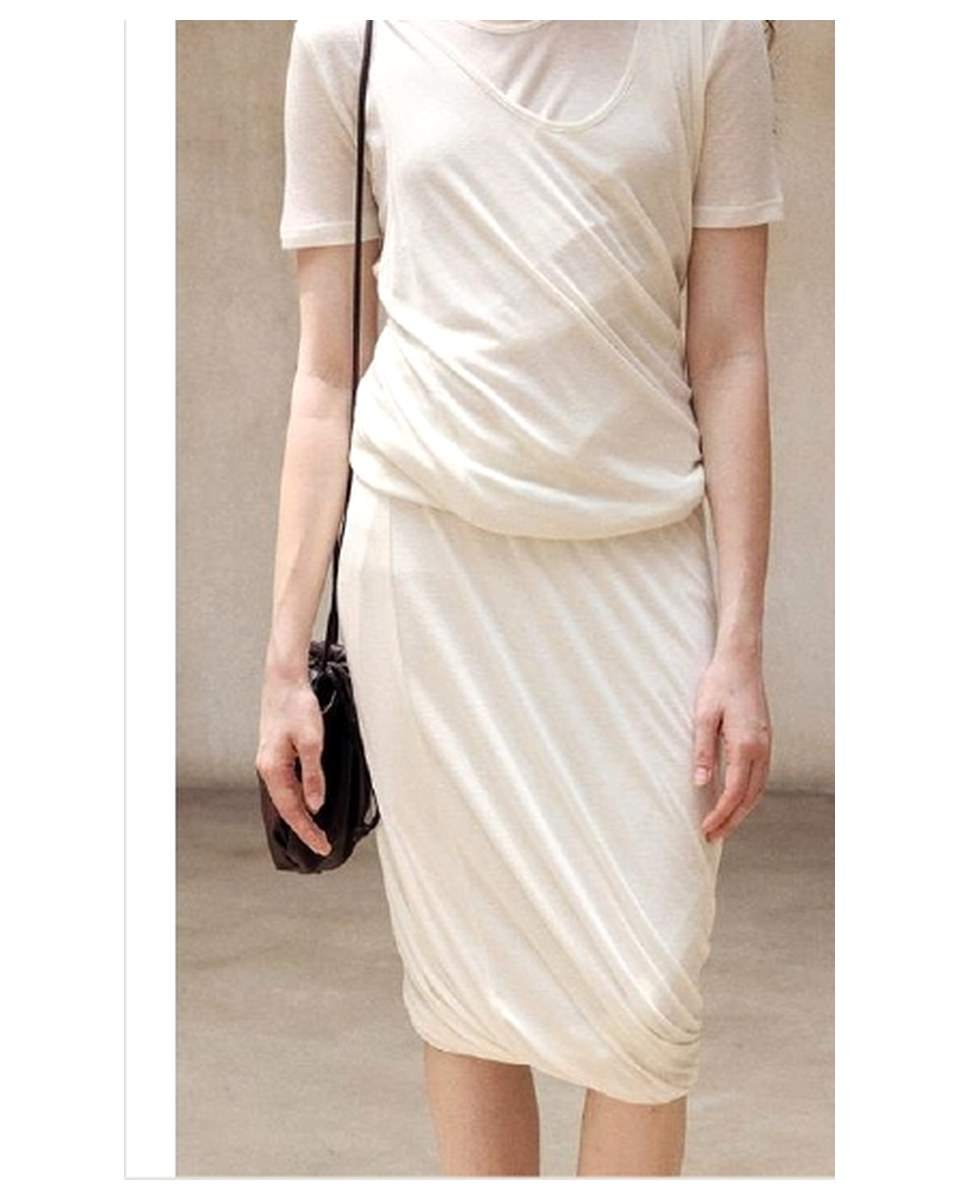
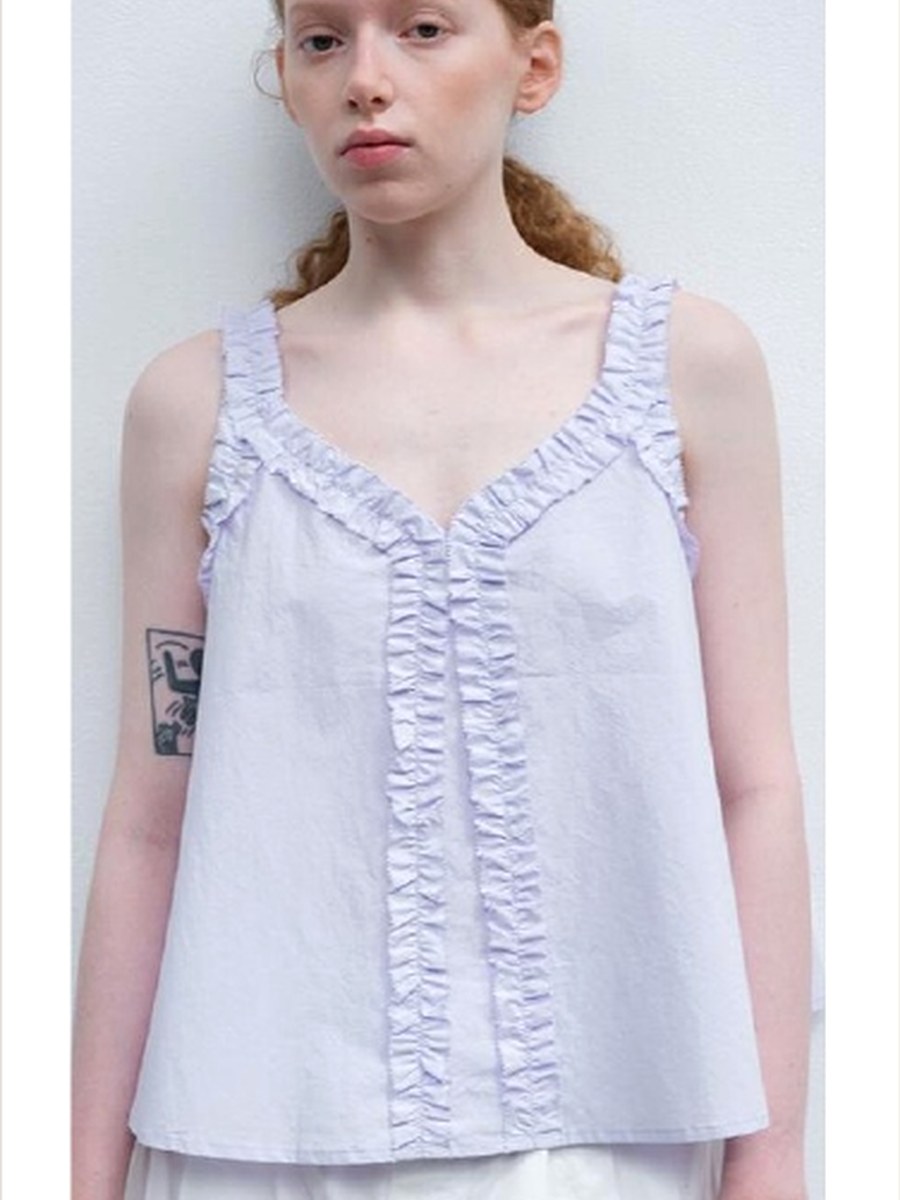
The distinction matters when a beautiful swatch arrives with a short description and a premium price. You may like the cloth immediately. You still need to know what the name covers, what the sample represents, and which information will remain attached to the bulk order. The photographs in this guide illustrate garment and material review only; they do not establish Egyptian origin, a Giza variety or organic certification.
What does Egyptian cotton for clothing actually tell a buyer?
Start with the growing-origin question: is the supplier describing cotton grown in Egypt, or a fabric made somewhere else from cotton of unspecified origin? Those are different statements. Ask the person preparing the quotation to spell out the intended claim rather than relying on a heading in a catalogue. A commercially useful answer identifies the cotton content, its claimed growing origin, and the material reference to which that information applies.
Then establish the component scope. A dress may have a shell, lining, pocketing, sewing thread and decorative trim. An origin statement about the shell does not automatically describe everything else. Even within the shell, a blended fabric needs a composition breakdown. “Cotton-rich” leaves a different question open from “all cotton”: it does not tell the buyer which share, if any, is the specifically described cotton. Keep percentages and origin statements in separate fields so neither can quietly stand in for the other.
Consider an illustrative buying brief for a light summer blouse. The designer wants a dry hand, a neat collar and enough coverage for an unlined style. Egyptian origin may support the brand's material story, but it does not settle any of those garment decisions. The same order still needs a construction, finished weight, usable width, colour reference and agreed care procedure. If the cloth is too transparent or the collar collapses, the origin description does not make the sample acceptable.
The practical response is to split approval into two tracks. One track asks whether the origin description is supported for the proposed order. The other asks whether the fabric and garment meet the product brief. Both need to close before the buyer releases a claim-led programme. Keeping them separate also makes a supplier's limitations easier to handle: a fabric can remain a useful development candidate while an unverified description is removed from draft marketing copy.
Do not ask a garment photograph to do the job of either track. Surface appearance can help a designer discuss drape and silhouette; it cannot identify where cotton grew. A soft hand is also not evidence of origin. For a broader map of origin names, production methods and fibre descriptions, use the related guide to cotton types for clothing before writing the enquiry. That distinction often removes several avoidable questions from the first supplier exchange.
How should buyers read Giza variety names without inventing a quality ranking?
Treat a Giza designation as a variety identifier that needs supporting context, not as a score. A larger number is not an instruction to pay more, and a smaller number is not evidence of inferior fabric. The Egyptian Cotton Association's July 2025 report distinguishes varieties and includes both long-staple and extra-long-staple categories. It is historical industry information, not a live stock list or a guarantee of the properties of a supplier's current fabric.
If a quotation names a Giza variety, ask why that designation is relevant to this garment. The answer may concern the mill's established yarn programme, a documented material requirement or the buyer's planned origin description. “It is our best cotton” is not enough to compare two offers. Ask for the exact reference, the evidence available, and the connection between that reference and the sample supplied. A mill's general capability sheet should not be mistaken for confirmation about one particular lot.
Keep the wording unchanged while it is being checked. If the offer says “Giza blend”, do not shorten that to “Giza cotton” in the sample sheet. If the supplier says an alternative variety will be used for bulk, do not treat it as a clerical correction. Record it as a material change and ask which approvals it affects. This is especially important when the commercial story depends on a named variety rather than simply on a suitable cotton fabric.
In a two-supplier comparison, put the varieties in a descriptive column, not a ranking column. Beside each entry, record evidence status, fabric reference, proposed yarn information, sample version and open questions. You may discover that one offer is very specific about the cotton but vague about the finish, while the other has a thoroughly specified fabric with an unresolved origin description. Neither gap should disappear inside a single “premium quality” score.
There is no need for the buying team to become cotton breeders. The buyer's task is to prevent a precise-sounding name from outrunning the evidence and the order specification. Ask the material supplier or mill to explain technical distinctions in relation to the proposed cloth. When an answer does not change the garment decision or support the intended claim, avoid turning it into additional consumer-facing copy. A shorter, supportable description is more useful than a long list of impressive variety names that the final order cannot substantiate.
Where do long-staple and extra-long-staple descriptions fit?
Egyptian origin and staple-length terminology answer different questions. One concerns where cotton was grown; the other concerns fibre characteristics and the classification being used. Do not automatically expand “Egyptian” into “extra-long-staple” in a product page. Equally, a long-staple description alone does not establish Egyptian origin. Ask for both pieces of information when both are important to the programme, and identify the basis of each.
For a technical explanation of the measurements, the USDA cotton-classing overview distinguishes fibre length, length uniformity, strength and micronaire. Micronaire combines information about fineness and maturity; it is not a simple lower-is-better quality score. That page explains measurements used in cotton classing. It does not certify the origin or quality of the Egyptian cotton offered for your order.
A useful request is specific about applicability: does the report concern the cotton input proposed for this fabric, a representative programme, or an unrelated example? Also ask for the units, method, date and material identifier. Without that context, two attractive numbers may describe different things. Buyers do not need to prescribe a laboratory method from memory; the mill and an appropriate testing partner can help define comparable evidence for the actual decision.
The garment brief must remain visible beside the fibre data. For a blouse, you may need a crisp placket, a stable cuff edge and a surface that suits the chosen decoration. For a gathered dress, the volume and fall of the skirt may matter more to the design review. Fibre information can inform the material discussion, but it cannot replace evaluation of the finished construction. Do not accept a raw-fibre report as a completed garment test.
A sensible comparison therefore has a technical stage and a product stage. First, identify whether the two proposed materials are genuinely comparable and what has changed. Next, make and assess representative samples. If the candidates also differ in yarn, weave, weight or finishing, report the result as a comparison of two fabric packages. It would be misleading to attribute every visible difference to staple length. Record the limitations of the comparison before a preference becomes a headline about one cotton being universally better.
This approach leaves room for a premium material when it serves a defined product need. It also allows a buyer to reject an unnecessary upgrade without dismissing the cotton itself. The decision belongs to the garment programme, not to a universal league table of fibres.
What should a supplier mean when an offer says Nile cotton?
Do not assume that “Nile cotton” is a complete technical specification or a particular Giza variety. Ask the supplier what the expression means in that offer. It might be intended as a growing-origin description, a collection name or a broad marketing expression. The important step is to replace ambiguity with a written explanation that can be checked against the material and order. A river reference is not, on its own, a batch identifier.
Send a narrow clarification rather than a vague request for proof of quality. Ask: which cotton component does this name describe; what growing origin is claimed; is a variety claimed; what proportion of the fabric does that cover; and what documents connect the statement to the proposed supply? Those questions give the supplier a practical route to answering. They also reveal whether the name was added by a reseller without the underlying detail needed by a brand buyer.
For example, imagine one offer labelled “Nile cotton shirting” and another labelled “Egyptian-origin cotton poplin”. These are illustrative descriptions, not offers from Yinshan Fashion. You cannot establish that they are the same material by comparing the labels. Request the same fields from each supplier, then compare construction, finished specifications, evidence and sample performance. If a supplier cannot explain the first phrase, keep that phrase out of approved marketing while the fabric is being evaluated.
Avoid escalating an unclear phrase into a more specific promise yourself. Do not translate it into “Giza extra-long-staple”, “organic” or “certified Egyptian cotton” because those words appear elsewhere in a brochure. Each adds a separate assertion. A copied sentence can become difficult to remove once it reaches the line sheet, hangtag artwork and product listing. Hold provisional wording in a clearly marked development field instead of letting it spread through the launch materials.
If the supplier's answer remains incomplete, the buyer has several legitimate options. Request a better-documented alternative, proceed with development without the unsupported claim, or pause the material choice if origin is a non-negotiable requirement. The right choice depends on the brand brief. What should not happen is an undocumented assumption becoming the purchase-order description by default. Record who resolved the question, the exact wording accepted and any conditions that still apply before the material is ordered.
How do cotton origin and manufacturing location stay separate?
Map the supply route as distinct stages: cotton growing, yarn production, fabric formation, wet processing and garment making. A country named at one stage does not answer every other location question. Egyptian cotton can be discussed as a raw-material origin without implying that the garment was cut and sewn in Egypt. Conversely, a garment manufacturer's address is not evidence of where its cotton was grown.
For procurement, keep a short route record rather than one overloaded “country” field. Ask which supplier provides each stage's information, what the current material reference is, and where the buyer can obtain clarification if a document changes. Some details may need to be handled through a controlled or confidential review. That does not make a gap irrelevant, but it can change how the evidence is shared. Agree an appropriate verification route instead of requesting unrelated customer records or commercially sensitive data without a reason.
The distinction is particularly useful when a brand coordinates development with a garment factory while the fabric comes through a nominated mill or intermediary. Decide who requests origin evidence, who checks that it matches the material, and who approves wording for the finished product. Otherwise, each party may believe another person has completed the review. A named owner and a dated decision are more reliable than an email thread in which everyone has been copied.
Use the manufacturing discussion to connect material responsibilities with garment development and bulk preparation. An enquiry should make clear whether the buyer is nominating a fabric, asking for sourcing support, or still comparing options. Those routes require different handoffs. None should be described as a confirmed supply commitment until the programme has been reviewed. Quantities, sourcing feasibility, sampling steps and timing remain specific to the order.
Do not turn this procurement map into legal country-of-origin advice. Rules for a finished garment's required origin marking, import treatment or marketing language depend on the destination and the actual supply chain. Ask the buyer's responsible compliance adviser to review those questions. The factory-facing record should provide accurate facts for that review rather than offering a shortcut conclusion. Keep the approved consumer wording and the operational stage map linked, but do not assume that they are interchangeable documents.
When the route changes, revisit both. A fabric substitution may leave the silhouette unchanged while affecting the material story. A new finishing location may require updated records even if the cotton source remains the same. These are change-control questions that should be resolved before bulk approval, not reconstructed after the shipment arrives.
How should a blouse or dress sample be reviewed beyond the cotton name?
Begin with the product use. A light blouse worn unlined, a lined day dress and a relaxed lounge set create different decisions about coverage, surface feel and construction. Ask the design team to state what the wearer should experience and which features matter most. “Luxury cotton” does not tell a pattern maker how much volume the sleeve needs, or tell a sample reviewer whether a visible seam allowance is acceptable through pale fabric.
The blouse collection can help frame a silhouette and detail discussion; the dress collection provides a separate route for dress development. These references are not evidence that every displayed style uses Egyptian cotton. Use them to point to construction interests, then request material candidates for the particular programme. The fabric description and the garment reference should remain distinct in the enquiry.
Review opacity under consistent conditions and on the intended garment arrangement. A folded swatch on a desk can conceal an issue that becomes obvious in a single-layer blouse. Evaluate the planned colour, seam allowances, pockets and any lining together. Photographs may help the team compare observations, but record lighting and avoid treating differently lit images as a controlled fabric comparison. If the result is borderline, make the decision on an appropriate physical sample.
Include the care procedure in the sample plan. Record measurements before and after the agreed treatment, and inspect the collar, placket, hem and appearance again. Establish acceptance criteria with the relevant technical team instead of assuming a named cotton cannot change in washing. Keep an untreated reference where useful, and identify the sample version. An observation without a known treatment or baseline is difficult to translate into a bulk requirement.
For decorated styles, review the actual decoration on the candidate fabric. A plain swatch cannot answer whether an embroidery placement, backing or print arrangement suits the design. Ask the relevant specialists to assess the intended combination, then retain the approved result. A buyer might accept the material for a plain blouse but require more development for a densely decorated version. That is a product-specific decision, not an inconsistency in the cotton name.
Finish with a clear verdict for each candidate: acceptable for the specified use, acceptable subject to named changes, or not suitable for this brief. Attach the observations that led to the verdict. Avoid a broad “passed” stamp when only handfeel was reviewed. A precise decision makes the next sample more productive and gives the bulk team something concrete to reproduce.
What evidence belongs with composition, origin and organic claims?
Create a claim register with one row per intended statement. Composition, Egyptian growing origin, a named variety and organic content should not share one evidence checkbox. Different assertions may require different records and review routes. In the register, identify the fabric reference, component scope, supplier, evidence received, unresolved questions and approved wording. The aim is to keep the claim attached to the actual product, not merely to collect an impressive folder of certificates.
Organic is a separate issue from Egyptian origin. Textile Exchange describes the Organic Content Standard as a system for verifying organic material and tracking it through the supply chain. Do not infer an organic claim from an Egyptian or Giza description, and do not treat organic-content documentation alone as proof of a particular Giza variety. Nothing in this guide asserts that a Yinshan Fashion programme or displayed product holds a specific certification.
Ask the responsible supplier or certification contact which documents are appropriate for the proposed order and claim. Check names, scope, dates and references, and resolve discrepancies rather than editing them to look consistent. A valid document may still concern a different entity, material or supply stage from the one you are approving. If specialist verification is needed, record who will perform it and what conclusion is required before the wording is released.
Keep laboratory questions equally specific. A composition test, a dimensional-change test and an origin-verification approach are not interchangeable. Ask the testing provider what a proposed method can and cannot establish, what sample it needs, and how the result should be interpreted. Do not promise that a single generic test will prove every aspect of a material story. The buyer should understand the limits of the evidence before relying on it in commercial communication.
Maintain a clean connection between documents and physical references. Use matching sample codes in the approval sheet, material submission and final purchase specification. If a later submission replaces an earlier one, mark the earlier version as superseded without deleting the history. A reviewer should be able to understand which evidence supported the approved material and which information was merely considered during development.
This discipline also helps when a claim cannot be supported. The material may still be technically suitable, but the brand must decide whether to remove the claim, change the material or postpone the product. Record that decision explicitly. Do not let a technically successful sample quietly settle an unresolved provenance question, and do not let a prestigious provenance description excuse a fabric that fails the garment brief.
How can buyers compare offers and protect the approved material at reorder?
Compare offers on a shared brief. Give each supplier the same garment reference, target construction, colour direction, quantity range, intended claims and sample requirements. Ask quotations to identify exclusions and assumptions. A lower material price may refer to a different width, finish, documentation scope or minimum commitment. Those differences need discussion before the team labels one option cheaper for the programme.
Keep the comparison readable. Separate the quoted commercial terms from the material description, evidence status and sample outcome. Mark unresolved items as unresolved rather than assigning optimistic scores. If a supplier proposes an alternative cotton, request a clearly labelled alternative line. It should not silently replace the specified material in a revised quotation. The buyer can then decide whether the alternative deserves a separate sample and claim review.
The final approval record should identify the fabric and garment versions, colour, agreed checks, accepted claim wording and any remaining conditions. Include the physical reference location so a future team member can find the approved sample. Attach the relevant evidence references, not just an email subject saying “cotton approved”. Make clear which changes require renewed approval: material source, variety claim, composition, construction, finish and relevant subcontracted processing are examples to discuss for the programme.
At reorder, ask what remains unchanged and what has changed. A familiar article number is useful, but it should not be the only confirmation. Review current availability, evidence applicability and the relationship between the new lot and the retained reference. Reorder quantities and timing should be confirmed again; a previous purchase does not establish unlimited continuity or a fixed future lead time. If a substitution is proposed, restart the relevant part of approval instead of treating continuity as automatic.
For a small brand, this can remain a compact record. The most useful version is one that the designer, buyer and factory contact can actually maintain. Give each open item an owner and a decision date. When the material is rejected, retain the reason so the same unsuitable option is not repeatedly sampled. When it is accepted, preserve enough detail to explain why it suited that garment, rather than recording only the attractive name.
That is the practical value of understanding Egyptian, Giza and Nile descriptions. They become questions that improve a sourcing conversation, not shortcuts around it. A well-supported origin story and a well-developed garment can reinforce each other, but neither should be asked to prove the other. The strongest purchase specification connects both to the same material, sample and order.
How can Yinshan Fashion connect an Egyptian-cotton brief with garment production?
A buyer can have a clear origin requirement and still need help developing the garment around it. Yinshan Fashion's fabric and trim support brings material options into the discussion before sampling. Share the intended silhouette, opacity, handfeel and budget direction alongside the exact Egyptian or Giza requirement. The practical value is a sourcing conversation tied to the product: a lightweight blouse needs different construction decisions from a lined dress, even when both briefs name the same cotton.
The next step is to see the selected material in a garment. Through the sample-making and fit-review workflow, the team works with patterns, first samples and buyer comments before bulk production. For this type of brief, bring attention to the collar, placket, seams or lining that could change how the fabric behaves. Those review points give the buyer something concrete to approve and the production team a clearer construction reference. They are more useful than approving a premium material name on its own.
Once the sample is agreed, Yinshan Fashion's manufacturing checkpoints connect that decision with fabric, fit, trims, labels and packing review. This coordination matters when several people handle an order: the fabric choice should remain connected to the garment details and branding the buyer actually approved. Production and repeat-order records provide a reference for later discussions about material or style changes, rather than asking the buyer to reconstruct the original brief.
Keep the evidence boundary explicit. Garment development support does not itself authenticate Egyptian growing origin or a Giza variety. Ask which supplier documents are available for the proposed material and agree any independent verification needed before using the claim. Yinshan Fashion's role described here is to connect the material brief with sampling and production decisions, with the particular supply and evidence route confirmed for the order.
What to send for an Egyptian-cotton garment discussion?
Send Yinshan Fashion the garment sketch or tech pack, quantity range, colour direction and care expectations. Identify shell and lining requirements, the exact Egyptian, Giza or Nile wording you intend to use, and any material records already available. Ask the team to review the material direction, the garment details to resolve in sampling, and the approvals needed before bulk. This gives the discussion a practical outcome: a clearer development route with open sourcing and evidence questions identified. Material availability, claim-specific documentation, pricing and timing need confirmation for your programme.
Cotton sourcing checklist
Three checkpoints to discuss with Yinshan Fashion
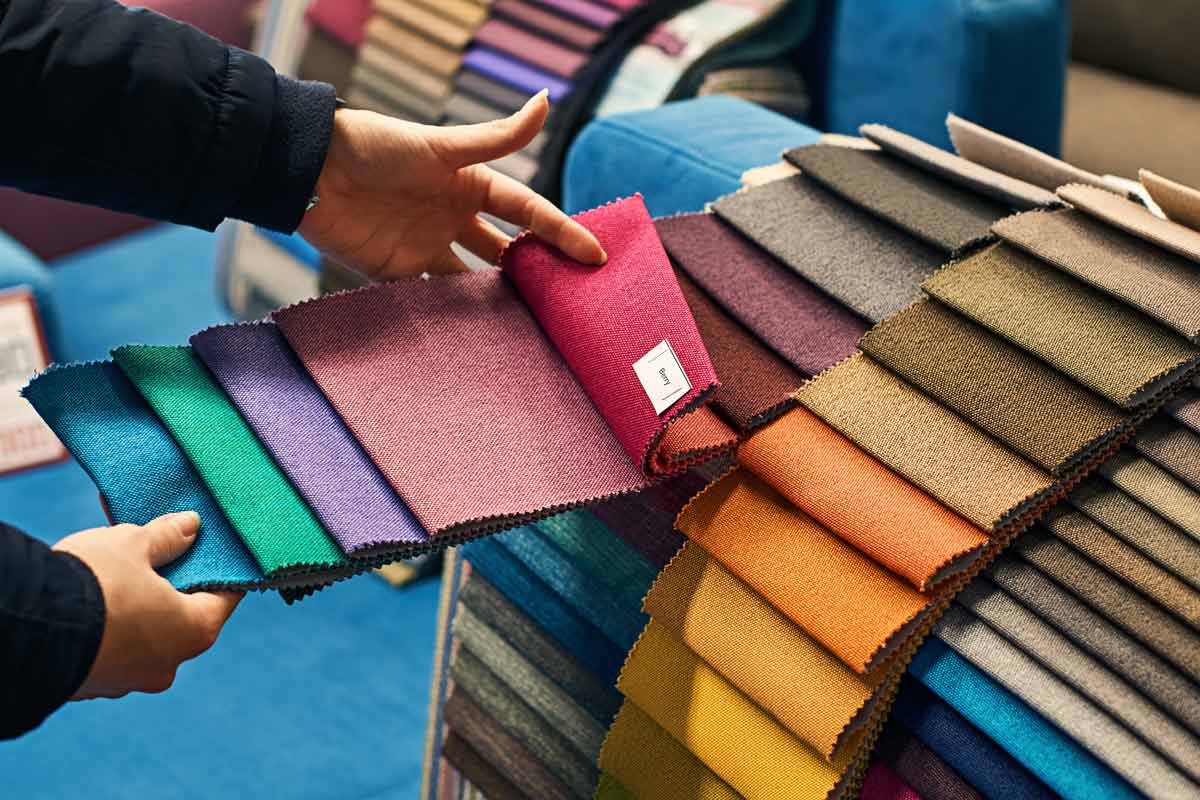
Bring the material requirement into the same discussion as the garment and its production approvals. The photograph is a material-review illustration, not evidence of Egyptian origin or a Giza variety.
Match material to the garment
Share the blouse or dress reference, handfeel and coverage needs. Yinshan Fashion can help compare material and trim options while the named-cotton evidence requirements stay explicit.
Resolve the sample details
Use the sample and fit review to discuss the collar, placket, seams and lining. Record buyer comments against the fabric and garment reference before bulk approval.
Carry approvals into production
Discuss fabric, fit, labels and packing through the manufacturing checkpoints. Confirm outstanding origin evidence separately from the garment approval.
Buyer and factory confirmation checklist
Resolve each requirement for the specific component, material reference and programme before releasing bulk production.
| Decision area | What the buyer should prepare | What to ask the factory |
|---|---|---|
| Garment brief | Identify silhouette, intended use and care expectations | Which material candidates fit this construction? |
| Composition scope | Separate shell, lining and trims | Which components and proportions does the cotton statement cover? |
| Origin description | Write the exact intended claim | What growing origin is claimed for this reference? |
| Giza or Nile wording | Keep provisional terms out of approved copy | What does the designation mean and what supports it? |
| Technical comparison | Agree comparable specifications and checks | Which yarn, construction or finish differences remain? |
| Sample approval | Retain identified samples and review records | Does the bulk proposal match the approved material and treatment? |
| Reorder control | Define changes needing renewed approval | What must be reconfirmed for a new lot or substitution? |
Continue the production conversation
Cotton origin and variety descriptions: what each needs
| Description in an offer | What to clarify | What it does not establish alone |
|---|---|---|
| Egyptian cotton | Growing-origin claim, cotton proportion and material reference | Finished fabric performance or garment-making location |
| Giza designation | Exact variety claim and evidence linked to the proposed supply | A universal quality score or a higher-number-is-better ranking |
| Nile cotton | Supplier's written definition and the origin or variety actually claimed | A complete technical specification |
| Extra-long-staple | Classification basis, measurement context and applicable material | Egyptian origin, organic status or a no-shrink guarantee |
| Organic cotton | Applicable organic-content evidence and supply-chain scope | Egyptian origin or a named Giza variety |
Buyer FAQs
How should a buyer verify Egyptian cotton for clothing?
Clarify the exact origin claim, cotton proportion and component scope, then request evidence connected to the proposed material and order. Review garment suitability separately; appearance and handfeel do not establish origin.
Is Nile cotton the same as Egyptian cotton?
Do not assume equivalence from the phrase alone. Ask the supplier to define Nile cotton in that offer and state the growing origin, any variety claim and supporting information.
Is all Egyptian cotton extra-long-staple?
No. Egyptian origin is not itself an extra-long-staple classification. The Egyptian Cotton Association's historical reporting distinguishes long-staple and extra-long-staple categories; check the actual material rather than expanding the name.
What does a Giza number tell a garment buyer?
It identifies a claimed variety, not a universal finished-fabric grade. Request the relevant material information and supporting evidence rather than assuming a larger number means a better garment.
Can Egyptian cotton also be organic?
Origin and organic status are separate attributes. A proposed material would need appropriate support for both claims; neither should be inferred from the other.
Does cotton origin prove where a garment was made?
No. Growing, spinning, fabric processing and garment making are different stages. Record their facts separately and obtain appropriate destination-market advice for any required origin marking.