Article
What should buyers know first?
Short answer: Compare direct-to-film transfers and screen printing through artwork, fabric, sample evidence and order planning for private-label fashion.
DTF vs screen printing is a decision about an actual garment, artwork and order, not a contest with one universal winner. DTF prepares a design on transfer film and applies it with heat; screen printing uses a prepared screen to place ink on a surface. Yinshan Fashion supports custom and private-label bulk programmes rather than unrestricted ready-stock wholesale. Share the intended style, material, artwork and quantities so the proposed production route can be assessed and sampled for that particular project.
Direct answer: compare the finished result on the actual fabric, the way artwork and colourways are prepared, and the cost of making and applying each approved version. A complex multicolour design in a small initial assortment may justify investigating a film transfer. Repeating a small set of colour-separated graphics over an established programme may justify comparing screen printing. Neither description proves availability, a minimum quantity, superior durability or a final price. Ask for a project-specific quotation and representative sample.
What is the practical difference between DTF vs screen printing?
Direct-to-film, often abbreviated to DTF, is a transfer route. A design is printed on a suitable film, a compatible adhesive powder is applied and heat-processed, and the image is transferred onto the target material using a heat press. Film removal and any final pressing follow the instructions for the particular system. Epson describes that sequence in its DTF film printing guide. The film is an intermediate carrier; it is not the finished design that the wearer should see.
In garment screen printing, a screen carries a stencil for the area through which ink is applied. A multicolour design commonly needs separate colour layers and corresponding prepared screens, with the layers registered to each other. The screen-printing process guide from a printing-equipment supplier explains artwork separations, screen preparation, registration and curing. Actual equipment, inks, preparation and finish differ by provider.
Both routes depend on more than their names. A transfer has its film, ink, adhesive, pressing conditions and fabric. A screen print has screens, inks, registration, curing and fabric. A buyer evaluating a quote should ask which components and operations are included, what is outsourced, and what the submitted sample represents. Yinshan Fashion can discuss the sourcing and development route for a specific design; the buyer should not infer that every machine, ink or process is available in-house.
Which artwork features change the comparison?
Begin with the artwork itself. A flat two-colour wordmark, a photographic image with fine gradients, an illustration with thin detached lines and a large solid graphic present different preparation questions. Provide the original artwork, an accurate preview and a description of the intended finished size. A screenshot from a messaging app may be useful for context, but it should not silently become the production master.
For a screen-print proposal, ask how the artwork will be separated, how many prepared screens or passes the provider expects and whether an underbase is proposed. A dark fabric may change the colour strategy. Fine details can be affected by stencil preparation, registration and the chosen ink system, so ask the provider to flag artwork that needs an agreed adjustment. Complex colour does not make screen printing impossible; it makes the preparation and review more important.
For DTF, ask how gradients, fine type, transparency and small isolated elements will be interpreted by the proposed film and adhesive workflow. Confirm which artwork background is intended to print and which areas should remain unprinted. If a design depends on a very soft edge or narrow gaps, a physical proof is more useful than assuming the file preview will translate exactly. Agree whether a white base layer is used and how its edge should relate to the visible colours.
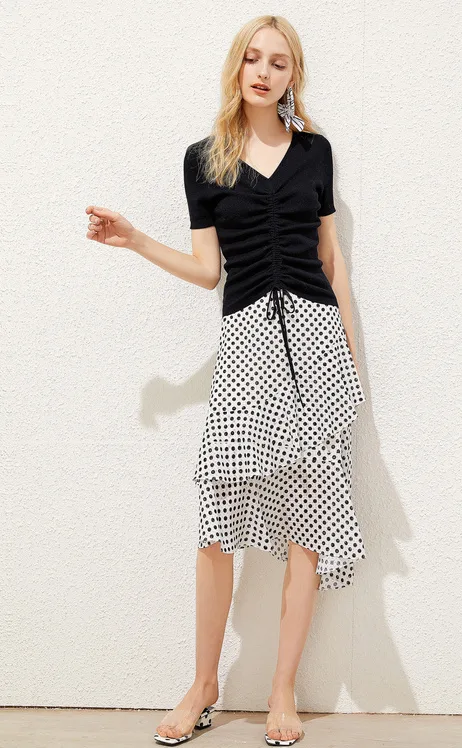
Use the fashion T-shirt collection to identify a concrete garment and its available front area, not to imply that every pictured style already carries the proposed print. A cropped front, a wide neckline or a seam can change the usable area. The artwork approval guide helps keep file revisions and approval authority separate from the decision about printing method.
How should a buyer compare fabric compatibility?
Record the actual fabric composition or proposed material reference, construction, surface, weight where available, stretch, colour and finish. Cotton jersey, a brushed knit, a coated surface and a lightweight woven blouse need not react alike to an applied decoration. A sample on a convenient substitute is useful only for the questions it can answer. It should not be presented as proof of adhesion, opacity, colour or feel on a different material.
For a heat-applied transfer, ask whether the material and any coating, elastane content, dye or finish can tolerate the proposed application conditions. The right conditions are those of the selected system and material; this article does not prescribe a temperature, dwell time or pressure. Ask the provider to identify risk of press marks, gloss changes, flattening or damage, and to demonstrate the result on the intended fabric before bulk approval.
For a screen-print proposal, discuss the ink system, surface preparation and curing route with the supplier. A fabric or dye can influence appearance and behaviour, and a print that looks acceptable before laundering may still need further review. Some materials may require a particular treatment, alternate ink or a different sequence. Confirm those choices with the people making the sample rather than treating one garment type as a universal compatibility guarantee.
For the blouse collection, a buyer might compare a small graphic on a smooth panel with the same graphic crossing a placket or gather. The visual design may be identical, but access, support and placement are not. The fabric development and sourcing solution offers a useful starting point for describing the intended base cloth and testing questions. The supplier must confirm availability and suitability for the named programme.
What should the print feel like on the finished garment?
Hand feel is not a property that can be inferred reliably from the process label alone. Ink formulation, deposited layer, base layer, adhesive, artwork coverage, fabric, curing and finishing all affect the result. A large solid motif may feel different from the same colours arranged as small separate details. The buyer should define the desired balance between colour coverage, flexibility and the visibility of the garment surface.
Review the decoration both flat and when the fabric drapes naturally. Does the graphic make a light top hang differently? Does a dense area create an edge that catches on a fold? Is the reverse comfortable for the product and intended use? Ask whether the proposed size and amount of coverage can be changed if the feel is unacceptable. Do not ask for a “soft print” without showing or describing the comparison that matters to the brand.
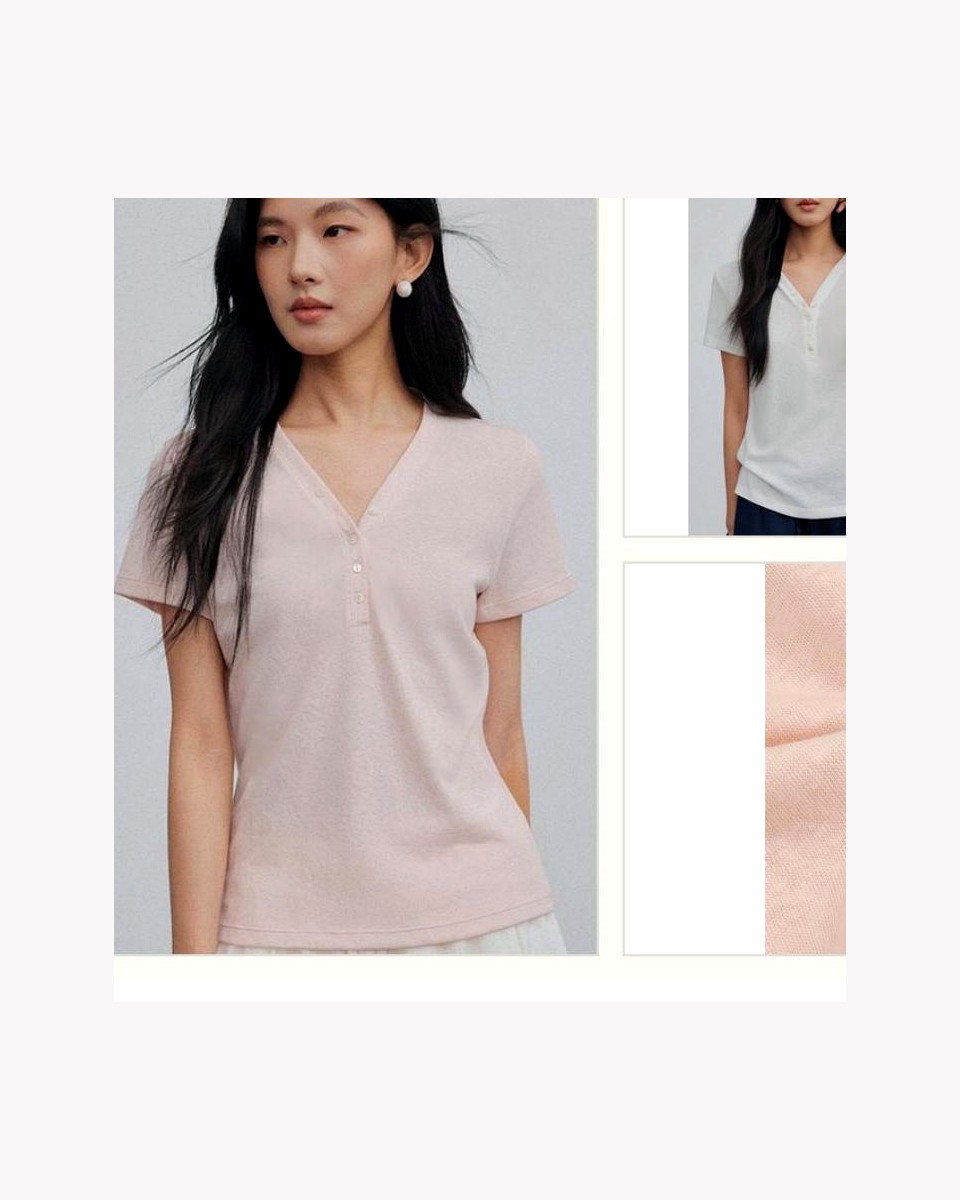
If the fabric stretches during wear, examine how the actual decoration behaves in the intended garment construction. An informal gentle stretch observation is not a substitute for a specified durability test. For a fitted jersey style, discuss the relevant fabric direction, the placement and the intended evidence with the provider. The women's knitwear collection can anchor that discussion to a silhouette; final assessment belongs to the selected sample and material.
How do colour, opacity and garment shade affect approval?
Choose a colour target and a review condition before samples arrive. The same digital file can look different on a monitor, in a printed transfer, on a light garment and on a dark one. A screen-print separation can also produce a different appearance from a digital interpretation. A design that looks convincing on white may need an underbase, a revised palette or another decision on a coloured ground.
Specify which part of the design must match the reference closely and which variation is acceptable for discussion. Record whether the target is a physical reference, a colour specification, an earlier approved print or a supplier proof. Make the lighting and comparison method consistent where practical. A photograph may reveal placement or gross colour differences, but screen settings and lighting prevent it from establishing a precise colour match by itself.
Ask for a review of the edge, gaps and coverage as well as the colour. Check registration between layers in a screen sample. For a transfer, examine whether a pale border, adhesive residue or unintended background is visible. Neither issue is inevitable, and neither can be judged fairly without the actual artwork and sample. If a dark fabric alters the proposed route, document that colourway as a separate approval rather than extending the light-fabric approval automatically.
When does quantity change the cost conversation?
Quantity matters because the work can include both preparation and application. A screen-print quotation may separate artwork preparation, screen setup, colour changes, samples and per-piece printing. A DTF quotation may include artwork preparation, printed film, adhesive processing, transfers, application and associated handling. Providers price those activities differently, and the buyer should request a comparable breakdown instead of comparing two unexplained totals.
Give the full distribution: pieces by style, fabric, garment colour, size, graphic version, print position and delivery split. An order of one graphic on one colourway is a different request from the same total divided across several graphics and garment colours. Ask which parts of the setup can be shared, which changes create additional work, and whether a sample or new setup is needed for a repeat. Do not assume that a transfer removes all setup or that screens will always be retained for a future order.
Compare a realistic first order and a possible repeat separately. A route that looks attractive for a short test may have different costs when the number of applications grows. A larger volume may spread some preparation cost, but that does not prove a particular break-even point without supplier quotations. For small brands, the small-batch clothing manufacturing solution can frame the conversation around product development and order structure; any applicable minimums, prices and capacity must be confirmed for the project.
How do placement and garment construction affect production?
A design needs an accessible surface and a measurable location. Identify the wearer's side, the finished design width and height, the garment size, the artwork orientation and the seam or landmark used to locate it. A neat mockup is useful, but it cannot show every interaction with a zip, pocket, neck binding, lining or side seam. The custom logo placement guide explains how to turn a visual position into a measurable instruction.
Ask whether the supplier proposes decoration on an assembled garment or on a cut panel before sewing. A panel can offer different access, but its position must still resolve correctly on the finished garment. Sewing, shrinkage, cutting and assembly can change the relationship between a printed panel and the final seam. A finished garment may create access or pressure limitations around raised components. Request a sample that represents the proposed sequence.
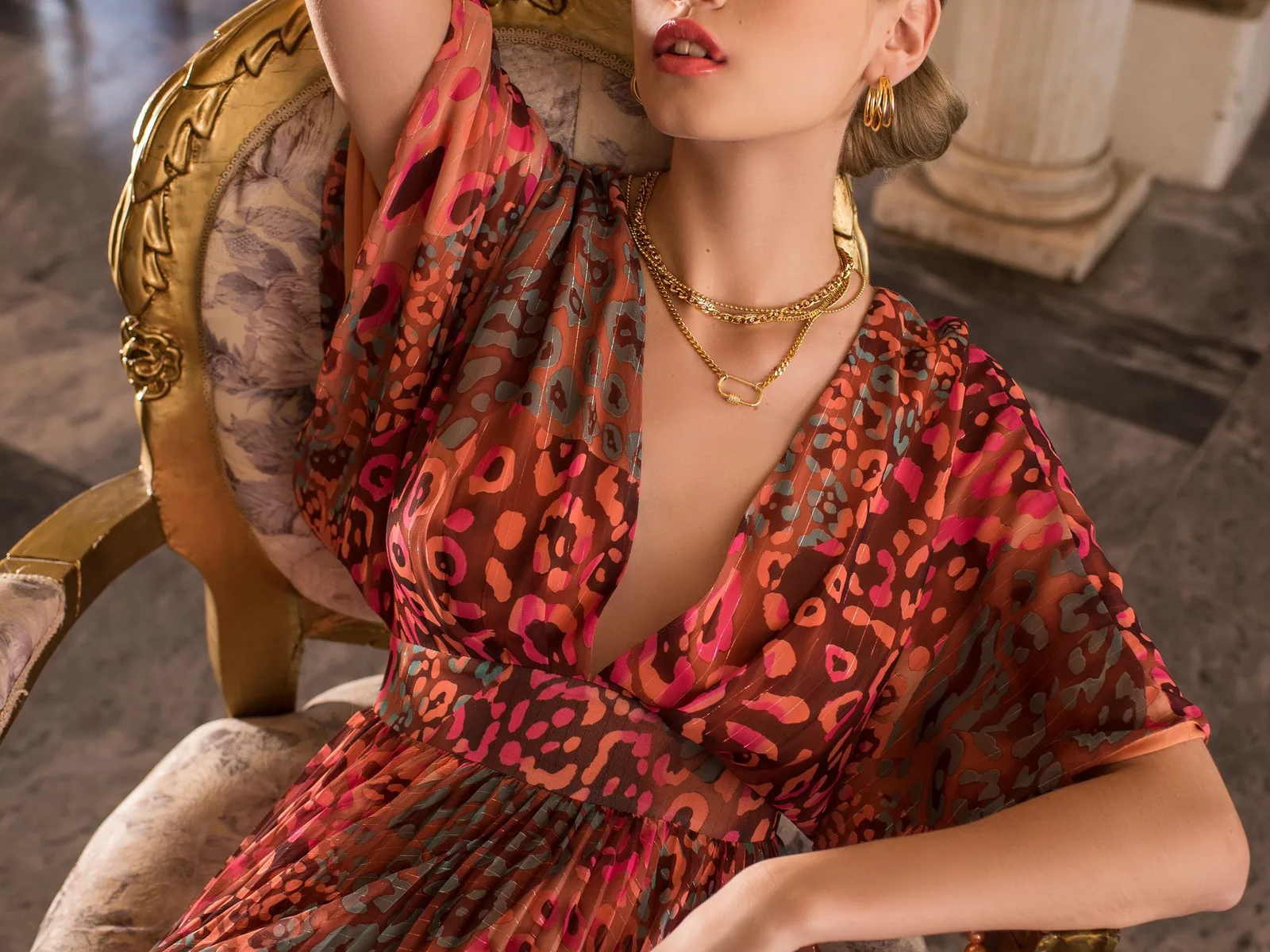
For a dress with shaped panels, identify the exact panel, its finished boundaries and any size-dependent placement. The dress collection helps a buyer discuss silhouette and construction before approving the artwork position. If the proposed print crosses a seam, state whether interruption, alignment or a continuous appearance is required and ask what evidence can demonstrate it. A T-shirt approval should not silently govern a dress made with another pattern and fabric.
What should a useful DTF or screen-print sample demonstrate?
Start with a written sample purpose. A first visual proof might check scale and placement while the fabric remains provisional. A material-specific sample might assess colour, feel and pressing or curing on the intended ground. A production-intent sample should identify the proposed artwork revision, garment construction, material, colourway and process route. The label matters because an early substitute cannot establish every production decision.
Ask for the complete garment view, a close-up of the graphic, the reverse where relevant and photographs showing measurement anchors. The physical item is preferable when surface feel, opacity or garment distortion must be reviewed. Identify the print boundaries, check that artwork details and wording are correct, and compare the actual garment to the approved style and fabric. If a result is conditional, write the condition next to the approval rather than recording an unqualified pass.
If care performance is material to the product, agree the care procedure, sample identity, timing, acceptance criteria and owner before a test. Confirm whether the requested evidence is an internal wash review or a formal independent test. The graphic T-shirt manufacturing guide discusses artwork and wash-related review without promising a result. No DTF or screen print is automatically wash-proof: materials, preparation and process control all matter.
How should teams compare two sample proposals fairly?
Give both proposed routes the same starting point: identical artwork revision, finished dimensions, garment colour, material reference and position. If one supplier is unable to use the nominated fabric or proposes a different ink or finish, label that difference clearly. It may be a sensible alternative, but it cannot answer the same question as a sample on the intended combination. Record each substitution before comparing visual appearance or price.
Set the review criteria before the samples are made. The team may value the readability of fine lettering, the opacity of a large area, a supple front panel or a particular colour relationship. Ask designers, technical staff and the person responsible for the order to consolidate their comments. If one reviewer asks for a softer hand and another requires denser coverage, resolve that tradeoff rather than sending the provider contradictory instructions as if both were independent approvals.
Separate observations from decisions. “The small letters are difficult to read at the intended viewing distance” describes a concern. “Increase the letters by a named amount and provide a revised proof” is a proposed action. Neither establishes that the printing method alone caused the problem; artwork size and garment texture may also matter. Once the provider explains feasible adjustments, the brand can approve the changed design or retain the original and accept the limitations.
Finally, compare quotes against the same sample scope. One proposal might include only a printed film while another includes application to a finished garment. Another might include a physical sample but not the care review requested by the brand. Ask for missing items to be identified or quoted separately, then document the decision and its remaining conditions. A precise comparison is a better foundation for a small first order and any later repeat than a general claim that one method is always economical.
How can a buyer assess a problem without guessing its cause?
Record the observed issue first. A print may lift at an edge, crack, show colour change, feel excessively stiff, appear off position or differ from an approved reference. Photograph the whole item and the detail, identify the size, material, colourway, artwork revision and sample stage, and state what happened before the observation. Keep the affected sample when practical. Do not describe every issue as “bad printing” when the decision could involve a file, fabric, handling, placement or process condition.
Ask the provider to investigate the relevant process and material combination. For a transfer, that may include the specific film, adhesive, surface preparation and application record. For screen printing, it may include the artwork separation, ink, registration and cure record. The point is to obtain a traceable explanation, not to diagnose the cause from an internet checklist. A supplier should propose the next proof or correction and explain what it will and will not resolve.
Agree what happens to unaffected versions. If only one colourway or placement shows a concern, separate that issue from the rest of the assortment while the owner determines whether the same cause could affect other versions. A revised proof should retain the previous sample identity and record what changed. The multi-market version-control guide explains why a later file or component must not replace the approved reference without a visible change record.
What does a comparison look like for a small fashion launch?
Consider an illustrative example, not a reported Yinshan customer order. A brand plans a women's jersey top in two garment colours with a small front wordmark and a larger multicolour back illustration. The artwork is still being adjusted, and the initial size split is uncertain. Its most useful first request is not “quote DTF and screen for 500 pieces” as an invented universal threshold. It is a specification showing the actual sample style, fabric, both colourways, two positions and the current artwork files.
The buyer asks for an itemised discussion of a DTF proposal and a screen-print proposal, including preparation, sample scope, application, any colourway differences and a possible reorder. The provider may identify different work for the small wordmark and the illustration. It may propose one route for the complete programme or ask the buyer to compare alternatives. Availability and pricing are project-specific; the brand should not assume that either proposed combination is already approved.
Review samples on both light and dark grounds if the colour strategy changes. Inspect the small text, the edge of the large illustration, the feel of the back panel and the print's relationship to neckline and seams. If the fabric changes after the first review, determine what must be rechecked. A less expensive preliminary quote is not meaningful if it excludes the material-specific proof or an application step included in the other proposal.
The decision record then names the selected route, the accepted garment and material, artwork revision, positions, colourways, sample reference, care evidence and open conditions. If the brand retains an alternative for later, it should remain labelled as an alternative, not as a second approved production instruction. This gives the factory a workable handover and helps the buyer explain the decision to merchandising, design and operations.
What belongs in the bulk handover and a repeat order?
Bring the artwork, garment and approval records together before bulk release. The record should identify the current style and fabric, garment colours and sizes, artwork file and revision, design dimensions, position, approved physical proof, intended process route and any agreed acceptance criteria. Add quantities and the person responsible for resolving a mismatch. An approval for the visual appearance alone does not automatically approve a substituted material or a different process.
For a repeat, compare the current request with the approved combination. Check whether the artwork file, garment construction, fabric supplier, colour, application partner, ink or transfer system, size range or care instruction has changed. Not every change requires a complete restart, but the affected question should be reopened. Ask what evidence is retained, whether screens or transfer files remain usable, and what must be prepared again. Do not assume indefinite retention or unchanged prices.
Yinshan Fashion's custom womenswear manufacturing solution provides a way to discuss the product, sample and production handover together. Send the current design, material direction, expected quantities and sample objective to Yinshan Fashion. The team can clarify the available route and open questions for the actual programme; the brand remains responsible for artwork rights, its final acceptance decision and market-specific requirements.
Which questions should brands ask before choosing DTF vs screen printing?
Ask whether the proposed route reproduces the important artwork details on each intended fabric and colourway. Ask which physical sample, care review and placement evidence are needed, what setup and application are included in the quote, and how artwork changes or repeat orders are handled. Identify the unresolved decisions instead of asking for a guarantee based on a process name. A clear brief gives a supplier enough information to explain the tradeoffs and recommend the next relevant proof.
Print-method buying guide
Three decisions before choosing a print route
Use the actual artwork, garment material and intended order split. Availability and acceptance depend on the programme.
Define the design
Name the current file, visible dimensions, colourways, garment positions and essential details.
Review the real material
Assess the sample on the proposed fabric for appearance, placement, feel and agreed care evidence.
Compare the complete order
Ask for setup, sample, application and repeat assumptions against the same quantity breakdown.
Buyer inputs and factory questions
Keep the file, garment, process and sample scope connected throughout the decision.
| Decision area | What the buyer should prepare | What to ask the factory |
|---|---|---|
| Artwork | Send source files, revision, dimensions and colour targets. | What separations or transfer preparation does the artwork require? |
| Fabric | Identify composition, surface, colour and garment revision. | What material-specific concerns need a sample? |
| Position | Mark wearer side, anchors and size mapping. | Will decoration occur on a panel or assembled garment? |
| Sample | Define visual, feel and care review scope and owner. | Which proposed conditions does this proof represent? |
| Quote | Break quantities down by design, size, colour and placement. | Which setup, application and repeat charges are included? |
| Release | Record accepted sample, version, criteria and open conditions. | Which change would reopen the approval? |
Continue the production conversation
Compare the production questions, not just process names
| Decision | DTF transfer discussion | Screen-print discussion | Buyer evidence |
|---|---|---|---|
| Artwork | Film interpretation, base and small isolated details | Colour separations, screens, registration and underbase | Current file, visible dimensions and proof |
| Fabric | Heat, adhesive and surface compatibility | Ink, surface and curing compatibility | Actual material and colourway sample |
| Feel | Transfer coverage and material interaction | Ink system, layers and coverage | Physical garment reviewed in wear |
| Order | Film, application and handling by version | Screen preparation, colour changes and application | Quantities by size, colour and placement |
| Repeat | Retained files, transfer route and changes | Screen retention, revisions and setup | Approved reference and change log |
Buyer FAQs
Is DTF vs screen printing better for small clothing orders?
It depends on the artwork, fabric, placements, quantities and supplier setup. Compare complete quotations and material-specific samples rather than assuming a universal quantity threshold.
Is DTF always more durable than screen printing?
No. Durability depends on the selected materials, artwork, application or curing, garment and care conditions. Agree the required evidence and review representative samples.
Can either method print a multicolour graphic?
Both can be considered for multicolour artwork. Ask how the selected provider prepares the file, handles colour and fine details, and demonstrates the result on the actual garment.
Does a screen-print sample approve the same artwork as a DTF transfer?
Not automatically. The route, material, colour and appearance may differ. Identify the process and exact garment represented by each approved proof.
What should I send Yinshan Fashion for a print comparison?
Send the style, fabric, garment colours, artwork source and revision, positions, size range, quantities by version, target appearance, sample purpose and open approval questions.