Article
What should buyers know first?
Short answer: A B2B guide to preparing a custom dress for a US brand, with fit-block, size-curve, fabric, lining, care-data, label, sample and packing decisions connected before bulk production.
Custom dress production for US brands is not a matter of taking a fashion image to a sewing line. It is a controlled development route that links the intended silhouette to a fit block, size curve, fabric, lining, care-data inputs, label package, packing instruction and the sample that proves the current version. That discipline does not create one universal American dress size or replace the brand’s legal review. It does make the product easier to sample, sell, approve and repeat without turning open decisions into hidden factory assumptions.
Yinshan Fashion supports custom and private-label bulk programmes rather than unrestricted ready-stock wholesale. For a dress brand, that means the work can start with a sketch, a reference garment or a developing tech pack, then move through fabric and fit advice, pattern and sample coordination, private-label components and a production handover. The buyer continues to own the market, product information, commercial choices and final approvals. The factory and supplier team help make the physical garment route clear enough to execute.
Direct answer: Start with one buyer-defined dress identity and state what the sample must prove. Define the intended wearer, silhouette, fit block or reference, size strategy, fabric and lining behaviour, construction priorities, care and label inputs, packing route, approval owner and unresolved choices. Check the actual garment before bulk. This lets a US brand keep a product-page promise, a size guide, a sample and a factory instruction connected without claiming that every dress or customer follows the same rule.
What makes custom dress production for US brands different from a generic dress enquiry?
“Midi dress in a soft fabric” is useful creative language, but it leaves several production questions unanswered. Does the buyer mean a close-fitting bodice with a fluid skirt, a relaxed day dress, a lined occasion piece or a shirt dress that needs a sharp placket? Which measurements hold the look together? Which parts of the picture are fixed, and which are only inspiration? A factory can make better recommendations when the brief separates product intent from assumptions.
US market context changes the questions a brand may need to answer, but it does not create a single standard garment. A direct-to-consumer brand may need product-page fit information, individual packing and a barcode route. A boutique programme may prioritise a hanging presentation and coordinated hangtag. A retailer may bring its own inbound guidance. State the channel and target wearer so the sample, label, product-data and packing conversations are connected to the actual selling route rather than a generic “US style.”
The international private-label production brief guide gives the wider structure for market, language, channel and product inputs before sampling. This article applies that structure to the dress decisions that a buyer and a custom dress manufacturer need to make visible: body balance, length, size progression, fabric behaviour, lining, closures, care information and presentation.
How should buyers establish a dress identity that the whole team can recognise?
Use a stable working identity alongside customer-facing marketing language. It can be a buyer-defined style code, colour reference, sample size and current revision. Add the intended wearer, category, channel, source image or retained sample and target shape. That identity should appear on sample comments, measurement sheets, fabric references, label artwork and packing instructions so a similar old garment is not mistaken for the current dress.
Break the reference into visible and invisible decisions. Visible decisions include neckline, shoulder line, sleeve volume, waist position, skirt shape, hem level, print placement, gathers and closure visibility. Invisible decisions include the fabric construction, body ease, lining route, seam allowance, facing, zipper type, elastic recovery, interfacing, pressing approach and grading. A photograph can suggest the first group. It rarely proves the second.
This is where a factory-based supplier adds value. Yinshan Fashion can identify which visual feature needs a pattern response, which fabric point needs a swatch or garment sample and which component needs an applied proof. That is more useful than a blanket promise to duplicate a picture. The buyer can then make a deliberate choice about the brand’s own product rather than copying an incomplete reference.
How should buyers choose a fit block before discussing a size curve?
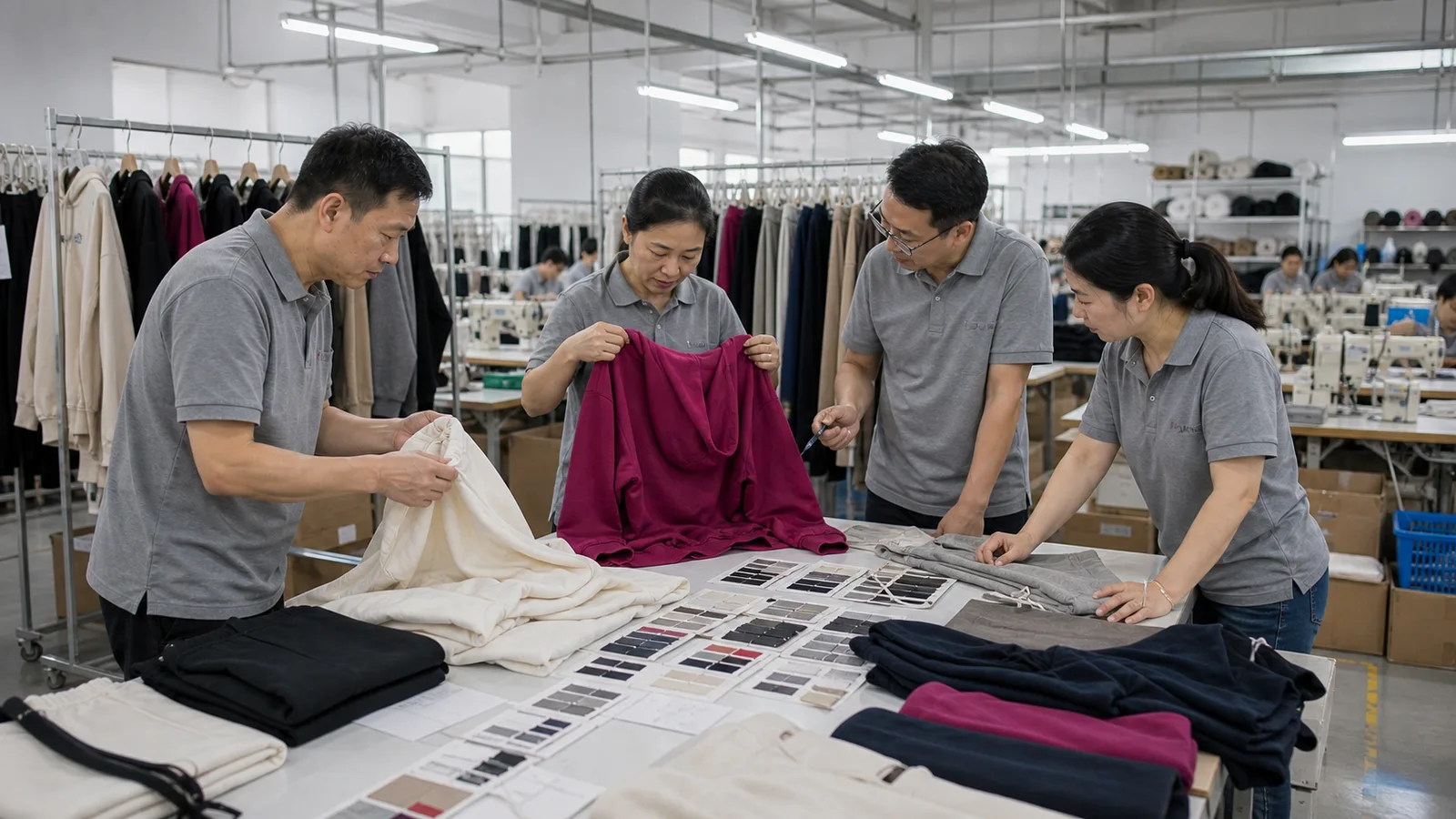
A fit block is the starting body and pattern logic used to develop a particular silhouette. It is not a guarantee that every customer will fit a dress in the same way. A buyer should identify the target wearer, sample size, intended fit, the reference garment or body basis being used, and the points that define the style. For a fitted woven dress, bust, waist, hip, torso length, armhole, shoulder and closure position may be critical. A loose volume dress may depend more on shoulder, body width, length, sleeve opening, pocket position and the way the fabric falls.
Describe the intended fit in observable terms. “Elegant” and “flattering” are merchandising objectives, not pattern instructions. “Waist seam stays at the natural waist,” “skirt clears the hip with visible movement,” “neckline remains stable when the wearer reaches,” or “sleeve opening does not restrict the intended arm movement” gives the sample team a question it can evaluate. Where a buyer has a physical fit sample, photographs of the garment worn and measured can be more useful than a front-only ecommerce image.
Keep the fit review tied to the exact material route. A dress can measure correctly when flat yet look or feel wrong once the fabric changes. Stretch, recovery, weight, drape, opacity, lining and closure construction can all alter the silhouette. The custom dress manufacturer guide explains why the chosen fabric and the pattern must be reviewed as one product rather than as separate approvals.
How should buyers build a size curve from customer evidence rather than a borrowed size name?
Size labels do not define the garment on their own. A brand may use its own customer data, an established size architecture, a fit model reference, prior sales experience or a deliberate new fit position. The working question for the factory is which measurements change between sizes, how the buyer wants the silhouette to read across the range and which points need targeted review. The answer can be different for a fitted bodice, an elasticated waist, a shirt dress, a tiered maxi or a knit column dress.
The buyer should give the current size range, sample size, measurement points, units, intended ease, existing size table if relevant, known fit concerns and the decision owner. The factory can then explain what needs a pattern review, a grade-rule discussion, a fit sample or a size-set check. Avoid treating a generic US size label as a substitute for this work. A label can be familiar to a shopper while the dress still needs a brand-specific body and proportion decision.
When comments arrive from more than one reviewer, consolidate them. A request to make the waist smaller, lengthen the bodice and increase skirt ease may change the balance of the whole dress. Record where the comment applies, which sample it refers to, whether the fabric or construction is unchanged, what proof is needed and who can approve the revised version. This prevents a later grade or sample from carrying untracked instructions from several email threads.
How should fabric, lining and cut shape what the sample must prove?
Fibre content alone does not tell a buyer how a dress will hang. Construction, weight, density, surface, stretch, finish, colour, lining and cut affect drape, volume, opacity, seam behaviour and hem balance. A fluid woven can create movement but may need a different neckline, facing or lining decision from a crisp fabric. A bias-cut route may behave differently from the same fabric cut on grain. A stretch knit needs a different fit and recovery conversation from a non-stretch woven.
State the desired behaviour, not only a broad material name. Does the brand need body, movement, coverage, a clean waist, soft gathering, a stable neckline, a compact packed appearance or a particular texture? If the material is still open, label it as an option. The factory can recommend swatches, construction alternatives or a sample objective without presenting a preliminary note as a final production specification.
Lining should be considered in the same conversation. It can affect coverage, heat, movement, seam bulk, zipper behaviour, hem weight and how a dress sits on the body. Review the outer fabric, lining, closure and construction as an actual combination. The fabrics and trims development page is a useful starting point for material and component discussion; the dress file should preserve the selected reference, the parts of the garment it applies to and the questions still open.
How should a reference silhouette become measurement and construction priorities?
A dress needs a short list of controlling points, not an indiscriminate list of every possible measurement. For one style, the priority may be the position of a waist seam and the depth of a V-neck. For another, it may be the proportion between sleeve volume and cuff, the spread of a gathered skirt or the way a back zipper sits against a lined bodice. The buyer should rank the points that define the product so a sample review can focus on the features that would change the commercial look if they drifted.
Construction details need the same clarity. Name the intended closure, pocket, lining, facing, elastic, shirring, boning, print, embroidery, button or zipper route where it is already known. If it is not known, state the function to solve. A zipper may need to be invisible or simply practical. A lining may need to improve coverage or support a light outer fabric. A sample lets the team review the chosen response on the actual garment, rather than assuming a flat drawing proves performance.
The casual-fashion product range can help a buyer frame the product category before the development request is sent. It is not a claim of ready-stock availability. It gives a brand a useful vocabulary for describing the dress, blouse, shirt or fashion-top direction it wants to develop with its own fabric, fit, brand and channel requirements.
How should care data and label copy stay buyer-owned and evidence-based?
For a US-directed clothing programme, care information, fibre content, origin and responsible-business details need careful buyer-side review. FTC guidance is useful planning context: care instructions should have a reasonable basis, and textile-label guidance addresses aspects of fibre, origin and responsible-company information for covered products. Those sources do not provide a one-size-fits-all label, decide the final wording for a dress or replace advice from the brand, importer or an appropriate specialist.
In practical terms, the brand should assign an owner to each product-information item: care direction, fibre input, origin input, brand or responsible-business details, size label, main label, hangtag, barcode and product-page fact. The factory can apply approved artwork, show placement on a sample and record the revision used. It should not infer a final consumer-facing claim from a fabric mood board, an old label or a request to “make it compliant.”
Connect the information to the exact dress version. Main fabric, lining, print, trim, heat transfer, closure and construction can affect the care conversation. If one of those changes after an early approval, the buyer should ask whether the current evidence and label copy still apply. The private-label service page explains how labels, artwork, hangtags and packing can be treated as components of the product route rather than additions left until the end.
How should buyers use samples to answer named questions rather than create vague approval?
No sample proves everything. A development sample may test the direction of the silhouette and construction. A fit sample may test the pattern, key measurements and relationship between fabric and body. A material or colour proof may answer a specific finish, drape or placement question. A later sample can bring approved fabric, components, labels and packing together. The useful step is to write the purpose before the sample is made, then record what its review actually approves.
For a dress, ask questions a wearer and buyer would notice: Is the neckline secure in the intended movement? Does the waist sit where the design needs it? Does lining change the skirt or hem? Does a zipper pull or distort the shape? Does the fabric show more or less coverage than expected? Does a change to the bodice affect the final length? The answer should result in an observable comment and a next action, not a broad statement that the dress is “good.”
Use dated sample photographs, a current measurement file, the material reference, a change log and an approval owner. If a comment changes the physical product, revisit any connected product-page fact, label placement, packing fold or quantity matrix before bulk. The export-ready production records guide shows how to carry that approved current version into a controlled handover.
How should buyers plan packing around the dress and actual fulfilment route?
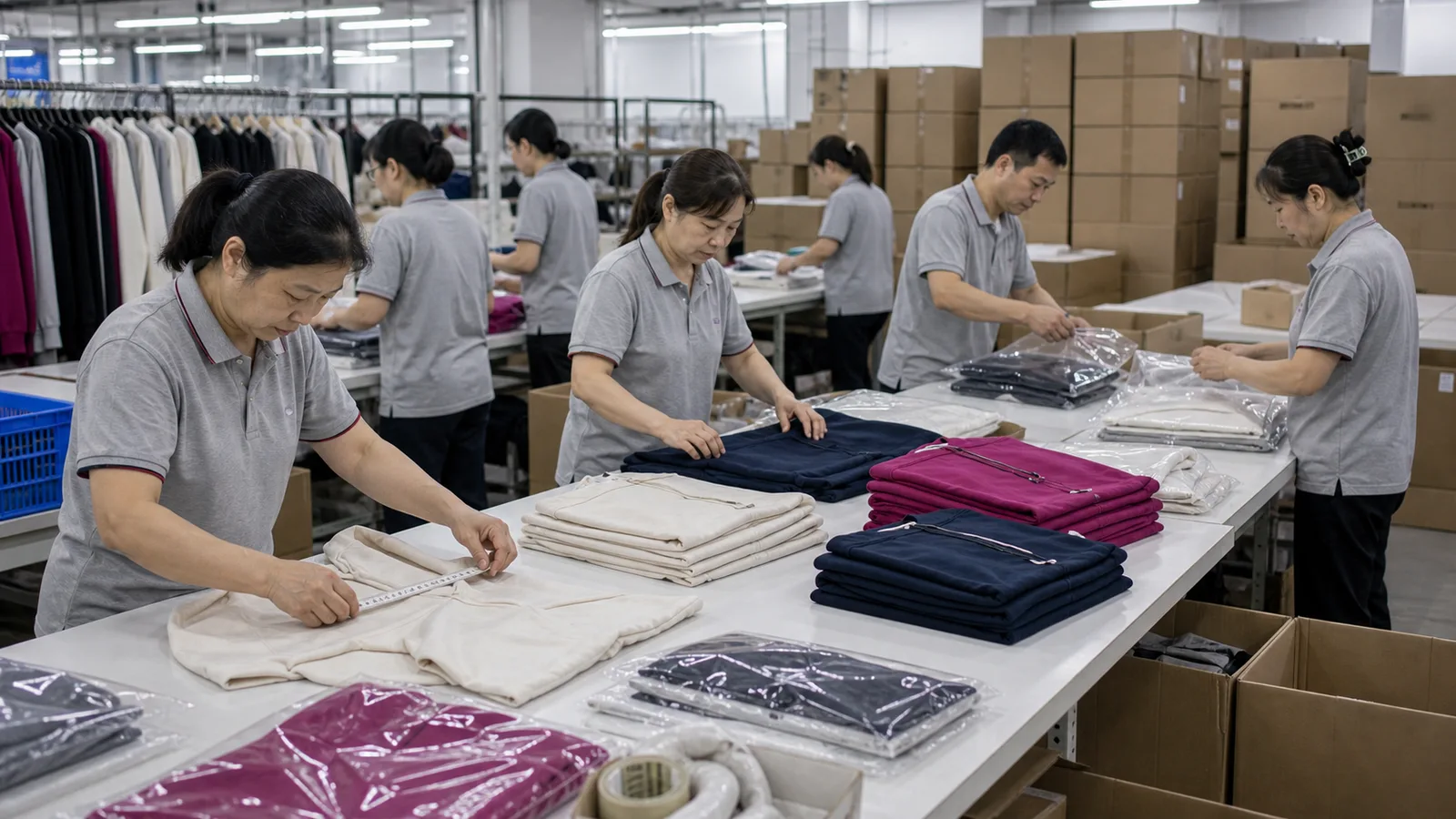
Packing should protect the garment and identify the right product version. A lightweight woven dress, a structured style, a delicate print and a lined occasion dress may need different folding, hanger, protection, sticker or carton discussions. The buyer should state individual packing direction, fold or hanger route, tissue or protective material where applicable, barcode owner and placement, size and colour identity, carton information and any channel-specific directions supplied by a retailer or fulfilment provider.
Do not rely on product-title wording as the factory’s only identifier. Marketing titles change. The physical product route should use the buyer’s stable style-colour-size identity, then map the barcode, labels, hangtag, packing proof and carton marks to it. That record helps prevent a correct dress being packed with an outdated size sticker, wrong colour label or irrelevant channel instruction.
Yinshan Fashion can coordinate the garment, applied components and packing questions around the buyer’s approved files. Exact packing materials, quantities, commercial terms, retailer conditions, timing and shipment arrangements remain programme-specific. The manufacturing overview and how-it-works process show how sample approval, production, quality checks, finishing and packing relate to a buyer-defined order route.
How should product-page facts stay connected to the approved dress?
An ecommerce product page can give customers a clearer expectation when it follows approved product facts. A brand may choose to communicate intended fit, sample or model context, garment length, fabric direction, lining, closure and care direction. Those statements should be sourced from the current product route, not invented to make an early listing feel complete. The buyer owns the final copy, photography and sales claims. The factory can help identify which garment and sample evidence are available to support a discussion.
Separate consumer language from production identity. “The easy summer dress” may be the marketing name, but the factory needs a current style code, colour, size context, material reference, sample version, construction details and label/packing revisions. Both can be stored in the project file, but a content change should not silently alter what the factory makes.
The same rule applies after a fit or material change. If the approved sample is longer, less sheer, more fitted or differently lined than the first development reference, the brand should revisit the product-page facts it plans to publish. This does not promise a particular conversion or return outcome. It gives the brand a practical way to avoid an unnecessary gap between a dress shown online and the garment shipped to a customer.
How should a buyer compare a dress quote without losing the product basis?
Price comparisons become unreliable when suppliers receive different versions of a dress. One quotation may assume a stock material, another a custom colour, one an unlined garment, another a lined garment, or one a simple fold while another includes multiple labels and individual packing. The figures can look comparable while the product routes are not. Send the same current brief to each candidate and ask it to distinguish confirmed information, assumptions, exclusions, alternatives and open decisions.
For a fair comparison, provide the dress identity, current reference, fit priorities, fabric and lining direction, construction and trim scope, size range, colour options, sample purpose, labels, packing route, quantity matrix, destination and desired decision. Do not expect a fixed price, MOQ or lead time when these points remain open. A useful supplier response explains what needs confirmation before those commercial points can become firm.
Yinshan Fashion can act as a manufacturer and supplier by helping a brand connect its reference, materials, sample review, private-label components and factory handover. The company’s role is to make the route actionable, not to claim that every dress programme requires the same setup or that a general quote proves a final order outcome.
How should buyers keep a repeat-ready dress record after the first bulk decision?
The first approved route can make a future colourway, size expansion or repeat discussion clearer. Retain the controlling sample or detailed record, pattern and measurement version, fit comments, fabric and lining references, colour direction, trim list, care and label inputs, packing proof, quantity structure, quality priorities and authorised changes. Identify the scope of each record. A care note may apply to one material route, and a packing proof may apply to one channel rather than every future order.
When the buyer requests a new fabric, revised length, updated label, another market or a new fulfilment route, compare the change with the stored record. Decide whether the original sample still proves the right thing or whether the material, fit, labels, product data or packing need a targeted review. This keeps a repeat order from becoming an unexamined copy of an earlier product.
What questions should US dress brands ask before custom production?
What should a US dress brand send a custom manufacturer before sampling?
Send the current reference or tech pack, intended wearer and channel, buyer-defined style-colour-size identity, target silhouette and fit priorities, fabric and lining direction, construction details, size range, labels, care-data status, packing direction, quantities, sample purpose, approval owner and open questions. A complete tech pack helps, but a structured partial brief can begin a useful feasibility and sample discussion.
Does custom dress production for US brands use one standard size curve?
No. A brand should define its customer, fit block or reference, size range, key measurements, ease and review priorities. The manufacturer can turn that information into pattern and sample questions, but a generic size label is not a substitute for a product-specific fit decision.
Does the factory decide the final US care-label wording for a dress?
No. The factory can apply buyer-approved files and prepare sample proofs. The brand, importer and appropriate specialist should confirm final wording, evidence and applicability for the actual product and destination. FTC material is useful planning context, not a finished-label template.
When should lining be approved for a custom dress?
Discuss lining with the outer fabric, cut, closure and intended wearing experience. It can affect coverage, movement, seam bulk, hem behaviour and care considerations. Review the combination on the relevant sample when it changes the garment’s visible result or fit.
Can Yinshan Fashion help a small US brand develop a private-label dress?
Yinshan Fashion can discuss reference review, fabric and fit direction, pattern and sample development, labels, packing and bulk preparation for custom and private-label programmes. Final material availability, quantities, costs, timing, market requirements and commercial terms depend on the confirmed project.
How should a buyer start a controlled custom dress conversation?
Send Yinshan Fashion the dress reference, target customer and sales channel, desired silhouette, fit and measurement priorities, fabric and lining direction, labels and care-data status, packing route, quantities, sample objective, approval owner and the decisions where guidance is needed. The goal is not to make a premature promise. It is to decide which physical questions must be answered before the product moves from a promising reference to an approved bulk-ready dress. Start through contact Yinshan Fashion.
US custom-dress fit-control kit
Three controls that keep a dress fit decision connected to the current order
A dress sample becomes useful when the buyer can identify the controlling fit, fabric and component decisions, then show what the next proof must answer. Use these controls before a size curve, care file or packing instruction is treated as final.
Name the controlling fit
Record the target wearer, sample size, fit block or reference, key measurement points, intended ease and the decision owner before a size label becomes a production instruction.
Test the full dress combination
Review outer fabric, lining, cut, closure and construction on the current garment, because a swatch or flat pattern alone cannot prove the final silhouette.
Release the correct version
Map the approved sample, care and label inputs, packing proof and change history to one style-colour-size route before a bulk decision is made.
Buyer actions and factory questions before a custom US dress moves from sample review to bulk planning
Use this list to keep the intended wearer, dress fit, physical sample, buyer-owned product information and packing route aligned. Exact quantities, costs, timing, testing, commercial terms and market requirements remain specific to the confirmed programme.
| Decision area | What the buyer should prepare | What to ask the factory |
|---|---|---|
| Dress and wearer context | Provide the category, target wearer, channel, style-colour-size identity, current reference, target silhouette and the features that must not change. | Which physical or digital reference controls this dress, and which visual or construction point still needs a development decision? |
| Fit block and size route | Share the sample size, intended fit, fit reference, key measurement points, size range, ease priorities, comments and approval owner. | Which pattern, grade point or garment movement question needs a fit or size-set review before bulk? |
| Fabric, lining and construction | State the material reference, drape and coverage priorities, lining, trim, closure, cut direction and open options. | Which fabric, lining, closure or construction combination must be proven on a sample rather than assumed? |
| Care, labels and product information | Map buyer-owned care, fibre, origin, brand and size inputs to the current garment version, file revision, owner and approval status. | Which file is a draft, which component needs an applied proof and which item still needs buyer-side confirmation? |
| Packing and fulfilment context | Provide the barcode owner, individual packing, fold or hanger direction, protective material, carton data and channel-specific requirements. | Which packing proof applies to this precise dress version and how will its style, colour and size identity be preserved? |
| Sample release and later changes | Record the sample purpose, revision, approved scope, remaining conditions, next action and decision owner. | What can proceed now, what remains conditional and which later change requires the sample, product data or packing route to be reopened? |
Continue the production conversation
Custom dress controls from fit block to bulk-ready packing
| Decision area | Buyer input | Factory question before bulk |
|---|---|---|
| Dress identity | Style-colour-size identity, wearer, channel, current reference and revision. | Which sample and record control the current dress rather than a similar or earlier style? |
| Fit block and curve | Intended fit, sample size, key measurements, size range, ease and review priorities. | Which pattern or grade point needs a fit or size-set review for this silhouette? |
| Fabric and lining | Material reference, desired behaviour, opacity, stretch, lining, trim and closure direction. | Which behaviour must be proven on the actual dress rather than inferred from a swatch? |
| Care and labels | Buyer-owned care, fibre, origin and brand-information inputs, files, owners and status. | Which component or wording needs an approved file or applied proof before release? |
| Packing | Style-colour-size mapping, barcode, fold or hanger route, individual protection and carton data. | Which packing proof belongs to this exact dress and fulfilment route? |
| Sample release | Sample purpose, comments, conditions, approval owner and open changes. | What may proceed, what remains conditional and what requires a new review? |
Buyer FAQs
What should a US dress brand send a custom manufacturer before sampling?
Send the current reference or tech pack, target wearer and channel, style-colour-size identity, fit priorities, fabric and lining direction, construction, size range, labels, care-data status, packing, quantities, sample purpose, approval owner and open questions.
Does custom dress production for US brands use one standard size curve?
No. The brand should define its customer, fit block or reference, size range, key measurements, ease and review priorities. A generic size label is not a substitute for a product-specific fit decision.
Does the factory decide the final US care-label wording for a dress?
No. The factory can apply buyer-approved files and prepare proofs, while the brand, importer and appropriate specialist confirm final wording, evidence and applicability for the actual product and destination.
When should lining be approved for a custom dress?
Review lining with the outer fabric, cut, closure and intended wearing experience when it affects coverage, movement, seam bulk, hem behaviour or care considerations.
Can Yinshan Fashion help a small US brand develop a private-label dress?
Yinshan Fashion can discuss reference review, fabric and fit direction, pattern and sample development, labels, packing and bulk preparation for custom and private-label programmes. Final scope depends on the confirmed project.